Plan a thriving West Virginia garden with our growing zone guide. Explore the 2023 USDA map, frost dates by city, planting calendar, and the best vegetables, fruits, flowers, and native plants for every Mountain State microclimate, from cool Potomac Highlands hollows to warm Ohio and Kanawha river valleys.


Gardening in West Virginia might mean beans and tomatoes tumbling out of a Charleston backyard, heirloom apples clinging to a Randolph County hillside, or pollinator-friendly borders buzzing along a Morgantown patio. West Virginia planting zones cover a surprisingly wide range of USDA hardiness zones, running roughly from zone 5b in the coldest central Appalachian ridges to zone 7a in the warmest river valleys and Eastern Panhandle communities.
This guide will help you understand your West Virginia growing zone, read the 2023 USDA map, time your planting around frost dates, and choose the best plants for your part of the Mountain State.
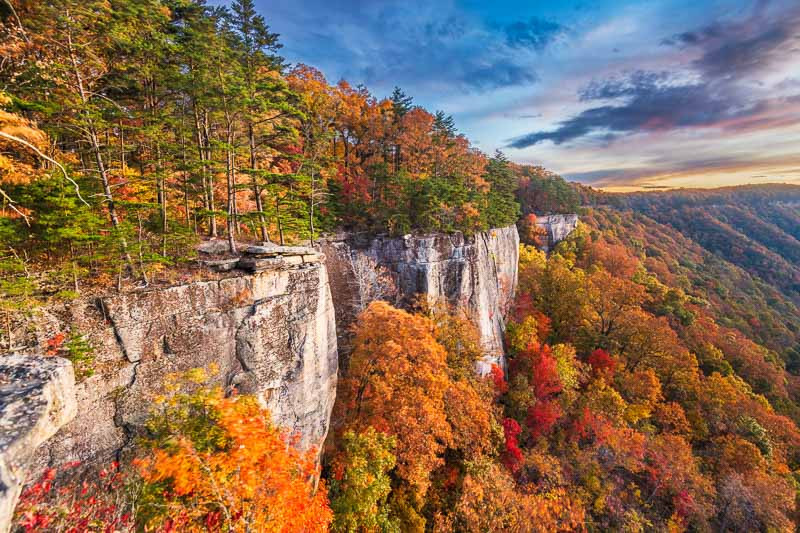
West Virginia stretches from rugged Allegheny ridgetops and foggy spruce forests down through cool upland valleys, rolling hill country, the Kanawha and Monongahela river basins, and out to the low, warm Eastern Panhandle. Because West Virginia is the third most forested state and one of the highest-elevation states in the East, temperature swings between ridges and hollows can exceed 15–20°F on the same night. That mix of elevation, latitude, and river valleys creates several distinct gardening climates. Using the updated 2023 USDA Plant Hardiness Zone Map (based on 1991–2020 winter lows), West Virginia spans about zones 5b to 7a, with much of the state in zones 6a–6b and the warmest pockets at 7a.
The 2023 USDA Plant Hardiness Zone Map uses 30-year averages of the coldest winter temperatures (1991–2020) to assign zones across the country. It’s the standard reference gardeners use to pick trees, shrubs, and perennials that can reliably survive winter in their area.
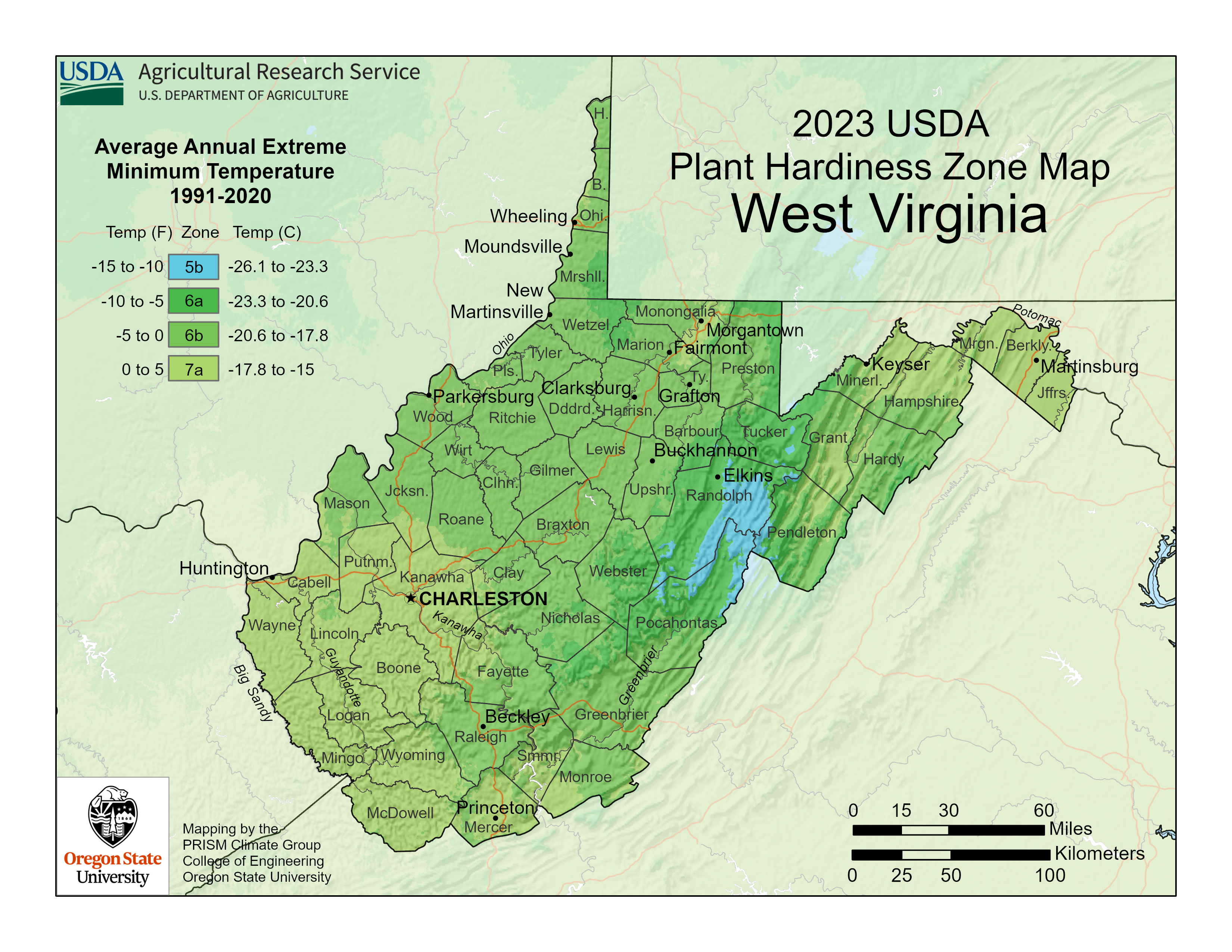
A simplified West Virginia planting zone map based on the 2023 USDA Hardiness Zone Map, using 1991–2020 climate data.
Use the map together with your ZIP code to pinpoint your exact West Virginia garden zone. Look up your West Virginia planting zone by ZIP code using the USDA tool, then come back here or explore our Plant Finder to discover plants matched to your zone, sun exposure, and soil.
Although West Virginia’s planting zones run from about 5b to 7a, local conditions—deep hollows, river bottoms, windy ridgetops, and urban heat islands—create countless microclimates. Thinking regionally makes it easier to match plants and planting dates to your yard.
This region includes the highest, coldest parts of the central Appalachians, such as portions of Randolph, Pocahontas, Tucker, and Pendleton counties. Winters are long and snowy, and late frosts are common, but summer days are pleasantly cool.
Morgantown, Fairmont, Clarksburg, Weston, and Buckhannon sit in rolling hills and valleys with four distinct seasons. Winters are cool, summers warm but not extreme, and the growing season is solid, if a bit shorter than in the warmest river valleys.
From Charleston down through the Kanawha and New River valleys into Logan, Pineville, Beckley’s surroundings, and the southern coalfields, winters are relatively mild and summers can be hot and humid.
Huntington, Parkersburg, Point Pleasant, and river towns along the Ohio enjoy some of the state’s mildest winters and longest frost-free periods, thanks to low elevation and moderating river influence.
Martinsburg, Charles Town, and surrounding Potomac Valley communities sit at lower elevations with Maryland and Virginia just across the line. Winters are fairly mild, summers hot and humid, and paved surfaces and buildings create extra warmth.
From spruce-topped ridges near Snowshoe to sheltered Charleston backyards and sunny Eastern Panhandle gardens, frost dates are your best planning tool. Whether you’re gardening in Elkins, Morgantown, Charleston, Huntington, or Martinsburg, your average last and first frosts help you decide when to sow cool-season crops, when to set out tender seedlings, and when to be ready with row covers in fall.
Across West Virginia, last spring frosts generally run from late April in warm river valleys to late May or even early June in higher elevations. First fall frosts often arrive from late September in the mountains to late October in lower valleys and the Eastern Panhandle, depending on elevation and local microclimates. River valleys often stay frost-free longer in fall, but they can trap cold air in April, causing surprise spring frosts.
| Region / City | Average Last Spring Frost | Average First Fall Frost | Approx. Frost-Free Days |
|---|---|---|---|
| Elkins (Central Highlands) | Late May (around May 21–31) | Late September–Early October (around Sep 21–Oct 5) | ~120–140 days |
| Morgantown (North-Central Hills) | Early–Mid May (around May 1–10) | Late October (around Oct 21–31) | ~165–180 days |
| Charleston (Kanawha Valley) | Late April–Early May (around Apr 25–May 5) | Mid–Late October (around Oct 15–31) | ~165–185 days |
| Huntington (Ohio River Valley) | Mid–Late April (around Apr 15–25) | Late October (around Oct 21–31) | ~180–195 days |
| Martinsburg (Eastern Panhandle) | Late April (around Apr 21–30) | Late October (around Oct 21–31) | ~175–190 days |
Dates summarized from regional climate and frost-date tools; always check a local forecast and ZIP code–based lookup for the most precise information for your garden.
Use these frost windows as planning guides—your yard may act warmer or cooler depending on slope, altitude, wind, nearby pavement, and buildings. They’re long-term averages, not guarantees, so keep an eye on the forecast during spring warm-ups and autumn cold snaps.
Once you know your West Virginia planting zone, you can lean into your region’s strengths—cooler mountain summers in Elkins, long Huntington autumns, or sheltered Eastern Panhandle gardens. Focus on cold-hardy perennials for your zone (5–7) and heat- and humidity-tolerant annuals and vegetables.
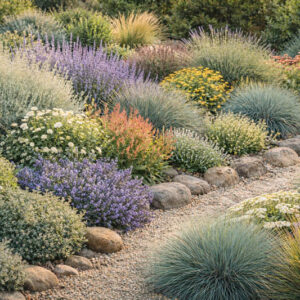
West Virginia native plants are perfectly tuned to local soils, rainfall, and winter lows. Combine native wildflowers, grasses, shrubs, and trees for a low-maintenance, wildlife-friendly landscape that supports pollinators and songbirds while tolerating the state’s hot summers and occasional droughts.
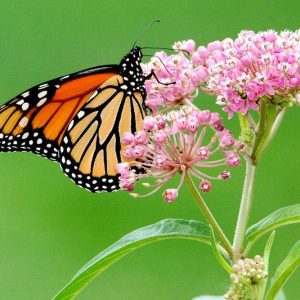
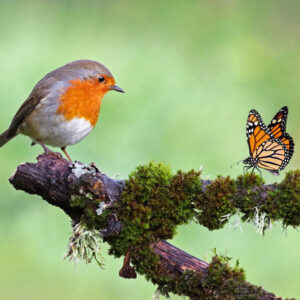
Explore curated lists like great pollinator plants for West Virginia, monarch nectar plant collections, and guides to native grasses, shrubs, ferns, and vines to build a garden that buzzes and flutters from spring through fall.
Tap a month to see what to plant in West Virginia by zone. Use these quick guides as a starting point—then adjust for your exact frost dates and whether you garden on a cool mountain slope, a warm river-bottom garden, or a breezy Eastern Panhandle patio.
West Virginia gardeners juggle humidity, heavy thunderstorms, rocky mountain soils, clayey hillsides, river-bottom silts, deer pressure, and the occasional tropical remnant. These tips will help your garden thrive from zone 5b to 7a:
Now that you understand your West Virginia planting zone, frost dates, and regional climate, you’re ready to choose plants that love your conditions and build a thriving Mountain State garden. Mix edible crops, flowering perennials, and native plants for a landscape that feeds both your household and local wildlife. Curious how Virginia compares to other states? Visit our national USDA planting zone guide to explore growing zones across the United States.
Based on the 2023 USDA Plant Hardiness Zone Map, West Virginia ranges roughly from zone 5b in its highest Allegheny and Potomac Highlands ridges to zone 7a in its warmest river valleys and southern hills. Most gardeners are in zones 6a or 6b, with a few 7a pockets in sheltered lowlands.
Use the interactive USDA Plant Hardiness Zone Map tool, enter your ZIP code, and note the zone it returns. Then factor in your microclimate: high, windy ridges are often colder than the map, while sheltered town lots, river valleys, and south-facing slopes may behave about a half-zone warmer.
In general, last spring frost arrives in late April along the Ohio River and southwest counties, early May in many north-central towns, and late May to early June in the highest northeast mountains. First fall frost can come by mid–late September in the highlands and mid–late October in lower valleys and the Eastern Panhandle. Always check local forecasts and a ZIP code–based frost-date tool for current guidance.
Cool-season crops such as lettuce, spinach, peas, broccoli, cabbage, carrots, and beets thrive in spring and fall across most of the state. Once frost danger has passed, warm-season staples—tomatoes, peppers, beans, squash, cucumbers, corn, and melons—do very well in zones 6–7, especially in sunny, well-drained beds with plenty of compost.
Apples, pears, tart cherries, and plums are reliable choices statewide when matched to your zone and given good pruning and disease control. In warmer valleys and southern hills (6b–7a), peaches, grapes, and some figs and American persimmons can succeed on protected slopes. Small fruits like blueberries, blackberries, raspberries, and strawberries are excellent for most West Virginia gardens.
Yes. Native plants such as black-eyed Susan, goldenrod, butterfly milkweed, Joe-Pye weed, serviceberry, and native grasses are adapted to local soils and climate. They typically need less maintenance, support pollinators and wildlife, and handle West Virginia’s mix of wet springs, hot summers, and cold winters better than many non-native ornamentals.
Some borderline-hardy Southern ornamentals can be grown in West Virginia’s warmest zones (6b–7a) if they are planted in protected microclimates—against south-facing walls, out of winter winds, and in well-drained soil. However, harsh winters and late freezes can still damage them, so many gardeners prefer hardier shrubs and native alternatives that bloom reliably year after year.
Updated: December 2025
| Hardiness |
5 - 7 |
|---|---|
| Native Plants | United States, Southeast, West Virginia |
| Hardiness |
5 - 7 |
|---|---|
| Native Plants | United States, Southeast, West Virginia |
Create a membership account to save your garden designs and to view them on any device.
Becoming a contributing member of Gardenia is easy and can be done in just a few minutes. If you provide us with your name, email address and the payment of a modest $25 annual membership fee, you will become a full member, enabling you to design and save up to 25 of your garden design ideas.
Join now and start creating your dream garden!
Create a membership account to save your garden designs and to view them on any device.
Becoming a contributing member of Gardenia is easy and can be done in just a few minutes. If you provide us with your name, email address and the payment of a modest $25 annual membership fee, you will become a full member, enabling you to design and save up to 25 of your garden design ideas.
Join now and start creating your dream garden!