Echinacea and Rudbeckia are sunny garden classics, but they are not interchangeable. This expert guide compares their flowers, foliage, bloom season, hardiness, wildlife value, care needs, design uses, and best varieties so you can choose the right coneflower, black-eyed Susan, or both for a beautiful, pollinator-friendly garden.
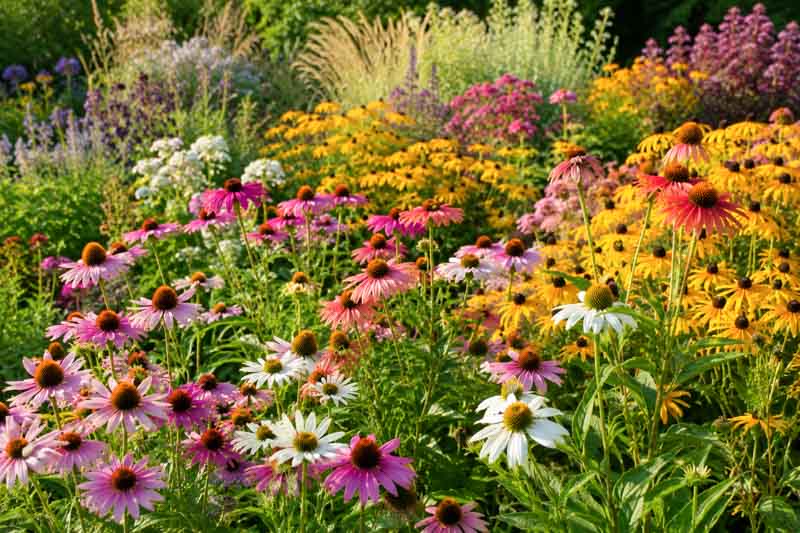


Echinacea and Rudbeckia are two of the brightest stars of sunny gardens. Both bring daisy-like blooms, bold central cones, pollinator appeal, drought tolerance once established, and months of color to borders, meadows, prairie plantings, cottage gardens, and wildlife-friendly landscapes. No wonder gardeners often compare them and ask: Echinacea vs Rudbeckia – which one is better?
The best answer depends on the role you want the plant to play. Choose Echinacea for colorful coneflowers, dramatic raised cones, bird-friendly seedheads, strong summer structure, and a sculptural prairie-garden look. Choose Rudbeckia for black-eyed Susan flowers, golden-yellow impact, easy mass planting, long summer-to-fall color, and a cheerful, floriferous display in sunny borders, cottage gardens, meadows, and pollinator gardens.
They are often grouped together because both belong to the daisy family, Asteraceae, and both are commonly called coneflowers in some contexts. Yet they are not interchangeable. Echinacea tends to feel architectural, with prominent cones and a broader color palette. Rudbeckia tends to feel radiant and generous, with warm yellow, gold, orange, bronze, and mahogany tones that light up a border from midsummer into fall.
Quick verdict: Echinacea is best for color diversity, sculptural form, raised cones, and seedheads for birds. Rudbeckia is best for golden impact, easy mass color, and a bright summer-to-fall display. In many sunny gardens, the strongest choice is to grow both.
This guide compares Echinacea and Rudbeckia in detail: identification, flower shape, color range, bloom time, hardiness, soil, water needs, wildlife value, deer resistance, maintenance, design uses, companion plants, and the best types for different gardens. Use it as a practical decision guide, then refine your choices with the Gardenia Plant Finder and test your combinations in the Gardenia Design Tool.
The table below summarizes the most important differences between Echinacea and Rudbeckia. Individual species and cultivars vary, so always check plant profiles before buying. For example, Rudbeckia hirta is often grown as an annual, biennial, or short-lived perennial, while Rudbeckia fulgida is usually a more reliable perennial black-eyed Susan.
| Feature | Echinacea | Rudbeckia | Best Choice |
|---|---|---|---|
| Common names | Coneflower, purple coneflower | Black-eyed Susan, orange coneflower, gloriosa daisy | Tie |
| Botanical group | Echinacea species and hybrids | Rudbeckia species and cultivars | Tie |
| Plant family | Asteraceae | Asteraceae | Tie |
| Hardiness zones | Typically USDA Zones 3-9, depending on species and cultivar | Typically USDA Zones 3-9, depending on species and cultivar | Tie; species choice matters |
| Typical flower colors | Purple, pink, white, orange, red, yellow, green, bicolor | Yellow, gold, orange, bronze, mahogany, bicolor | Echinacea for range, Rudbeckia for gold |
| Flower center | Prominent, raised, often spiny cone | Dark brown, black, green, or yellow central disk or cone | Echinacea for sculptural cones |
| Petal shape | Often drooping or reflexed, especially in species types | Usually outward-facing to slightly drooping | Depends on style |
| Typical height | Often 2-5 ft. tall, depending on cultivar | Often 1-4 ft. tall, depending on species and cultivar | Tie |
| Bloom season | Summer to fall, with persistent seedheads | Summer to fall, with some forms blooming to frost | Rudbeckia for golden mass color, Echinacea for seedheads |
| Sun exposure | Full sun best; light shade tolerated in some climates | Full sun best; light shade tolerated by many types | Tie |
| Soil | Well-drained soil; adaptable once established but dislikes wet conditions | Average, well-drained soil; some garden species, especially Rudbeckia fulgida, tolerate clay or heavier soil well | Rudbeckia fulgida for heavier average garden soil |
| Water needs | Low to moderate once established | Low to moderate once established | Tie |
| Wildlife value | Bees, butterflies, beneficial insects, seed-eating birds | Bees, butterflies, beneficial insects, seed-eating birds | Tie for pollinators; Echinacea for prominent seedheads |
| Deer resistance | Generally deer resistant | Generally deer resistant | Tie |
| Maintenance | Low; deadhead for more bloom or leave cones for birds | Low; deadhead for neatness or allow some reseeding where desired | Tie |
| Best garden style | Prairie, wildlife, meadow, cottage, naturalistic borders | Cottage, meadow, pollinator, prairie, informal borders | Tie |
The easiest way to compare Echinacea and Rudbeckia is to look at what each plant contributes from a design perspective. Echinacea is architectural. Its raised cone gives every flower a strong focal point, and the seedheads remain attractive after the petals fade. This makes Echinacea useful not only during bloom, but also in late-season and winter-interest plantings.
Rudbeckia is radiant. Its yellow, orange, bronze, or bicolor flowers create a bright, cheerful effect that reads beautifully from a distance. Where Echinacea often brings structure and prairie character, Rudbeckia brings sunshine, movement, and visual warmth.
Design insight: Use Echinacea when you want strong silhouettes, seedheads, and a refined prairie mood. Use Rudbeckia when you want a glowing sweep of color that makes the border feel instantly fuller and brighter.
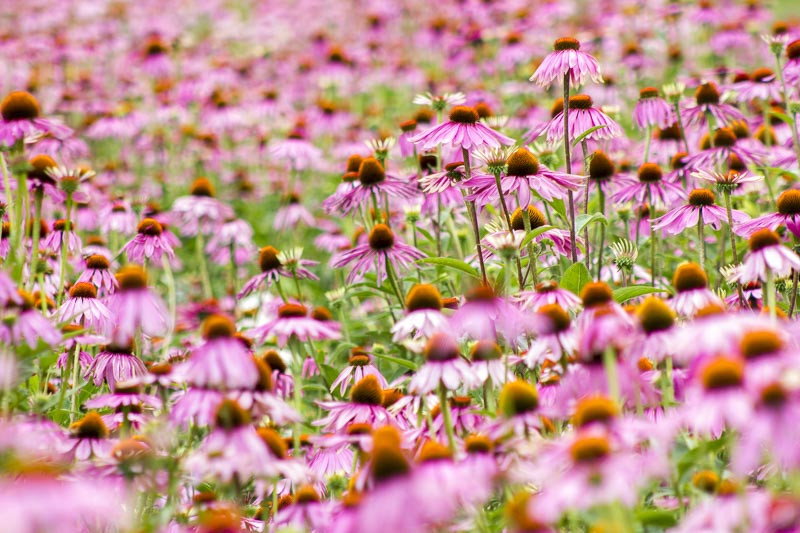
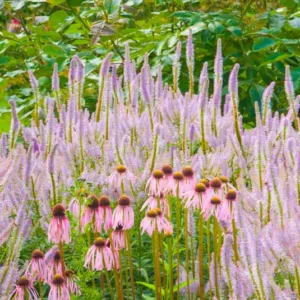
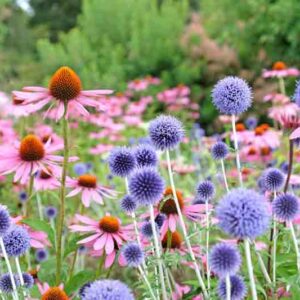
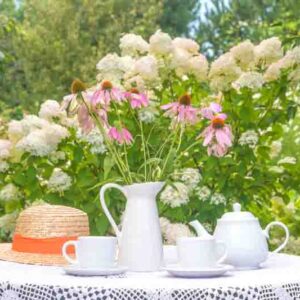
Echinacea, commonly called coneflower, is one of the most valuable perennials for sunny borders and pollinator gardens. The classic Echinacea purpurea produces purple-pink flowers with a raised central cone, but modern coneflower cultivars expand the palette to white, coral, orange, red, yellow, green, and bicolor forms.
In the landscape, Echinacea works beautifully in prairie gardens, wildlife gardens, meadow-style plantings, cottage borders, cutting gardens, and naturalistic designs. Its upright stems and bold cones contrast well with finer textures such as grasses, yarrow, catmint, salvia, and airy summer perennials.
One of Echinacea’s greatest strengths is what happens after peak bloom. If the seedheads are left standing, they provide texture, winter interest, and food for birds such as goldfinches. That makes Echinacea especially useful for gardeners who want a border that remains beautiful and ecologically valuable after the flowers fade.
Plant Echinacea in pollinator borders, prairie gardens, cottage gardens, cutting gardens, meadow plantings, and sunny beds where bold cones, color range, and seedheads matter.
Some highly bred double or unusual-color cultivars may be less vigorous or shorter-lived than classic species-type coneflowers. For long-term performance, choose proven cultivars suited to your climate.
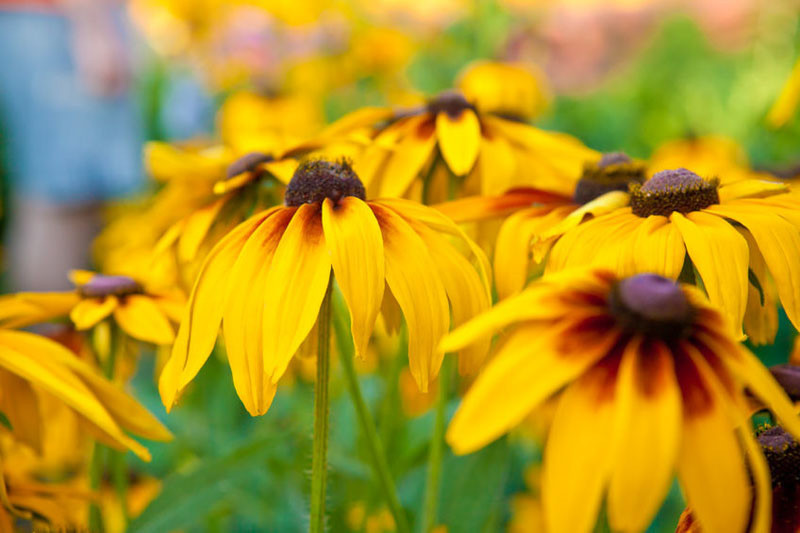
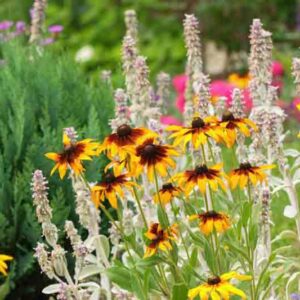
Rudbeckia, often called black-eyed Susan, is famous for golden petals and dark central eyes. It is one of the most cheerful choices for relaxed summer plantings, wildlife-friendly beds, cutting gardens, and late-season displays. If Echinacea adds structure, Rudbeckia adds glow.
The genus includes several important garden plants. Rudbeckia hirta is often grown as an annual, biennial, or short-lived perennial and is valued for fast color. Rudbeckia fulgida is usually the better choice for gardeners who want a persistent perennial black-eyed Susan.
Rudbeckia is especially useful when a planting needs warmth, repetition, and volume. It can fill gaps between longer-lived perennials, brighten ornamental grasses, soften the transition into fall, and create a strong color contrast with blue, purple, pink, white, or silver companion plants.
Use Rudbeckia in sunny borders, meadow gardens, pollinator beds, cottage gardens, mass plantings, cutting gardens, and late-summer combinations where golden color is needed.
Know the species before you buy. Rudbeckia hirta may be short-lived, while Rudbeckia fulgida is usually more dependable as a perennial border plant.
Color is the fastest clue, but it is not foolproof. Classic Echinacea is purple-pink, while classic Rudbeckia is golden yellow with a dark eye. However, modern Echinacea can be orange or yellow, and Rudbeckia cultivars may be bronze, red, or bicolor. For accurate identification, look at the cone, petal angle, foliage, and overall habit.
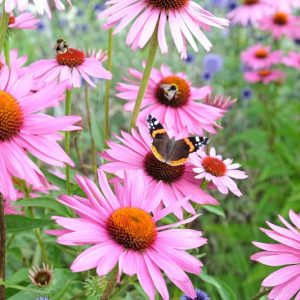
Echinacea usually has a more prominent, prickly, dome-shaped cone. The petals often droop downward or reflex away from the center, especially in species and prairie-style forms. The leaves are typically rough and lance-shaped, and the plant often has a strong upright outline.
Rudbeckia usually has a dark central disk or cone surrounded by outward-facing to slightly drooping petals. The flowers often look more open and daisy-like. Many Rudbeckias have rough or hairy foliage and produce a fuller mass of bloom than most Echinacea.
Identification shortcut: A large raised cone with drooping petals usually points to Echinacea. A golden daisy-like flower with a dark eye usually points to Rudbeckia.
Both Echinacea and Rudbeckia bloom in summer and can continue into fall, especially when plants are healthy and spent flowers are removed. Echinacea often begins in early to midsummer and may continue into late summer or early fall, with seedheads extending its ornamental season.
Rudbeckia often creates the stronger long-season color show. Many Rudbeckia hirta cultivars bloom heavily from early summer to frost when grown as seasonal plants, while Rudbeckia fulgida selections are valued for dependable midsummer-to-fall bloom.
The best planting strategy is often to combine them. Echinacea brings structure, color range, and seedheads. Rudbeckia adds golden energy and a fuller, brighter display.
Echinacea wins for range. Gardeners can choose purple, pink, white, coral, orange, red, yellow, green, and bicolor coneflowers. This makes Echinacea useful in subtle pastel schemes, hot prairie combinations, white gardens, pollinator borders, and contemporary naturalistic plantings.
Rudbeckia wins for warmth. Its yellow, gold, orange, bronze, mahogany, and bicolor flowers bring instant brightness to the garden. Black-eyed Susans are especially effective with purple coneflowers, blue salvia, lavender-blue catmint, ornamental grasses, asters, phlox, sedum, and deep red dahlias.
If you want a sophisticated range of colors, choose Echinacea. If you want a border to glow from across the yard, choose Rudbeckia.
Many Echinacea species and cultivars are hardy perennials that return for years when planted in full sun and well-drained soil. Performance varies by selection, and some heavily bred cultivars may not persist as long as classic species forms or proven garden varieties.
Rudbeckia is more variable because the genus includes annuals, biennials, short-lived perennials, and long-lived perennials. Rudbeckia hirta is famous for quick color but may not always behave as a permanent perennial. Rudbeckia fulgida is generally a stronger choice for a long-term perennial border.
Perennial tip: For reliable return, choose proven Echinacea cultivars or species forms and perennial Rudbeckia such as Rudbeckia fulgida. For quick seasonal color, Rudbeckia hirta can be excellent.
Echinacea and Rudbeckia both flower best in full sun. A minimum of six hours of direct sun helps produce sturdy stems, strong bloom, and compact growth. Light shade is tolerated by some types, especially in hot climates, but too much shade usually reduces flowering.
Echinacea prefers well-drained soil and performs well in average garden conditions once established. It is drought tolerant, heat tolerant, and well suited to prairie-style, low-water, and naturalistic plantings. Avoid wet, poorly drained sites, especially in winter.
Rudbeckia also prefers full sun and well-drained soil, but many garden species are forgiving in average soil and some tolerate clay better than Echinacea. Rudbeckia fulgida is especially useful where gardeners want a tough perennial for sunny borders, meadow plantings, and mixed beds.
Soil decision: If your site is sunny, dry, and well drained, Echinacea can thrive. If your soil is heavier but not soggy, perennial Rudbeckia such as Rudbeckia fulgida may be easier.
Both plants are low maintenance, but your approach changes the look and wildlife value of the garden. Deadheading keeps the display tidy and can encourage additional flowers. Leaving seedheads supports birds and adds structure after bloom.
For Echinacea, a good strategy is to deadhead early flowers for a longer display, then leave later cones standing. This gives you both bloom extension and bird-friendly seedheads.
For Rudbeckia, deadhead if you want a neater appearance or wish to reduce reseeding. In naturalistic plantings, leave some spent flowers for wildlife and texture. Cut old stems back in late winter or early spring before new growth begins.
Echinacea attracts bees, butterflies, and other beneficial insects. After flowering, its seedheads can feed birds, making it valuable in pollinator gardens, prairie plantings, native-inspired borders, and wildlife-friendly landscapes.
Rudbeckia also supports bees, butterflies, beneficial insects, and seed-eating birds. Its open, accessible flowers and heavy bloom make it useful when planted in generous groups or drifts.
For biodiversity, plant both. Echinacea adds cones, seeds, and color variation. Rudbeckia adds mass bloom, warm color, and late-season abundance.
Echinacea and Rudbeckia are generally considered deer resistant, but neither is deer proof. Browsing pressure depends on local deer populations, weather, available food, and the age of the planting. Young plants and tender spring growth are most vulnerable.
Rabbits may nibble young Echinacea or Rudbeckia, especially early in the season. Protect new plantings until they are established if rabbits are common in your garden.
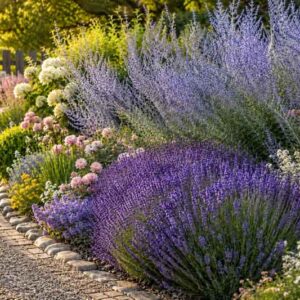
For stronger deer-resistant designs, combine Echinacea and Rudbeckia with aromatic or textured companions such as salvia, catmint, yarrow, ornamental grasses, alliums, lavender, agastache, and mountain mint.
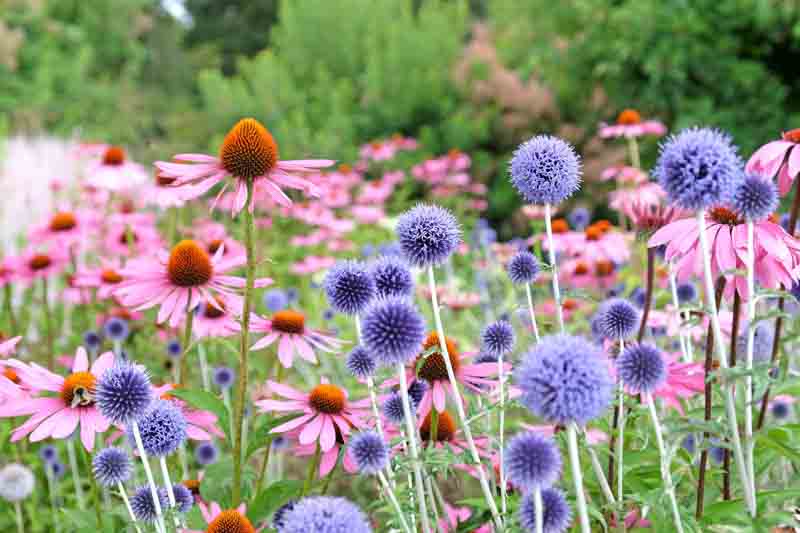
Echinacea is a strong design plant because it offers both flower color and structure. Its upright stems and prominent cones create rhythm in a border, especially when repeated in groups of three, five, or more. It works beautifully in prairie gardens, pollinator borders, cottage gardens, meadow plantings, cutting gardens, and modern naturalistic landscapes.
Use purple and pink Echinacea with Rudbeckia, ornamental grasses, salvia, catmint, yarrow, bee balm, liatris, phlox, sedum, asters, and goldenrod. White Echinacea looks refined with silver foliage, blue flowers, and fine-textured grasses. Orange and red cultivars are striking with bronze grasses, dark foliage, and hot-colored summer perennials.
In smaller gardens, choose compact Echinacea cultivars and repeat them through the border rather than planting a single specimen. In larger gardens, plant in drifts for a meadow-like effect. Echinacea looks especially good when its cones are allowed to stand through fall and winter.
Browse Garden Design Ideas with Echinacea
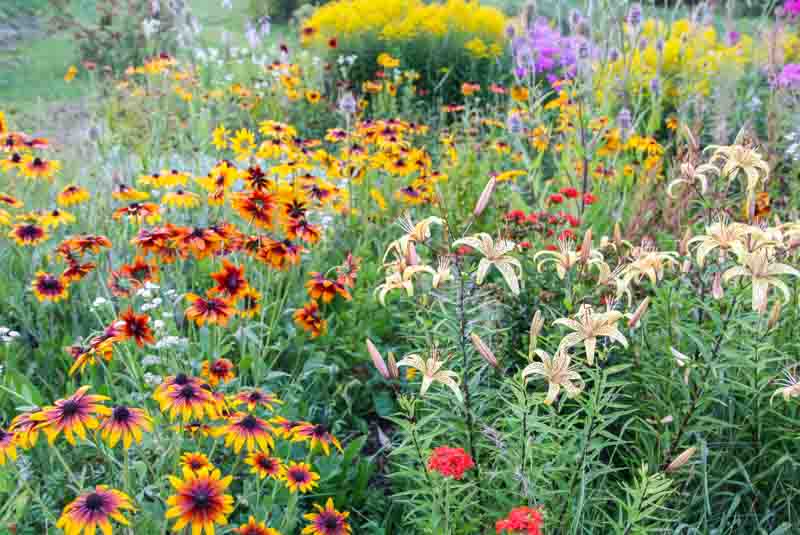
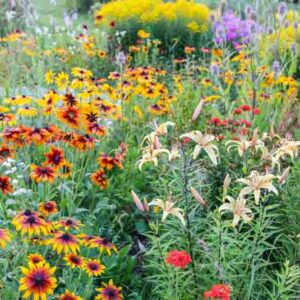
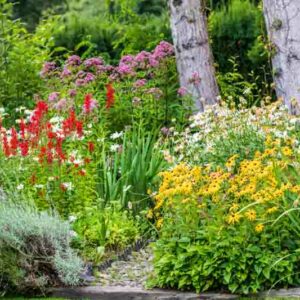
Rudbeckia brings warmth, repetition, and cheerful abundance. It is one of the easiest plants to use when a garden needs stronger summer and fall color. Its golden flowers pair beautifully with purple coneflowers, blue salvia, violet asters, rosy phlox, burgundy foliage, and ornamental grasses.
Use Rudbeckia in cottage gardens, pollinator beds, meadow gardens, prairie plantings, mixed borders, and cutting gardens. It is especially useful for filling gaps, creating a sunny foreground, or weaving warm color through grasses and late-season flowers.
For a polished look, choose compact cultivars and repeat them in controlled groups. For a looser meadow effect, allow appropriate types to naturalize lightly. For a long-term perennial border, focus on Rudbeckia fulgida selections.
Browse Garden Design Ideas with Rudbeckia
Design upgrade: Pair Echinacea and Rudbeckia for one of the most reliable summer garden combinations. Coneflowers add structure and cool or warm color, while black-eyed Susans add golden brightness and high-impact bloom.
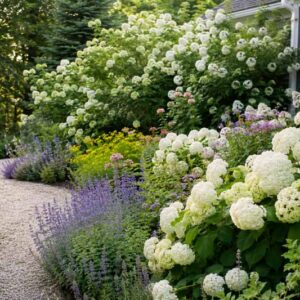
Because Echinacea and Rudbeckia share similar growing needs, they combine well with many of the same companion plants. The strongest partners prefer full sun, well-drained soil, moderate to low water once established, and a naturalistic or cottage-garden style.
For ready-made inspiration, explore Gardenia Plant Combinations. Combining Echinacea, Rudbeckia, grasses, and late-season perennials can create a border that looks alive from early summer through fall.
Both Echinacea and Rudbeckia can work in small gardens. Echinacea is usually better when you want a vertical, sculptural plant with bold cones and a clean silhouette. Compact cultivars are especially useful in smaller beds.
Rudbeckia is better when you want a fuller, brighter, more floriferous look. Compact selections can deliver a lot of color without overwhelming the border. Some self-sowing types may need editing if you prefer a very tidy garden.
Echinacea can grow well in large containers, especially compact cultivars, as long as the pot has excellent drainage and receives full sun. A deeper container is helpful because many coneflowers develop substantial root systems.
Rudbeckia can also grow well in containers, particularly compact annual, biennial, or short-lived perennial forms. It is a strong choice for seasonal patio color, pollinator pots, and sunny porch displays.
For long-term container success, use a free-draining potting mix, avoid waterlogged soil, water consistently during hot weather, and refresh or divide plants when they become crowded.
Both Echinacea and Rudbeckia are excellent cut flowers. Echinacea offers strong stems, bold cones, and a sculptural look in arrangements. The cones can also be used after petals fade for texture.
Rudbeckia adds cheerful color and combines beautifully with zinnias, dahlias, cosmos, grasses, asters, phlox, sedum, and Echinacea. Its warm yellow and gold tones are especially useful in late-summer bouquets.
For the most productive cutting garden, plant both. Echinacea provides structure and color range. Rudbeckia provides volume and sunshine.
Both are excellent pollinator plants, and the strongest pollinator garden will usually include both. Echinacea attracts bees and butterflies, then provides seedheads for birds. Rudbeckia attracts bees and butterflies with accessible flowers and often produces a heavy bloom display over many weeks.
Plant them in groups rather than as single specimens. Pollinators find larger patches more easily, and the garden looks more intentional. Combine them with spring, summer, and fall bloomers so nectar and pollen are available across the season.
Echinacea is one of the signature plants of prairie-style gardens. Its upright stems, strong cones, and seedheads look natural among grasses and late-summer perennials. It is especially effective with little bluestem, switchgrass, prairie dropseed, liatris, bee balm, yarrow, and asters.
Rudbeckia is equally valuable where you want a brighter, more spontaneous meadow effect. It can create broad sweeps of gold, especially when allowed to naturalize lightly. For controlled perennial meadows, Rudbeckia fulgida is often easier to manage than short-lived, self-sowing forms.
The best plant is not the one that wins every category. It is the one that fits your garden conditions, design style, and seasonal goals. Use the Gardenia Plant Finder to compare Echinacea, Rudbeckia, and similar perennials by hardiness zone, sun exposure, soil type, water needs, bloom season, height, spread, deer resistance, drought tolerance, wildlife value, and garden style.
Once you have a shortlist, use the Gardenia Design Tool to test color harmony, bloom sequence, and plant compatibility before planting.
Gardenia workflow: Use Plant Finder to choose plants for your zone and site. Explore Plant Combinations for proven pairings. Then use the Design Tool to test color palette, bloom calendar, and plant compatibility.
Choose Echinacea if you want bold cones, broad color choices, prairie-style structure, bird-friendly seedheads, and a perennial that remains attractive after flowering.
Choose Rudbeckia if you want cheerful golden flowers, easy mass color, and a bright summer-to-fall display for cottage gardens, meadows, pollinator beds, and sunny borders.
In many gardens, the best answer is both. Echinacea provides form, seedheads, and color range. Rudbeckia provides warmth, abundance, and glowing impact. Together, they create one of the most beautiful and wildlife-friendly combinations for sunny gardens.
No. Echinacea and Rudbeckia are different genera in the daisy family, Asteraceae. Echinacea is commonly called coneflower, while Rudbeckia is often called black-eyed Susan. They both have daisy-like flowers with central cones or disks, but they differ in flower shape, color range, habit, lifespan, and garden use.
Echinacea usually has a prominent, raised, often spiny cone and petals that may droop downward. Rudbeckia usually has a dark central eye or disk with golden-yellow, orange, bronze, or bicolor petals. Echinacea is more sculptural, while Rudbeckia is usually brighter and more floriferous.
Both are excellent for pollinators. Echinacea attracts bees and butterflies and later provides seedheads for birds. Rudbeckia also attracts bees and butterflies and can produce masses of accessible flowers over a long season. For the strongest pollinator garden, plant both.
Both can bloom from summer into fall. Rudbeckia often creates a longer-looking mass display, especially Rudbeckia hirta cultivars grown for seasonal color and Rudbeckia fulgida cultivars grown for midsummer-to-fall bloom. Echinacea adds ornamental value after flowering because its cones remain attractive.
It depends on the species and cultivar. Many Echinacea selections are hardy perennials, although some modern hybrids may be shorter-lived. Rudbeckia hirta is often annual, biennial, or short-lived perennial, while Rudbeckia fulgida is usually a more reliable perennial black-eyed Susan.
Yes. Echinacea and Rudbeckia grow well together because both prefer full sun, well-drained soil, and moderate to low water once established. They also look beautiful together, with Echinacea providing structure and Rudbeckia adding golden color.
Rudbeckia is generally more forgiving of clay-based soils, especially Rudbeckia fulgida, as long as drainage is adequate. Echinacea prefers well-drained soil and may struggle in heavy, wet winter soil.
Both Echinacea and Rudbeckia are drought tolerant once established. Echinacea is especially well suited to dry prairie-style plantings, while Rudbeckia is often adaptable in average sunny garden beds.
Echinacea is especially valued for bird-friendly seedheads, particularly if the cones are left standing after bloom. Rudbeckia can also provide seeds for birds, but Echinacea usually offers stronger visible seedhead structure and winter wildlife value.
Both Echinacea and Rudbeckia are generally considered deer resistant, but no plant is completely deer proof. Young plants may still be browsed, especially where deer pressure is high.
Both are excellent cut flowers. Echinacea offers strong stems and sculptural cones, while Rudbeckia adds bright golden color and cheerful volume. They combine beautifully in late-summer bouquets.
Use the Gardenia Plant Finder to compare Echinacea and Rudbeckia by zone, sun, soil, water needs, bloom season, height, spread, deer resistance, drought tolerance, and wildlife value. Then use the Gardenia Design Tool to test placement, spacing, color combinations, and companion plants before planting.
Updated: June 2026 – Reviewed by Gardenia Editors
| Hardiness |
3 - 9 |
|---|---|
| Plant Type | Perennials |
| Plant Family | Asteraceae |
| Genus | Echinacea, Rudbeckia |
| Exposure | Full Sun, Partial Sun |
| Season of Interest | Summer (Early, Mid, Late), Fall |
| Maintenance | Low |
| Water Needs | Low, Average |
| Soil Type | Chalk, Clay, Loam, Sand |
| Soil pH | Acid, Alkaline, Neutral |
| Soil Drainage | Moist but Well-Drained, Well-Drained |
| Tolerances | Drought, Dry Soil, Rabbit |
| Attracts | Bees, Butterflies, Birds |
| Garden Styles | Cutting Garden, Informal and Cottage, Prairie and Meadow |
| Hardiness |
3 - 9 |
|---|---|
| Plant Type | Perennials |
| Plant Family | Asteraceae |
| Genus | Echinacea, Rudbeckia |
| Exposure | Full Sun, Partial Sun |
| Season of Interest | Summer (Early, Mid, Late), Fall |
| Maintenance | Low |
| Water Needs | Low, Average |
| Soil Type | Chalk, Clay, Loam, Sand |
| Soil pH | Acid, Alkaline, Neutral |
| Soil Drainage | Moist but Well-Drained, Well-Drained |
| Tolerances | Drought, Dry Soil, Rabbit |
| Attracts | Bees, Butterflies, Birds |
| Garden Styles | Cutting Garden, Informal and Cottage, Prairie and Meadow |
Create a membership account to save your garden designs and to view them on any device.
Becoming a contributing member of Gardenia is easy and can be done in just a few minutes. If you provide us with your name, email address and the payment of a modest $25 annual membership fee, you will become a full member, enabling you to design and save up to 25 of your garden design ideas.
Join now and start creating your dream garden!
Create a membership account to save your garden designs and to view them on any device.
Becoming a contributing member of Gardenia is easy and can be done in just a few minutes. If you provide us with your name, email address and the payment of a modest $25 annual membership fee, you will become a full member, enabling you to design and save up to 25 of your garden design ideas.
Join now and start creating your dream garden!