Rhodora, Azalea canadensis, Rhodora canadensis, Rhododendron canadense 'Rhodora'
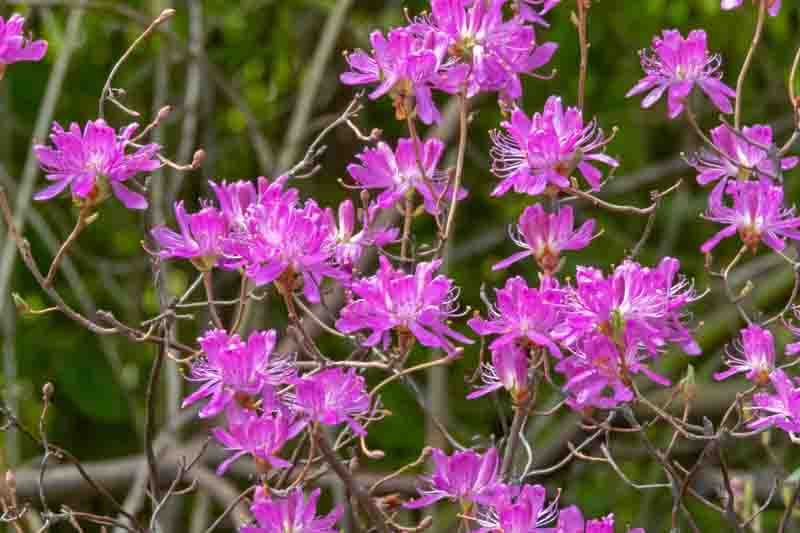
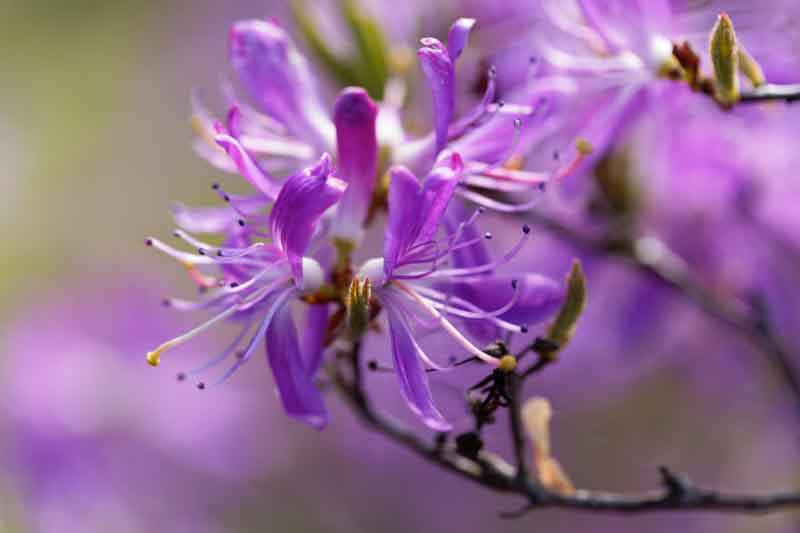
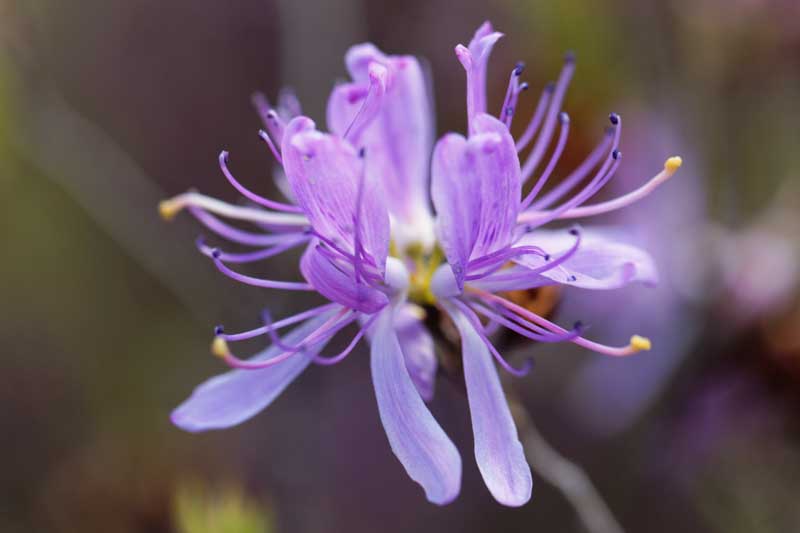


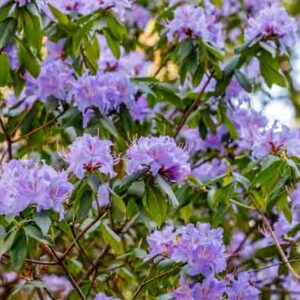
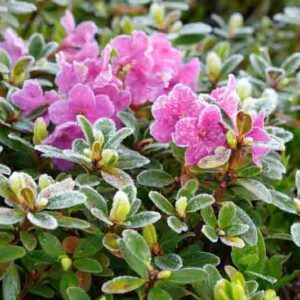
Delicate but remarkably hardy, Rhododendron canadense (Rhodora) is a deciduous rhododendron native to northeastern North America. In early to mid-spring, before the foliage fully unfolds, its slender branches are scattered with rose-purple flowers unlike those of most azaleas – deeply divided, almost orchid-like, with long projecting stamens.
Rhodora is equally distinctive in where it grows. Naturally found in acidic bogs, wetlands, and moist open woods, it tolerates wetter soil than many familiar rhododendrons. Compact and rhizomatous, it can gradually form loose colonies, making it particularly appealing for native gardens, bog gardens, wetland edges, and naturalistic plantings in cool climates.
Summary: Compact, cold-hardy deciduous native rhododendron with distinctive rose-purple spring flowers.
Use: Excellent for bog gardens, moist woodland edges, wetland margins, native gardens, and naturalistic plantings.
Highlight: Unusual, deeply divided flowers open on nearly bare branches before the foliage develops.
Important: Rhodora tolerates wetter ground than many rhododendrons but still requires acidic conditions.
| Botanical Name | Rhododendron canadense (L.) Torr. |
|---|---|
| Common Names | Rhodora, Canadian Rhododendron, Canada Rosebay |
| Family | Ericaceae |
| Plant Type and Habit | Upright, twiggy, rhizomatous deciduous shrub |
| Hardiness | USDA Zones 3-6 |
| Size | 2-4 ft. tall and wide (60-120 cm) |
| Exposure | Full sun to partial shade |
| Soil | Acidic, organic-rich, consistently moist to wet soil |
| Flowers | Rose-purple to pinkish-lilac, occasionally white; early to mid-spring |
| Native Range | Eastern Canada and northeastern United States |
Rhodora naturally grows in acidic wetlands. Gardenia recommends evaluating summer climate, soil acidity, and dependable moisture together. In a cool climate, it can flower beautifully in considerable sun when moisture is reliable. A shady site that becomes dry or alkaline is a much poorer match.
Rhododendron canadense is native to northeastern North America, occurring across eastern Canada and south into the northeastern United States. Its natural habitats include acidic bogs, swamps, wet meadows, moist thickets, and open woodland wetlands.
Formerly placed in its own genus as Rhodora canadensis, it is now included within Rhododendron. Its familiar common name, Rhodora, preserves that earlier classification. The shrub also inspired Ralph Waldo Emerson’s poem The Rhodora.
Rhodora typically grows 2-4 ft. tall and wide (60-120 cm), forming an upright, loosely branched shrub. It spreads gradually by underground rhizomes and can develop into loose colonies where conditions are favorable, a useful characteristic in naturalistic plantings.
Narrow bluish-green to gray-green leaves emerge during or shortly after flowering. Fall color varies but may include yellow, bronze, or reddish tones before the leaves drop.
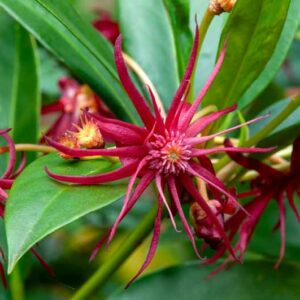
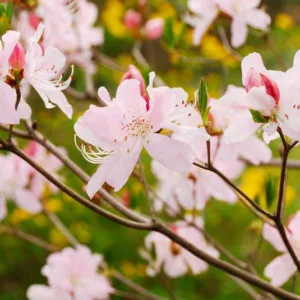
Rhodora’s flowers are its defining feature. Unlike the tubular or funnel-shaped blooms of most azaleas, the corolla is deeply divided into five lobes with almost no obvious floral tube. Three upper lobes and two narrower lower lobes create an irregular, almost two-lipped flower, while 10 conspicuous stamens project outward.
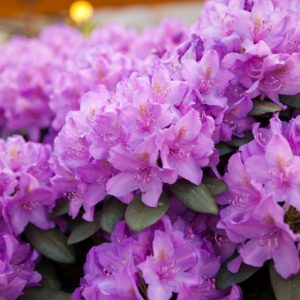
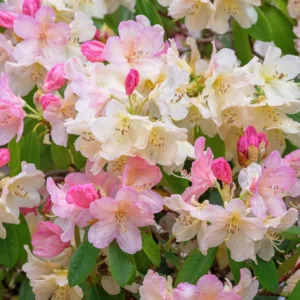
The flowers range from rose-purple and pinkish-lilac to, more rarely, white. They appear in clusters near the branch tips before or as the leaves emerge, generally in early to mid-spring.
Several native azaleas have pink or purple flowers. For Rhodora, look for a deeply divided corolla and 10 conspicuous stamens. Most familiar native azaleas retain a more obvious floral tube and have five stamens, making flower structure a much stronger identification clue than color.
Exceptionally cold-hardy in USDA Zones 3-6, Rhodora is particularly valuable in northern gardens. Spring flowers provide its main display, followed by fine-textured summer foliage and occasional yellow, bronze, or reddish fall color.
The spring flowers are visited by bees and other insects. Rhodora also serves as a larval host for the Columbia silkmoth (Hyalophora columbia) in parts of its range.
Like other rhododendrons and azaleas, Rhodora contains grayanotoxins. Plant parts should not be eaten and can be toxic to humans, dogs, cats, horses, and livestock if ingested.
Rhodora differs in both flower structure and habitat. Most familiar North American deciduous azaleas have tubular or funnel-shaped flowers with five stamens. Rhodora has a deeply divided corolla and 10 stamens, producing its distinctive orchid-like appearance.
It also occupies wetter habitats than many native azaleas. This distinction matters in the garden: Rhodora is a strong candidate for acidic boggy ground that would be too wet for species adapted to better-drained woodland soils.
Grow Rhodora in full sun to partial shade. In cool climates, good light encourages flowering when soil moisture is dependable. Some afternoon shade is useful where summers are warmer.
Acidic soil is essential. Organic-rich, peaty ground that remains consistently moist suits the species particularly well. Rhodora tolerates wet soil better than many rhododendrons, but it should not be treated as an aquatic plant or planted permanently underwater.
Water regularly during establishment and prolonged dry weather. Mulch with leaf mold, pine bark, or another suitable organic material to conserve moisture and protect the shallow root system.
Use the combination of climate, soil, and moisture to judge whether Rhodora is a good fit:
| Garden conditions | Gardenia assessment |
|---|---|
| Cool climate + acidic, consistently moist soil | Excellent candidate |
| Cool climate + acidic soil that dries in summer | Possible with reliable irrigation |
| Wet soil + alkaline pH | Poor candidate |
| Hot summers + dry soil | Generally unsuitable |
| Acidic, moist woodland edge + partial shade | Very good candidate |
Plant nursery-grown Rhodora in spring or early fall, setting the root ball at approximately the same depth at which it grew in its container. Water thoroughly and mulch the root zone, keeping mulch away from the stems. Avoid deep cultivation around established plants because the roots and rhizomes are relatively shallow.
Little pruning is normally required. Remove dead, damaged, or poorly placed branches just after flowering. Avoid unnecessary late pruning, which can remove developing flower buds for the following spring.
Rhodora can be propagated from seed. Vegetative propagation is useful when a particular form needs to be preserved, although the species is not among the easiest rhododendrons to root from cuttings.
Rhodora is generally trouble-free when its basic requirements are met. Alkaline soil can cause nutrient problems and yellow foliage, including iron deficiency, while drought and excessive heat can cause browning, wilting, or premature leaf drop.
A healthy shrub with few flowers may be receiving too little light, may have been pruned after flower buds formed, or may have suffered late frost damage.
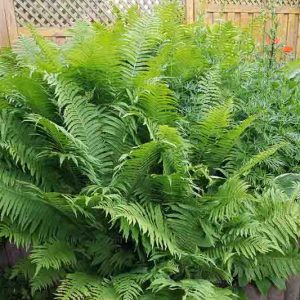
Rhodora is at its best in informal plantings that echo its natural habitat. These companions overlap substantially in hardiness, acidic soil preference, and moisture requirements while providing interest after Rhodora’s spring flowers fade.
Match hardiness, soil acidity, moisture, and summer climate first, then use light requirements to position each plant. Cinnamon Fern can occupy the cooler, shadier side of the planting, while Blue Flag Iris suits the brighter, wetter edge. Choose flower colors only after the growing conditions align.
Rhododendron canadense, commonly called Rhodora, is a cold-hardy deciduous rhododendron native to northeastern North America. It has distinctive rose-purple flowers with a deeply divided corolla and 10 prominent stamens.
Yes. Rhodora naturally grows in acidic bogs and wetlands and tolerates consistently moist to wet soil. It still requires acidic conditions and should not be treated as an aquatic plant.
Rhododendron canadense typically grows about 2-4 ft. (60-120 cm) tall and wide. It is rhizomatous and can gradually spread into loose colonies in favorable conditions.
Rhodora generally blooms in early to mid-spring, often in April or May across much of its native range. The flowers usually open before or as the new leaves emerge.
Look for rose-purple flowers with a deeply divided corolla and 10 conspicuous stamens. This unusual flower structure distinguishes Rhodora from most tubular-flowered native azaleas.
Royal Botanic Gardens, Kew – Plants of the World Online, Rhododendron canadense
Flora of North America – Rhododendron canadense
Native Plant Trust – Rhododendron canadense
Trees and Shrubs Online – Rhododendron canadense
Rhododendron Species Botanical Garden – Rhododendron canadense
Updated: October 2026 • Reviewed by Gardenia Editors
| Hardiness |
3 - 6 |
|---|---|
| Plant Type | Shrubs |
| Plant Family | Ericaceae |
| Genus | Rhododendron |
| Common names | Rhododendron |
| Exposure | Full Sun, Partial Sun |
| Season of Interest | Spring (Mid, Late) |
| Height | 2' - 4' (60cm - 120cm) |
| Spread | 2' - 4' (60cm - 120cm) |
| Spacing | 36" - 48" (90cm - 120cm) |
| Maintenance | Average |
| Water Needs | Average |
| Soil Type | Clay, Loam, Sand |
| Soil pH | Acid |
| Soil Drainage | Moist but Well-Drained |
| Characteristics | Showy |
| Native Plants | United States, Northeast, Pennsylvania, Rhode Island, Vermont, Connecticut, Maine, Massachusetts, New Hampshire, New Jersey, New York |
| Tolerances | Rabbit, Clay Soil |
| Attracts | Butterflies |
| Garden Uses | Beds And Borders, Bog Gardens, Patio And Containers |
| Garden Styles | Butterfly Garden, City and Courtyard, Informal and Cottage, Woodland Garden |
| Toxic to Humans | Low severity |
| Toxic to Cats | Toxic |
| Toxic to Dogs | Toxic |
| Toxic to Horses | Toxic |


| Hardiness |
3 - 6 |
|---|---|
| Plant Type | Shrubs |
| Plant Family | Ericaceae |
| Genus | Rhododendron |
| Common names | Rhododendron |
| Exposure | Full Sun, Partial Sun |
| Season of Interest | Spring (Mid, Late) |
| Height | 2' - 4' (60cm - 120cm) |
| Spread | 2' - 4' (60cm - 120cm) |
| Spacing | 36" - 48" (90cm - 120cm) |
| Maintenance | Average |
| Water Needs | Average |
| Soil Type | Clay, Loam, Sand |
| Soil pH | Acid |
| Soil Drainage | Moist but Well-Drained |
| Characteristics | Showy |
| Native Plants | United States, Northeast, Pennsylvania, Rhode Island, Vermont, Connecticut, Maine, Massachusetts, New Hampshire, New Jersey, New York |
| Tolerances | Rabbit, Clay Soil |
| Attracts | Butterflies |
| Garden Uses | Beds And Borders, Bog Gardens, Patio And Containers |
| Garden Styles | Butterfly Garden, City and Courtyard, Informal and Cottage, Woodland Garden |
| Toxic to Humans | Low severity |
| Toxic to Cats | Toxic |
| Toxic to Dogs | Toxic |
| Toxic to Horses | Toxic |
How many Rhododendron canadense (Rhodora) do I need for my garden?
| Plant | Quantity | |
|---|---|---|
| Rhododendron canadense (Rhodora) | N/A | Buy Plants |
Create a membership account to save your garden designs and to view them on any device.
Becoming a contributing member of Gardenia is easy and can be done in just a few minutes. If you provide us with your name, email address and the payment of a modest $25 annual membership fee, you will become a full member, enabling you to design and save up to 25 of your garden design ideas.
Join now and start creating your dream garden!