Milly Rock Red Yarrow, Milly Rock Red, Milly Rock™ Red Yarrow, Yarrow, Achillea millefolium 'FLORACHYE1'
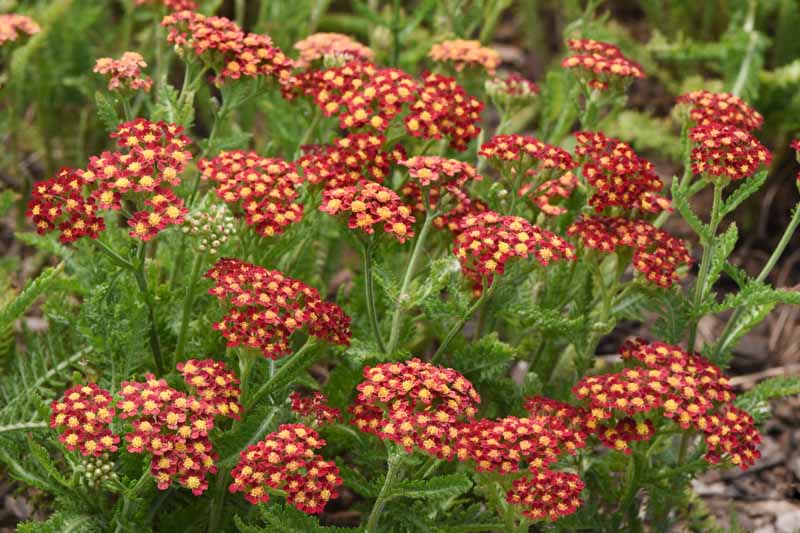


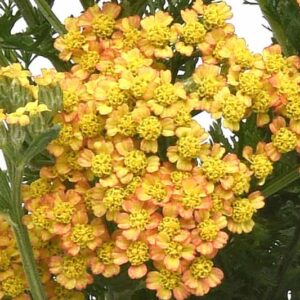
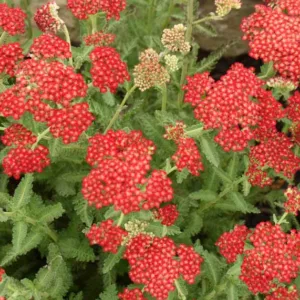
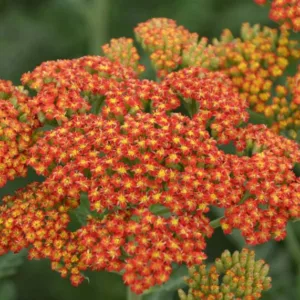
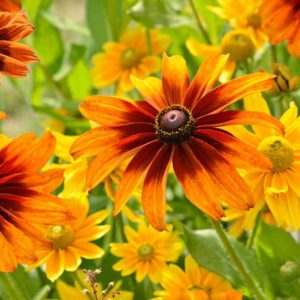
Achillea millefolium Milly Rock™ Red, commonly known as Milly Rock Red yarrow, red yarrow, or compact yarrow, is a tough, sun-loving perennial grown for vivid red flower clusters with bright yellow centers above aromatic, finely divided foliage. Compact, floriferous, drought-tolerant once established, and wonderfully pollinator-friendly, it brings bold color to borders, containers, rock gardens, cottage gardens, gravel gardens, and low-water landscapes.
This is not the tall, floppy yarrow that can overwhelm a small planting. The Milly Rock™ series is known for compact growth, good branching, vibrant colors, and healthy foliage. Milly Rock™ Red typically grows about 10-14 inches tall and wide, with upright stems carrying flat-topped clusters of small red blooms that may soften to rosy pink as they age. The effect is bright, cheerful, and easy to use in both polished and relaxed garden designs.
Garden spotlight: Milly Rock™ Red is the compact yarrow to plant when you want bold red flowers, pollinator activity, drought tolerance, and long-lasting summer color without a sprawling habit.
Summary: Compact perennial yarrow with vivid red flower clusters, yellow centers, and finely divided, aromatic green to gray-green foliage.
Use: Excellent for sunny borders, containers, edging, rock gardens, pollinator gardens, cottage gardens, drought-tolerant plantings, and cut flowers.
Highlight: Strong red color on a short, sturdy plant that attracts bees and butterflies while needing little water once established.
Note: Best in full sun and well-drained soil. Avoid rich, wet, heavy soil, which can weaken growth and reduce flowering.
| Botanical Name | Achillea millefolium Milly Rock™ Red, often listed as Achillea millefolium ‘Florachre1’ |
|---|---|
| Family | Asteraceae |
| Common Names | Milly Rock Red Yarrow, Red Yarrow, Compact Yarrow, Common Yarrow |
| Native Range | The species Achillea millefolium is widespread across temperate regions of the Northern Hemisphere; Milly Rock™ Red is a cultivated ornamental selection. |
| Plant Type and Habit | Herbaceous perennial; compact, mounding, clump-forming habit |
| Hardiness | Generally hardy in USDA Zones 4-9 |
| Height | About 10-14 in. tall, often near 30-35 cm in bloom |
| Spread | About 10-12 in. wide, sometimes wider in rich garden conditions |
| Spacing | 12-15 in. apart for edging, containers, mass planting, and pollinator borders |
| Sun Exposure | Full sun is best for strong stems, dense growth, vivid color, and abundant flowers |
| Soil | Average to lean, dry to medium moisture, well-drained soil |
| Water Needs | Low to moderate; water regularly during establishment, then only during extended dry spells |
| Bloom Time | Late spring to fall in favorable climates; often summer into autumn |
| Flower Color | Red flower clusters with yellow centers, often aging to softer rose or pink tones |
| Foliage Color | Green to gray-green, finely cut, fern-like, aromatic foliage |
| Pollinator Value | Attracts bees, butterflies, hoverflies, and other beneficial insects |
| Deer Resistance | Generally deer and rabbit resistant due to aromatic foliage, though browsing can occur |
| Best Uses | Borders, edging, containers, rock gardens, xeriscapes, pollinator gardens, cottage gardens, cut flowers, dried flowers |
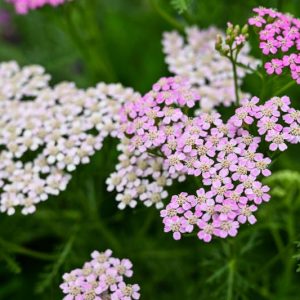
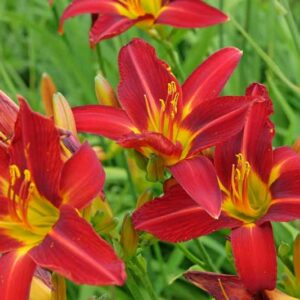
Achillea millefolium Milly Rock™ Red is a compact ornamental yarrow selected for small-space performance, strong branching, and saturated red flower color. Its flattened flower clusters are made up of many tiny blooms, often with yellow centers that give each flower head a lively, eye-catching glow. As the flowers mature, they may soften toward rosy pink, adding natural variation rather than a single flat color.
Unlike taller yarrows that can lean in rich soil, this selection stays low, tidy, and easy to place. It is especially valuable near path edges, in patio containers, at the front of sunny borders, and in drought-tolerant gardens where every plant must work hard. Milly Rock™ Red looks bold enough for modern landscapes but relaxed enough for cottage gardens, prairie-style plantings, and pollinator borders.
The species Achillea millefolium has a broad native and naturalized range across temperate regions of the Northern Hemisphere. Milly Rock™ Red, however, is a cultivated selection bred for ornamental garden use. It should be used as a garden perennial, not as a substitute for local ecotype yarrow in ecological restoration projects.
Milly Rock™ Red forms a compact mound of finely cut, aromatic foliage topped by upright, branching flowering stems. Most plants stay around 10-14 inches tall and about 10-12 inches wide, though final size depends on climate, soil, water, and container volume. The compact habit is one of its greatest strengths: it gives the classic yarrow look without overwhelming neighboring plants.
The flowers appear in flat-topped clusters of small red blooms with yellow centers. Their warm red color pairs beautifully with blue, violet, purple, silver, cream, gold, burgundy, and ornamental grasses. As flowers age, they may shift toward softer rose tones, creating a more layered, naturalistic effect. Deadheading keeps the plant looking fresh and can encourage additional bloom.
Design tip: Use Milly Rock™ Red like a spark of color. Repeat it through a border to connect purple salvias, blue catmint, silver foliage, yellow daisies, and burgundy sedums.
The foliage is finely divided, green to gray-green, and pleasantly aromatic when brushed or cut. Before bloom, it forms a soft, ferny mound that contrasts well with broad leaves, strappy grasses, succulents, and upright perennials. After flowering, a light trim can refresh the mound and encourage clean new growth.
Milly Rock™ Red is a hardy herbaceous perennial in many temperate gardens and is commonly grown in USDA Zones 4-9. It dies back in winter in cold climates and returns from the crown in spring. Winter survival is best in well-drained soil, especially where winters are wet.
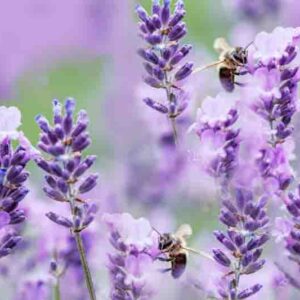
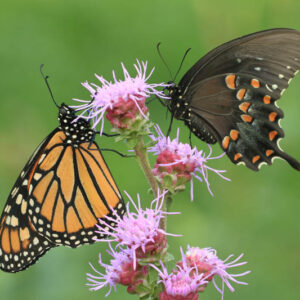
Yarrow is a beneficial plant for pollinator-friendly landscapes. Its flat flower heads are accessible to bees, butterflies, hoverflies, and other beneficial insects. In an ornamental border, Milly Rock™ Red works especially well near other nectar-rich, sun-loving perennials, creating a long-season feeding station from late spring into summer and beyond.
Once established, this yarrow is drought-tolerant and performs well in low-water gardens. However, drought-tolerant does not mean no water, especially during the first season. Water deeply after planting and during prolonged dry spells. Plants in containers need more frequent watering than plants in the ground.
The aromatic foliage of yarrow is generally unappealing to deer and rabbits, making it a useful choice for exposed sunny gardens. No plant is completely deer-proof, but yarrow is often skipped when more tender plants are available.
Yarrow has a long history of traditional herbal use, but ornamental garden plants should not be eaten unless grown specifically for that purpose and correctly identified. Sensitive people may experience skin irritation from handling yarrow, and ingestion may upset pets. Grow it as an ornamental and keep curious pets from chewing the foliage.
Achillea millefolium can spread by rhizomes and seed in favorable conditions, but compact ornamental selections such as Milly Rock™ Red are generally more restrained in garden settings. Remove spent blooms before seed matures if self-sowing is unwanted. Divide clumps when they become crowded or start to lose vigor.
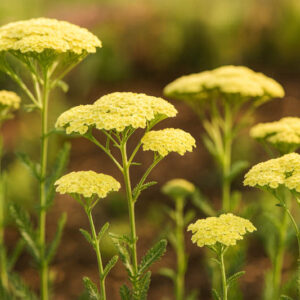
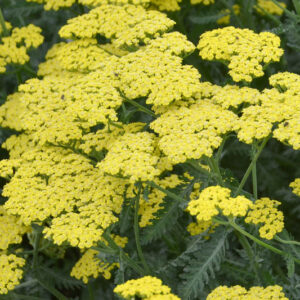
Yarrows vary from soft pastels to fiery reds, golds, pinks, creams, yellows, and terracotta tones. Choose compact selections such as Milly Rock™ Red for edging and containers, and taller cultivars for meadow-style borders, cutting gardens, and bold perennial displays.
Compare Achillea – Yarrow – Compare popular yarrow varieties by color, size, bloom time, hardiness, and garden use.
Choose Milly Rock™ Red when you want a short, sturdy, high-impact red yarrow for the front of a sunny planting. Choose taller yarrows when the design needs more height, movement, and meadow-style looseness.
Full sun is essential for the best performance. Give Milly Rock™ Red at least 6 hours of direct sun daily. Too much shade can reduce flowering, loosen the habit, make stems weaker, and soften flower color.
Plant in average to lean, well-drained soil. Yarrow dislikes heavy, wet, rich soil, especially in winter. Sandy loam, gravelly soil, raised beds, slopes, and amended clay with excellent drainage are all suitable. In containers, use a free-draining potting mix and a pot with drainage holes.
Water regularly after planting until roots are established. After that, water deeply during extended dry periods and allow the soil to dry slightly between waterings. Avoid keeping the crown constantly wet.
Feed lightly, if at all. Rich feeding encourages lush growth that may be less compact. A thin layer of compost in spring is usually enough for garden plants.
Use a light gravel mulch or a thin organic mulch to reduce weeds and conserve moisture. Keep mulch away from the crown so the base of the plant remains dry and airy.
Care tip: The fastest way to ruin yarrow is kindness. Too much fertilizer, too much water, and too much shade produce weaker plants. Sun, drainage, and restraint are the secret.
Deadhead spent flowers by cutting stems back to a lower set of leaves. This keeps the plant tidy and may encourage repeat bloom. After the main bloom flush, cut the plant back by about one-third to refresh the foliage and encourage a later rebloom.
In late fall or early spring, remove old stems and debris. In colder climates, leaving some top growth through winter can help protect the crown, but soggy winter debris should be cleared away before new growth begins.
Plant in spring after the soil begins to warm, or in early fall where winters are not severe. Space plants about 12-15 inches apart. For a strong design, plant in groups of three, five, or seven rather than scattering single plants.
In containers, pair Milly Rock™ Red with plants that enjoy the same sunny, well-drained conditions. Avoid mixing it with moisture-loving plants that need constant watering.
Propagate by division in spring or fall. Lift an established clump, separate healthy outer sections with roots and shoots, and replant promptly. Division every few years keeps plants vigorous and prevents congestion. Named cultivars should be propagated vegetatively to maintain true-to-type color and habit.
Powdery mildew may appear in humid, crowded, or poorly ventilated sites. Improve airflow, avoid overhead watering, and grow plants in full sun.
Flopping usually comes from too much shade, overly rich soil, or excessive moisture. Move plants to a sunnier, leaner, better-drained site if needed.
Root rot is most likely in heavy, wet soil. Improve drainage before planting and avoid winter-wet locations.
Aphids may gather on tender growth. Rinse them off with water or encourage beneficial insects.
Red yarrow flowers often soften as they age, sometimes shifting toward rose or pink. This is part of the plant’s natural color progression, not necessarily a problem. Deadhead if you prefer a cleaner look and want to encourage more bloom.
Use this yarrow wherever you need bold red color, fine texture, and pollinator activity in a sunny, dry border. It is especially beautiful with purple salvia, blue catmint, silver artemisia, yellow coreopsis, burgundy sedum, lavender, ornamental grasses, and cream or apricot roses.
For a high-contrast look, combine Milly Rock™ Red with blue, violet, silver, and gold companions. For a prairie-inspired border, pair it with coneflowers, rudbeckias, coreopsis, agastache, and little bluestem. For containers, use it with sedum, calibrachoa, dwarf grasses, or trailing thyme.
Best look: Repeat Milly Rock™ Red along a path or border edge. Its compact size creates rhythm, while its red flowers give the planting instant energy.
These companion plants pair beautifully with Milly Rock™ Red yarrow because they share its love of full sun, well-drained soil, and dry to medium moisture. They also add useful contrast in color, texture, height, bloom season, and pollinator appeal.
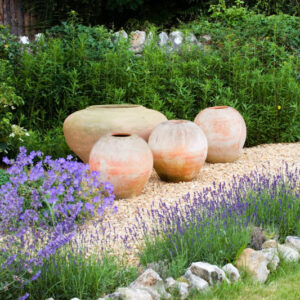
Lavandula angustifolia – English lavender echoes yarrow’s drought tolerance and full-sun needs while adding fragrant silver-green foliage, purple flower spikes, and a classic Mediterranean look.
Nepeta racemosa ‘Walker’s Low’ – Catmint cools the red flowers with clouds of lavender-blue blooms, aromatic foliage, and a relaxed, pollinator-friendly habit.
Salvia nemorosa ‘Caradonna’ – Dark stems and violet-blue flower spikes create strong vertical contrast beside the flat yarrow flower heads, while both plants thrive in sunny, well-drained borders.
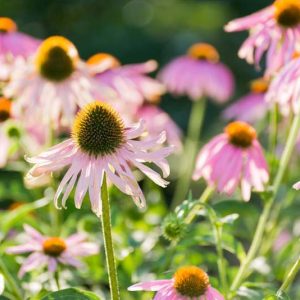
Echinacea purpurea – Purple coneflower adds bold daisy-shaped blooms, sturdy height, and excellent pollinator value, making it a natural partner for yarrow in prairie-style and cottage gardens.
Rudbeckia fulgida var. sullivantii ‘Goldsturm’ – Black-eyed Susan adds golden flowers that make Milly Rock™ Red look even brighter and extend the sunny border display into late summer.
Sedum ‘Autumn Joy’ – This upright stonecrop contributes succulent foliage, late-season flower heads, and exceptional drought tolerance, carrying the planting beautifully into fall.
Agastache foeniculum – Anise hyssop brings fragrant foliage, upright lavender-purple blooms, and strong bee appeal, adding height and movement behind compact yarrow.
Coreopsis verticillata ‘Moonbeam’ – Threadleaf coreopsis adds airy texture and soft yellow flowers that brighten red yarrow without overwhelming its compact habit.
Festuca glauca ‘Elijah Blue’ – Blue fescue provides cool blue-gray foliage, tidy mounds, and year-round texture, creating a striking contrast with Milly Rock™ Red’s vivid blooms.
Milly Rock™ Red yarrow is a compact form of Achillea millefolium grown for vivid red flower clusters with yellow centers over aromatic, finely divided foliage. It is a hardy, sun-loving perennial for borders, containers, pollinator gardens, and drought-tolerant landscapes.
Milly Rock™ Red yarrow usually grows about 10 to 14 inches tall and about 10 to 12 inches wide, often near 30 to 35 cm in bloom. Its compact habit makes it useful for edging, containers, small gardens, and the front of sunny borders.
Yes. Full sun is best for strong stems, compact growth, vivid red flower color, and the heaviest bloom. Too much shade can make the plant loose, floppy, and less floriferous.
Yes. Once established, Milly Rock™ Red yarrow is drought tolerant and suitable for low-water gardens. Water regularly during the first season, then water during extended dry spells, especially in containers.
Milly Rock™ Red yarrow blooms from late spring into summer and may continue into fall in favorable conditions, especially if spent flowers are removed after the first flush.
Yes. The red flower clusters can soften as they age, sometimes shifting toward rose or pink. This is normal for many yarrows. Deadhead faded stems to keep the plant tidy and encourage more bloom.
Yes. Its flat flower clusters attract bees, butterflies, hoverflies, and other beneficial insects. It is an excellent choice for sunny pollinator gardens with well-drained soil.
Yes. Its compact habit makes it very suitable for containers. Use a pot with drainage holes, a free-draining potting mix, full sun, and moderate watering. Avoid pairing it with plants that need constantly moist soil.
Yes. Deadheading keeps the plant tidy and can encourage additional flowers. Cut faded stems back to a lower set of leaves rather than leaving bare stalks. After the main flush, cut the plant back lightly to refresh foliage.
Milly Rock™ Red yarrow is generally deer and rabbit resistant because of its aromatic foliage, although no plant is completely deer proof. Young plants may still need protection in high-pressure areas.
Updated: June 2026 • Reviewed by Gardenia Editors
| Hardiness |
4 - 9 |
|---|---|
| Heat Zones |
1 - 9 |
| Climate Zones | 1, 2, 3, 4, 5, 6, 7, 8, 9, 10, 11, 12, 13, 14, 15, 16, 17, 18, 19, 20, 21, 22, 23, 24, A1, A2, A3 |
| Plant Type | Perennials |
| Plant Family | Compositae |
| Genus | Achillea |
| Common names | Achillea, Yarrow |
| Exposure | Full Sun |
| Season of Interest | Spring (Late), Summer (Early, Mid, Late), Fall |
| Height | 10" - 1' (25cm - 30cm) |
| Spread | 10" - 1' (25cm - 30cm) |
| Spacing | 15" - 16" (40cm - 40cm) |
| Maintenance | Low |
| Water Needs | Low, Average |
| Soil Type | Chalk, Clay, Loam, Sand |
| Soil pH | Acid, Neutral |
| Soil Drainage | Moist but Well-Drained, Well-Drained |
| Characteristics | Dried Arrangements, Cut Flowers, Fragrant, Showy |
| Tolerance | Drought, Clay Soil, Deer, Rabbit, Dry Soil, Salt |
| Attracts | Bees, Butterflies |
| Garden Uses | Beds And Borders, Patio And Containers |
| Garden Styles | Butterfly Garden, Coastal Garden, Gravel and Rock Garden, Informal and Cottage, Pollinator Garden, Prairie and Meadow |


| Hardiness |
4 - 9 |
|---|---|
| Heat Zones |
1 - 9 |
| Climate Zones | 1, 2, 3, 4, 5, 6, 7, 8, 9, 10, 11, 12, 13, 14, 15, 16, 17, 18, 19, 20, 21, 22, 23, 24, A1, A2, A3 |
| Plant Type | Perennials |
| Plant Family | Compositae |
| Genus | Achillea |
| Common names | Achillea, Yarrow |
| Exposure | Full Sun |
| Season of Interest | Spring (Late), Summer (Early, Mid, Late), Fall |
| Height | 10" - 1' (25cm - 30cm) |
| Spread | 10" - 1' (25cm - 30cm) |
| Spacing | 15" - 16" (40cm - 40cm) |
| Maintenance | Low |
| Water Needs | Low, Average |
| Soil Type | Chalk, Clay, Loam, Sand |
| Soil pH | Acid, Neutral |
| Soil Drainage | Moist but Well-Drained, Well-Drained |
| Characteristics | Dried Arrangements, Cut Flowers, Fragrant, Showy |
| Tolerance | Drought, Clay Soil, Deer, Rabbit, Dry Soil, Salt |
| Attracts | Bees, Butterflies |
| Garden Uses | Beds And Borders, Patio And Containers |
| Garden Styles | Butterfly Garden, Coastal Garden, Gravel and Rock Garden, Informal and Cottage, Pollinator Garden, Prairie and Meadow |
How many Achillea millefolium Milly Rock™ Red (Yarrow) do I need for my garden?
| Plant | Quantity | |
|---|---|---|
| Achillea millefolium Milly Rock™ Red (Yarrow) | N/A | Buy Plants |
Create a membership account to save your garden designs and to view them on any device.
Becoming a contributing member of Gardenia is easy and can be done in just a few minutes. If you provide us with your name, email address and the payment of a modest $25 annual membership fee, you will become a full member, enabling you to design and save up to 25 of your garden design ideas.
Join now and start creating your dream garden!
Create a membership account to save your garden designs and to view them on any device.
Becoming a contributing member of Gardenia is easy and can be done in just a few minutes. If you provide us with your name, email address and the payment of a modest $25 annual membership fee, you will become a full member, enabling you to design and save up to 25 of your garden design ideas.
Join now and start creating your dream garden!