Midseason daylilies bring the garden to its colorful peak. Discover Early Midseason, Midseason, and Late Midseason cultivars, learn how these bloom windows differ, and use Gardenia’s Build → Peak → Carry strategy to create a longer display. Compare cultivars by color, size, fragrance, rebloom, and growing requirements.
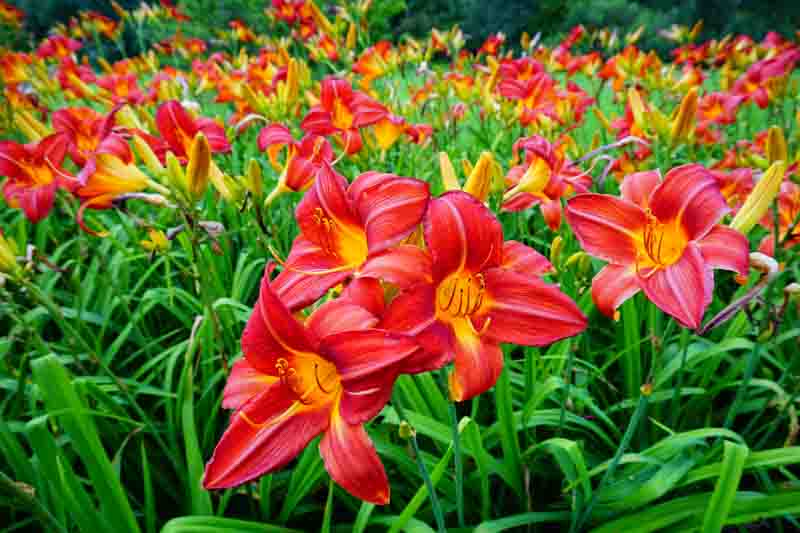


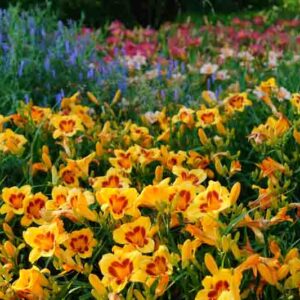
If there is one point when a daylily garden reaches its greatest concentration of color, it is midseason. Early cultivars have already started the show, late varieties are still waiting, and the main wave of daylilies (Hemerocallis) is coming into flower.
But “midseason” is not just one brief moment. Daylily growers distinguish three flowering windows around the local peak: Early Midseason, Midseason, and Late Midseason. Together, they cover the build-up to peak bloom, the peak itself, and the weeks immediately afterward.
For gardeners, that distinction is extremely useful. Instead of selecting several beautiful daylilies that all flower at once, you can combine cultivars from these three windows to create a longer, more progressive display. Then connect them with early-blooming daylilies before them and late-blooming daylilies afterward.
Think of the middle of the daylily season as Build → Peak → Carry.
| Bloom Window | Typical Timing | Garden Role |
|---|---|---|
| Early Midseason (EM) | About 1-3 weeks before peak bloom | Build: bridges early daylilies with the main display |
| Midseason (M) | The peak daylily bloom period in your area | Peak: creates the strongest concentration of color |
| Late Midseason (LM) | About 1-3 weeks after peak bloom | Carry: keeps the display going toward the late season |
Gardenia’s Three-Window Midseason Strategy: Early Midseason cultivars build toward the main display, Midseason cultivars create peak bloom, and Late Midseason cultivars carry the color toward the late season. Plant all three if you want the heart of the daylily season to unfold as a progression rather than a single burst.
Daylily bloom seasons describe relative timing rather than fixed calendar dates. The American Daylily Society defines Midseason as the peak of daylily bloom in your own area, with Early Midseason cultivars generally flowering one to three weeks before that peak and Late Midseason cultivars one to three weeks afterward.
Because peak bloom changes with climate and location, the same classification can correspond to different calendar dates. Weather can also shift flowering earlier or later from year to year.
Do not plan by calendar date alone. A daylily’s bloom classification tells you where it flowers in relation to your local daylily peak, not the exact date it will open everywhere.
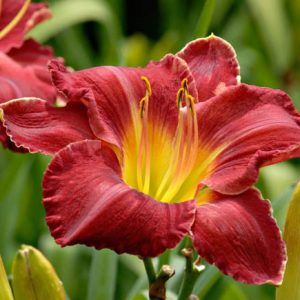
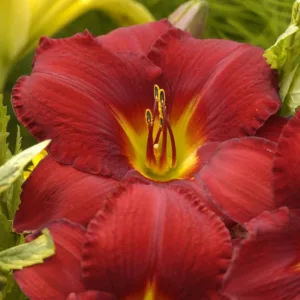
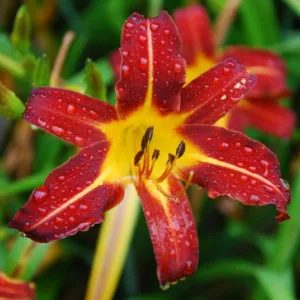
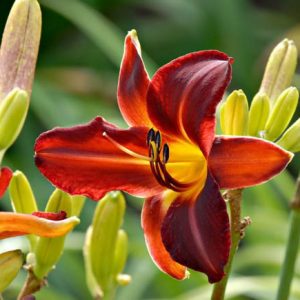
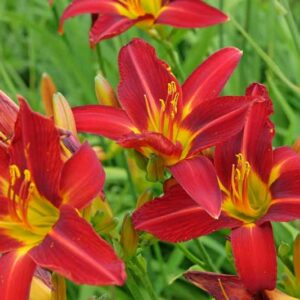
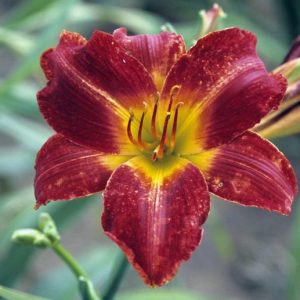
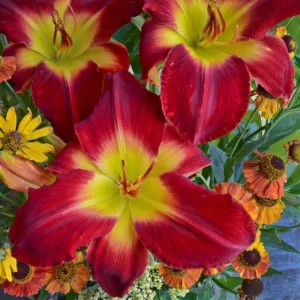
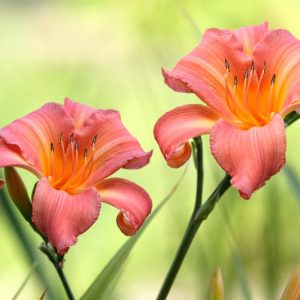
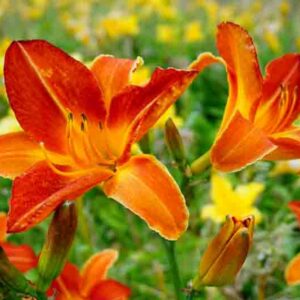
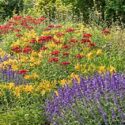
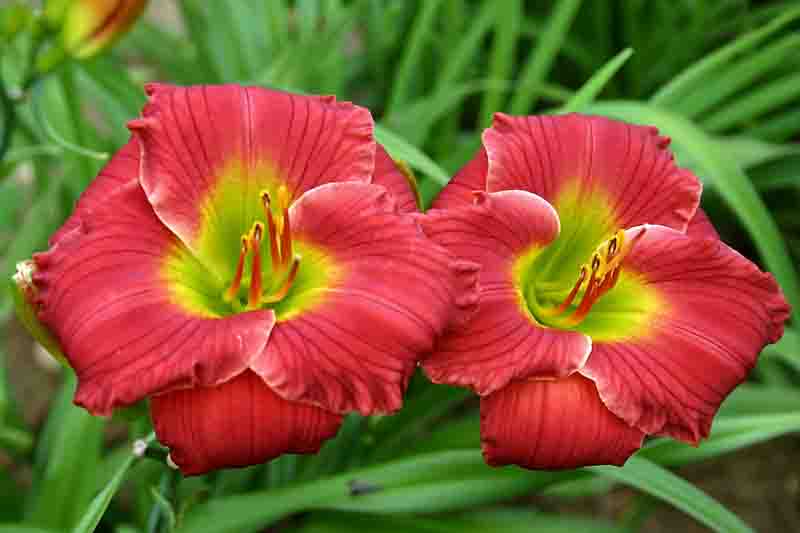 Hemerocallis ‘Red Hot Returns’
Early Midseason daylilies are the bridge between the first wave of the season and the main daylily display. They typically begin flowering one to three weeks before the local peak.
This makes them particularly valuable in gardens where the earliest cultivars are starting to decline but the main Midseason group has not yet reached full flower.
Early Midseason cultivars are useful for:
If your goal is a long daylily season, Early Midseason is too important to overlook. Its role is not simply to flower “a little early” but to connect two major phases of the display.
Midseason daylilies flower at the height of the local daylily season, when the greatest number of cultivars are typically in bloom.
For gardeners who want maximum impact around peak season, these cultivars form the core of the planting. But Midseason describes only when a daylily flowers. It does not tell you what the plant will look like or how it will perform in the garden.
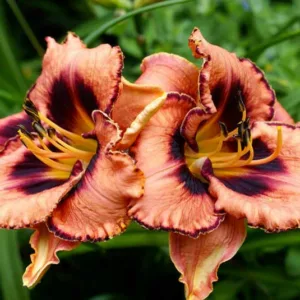
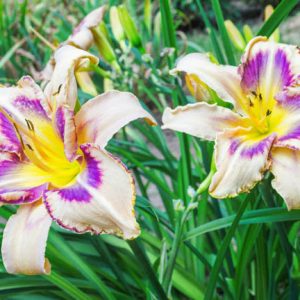
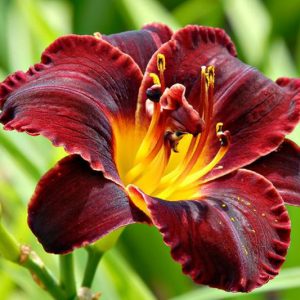
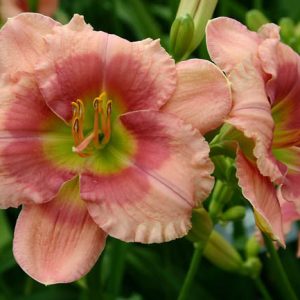
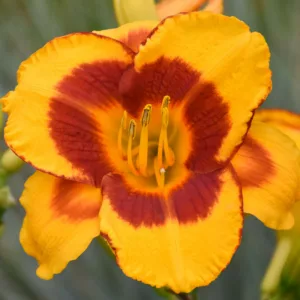
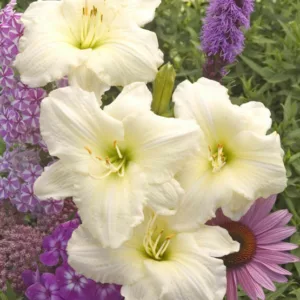
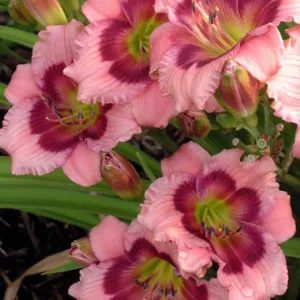
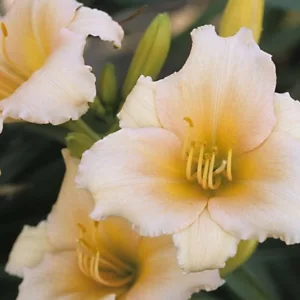
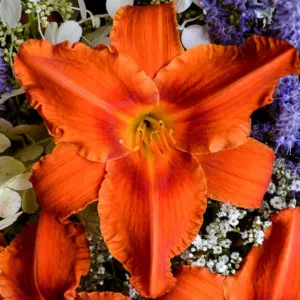
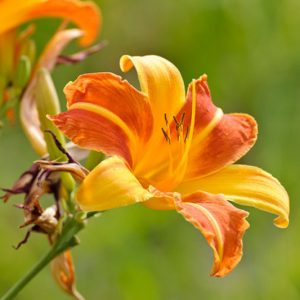
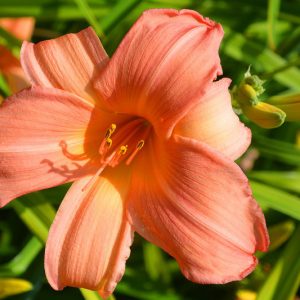
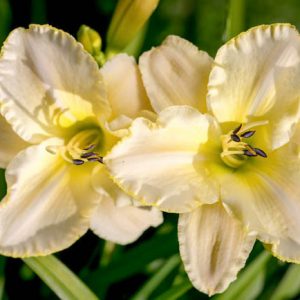
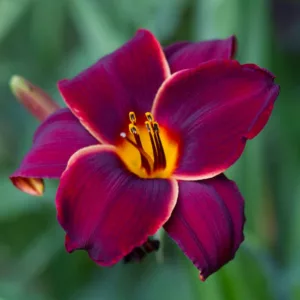
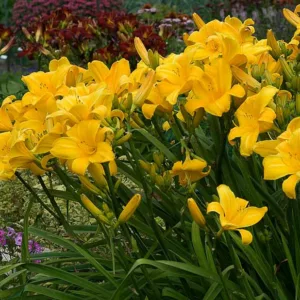
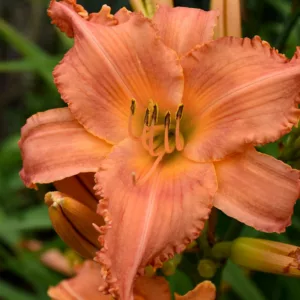
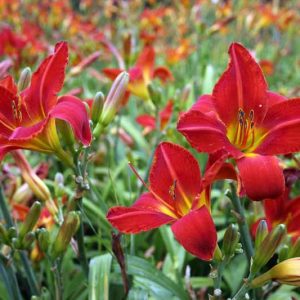
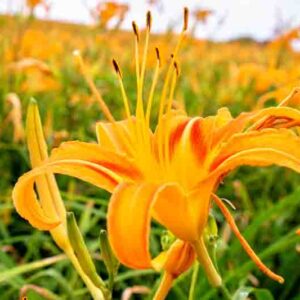
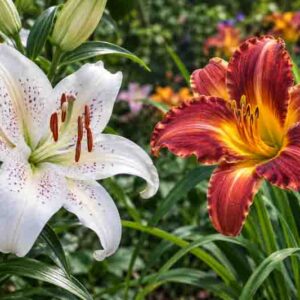
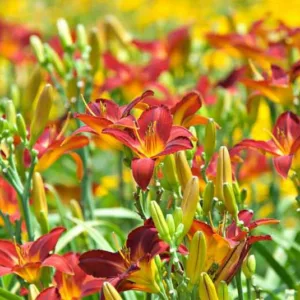
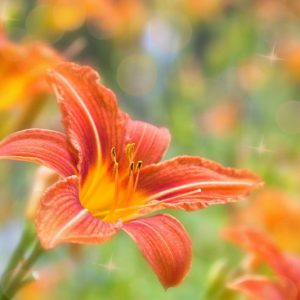
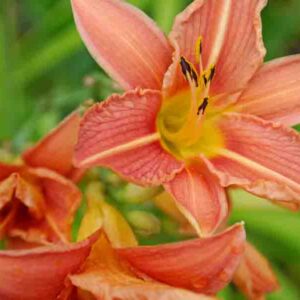
Midseason cultivars vary enormously in flower color and form. They may be cream, yellow, peach, orange, pink, red, burgundy, purple, or nearly black, with flowers that are round, ruffled, eyed, banded, bicolored, double, narrow-petaled, or spider-like.
They also vary greatly in height, fragrance, foliage habit, flower size, rebloom potential, and garden use. A compact cultivar may fit the front of a border or a container, while a taller selection can rise above neighboring perennials farther back in the planting.
Peak season is not one look. “Midseason” tells you when a cultivar flowers, not how tall it is, what color it will be, whether it is fragrant, or whether it will rebloom. Choose the bloom window first, then choose the cultivar for the garden role you need.
Late Midseason cultivars flower after the main peak but before true Late daylilies take over. This window generally falls about one to three weeks after peak bloom.
They are especially useful because they prevent the garden from losing much of its daylily color as the main Midseason wave begins to fade.
Late Midseason daylilies can:
For the longest sequence, follow them with Gardenia’s Late-Blooming Daylilies, which focuses on cultivars that flower after the central Midseason window.
One of the most dependable ways to extend daylily color is to stop thinking about the flowering season as one block of time. Instead, choose cultivars that hand the display from one bloom window to the next.
| Garden Phase | Bloom Groups | Purpose |
|---|---|---|
| Start | Extra Early + Early | Bring daylily color into the garden before peak season |
| Build | Early Midseason | Bridge early flowering into the main display |
| Peak | Midseason | Create maximum flower impact |
| Carry | Late Midseason | Keep color moving beyond peak bloom |
| Extend | Late + Very Late | Continue flowering after most daylilies have finished |
Then add rebloom: Cultivars capable of producing additional scapes may extend the season further, but rebloom works best as a bonus layer rather than a substitute for good primary bloom succession.
Explore Gardenia’s Reblooming Daylilies if you want cultivars capable of producing another flush of flowering scapes after their primary display.
Bloom season and rebloom describe two different characteristics.
An Early Midseason, Midseason, or Late Midseason cultivar may be a rebloomer, or it may flower only once. Likewise, a reblooming cultivar still has a primary bloom-season classification.
If dependable peak-season color is your goal, choose by primary bloom season first. If additional flowering later is also important, look for reblooming cultivars within the appropriate season.
Do not confuse “Midseason” with “blooms all summer.” Midseason describes the timing of the main display. Rebloom indicates the potential for additional scapes later, and that performance can vary with cultivar, climate, moisture, and growing-season length.
A strong midseason planting is not just a collection of attractive cultivars. The best combinations vary bloom window, flower form, height, color, and rebloom potential so the display changes as the season moves from Early Midseason through peak bloom and into Late Midseason.
Start with timing. If every cultivar belongs to the same bloom window, the display may be spectacular but short. Mixing Early Midseason, Midseason, and Late Midseason selections creates a more gradual rise and fall in flower color and makes better use of the entire peak-season window.
Think in overlap, not blocks. The goal is not for one group to stop before the next begins. A slight overlap between Early Midseason, Midseason, and Late Midseason cultivars produces a fuller, more natural-looking succession.
Several daylilies in similar shades can still look very different if their flower forms contrast. Combine broad, rounded blooms with narrow-petaled or spider-like flowers, heavily ruffled cultivars with simpler forms, or solid-colored flowers with strong eyes, bands, or contrasting throats.
This keeps the planting visually interesting even when several cultivars flower at the same time.
Do not line up cultivars solely by color. Scape height can create far more depth. Shorter daylilies can form the foreground, medium-height cultivars carry the main display, and taller selections can rise through the planting behind them.
Check the individual plant profiles carefully because flower height can vary considerably even among cultivars with the same bloom-season classification.
A cohesive planting does not require identical flowers. Instead, repeat one color element across several cultivars – perhaps a burgundy eye, yellow throat, coral petal, or plum edge – while changing the flower form or intensity.
This creates visual continuity without making the planting look uniform.
Reblooming cultivars can help keep color returning after the main flush, but they are most useful when they complement a well-planned primary bloom sequence. Do not rely on rebloom alone to carry the season.
For example, a Midseason rebloomer can reinforce peak-season color, while a Late Midseason rebloomer may help bridge the display toward late-blooming daylilies.
A memorable daylily planting usually benefits from a few plants that stand apart. That might mean an unusually dark flower, a dramatic spider form, a heavily ruffled edge, strong fragrance, a very large bloom, or a particularly tall scape.
Use these as accents rather than making every cultivar compete for attention.
Best midseason combinations: Vary timing first, then layer height and flower form. Use color to tie the planting together and rebloom to extend it. This creates a display that evolves rather than peaking all at once.
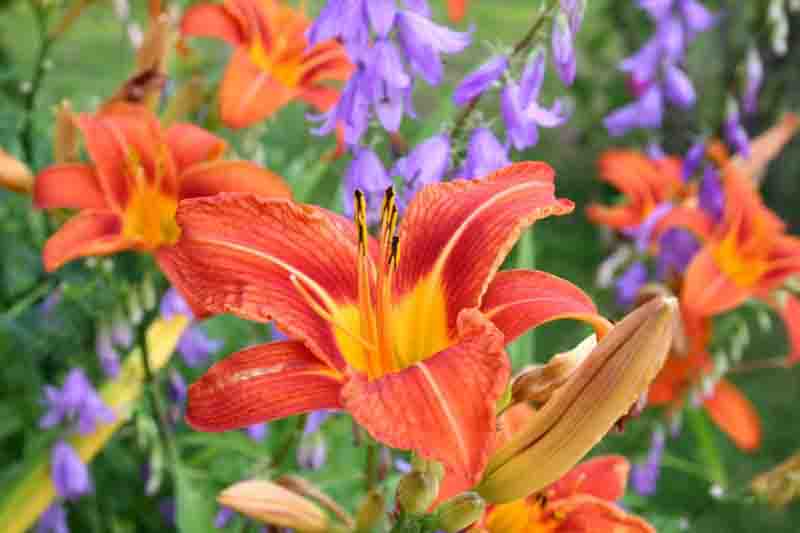
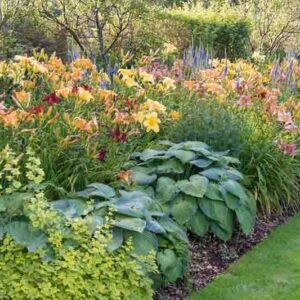
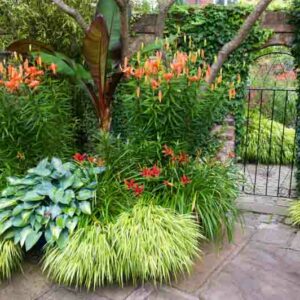
Daylilies are often most effective when integrated into a mixed planting rather than used as isolated flowering clumps.
Because each individual flower lasts only one day, the overall display depends on a succession of buds opening along the scapes. Companion plants can add contrasting flower forms, foliage texture, and color while maintaining interest before and after the daylilies flower.
Useful design approaches include:
For specific planting partners, see Gardenia’s Great Companion Plants for Daylilies.
A well-chosen cultivar can still flower poorly if its growing conditions are unsuitable. Daylilies are adaptable, but strong flowering depends on adequate light, appropriate planting depth, moisture, drainage, and enough room for the clump to develop.
For complete planting, watering, fertilizing, deadheading, dividing, and seasonal-care instructions, see Gardenia’s How to Grow and Care for Daylilies: Complete Planting & Care Guide.
If your plants are producing plenty of foliage but few flowers, investigate light, crown depth, crowding, moisture, cultivar behavior, and plant health before simply adding fertilizer.
With so many cultivars available, flower color alone is not enough. The best choice is one whose bloom window, size, appearance, and growing requirements all suit the space you are planting.
Choosing shortcut: Choose the bloom window first, then choose the cultivar. The season determines when it contributes; the cultivar determines what it contributes.
You can also browse Gardenia’s Top Daylilies or explore the complete Hemerocallis collection to compare plants in greater detail.
| Garden Goal | Best Bloom Groups | Explore |
|---|---|---|
| Start daylily color as early as possible | Extra Early + Early | Early-Blooming Daylilies |
| Create and extend the peak-season display | Early Midseason + Midseason + Late Midseason | Midseason-Blooming Daylilies |
| Keep flowers coming after peak season | Late + Very Late | Late-Blooming Daylilies |
| Add another possible flowering flush | Rebloomers | Reblooming Daylilies |
The cultivars below are organized by their primary bloom-season classification so you can compare plants within the part of the midseason window you need. Use the individual profiles to compare flower color and form, height and spread, fragrance, rebloom, foliage habit, hardiness, and growing requirements, then combine cultivars from different windows to build a longer peak-season display.
Bloom timing remains relative and can shift with climate, location, and weather.
| Hardiness |
3 - 9 |
|---|---|
| Heat Zones |
2 - 11 |
| Climate Zones | 2, 3, 4, 5, 6, 7, 8, 9, 10, 11, 12, 13, 14, 15, 16, 17, 18, 19, 20, 21, 22, 23, 24, H1, H2 |
| Plant Type | Perennials |
| Genus | Hemerocallis |
| Exposure | Full Sun, Partial Sun |
| Season of Interest | Summer (Early, Mid, Late), Fall |
| Maintenance | Low |
| Water Needs | Average |
| Soil Type | Chalk, Clay, Loam, Sand |
| Soil pH | Acid, Alkaline, Neutral |
| Soil Drainage | Moist but Well-Drained, Well-Drained |
| Characteristics | Showy |
| Tolerances | Drought, Rabbit, Dry Soil, Salt |
| Attracts | Butterflies, Hummingbirds |
| Landscaping Ideas | Banks And Slopes, Beds And Borders, Patio And Containers |
| Garden Styles | City and Courtyard, Coastal Garden, Informal and Cottage, Traditional Garden |
Gardenia uses “midseason-blooming daylilies” as a practical umbrella for three bloom windows: Early Midseason, Midseason, and Late Midseason. Together, they cover the period immediately before, during, and immediately after the local peak of daylily flowering.
Midseason daylilies bloom at the peak of the daylily season in your area. Because climate varies widely, this is not a fixed calendar date. Peak bloom can occur much earlier in warm regions than in colder northern gardens.
An Early Midseason daylily generally flowers about one to three weeks before the local peak. These cultivars help bridge Early daylilies with the main Midseason display.
A Late Midseason daylily generally flowers about one to three weeks after the local peak. These cultivars extend the central display before Late and Very Late daylilies take over.
Not exactly. Midseason is a relative daylily bloom classification, while midsummer is a calendar-season description. A Midseason cultivar flowers around the local peak of daylily bloom, which occurs at different dates depending on climate and location.
Each individual daylily flower normally lasts only one day, but a healthy scape carries multiple buds that open in succession. The overall flowering period varies with cultivar, plant vigor, weather, and growing conditions.
Some do and some do not. Midseason describes the timing of the main flowering period, while rebloom describes the ability to produce additional scapes later. Check the individual cultivar profile if rebloom is important.
Combine cultivars from several primary bloom periods: Extra Early and Early, followed by Early Midseason, Midseason, Late Midseason, Late, and Very Late. Reblooming cultivars can add another possible flush where climate and growing conditions support repeat flowering.
Most daylilies flower best with about six hours or more of direct sunlight each day, although they tolerate some partial shade. In very hot climates, light afternoon shade can help protect darker-colored flowers.
Bloom classifications describe relative timing rather than fixed dates. Climate, spring temperatures, latitude, elevation, local weather, and garden conditions can all shift flowering earlier or later.
You can if your goal is maximum impact around peak bloom, but combining several bloom periods creates a longer display. Early cultivars start the season, Midseason cultivars provide the main show, and Late and Very Late cultivars extend flowering afterward.
Good companions share similar sunlight, drainage, and moisture requirements while providing contrasting flower forms, foliage textures, or complementary bloom times. Gardenia’s companion guide includes perennial and ornamental grass combinations suited to daylily plantings.
Midseason is the heart of the daylily display, but it does not have to be a single brief explosion of flowers. By combining Early Midseason, Midseason, and Late Midseason cultivars, you can turn peak bloom into a progression that develops over several weeks.
Remember that these classifications are relative. Early Midseason approaches your local peak, Midseason is the peak, and Late Midseason follows it. Exact calendar dates shift with climate and weather.
For the longest display, connect this central flowering window to Early-Blooming Daylilies at the beginning of the season and Late-Blooming Daylilies afterward. Then add reblooming cultivars where appropriate for another possible flush.
Updated: August 2026 • Reviewed by Gardenia Editors
| Hardiness |
3 - 9 |
|---|---|
| Heat Zones |
2 - 11 |
| Climate Zones | 2, 3, 4, 5, 6, 7, 8, 9, 10, 11, 12, 13, 14, 15, 16, 17, 18, 19, 20, 21, 22, 23, 24, H1, H2 |
| Plant Type | Perennials |
| Genus | Hemerocallis |
| Exposure | Full Sun, Partial Sun |
| Season of Interest | Summer (Early, Mid, Late), Fall |
| Maintenance | Low |
| Water Needs | Average |
| Soil Type | Chalk, Clay, Loam, Sand |
| Soil pH | Acid, Alkaline, Neutral |
| Soil Drainage | Moist but Well-Drained, Well-Drained |
| Characteristics | Showy |
| Tolerances | Drought, Rabbit, Dry Soil, Salt |
| Attracts | Butterflies, Hummingbirds |
| Landscaping Ideas | Banks And Slopes, Beds And Borders, Patio And Containers |
| Garden Styles | City and Courtyard, Coastal Garden, Informal and Cottage, Traditional Garden |
Create a membership account to save your garden designs and to view them on any device.
Becoming a contributing member of Gardenia is easy and can be done in just a few minutes. If you provide us with your name, email address and the payment of a modest $25 annual membership fee, you will become a full member, enabling you to design and save up to 25 of your garden design ideas.
Join now and start creating your dream garden!
Create a membership account to save your garden designs and to view them on any device.
Becoming a contributing member of Gardenia is easy and can be done in just a few minutes. If you provide us with your name, email address and the payment of a modest $25 annual membership fee, you will become a full member, enabling you to design and save up to 25 of your garden design ideas.
Join now and start creating your dream garden!

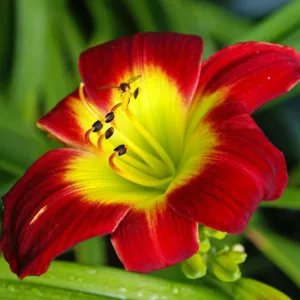
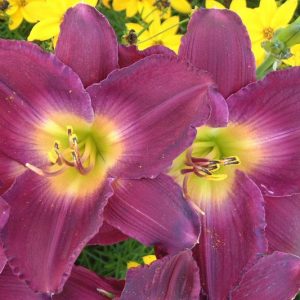
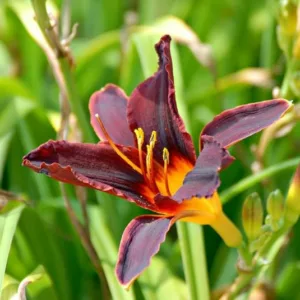
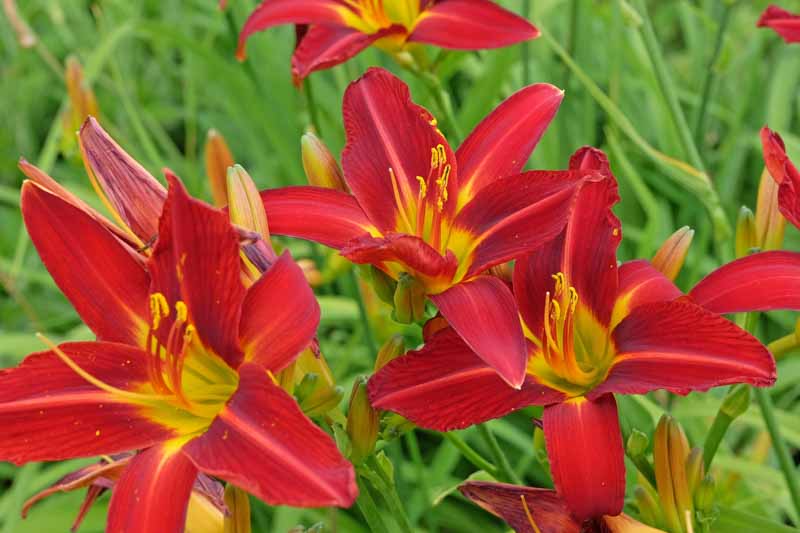 Hemerocallis ‘Stafford’
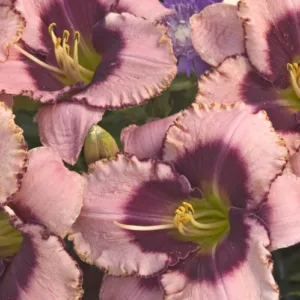
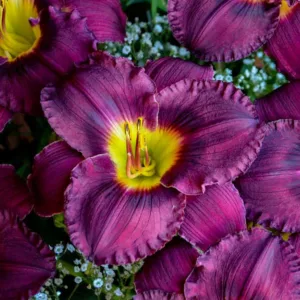
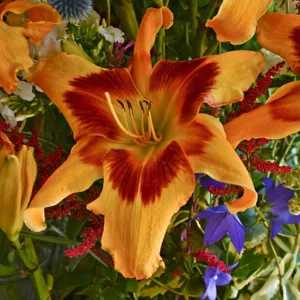
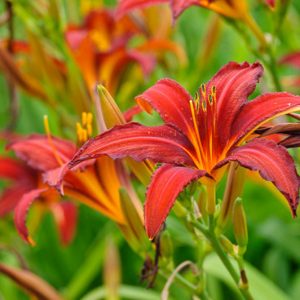
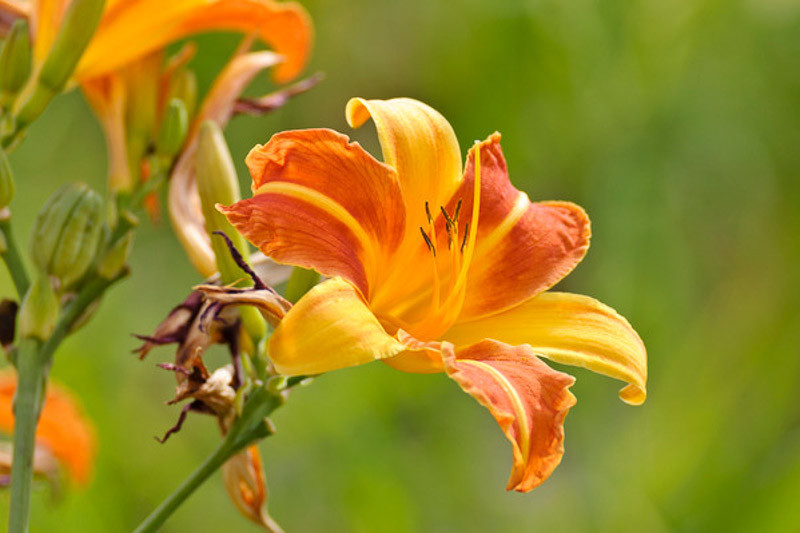 Hemerocallis ‘Frans Hals’