Frost is coming and your tomato vines are still green. Learn which tomatoes are mature enough to ripen indoors, which are probably too young, how to sort the harvest, the best temperatures for fast or slow ripening, and whether paper bags, boxes, newspaper, or hanging whole plants actually work.
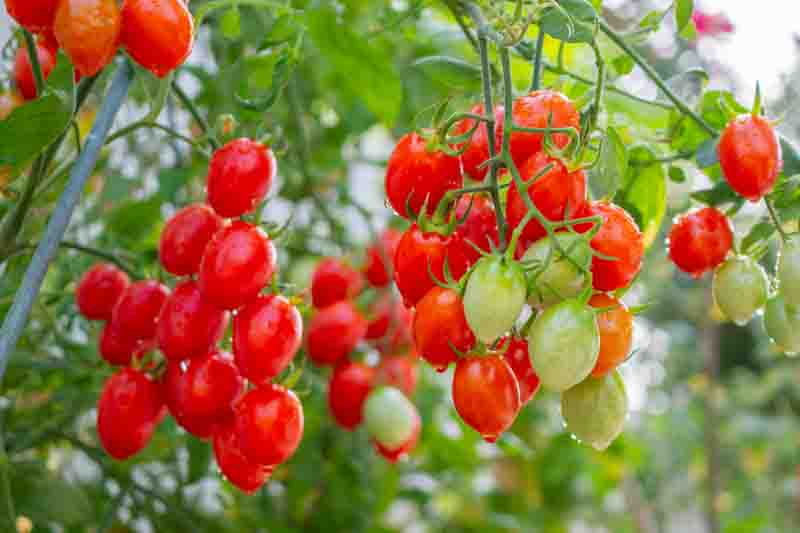


A frost warning at the end of tomato season can create an instant dilemma: the vines are still loaded with green fruit, but there may not be enough warm weather left for them to ripen outdoors. Should you pick every tomato? Which green tomatoes will actually ripen indoors? Should they go on a windowsill, into a paper bag, or into a cooler room for several weeks?
The answer depends largely on how mature the fruit is when you harvest it. A full-sized mature-green tomato may ripen beautifully indoors. A tomato that has already reached breaker stage and begun changing color is even more reliable. But a small, hard, truly immature green tomato may remain green, shrivel, or develop disappointing texture and flavor no matter how carefully you store it.
Gardenia frost-harvest principle: Do not treat every green tomato as equally ready to ripen. Before bringing the crop indoors, sort fruit by maturity, condition, and how quickly you want it to ripen. That single step makes indoor ripening far more successful.
Tomato plants are frost-tender. A killing frost or freeze can damage foliage, stems, and fruit, so if temperatures are expected to fall low enough to injure the crop, harvest tomatoes you hope to save before the cold arrives.
Prioritize:
Fruit already changing color. Breaker-stage and partially colored tomatoes are the most dependable candidates for indoor ripening.
Full-sized mature-green tomatoes. These may still be completely green outside but have developed enough internally to ripen after harvest.
Sound fruit. Choose tomatoes without rot, severe cracking, frost injury, or major insect damage.
Fruit from healthy portions of the plant. Tomatoes from badly diseased vines need especially careful inspection before storage.
Do not assume leaving green tomatoes on the vine through a frost will somehow improve their flavor. Once the fruit itself is damaged by freezing temperatures, its storage life and ability to ripen normally deteriorate quickly.
Do not wait for the frost itself. Harvest tomatoes worth saving before a killing freeze reaches the fruit. Frost-damaged tomatoes are poor candidates for long indoor storage.
The phrase “green tomato” covers several very different stages of development. This is the most important distinction to understand before bringing a late-season harvest indoors.
| Stage | What It Looks Like | Indoor Ripening Potential |
|---|---|---|
| Immature green | Small, hard, intensely green, not fully developed | Poor; may never ripen satisfactorily |
| Mature green | Full-sized and developed but still externally green | Good if the fruit is truly mature |
| Breaker | First definite blush or change toward mature color | Very good; natural ripening is already underway |
| Turning / partially colored | Increasing red, pink, orange, yellow, or other cultivar-specific mature color | Excellent; usually needs only a short indoor finish |
A mature-green tomato has completed most of its physical development and can continue through ripening after harvest. A truly immature fruit has not reached the same stage and may never become a high-quality ripe tomato indoors.
This is why harvesting every small green tomato before frost does not guarantee a basket of ripe tomatoes a month later.
Breaker-stage fruit is relatively easy to identify because visible color change has already begun. Mature-green fruit is more difficult.
Useful signs that a green tomato may be mature enough to ripen indoors include:
Full size: the tomato is close to the normal mature size for the cultivar.
Rounded development: it looks filled out rather than small, sharply angular, or obviously juvenile.
Lighter green coloration: the deep green of immature fruit may begin fading slightly.
A pale or whitish area near the blossom end: some mature-green tomatoes develop subtle whitening before visible ripening color appears.
A mature-looking skin surface: the fruit appears fully developed rather than newly formed.
None of these clues is perfect across every cultivar. That is why fruit that has already begun showing a definite color change is the most reliable candidate for indoor ripening.
Mature green is not the same as simply green. A large, fully developed green tomato may ripen normally indoors. A small, hard, undeveloped one often will not.
Instead of carrying every tomato indoors and putting the entire harvest into one box, sort the fruit immediately. Different groups have different ripening potential and storage needs.
Separate tomatoes with:
Deep cracks.
Soft or water-soaked areas.
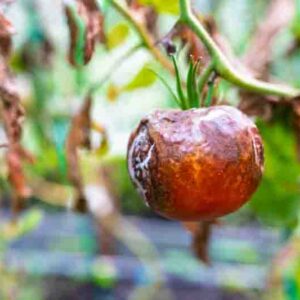
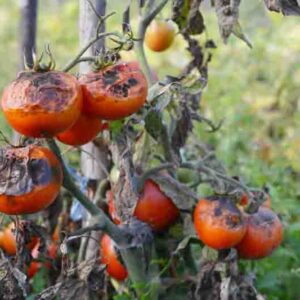
Frost injury.
Serious insect damage.
Active rot or suspicious disease lesions.
Do not store badly damaged fruit with sound tomatoes. Deteriorating fruit can become a source of decay in a stored harvest.
These are the easiest tomatoes to finish indoors. Natural ripening has already started, so place them at normal room temperature and check them frequently.
These can ripen successfully but usually need more time. They are the best candidates for cooler holding if you want to spread your harvest over several weeks instead of ripening everything at once.
Very small, hard, undeveloped tomatoes are unlikely to become excellent ripe fruit. Use realistic expectations rather than storing them for weeks waiting for a transformation that may never happen.
Gardenia Frost-Night Tomato Sort: Separate damaged fruit → coloring fruit → mature-green fruit → immature fruit. These groups should not automatically receive the same treatment.
For most home gardeners, the simplest method is also the most reliable.
Choose sound tomatoes that are mature-green or further along.
Remove damaged, diseased, or frost-injured fruit.
Keep tomatoes dry.
Arrange them in a shallow layer where every fruit can be inspected.
Keep them at a moderate indoor temperature.
Keep them away from intense direct sunlight.
Check them every day or two.
Remove fruit as soon as it becomes fully ripe or begins deteriorating.
Tomatoes do not need light to ripen after harvest. Once the fruit has reached sufficient physiological maturity, temperature and time matter far more than a sunny windowsill.
For relatively quick finishing, temperatures around the upper 60s to low 70s°F are practical. Mature-green fruit can be kept somewhat cooler if you want to delay ripening.
Gardenia indoor-ripening rule: Think in terms of maturity + temperature + inspection, not sunlight. A mature tomato can ripen perfectly well without sitting in a sunny window.
Temperature strongly affects both the speed and quality of tomato ripening.
| Temperature | Best Use |
|---|---|
| About 68-72°F (20-22°C) | Good range for relatively prompt, normal ripening |
| About 60-65°F (16-18°C) | Slower ripening; useful for holding mature-green fruit and extending the harvest |
| Around 55°F (13°C) | Very slow holding; use cautiously and avoid prolonged colder storage because chilling injury becomes a concern |
| Above about 80°F (27°C) | Less suitable for quality ripening; normal color development may suffer and deterioration can accelerate |
This gives you an extremely useful management tool.
Want tomatoes soon? Move mature or coloring fruit to around 68-72°F (20-22°C).
Want to spread the harvest? Hold sound mature-green tomatoes around 60-65°F (16-18°C), then move a few at a time into warmer conditions to finish.
Have only a very cool storage area? Around 55°F (13°C) can slow ripening sharply, but avoid extended storage below this range because chilling damage can compromise quality.
Do not confuse slower with better. Cooler temperatures can extend the harvest, but pushing tomatoes too cold can impair normal ripening rather than simply delaying it.
No. Tomatoes do not need sunlight to continue ripening after harvest.
A sunny windowsill is popular because it is convenient and keeps fruit visible, but sunlight itself is not what drives ripening. Strong direct sun can actually overheat tomatoes and create unnecessary temperature fluctuations.
Better locations include:
A kitchen counter away from direct hot sun.
A pantry or spare room at a suitable temperature.
A shallow tray or box where fruit can be inspected easily.
A cooler room for mature-green fruit you want to hold longer.
Windowsill myth: Tomatoes ripen because the fruit has reached sufficient maturity and is progressing through its natural ripening process – not because sunlight shines on the skin.
A paper bag can accelerate ripening because it traps some of the ethylene naturally released by ripening fruit.
To use this method:
Place a few mature-green, breaker-stage, or partially colored tomatoes loosely in a paper bag.
Do not overfill it.
Fold the top loosely rather than sealing it airtight.
Inspect the fruit every day.
Remove ripe or deteriorating tomatoes promptly.
Adding a ripening apple or banana can increase ethylene concentration and speed the process further, but it is not necessary. Physiologically mature tomatoes produce ethylene themselves.
The biggest disadvantage of a paper bag is simple: you cannot see the fruit unless you open it. A forgotten damaged tomato can deteriorate surprisingly quickly.
If you harvest dozens of mature-green tomatoes before frost, you probably do not want them all turning ripe on the same Tuesday.
The easiest solution is to use temperature to control the pace.
Choose only sound, mature-green fruit for longer storage.
Keep it around 60-65°F (16-18°C) to slow ripening without pushing the fruit into unnecessarily cold conditions.
Keep tomatoes dry and protected from bruising.
Arrange them in a shallow layer or wrap individual tomatoes loosely in paper.
Inspect them regularly for softening, color change, or decay.
Move selected tomatoes to around 68-72°F (20-22°C) when you want them to ripen more quickly.
This staged approach can provide ripe tomatoes for several weeks after the outdoor plants have been killed by frost.
Gardenia two-temperature strategy: Use 60-65°F to hold mature-green tomatoes and approximately 68-72°F to finish selected fruit. Instead of ripening the entire frost harvest at once, you control the pace.
Wrapping mature-green tomatoes individually in plain paper is a traditional and practical way to manage a large late-season crop.
Individual wrapping can help:
Reduce fruit-to-fruit contact.
Protect tomatoes from bruising.
Make it easier to arrange large numbers of fruit in shallow storage boxes.
Support slower ripening when fruit is stored at cooler temperatures.
Plain newspaper or other clean, uncoated paper can work. Avoid wrapping wet fruit.
The disadvantage is visibility. Wrapped tomatoes are easy to forget, so unwrap and inspect them regularly.
Wrapping is a storage method, not a substitute for inspection. Even individually wrapped tomatoes need to be checked regularly for ripening and decay.
Yes. Another traditional method is to uproot the entire tomato plant before frost and hang it upside down in a protected, frost-free location such as a garage, shed, or basement where temperatures remain suitable.
This method is most practical when:
The plant is reasonably healthy.
Many worthwhile fruits are still attached.
You have enough sheltered space.
The vines can be hung without crushing the fruit.
It is less attractive when plants have extensive foliar disease, severe insect infestations, or large amounts of damaged fruit. In those situations, harvesting individual sound tomatoes is usually cleaner and easier to manage.
Whole-plant method: It can work, but it is not inherently superior to picking individual tomatoes. Choose the method that lets you protect and inspect the fruit most effectively.
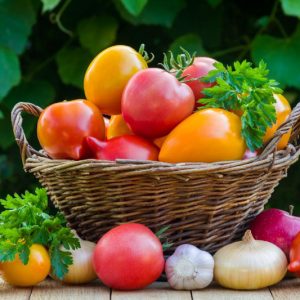
Another reason late-season tomatoes can be confusing is that ripe color depends on the cultivar. A harvested tomato is not necessarily waiting to become classic red.
Roma is a classic red paste tomato. Mature-green fruit harvested before frost should eventually move toward the cultivar’s normal red color as it ripens.
Sun Gold ripens to rich orange. Do not keep waiting for harvested fruit to turn conventional red.
Green Zebra remains predominantly green at maturity, shifting toward yellow-green, chartreuse, or warmer green tones while retaining its darker striping.
Black Krim develops brown-red, purple-red, and dusky tones and may retain darker green or olive shoulders.
Do not use red as the universal finish line. Indoor-ripened tomatoes should be judged against the mature color and texture of their specific cultivar.
There is no universal number because ripening time depends heavily on maturity and temperature.
As a practical guide:
Already coloring: may finish within several days.
Breaker-stage fruit: often ripens within several days to roughly a week or two, depending on temperature and cultivar.
Mature-green fruit: may require several weeks.
Immature green fruit: may fail to ripen satisfactorily at all.
Warmer suitable conditions speed the process. Cooler suitable conditions slow it.
Do not judge success by the calendar alone. Watch for cultivar-specific color change, slight softening, and overall fruit condition.
If harvested tomatoes seem permanently green, work through the likely explanations before adding more heat, sunlight, or fruit to the bag.
They were harvested too immature: this is one of the most important causes.
The room is too cool: temperatures near or below about 55°F (13°C) can slow ripening dramatically, and colder prolonged storage risks chilling injury.
The room is too hot: temperatures above roughly 80°F (27°C) are not ideal for quality ripening.
The cultivar does not ripen red: yellow, orange, pink, green-ripe, and dark cultivars follow different color progressions.
The fruit was damaged: frost injury, disease, severe cracking, or decay can interfere with normal storage and ripening.
If a tomato remains hard and intensely green for weeks despite suitable conditions, it may simply have been picked before it was mature enough to complete normal ripening.
Not every late-season tomato needs to become a fully ripe slicing tomato.
If sound green fruit is unlikely to ripen well indoors but is developed enough to be worth using, it can still be useful in recipes specifically designed for green tomatoes.
Possible uses include:
Fried green tomatoes.
Green tomato chutney.
Pickles and relishes.
Cooked green tomato sauces.
Use only sound fruit. Discard tomatoes showing mold, extensive soft rot, frost-damaged tissue, or other serious deterioration.
Not every green tomato is a failed ripe tomato. Sound green fruit can still have culinary value even when it is unlikely to develop good fresh-eating quality indoors.
Picking every tiny green tomato and expecting it to ripen: maturity matters more than simply being attached to a tomato plant.
Waiting until after frost: harvest sound fruit before killing temperatures arrive.
Putting everything in direct sun: sunlight is unnecessary and may overheat fruit.
Refrigerating unripe tomatoes: cold conditions interfere with normal ripening and can compromise flavor and texture.
Storing damaged fruit with sound fruit: deterioration can spread through a stored harvest.
Holding fruit too cold for too long: slower ripening is useful, but prolonged chilling is not.
Using one temperature for the entire harvest: warmer conditions finish tomatoes; cooler conditions help stagger them.
Forgetting wrapped or bagged fruit: hidden tomatoes still require regular inspection.
Waiting for every cultivar to turn red: Sun Gold, Green Zebra, and Black Krim demonstrate why cultivar identity matters.
When frost is approaching, use this sequence:
Check the forecast and harvest before a killing freeze.
Pick all breaker-stage and partially colored fruit.
Harvest full-sized mature-green tomatoes worth saving.
Separate cracked, diseased, insect-damaged, and frost-injured fruit.
Sort the sound tomatoes by maturity.
Ripen coloring fruit around 68-72°F (20-22°C).
Hold sound mature-green fruit around 60-65°F (16-18°C) if you want to slow the process.
Inspect all stored fruit frequently.
Move tomatoes into warmer conditions when you want them to finish faster.
Judge final ripeness by the cultivar’s actual mature color and firmness.
The goal is not to make every green tomato ripen. The goal is to identify the fruit that has developed enough to ripen well, protect it from frost, and control the pace indoors so your late-season harvest lasts as long as possible.
For help deciding exactly when tomatoes have reached harvestable maturity, see Gardenia’s When to Pick Tomatoes: How to Tell When Tomatoes Are Ripe.
For complete season-long tomato care, visit Gardenia’s Tomato (Solanum lycopersicum) profile and How to Grow Tomatoes: Complete Planting & Care Guide.
Yes, if they have reached sufficient maturity. Mature-green tomatoes can often ripen indoors, while breaker-stage fruit that has begun changing color is even more reliable. Small, truly immature green tomatoes may never ripen satisfactorily.
Yes. Before a killing frost, harvest tomatoes that have begun coloring and full-sized mature-green fruit you hope to ripen indoors. Frost-damaged tomatoes are poor candidates for extended storage.
Look for full cultivar size, a well-developed rounded shape, fading of the intense immature green color, or a pale or whitish area near the blossom end. Breaker-stage fruit with visible color change is easier to identify and ripens more reliably.
Around 68-72°F (20-22°C) is useful for relatively prompt ripening. Hold mature-green tomatoes around 60-65°F (16-18°C) when you want to slow ripening and extend the harvest. Prolonged colder storage increases the risk of chilling injury.
No. Tomatoes do not need sunlight to ripen after harvest. Sufficient maturity and suitable temperature are far more important. Keep harvested fruit away from intense direct sunlight, which can overheat it.
A paper bag can accelerate ripening by retaining some of the ethylene naturally released by the fruit. Keep the bag loosely closed and inspect tomatoes daily so damaged or decaying fruit can be removed promptly.
You can. A ripening banana releases ethylene and may speed the process, but it is not necessary. Mature tomatoes produce ethylene themselves and can ripen without another fruit.
It depends on maturity and temperature. Breaker-stage or partially colored tomatoes may ripen within days, while mature-green tomatoes can take several weeks. Truly immature fruit may never ripen to good quality.
Yes. Arrange sound mature fruit in a shallow layer or wrap individual tomatoes loosely in paper. Keep them at a suitable temperature and inspect them regularly for ripening or decay.
Wrapping mature-green tomatoes individually can reduce bruising and help with longer cool storage. The drawback is that hidden fruit must be unwrapped and inspected frequently so decay is not missed.
Yes. Healthy plants can be uprooted before frost and hung in a sheltered frost-free location, where mature fruit may continue ripening. Individual harvesting is often easier when plants are diseased or fruit needs frequent inspection.
They may have been harvested too immature, stored too cold or too hot, damaged by frost or disease, or belong to a cultivar that does not ripen red. Fruit maturity is one of the most important factors.
No. Refrigeration slows normal ripening and can reduce flavor and texture. Keep unripe tomatoes at appropriate room or cool-storage temperatures until they have ripened.
Store sound mature-green tomatoes around 60-65°F (16-18°C), keep them dry, protect them from bruising, and inspect them frequently. Move individual fruit to warmer room temperatures when you want ripening to accelerate.
Sound green tomatoes that are too immature to ripen well can be used in cooked preparations such as fried green tomatoes, chutney, pickles, or relish. Discard fruit showing frost damage, mold, soft rot, or other serious deterioration.
Updated: September 2026 • Reviewed by Gardenia Editors
| Hardiness |
2 - 11 |
|---|---|
| Climate Zones | 1, 1A, 1B, 2, 2A, 2B, 3, 3A, 3B, 4, 5, 6, 7, 8, 9, 10, 11, 12, 13, 14, 15, 16, 17, 18, 19, 20, 21, 22, 23, 24, A1, A2, A3, H1, H2 |
| Plant Type | Fruits |
| Plant Family | Solanaceae |
| Genus | Solanum, Tomatoes |
| Common names | Love Apple, Tomato |
| Exposure | Full Sun |
| Season of Interest | Spring (Late), Summer (Early, Mid, Late), Fall |
| Height | 3' - 10' (90cm - 3m) |
| Spread | 1' - 4' (30cm - 120cm) |
| Spacing | 24" - 36" (60cm - 90cm) |
| Maintenance | Average, High |
| Water Needs | Average |
| Soil Type | Clay, Loam, Sand |
| Soil pH | Acid, Neutral |
| Soil Drainage | Moist but Well-Drained |
| Tolerance | Rabbit, Clay Soil |
| Attracts | Bees |
| Landscaping Ideas | Patio And Containers |
| Garden Styles | City and Courtyard, Informal and Cottage, Pollinator Garden |
| Hardiness |
2 - 11 |
|---|---|
| Climate Zones | 1, 1A, 1B, 2, 2A, 2B, 3, 3A, 3B, 4, 5, 6, 7, 8, 9, 10, 11, 12, 13, 14, 15, 16, 17, 18, 19, 20, 21, 22, 23, 24, A1, A2, A3, H1, H2 |
| Plant Type | Fruits |
| Plant Family | Solanaceae |
| Genus | Solanum, Tomatoes |
| Common names | Love Apple, Tomato |
| Exposure | Full Sun |
| Season of Interest | Spring (Late), Summer (Early, Mid, Late), Fall |
| Height | 3' - 10' (90cm - 3m) |
| Spread | 1' - 4' (30cm - 120cm) |
| Spacing | 24" - 36" (60cm - 90cm) |
| Maintenance | Average, High |
| Water Needs | Average |
| Soil Type | Clay, Loam, Sand |
| Soil pH | Acid, Neutral |
| Soil Drainage | Moist but Well-Drained |
| Tolerance | Rabbit, Clay Soil |
| Attracts | Bees |
| Landscaping Ideas | Patio And Containers |
| Garden Styles | City and Courtyard, Informal and Cottage, Pollinator Garden |
Create a membership account to save your garden designs and to view them on any device.
Becoming a contributing member of Gardenia is easy and can be done in just a few minutes. If you provide us with your name, email address and the payment of a modest $25 annual membership fee, you will become a full member, enabling you to design and save up to 25 of your garden design ideas.
Join now and start creating your dream garden!
Create a membership account to save your garden designs and to view them on any device.
Becoming a contributing member of Gardenia is easy and can be done in just a few minutes. If you provide us with your name, email address and the payment of a modest $25 annual membership fee, you will become a full member, enabling you to design and save up to 25 of your garden design ideas.
Join now and start creating your dream garden!