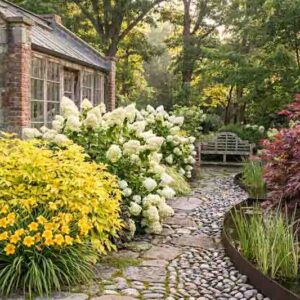
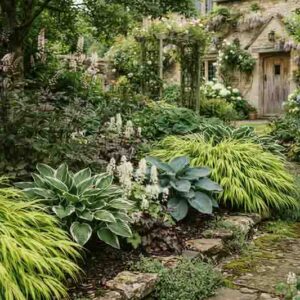
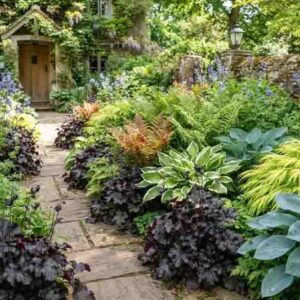
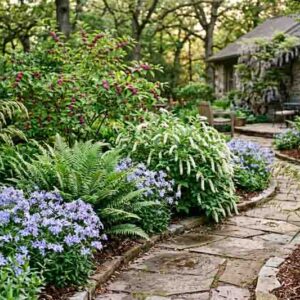
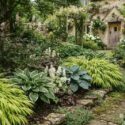
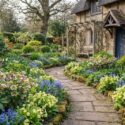
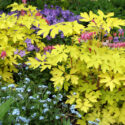
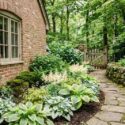
Can flowers really bloom without direct sunlight? Yes, if you choose the right plants. Discover colorful annuals, woodland perennials, and fragrant shrubs that perform in bright full shade. Learn which need spring light, which merely tolerate darkness, and how to create a beautiful garden with dependable seasonal flowers.


Can you grow flowers in a garden that never receives direct sunlight? Yes, but some shade-loving plants are much better at blooming than others.
Traditional impatiens can fill a bright north-facing courtyard with flowers all summer. A hydrangea planted in deep shade, meanwhile, may produce healthy leaves and barely a bloom. Woodland wildflowers present another possibility: many flower in spring before trees develop their dense summer canopy.
The difference is not simply whether a plant tolerates shade. It’s whether the available light is sufficient for flowering.
Here are 15 flowering plants for shady gardens, including dependable choices for bright full shade, woodland plants that need seasonal light, and shade-tolerant selections that may bloom less than expected.
Quick answer: What flowers bloom without direct sun?
For summer color in bright full shade, choose Impatiens, Torenia, or Browallia. For spring flowers, consider hellebores, foamflowers, and barrenworts where conditions suit them. Sweet box and Japanese skimmia offer evergreen foliage and fragrant seasonal blooms.
Deep shade is different. Where very little daylight reaches the ground, abundant flowering is unlikely.
Picture two gardens without direct sun. One is a north-facing courtyard open to the sky. The other lies beneath a dense evergreen tree, enclosed by walls and shrubs.
Both qualify as full shade, but the courtyard may receive enough indirect daylight for flowers to thrive. Beneath the evergreen, light may be too limited for much flowering.
Full shade is often defined as fewer than three hours of direct sun daily. Here, we’re concentrating on the more difficult situation of no direct sunlight, while identifying plants that need occasional or seasonal light to flower well.
If you want flowers throughout summer, begin with these three plants. They perform well in bright indirect light and are particularly useful for sheltered borders and containers.
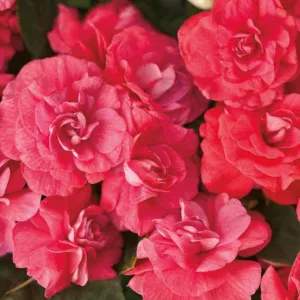
Traditional impatiens are among the most dependable flowers for bright full shade, producing blooms in pink, red, coral, white, lavender, and purple from late spring until frost. They appreciate fertile, moist but well-drained soil. In areas affected by impatiens downy mildew, choose resistant selections.
With velvety violet, blue-purple, pink, or white blooms, Torenia adds cheerful color to shaded patios and window boxes. It flowers through summer in bright shade, provided the soil remains evenly moist and well drained. Trailing varieties are particularly effective in hanging baskets.
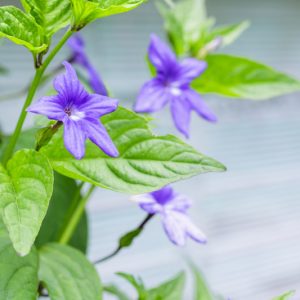
Small, star-shaped violet-blue flowers cover this graceful plant from summer into fall. Browallia grows well in partial to bright full shade, making it an attractive companion to broad-leaved foliage plants. Consistent moisture and good drainage encourage flowering.
| Genus | Dicentra, Epimedium, Helleborus, Impatiens, Mahonia, Sarcococca, Tiarella, Trillium |
|---|---|
| Exposure | Shade |
| Tolerances | Full Shade |
Another possibility: Shade-suitable wax begonias and tuberous begonias can also provide beautiful summer color. However, their light and temperature requirements vary, so choose a cultivar recommended for your growing conditions.
These perennials offer seasonal flowers and attractive foliage. They are excellent for woodland-style planting, although flowering may be reduced where light is extremely limited.
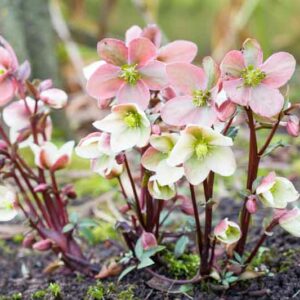
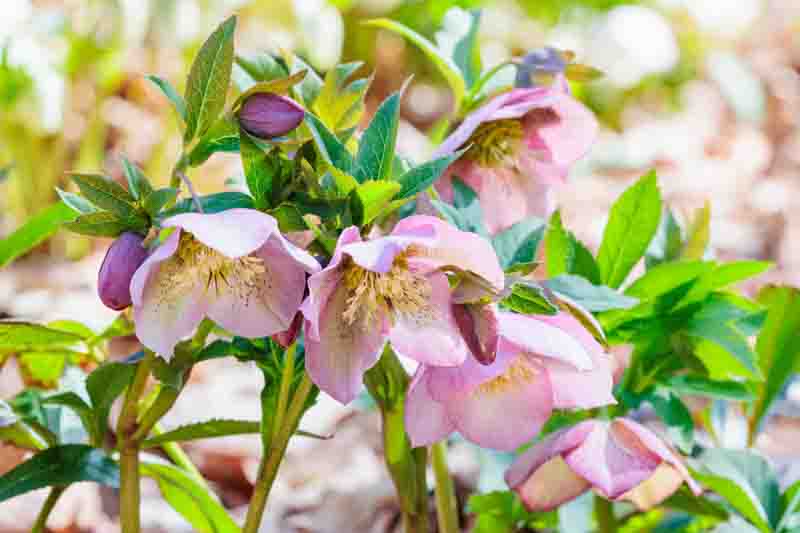
Double pink flowers with deeper rose markings brighten late winter and early spring, long before most perennials emerge. ‘Phoebe’ grows well in partial to full shade with humus-rich, well-drained soil. Some winter or spring light helps encourage flowering.
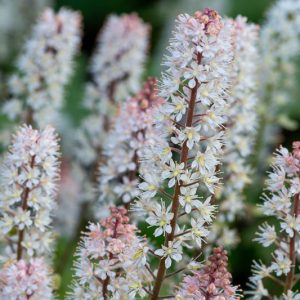
Airy clusters of creamy-white spring flowers rise above attractive lobed foliage. This North American native thrives in cool, moist woodland shade, gradually spreading into a graceful flowering ground cover. It prefers soil rich in organic matter and dislikes prolonged drought.
Delicate amethyst-purple flowers appear above bronze-tinted young leaves in spring. ‘Lilafee’ grows well in partial to full shade and tolerates some summer dryness once established. Its attractive foliage provides ground-cover interest after flowering finishes.
These woodland wildflowers take advantage of the brighter conditions beneath deciduous trees before new leaves create summer shade. They are excellent for naturalistic planting, but less reliable in permanently dark spaces.
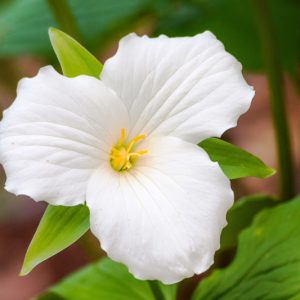
Large, three-petaled white flowers, sometimes aging to soft pink, rise above handsome foliage in spring. White trillium prefers cool, humus-rich, well-drained woodland soil and establishes slowly. Always buy nursery-propagated plants rather than wild-collected specimens.
Distinctive maroon-red flowers emerge in spring above broad, three-part leaves. Their unusual scent attracts fly pollinators. Red trillium prefers cool woodland soil with reliable spring moisture and benefits from seasonal daylight before the canopy closes.
Rows of little white flowers resembling upside-down trousers rise above finely divided blue-green leaves in spring. This woodland ephemeral often disappears underground by summer. It tolerates shade, but flowers best where sufficient early-season light reaches the ground.
Important distinction: A wildflower that blooms beneath deciduous trees may receive considerably more sunlight in spring than a garden shaded by buildings or evergreens throughout the year. These plants should not be treated as guaranteed bloomers in permanent deep shade.
Flowering shrubs provide structure and fragrance where summer flowers may be difficult to grow. These three evergreen choices bring seasonal interest to shaded gardens.
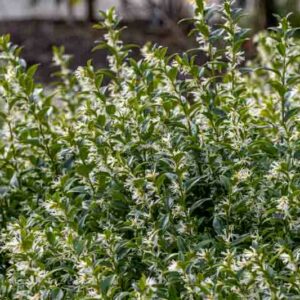
Tiny creamy-white flowers appear in winter or early spring, releasing a remarkably strong fragrance. Sweet box has glossy evergreen foliage and tolerates considerable shade, making it particularly valuable beside sheltered paths and entrances.
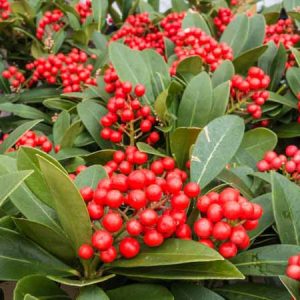
Clusters of fragrant spring flowers brighten this handsome evergreen shrub. Some selections carry attractive winter flower buds, while female plants may develop red berries when compatible male pollen is available. Skimmia prefers cool, sheltered conditions and moist but well-drained soil.
This low-growing Pacific Northwest native bears yellow spring flowers above evergreen, holly-like foliage, followed by blue berries. It tolerates substantial shade and gradually spreads into a woodland ground cover, although flowering and fruiting are generally better with some sunlight.
Some plants are labeled suitable for full shade because they grow there, not because they flower abundantly. These three examples are valuable for foliage and structure, but often bloom more generously in brighter conditions.
Rich-purple late-summer flower spikes rise above evergreen, grass-like foliage. Liriope makes attractive edging for shady paths, although flowering is generally better with some sunlight.
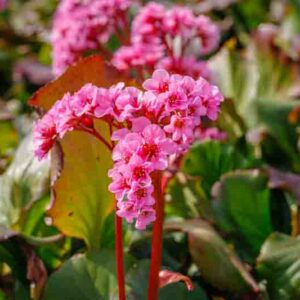
Clusters of pink spring flowers complement bold, leathery leaves that often develop bronze or reddish tones in winter. Bergenia tolerates shade, but flowering is generally more reliable in brighter conditions.
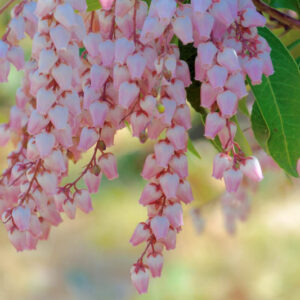
Elegant sprays of white or pink spring bells hang above glossy evergreen leaves and colorful new growth. Pieris prefers acidic, well-drained soil and shelter from intense sun, but usually flowers more freely in partial shade than deep shade.
Which plants are worth choosing for flowers when direct sunlight is unavailable? Gardenia’s comparison separates plants with good flowering potential in bright full shade from those that depend on seasonal light or mainly provide foliage in darker conditions.
These are qualitative editorial assessments based on typical growing requirements, not controlled field-trial results. Flowering varies with cultivar, climate, soil, and the amount of indirect daylight.
| Plant group | Bright full shade | Important limitation |
|---|---|---|
| Impatiens, Torenia, Browallia | Good summer flowering potential | Deep shade reduces blooms |
| Hellebores, Tiarella, Epimedium | Good seasonal flowering potential | Spring light and moisture matter |
| Trillium, Dutchman’s breeches | Best in deciduous woodland | Often need seasonal spring daylight |
| Sarcococca, Skimmia | Small, often fragrant seasonal flowers | Climate and light affect bloom |
| Mahonia nervosa | Possible spring flowers | Blooms more freely with light |
| Liriope, Bergenia, Pieris | Variable flowering | Often best for foliage in heavy shade |
Use this guide as a starting point. Check your USDA hardiness zone, soil moisture, drainage, and each plant’s mature size before combining plants. Two shade-loving species may still have very different water or climate requirements.
If a shade plant produces healthy leaves but few blooms, check these five common problems:
Before replacing a plant, check its expected flowering season, natural habitat, and preferred exposure. If it is healthy but consistently flowerless in deep shade, a brighter position may be more effective than fertilizer.
Combine evergreen sweet box with containers of impatiens, Torenia, and Browallia in the brightest positions. Pale paving and contrasting flower colors bring additional light and visual interest to an enclosed space.
Plant hellebores, Tiarella, and Epimedium beneath deciduous trees, adding nursery-propagated trilliums where conditions suit them. Let the spring flowers take center stage, then rely on hostas and ferns for summer foliage.
Where little indirect daylight reaches the ground, focus on shade-adapted ferns, sedges, and evergreen shrubs. Use variations in leaf shape and texture, placing flowering containers in brighter nearby positions rather than expecting them to thrive in near-darkness.
Yes. Some plants bloom in bright full shade using indirect daylight. Impatiens, Torenia, Browallia, hellebores, foamflowers, and certain shrubs can flower without direct sun. Deep shade usually reduces flowering.
Impatiens walleriana, Torenia fournieri, and Browallia speciosa can provide prolonged summer color in bright full shade. Suitable begonias are another option. Flowering decreases when indirect light is too limited.
Hellebores, Tiarella cordifolia, and selected Epimedium cultivars can flower in full-shade gardens with adequate indirect or seasonal daylight. Most bloom in spring rather than throughout summer.
Some hydrangeas flower in bright shade, but many bloom more abundantly with morning sun or filtered light. In deep shade, they may produce healthy foliage with few flowers.
Sarcococca confusa and Skimmia japonica are useful evergreens for partial to full shade. Mahonia nervosa tolerates considerable shade but usually flowers more freely with some sunlight.
Insufficient light is a common cause. Dry soil beneath trees, poor drainage, excessive nitrogen, incorrect pruning, or unsuitable climate may also reduce flowering. Check the plant’s preferred conditions before making changes.
Updated and reviewed by Gardenia: October 2026
| Genus | Dicentra, Epimedium, Helleborus, Impatiens, Mahonia, Sarcococca, Tiarella, Trillium |
|---|---|
| Exposure | Shade |
| Tolerances | Full Shade |
Create a membership account to save your garden designs and to view them on any device.
Becoming a contributing member of Gardenia is easy and can be done in just a few minutes. If you provide us with your name, email address and the payment of a modest $25 annual membership fee, you will become a full member, enabling you to design and save up to 25 of your garden design ideas.
Join now and start creating your dream garden!