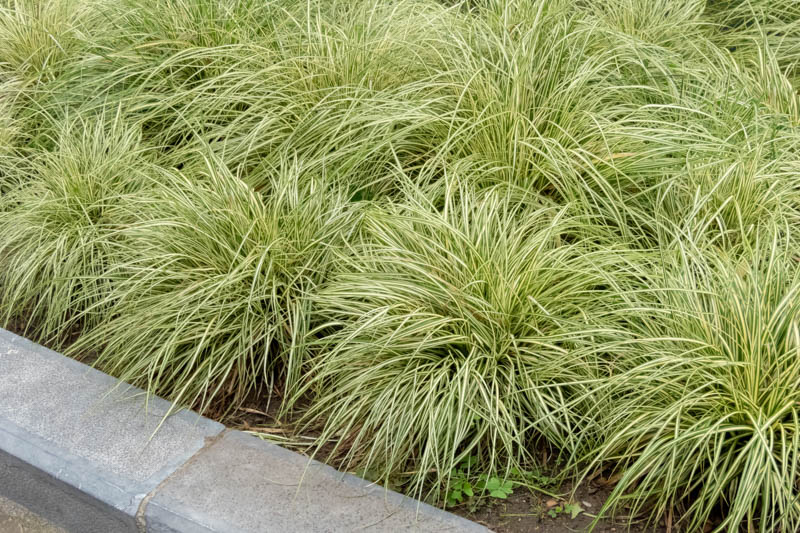
Low-Mow Grass & Sedge Lawns - Guides
A soft, flowing sedge lawn beneath mature trees or a sunny carpet of drought-tolerant native grass can transform a difficult part of the garden. But how do you establish one successfully? Should you remove the existing turf? How closely should sedges be planted? And can you mow them like ordinary grass? The answer depends on whether you’re growing a genuine lawn substitute or an ornamental planting that looks beautiful without regular walking. Learn how to choose suitable low-growing grasses and sedges, prepare the ground, establish healthy coverage, control weeds, and maintain a low-mow or no-mow lawn that suits your garden and lifestyle.
Learn How to Plan and Plant a Sedge or Low-Grass Lawn with the Right Soil, Spacing, and Sunlight
Before removing the old turf, decide whether you want a walkable lawn, a low-mow green surface, or a naturalistic ornamental groundcover. These choices determine which plants will succeed and how much maintenance the finished landscape will require.
Seven steps for establishing a low-grass or sedge lawn:
- Evaluate the location: Measure the area and assess sunlight, tree roots, soil drainage, moisture, and seasonal exposure.
- Define the intended use: Decide whether the space needs to tolerate occasional walking or will remain largely ornamental.
- Choose the species: Select a grass or sedge adapted to the climate and actual growing conditions.
- Prepare the site: Remove competing turf and perennial weeds while avoiding unnecessary disturbance of established tree roots.
- Plan planting density: Follow the selected plant’s recommended spacing, spread, and growth habit.
- Plant or seed correctly: Use appropriate plugs, divisions, or seed depending on the species.
- Maintain establishment care: Water appropriately, remove weeds, and protect young plants from excessive foot traffic.
Should existing grass be removed first? Usually, yes. Established turf can compete strongly with sedge plugs for moisture, nutrients, and light. Removing competing vegetation helps the new plants establish a more uniform ground layer.
How do you prepare a shaded sedge lawn beneath trees? Minimize soil disturbance around major roots, remove competing vegetation carefully, and select species adapted to shade and root competition. Avoid burying existing roots beneath deep new soil layers.
What soil does Pennsylvania Sedge prefer? Carex pensylvanica generally grows well in well-drained woodland soils, including some relatively dry conditions once established. Persistent waterlogging or unsuitable sun exposure can reduce its performance.
Can Appalachian Sedge grow in dry shade? Carex appalachica is a good candidate for appropriate dry woodland areas. It establishes a flowing ornamental carpet, but its lack of meaningful foot-traffic tolerance makes paths important.
What conditions are suitable for Buffalo Grass? Bouteloua dactyloides generally performs best in sunny, warm-season growing conditions with suitable drainage. It is poorly suited to deep shade and may remain dormant during cool periods.
How far apart should sedge plugs be planted? Spacing depends on the species, mature spread, and desired establishment speed. Closer planting creates a more continuous appearance sooner but requires more plants. Slow-spreading clump-formers may never make a perfectly uniform turf surface.
Can a sedge lawn be established from seed? Some sedges can be grown from seed, but germination requirements vary and availability may be limited. Nursery-grown plugs or divisions are often more predictable for residential planting. Buffalo Grass can be established from suitable seed or vegetative material, depending on the selected type.
When is the best time to plant sedges? Spring or early fall is often suitable for many temperate-climate sedges when moisture and temperatures favor root growth. Warm-season grasses such as Buffalo Grass are usually best established when soil temperatures support active growth.
Can you combine several sedge species in one lawn? Yes, where their requirements and growth habits are compatible, but plants may develop uneven coverage. A planting of one dominant sedge species is generally easier to establish and maintain than a random assortment.
How long will a sedge lawn take to fill in? Establishment speed depends on species, starting plant size, spacing, moisture, and growing conditions. Slow-growing sedges may require several seasons to create a continuous effect.
Gardenia’s planting advice: Treat a sedge lawn as a living planting rather than an instant substitute for turf. Good site preparation, compatible species selection, and weed control during the establishment period make an enormous difference.
Explore Gardenia’s Best Plants for Dry Shade Under Trees, Native Garden Planting Guide, and Ornamental Grass Planting and Care.
Discover How to Water, Mow, Trim, and Maintain Low-Growing Grasses and Sedges
Low-mow does not mean no maintenance. Different grasses and sedges respond differently to cutting, and even drought-tolerant species need adequate moisture while developing their roots.
How often should a newly planted sedge lawn be watered? Water according to soil moisture, rainfall, and the selected species. Keep roots adequately moist during establishment without creating constantly saturated soil where the plant prefers good drainage.
Do established sedges need irrigation? Some tolerate relatively dry conditions once established, while others require dependable moisture. Pennsylvania Sedge and Appalachian Sedge may suit certain dry woodland sites, while Blue Wood Sedge is more appropriate where moisture is available.
How often should Pennsylvania Sedge be mown? Gardeners often leave it unmown for a soft, natural appearance. It can also be trimmed occasionally, sometimes once or twice a season, for a shorter surface. Repeated close mowing should not be assumed suitable for every sedge planting.
Should Appalachian Sedge be mown like turf? Its main appeal is graceful, arching foliage. It is generally better managed as an ornamental, minimally walked ground layer, with seasonal cleanup or appropriate cutting rather than frequent lawn mowing.
Can Common Wood Sedge be cut back? Carex blanda can be managed through occasional cutting or seasonal cleanup in suitable lawn-alternative settings. Avoid damaging crowns by cutting too aggressively.
How do you mow Buffalo Grass? Maintain it at a suitable height for the chosen lawn appearance, reducing mowing when growth slows. It can also be left taller for a relaxed natural effect. Avoid cutting too short during drought or other stress.
How do you care for Blue Fescue? Festuca glauca ‘Elijah Blue’ benefits from good drainage and appropriate sunlight. Remove dead foliage and rejuvenate aging clumps when necessary rather than mowing it as turf.
Should evergreen sedges be cut to the ground? Not automatically. Some evergreen and semi-evergreen sedges retain attractive foliage that can be damaged by severe cutting. Selectively remove brown leaves or trim as recommended for the particular species.
Do sedge lawns need fertilizer? Many perform well with relatively low fertility. Excess feeding may favor weeds or encourage unwanted lush growth. Evaluate soil conditions before adding fertilizer.
How do you mulch between new sedge plants? Use suitable light mulch where appropriate to suppress weeds and conserve moisture, keeping crowns clear. Avoid smothering young foliage or creating soil conditions that conflict with the plant’s drainage requirements.
How do you prevent weeds during establishment? Remove competing weeds promptly, especially before they produce seed. A newly planted sedge carpet may have open soil for several growing seasons, making early weed control essential.
Can a sedge lawn reduce watering compared with grass? It can when the selected species is adapted to the site’s natural moisture conditions. However, a moisture-loving sedge planted in a dry, hot garden may require more irrigation than an appropriate turfgrass.
How do you keep ornamental sedges looking natural? Repeat them generously, preserve their arching foliage, and avoid frequent geometric clipping. Allow some movement and variation in plant height while keeping pathways clear.
Gardenia’s maintenance tip: Match your mowing and trimming routine to the plant rather than treating every grasslike species as turf. Some look their best short, while others should be left to flow naturally.
Read Gardenia’s Growing and Maintaining Ornamental Grasses, Drought-Tolerant Garden Care, and Foliage Groundcover Care Guides.
Solve Sedge Lawn Problems: Bare Patches, Poor Growth, Winter Browning, and Foot-Traffic Damage
A sedge lawn or low-grass replacement can be wonderfully attractive, but problems may develop when plants receive unsuitable light, moisture, or traffic. Correcting the conditions is more important than repeatedly replacing failing plants.
Why is my sedge lawn patchy? Possible causes include slow natural spreading, weed competition, root competition, unsuitable soil moisture, and concentrated walking. Some clump-forming sedges never produce a perfectly uniform carpet.
Why is Pennsylvania Sedge turning brown? Seasonal dormancy, drought, winter exposure, poor drainage, or normal aging may contribute. Examine whether new growth appears at the appropriate time before assuming the planting has failed.
Why is my sedge lawn not spreading? Certain sedges expand slowly, and their growth may be limited by shade, drought, unsuitable soil, or competition. Check the species’ natural growth habit rather than expecting every sedge to spread like turfgrass.
Can sedges grow beneath mature trees? Some thrive in suitable woodland conditions, but tree roots compete for water and nutrients. Choose locally appropriate plants and avoid damaging tree roots during replanting or soil preparation.
What if my sedge lawn is being trampled? Install stepping stones or another durable walking surface where traffic is concentrated. Even sedges described as lawn substitutes often tolerate far less wear than conventional recreational turf.
Why does Buffalo Grass become brown in winter? It is a warm-season grass and commonly becomes dormant when temperatures cool. This seasonal color change is normal and should be considered when planning the garden’s year-round appearance.
Can Blue Fescue deteriorate in hot, humid summers? Yes. Blue Fescue generally performs best in suitable cooler, well-drained conditions and may decline in prolonged heat or humidity. Replace it with better-adapted species where summers are consistently stressful.
Why are sedges becoming too tall? Some naturally form arching leaves or flowering stems well above the clipped height of ordinary turf. If a short lawn-like surface is essential, choose a species that responds appropriately to occasional mowing.
How do you deal with invading lawn grass? Remove unwanted grass early before its roots become deeply integrated with the sedge planting. Avoid herbicide treatments without checking their effects on the desired grasslike plants.
Can sedges suffer root rot? Yes. Species requiring well-drained soil can decline in prolonged waterlogging. Conversely, moisture-loving sedges may suffer in excessively dry ground. Match water management to the species.
Are sedges appropriate for erosion control? Some have spreading roots or rhizomes that help hold surface soil. However, a planting cannot correct serious slope instability, and steep banks may require additional erosion-control measures.
How do you repair bare areas? Identify the cause, remove weeds, prepare the soil carefully, and add suitable plugs or divisions. If the bare area coincides with a walking shortcut, install a path instead of repeatedly replacing plants.
What if a lawn alternative needs more water than expected? Reassess the species’ moisture preferences and the site’s soil drainage and exposure. A better-adapted grass or sedge may be preferable to permanently increasing irrigation.
Gardenia’s final care advice: Successful low-grass and sedge lawns depend on realistic expectations. Choose plants that suit the climate and site, protect them from excessive walking, and maintain them according to their natural growth habits.
Explore Gardenia’s Dry Shade Planting Problems and Solutions, Plants for Slopes and Erosion Control, and Ornamental Grass Growing Guides.