How to Replace a Lawn - Guides
Replacing a traditional lawn can be one of the most rewarding changes you make to a garden. Imagine spending less time mowing and more time enjoying a flowering carpet of creeping thyme, a soft sedge planting beneath the trees, or a peaceful courtyard filled with greenery instead of thirsty grass. But a successful lawn replacement takes planning. Should you remove the old turf first? How close should groundcover plants be spaced? And how long will it take before they form a dense carpet? Whether you’re replacing a small front lawn or transforming a larger backyard, learn how to prepare the soil, choose suitable plants, control weeds, establish healthy growth, and care for a beautiful low-mow or no-mow landscape.
Learn How to Remove Grass and Prepare the Soil for a Successful Lawn Alternative
A new lawn alternative is only as good as the ground beneath it. Removing persistent turf, improving unsuitable soil conditions, and choosing the correct planting time can make the difference between a healthy carpet of plants and a frustrating patchwork of weeds.
Seven essential steps to replacing a traditional lawn:
- Evaluate the site: Measure the area and record sunlight, soil drainage, existing weeds, and expected foot traffic.
- Choose the lawn replacement: Select plants adapted to the site rather than deciding purely by flower color or appearance.
- Plan circulation: Keep suitable paths or stepping stones wherever people will walk regularly.
- Remove existing turf: Use an appropriate method to eliminate grass and perennial weeds before establishing the new planting.
- Prepare the soil: Correct serious compaction and drainage problems without destroying nearby tree roots.
- Plant at suitable spacing: Follow species-specific spread and establishment recommendations.
- Water and weed during establishment: Keep plants appropriately moist until they root and begin filling the gaps.
Do you need to remove existing grass before planting creeping thyme? Usually, yes. Established turfgrass competes strongly for water, nutrients, and light. Simply inserting small thyme plants into a dense lawn often produces uneven results. Clear the planting area thoroughly and prevent surviving grass roots from regrowing.
What is the best way to remove a lawn? Methods include physically lifting sod and using suitable light-exclusion techniques where practical. Choose according to the lawn size, grass species, existing weeds, timing, and environmental considerations. Avoid unnecessarily disturbing established tree roots.
Can you cover grass with cardboard before planting? Sheet-mulching may help suppress some existing vegetation, but it is not suitable for every site or planting schedule. Thick organic layers may retain too much moisture for plants such as creeping thyme, and persistent perennial weeds may survive. Prepare the final growing surface for the specific replacement species.
What soil does creeping thyme need? Thymus serpyllum generally prefers full sun and well-drained, relatively lean soil. Heavy, persistently wet ground can cause poor establishment and root problems. Avoid unnecessary enrichment that encourages competing weeds.
What soil is best for a clover lawn? White clover adapts to a range of soils but performs best when drainage and moisture are suitable. It can fix atmospheric nitrogen through its root-associated bacteria, although that does not mean it grows well in every poor or compacted soil.
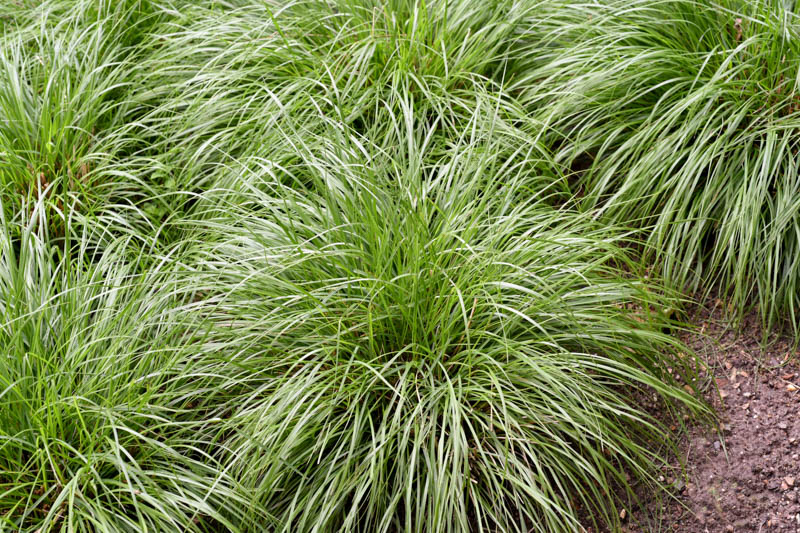
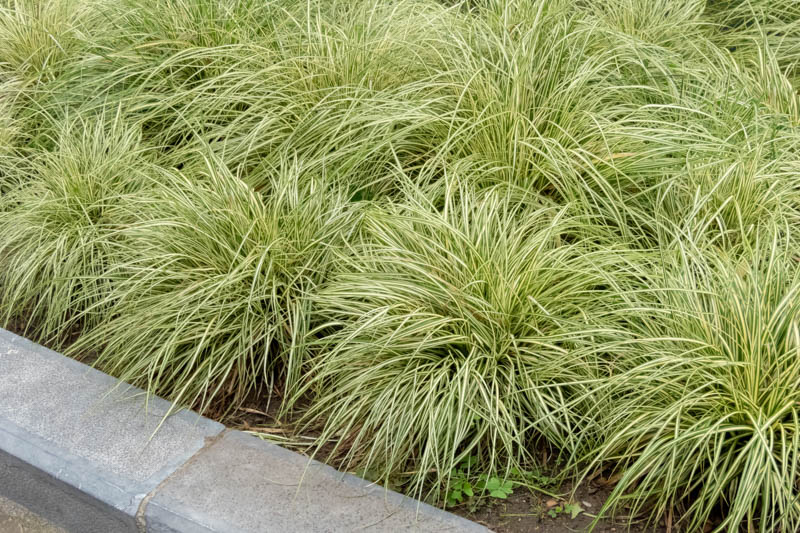
How do you establish a sedge lawn? Choose sedges suited to the site’s light and moisture conditions. Plant appropriately spaced plugs or divisions, maintain sufficient moisture while they establish, and remove weeds between the young plants. Some sedges spread relatively slowly, so patience is essential.
How do you prepare ground beneath mature trees? Minimize disturbance to major roots and avoid piling additional soil over the root zone. Use suitable small plants and careful hand preparation rather than deep cultivation that can damage trees.
When is the best time to plant lawn alternatives? Spring or early fall is often suitable for many temperate-climate groundcovers, depending on the species and local weather. Frost-tender warm-climate plants require different timing. Avoid planting during severe heat, frozen soil, or prolonged waterlogging.
Should the planting area be completely flat? No, but drainage and safe access matter. On slopes, choose plants with suitable root systems and plan how the area will be maintained without creating erosion or slipping hazards.
Gardenia’s preparation advice: Don’t rush to plant into an existing weedy lawn. Thorough site preparation and the right growing conditions will save far more time than trying to repair a poorly established groundcover later.
Explore Gardenia’s Creeping Thyme Lawn Replacement Guide, Groundcover Planting and Care Guides, and Drought-Tolerant Garden Design Guide.
Discover How to Space, Plant, Water, and Establish Creeping Thyme, Clover, and Sedge Lawns
Lawn alternatives rarely produce a perfect carpet immediately after planting. Many begin as individual plugs, small plants, or newly germinated seedlings, with gaps that gradually close over time. Good establishment care is essential, even for species that become drought-tolerant at maturity.
How far apart should creeping thyme plants be spaced? Spacing depends on the variety, starting plant size, and desired establishment speed. Closer planting fills gaps sooner but requires more plants and increases cost. Follow the mature spread and recommended spacing of the selected thyme rather than relying on a universal distance.
How many plants are needed to replace a lawn? Calculate the total planting area and the ground area each mature plant is expected to cover. Adjust for paths, stepping stones, shrubs, and other features. It is usually more useful to plan the actual planting pattern than to estimate by eye.
Can white clover be grown from seed? Yes. Trifolium repens is commonly established from seed. Prepare suitable soil, distribute seed evenly at the appropriate rate, ensure good soil contact, and maintain adequate moisture during germination. Check local invasive-species guidance first.
How do you plant creeping thyme plugs? Set them at the appropriate depth in well-drained soil, firm the surrounding soil gently, and water after planting. Keep the area free of competing weeds while the plants spread.
How long does creeping thyme take to establish? It depends on cultivar, starting size, spacing, soil, and growing conditions. Individual plants may spread noticeably during a favorable growing season, but a continuous carpet often takes longer. Avoid walking repeatedly over young plants.
How do you establish Pennsylvania Sedge? Carex pensylvanica can be established from appropriate nursery plants or divisions. It appreciates conditions suited to woodland edges and light shade. Planting in repeated groups can give a soft, lawn-like appearance as the sedge gradually fills in.
Do lawn alternatives need watering? Yes, particularly while establishing. Even plants described as drought-tolerant require adequate moisture to develop healthy roots. Once established, irrigation needs depend on species, rainfall, soil, heat, and intended appearance.
How often should a clover lawn be watered? Check soil moisture and local weather rather than following a fixed schedule. Clover may withstand periods of dryness but can lose its lush green appearance during severe drought.
How do you keep weeds out while groundcovers spread? Remove weeds regularly before they seed or develop extensive roots. Open soil between young plants is particularly vulnerable. Use suitable weed-control methods that do not damage the chosen groundcover.
Can different lawn alternative plants be mixed? Sometimes. However, one species may eventually outcompete the others, particularly when their growth rates or moisture needs differ. A clear design using separate zones is often easier to maintain than a random mixture.
How long should you avoid walking on a new lawn alternative? Until plants are sufficiently rooted and spreading to withstand their intended level of use. The establishment period varies. Even mature groundcovers may require stepping stones or designated paths for regular traffic.
Can you install stepping stones before planting? Yes, and doing so is often preferable. Establish the circulation route first, then plant suitable groundcovers around the stones without covering the walking surfaces.
Gardenia’s establishment advice: Give the groundcover time to become a carpet before expecting it to function like a lawn. Good early weed control and sensible watering are essential to a successful result.
Read Gardenia’s Thyme Planting and Care Guides, Clover Growing Guide, and Stepping-Stone Groundcover Guide.
Learn How to Maintain a No-Mow Lawn, Control Weeds, Prevent Bare Patches, and Manage Foot Traffic
A lawn alternative may reduce mowing, watering, or fertilizer use, but it still needs care. Established groundcovers can suffer from weeds, winter damage, poor drainage, excessive foot traffic, or unsuitable growing conditions.
Do no-mow lawns require any maintenance? Yes. They may need weeding, edging, occasional trimming, seasonal cleanup, and watering during establishment or prolonged drought. The work is often different from maintaining turfgrass rather than disappearing completely.
How do you maintain a creeping thyme lawn? Provide sufficient sunlight and good drainage, remove competing weeds, and avoid excessive irrigation or fertilizer. Occasional trimming after flowering may improve appearance where necessary, but frequent conventional mowing is usually unnecessary.
Does clover need mowing? White clover tolerates mowing and can be maintained at different heights. Reducing mowing allows flowers to develop, which supports pollinators but increases the likelihood of bees visiting the surface.
Should Pennsylvania Sedge be cut back? It can be left to form a natural soft ground layer, with occasional cleanup or trimming where appropriate. Avoid repeatedly scalping the planting like conventional turfgrass.
Why is creeping thyme developing bare patches? Possible causes include poorly drained soil, shade, heavy traffic, winter damage, or competition from weeds. Identify the underlying issue before filling the gaps with new plants.
Why is a lawn alternative turning brown? Seasonal dormancy, drought stress, waterlogging, cold injury, or normal foliage aging may contribute. Some low-growing plants retain an attractive winter carpet, while others change color or become sparse.
Can groundcovers survive frequent walking? Some tolerate light to moderate use, but many ornamental plants deteriorate under repeated traffic. Install stepping stones or durable pathways wherever walking is concentrated.
How do you control weeds in a lawn replacement? Remove invaders early, maintain healthy plant coverage, and prevent exposed soil from remaining open for long periods. Weed control is especially important during the first few growing seasons.
What if clover spreads beyond the lawn area? Use appropriate edging and remove unwanted plants before they establish in adjoining beds. In regions where white clover is considered invasive, choose a locally suitable alternative instead.
Are lawn alternatives drought-proof? No. Drought tolerance is relative. Established creeping thyme may perform very well in a dry, sunny location, while Irish moss or some shade-loving groundcovers need more dependable moisture.
Can lawn alternatives reduce fertilizer use? Some can. White clover fixes atmospheric nitrogen, while many low-growing groundcovers do not require intensive feeding in suitable soil. However, different species have different nutritional requirements.
How do you repair damaged sections? Remove the cause of failure, prepare the affected soil, and replant with compatible plugs or seed where appropriate. Protect recovering sections from foot traffic until they establish.
What if children or pets need a play lawn? Consider retaining a smaller area of durable turf or a suitable activity surface while converting ornamental sections to groundcovers. A partial lawn replacement can be more practical than replacing every square foot of grass.
How do you manage pollinator safety on a flowering lawn? Flowering thyme and clover attract bees. Where people frequently walk barefoot, provide clear paths or use less-flowering plant choices in the main activity area. The flowers can be enjoyed safely from adjacent planting zones.
Gardenia’s final care advice: The most successful lawn alternative is one that matches how the space is actually used. A beautiful groundcover carpet with appropriately placed paths can provide years of enjoyment without the constant demands of conventional lawn maintenance.
Explore Gardenia’s Drought-Tolerant Groundcover Care, Creeping Thyme Lawn Guide, and Groundcovers for Dry Shade.