Struggling with bare, dry ground beneath mature trees? Discover 18 beautiful plants that cope with shade, thirsty roots, and limited rainfall. From delicate woodland flowers to evergreen shrubs, ferns, and ground covers, learn what really grows beneath trees, how to protect their roots, and how to create lasting garden interest.


That bare patch beneath a mature tree can be one of the most frustrating places to garden. Hostas wilt, thirsty perennials disappear, and even rainfall seems to miss the ground entirely.
The problem isn’t shade alone. Established tree roots compete for moisture, dense branches intercept rain, and the soil can become exceptionally dry. Fortunately, some plants are adapted to these conditions, bringing flowers, foliage, and year-round structure where ordinary shade plants struggle.
From spring-flowering barrenworts to evergreen shrubs, native sedges, and woodland ferns, here are 18 of the best plants for dry shade under trees. You’ll also learn which tolerate serious root competition, which need occasional watering, and how to plant without harming your trees.
Quick answer: What grows best in dry shade? For flowers, try Epimedium, Bergenia, or ivy-leaved cyclamen. For ground cover, consider Allegheny spurge, Liriope, or Pennsylvania sedge. Butcher’s broom and Christmas fern provide evergreen foliage. All need adequate water while establishing, even when mature plants tolerate drought.
Tree roots draw moisture from the upper soil layers, while overhead foliage reduces rainfall and light. Conditions vary enormously: a deciduous tree may allow spring sunshine, whereas dense evergreens can create deep shade throughout the year.
Before choosing plants, look at three things:
Bright, seasonally dry shade offers far more planting possibilities than deeply shaded, root-filled ground. Where almost no soil or moisture remains, mulch may be more successful than a living ground cover.
Planning a garden beneath trees? Find plants suited to your USDA zone, sunlight, soil, and water needs, then check compatibility, mature sizes, and planting quantities.
These perennials bring welcome color beneath deciduous trees, particularly where some seasonal light reaches the ground.
USDA Zones 5-9 | 9-12 in. tall | Mid to late spring
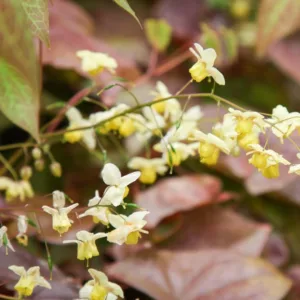
Clouds of delicate primrose-yellow flowers hover above heart-shaped leaves flushed red in spring. More vigorous than many Epimediums, ‘Sulphureum’ gradually forms an attractive ground cover beneath trees. It tolerates dry shade after establishment, although humus-rich soil encourages fuller growth. Its foliage often develops reddish autumn tones.
USDA Zones 5-9 | 4-6 in. tall | Late summer to fall
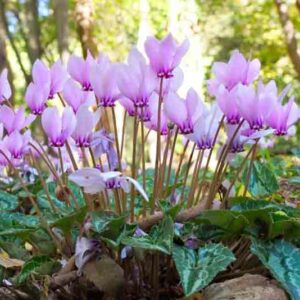
Delicate pink or white flowers appear just as summer ends, followed by beautifully marbled, ivy-shaped leaves. This Mediterranean woodland plant rests during dry summers and resumes growth in cooler weather. It can naturalize beneath deciduous trees in well-drained soil. Avoid excessive summer irrigation and waterlogging. The tubers are poisonous if eaten.
USDA Zones 3-8 | 12-18 in. tall | Early to mid-spring
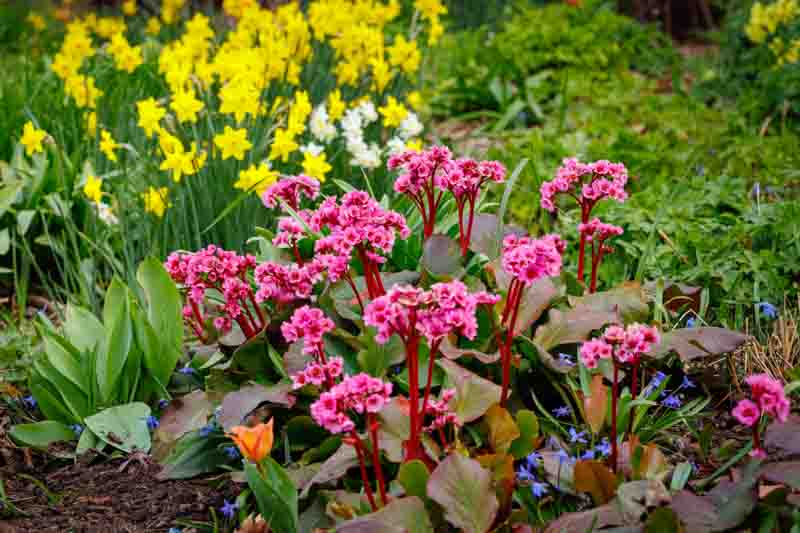
Rich purple-pink flower clusters rise above broad, leathery leaves that turn striking purple-red in winter. ‘Eroica’ adds bold texture where delicate woodland plants might disappear visually. It tolerates dry shade once established but performs best where some moisture remains available, particularly during hot summers.
| Genus | Bergenia, Carex, Cyclamen, Dryopteris, Epimedium, Helleborus, Liriope, Mahonia, Ophiopogon, Pachysandra, Polypodium, Polystichum, Sarcococca |
|---|---|
| Exposure | Partial Sun, Shade |
Evergreen shrubs bring structure beneath larger trees. Some withstand established dry shade remarkably well; others appreciate occasional watering.
USDA Zones 5-8 | About 4-5 ft. tall | Winter flowers
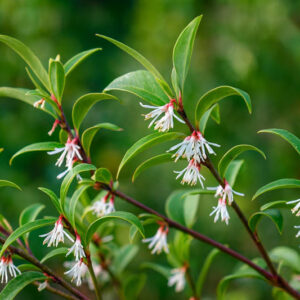
Tiny, wonderfully fragrant winter flowers are hidden among glossy evergreen leaves. Sweet box is particularly rewarding near a shaded doorway or path. It tolerates moderate dryness after establishment but prefers humus-rich, well-drained soil with consistent seasonal moisture. Avoid the driest pockets beneath thirsty trees.
USDA Zones 7-9 | 2-3 ft. tall | Evergreen
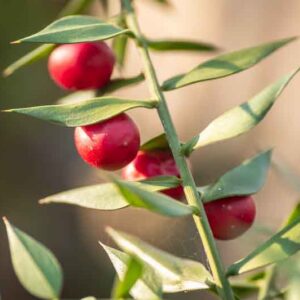
Few evergreens cope with dry shade as readily as butcher’s broom. Its glossy, pointed, leaf-like stems remain attractive throughout the year, while inconspicuous flowers may be followed by bright red berries on pollinated female plants. Slow growing and tough, it suits difficult woodland corners. The prickly foliage and berries require thoughtful placement.
USDA Zones 7-9 | 4-6 ft. tall and wide | Evergreen
Brighten the darkest corners of your garden with Aucuba ‘Picturata’. Its glossy, deep-green leaves feature striking golden-yellow centers, creating a luminous display throughout the year. This handsome evergreen shrub thrives in partial to full shade and tolerates dry conditions once established, although it looks best with occasional moisture. In spring, small purple flowers may give way to brilliant red berries on pollinated female plants. Ideal beneath high tree canopies, in sheltered woodland borders, or as an attractive evergreen accent.
Which evergreen should you choose? Butcher’s broom is the tougher choice for established dry shade. Aucuba brings brighter foliage but appreciates occasional moisture. Sweet box is best where its winter fragrance can be enjoyed and the soil doesn’t become severely parched.
Where lawn grass struggles, these low-growing plants can create attractive foliage carpets with less maintenance.
USDA Zones 5-9 | 6-12 in. tall | Spring flowers
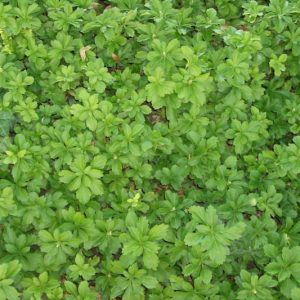
Silver-mottled, blue-green leaves form an elegant woodland carpet, accompanied by small, fragrant white flower spikes in spring. This southeastern U.S. native spreads more gently than Japanese pachysandra. It tolerates dry shade after establishment but grows best in well-drained soil enriched with organic matter.
USDA Zones 5-10 | 12-18 in. tall | Late summer
Arching evergreen leaves form dense clumps, topped by purple flower spikes in late summer. Tough, adaptable, and drought tolerant once established, ‘Big Blue’ works well beneath trees and along shaded paths. Flowering diminishes in deep shade. Check local guidance, as Liriope can spread beyond plantings in some regions.
USDA Zones 6-10 | 3-6 in. tall | Summer flowers, mostly hidden
Soft, dark-green evergreen tufts slowly merge into a miniature lawn-like carpet. Dwarf mondo grass suits sheltered courtyard gardens, shaded paths, and small planting pockets beneath trees. It tolerates drought once established but spreads slowly, particularly where roots compete heavily for moisture.
Native sedges and informal shrubs can transform bare woodland soil into a softer, more natural planting. Check their regional native ranges before choosing.
USDA Zones 3-8 | 6-12 in. tall | Spring interest
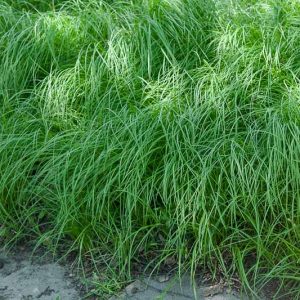
Fine green leaves arch gracefully into a flowing woodland carpet. This eastern and central North American native tolerates seasonal dryness and slowly spreads by rhizomes. It is an attractive alternative to traditional lawn beneath deciduous trees, although it isn’t designed for heavy foot traffic.
USDA Zones 3-7 | Low, fine-textured clumps | Spring interest
Threadlike leaves cascade from loose tufts, giving woodland plantings a beautiful, airy appearance. Appalachian sedge naturally inhabits dry to moderately moist eastern forests. Unlike Pennsylvania sedge, it is better suited to repeated drifts than a continuous turf-like carpet.
USDA Zones 3-7 | 3-6 ft. tall | Summer flowers, autumn berries
Small pinkish-white summer flowers give way to distinctive white berries that remain attractive into winter. This adaptable native shrub tolerates considerable shade and seasonal dryness, though flowering improves with extra light. Its suckering habit makes it ideal for larger, informal woodland areas rather than small borders.
Not all ferns need constantly moist soil. These three tolerate some dryness, although their preferred habitats differ.
USDA Zones 3-9 | 1-3 ft. tall | Evergreen foliage
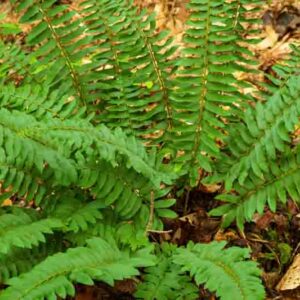
Leathery, deep-green fronds form handsome clumps that remain attractive through much of winter. Christmas fern tolerates drier woodland soil than many garden ferns, making it valuable beneath deciduous trees and on shaded slopes. It performs best with some organic matter and occasional moisture during severe drought.
USDA Zones 3-8 | 1-2 ft. tall | Evergreen foliage
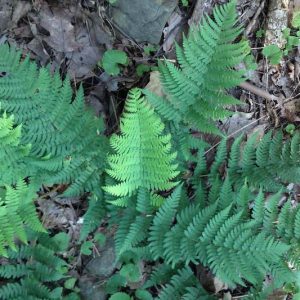
Elegant, blue-green fronds create a cool contrast with broad-leaved woodland plants. Naturally found on shaded rocky slopes, Marginal Wood Fern tolerates intermittent dryness but prefers sheltered sites with some available soil moisture. Avoid planting it in extremely parched tree-root zones.
USDA Zones 3-8 | 6-12 in. tall | Evergreen foliage
This miniature fern is a specialist for mossy rocks, decaying logs, and shaded crevices filled with organic debris. Its creeping rhizomes tolerate dry periods in suitable habitats. Rather than treating it as a conventional ground cover, use it to introduce natural detail among woodland stones and fallen timber.
These final three bring distinctive seasonal interest, but each has particular growing requirements.
USDA Zones 5-9 | 1-2 ft. tall | Late winter to spring
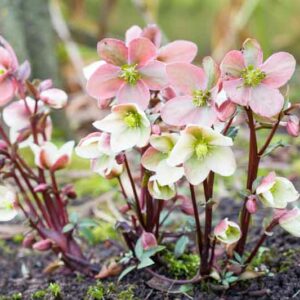
Deeply divided evergreen leaves support clusters of pale-green, often red-edged flowers when little else is blooming. Stinking hellebore tolerates seasonal dry shade, particularly beneath deciduous trees, but benefits from winter and spring moisture. It may self-seed in suitable conditions. All parts are poisonous.
USDA Zones 4-9 | 1-2 ft. tall | Late spring flowers, autumn seeds
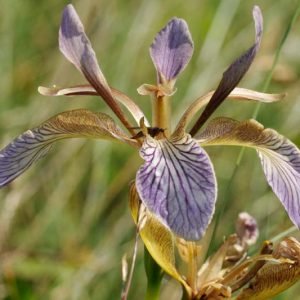
Slender evergreen leaves surround small lavender-tinged flowers, followed by seedpods that split open to reveal brilliant orange-red seeds. This unusual iris tolerates partial to fairly deep shade and some dry conditions once established. It is ideal for sheltered woodland edges where its ornamental seed display can be appreciated. Toxic if ingested.
USDA Zones 5-8 | 12-18 in. tall | Spring flowers
Golden-yellow spring flowers rise above glossy, holly-like foliage, followed by blue-purple berries. This low evergreen shrub spreads gradually to form an attractive ground cover. Native to western North America, it tolerates drought after establishment but performs best in partial shade with well-drained soil. Avoid very hot, deeply shaded, moisture-starved sites.
Which plants really tolerate difficult conditions beneath mature trees? Gardenia distinguishes three levels of suitability:
| Plant | Suitability | Best use or limitation |
|---|---|---|
| Epimedium ‘Sulphureum’ | Strong | Flowering ground cover |
| Cyclamen hederifolium | Specialist | Summer-dry, autumn-growing |
| Bergenia ‘Eroica’ | Conditional | Needs some seasonal moisture |
| Sarcococca hookeriana | Conditional | Winter fragrance; occasional water |
| Ruscus aculeatus | Strong | Tough evergreen structure |
| Aucuba ‘Picturata’ | Conditional | Deep shade; golden foliage; benefits from occasional moisture |
| Pachysandra procumbens | Strong | Native woodland carpet |
| Liriope ‘Big Blue’ | Strong | Evergreen clumps; check local spread |
| Ophiopogon ‘Nana’ | Conditional | Slow-growing, low carpet |
| Carex pensylvanica | Strong | Native sedge lawn alternative |
| Carex appalachica | Strong | Tufted woodland planting |
| Symphoricarpos albus | Strong | Large informal plantings |
| Christmas Fern | Strong | Evergreen foliage; avoid extreme drought |
| Marginal Wood Fern | Conditional | Sheltered rocky woodland |
| Rock Polypody | Specialist | Rocks and decaying logs |
| Helleborus foetidus | Conditional | Seasonal winter/spring moisture |
| Iris foetidissima | Conditional | Sheltered, moderately dry shade |
| Mahonia repens | Conditional | Dryish partial shade, avoid intense heat |
Gardenia’s suitability categories are editorial assessments based on documented plant requirements, not controlled field-trial results. All plants need moisture during establishment.
Looking for more choices? Explore Gardenia’s Plant Finder to discover additional plants for your USDA zone, sunlight, soil, drainage, and water requirements.
Protecting the established tree is more important than creating a completely planted bed. Follow these principles:
Sometimes mulch is the best ground cover. If dense roots leave almost no soil, very little light reaches the ground, or irrigation would be excessive, leave the area mulched. Concentrate planting toward the outer canopy, where conditions are more favorable.
Epimedium ‘Sulphureum’, Allegheny spurge, Liriope ‘Big Blue’, and Pennsylvania sedge are useful candidates once established. The best choice depends on your USDA zone, soil, light, and root competition.
Epimedium, Bergenia ‘Eroica’, Cyclamen hederifolium, and Helleborus foetidus can flower in dry shade. Blooming depends on sufficient seasonal light and appropriate soil moisture.
Butcher’s broom tolerates established dry shade particularly well. Aucuba ‘Variegata’ and sweet box also grow in shade but generally perform better when some soil moisture remains available.
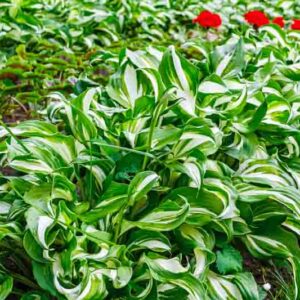
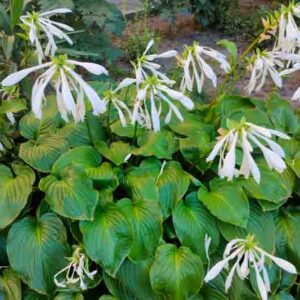
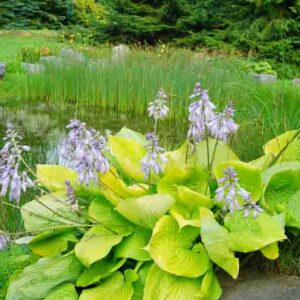
Hostas tolerate shade but usually prefer consistently moist soil. Severe tree-root competition can cause poor growth and brown leaf edges. Epimedium and suitable sedges are generally more dependable alternatives.
Plant small specimens in existing gaps without cutting major roots or covering the trunk’s root flare. Where soil is too shallow or root-filled for safe planting, use mulch instead.
Updated and reviewed by Gardenia: October 2026
| Genus | Bergenia, Carex, Cyclamen, Dryopteris, Epimedium, Helleborus, Liriope, Mahonia, Ophiopogon, Pachysandra, Polypodium, Polystichum, Sarcococca |
|---|---|
| Exposure | Partial Sun, Shade |
Create a membership account to save your garden designs and to view them on any device.
Becoming a contributing member of Gardenia is easy and can be done in just a few minutes. If you provide us with your name, email address and the payment of a modest $25 annual membership fee, you will become a full member, enabling you to design and save up to 25 of your garden design ideas.
Join now and start creating your dream garden!