Mojave Jewels Ruby Stonecrop, Ruby Stonecrop, Mojave Jewels Ruby Sedum, Hylotelephium 'Mojave Jewels Ruby'
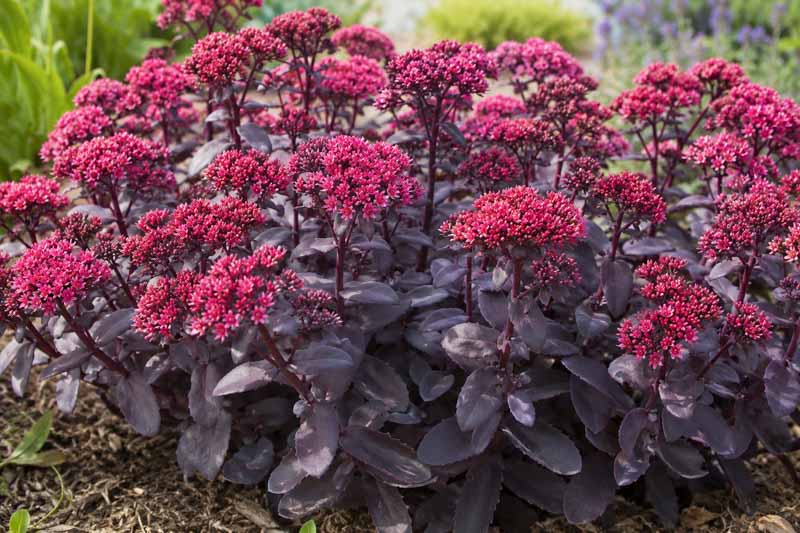


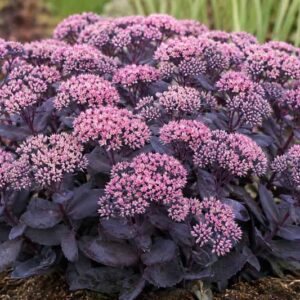
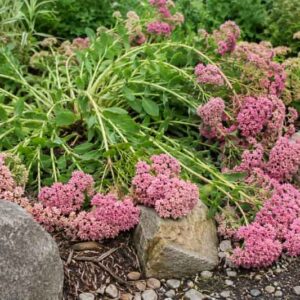
Sedum ‘Mojave Jewels Ruby’, also sold as Mojave Jewels™ Ruby stonecrop, is a compact, drought-tolerant perennial grown for dark ruby-purple foliage, sturdy upright stems, and rosy-red to deep pink late-season flowers. It brings rich color to dry, sunny borders long before it blooms, making it a standout choice for gardeners who want foliage drama, pollinator value, and easy-care performance in one compact plant.
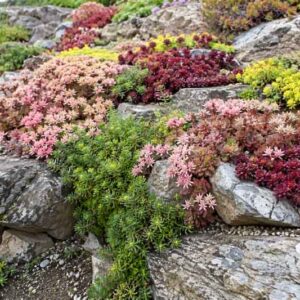
This is a stonecrop with serious presence. The succulent leaves are typically dusky purple, ruby-red, dark plum, burgundy, or purple-black depending on light, season, and growing conditions. By late summer into early fall, clusters of rosy-red to deep pink flowers rise above the foliage, creating a jewel-toned display that looks polished in modern plantings and relaxed in cottage gardens, gravel gardens, rock gardens, and pollinator borders.
Garden spotlight: Mojave Jewels™ Ruby is the stonecrop to plant when you want dark ruby foliage, rosy-red flowers, compact growth, drought tolerance, and late-season color in a sunny, well-drained garden.
Summary: Compact upright stonecrop with dark ruby-purple to purple-black succulent foliage and rosy-red to deep pink flower clusters in late summer to early fall.
Use: Excellent for sunny borders, containers, rock gardens, gravel gardens, edging, pollinator gardens, dry slopes, and xeriscapes.
Highlight: Dramatic foliage color gives months of interest before the late-season flowers appear.
Note: Best in full sun and well-drained soil. Avoid wet, heavy sites, especially in winter.
| Botanical Name | Sedum ‘Mojave Jewels Ruby’, often listed as Sedum x ‘Mojave Jewels Ruby’ or Hylotelephium ‘Mojave Jewels Ruby’ |
|---|---|
| Family | Crassulaceae |
| Common Names | Mojave Jewels Ruby Stonecrop, Ruby Stonecrop, Upright Sedum, Stonecrop |
| Native Range | A cultivated ornamental selection; related sedums and hylotelephiums occur in rocky, sunny, well-drained habitats across temperate regions. |
| Plant Type and Habit | Herbaceous succulent perennial; compact, upright to mounding, clump-forming habit |
| Hardiness | Generally hardy in USDA Zones 3-9; some trade listings give a wider range where drainage is excellent |
| Height | About 12-15 in. tall in bloom, sometimes reaching 16 in. in favorable conditions |
| Spread | About 18-20 in. wide, occasionally wider as clumps mature |
| Spacing | 18-24 in. apart for borders, mass planting, edging, and containers |
| Sun Exposure | Full sun is best for richest foliage color, strong stems, and abundant bloom |
| Soil | Average to lean, sandy, gravelly, or rocky soil with excellent drainage |
| Water Needs | Low to moderate; water during establishment, then only during extended dry spells |
| Bloom Time | Late summer to early fall; often July to October in mild or favorable climates |
| Flower Color | Rosy-red, reddish-pink, deep pink, or dusty lavender-pink flower clusters |
| Foliage Color | Dark ruby-purple, dusky purple, plum, burgundy, or purple-black foliage |
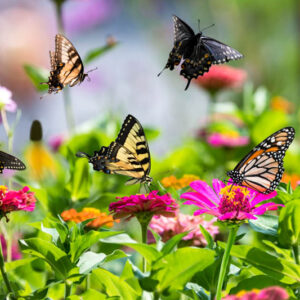
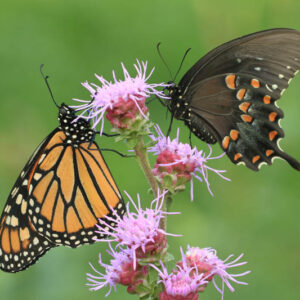
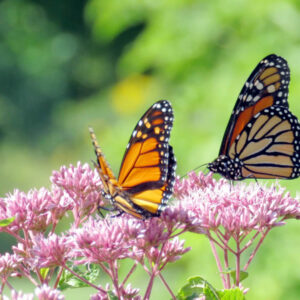
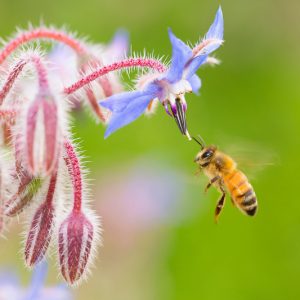
| Pollinator Value | Attracts bees, butterflies, and other beneficial insects |
| Deer Resistance | Generally deer resistant, though browsing can occur in high-pressure gardens |
| Best Uses | Borders, containers, rock gardens, gravel gardens, xeriscapes, pollinator gardens, edging, slopes, cut flowers, dried flowers, fall interest |
Sedum ‘Mojave Jewels Ruby’ is a compact upright stonecrop selected for dark foliage, sturdy growth, and late-season flower color. Upright stonecrops like this are often placed botanically in Hylotelephium, although they remain widely sold and searched as Sedum. For gardeners, the practical point is simple: this is a hardy, succulent-leaved perennial for sunny, well-drained places.
Ruby’s main strength is its long season of color. Many perennials shine only when they flower, but this plant starts contributing as soon as the foliage fills out in spring. The leaves create a deep ruby, plum, or purple-black mound that gives weight and contrast to a border. When the rosy-red flower clusters open in late summer, the plant shifts from foliage accent to pollinator magnet.
Mojave Jewels™ Ruby is a cultivated ornamental selection, not a wild species. Its sedum relatives are associated with sunny, rocky, sharply drained habitats, which explains the plant’s tolerance of dry soil, heat, gravel, slopes, containers, and rock gardens. It should be used as a garden perennial rather than as a native restoration substitute.
This stonecrop forms a compact, clump-forming mound with upright stems. It typically grows about 12-15 inches tall and 18-20 inches wide. In lean soil and full sun, the habit stays tighter and the foliage color is richer. In fertile, wet, or shaded conditions, growth may become softer, greener, and more open.
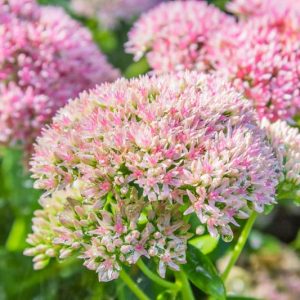
Flowers appear from late summer into early fall, usually in rounded clusters of small, star-shaped blooms. The color is often described as rosy-red, reddish-pink, deep pink, or dusty lavender-pink, depending on climate and bloom age. Bees and butterflies visit the flowers readily. After bloom, the seedheads can remain attractive, bringing structure to autumn and winter plantings.
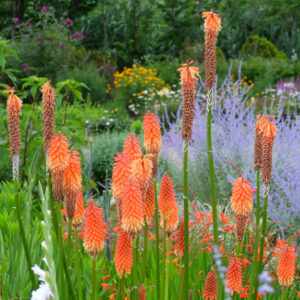
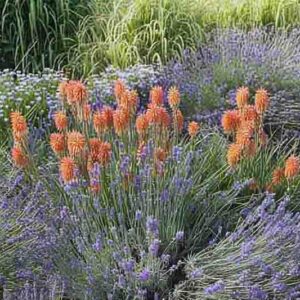
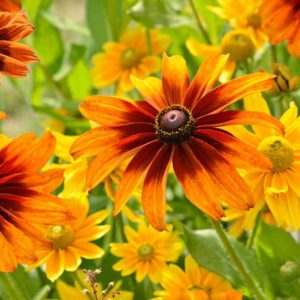
Design tip: Mojave Jewels™ Ruby is a natural color anchor. Use it beside silver leaves, blue grasses, lavender flowers, orange coneflowers, and golden daisies to make every companion look brighter.
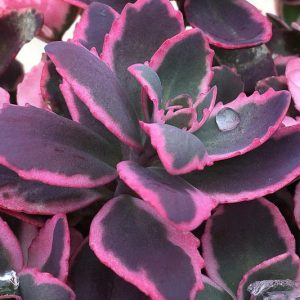
The foliage is the feature that makes Ruby special. Thick, succulent leaves carry shades of ruby-purple, dark plum, burgundy, and purple-black. This creates months of interest before flowering begins. In a mixed border, the foliage reads almost like a dark neutral, adding depth beside pale gravel, chartreuse leaves, blue flowers, silver foliage, and warm late-summer blooms.
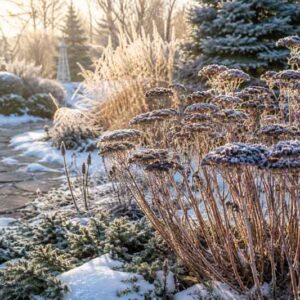
In spring, new shoots emerge from the crown and quickly form a low, colorful mound. In summer, the foliage deepens and creates strong contrast in sunny borders. In late summer and early fall, rosy flower clusters bring nectar and warm color. In fall and early winter, the dried flower heads can remain standing for texture, especially near ornamental grasses and seed-bearing perennials.
Mojave Jewels™ Ruby is generally hardy in USDA Zones 3-9, with some trade sources listing a broader range. Winter survival depends heavily on drainage. Cold temperatures are usually less damaging than wet soil around the crown. In heavy clay, plant high, use raised beds, or improve drainage before planting.
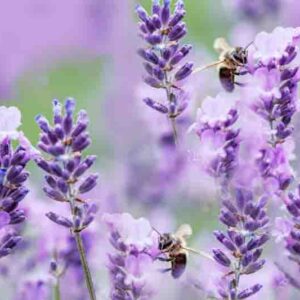
The late-season flowers attract bees, butterflies, and other beneficial insects. In a pollinator border, Mojave Jewels™ Ruby helps extend nectar availability into the season when asters, goldenrods, agastache, and ornamental grasses are at their best.
Once established, this sedum is drought-tolerant and well suited to low-water landscapes. Water deeply during the first season to establish roots, then reduce irrigation. In containers, water more often than in the ground, but always allow the potting mix to drain freely.
Mojave Jewels™ Ruby is generally resistant to deer and often avoided by rabbits. No plant is completely deer-proof, especially in high-pressure gardens, but thick succulent foliage is usually less appealing than soft, tender growth.
Sedums are grown as ornamental plants. Pets and children should not be encouraged to chew garden plants. Use gloves if you have sensitive skin, and contact a veterinarian or medical professional if accidental ingestion causes concern.
Mojave Jewels™ Ruby is a clump-forming ornamental sedum and is not typically aggressive in gardens. It expands slowly with age but does not run like some groundcover stonecrops. Remove unwanted seedlings if they appear, and divide clumps when they become crowded.
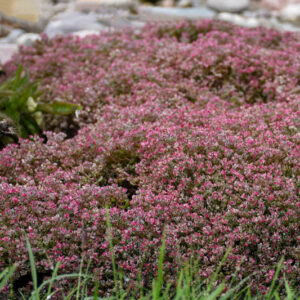
Sedums range from creeping groundcovers to bold upright perennials. Choose low, spreading types for walls, slopes, green roofs, and dry carpets of color; choose upright types like Mojave Jewels™ Ruby for structure, dark foliage, pollinator value, and late-season flowers.
Explore Sedum – Stonecrop – Compare sedums by height, foliage color, bloom season, hardiness, and best garden use.
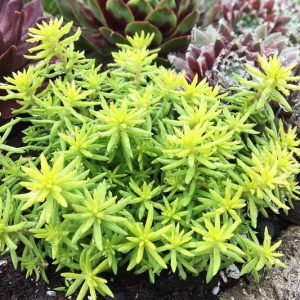
Choose Mojave Jewels™ Ruby when you want a compact upright sedum with rich ruby-purple foliage and rosy-red late flowers. Choose green or blue-gray sedums when you want a softer, cooler look.
Full sun gives the best results. Aim for at least 6 hours of direct sun daily. Strong light deepens the ruby-purple foliage, encourages dense growth, improves flowering, and reduces the risk of floppy stems. In very hot climates, a little afternoon shade may be tolerated, but too much shade can make the plant greener and less compact.
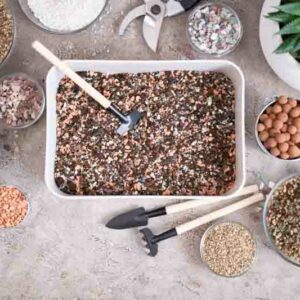
Plant in average to lean, well-drained soil. Sandy, gravelly, rocky, and lightly amended soils are ideal. Heavy clay can work only if drainage is improved. Wet soil, especially in winter, is the main enemy. In containers, use a fast-draining potting mix and a pot with drainage holes.
Water regularly after planting until roots are established. After that, water deeply during extended dry spells, then let the soil dry. Avoid frequent shallow watering, which encourages weak growth and may keep the crown too wet.
Feed lightly, if at all. Sedums thrive in lean soil and can become soft, floppy, or overly lush with too much fertilizer. A thin layer of compost in spring is usually enough for garden plants.
Gravel mulch is excellent because it suppresses weeds, reflects light, and keeps the crown dry. Organic mulch can be used sparingly, but keep it pulled back from the stems to prevent moisture buildup around the base of the plant.
Care tip: The secret to great Mojave Jewels™ Ruby is restraint. Give it sun, drainage, and lean soil, then avoid overwatering and overfeeding.
Mojave Jewels™ Ruby needs very little pruning during the growing season. Deadheading is optional. Many gardeners leave the flower heads standing after bloom because they add fall and winter texture. In late winter or early spring, cut old stems back close to the base before new shoots emerge.
If plants become crowded after several years, divide them in spring. Division refreshes vigor, improves airflow, and creates more plants for repeating through borders and containers.
Plant in spring after the soil begins to warm, or in early fall where there is enough time for roots to settle before winter. Space plants about 18-24 inches apart. For the strongest design effect, plant in groups of three or five, or repeat single plants at regular intervals along a sunny edge.
In containers, use Mojave Jewels™ Ruby as a compact thriller or filler. It looks especially refined with silver foliage, blue grasses, trailing thyme, ornamental oregano, and other drought-tolerant plants. Avoid pairing it with moisture-loving annuals that need constant watering.
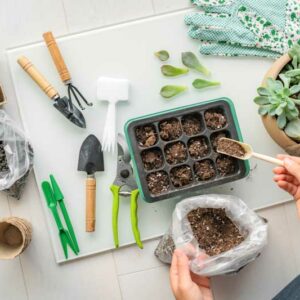
Propagate by division in spring. Lift the clump, separate healthy rooted sections, and replant immediately. Stem cuttings can also root during active growth. Because Mojave Jewels™ Ruby is a named cultivar, vegetative propagation is the best way to maintain the same foliage color, flower color, size, and habit.
Root rot is the most serious problem and is usually caused by poorly drained soil or overwatering. Plant high, improve drainage, and avoid sites where water sits in winter.
Flopping usually means too much shade, rich soil, excess fertilizer, or frequent watering. Move the plant to full sun, avoid heavy feeding, and grow it in lean, well-drained soil.
Slugs and snails may damage tender spring growth, especially in damp gardens. Improve airflow, remove hiding places, and protect young shoots if damage becomes noticeable.
Aphids may appear on tender stems or flower buds. Rinse them off with water or encourage beneficial insects such as ladybugs, lacewings, and hoverflies.
Poor flowering is most often caused by insufficient sun, excessive fertility, or young plants still establishing. Give the plant full sun, lean soil, and time to mature.
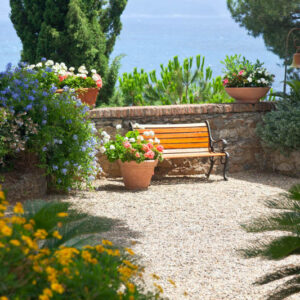
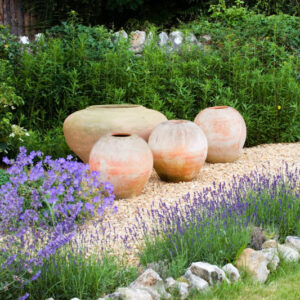
Use Mojave Jewels™ Ruby wherever you need dark foliage, drought tolerance, and late-season flowers. It is especially effective beside pale gravel, stone edging, silver foliage, golden flowers, blue grasses, and lavender-blue flowers. The foliage acts like a dark velvet accent, making brighter companions look sharper and more sophisticated.
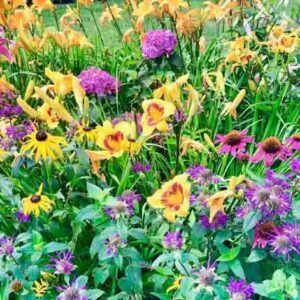
For a high-contrast border, combine it with lavender, catmint, blue fescue, salvia, and yellow coreopsis. For a late-season pollinator planting, pair it with coneflowers, agastache, asters, ornamental grasses, and goldenrod. For containers, use it with trailing thyme, small ornamental grasses, and silver-leaved drought-tolerant plants.
Best look: Repeat Mojave Jewels™ Ruby in drifts or rhythmic groups. One plant is attractive, but several create a designer-level ribbon of ruby foliage and rosy late-season bloom.
These companion plants match Mojave Jewels™ Ruby because they prefer full sun, well-drained soil, and dry to medium moisture. They also share similar hardiness ranges and bring useful contrast in color, height, texture, bloom season, and pollinator value.
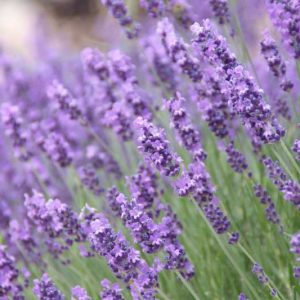
Lavandula angustifolia – English lavender adds fragrant silver foliage and purple flower spikes that echo sedum’s love of sun, drainage, and low water. https://www.gardenia.net/genus/lavandula-angustifolia-english-lavender
Nepeta racemosa ‘Walker’s Low’ – Catmint softens ruby foliage with lavender-blue flowers, aromatic leaves, and a long-blooming, pollinator-friendly habit. https://www.gardenia.net/plant/nepeta-racemosa-walkers-low
Salvia nemorosa ‘Caradonna’ – Violet-blue flowers and dark stems create vertical contrast with sedum’s rounded mound and late flower heads. https://www.gardenia.net/plant/salvia-nemorosa-caradonna-sage
Echinacea purpurea – Purple coneflower adds height, daisy-shaped flowers, strong pollinator appeal, and late-summer energy. https://www.gardenia.net/plant/echinacea-purpurea
Coreopsis verticillata ‘Moonbeam’ – Soft yellow flowers and fine foliage brighten the dark ruby-purple sedum leaves without overwhelming them. https://www.gardenia.net/plant/coreopsis-verticillata-moonbeam-tickseed
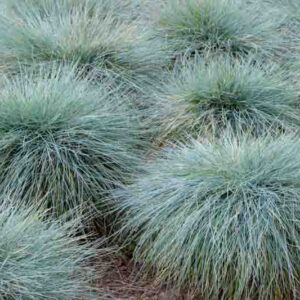
Festuca glauca ‘Elijah Blue’ – Blue fescue contributes cool blue-gray mounds, fine texture, and year-round structure in sunny, dry sites. https://www.gardenia.net/plant/festuca-glauca-blue-fescue-grass
Agastache foeniculum – Anise hyssop adds upright lavender-purple flowers, fragrant foliage, and outstanding bee appeal. https://www.gardenia.net/plant/agastache-foeniculum
Rudbeckia fulgida var. sullivantii ‘Goldsturm’ – Golden flowers make ruby foliage look deeper and extend the sunny display into late summer. https://www.gardenia.net/plant/rudbeckia-fulgida-var-sullivantii-goldsturm
Stachys byzantina – Lamb’s ear offers soft silver foliage that contrasts beautifully with the dark jewel-toned sedum leaves. https://www.gardenia.net/plant/stachys-byzantina-lambs-ears
Sedum ‘Mojave Jewels Ruby’ is a compact upright stonecrop grown for dark ruby-purple to purple-black succulent foliage and rosy-red to deep pink late-season flowers. It is a hardy, drought-tolerant perennial for sunny borders, containers, rock gardens, gravel gardens, and pollinator plantings.
Sedum ‘Mojave Jewels Ruby’ usually grows about 12 to 15 inches tall in bloom and about 18 to 20 inches wide. It stays most compact in full sun, lean soil, and well-drained conditions.
Yes. Full sun is best for the richest ruby-purple foliage color, strongest stems, and best flowering. Too much shade can make the plant greener, looser, and less floriferous.
Yes. Once established, Sedum ‘Mojave Jewels Ruby’ is drought tolerant and suitable for low-water landscapes. Water regularly during the first season, then water deeply only during extended dry spells.
Sedum ‘Mojave Jewels Ruby’ typically blooms from late summer into early fall, producing rosy-red to deep pink flower clusters above dark succulent foliage. In favorable climates, bloom may extend from midsummer toward autumn.
Yes. Its compact habit and drought tolerance make it excellent for containers. Use a pot with drainage holes, a fast-draining potting mix, full sun, and careful watering. Avoid soggy soil.
Yes. The late-season flowers attract bees, butterflies, and other beneficial insects. It is especially useful in pollinator gardens because it blooms when many earlier summer perennials are finishing.
Cut back old stems in late winter or early spring before new growth appears. During fall and winter, you can leave the dried flower heads standing for structure, seedhead interest, and seasonal texture.
Flopping is usually caused by too much shade, rich soil, excess fertilizer, or frequent watering. Move the plant to full sun, avoid heavy feeding, and grow it in lean, well-drained soil.
Sedum ‘Mojave Jewels Ruby’ is generally deer resistant, although no plant is completely deer proof. Browsing may still occur in high-pressure areas, especially during drought or winter food shortages.
Updated: June 2026 • Reviewed by Gardenia Editors
| Hardiness |
3 - 9 |
|---|---|
| Heat Zones |
1 - 9 |
| Climate Zones | 1, 1A, 1B, 2, 2A, 2B, 3, 3A, 3B, 4, 5, 6, 7, 8, 9, 10, 11, 12, 13, 14, 15, 16, 17, 18, 19, 20, 21, 22, 23, 24 |
| Plant Type | Perennials |
| Plant Family | Crassulaceae |
| Genus | Sedum |
| Common names | Sedum, Stonecrop |
| Exposure | Full Sun |
| Season of Interest | Summer (Mid, Late), Fall, Winter |
| Height | 1' - 2' (30cm - 60cm) |
| Spread | 1' - 2' (30cm - 60cm) |
| Spacing | 18" - 24" (50cm - 60cm) |
| Maintenance | Low |
| Water Needs | Low |
| Soil Type | Chalk, Loam, Sand |
| Soil pH | Alkaline, Neutral |
| Soil Drainage | Well-Drained |
| Characteristics | Cut Flowers, Showy |
| Tolerance | Drought, Deer, Rabbit, Dry Soil, Rocky Soil |
| Attracts | Bees, Butterflies |
| Garden Uses | Beds And Borders, Patio And Containers, Small Gardens |
| Garden Styles | Butterfly Garden, Gravel and Rock Garden, Informal and Cottage, Pollinator Garden |


| Hardiness |
3 - 9 |
|---|---|
| Heat Zones |
1 - 9 |
| Climate Zones | 1, 1A, 1B, 2, 2A, 2B, 3, 3A, 3B, 4, 5, 6, 7, 8, 9, 10, 11, 12, 13, 14, 15, 16, 17, 18, 19, 20, 21, 22, 23, 24 |
| Plant Type | Perennials |
| Plant Family | Crassulaceae |
| Genus | Sedum |
| Common names | Sedum, Stonecrop |
| Exposure | Full Sun |
| Season of Interest | Summer (Mid, Late), Fall, Winter |
| Height | 1' - 2' (30cm - 60cm) |
| Spread | 1' - 2' (30cm - 60cm) |
| Spacing | 18" - 24" (50cm - 60cm) |
| Maintenance | Low |
| Water Needs | Low |
| Soil Type | Chalk, Loam, Sand |
| Soil pH | Alkaline, Neutral |
| Soil Drainage | Well-Drained |
| Characteristics | Cut Flowers, Showy |
| Tolerance | Drought, Deer, Rabbit, Dry Soil, Rocky Soil |
| Attracts | Bees, Butterflies |
| Garden Uses | Beds And Borders, Patio And Containers, Small Gardens |
| Garden Styles | Butterfly Garden, Gravel and Rock Garden, Informal and Cottage, Pollinator Garden |
How many Sedum ‘Mojave Jewels Ruby’ (Stonecrop) do I need for my garden?
| Plant | Quantity | |
|---|---|---|
| Sedum ‘Mojave Jewels Ruby’ (Stonecrop) | N/A | Buy Plants |
Create a membership account to save your garden designs and to view them on any device.
Becoming a contributing member of Gardenia is easy and can be done in just a few minutes. If you provide us with your name, email address and the payment of a modest $25 annual membership fee, you will become a full member, enabling you to design and save up to 25 of your garden design ideas.
Join now and start creating your dream garden!
Create a membership account to save your garden designs and to view them on any device.
Becoming a contributing member of Gardenia is easy and can be done in just a few minutes. If you provide us with your name, email address and the payment of a modest $25 annual membership fee, you will become a full member, enabling you to design and save up to 25 of your garden design ideas.
Join now and start creating your dream garden!