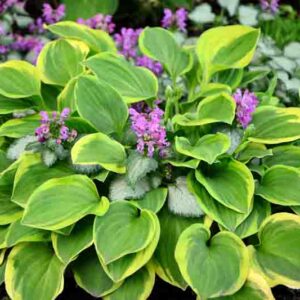
Hostas are toxic to dogs and cats because they contain saponins, which can cause vomiting, diarrhea, lethargy, and depression. Learn how serious Hosta poisoning usually is, what to do after ingestion, when veterinary advice is needed, and why Hostas pose a very different risk from true lilies and daylilies.



Yes. Hostas are toxic to both dogs and cats if eaten. These popular shade perennials contain saponins, plant compounds that can irritate the gastrointestinal tract and cause vomiting, diarrhea, lethargy, or depression.
Hosta poisoning is very different from the life-threatening kidney toxicity associated with true lilies and daylilies in cats. Hostas are primarily associated with gastrointestinal irritation rather than acute kidney failure. The effect can still vary with the amount eaten and the individual animal, so significant ingestion, persistent symptoms, or uncertainty about the plant should be discussed with a veterinarian or animal poison-control service.
The most useful response is to identify the plant, estimate how much your pet may have eaten, prevent further access, and watch for gastrointestinal symptoms. If the exposure is uncertain or your pet seems increasingly unwell, professional veterinary guidance is the safest next step.
Important distinction: Hosta is sometimes called plantain lily, but it is not one of the kidney-toxic lilies responsible for potentially fatal acute kidney injury in cats. Hosta poisoning is primarily associated with digestive upset from saponins.
Hostas, also known as plantain lilies, contain compounds called saponins. When plant tissue is chewed or swallowed, these compounds can irritate the gastrointestinal tract.
Veterinary poison-control sources list Hostas as toxic to both dogs and cats. The most consistently reported signs are vomiting, diarrhea, lethargy, and depression.
Severity can vary with the amount eaten, the animal’s size, age, health, and individual sensitivity. A small exposure may produce little or no obvious illness, while a larger ingestion can cause more noticeable gastrointestinal upset.
Gardenia’s Hosta Pet-Risk Rule: Think gastrointestinal irritation, not lily-type kidney toxicity. Hostas should still be kept away from pets that chew plants, but their expected toxic effect is very different from that of Lilium and Hemerocallis.
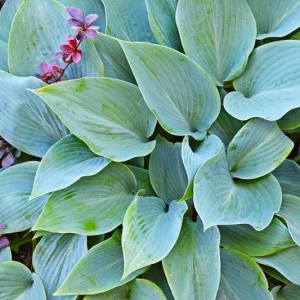
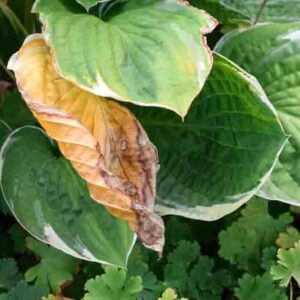
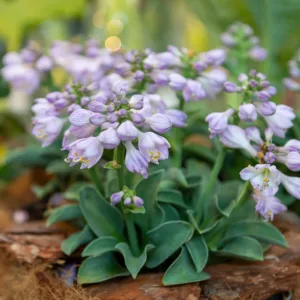
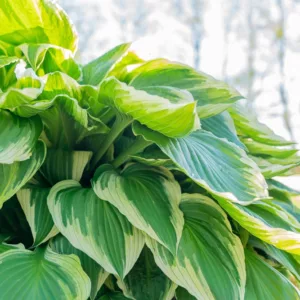
Do not assume a particular Hosta cultivar is safe because it has blue leaves, thick foliage, miniature growth, fragrant flowers, or variegation. There is no established pet-safe group of Hosta cultivars.
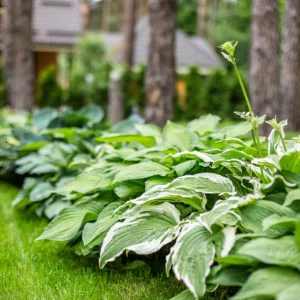
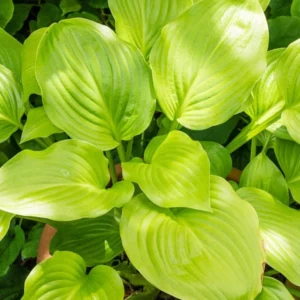
That means familiar garden types – miniature, giant, blue, gold, green, variegated, fragrant, and sun-tolerant Hostas – should all be treated as unsuitable for pets that are likely to chew foliage.
If pet safety is an important garden-design requirement, it is more practical to treat the genus as toxic rather than searching for an exception based on cultivar name or leaf type.
Do not choose by cultivar name: A miniature Hosta or a thick-leaved Hosta is still a Hosta. There is no reliable “pet-safe Hosta” category.
The most characteristic symptoms involve the gastrointestinal tract. Signs may develop after a dog or cat chews or swallows Hosta leaves or other plant material.
| Possible Sign | What It May Look Like |
|---|---|
| Vomiting | One or more episodes after chewing or swallowing the plant |
| Diarrhea | Loose or frequent stools caused by gastrointestinal irritation |
| Lethargy | Pet seems unusually tired, quiet, or less active |
| Depression | Pet appears withdrawn, subdued, or less responsive than usual |
Do not diagnose Hosta poisoning from vomiting or diarrhea alone. Many illnesses, foods, medications, and toxic substances can cause the same symptoms. A known history of plant chewing and accurate plant identification are important clues.
If you know or suspect your pet has eaten Hosta, prevent further access first. Remove loose leaves or chewed plant material and, if possible, confirm exactly which plant the animal encountered.
Do not induce vomiting or give home remedies unless a veterinarian or veterinary poison expert specifically instructs you to do so. The correct response depends on the animal, amount eaten, timing, and symptoms.
Hosta ingestion is generally associated with gastrointestinal irritation rather than the severe organ damage seen with some other toxic garden plants. However, the effect can vary with the amount eaten and the individual animal.
If your pet may have eaten Hosta and you are unsure about the amount, symptoms are persistent or worsening, or the plant identification is uncertain, contact your veterinarian or an animal poison-control service for guidance.
Seek prompt veterinary help if your dog or cat develops repeated vomiting or diarrhea, marked lethargy, weakness, or other signs that concern you.
Gardenia’s Hosta Exposure Check: Plant identity + amount eaten + symptom severity determines the next step. A confirmed Hosta exposure with mild gastrointestinal signs is a very different situation from an unidentified “lily” exposure or a pet that is becoming progressively ill.
The common name plantain lily can cause confusion because a Hosta is not a true lily and does not cause the characteristic kidney toxicity associated with true lilies and daylilies in cats.
| Plant | Main Pet Risk | Typical Response |
|---|---|---|
| Hosta | Saponins causing gastrointestinal irritation | Vomiting, diarrhea, lethargy, or depression |
| True lily – Lilium | Potentially severe acute kidney injury in cats | Suspected cat exposure requires urgent veterinary attention |
| Daylily – Hemerocallis | Potentially severe acute kidney injury in cats | Suspected cat exposure requires urgent veterinary attention |
This distinction becomes critical when someone says that a cat has eaten a “lily.” The common name alone is not precise enough to determine the risk.
Gardenia’s Lily-Name Safety Rule: When a cat has eaten something called a “lily,” identify the botanical genus before assuming the risk. Hosta typically causes gastrointestinal irritation; Lilium and Hemerocallis can cause life-threatening kidney injury in cats.
Many households with pets grow Hostas without incident, particularly when their animals do not chew garden plants. The practical risk depends largely on the pet’s behavior and access.
If you have a puppy, kitten, or adult pet that regularly chews vegetation, keep Hostas out of accessible areas or choose plants with a better-established pet-safety profile for spaces the animal uses frequently.
Remember that freshly cut or fallen leaves may be easier for a curious pet to investigate than foliage attached to a mature clump. Dispose of garden trimmings where pets cannot reach them.
For general cultivation information, see our complete Hosta growing guide, or browse the Hosta collection.
If a dog or cat routinely chews foliage, it may be easier to reserve Hostas for inaccessible areas and use plants with a better-established pet-safety profile in frequently used spaces.
Find Better-Fit Plants for a Pet-Accessible Garden
Use the Plant Finder to explore plants by growing conditions and toxicity characteristics, then compare alternatives that can fill the same shade-garden role without relying on a Hosta.
Hostas are toxic to dogs and cats because they contain saponins. The most typical effects are vomiting, diarrhea, lethargy, and depression after ingestion.
The most important practical distinction is between a confirmed Hosta exposure and an unidentified plant called a “lily.” If the plant might actually be a true lily or daylily and a cat is involved, the situation is much more urgent.
Identify the plant, prevent further access, estimate the exposure if possible, and watch your pet carefully. When the amount eaten is uncertain, symptoms are persistent or worsening, or the plant identification is unclear, contact a veterinarian or animal poison-control service.
Yes. Hostas contain saponins and are considered toxic to dogs. Ingestion commonly causes gastrointestinal signs such as vomiting and diarrhea, and affected dogs may also become lethargic or depressed.
Yes. Hostas are toxic to cats because they contain saponins. Typical effects are gastrointestinal, including vomiting and diarrhea, with lethargy or depression also possible. This is different from the severe kidney toxicity caused by true lilies and daylilies in cats.
A dog that eats Hosta may develop vomiting, diarrhea, lethargy, or depression. Contact a veterinarian or animal poison-control service if a large or uncertain amount was eaten, symptoms are persistent or worsening, or you are concerned about your dog.
A cat that eats Hosta may develop vomiting, diarrhea, lethargy, or depression because of the plant’s saponins. Hosta poisoning does not cause the characteristic acute kidney injury associated with true lilies and daylilies, but concerning or persistent symptoms still warrant veterinary advice.
Hosta ingestion more commonly causes gastrointestinal upset than severe or fatal poisoning. However, severity depends on the amount eaten and the individual animal. Significant ingestion, repeated vomiting or diarrhea, marked lethargy, weakness, or worsening illness should be discussed promptly with a veterinarian.
Hosta plant tissue contains saponins, so pets should not be allowed to chew or swallow the plant. Rather than trying to identify a safe part, prevent access to Hosta foliage and other plant material and dispose of garden trimmings where pets cannot reach them.
There is no established pet-safe group of Hosta cultivars. Do not assume that miniature, giant, blue, variegated, fragrant, or thick-leaved Hostas are non-toxic. If a pet routinely chews plants, choose a better-established pet-safe alternative for accessible areas.
No. Hostas contain saponins and usually cause gastrointestinal irritation. True lilies in the genus Lilium and daylilies in Hemerocallis can cause severe acute kidney injury in cats and should be treated as veterinary emergencies after suspected exposure.
Updated: September 2026 – Reviewed by Gardenia Editors
| Hardiness |
3 - 9 |
|---|---|
| Heat Zones |
1 - 8 |
| Climate Zones | 1, 1A, 1B, 2, 2A, 2B, 3, 3A, 3B, 4, 5, 6, 7, 8, 9, 10, 14, 15, 16, 17, 18, 19, 20, 21 |
| Plant Type | Perennials |
| Plant Family | Asparagaceae |
| Genus | Hosta |
| Exposure | Partial Sun, Shade |
| Season of Interest | Spring (Mid, Late), Summer (Early, Mid, Late), Fall |
| Maintenance | Low |
| Water Needs | Average |
| Soil Drainage | Moist but Well-Drained |
| Attracts | Bees, Butterflies, Hummingbirds |
| Landscaping Ideas | Patio And Containers, Small Gardens |
| Garden Styles | City and Courtyard, Gravel and Rock Garden, Informal and Cottage, Pollinator Garden, Woodland Garden |
| Hardiness |
3 - 9 |
|---|---|
| Heat Zones |
1 - 8 |
| Climate Zones | 1, 1A, 1B, 2, 2A, 2B, 3, 3A, 3B, 4, 5, 6, 7, 8, 9, 10, 14, 15, 16, 17, 18, 19, 20, 21 |
| Plant Type | Perennials |
| Plant Family | Asparagaceae |
| Genus | Hosta |
| Exposure | Partial Sun, Shade |
| Season of Interest | Spring (Mid, Late), Summer (Early, Mid, Late), Fall |
| Maintenance | Low |
| Water Needs | Average |
| Soil Drainage | Moist but Well-Drained |
| Attracts | Bees, Butterflies, Hummingbirds |
| Landscaping Ideas | Patio And Containers, Small Gardens |
| Garden Styles | City and Courtyard, Gravel and Rock Garden, Informal and Cottage, Pollinator Garden, Woodland Garden |
Create a membership account to save your garden designs and to view them on any device.
Becoming a contributing member of Gardenia is easy and can be done in just a few minutes. If you provide us with your name, email address and the payment of a modest $25 annual membership fee, you will become a full member, enabling you to design and save up to 25 of your garden design ideas.
Join now and start creating your dream garden!
Create a membership account to save your garden designs and to view them on any device.
Becoming a contributing member of Gardenia is easy and can be done in just a few minutes. If you provide us with your name, email address and the payment of a modest $25 annual membership fee, you will become a full member, enabling you to design and save up to 25 of your garden design ideas.
Join now and start creating your dream garden!