Grow lush, spectacular Hostas with confidence. This complete guide covers planting, shade and sun, soil, watering, feeding, dividing, containers, winter care, slugs, diseases, and common leaf problems. Learn how to match each Hosta to the right site and diagnose trouble before minor stress becomes a serious garden problem.
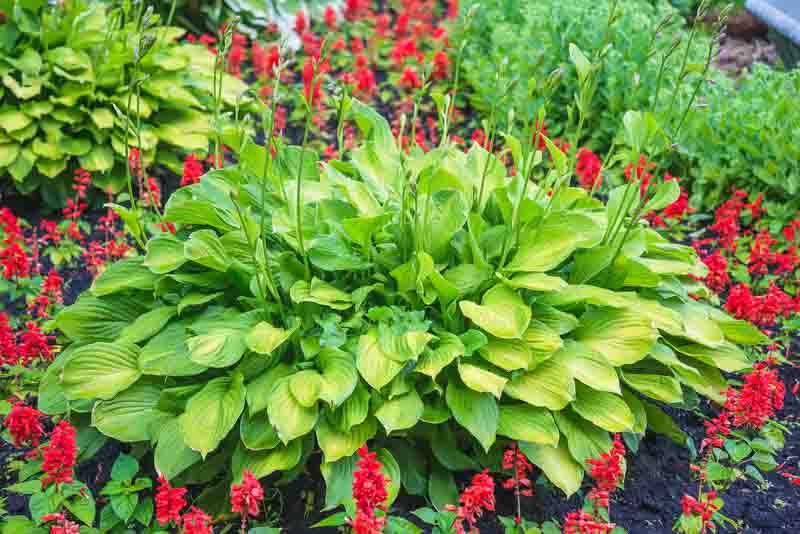


Hostas are among the finest foliage plants for shade, but growing a magnificent Hosta takes more than putting it in a dark corner and keeping it watered. The best plants come from matching the cultivar to the site – its light, soil, moisture, climate, available space, and competition from nearby roots.
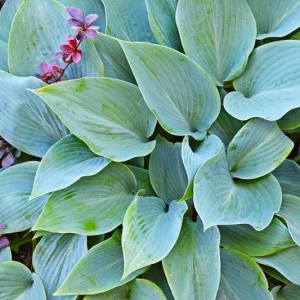
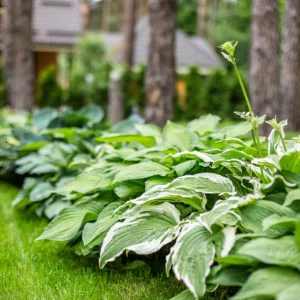
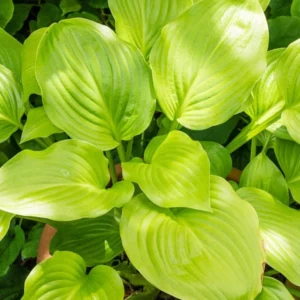
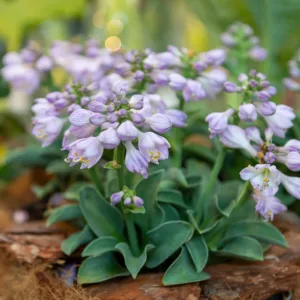
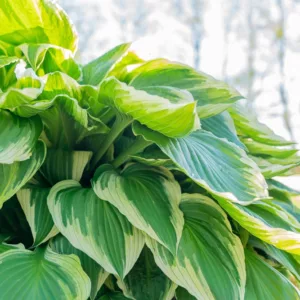
Get that combination right and Hostas can become long-lived stars of the shade garden, forming sculptural clumps of green, blue-gray, chartreuse, gold, cream, or variegated foliage. Leaves range from tiny and rounded to enormous and heart-shaped, with surfaces that may be smooth, rippled, puckered, deeply corrugated, cupped, or heavily veined. Summer flowers rise above the foliage in shades of lavender, purple, and white, and some cultivars are notably fragrant.
This complete Hosta growing guide covers choosing the right cultivar, planting, sun and shade, soil, watering, feeding, spacing, containers, dividing, seasonal care, slugs, snails, deer, rabbits, diseases, and the foliage symptoms that reveal when something is going wrong.
The key to great Hostas: Do not judge a site by shade alone. A successful Hosta position combines suitable light with dependable moisture, good drainage, manageable root competition, protection from excessive heat and drying winds, and enough room for the cultivar at maturity.
| Botanical name | Hosta |
| Common names | Hosta, Plantain Lily, Funkia |
| Plant type | Herbaceous perennial |
| Hardiness | Many garden Hostas grow in USDA Zones 3-9; check the individual species or cultivar |
| Light | Partial shade to shade; selected cultivars tolerate considerably more sun |
| Soil | Fertile, moisture-retentive, well-drained |
| Water | Consistent moisture during active growth |
| Bloom season | Usually summer, varying by species and cultivar |
| Flowers | White, lavender, or purple; some cultivars are fragrant |
| Propagation | Division; seed for species, breeding, and variable seedlings |
| Main problems | Slugs, snails, deer, rabbits, foliar nematodes, anthracnose, petiole rot, bacterial soft rot, Hosta Virus X |
For individual heights, spreads, foliage colors, hardiness, exposure, and growing requirements, browse Gardenia’s Hosta collection.
Hostas vary enormously. Choosing the cultivar is therefore part of successful Hosta growing, not simply a matter of choosing your favorite leaf color. A miniature plant suitable for a trough and a giant specimen capable of filling several square feet may enjoy similar soil, but they require very different amounts of space.
Foliage characteristics matter too. Blue-leaved cultivars generally show their best color in cooler, more shaded positions. Gold and yellow Hostas often need additional light to develop their richest coloration. Fragrant types frequently have Hosta plantaginea ancestry and can behave differently from heavy blue-leaved cultivars.
| If You Want… | Good Examples | What Matters Most |
|---|---|---|
| A small Hosta for containers | Hosta ‘Blue Mouse Ears’ | Compact mature size, drainage, regular moisture |
| Blue foliage | Hosta ‘Blue Angel’ | Cooler conditions and protection from strong sun |
| Gold foliage | Hosta ‘August Moon’ | Enough light to develop color without scorching |
| A brighter position | Hosta ‘Sum and Substance’, ‘Stained Glass’ | Reliable moisture; morning sun is safer in hot climates |
| A dramatic specimen | Hosta ‘Empress Wu’ | Allow for the enormous mature spread, not nursery size |
| Fragrant flowers | Hosta ‘Fragrant Bouquet’, ‘Guacamole’ | Adequate light for flowering and climate suitability |
Explore blue Hostas, miniature and very small Hostas, and Hostas that tolerate more sun before choosing a plant on foliage color alone.
Gardenia’s Hosta Site Match: Evaluate five factors together before planting: light + moisture + drainage + root competition + exposure. A site can offer seemingly perfect shade yet still be unsuitable because the soil dries rapidly beneath tree roots or the position is exposed to hot, drying wind.
Most Hostas perform best in partial shade or filtered shade, but “shade plant” does not mean “no sun.” Many grow beautifully with several hours of morning sun followed by afternoon shade. Deep shade may reduce growth and flowering, while intense afternoon sun can bleach foliage, scorch pale areas, and produce dry brown margins.
Blue Hostas: generally retain their blue-gray coloring longest in cooler, more shaded positions. Their blue appearance comes from a waxy coating that gradually wears away as leaves age and may disappear faster in harsher conditions.
Gold and yellow Hostas: often color best with some direct or bright filtered light. In heavy shade, many become greener.
Variegated Hostas: vary considerably. Cultivars with extensive cream or white tissue can be vulnerable to leaf scorch in strong sun.
Fragrant, H. plantaginea-derived cultivars: are often among the Hostas that accept somewhat brighter conditions when moisture is adequate.
For example, ‘August Moon’, ‘Guacamole’, ‘Royal Standard’, and ‘Sum and Substance’ are useful examples of cultivars that can tolerate brighter conditions than many classic shade Hostas, although local climate and soil moisture still matter.
Sun tolerance is not drought tolerance. A Hosta that accepts more sun usually needs correspondingly dependable moisture. Morning sun in moist soil can be very different from six hours of hot afternoon sun in a dry border.
If you have a brighter garden, use Gardenia’s guide to sun-tolerant Hostas to narrow your choices.
Hostas thrive in fertile soil that retains moisture but drains freely. Loam enriched with organic matter is ideal, but Hostas can also grow well in clay and other soil types when drainage and structure are suitable.
Before planting, improve poor soil over a reasonably broad area rather than creating a small pocket of highly amended soil around the root ball.
Sandy soil: incorporate organic matter to improve moisture and nutrient retention.
Heavy clay: organic matter can improve structure, but persistent waterlogging should be corrected before planting.
Dry, impoverished soil: improve moisture retention and fertility rather than relying on fertilizer alone.
The important distinction is between moist soil and saturated soil. Hostas dislike repeated drying, but roots and crowns can also decline when soil remains waterlogged for long periods.
Hostas are reasonably adaptable and can grow across acidic, neutral, and moderately alkaline soils, although many perform particularly well around slightly acidic to neutral conditions. There is rarely any reason to alter pH without first testing the soil. Drainage, moisture, organic matter, and root competition are usually more urgent considerations.
Yes, and Hostas can look superb beneath deciduous trees, but tree shade can be deceptive. The canopy may create ideal dappled light while a dense network of roots removes much of the available moisture.
A Hosta beneath a mature tree can therefore struggle every summer even though its leaves never receive harsh sun. Before moving it into deeper shade, check the soil several inches down after a dry spell.
Watch particularly for:
soil that dries again very quickly after irrigation;
large numbers of fine tree roots in the Hosta root zone;
Hostas that become progressively smaller despite adequate feeding;
leaf-margin browning despite an apparently shaded position.
Avoid severing major tree roots to create planting pockets. Where root competition is extreme, a large container or a different location may give a better long-term result.

Spring and early fall are generally the easiest times to establish Hostas because temperatures are moderate and soil moisture is easier to maintain. Container-grown Hostas can be planted whenever the soil is workable, but very hot, dry summer weather creates unnecessary transplant stress.
Water before planting. Thoroughly hydrate the root ball while the plant is still in its container.
Dig wide rather than excessively deep. Make the hole approximately the depth of the root ball and around twice as wide.
Inspect the roots. Gently loosen roots that are circling tightly around the container.
Position the crown correctly. Set the plant at approximately the same depth it occupied in the nursery pot. Avoid burying the crown deeply.
Backfill carefully. Return soil around the roots and firm gently without compacting it heavily.
Water thoroughly. Soak the root zone so that soil settles around the roots.
Mulch the surrounding soil. Keep mulch away from the crown itself.
Plan for the Hosta you will have, not the one you bought. A young ‘Empress Wu’ may look modest in its nursery pot, but a mature plant can reach 5-6 ft. across. Mature dimensions matter far more than purchase size.
There is no single correct Hosta spacing because mature size varies dramatically. Use the expected mature spread of the cultivar rather than a generic spacing rule.
| Hosta Type | Example | Best Use | Spacing Approach |
|---|---|---|---|
| Miniature / very small | ‘Blue Mouse Ears’ | Containers, troughs, edging | Use individual mature spread; prevent larger neighbors from overwhelming it |
| Medium | ‘June’ | Borders, groups, woodland edges | Allow enough space to retain a distinct mound |
| Large / giant | ‘Empress Wu’ | Specimens, large shade borders | Plan from mature width; generous spacing may initially look empty |
Closer planting fills a border faster, but Hostas will begin competing sooner and their individual outlines become less distinct. Wider planting demands patience but produces stronger specimen effects.
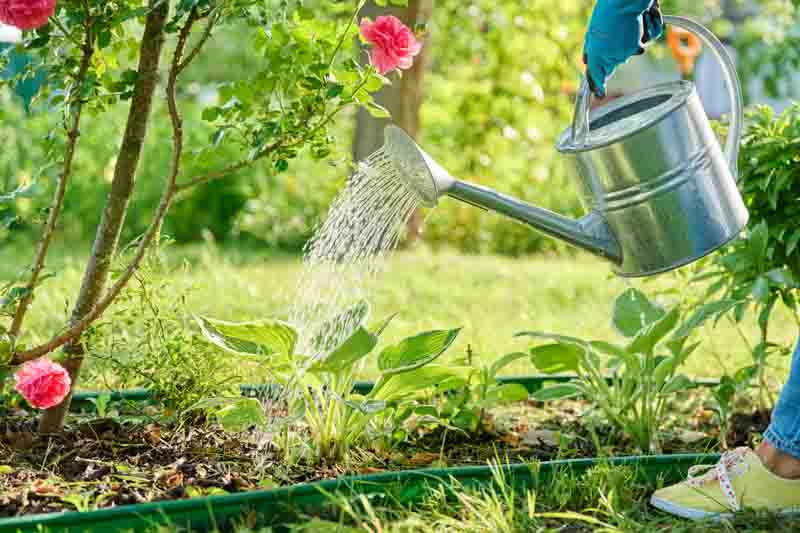
Consistent soil moisture is one of the foundations of excellent Hosta growth. Their broad leaves can lose substantial water in warm weather, and repeated drying often results in smaller foliage, weak growth, wilting, and crisp brown leaf margins.
A fixed watering schedule is less reliable than checking the root zone. The surface may look dry while soil below remains moist, or mulch may appear damp while the root zone underneath has already dried.
During active growth:
Check several inches below the surface. Garden soil should remain at least slightly moist through the active root zone rather than repeatedly drying hard.
Water deeply. A thorough soaking encourages a larger, more resilient root system than frequent superficial sprinkling.
Direct water toward the soil. Drip irrigation and soaker hoses work well in established Hosta beds.
Morning watering is practical. It gives unnecessarily wetted foliage time to dry and prepares plants for daytime heat.
Newly planted Hostas deserve particularly close attention during their first growing season because their roots occupy only a limited volume of soil.
Established Hostas may cope better with a brief dry spell, but that does not make them dry-soil plants. Large clumps, containers, sandy soil, sunny positions, wind, and competition from tree roots can all increase water demand.
Organic mulch helps conserve moisture, suppress weeds, buffer soil-temperature changes, and add organic matter as it decomposes. Compost, leaf mold, or other well-decomposed organic material can all be useful.
Keep mulch away from the crown. Thick, continuously damp material piled around the base creates shelter for slugs and may contribute to crown and petiole problems.
Hostas growing vigorously in fertile soil often need little supplemental fertilizer. An annual organic mulch may be sufficient. On poorer soils, a balanced general-purpose fertilizer can be applied in spring according to label directions.
Before fertilizing a disappointing Hosta, check the site. Fertilizer will not correct intense afternoon sun, waterlogged soil, chronic drought, root competition, or a diseased crown.
Hostas are excellent container plants, particularly miniature and small cultivars. Containers also solve several common Hosta problems: poor garden soil, extreme tree-root competition, or a need to move plants as sunlight patterns change.
For reliable container culture:
choose a pot with generous drainage holes;
use a moisture-retentive but freely draining potting mix rather than garden soil;
select a container proportionate to the mature plant rather than an enormous pot around a tiny division;
monitor moisture closely during summer because pots dry faster than garden soil;
do not allow containers to sit continuously in standing water;
protect roots appropriately in very cold climates, where containers provide less insulation than the ground.
‘Blue Mouse Ears’ is an excellent example of a genuinely compact Hosta for pots and small gardens, while medium cultivars such as ‘Stained Glass’ can create a stronger single-specimen display in a larger container.
For a complete size-by-size guide, see Best Hostas for Containers: Small, Medium and Large Varieties.
See Miniature and Very Small Hostas for Gardens and Containers for more compact choices.
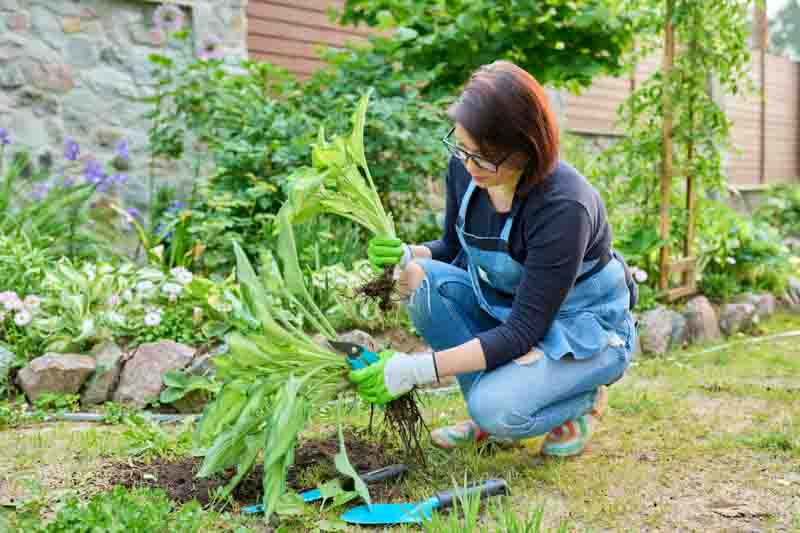
Hostas can be divided successfully, but a healthy plant does not need to be split simply because a particular number of years has passed. Mature clumps can remain attractive for years undisturbed, although older or congested plants may eventually benefit from division.
Divide when you want additional plants, need to relocate a clump, or when the center has become sparse or growth has become overcrowded. Early spring as shoots emerge and early fall are both suitable periods, provided autumn divisions have time to establish before severe freezing. For detailed timing, division size, step-by-step instructions, and aftercare, see Gardenia’s When and How to Divide Hostas Successfully guide.
Water the plant beforehand if the soil is dry.
Lift the clump carefully with a fork or spade.
Remove enough soil to identify the growing points.
Separate the crown by hand where possible or cut cleanly between growth points with a sharp tool.
Keep viable roots and at least one healthy growing point with each division.
Replant promptly at the original depth.
Water thoroughly and keep the new divisions from drying while roots re-establish.
Larger divisions normally regain the appearance of a mature clump faster than very small pieces.
Yes, but seedlings from hybrid cultivars are genetically variable and usually will not reproduce the parent cultivar exactly. Division is the dependable way to preserve a named cultivar. Seed is much more useful for breeding, experimentation, or species propagation where variation is acceptable.
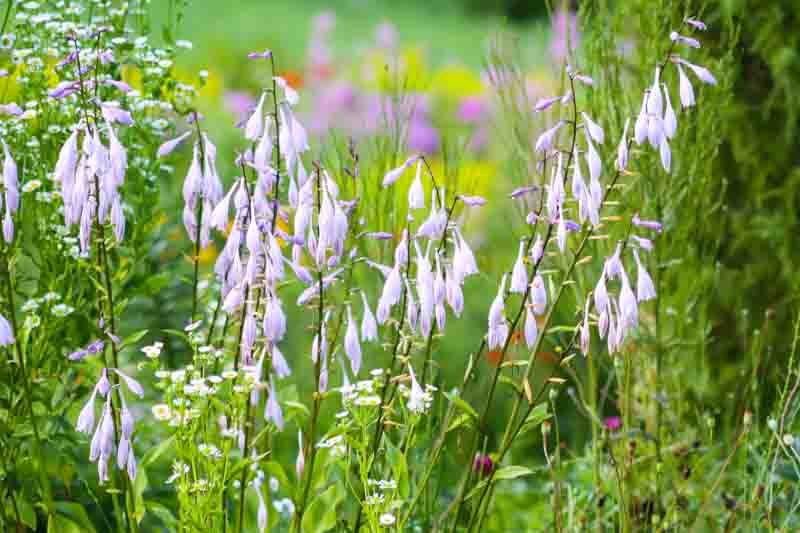
Hostas are famous for foliage, but their flowers are more than an afterthought. Slender scapes rise above the leaves in summer carrying lavender, purple, or white flowers, and fragrant selections can add a surprising layer of scent to shaded gardens.
Hosta plantaginea is especially important in the ancestry of fragrant Hostas. Cultivars such as ‘Fragrant Bouquet’ and ‘Guacamole’ combine attractive foliage with fragrant flowers.
Spent flower scapes may be removed after bloom for tidiness. Healthy green foliage, however, should remain because it continues feeding the underground crown through the growing season.
As temperatures fall, Hosta foliage naturally turns yellow and collapses. Once it has died back, remove the leaves near ground level. Cleaning up collapsed foliage also reduces damp debris in which slugs and snails can shelter.
For a complete guide to timing fall versus spring cleanup, see Gardenia’s When to Cut Back Hostas: Fall or Spring?.
Do not cut a healthy green Hosta to the ground merely because flowering has finished.
Newly emerging Hosta leaves are susceptible to late frost. Injured foliage may become limp, translucent, distorted, or brown. Damage can look dramatic, but a healthy established crown often produces additional growth.
If frost is forecast after shoots have emerged, temporary protection can reduce injury. A useful diagnostic clue is timing: frost injury appears suddenly after a cold event, whereas many diseases continue developing or spreading independently of a single night’s weather.
Hostas are deciduous perennials that normally pass through a winter dormant period. Performance in very mild-winter regions varies among cultivars, making local experience and cultivar selection especially valuable in warmer climates.
Summer heat is a separate issue from winter hardiness. A cultivar that survives winter easily may still suffer in prolonged heat, especially when exposed to strong afternoon sun or inconsistent moisture.
In warm climates:
favor morning sun and afternoon shade;
protect foliage from reflected heat and hot, drying winds;
maintain reliable root-zone moisture without waterlogging;
select cultivars with a record of performing well in warmer regions rather than relying on USDA hardiness alone.
Hosta plantaginea and cultivars such as ‘Guacamole’, ‘June’, ‘Royal Standard’, and ‘Sum and Substance’ are among the selections included in Gardenia’s Hostas for Warmer Climates.
Warm-climate tip: USDA hardiness zones describe minimum winter temperature, not a plant’s ability to tolerate prolonged summer heat or an exceptionally mild winter. Those are different questions.
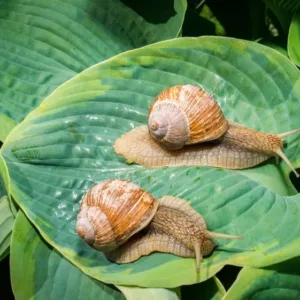
Irregular holes through Hosta foliage, particularly when accompanied by slime trails or nighttime activity, usually point toward slugs or snails. Tender new leaves can be badly damaged before they finish unfurling.
Useful measures include:
removing boards, dense debris, and other damp daytime hiding places;
checking vulnerable plants during damp evenings;
keeping deep mulch away from Hosta crowns;
watering the soil rather than maintaining constantly wet foliage and surface debris;
choosing substantial, thick-leaved cultivars where slug pressure is particularly high.
Thicker-leaved Hostas may suffer less feeding, but no cultivar should be considered completely slug-proof. ‘Autumn Frost’ is one example of a substantial-leaved Hosta, while ‘Sum and Substance’ is another large, thick-leaved selection often grown where slug damage is a concern.
See Prevent Slugs and Snails from Feasting on Your Hostas for more detailed control options.
Hostas are highly attractive to deer. Deer browsing can remove entire leaves or large portions of a plant overnight, leaving ragged or torn petioles behind.
Where deer pressure is consistently high, physical exclusion is generally more dependable than hoping a particular Hosta cultivar will be ignored. Deer preferences change with food availability, season, and local pressure, so no Hosta should be marketed as deer-proof.
Rabbits can also feed on Hostas, especially tender emerging shoots, young leaves, and flowers. A badly browsed young Hosta may be reduced to short petioles almost overnight.
Rabbit damage can sometimes be distinguished from deer browsing by the cut itself. Rabbits use sharp incisors and often leave stems clipped cleanly at an angle, while deer tend to tear vegetation and leave a rougher, more ragged edge. Small round droppings nearby provide another clue.
To reduce rabbit damage:
protect newly emerging Hostas during the period when shoots are most tender;
use fine-mesh fencing or another physical barrier where pressure is severe;
remove dense low cover that gives rabbits secure hiding places close to valuable plantings;
use labeled repellents where appropriate, understanding that they may require reapplication after rain or irrigation.
Do not look for a “rabbit-proof Hosta.” Rabbit feeding is opportunistic and can change according to local food availability. If browsing pressure is high, exclusion is more dependable than cultivar selection.
Not sure what is damaging your Hosta? Use Gardenia’s Hosta Problems: Yellow Leaves, Brown Edges, Holes, Wilting and Poor Growth guide to compare symptoms and distinguish environmental stress, animal browsing, pest damage, foliar nematodes, viruses, and crown or root diseases.
Hostas are generally durable plants, but several diseases and disorders produce recognizable patterns. Correct identification matters because different problems that all result in “brown leaves” can require completely different responses.
Hosta Virus X, or HVX, can cause abnormal green or yellow mottling, color bleeding along veins, puckering, ringspots, distorted leaves, and sometimes tissue death. Symptoms vary considerably by cultivar and may not become visible immediately after infection.
There is no cure for an infected Hosta. Because sap carried on contaminated tools, hands, and equipment can transmit HVX, do not divide or deliberately wound a suspicious plant. Confirm questionable symptoms where practical, because unusual coloration alone is not sufficient to diagnose a virus visually.
Foliar nematodes are microscopic organisms that feed within leaf tissue. A characteristic clue is yellow and eventually brown tissue confined between major leaf veins. The veins act as barriers, producing angular bands or wedges that are quite different from ordinary drought scorch.
Anthracnose causes irregular to rounded tan spots, often with darker borders. As lesions age, their centers may drop out, creating a shot-hole effect that can sometimes be confused with chewing damage.
Petiole rot causes leaf stalks to brown close to soil level, followed by yellowing, wilting, and collapse. White fan-like fungal growth may develop around the base, sometimes accompanied by small fungal structures.
Avoid piling mulch or soil deeply against Hosta crowns. Where petiole rot is confirmed, infected plants should be removed carefully so contaminated material is not moved around the garden.
Fusarium root and crown rot can cause stunting, unusually late emergence, yellowing and browning foliage, and dry brown-to-black decay near the soil line. These symptoms differ from the wet, foul-smelling tissues typical of bacterial soft rot.
Soft, wet, collapsing tissue accompanied by a distinctly unpleasant odor suggests bacterial soft rot. Affected leaves may yellow and wilt as petioles decay near the crown.
Severely affected plants should be removed rather than repeatedly watered in an attempt to revive them. Clean and disinfect tools used on affected material before moving to healthy Hostas.
Not Sure What Is Wrong With Your Hosta?
Brown spots, yellow leaves, strange mottling, collapsing petioles, or crown rot can have very different causes. Use Gardenia’s Hosta Diseases: Symptoms, Diagnosis and Treatment guide to compare symptoms, narrow the likely cause, and decide what to check next.
A useful first step in Hosta diagnosis is to stop asking only what color the leaf has become. Instead, look at where the damage begins, its shape, its texture, whether material is missing, and how quickly the change appeared.
| What You See | Check First | Possible Cause | What Distinguishes It |
|---|---|---|---|
| Irregular holes | Undersides of leaves and damp hiding places | Slugs or snails | Chewed holes, often with slime trails |
| Large portions of foliage suddenly missing | Tracks, droppings, torn stems | Deer | Ragged browsing rather than a clean clipped edge |
| Young stems or leaves clipped cleanly | Low-level damage and round droppings | Rabbits | Often a sharp, angled cut rather than tearing |
| Crisp brown margins | Root-zone moisture and afternoon exposure | Drought, heat, or sun scorch | Dry edges, often worst on exposed foliage |
| Bleached or papery patches | Recent strong sun or heat | Sun scorch | Most pronounced on exposed leaf areas |
| Yellow or brown bands between veins | Whether major veins contain the damage | Foliar nematodes | Distinct vein-bounded bands or wedges |
| Tan spots with darker borders | Lesion shape and centers | Anthracnose | Older lesion centers may fall out |
| Abnormal mottling, puckering, or vein discoloration | Repeated abnormal pattern on foliage | Possible Hosta Virus X | Virus-like pattern rather than ordinary scorch; confirmation may be needed |
| Petiole collapses at soil level | Crown and base of leaf stalks | Petiole rot | Browning begins at the soil line, followed by wilt and collapse |
| Wet, foul-smelling decay | Crown and lower petioles | Bacterial soft rot | Soft, watery tissue and distinctive odor |
| Stunted plant emerging unusually late | Crown and soil-line tissue | Possible Fusarium root/crown rot | Dry brown-to-black decay rather than watery rot |
| Distorted or translucent foliage after a cold night | Recent weather | Frost injury | Appears abruptly after freezing temperatures |
| Hosta gets smaller each year | Water, roots, browsing, light, crown health | Chronic stress | Often linked to root competition, drought, repeated browsing, disease, or worsening site conditions |
| Whole plant yellows and collapses in fall | Season and temperature | Normal dormancy | Seasonal decline affects the whole clump as growth ends |
Diagnosis before treatment: “My Hosta is turning brown” is a symptom, not a diagnosis. A dry brown edge, a brown patch trapped between veins, a tan spot with a dark border, and a collapsing brown petiole point toward very different problems.
An established Hosta that becomes noticeably smaller year after year is telling you something. Before reaching for fertilizer, investigate what has changed around the plant.
Common causes include:
Increasing tree-root competition. As nearby trees mature, they can claim progressively more water.
Changing light. Trees and shrubs may have made a once-bright location much darker.
Chronic summer drought. Repeated moisture stress can reduce both foliage size and crown vigor.
Repeated deer or rabbit browsing. A plant that repeatedly loses functioning foliage has fewer resources to rebuild its crown.
Crown or root disease. Decline accompanied by yellowing, decay, or abnormal emergence deserves closer investigation.
Poor drainage. Chronic saturation can weaken roots even though Hostas enjoy moist soil.
Container congestion. A potted Hosta may eventually need division or a larger container.
The Hosta itself may not have changed. The garden around it often has.
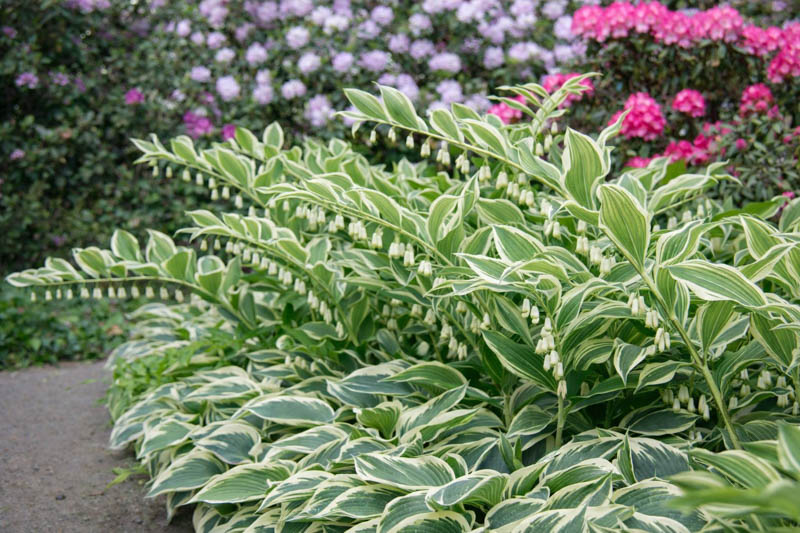
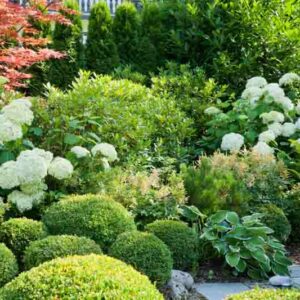
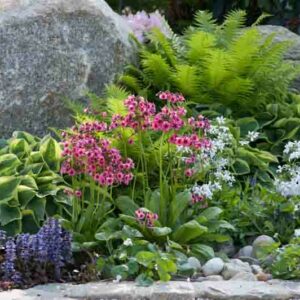
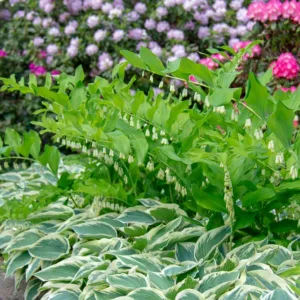
Hostas are especially effective beside plants that contrast with their broad, substantial foliage. Ferns contribute finely divided leaves, Japanese Forest Grass adds flowing movement, and Solomon’s Seal creates graceful arching lines.
Other useful partners include:
Brunnera for spring flowers and patterned foliage;
Heuchera for contrasting leaf colors;
Astilbe for feathery summer flower plumes;
Hellebores for valuable late-winter and spring interest;
shade-tolerant sedges for fine texture and grassy movement.
Match growing conditions as carefully as appearance. Two plants may both tolerate shade yet make poor companions if one needs dry woodland soil and the other prefers continuously moist ground.
For more design ideas, see Companion Plants for Your Hostas.
| Season | What to Do | What to Watch For |
|---|---|---|
| Early spring | Divide or transplant if needed; refresh mulch without covering crowns | Late frost, rabbits, early slug and snail feeding |
| Late spring | Maintain even moisture; assess whether light levels suit the cultivar | Slug holes, browsing, dry soil, early scorch |
| Summer | Water during dry weather; enjoy flowers; remove seriously damaged foliage selectively | Brown margins, foliar nematodes, anthracnose, deer, heat stress |
| Early fall | Divide or plant where sufficient establishment time remains | New divisions drying before roots establish |
| Late fall | Remove naturally collapsed foliage and old flower scapes | Pest shelter in accumulated debris |
| Winter | Leave dormant garden crowns undisturbed; protect vulnerable containers where needed | Container waterlogging and excessive root-zone cold |
Assuming every Hosta wants deep shade. Some need additional light for strong growth, better foliage color, or abundant flowering.
Confusing sun tolerance with drought tolerance. Brighter conditions generally increase water demand.
Ignoring mature dimensions. Giant cultivars can require several feet of space.
Letting new plants repeatedly dry out. Their restricted root systems make them particularly vulnerable during establishment.
Confusing moist with soggy. Hostas appreciate water but still require oxygen around their roots.
Overlooking tree-root competition. Some of the shadiest parts of a garden are also the driest.
Planting the crown too deeply. Keep the plant near its original growing level.
Piling mulch around the crown. This can harbor slugs and contribute to excessively damp conditions at the base.
Fertilizing a stressed plant instead of diagnosing it. First check light, moisture, drainage, roots, browsing, and disease.
Dividing on a rigid schedule. Divide because the plant or your garden needs it, not simply because a calendar says so.
Diagnosing from color alone. Yellow and brown leaves have many causes; pattern and location matter.
Yes. Hostas contain saponins and are considered toxic to dogs, cats, and horses if eaten. Reported signs include vomiting, diarrhea, and depression or lethargy.
Gardeners with pets that habitually chew plants should place Hostas where access can be limited. If a pet has eaten Hosta and develops symptoms, contact a veterinarian or animal poison-control service for case-specific advice.
The most successful Hostas are not simply the prettiest cultivars – they are the ones matched to the site’s light, moisture, climate, and available space. Check mature dimensions before planting, keep the root zone reliably moist but well drained, and investigate unusual leaf patterns before assuming that every brown or yellow leaf needs more water.
Ready to choose a plant? Compare foliage colors, mature sizes, growing requirements, and garden uses in Gardenia’s Hosta collection, or explore the complete Hosta advice and inspiration hub.
Most Hostas grow best in partial or filtered shade, but requirements vary by cultivar. Blue-leaved Hostas generally retain their color best with more shade, while many yellow and gold cultivars benefit from some sun. Hot afternoon sun is more likely to scorch foliage, especially when soil is dry.
Water often enough to keep the root zone consistently moist during active growth without making it waterlogged. Check the soil several inches below the surface rather than relying on a fixed schedule. Containers, sandy soils, hot weather, brighter sites, and tree-root competition can all increase water needs.
Some cultivars tolerate considerably more sun than others, especially where summers are moderate and soil stays consistently moist. Morning sun is generally safer than intense afternoon sun. A Hosta described as sun tolerant should not be assumed to be drought tolerant.
Hostas form gradually enlarging clumps rather than aggressively running through the garden. Mature spread varies enormously by cultivar, from tiny miniature plants to giant Hostas several feet across.
Early spring as shoots emerge and early fall are both suitable times to divide Hostas. Autumn divisions need time to establish before severe freezing. Healthy Hostas do not have to be divided simply because a fixed number of years has passed.
Crisp brown margins commonly result from dry soil, heat, or excessive sun, but brown tissue between veins can indicate foliar nematodes, tan bordered spots may indicate anthracnose, and collapsing petioles can indicate crown disease. The pattern and location of damage are important diagnostic clues.
Yellowing is normal as Hostas enter dormancy in fall. During active growth, yellow foliage may be associated with moisture stress, root or crown problems, foliar nematodes, disease, or other environmental stress. Look at the timing, pattern, and condition of the tissue before treating the plant.
Yes. Hostas grow very well in containers, especially miniature and small cultivars. Use a container with good drainage and a moisture-retentive, freely draining potting mix. Potted Hostas need closer attention to summer watering and may require winter protection in cold climates.
Yes, but tree roots can make shaded soil unexpectedly dry. Check root-zone moisture carefully and avoid damaging major tree roots when planting. Where root competition is severe, containers or another location may be more successful.
Leave healthy green foliage in place through the growing season. Once leaves yellow and collapse naturally in fall, remove dead foliage near ground level. This also reduces debris where slugs and snails may shelter.
Reduce damp hiding places and accumulated debris, inspect plants during moist evenings, and avoid burying crowns beneath deep mulch. Thick, substantial-leaved Hostas often suffer less feeding than thin-leaved cultivars, although no Hosta is completely slug-proof.
Yes. Rabbits can eat tender Hosta shoots, leaves, and flowers, especially in spring. They often leave a clean, angled cut on stems, unlike the more ragged browsing typical of deer. Fine-mesh fencing is one of the most dependable protections where rabbit pressure is high.
A shrinking Hosta may be experiencing chronic drought, increasing tree-root competition, heavier shade, repeated deer or rabbit browsing, crown or root problems, poor drainage, or container congestion. Check what has changed around the plant before adding fertilizer.
Yes. Hostas contain saponins and are considered toxic to dogs and cats if eaten. Ingestion can cause vomiting, diarrhea, and lethargy or depression. Contact a veterinarian or animal poison-control service if a pet eats Hosta and develops symptoms.
Royal Horticultural Society – How to Grow Hostas
Penn State Extension – Hosta Diseases
University of Wisconsin-Madison Extension – Hosta Virus X
Updated: September 2026 • Reviewed by Gardenia Editors
| Hardiness |
3 - 9 |
|---|---|
| Heat Zones |
1 - 8 |
| Climate Zones | 1, 1A, 1B, 2, 2A, 2B, 3, 3A, 3B, 4, 5, 6, 7, 8, 9, 10, 14, 15, 16, 17, 18, 19, 20, 21 |
| Plant Type | Perennials |
| Plant Family | Asparagaceae |
| Genus | Hosta |
| Exposure | Partial Sun, Shade |
| Season of Interest | Spring (Mid, Late), Summer (Early, Mid, Late), Fall |
| Maintenance | Low |
| Water Needs | Average |
| Soil Drainage | Moist but Well-Drained |
| Attracts | Bees, Butterflies, Hummingbirds |
| Landscaping Ideas | Patio And Containers, Small Gardens |
| Garden Styles | City and Courtyard, Gravel and Rock Garden, Informal and Cottage, Pollinator Garden, Woodland Garden |
| Hardiness |
3 - 9 |
|---|---|
| Heat Zones |
1 - 8 |
| Climate Zones | 1, 1A, 1B, 2, 2A, 2B, 3, 3A, 3B, 4, 5, 6, 7, 8, 9, 10, 14, 15, 16, 17, 18, 19, 20, 21 |
| Plant Type | Perennials |
| Plant Family | Asparagaceae |
| Genus | Hosta |
| Exposure | Partial Sun, Shade |
| Season of Interest | Spring (Mid, Late), Summer (Early, Mid, Late), Fall |
| Maintenance | Low |
| Water Needs | Average |
| Soil Drainage | Moist but Well-Drained |
| Attracts | Bees, Butterflies, Hummingbirds |
| Landscaping Ideas | Patio And Containers, Small Gardens |
| Garden Styles | City and Courtyard, Gravel and Rock Garden, Informal and Cottage, Pollinator Garden, Woodland Garden |
Create a membership account to save your garden designs and to view them on any device.
Becoming a contributing member of Gardenia is easy and can be done in just a few minutes. If you provide us with your name, email address and the payment of a modest $25 annual membership fee, you will become a full member, enabling you to design and save up to 25 of your garden design ideas.
Join now and start creating your dream garden!
Create a membership account to save your garden designs and to view them on any device.
Becoming a contributing member of Gardenia is easy and can be done in just a few minutes. If you provide us with your name, email address and the payment of a modest $25 annual membership fee, you will become a full member, enabling you to design and save up to 25 of your garden design ideas.
Join now and start creating your dream garden!