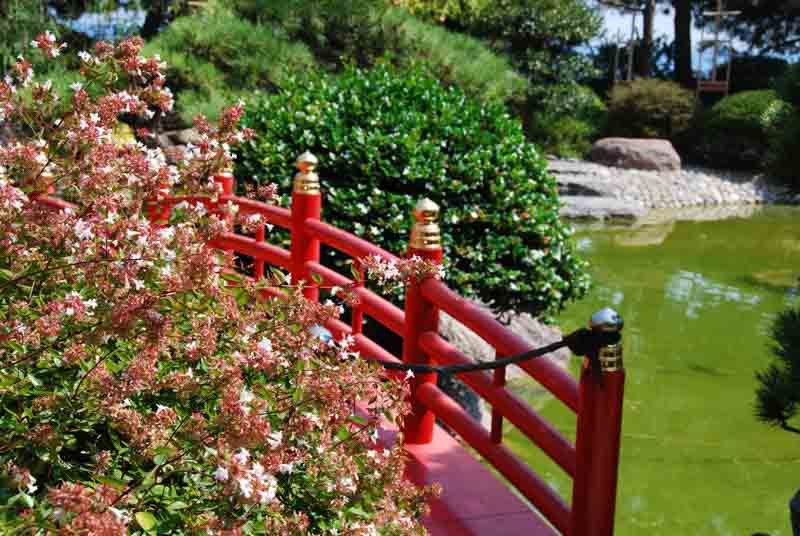
Abelia
Abelia is a graceful genus of ornamental flowering shrubs loved for arching stems, glossy foliage, fragrant blooms, and long-lasting landscape interest. Easy to grow and highly adaptable, abelia brings soft texture, pollinator value, and months of color to borders, foundation plantings, hedges, containers, mass plantings, and wildlife-friendly gardens.
Gardeners choose abelia because it is beautiful without being demanding. Its semi-evergreen to deciduous foliage, extended bloom season, and naturally elegant habit make it a reliable shrub for low-maintenance landscapes with year-round appeal.
Habit and Foliage
Abelia shrubs usually have a graceful, arching growth habit and often reach 3 to 6 feet tall, though some varieties grow larger. Their slender leaves are semi-evergreen to deciduous, commonly glossy and dark green, adding structure and seasonal interest.
Hardiness and Light
Abelia is generally hardy in USDA Zones 6 to 9. For best flowering, plant it in full sun to part shade with at least six hours of sunlight daily. Once established, many abelias are moderately drought-tolerant and forgiving of occasional neglect.
Soil and Care
Grow abelia in moist, fertile, well-drained soil for strongest performance. It adapts to a range of garden soils and is relatively pest- and disease-resistant, making it a practical choice for easy-care shrub borders and everyday landscapes.
Flowers and Pollinators
From late spring through fall, abelia produces small, tubular, often fragrant flowers in pink, white, and sometimes yellow or red tones. These nectar-rich blooms attract bees, butterflies, and hummingbirds, supporting biodiversity in the garden.
Landscape Uses
Use abelia in mixed borders, foundation plantings, mass plantings, informal hedges, screens, slopes, and wildlife gardens. Compact varieties work well in containers or as ground-covering shrubs, while larger selections create soft, flowering backdrops.
Key Benefits
Abelia offers extended flowering, attractive foliage, drought tolerance, pollinator support, low maintenance, and year-round garden value. Some types may spread where stems root on the ground, creating dense thickets that can be useful for naturalized plantings.
Elegant, resilient, pollinator-friendly, and easy to maintain, abelia is a versatile flowering shrub for gardeners who want dependable beauty, graceful form, and lasting landscape impact.