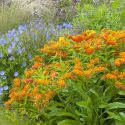
Swamp Milkweed, Pink Milkweed, Marsh Milkweed, Swamp Butterfly Weed


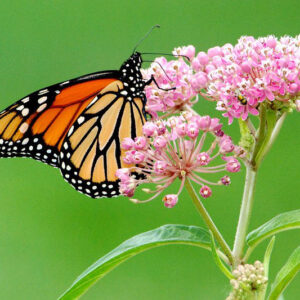
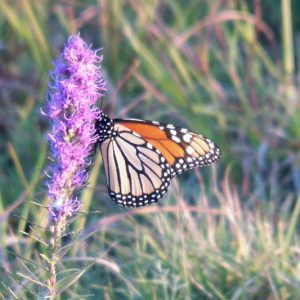
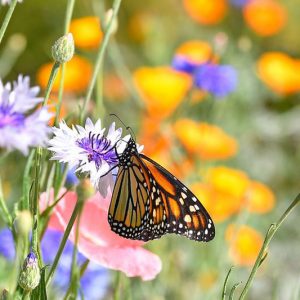
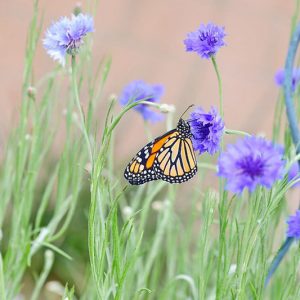
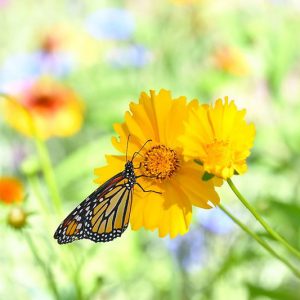
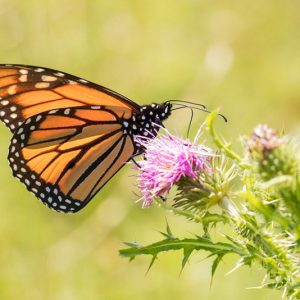
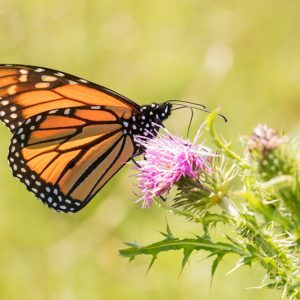
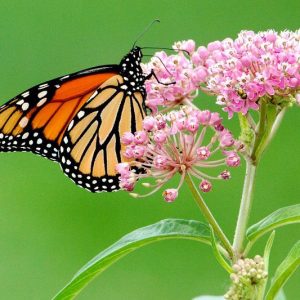
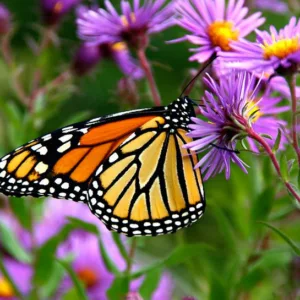
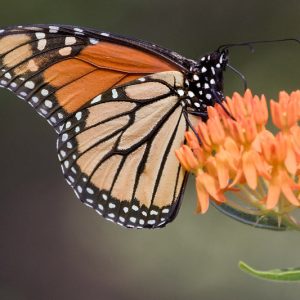
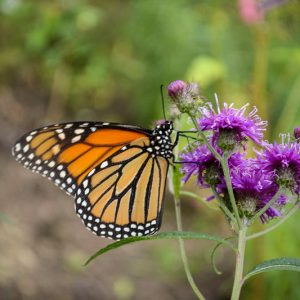
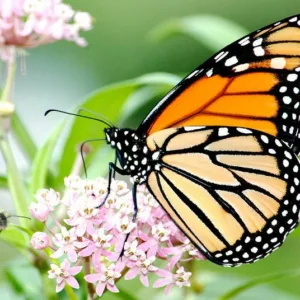
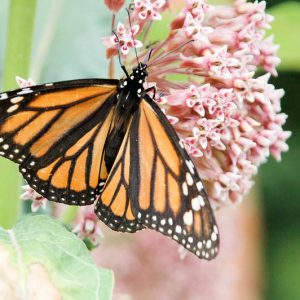
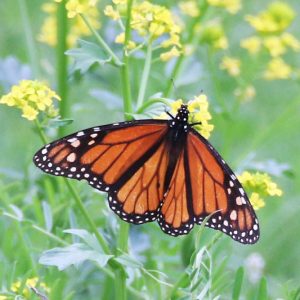
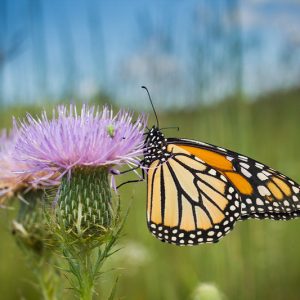
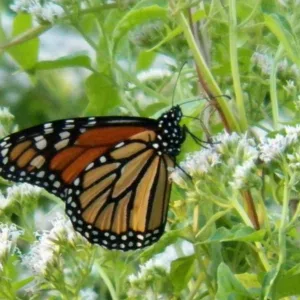
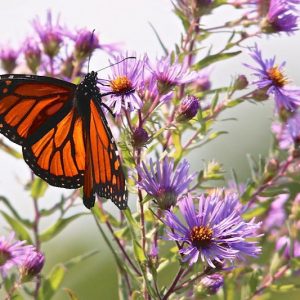
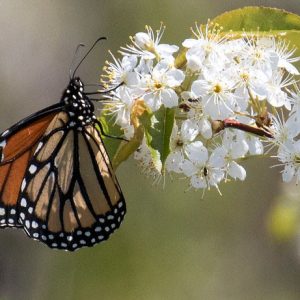
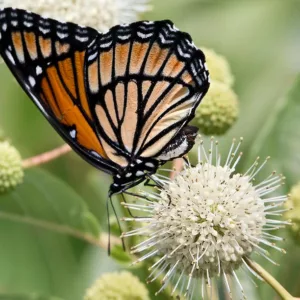
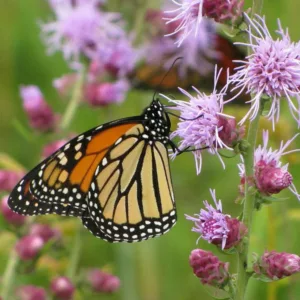
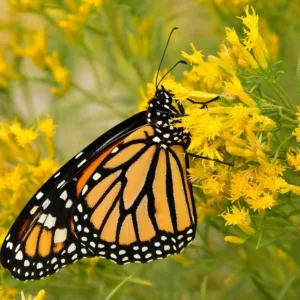
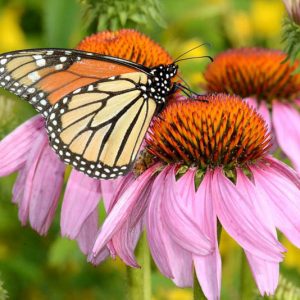
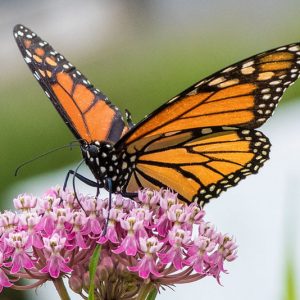
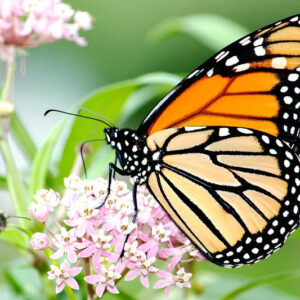
Asclepias incarnata, commonly known as Swamp Milkweed, is a beautiful North American native perennial prized for its fragrant pink flowers, elegant upright habit, and exceptional wildlife value. Most importantly, its foliage serves as a larval host plant for both Monarch and Queen butterflies, whose caterpillars feed on milkweed leaves.
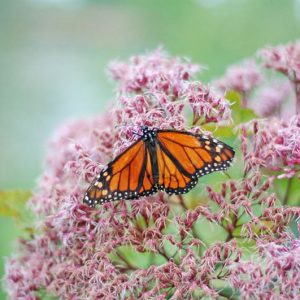
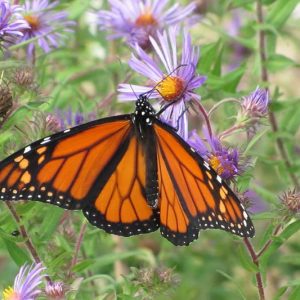
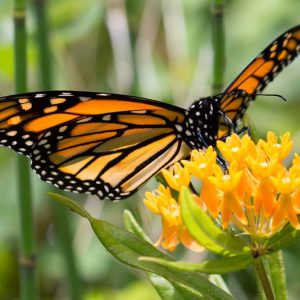
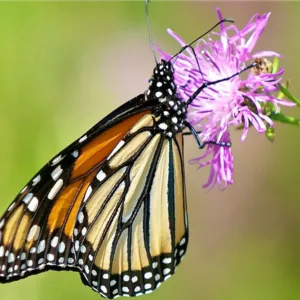
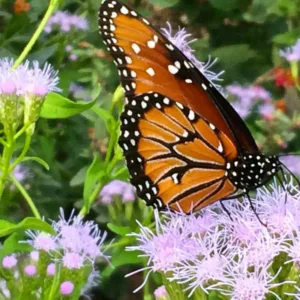
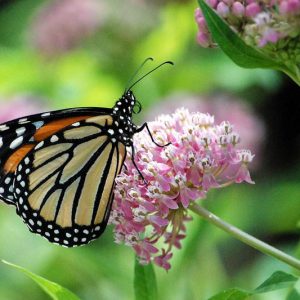
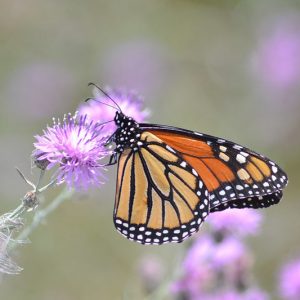
Swamp Milkweed also produces nectar-rich flowers that attract adult butterflies, native bees, and other pollinators. Naturally adapted to wetlands, damp meadows, streambanks, and marshy ground, it is an outstanding choice for rain gardens, pond margins, pollinator gardens, and other sites with consistently moist soil.
Milkweed plants belong to the Apocynaceae family, which also includes oleander, hoya, plumeria, and the desert rose.
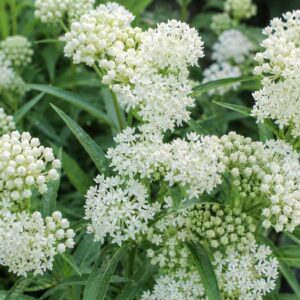
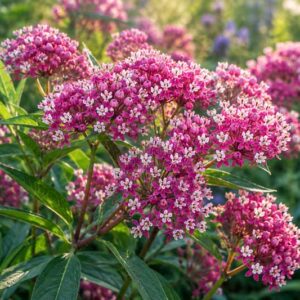
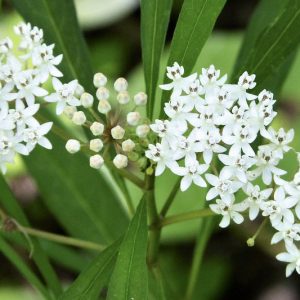
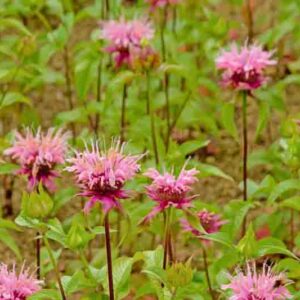
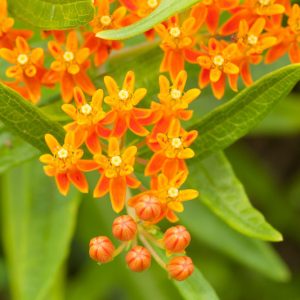
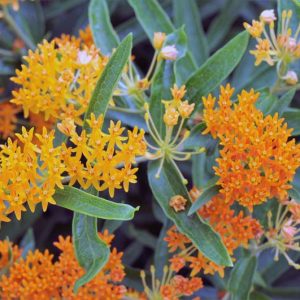
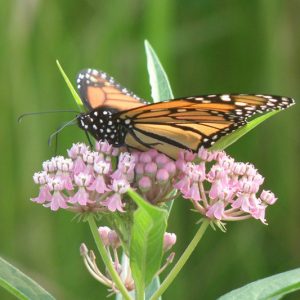
Swamp Milkweed is an erect, clump-forming perennial with tall branching stems and narrow, lance-shaped green leaves. From midsummer into early fall, rounded clusters of small, star-shaped flowers appear at the stem tips in shades of pink, rose, mauve, and occasionally white.
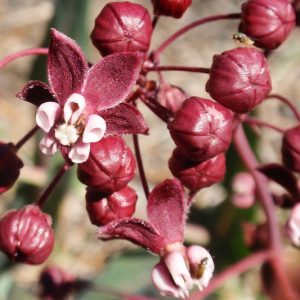
The fragrant flowers are rich in nectar and often have a light vanilla-like scent, drawing butterflies and other pollinators throughout the flowering season. After bloom, elongated seed pods develop and eventually split open, releasing numerous silky-haired seeds that are carried away by the wind.
Unlike Asclepias syriaca (Common Milkweed), Swamp Milkweed is generally more restrained in the garden and does not typically form the large spreading colonies associated with Common Milkweed. This makes it particularly useful in perennial borders and designed pollinator gardens where a more controlled habit is desirable.
Swamp Milkweed is native across a broad area of North America, occurring from parts of Canada south through the eastern and central United States. In the wild, it grows in marshes, wet meadows, floodplains, streambanks, pond margins, swales, and other moist or seasonally wet habitats.
Its natural tolerance of moisture makes it especially useful for rain gardens, wetland restoration, low areas that collect water, and landscapes where many conventional perennials struggle with damp soil.
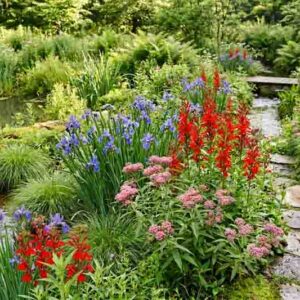
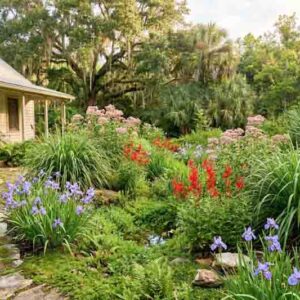
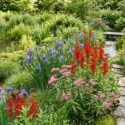
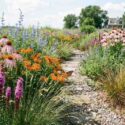
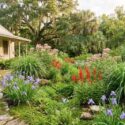
Its tall but relatively narrow habit makes Swamp Milkweed easy to incorporate into the middle or back of perennial borders, native plant gardens, rain gardens, and naturalistic meadow plantings.
The flower clusters are rich in nectar and visited by butterflies, bees, and other pollinating insects. Later in the season, elongated pods develop and split open when mature, releasing silky-haired seeds that are dispersed by wind.
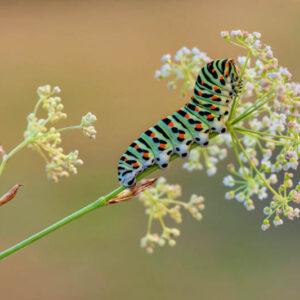
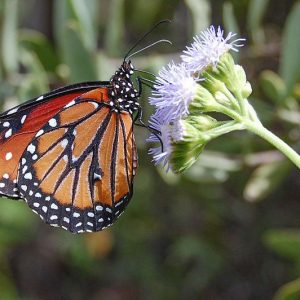
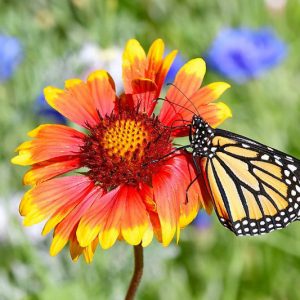
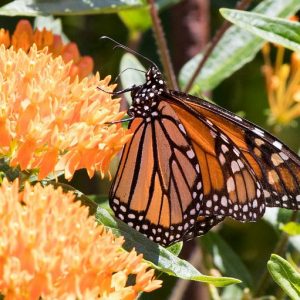
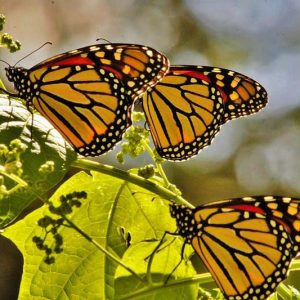
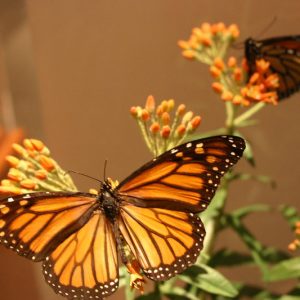
The foliage is one of the most ecologically important features of Swamp Milkweed. It serves as a larval host plant for Monarch (Danaus plexippus) and Queen (Danaus gilippus) butterfly caterpillars.
Adult females lay their eggs on suitable milkweed plants, and the caterpillars that hatch feed on the foliage. For Monarchs, milkweeds are the essential larval food plants. Swamp Milkweed is also a documented Queen host, particularly within the warmer portions of the Queen’s range.
This means chewed leaves should not automatically be viewed as damage. In a butterfly garden, missing foliage may be a sign that the plant is successfully performing its role as a caterpillar nursery.
Swamp Milkweed thrives in USDA hardiness zones 3-9, making it useful across a remarkably broad range of climates. It is cold-hardy in northern gardens yet also performs well farther south when adequate soil moisture is available.
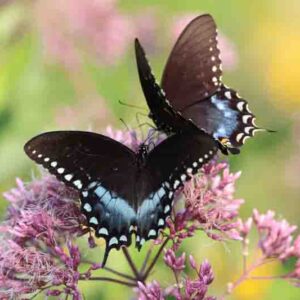
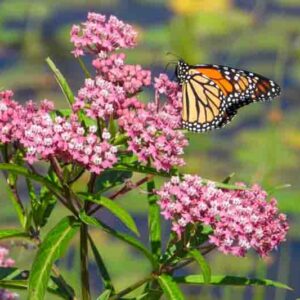
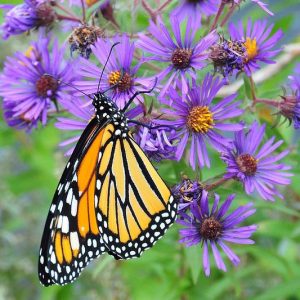
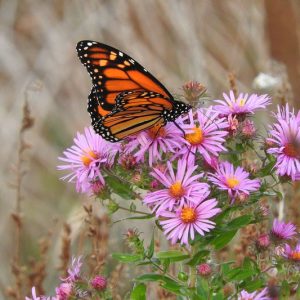
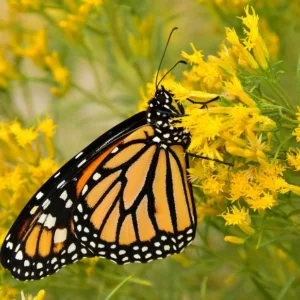
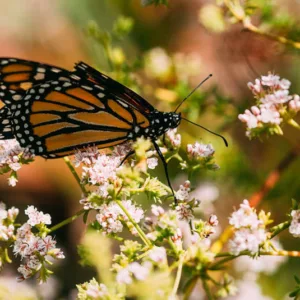
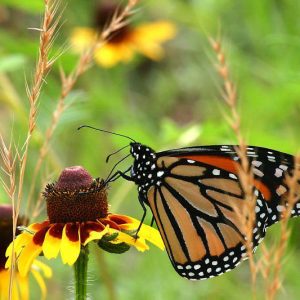
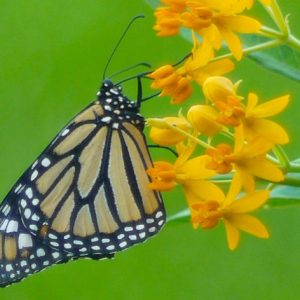
Swamp Milkweed supports wildlife at several levels. Its leaves provide essential caterpillar food for Monarch butterflies and also serve as a host for Queen butterflies. Its nectar-rich flowers attract adult butterflies, including Monarchs and Queens, along with many other butterfly species.
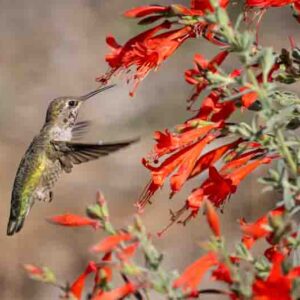
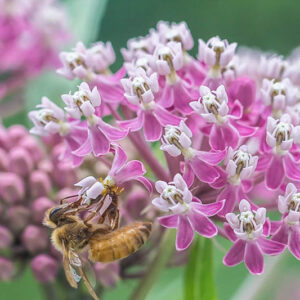
Native bees also visit the flowers for nectar, and the blooms may occasionally attract hummingbirds. The plant also supports numerous smaller insects that form part of a healthy garden food web.
Its value is therefore twofold: the flowers feed adult pollinators, while the foliage feeds butterfly caterpillars. That combination makes Swamp Milkweed particularly valuable in gardens designed to support the entire butterfly life cycle rather than simply attract visiting adults.
Swamp Milkweed contains cardiac glycosides and other compounds that can cause gastrointestinal and neurological symptoms if substantial quantities are eaten. Its milky sap may also irritate skin and eyes. The plant should not be consumed and should be kept away from pets and livestock that may browse it.
These same defensive compounds play an important ecological role. Monarch caterpillars sequester cardiac glycosides from milkweed, and Queen caterpillars can also acquire defensive compounds from suitable milkweed hosts. The resulting chemical defense can make the insects less palatable to some predators.
Swamp Milkweed is generally avoided by deer and rabbits because of its bitter, milky sap and defensive plant compounds. Browsing can still occur, particularly when other food is scarce.
Swamp Milkweed is a native North American species and is not considered invasive. It may self-seed where conditions are favorable, but it is generally much easier to manage in garden settings than Common Milkweed.
Few perennials combine ornamental beauty and wildlife value as effectively as Swamp Milkweed. Its fragrant pink flowers brighten the summer garden, while its preference for moist soil makes it useful in sites where many conventional perennials struggle.
Its greatest value, however, is ecological. Swamp Milkweed is both a nectar plant and a caterpillar host. Adult Monarchs, Queens, and other butterflies can feed at its flowers, while its foliage provides larval food for Monarch and Queen butterflies.
For gardeners with moist soil, rain gardens, pond edges, wet meadows, or damp perennial borders, it is one of the most useful native milkweeds for supporting butterflies through more than one stage of their life cycle.
Milkweed: Is it Right for Your Garden? Pros and Cons Explained
Swamp Milkweed is most commonly propagated from seed, although stem cuttings can also be used.
From Seeds
Cold Stratification: Seeds generally germinate more reliably after a period of cool, moist stratification. Place them in a moist medium and refrigerate them for several weeks before sowing.
Sowing: Sow stratified seeds shallowly in a moist, well-drained seed-starting mix. Keep the medium consistently moist while the seedlings establish.
From Cuttings
Selecting Cuttings: Take healthy, non-flowering stem cuttings during active summer growth.
Preparation: Remove the lower leaves and, if desired, use rooting hormone to encourage root formation.
Planting: Insert cuttings into a moist, well-drained propagation medium and maintain steady moisture and humidity.
Root Development: Once a healthy root system develops, gradually acclimate young plants before moving them to their permanent position.
By Division
Established clumps may sometimes be divided, but Swamp Milkweed generally performs best when its established root system is disturbed as little as possible. Seed or cuttings are usually preferable when additional plants are needed.
Swamp Milkweed is generally trouble-free, but aphids, milkweed bugs, and other insects may occasionally appear. Caterpillar feeding should not be confused with pest damage when the plant is being grown specifically for Monarchs or Queens.
If butterfly habitat is the goal, avoid broad-spectrum insecticides on or around milkweed. These products can kill the very caterpillars and beneficial insects the plant is intended to support.
Yes. Swamp Milkweed (Asclepias incarnata) is a larval host plant for Monarch butterflies. Female Monarchs can lay eggs on its foliage, and the caterpillars feed on the leaves as they develop.
Yes. Swamp Milkweed is also a documented larval host for the Queen butterfly (Danaus gilippus). Queen caterpillars use several milkweeds and related plants across their range, and Asclepias incarnata is among the documented hosts.
Both Swamp Milkweed (Asclepias incarnata) and Common Milkweed (Asclepias syriaca) can serve as Monarch host plants. Rather than choosing solely on presumed butterfly preference, select the milkweed that best matches your garden conditions. Swamp Milkweed is particularly well suited to moist soils, while Common Milkweed performs well in more typical upland conditions.
Swamp Milkweed grows best in full sun to partial shade and moist soil. It is especially well suited to rain gardens, wet meadows, pond margins, stream edges, swales, and other damp areas where soil remains consistently moist.
Swamp Milkweed typically grows 3-5 feet (0.9-1.5 m) tall, with size varying according to moisture, soil fertility, sunlight, and local growing conditions.
| Hardiness |
3 - 9 |
|---|---|
| Plant Type | Perennials |
| Plant Family | Apocynaceae |
| Genus | Asclepias |
| Common names | Milkweed, Swamp Milkweed |
| Exposure | Full Sun |
| Season of Interest | Summer (Mid, Late), Fall |
| Height | 3' - 5' (90cm - 150cm) |
| Spread | 2' - 3' (60cm - 90cm) |
| Spacing | 36" (90cm) |
| Maintenance | Low |
| Water Needs | Average, High |
| Soil Type | Clay, Loam, Sand |
| Soil pH | Acid, Alkaline, Neutral |
| Soil Drainage | Moist but Well-Drained, Moisture Retentive, Poorly Drained |
| Characteristics | Fragrant, Showy |
| Native Plants | Alabama, Arizona, Arkansas, Colorado, Connecticut, Delaware, Florida, Georgia, Idaho, Illinois, Indiana, Iowa, Kansas, Kentucky, Louisiana, Maine, Maryland, Massachusetts, Michigan, Midwest, Minnesota, Missouri, Montana, Nebraska, Nevada, New Hampshire, New Jersey, New Mexico, New York, North Carolina, North Dakota, Northeast, Ohio, Oklahoma, Pacific Northwest, Pennsylvania, Rhode Island, Rocky Mountains, South Carolina, South Dakota, Southeast, Southwest, Tennessee, Texas, United States, Utah, Vermont, Virginia, West Virginia, Wisconsin, Wyoming |
| Tolerances | Deer, Rabbit, Clay Soil, Wet Soil, Fire, Erosion |
| Attracts | Bees, Butterflies, Hummingbirds |
| Garden Uses | Beds And Borders, Bog Gardens, Ponds And Streams, Rain Gardens |
| Garden Styles | Butterfly Garden, Informal and Cottage, Pollinator Garden, Prairie and Meadow |
| Toxic to Humans | Low severity |
| Toxic to Cats | Toxic |
| Toxic to Dogs | Toxic |
| Toxic to Horses | Toxic |


| Hardiness |
3 - 9 |
|---|---|
| Plant Type | Perennials |
| Plant Family | Apocynaceae |
| Genus | Asclepias |
| Common names | Milkweed, Swamp Milkweed |
| Exposure | Full Sun |
| Season of Interest | Summer (Mid, Late), Fall |
| Height | 3' - 5' (90cm - 150cm) |
| Spread | 2' - 3' (60cm - 90cm) |
| Spacing | 36" (90cm) |
| Maintenance | Low |
| Water Needs | Average, High |
| Soil Type | Clay, Loam, Sand |
| Soil pH | Acid, Alkaline, Neutral |
| Soil Drainage | Moist but Well-Drained, Moisture Retentive, Poorly Drained |
| Characteristics | Fragrant, Showy |
| Native Plants | Alabama, Arizona, Arkansas, Colorado, Connecticut, Delaware, Florida, Georgia, Idaho, Illinois, Indiana, Iowa, Kansas, Kentucky, Louisiana, Maine, Maryland, Massachusetts, Michigan, Midwest, Minnesota, Missouri, Montana, Nebraska, Nevada, New Hampshire, New Jersey, New Mexico, New York, North Carolina, North Dakota, Northeast, Ohio, Oklahoma, Pacific Northwest, Pennsylvania, Rhode Island, Rocky Mountains, South Carolina, South Dakota, Southeast, Southwest, Tennessee, Texas, United States, Utah, Vermont, Virginia, West Virginia, Wisconsin, Wyoming |
| Tolerances | Deer, Rabbit, Clay Soil, Wet Soil, Fire, Erosion |
| Attracts | Bees, Butterflies, Hummingbirds |
| Garden Uses | Beds And Borders, Bog Gardens, Ponds And Streams, Rain Gardens |
| Garden Styles | Butterfly Garden, Informal and Cottage, Pollinator Garden, Prairie and Meadow |
| Toxic to Humans | Low severity |
| Toxic to Cats | Toxic |
| Toxic to Dogs | Toxic |
| Toxic to Horses | Toxic |
How many Asclepias incarnata (Swamp Milkweed) do I need for my garden?
| Plant | Quantity | |
|---|---|---|
| Asclepias incarnata (Swamp Milkweed) | N/A | Buy Plants |
Create a membership account to save your garden designs and to view them on any device.
Becoming a contributing member of Gardenia is easy and can be done in just a few minutes. If you provide us with your name, email address and the payment of a modest $25 annual membership fee, you will become a full member, enabling you to design and save up to 25 of your garden design ideas.
Join now and start creating your dream garden!