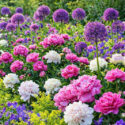
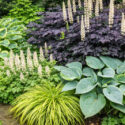
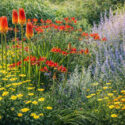
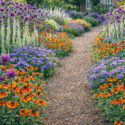
Clay soil does not have to limit your garden. With the right plants, soggy borders and slow-draining low spots can become lush, colorful, wildlife-friendly spaces. Discover the best trees, shrubs, perennials, grasses, and groundcovers for heavy clay soil - plus smart design tips that make wet gardens thrive.
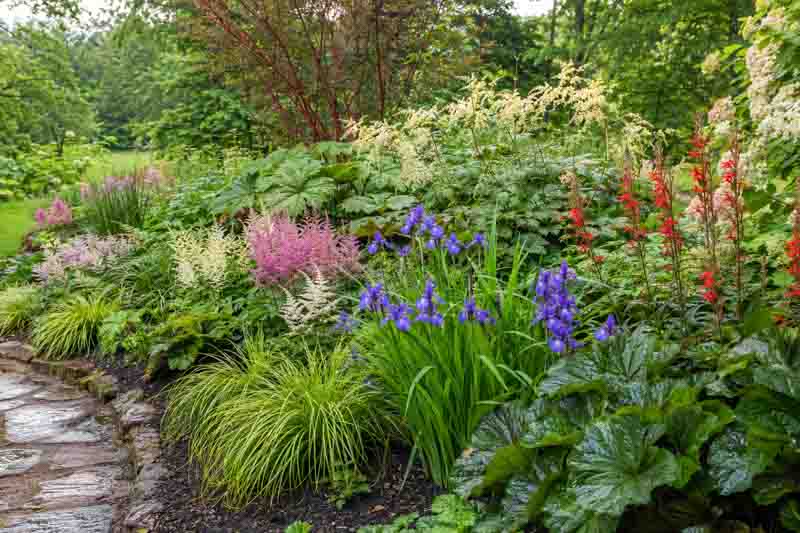


Gardening in clay soil can feel like a battle against nature. In winter, the ground is sticky, cold, and slow to drain. In summer, it may bake into hard plates that crack around the edges. After heavy rain, puddles linger. After drought, a trowel can bounce off the surface. Yet clay soil is not a gardening disaster. In fact, once you understand how it behaves, clay can support some of the most lush, resilient, wildlife-rich plantings in the garden.
The key is choosing plants that are naturally comfortable with heavy soil, periodic wetness, and slower drainage. Many gardeners make clay harder than it needs to be by forcing dryland plants into soggy borders, digging holes that act like water-holding bowls, or adding quick fixes that do little to change the soil structure. A better approach is to work with clay, improve it gradually, and plant species that can cope with its rhythm.
Quick answer
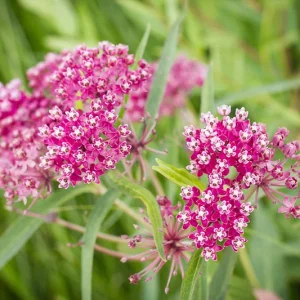
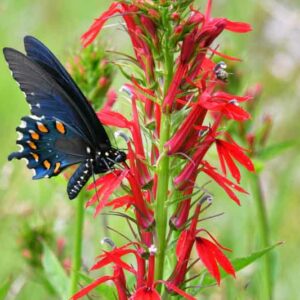
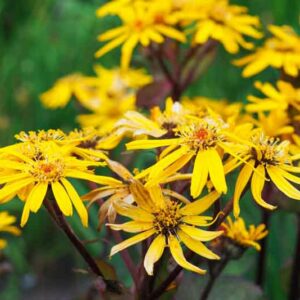
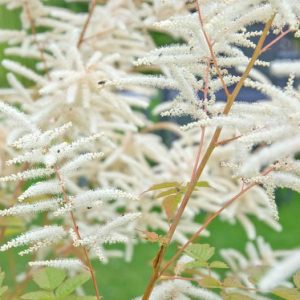
The best plants for clay soil and poor drainage include moisture-tolerant trees such as river birch, bald cypress, sweetbay magnolia, black gum, and willow; shrubs such as buttonbush, red twig dogwood, winterberry, summersweet, ninebark, and viburnum; perennials such as swamp milkweed, Joe-Pye weed, ligularia, astilbe, iris, daylily, bee balm, and cardinal flower; and grasses or sedges such as switchgrass, soft rush, and many Carex species.
This guide is designed as a true pillar resource for gardeners dealing with heavy clay soil, wet soil, soggy borders, rain garden areas, compacted yards, low spots, and poorly drained planting beds. You will learn why clay behaves the way it does, how to tell whether your site is moist or truly waterlogged, which plants perform best, which plants to avoid, and how to design a garden that looks intentional rather than problem-driven.
To refine your choices by hardiness, light, soil moisture, size, bloom color, and garden use, explore the Gardenia Plant Finder. Once you have a shortlist, use the Gardenia Design Tool to arrange trees, shrubs, perennials, grasses, and groundcovers into a layered plan that suits your exact site.
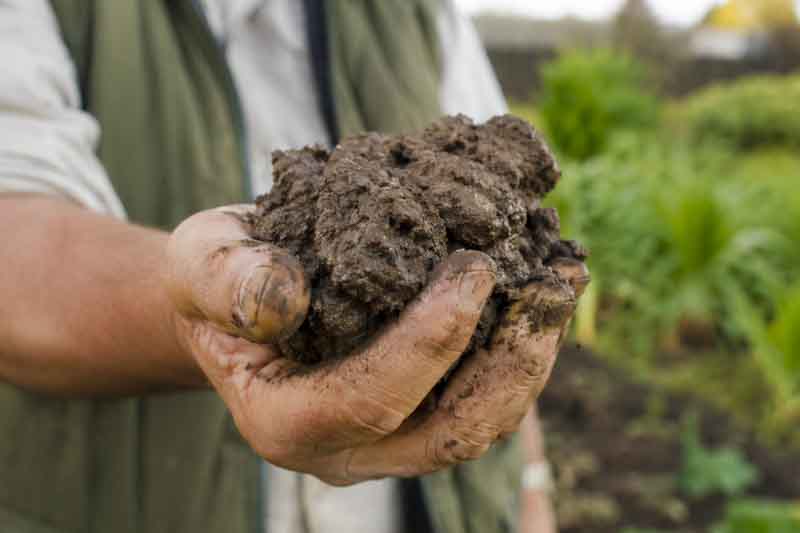
Clay soil is made of very fine mineral particles packed closely together. That fine texture gives clay several major advantages: it often holds nutrients well, stays moist longer than sandy soil, and can support vigorous growth when managed correctly. The challenge is that water and air move through clay slowly. Roots need oxygen as much as they need moisture, so a heavy, compacted, waterlogged soil can suffocate plants that require fast drainage.
Poor drainage can happen for several reasons. Sometimes the soil itself is dense and compacted. Sometimes the garden sits at the bottom of a slope where runoff collects. Sometimes the water table is naturally high. Sometimes construction, foot traffic, or machinery has compressed the soil and removed the pore spaces that allow water to move downward. Before buying plants, it helps to understand which problem you have.
Important clay-soil truth
Moist clay is not the same as waterlogged clay. Many plants love rich, moisture-retentive soil. Far fewer plants survive long periods with roots sitting in stagnant water. The best plant choices depend on how wet the soil stays and how long water remains after rain.
Clay soil often swings between extremes. In wet seasons, it can become saturated and sticky. In dry seasons, it may shrink, crack, and become difficult to rewet. This wet-dry cycle is one reason deep-rooted plants, fibrous-rooted perennials, and adaptable shrubs often perform better than shallow-rooted plants that resent either extreme.
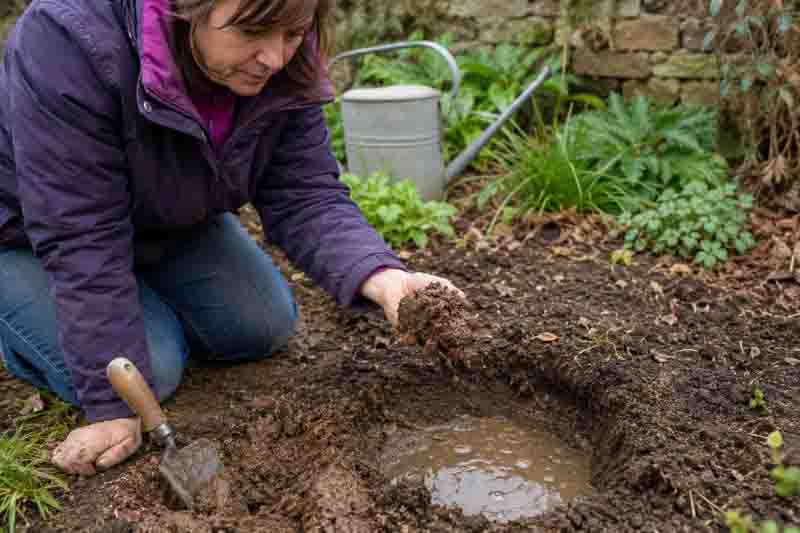
Before you plant, run a simple drainage test. Dig a hole about 12 inches wide and 12 inches deep in the area you want to plant. Fill it with water and let it drain. Then fill it again and time how long the second filling takes to disappear. If the water drains within a few hours, your soil may be clay but not necessarily poorly drained. If water remains after 24 hours, choose plants for wet soil. If water remains for several days, you may need a rain garden strategy, raised planting, grading work, or professional drainage advice.
Also watch the site through the seasons. A spring-soggy area that dries by summer can support many tough perennials, shrubs, and trees. A site that stays wet all year needs true wet-soil plants. A place that floods deeply and often needs plants adapted to periodic inundation, not just moist soil.
Clay-tolerant does not always mean waterlogged-tolerant
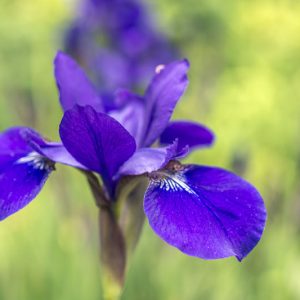
Some plants grow well in heavy clay because they tolerate dense, moisture-retentive soil. That does not mean they can sit in standing water. For areas where puddles remain for more than a day, choose true wet-soil or rain garden plants such as buttonbush, winterberry, swamp milkweed, blue flag iris, soft rush, tussock sedge, or sallow sedge.
| Soil Condition | What It Means | Best Planting Strategy |
|---|---|---|
| Heavy but workable clay | Soil holds moisture but does not stay saturated for long periods. | Choose clay-tolerant trees, shrubs, perennials, grasses, and groundcovers. Improve soil with organic matter over time. |
| Seasonally wet clay | Wet in winter or spring, drier in summer. | Use adaptable plants that tolerate both wet spells and summer dryness. |
| Persistently wet soil | Soil remains moist or saturated for much of the year. | Use wet-soil plants, bog garden plants, rain garden plants, and moisture-loving natives. |
| Standing water or flooding | Water sits on the surface after rain or floods periodically. | Use true flood-tolerant plants, create a rain garden, raise planting areas, or correct drainage where needed. |
Not all clay soil is equally wet. Some clay is simply heavy and moisture-retentive, while other areas stay soggy after rain or collect standing water. Use this quick guide to match plants to the real drainage level of your garden.
| Drainage Level | Typical Conditions | Best Plant Choices |
|---|---|---|
| Heavy clay that drains slowly | Soil feels dense and sticky after rain but does not hold standing water for long. | Ninebark, viburnum, daylily, bee balm, switchgrass, black-eyed Susan, and many clay-tolerant shrubs and perennials. |
| Seasonally wet clay | Wet in winter or spring, then drier in summer. | River birch, red twig dogwood, summersweet, swamp milkweed, Joe-Pye weed, blue flag iris, switchgrass, and sedges. |
| Rain garden soil | Temporarily fills with runoff after rain, then gradually drains. | Buttonbush, winterberry, swamp milkweed, cardinal flower, blue flag iris, soft rush, tussock sedge, fringed sedge, and sallow sedge. |
| Standing water or pond edge | Soil may stay saturated or hold water for extended periods. | Bald cypress, black willow, buttonbush, soft rush, blue flag iris, cardinal flower, tussock sedge, and other true wetland plants. |
| Damp shade in clay | Moist, heavy soil under trees, along fences, or near shaded foundations. | Summersweet, astilbe, ligularia, ferns, foamflower, wild ginger, and moisture-tolerant sedges. |
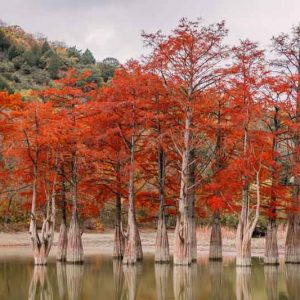
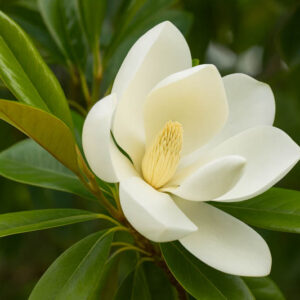
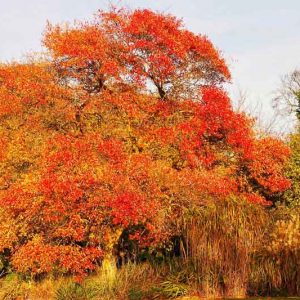
Trees are the backbone of a wet clay garden. They add height, shade, privacy, wildlife value, and seasonal drama. The best trees for clay soil have root systems that tolerate reduced oxygen, periodic saturation, and heavy ground. Avoid planting trees too deeply in clay. Set the root flare at or slightly above the surrounding soil level, and avoid creating a smooth-sided planting hole that traps water around the roots.

Willows (Salix species) are famous for coping with wet soil, but they need careful placement. Many grow fast, develop extensive root systems, and should not be planted near drains, foundations, septic systems, or small urban spaces. For wet clay, pond edges, rain gardens, and low areas, better choices include pussy willow (Salix discolor), black willow (Salix nigra), and Arroyo willow (Salix lasiolepis) where space allows.
Tree planting tip
In heavy clay, plant slightly high rather than too deep. Keep the root flare visible, mulch broadly, and water deeply during establishment. A tree that tolerates wet soil still needs oxygen around its young roots.
🔎 Find more with our Plant Finder
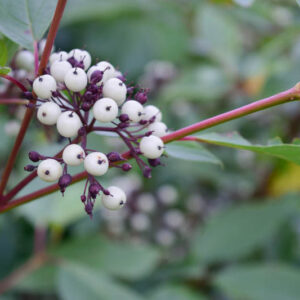
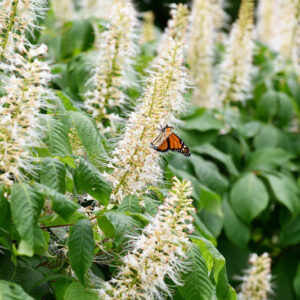
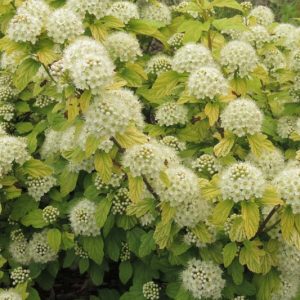
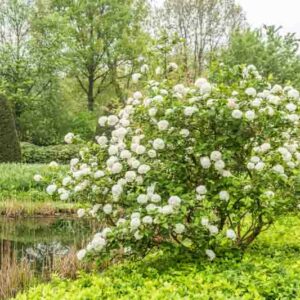
Shrubs are especially useful in clay gardens because they create structure, screen problem areas, stabilize soil, and provide flowers, berries, stems, or fragrance. In wet clay, choose shrubs that are comfortable with moisture rather than shrubs that merely tolerate clay when drainage is good.
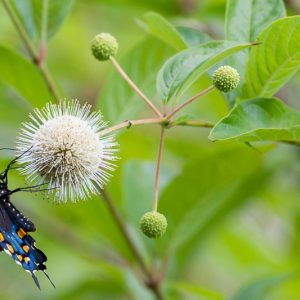

Perennials bring color, texture, pollinators, and seasonal movement to heavy soil. The best perennials for clay soil are not fragile. They have strong crowns, deep or fibrous roots, and the ability to tolerate spring wetness or summer density. For poor drainage, focus on plants that naturally grow in meadows, stream edges, wet prairies, woodland margins, marshy ground, or rain garden zones.
Joe-Pye weed (Eutrochium species) brings height, soft mauve flower clusters, and exceptional pollinator value. It thrives in moist soil and looks beautiful at the back of a border, in meadow-style planting, or beside ornamental grasses.
Excellent choices for moist clay, wet meadows, rain gardens, and damp borders include spotted Joe-Pye weed (Eutrochium maculatum), hollow Joe-Pye weed (Eutrochium fistulosum), and coastal plain Joe-Pye weed (Eutrochium dubium). These tall, nectar-rich perennials are superb for pollinators and look especially good with switchgrass, irises, swamp milkweed, and other wet-soil plants.
Plant choice warning
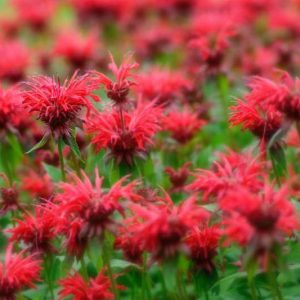
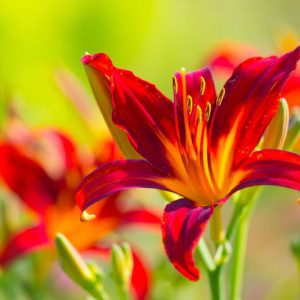
Do not confuse clay-tolerant with flood-tolerant. Daylilies, bee balm, coneflowers, and many ornamental perennials may handle heavy clay, but they can rot if their crowns sit in water for long periods.
🔎 Find more with our Plant Finder
Ornamental grasses, rushes, and sedges are extremely useful in clay soil because their roots help stabilize the ground, reduce erosion, and add movement. Many also tolerate fluctuating moisture better than traditional border perennials.
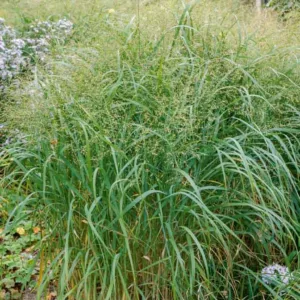
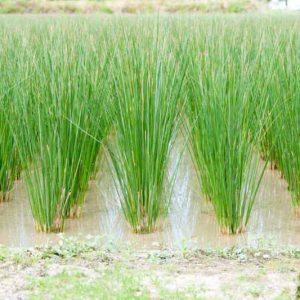
Sedges are incredibly useful in wet clay, but it is better to choose species known for damp or wet conditions. Strong options include tussock sedge (Carex stricta) for wet meadows and rain gardens, fringed sedge (Carex crinita) for moist to wet soils, and Pennsylvania sedge (Carex pensylvanica) for drier shade or clay that is heavy but not waterlogged. Because Carex is a large and varied genus, match the species to your site’s moisture level, light, and region.
🔎 Find more with our Plant Finder
Groundcovers are valuable in clay gardens because bare clay compacts, crusts, cracks, and sheds water. A living carpet softens rainfall impact, cools the soil, suppresses weeds, and creates a finished look. The trick is to match the groundcover to both moisture and drainage. Some groundcovers tolerate heavy clay, but that does not mean they will thrive in standing water or persistently waterlogged soil.
For damp shade in clay that is moisture-retentive but not waterlogged, consider sweet woodruff, foamflower, native violets, wild ginger, and suitable sedge species. These are better choices for rich, cool, evenly moist soil than for sites that hold standing water after rain.
For wetter clay, rain garden edges, pond margins, and low spots, use true moisture-loving groundcovers and low plants such as creeping Jenny where it is not invasive, tussock sedge (Carex stricta), fringed sedge (Carex crinita), sallow sedge (Carex lurida), and soft rush (Juncus effusus). These are not always traditional flat groundcovers, but they knit wet clay together, cover soil, and handle moisture better than many mat-forming perennials.
For moist sun or part sun in clay that drains after rain, consider selfheal, bugleweed where appropriate, and low moisture-tolerant perennials that knit together over time. Avoid planting bugleweed in persistently wet, heavy soil, especially in humid climates, where crown rot and poor air circulation can become problems.
Use vigorous groundcovers carefully. In wet clay, strong spreaders can be helpful, but some may escape, overwhelm smaller plants, or become invasive. Always check regional invasive-plant guidance before planting aggressive groundcovers such as creeping Jenny, bugleweed, or other fast-spreading species near natural areas.
🔎 Find more with our Plant Finder
Not every clay garden has the same problem. A sunny low spot needs different plants from a compacted shady border beside a fence. Use the table below as a practical starting point, then refine your choices with the Gardenia Plant Finder.
| Garden Situation | Best Plant Types | Good Examples |
|---|---|---|
| Sunny wet clay | Wet meadow perennials, rain garden plants, grasses, moisture-loving shrubs | Swamp milkweed, Joe-Pye weed, switchgrass, blue flag iris, buttonbush |
| Damp shade | Ferns, sedges, woodland perennials, shade shrubs | Astilbe, ligularia, carex, summersweet, ferns, foamflower |
| Seasonally wet border | Plants that tolerate wet spring soil and drier summer conditions | Ninebark, daylily, monarda, viburnum, black gum, switchgrass |
| Rain garden basin | Plants adapted to temporary inundation and drying cycles | Cardinal flower, swamp milkweed, soft rush, blue flag iris, winterberry |
| Compacted urban clay | Tough shrubs, deep-rooted perennials, soil-building grasses | Ninebark, red twig dogwood, switchgrass, daylily, sedges |
Improving clay soil is a long-term process, not a weekend fix. The safest and most effective approach is to add organic matter gradually. Compost, leaf mold, well-rotted bark, and shredded leaves help improve soil structure, encourage soil life, and create better pore spaces for air and water movement.
Avoid working clay soil when it is wet. Digging, tilling, or walking on wet clay squeezes out air pockets and makes compaction worse. Wait until the soil is moist but crumbly. If a handful smears like modeling clay, it is too wet to work. If it breaks apart into rough crumbs, it is ready.
Do not rely on gravel in the bottom of planting holes. In heavy clay, this can create a perched water zone and make drainage worse for roots. Instead, improve a wide planting area, plant slightly high, mulch well, and choose plants adapted to the soil you actually have.
Common mistake
Do not dig a deep hole in clay, fill it with rich compost, and drop in a plant that needs good drainage. The hole can behave like a bathtub, collecting water around the roots while the surrounding clay prevents escape.
Raised beds can be very helpful where clay soil stays too wet for herbs, vegetables, Mediterranean plants, alpines, lavender, rosemary, or other plants that need sharp drainage. Raising the root zone improves aeration and allows you to create a freer-draining soil mix above the native clay.
However, raised beds are not always necessary for ornamental plantings. If your goal is a lush rain garden, damp border, wildlife planting, or moisture-loving shrub border, it may be better to choose plants that enjoy the site. Use raised areas for plants that demand drainage, and use lower areas for plants that handle wet clay.
Some plants dislike heavy, wet soil no matter how carefully you plant them. Many silver-leaved Mediterranean plants, alpines, succulents, and drought-loving herbs need excellent drainage. Lavender, rosemary, santolina, rockrose, many salvias, agaves, and many rock garden plants may tolerate clay only if it is improved, raised, or sharply drained.
Also be careful with plants prone to crown rot. If a plant naturally grows in dry slopes, gravel, sand, scree, or lean Mediterranean conditions, it is usually a poor match for soggy clay. You can still grow some of these plants in raised beds, mounds, containers, or amended berms, but not in the lowest wettest part of the garden.
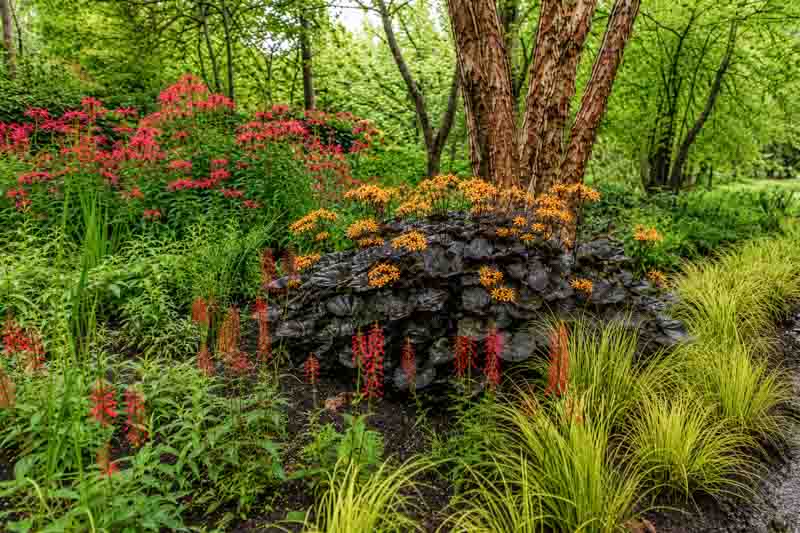
A clay garden should not look like a compromise. The best designs use clay-loving plants to create abundance: broad leaves, glowing flowers, layered shrubs, strong grasses, reflective water, and wildlife activity. Start with structure first. Place trees and shrubs where they frame views, screen boundaries, absorb excess moisture, and anchor the design. Then weave perennials and grasses through the open spaces.
Repeat plants generously. Clay gardens often look best when planted in drifts rather than isolated singles. A mass of switchgrass, a ribbon of sedges, a group of red twig dogwoods, or a sweep of swamp milkweed will look more intentional and perform better than one of everything.
Use paths, stepping stones, gravel strips, boardwalks, or mulched access routes to prevent compaction. Clay soil is easily damaged by repeated foot traffic, especially when wet. A beautiful path does more than improve access – it protects soil structure.
Design formula for wet clay
Use moisture-loving trees for height, shrubs for year-round structure, sedges and grasses for texture, and flowering perennials for seasonal color. Add mulch and paths to protect the soil, then repeat your best performers in generous groups.
Check regional suitability before planting
Clay soil and poor drainage occur in many climates, but plant suitability still depends on hardiness zone, summer heat, winter cold, rainfall, soil pH, native range, mature size, and local invasive-plant guidance. A plant that is excellent for wet clay in one region may be too aggressive, too tender, or ecologically inappropriate in another.
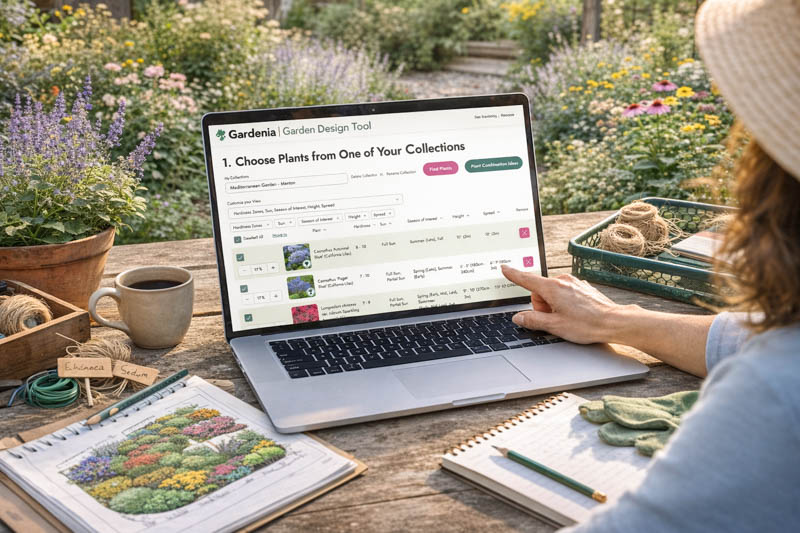
The easiest way to avoid expensive mistakes is to filter plants before you buy them. Start with the Gardenia Plant Finder and search for plants suited to your hardiness zone, light level, soil type, water needs, mature height, bloom season, and garden style. This is especially useful with clay soil because two plants may both be described as tough, yet one may need good drainage while the other thrives in moisture-retentive ground.
After building your shortlist, open the Gardenia Design Tool. Place trees and shrubs first, then add perennials, grasses, sedges, and groundcovers. This helps you see spacing, height, bloom sequence, and structure before planting. In clay gardens, planning is especially valuable because moving established plants later can be difficult and messy.
Clay soil asks for patience, but it rewards gardeners who listen. Instead of fighting every wet corner, choose plants that naturally thrive in moisture-retentive ground. Instead of forcing dryland plants into sticky soil, give them raised beds or containers. Instead of leaving clay bare, cover it with roots, mulch, and living groundcovers.
With the right plant palette, poor drainage can become an opportunity for a lush, resilient, pollinator-friendly garden. River birch, sweetbay magnolia, buttonbush, winterberry, swamp milkweed, blue flag iris, cardinal flower, switchgrass, sedges, and other clay-tolerant plants can turn a difficult site into one of the most beautiful parts of the landscape.
Use your soil as a guide, not an obstacle. Test your drainage, improve structure gradually, plant for the wettest reality of the site, and design in layers. A clay garden that fits its conditions will not just survive – it will settle in, fill out, and become more graceful with every season.
The best plants for clay soil and poor drainage include river birch, bald cypress, sweetbay magnolia, black gum, buttonbush, red twig dogwood, winterberry, summersweet, swamp milkweed, spotted Joe-Pye weed, hollow Joe-Pye weed, coastal plain Joe-Pye weed, cardinal flower, blue flag iris, switchgrass, soft rush, tussock sedge, fringed sedge, and sallow sedge. Choose plants based on whether your soil is moist, seasonally wet, or truly waterlogged.
Yes, many plants grow very well in clay soil. Clay holds nutrients and moisture, which can support strong growth when the soil is not severely compacted or waterlogged. The key is choosing clay-tolerant plants and improving soil structure with organic matter over time.
Clay soil is a fine-textured soil that holds water and nutrients. Waterlogged soil stays saturated long enough to reduce oxygen around plant roots. Many plants tolerate clay, but fewer plants tolerate long periods of standing water or saturated soil.
Good shrubs for wet clay soil include buttonbush, red twig dogwood, winterberry holly, summersweet, ninebark, arrowwood viburnum, nannyberry, and moisture-tolerant willows where space allows. Match the shrub to your light level, soil pH, hardiness zone, mature size, and how long the area stays wet after rain.
Perennials that often perform well in clay soil include swamp milkweed, spotted Joe-Pye weed, hollow Joe-Pye weed, coastal plain Joe-Pye weed, bee balm, daylily, blue flag iris, cardinal flower, ligularia, astilbe, black-eyed Susan, and many native meadow or rain garden plants. For very wet sites, choose species adapted to consistent moisture.
Improve clay soil by adding organic matter, mulching regularly, avoiding compaction, planting when soil is workable, and using raised beds or berms for plants that need better drainage. For severe drainage problems, grading, rain gardens, or professional drainage solutions may be needed.
Adding a small amount of sand to clay soil is usually not helpful and can make the texture worse. Organic matter such as compost, leaf mold, and well-rotted bark is a better long-term amendment for improving clay soil structure.
Lavender usually struggles in poorly drained clay because it needs sunny, open, free-draining soil. It may grow in clay if planted in a raised bed, mound, gravel garden, or container with excellent drainage, but it is not a good choice for soggy clay or standing water.
Trees that tolerate wet clay soil include river birch, bald cypress, sweetbay magnolia, black gum, red maple, swamp white oak, pussy willow, black willow, and arroyo willow. Choose trees carefully for mature size, root behavior, local climate, soil pH, and distance from buildings, drains, septic systems, and utilities.
A low spot that collects water is often a good place for a rain garden or wet-soil planting. Consider buttonbush, winterberry, red twig dogwood, swamp milkweed, blue flag iris, cardinal flower, soft rush, switchgrass, tussock sedge, fringed sedge, sallow sedge, and other plants adapted to temporary wet conditions.
Updated: May 2026 – Reviewed by Gardenia Editors
Create a membership account to save your garden designs and to view them on any device.
Becoming a contributing member of Gardenia is easy and can be done in just a few minutes. If you provide us with your name, email address and the payment of a modest $25 annual membership fee, you will become a full member, enabling you to design and save up to 25 of your garden design ideas.
Join now and start creating your dream garden!
Create a membership account to save your garden designs and to view them on any device.
Becoming a contributing member of Gardenia is easy and can be done in just a few minutes. If you provide us with your name, email address and the payment of a modest $25 annual membership fee, you will become a full member, enabling you to design and save up to 25 of your garden design ideas.
Join now and start creating your dream garden!