Pink Nebula Meadow Sage, Meadow Sage Pink Nebula, Sage Pink Nebula
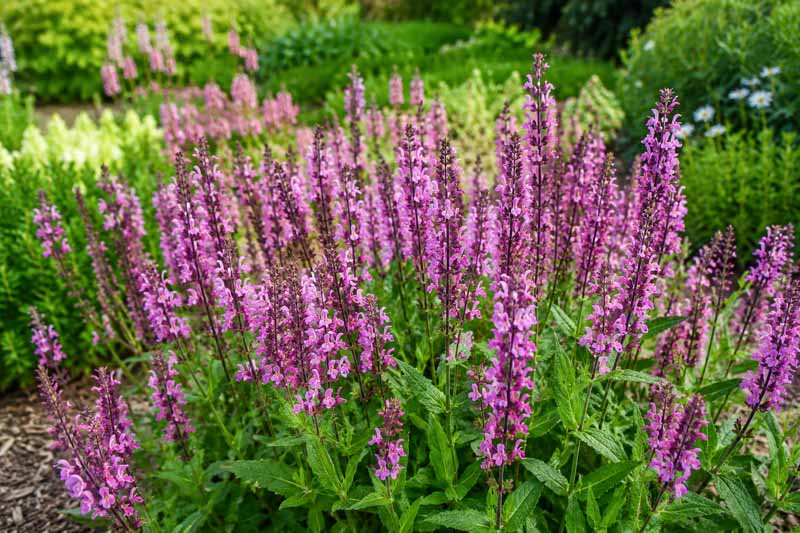
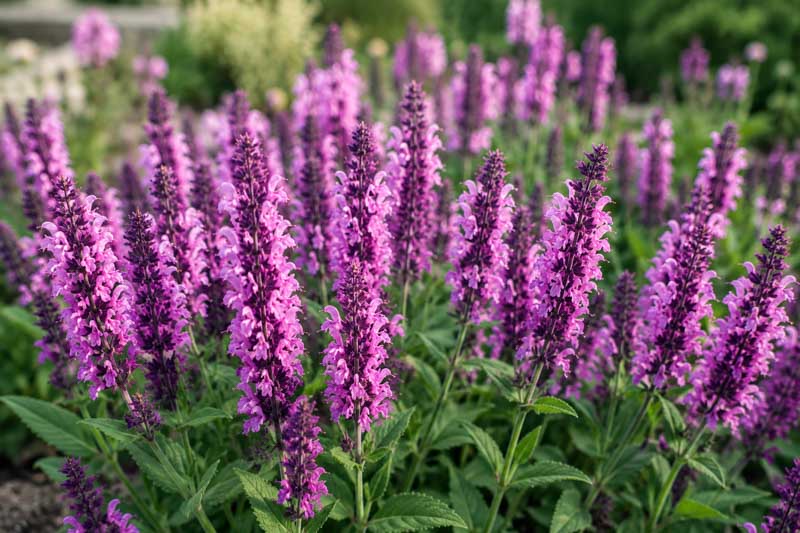
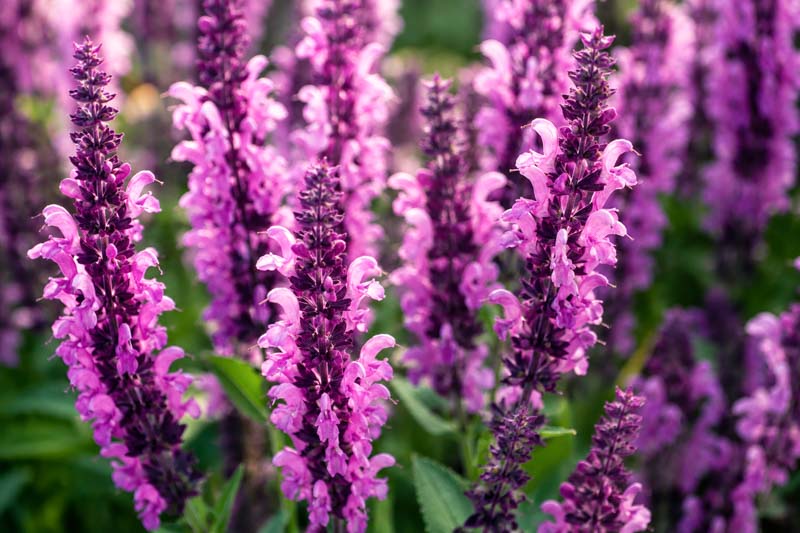


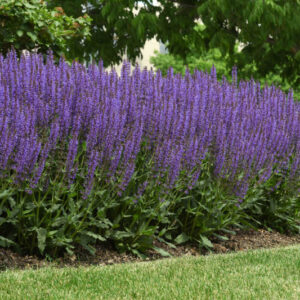
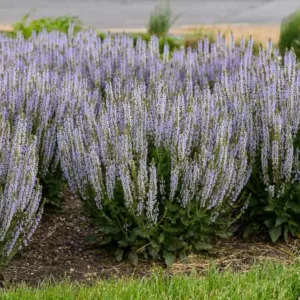
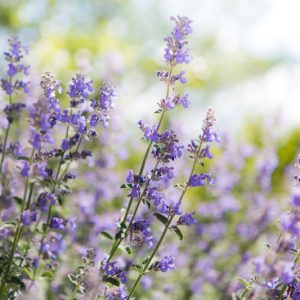
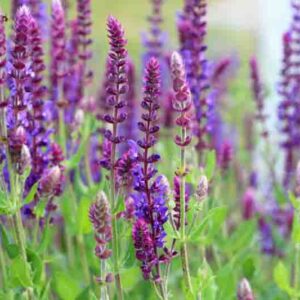
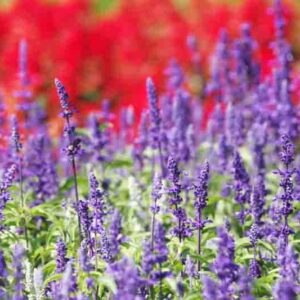
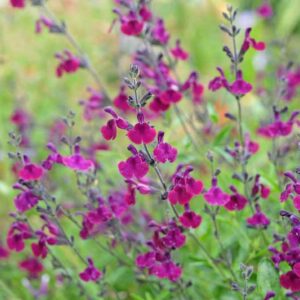
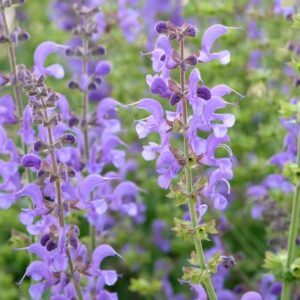
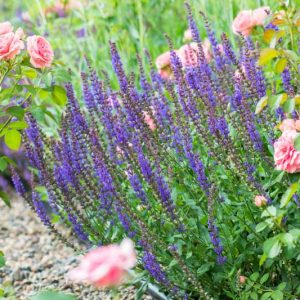
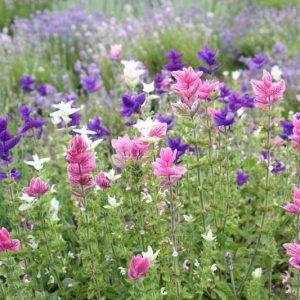
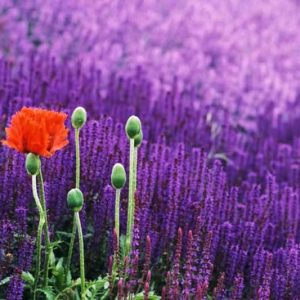
Salvia nemorosa Pink Nebula® is a polished, modern woodland sage with a romantic twist. Instead of the classic violet-blue salvia look, it sends up upright spikes of soft to bright pink flowers set against darker magenta-purple calyces and stems. The contrast gives every bloom spike extra depth, so the plant reads beautifully from a distance and still rewards a close look.
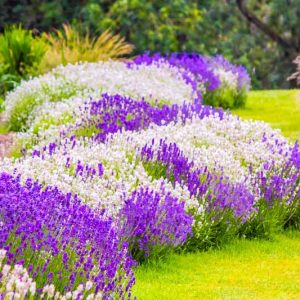
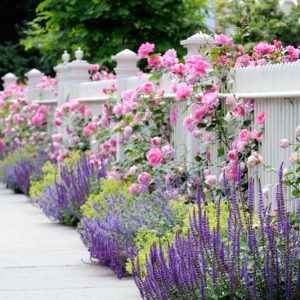
This compact, clump-forming perennial is made for gardeners who want full sun color, pollinator value, aromatic foliage, and low-maintenance performance in one tidy package. Pink Nebula® works in perennial borders, cottage gardens, gravel gardens, butterfly gardens, rose borders, and containers. Once established, it is typically drought-tolerant, and its fragrant foliage helps make it less attractive to deer and rabbits.
Summary – Compact, upright herbaceous perennial with aromatic green foliage, pink flower spikes, and darker magenta-purple calyces.
Use – Excellent for sunny borders, pollinator gardens, cottage gardens, dry gardens, containers, mass planting, edging, and rose companions.
Highlight – Long bloom from late spring or early summer through summer, often extending with deadheading.
Note – Best in full sun and dry to medium, well-drained soil. Drought-tolerant once established.
| Botanical Name | Salvia nemorosa Pink Nebula® |
|---|---|
| Family | Mint family (Lamiaceae) |
| Common Names | Woodland sage, meadow sage, ornamental sage |
| Native Range | The species Salvia nemorosa is native to parts of Europe and western Asia.
Note – Pink Nebula® is a cultivated selection and is not a wild native plant. |
| Plant Type and Habit | Compact, clump-forming herbaceous perennial with upright flower spikes |
| Hardiness (approx. USDA) | Commonly listed around USDA Zones 4-9, depending on source and winter drainage |
| Height | About 18-20 in. (45-50 cm), sometimes listed to 50-60 cm in favorable conditions |
| Spread | About 20-22 in. (50-55 cm) |
| Spacing | 18-24 in. (45-60 cm) |
| Sun and Exposure | Best in full sun; light shade tolerated |
| Soil | Average to moderately fertile, dry to medium, well-drained soil; sandy, rocky, loamy, or calcareous soils are suitable |
| Seasonal Interest | Late spring to summer; longer with deadheading |
| Flower Color | Soft to bright pink flowers with darker magenta-purple calyces |
| Foliage Color | Green to gray-green |
| Fragrance | Aromatic foliage |
| Drought Tolerant | Yes, once established |
| Nectar / Pollen | Yes |
| Attracts | Bees, butterflies, hummingbirds, and beneficial insects |
| Deer / Rabbit | Often considered deer and rabbit resistant |
| Toxicity | Generally treated as non-toxic, but grown as an ornamental |
| Invasive Status | Not considered invasive |
Pink Nebula® is a cultivated selection of Salvia nemorosa grown for its pink flowers, dark calyces, upright habit, and long garden display. The plant forms a tidy mound of aromatic foliage, then lifts vertical spikes above the leaves. Each spike carries pink flowers that glow against the darker buds and calyces, creating a layered, professional-looking effect.
The species Salvia nemorosa is native to parts of Europe and western Asia. Pink Nebula® is a garden cultivar, so it should not be described as a native wildflower. It is best understood as an ornamental meadow sage selected for predictable growth, flower color, and border performance.
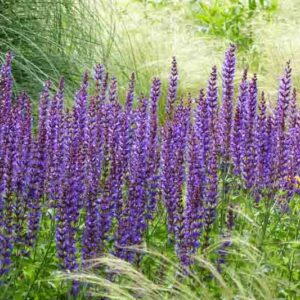
This woodland sage grows as an upright, bushy clump. It is vigorous enough to fill its space but not aggressive. In full sun and well-drained soil, the stems stay relatively firm, the plant remains compact, and the flowers rise cleanly above the foliage. It is a useful size for middle-border planting, repeated drifts, and large containers.
The main bloom usually begins in late spring or early summer and continues into summer. With deadheading, Pink Nebula® can produce additional flowering stems and extend the season. The best routine is simple: enjoy the first flush, remove faded spikes, water deeply during dry weather, and allow the plant to reset.
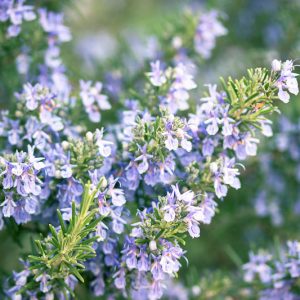
The foliage is green to gray-green, textured, and aromatic. When brushed or crushed, it releases a sage-like fragrance. The foliage mound keeps the plant useful even between flower waves, while the dried calyces can add subtle color after individual florets fade.
Pink Nebula® is generally treated as a hardy perennial in cold and temperate gardens, commonly around USDA Zones 4-9. Drainage is the key to overwintering. Cold is usually less of a problem than a wet crown sitting in heavy winter soil.
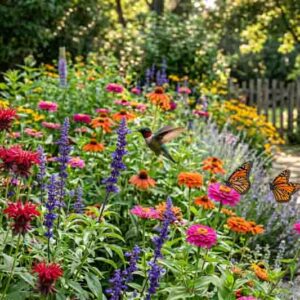
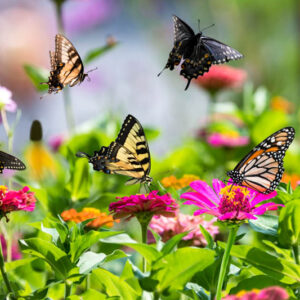
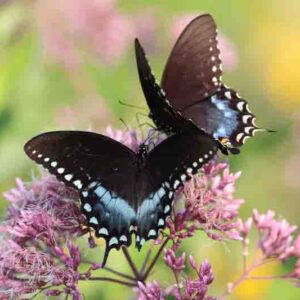
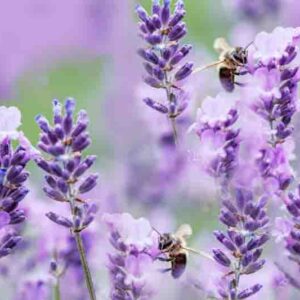
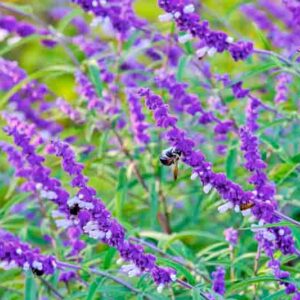
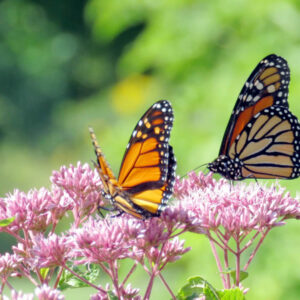
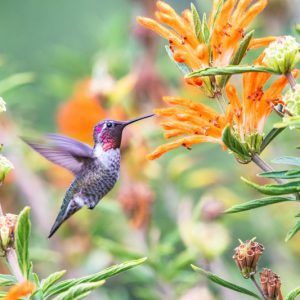
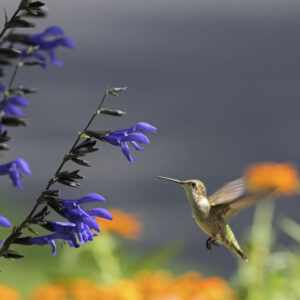
Pink Nebula® is a strong nectar plant for pollinator-friendly gardens. Bees visit the flower spikes readily, butterflies add movement during warm weather, and hummingbirds may investigate the tubular blooms. It is especially useful because it combines ornamental polish with real garden wildlife value.
Like many aromatic salvias, Pink Nebula® is often considered deer-resistant and rabbit-resistant. Resistant does not mean immune, especially under heavy browsing pressure, but the scented foliage is not usually a first choice.
Once established, Pink Nebula® is drought-tolerant and well-suited to dry to medium soils. For the best flower production, provide deep watering during prolonged heat or drought, especially in containers or sandy soil. Avoid frequent shallow watering, which encourages weak roots.
Salvia nemorosa Pink Nebula® is generally treated as a non-toxic ornamental. It is not grown as an edible sage. As with all ornamental plants, discourage pets and children from eating garden foliage.
Pink Nebula® is not considered invasive. It forms a manageable clump and slowly expands with age. If the plant becomes crowded after several seasons, divide it in spring or early fall to refresh vigor.
Pink Nebula® is not a heavy feeder. A light spring compost top-dressing or modest balanced fertilizer is enough. Too much nitrogen can create soft growth, fewer flowers, and weaker stems.
Pink Nebula® is generally trouble-free. Occasional pests may include aphids on tender new growth, plus slugs and snails in damp gardens.
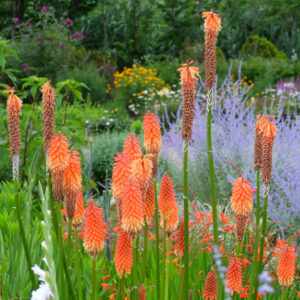
Choose companions that enjoy full sun, well-drained soil, and dry to medium moisture. These Gardenia plant pages match the same low-water, sunny-border style.
Yes. Salvia nemorosa Pink Nebula® is generally sold as a hardy perennial, commonly around USDA Zones 4-9. Winter survival is best in well-drained soil because wet crowns are more damaging than cold alone.
Pink Nebula® is typically listed around 18-20 inches tall and about 20-22 inches wide, with some sources describing plants up to 50-60 cm tall in favorable conditions.
Full sun is best for the most flowers, strongest stems, and most compact habit. Light shade is tolerated, especially in hot climates, but flowering may be lighter.
Yes, once established. Water regularly during the first growing season, then water deeply during prolonged heat or drought to support better flowering and rebloom.
Deadhead faded flower spikes promptly. After the first flush, lightly shear the plant, water deeply, and allow fresh flowering stems to develop.
It is often considered deer resistant because of its aromatic foliage, but no plant is completely deer proof. Browsing may still occur under high pressure.
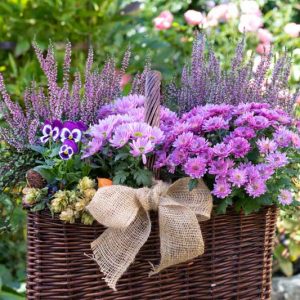
Yes. Its upright habit and moderate size make it suitable for patio containers. Use a free-draining potting mix, choose a pot with drainage holes, and water more often than in-ground plants.
RHS – Salvia nemorosa Pink Nebula plant profile.
Gardenia.net – Salvia, companion plant, pest, disease, deer resistant, rabbit resistant, and drought tolerant plant guides.
Updated: January 2026 – Reviewed by Gardenia Editors
| Hardiness |
4 - 9 |
|---|---|
| Heat Zones |
5 - 9 |
| Climate Zones | 2, 2A, 2B, 3, 3A, 3B, 4, 5, 6, 7, 8, 9, 10, 14, 15, 16, 17, 18, 19, 20, 21, 22, 23, 24 |
| Plant Type | Perennials |
| Plant Family | Lamiaceae |
| Genus | Salvia |
| Common names | Sage |
| Exposure | Full Sun |
| Season of Interest | Spring (Late), Summer (Early, Mid, Late) |
| Height | 1' - 2' (30cm - 60cm) |
| Spread | 1' - 2' (30cm - 60cm) |
| Spacing | 18" - 24" (50cm - 60cm) |
| Maintenance | Low |
| Water Needs | Average, Low |
| Soil Type | Chalk, Loam, Sand |
| Soil pH | Acid, Alkaline, Neutral |
| Soil Drainage | Moist but Well-Drained, Well-Drained |
| Characteristics | Cut Flowers, Fragrant, Showy |
| Tolerances | Drought, Deer, Rabbit, Dry Soil, Fire |
| Attracts | Bees, Butterflies, Hummingbirds, Birds |
| Garden Uses | Beds And Borders, Edging, Patio And Containers, Small Gardens |
| Garden Styles | Butterfly Garden, City and Courtyard, Informal and Cottage, Mediterranean Garden, Pollinator Garden |
| Toxic to Humans | No known toxicity |
| Toxic to Cats | No known toxicity |
| Toxic to Dogs | No known toxicity |
| Toxic to Horses | No known toxicity |


| Hardiness |
4 - 9 |
|---|---|
| Heat Zones |
5 - 9 |
| Climate Zones | 2, 2A, 2B, 3, 3A, 3B, 4, 5, 6, 7, 8, 9, 10, 14, 15, 16, 17, 18, 19, 20, 21, 22, 23, 24 |
| Plant Type | Perennials |
| Plant Family | Lamiaceae |
| Genus | Salvia |
| Common names | Sage |
| Exposure | Full Sun |
| Season of Interest | Spring (Late), Summer (Early, Mid, Late) |
| Height | 1' - 2' (30cm - 60cm) |
| Spread | 1' - 2' (30cm - 60cm) |
| Spacing | 18" - 24" (50cm - 60cm) |
| Maintenance | Low |
| Water Needs | Average, Low |
| Soil Type | Chalk, Loam, Sand |
| Soil pH | Acid, Alkaline, Neutral |
| Soil Drainage | Moist but Well-Drained, Well-Drained |
| Characteristics | Cut Flowers, Fragrant, Showy |
| Tolerances | Drought, Deer, Rabbit, Dry Soil, Fire |
| Attracts | Bees, Butterflies, Hummingbirds, Birds |
| Garden Uses | Beds And Borders, Edging, Patio And Containers, Small Gardens |
| Garden Styles | Butterfly Garden, City and Courtyard, Informal and Cottage, Mediterranean Garden, Pollinator Garden |
| Toxic to Humans | No known toxicity |
| Toxic to Cats | No known toxicity |
| Toxic to Dogs | No known toxicity |
| Toxic to Horses | No known toxicity |
How many Salvia nemorosa Pink Nebula® (Woodland Sage) do I need for my garden?
| Plant | Quantity | |
|---|---|---|
| Salvia nemorosa Pink Nebula® (Woodland Sage) | N/A | Buy Plants |
Create a membership account to save your garden designs and to view them on any device.
Becoming a contributing member of Gardenia is easy and can be done in just a few minutes. If you provide us with your name, email address and the payment of a modest $25 annual membership fee, you will become a full member, enabling you to design and save up to 25 of your garden design ideas.
Join now and start creating your dream garden!
Create a membership account to save your garden designs and to view them on any device.
Becoming a contributing member of Gardenia is easy and can be done in just a few minutes. If you provide us with your name, email address and the payment of a modest $25 annual membership fee, you will become a full member, enabling you to design and save up to 25 of your garden design ideas.
Join now and start creating your dream garden!