Jasmine tea is a scented tea, usually made with green tea leaves and real jasmine blossoms. It offers a clean floral flavor, gentle caffeine, and everyday versatility. This guide explains jasmine tea benefits, common uses, how it’s made, how to brew it properly, and what separates premium jasmine tea from lower-quality options.
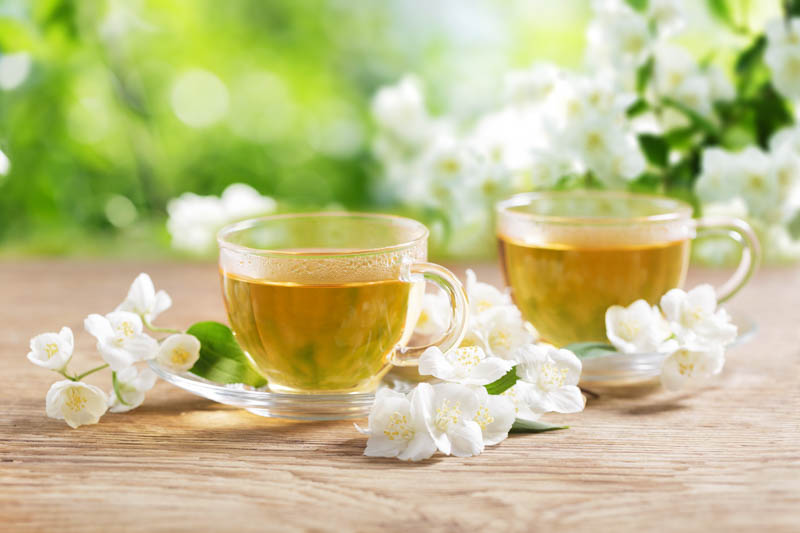


Jasmine tea has a reputation that goes beyond fragrance. It is elegant, yes, but its appeal is not just sensory. A well-made jasmine tea combines craftsmanship, aroma, clarity, and drinkability in one cup. That is why it continues to matter in both traditional tea culture and modern wellness-driven tea buying.
What is jasmine tea? Jasmine tea is a scented tea made by infusing tea leaves with the aroma of jasmine blossoms. In most cases, the base is green tea, but white tea, black tea, oolong tea, and pu-erh can also be used. The jasmine contributes the floral scent. The tea base contributes the body, flavor structure, and caffeine level.
If you are looking for a serious guide to jasmine tea benefits, jasmine tea uses, how jasmine tea is made, how to brew jasmine tea, jasmine tea caffeine, or how to choose the best jasmine tea, this article is designed to answer those questions clearly and professionally. It goes beyond generic wellness language and focuses on what matters in the cup, in the production process, and in real-world buying decisions.
Need the short version? These are the points that matter most.
Jasmine tea is not a separate species of tea. It is a scented tea. That distinction matters because it explains both its flavor and its value. The tea plant provides the leaf. The jasmine flower provides the aroma. The result is not a floral herbal infusion, but a true tea with added aromatic character.
This is why jasmine tea can vary so much from one product to another. A jasmine green tea, a jasmine white tea, and a jasmine black tea are all jasmine teas, but they will not taste the same. The base tea changes the body, sweetness, bitterness, caffeine feel, and finish.
At its best, jasmine tea is balanced. You should still be able to taste the tea itself. The jasmine should elevate the cup, not overwhelm it. A good jasmine tea smells elegant, natural, and integrated – not sharp, syrupy, or aggressively perfumed.
Jasmine tea is a scented tea, not a separate tea category. The tea leaf remains the foundation, and the jasmine blossom contributes fragrance through scenting rather than replacing the tea itself.
Understanding how jasmine tea is made is the fastest way to understand why quality varies so widely. Real jasmine tea is not simply tea mixed with petals. Traditional jasmine tea is made through a scenting process in which finished tea leaves absorb aroma from fresh jasmine blossoms.
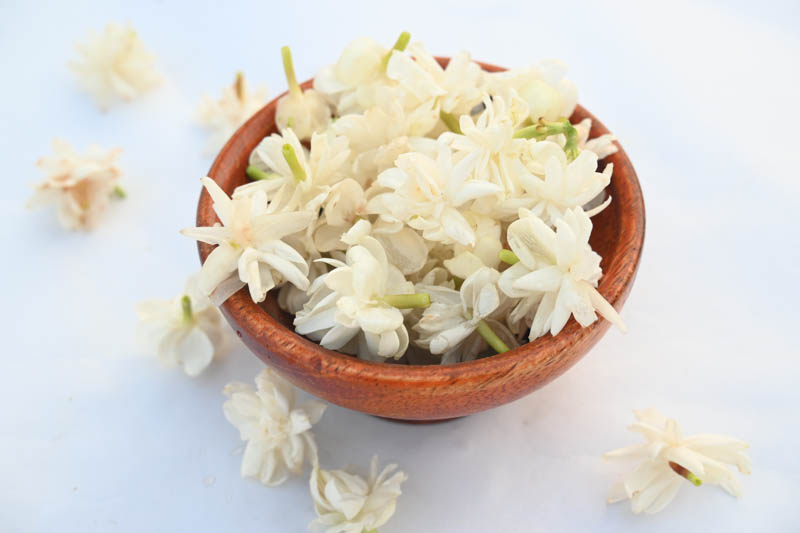
The process usually starts with a tea base, most often green tea. That tea is harvested and processed first. Meanwhile, jasmine buds are picked before they fully open. They are commonly collected during the day and allowed to bloom later, when their fragrance becomes stronger.
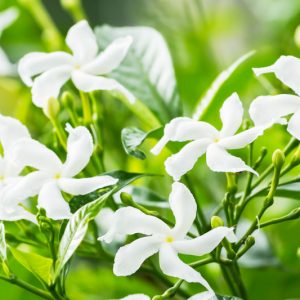
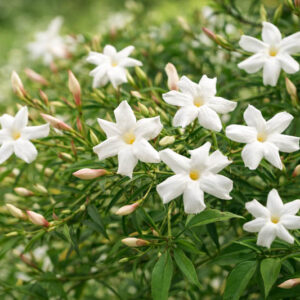
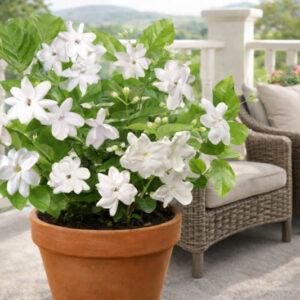
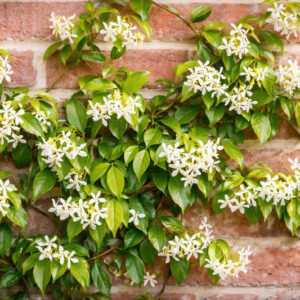
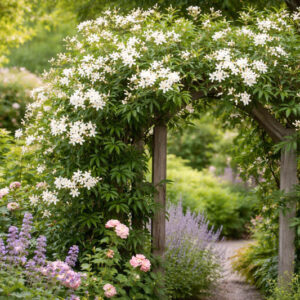
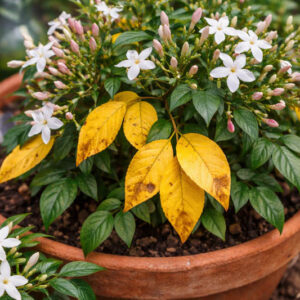
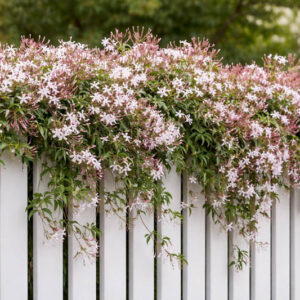
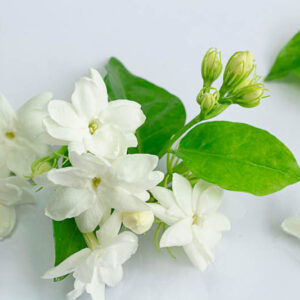
Which jasmine plant is used for jasmine tea? The species most commonly associated with traditional jasmine tea is Jasminum sambac, also known as Arabian jasmine or sambac jasmine. Its flowers are prized for their rich fragrance and are widely associated with tea scenting. Other jasmine species exist, including Jasminum officinale, but Jasminum sambac is the name most worth knowing in the context of jasmine tea.
Once the blossoms open, they are layered with the tea leaves. Over time, the leaves absorb the flower’s aroma. In higher-quality production, the blossoms are removed and replaced with fresh flowers over multiple scenting rounds. This repeated scenting creates a more refined, persistent, and naturally integrated fragrance.
That is one of the key differences between premium jasmine tea and lower-end jasmine tea. Premium tea is usually built through patient scenting. Cheaper versions may rely on added flavoring or crude floral enhancement, which can smell louder but taste flatter.
Some jasmine teas are then rolled into specialty shapes such as jasmine pearls. These pearls are often made from tender leaves and buds that unfurl slowly in hot water. They are visually appealing and often premium, though shape alone does not guarantee quality. The real test is always the cup.
Jasmine tea is closely associated with China, where scented tea traditions were refined over time into a specialized craft. Fujian is especially important in the modern jasmine tea conversation, and jasmine green tea from Fujian is one of the best-known traditional expressions of the style.
Production geography also matters because tea leaves and jasmine flowers are not always grown in the same place. In some modern production systems, the tea is processed in one region and then transported to another area for jasmine scenting, depending on where the flowers are available at the right time and in the right condition.
One reason jasmine tea can be misunderstood is that people often talk about it as though it were one thing. In reality, types of jasmine tea vary depending on the tea base.
Jasmine green tea: the most common style. It is fresh, light, floral, and often slightly sweet or grassy depending on the leaf.
Jasmine white tea: softer, gentler, and often more delicate. This style usually emphasizes elegance over intensity.
Jasmine black tea: richer and deeper, with more body and a fuller finish. The floral note tends to sit against a darker tea structure.
Jasmine oolong tea: more layered and complex, often with a rounder mouthfeel and lingering floral finish.
Jasmine pearls: usually jasmine-scented green tea rolled into pearls. Known for visual beauty, slow unfurling, and multiple infusions.
This matters because the phrase best jasmine tea is incomplete without asking another question: best for what? Delicacy, daily drinking, visual presentation, stronger body, lower bitterness tolerance, or repeated infusions all point to different answers.
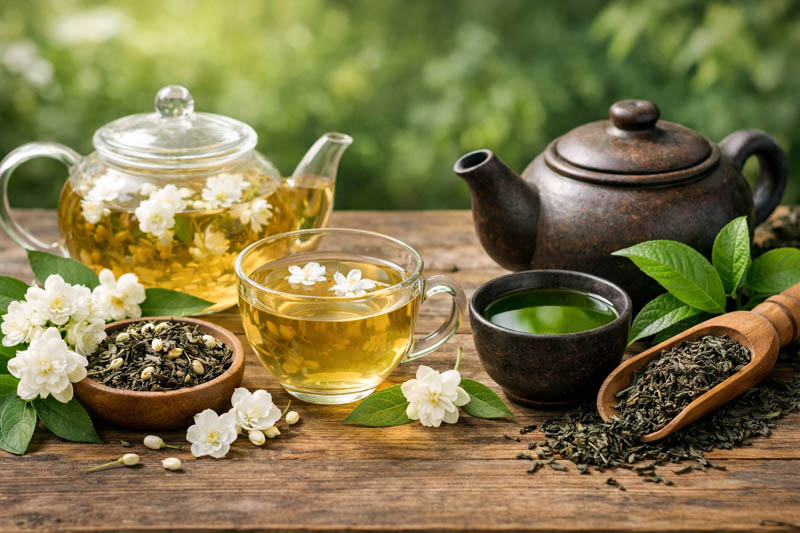
One of the most common search questions is whether jasmine tea is the same as green tea. The answer is no, but they are often closely related. Jasmine tea is frequently made with green tea as the base, which means many jasmine teas are also green teas. Still, not every green tea is jasmine tea, and not every jasmine tea is based on green tea.
| Feature | Jasmine Tea | Green Tea |
|---|---|---|
| Definition | Tea scented with jasmine blossoms | Tea processed to prevent oxidation |
| Flavor | Floral, aromatic, smooth | Vegetal, nutty, grassy, or sweet depending on style |
| Base leaf | Often green tea, but not always | Always green tea |
| Aroma profile | Pronounced floral aroma | Depends on origin and processing, usually not floral |
| Caffeine | Depends on base tea and brewing | Depends on leaf style and brewing |
If you like green tea but want something softer and more aromatic, jasmine green tea is often the easiest next step.
The most responsible way to discuss jasmine tea benefits is to separate what comes from the tea base and what comes from the drinking experience. Jasmine tea can be appealing for both reasons. The tea leaves contribute naturally occurring tea compounds and caffeine. The jasmine aroma contributes part of the sensory experience that many drinkers enjoy.
1 Moderate energy for many drinkers. Most jasmine tea contains caffeine because it is usually based on green tea or another true tea. For many people, that makes it a useful alternative to heavier coffee routines, especially later in the day.
2 Tea antioxidants from the base leaf. Jasmine tea is often associated with green tea, which means it contains the antioxidant compounds naturally present in that tea base. The jasmine aroma may define the character of the cup, but the tea leaf still carries much of the functional value.
3 A more appealing unsweetened drink option. Unsweetened jasmine tea offers aroma and flavor without relying on syrups, creamers, or added sugar. That makes it attractive for people trying to replace sweeter beverages with something more refined.
4 A distinctive sensory profile. Many drinkers choose jasmine tea because the floral note changes how the tea is experienced. It can make a cup feel softer, more aromatic, and more memorable without changing the fact that it is still a true tea.
5 Better fit for a consistent tea habit. People are more likely to keep drinking a tea they genuinely enjoy. Jasmine tea often succeeds because it adds sensory pleasure to a daily ritual without becoming heavy, complicated, or tiring.
It combines the structure of true tea with the lift of floral aroma. That balance is a big part of its enduring appeal.
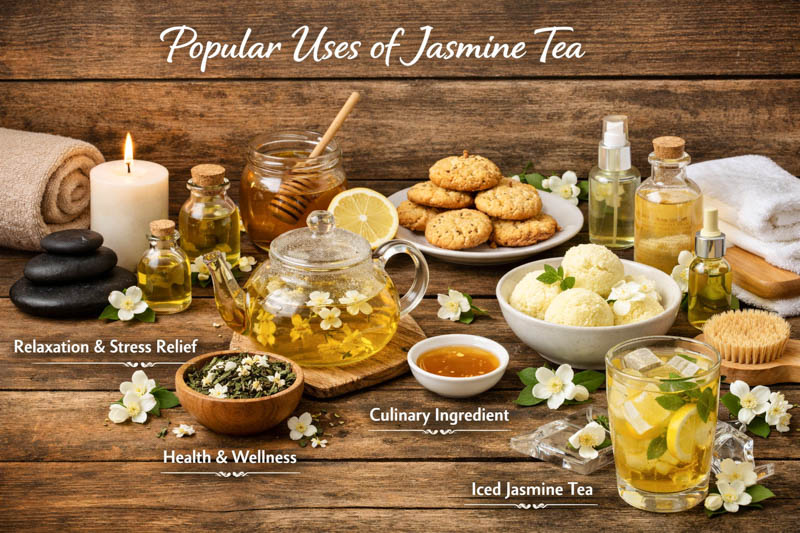
The best uses of jasmine tea go beyond simple hot brewing. Its aroma and relatively light body make it versatile in ways many people overlook.
Daily tea drinking: one of the best teas for regular use because it feels polished without being too intense.
Afternoon tea: especially effective as a late-morning or afternoon cup when you want focus without the weight of coffee.
Food pairing: pairs well with fruit, rice dishes, dumplings, seafood, lightly sweet pastries, and mild desserts.
Iced tea: excellent chilled when brewed gently and cooled cleanly. Jasmine iced tea can taste far more elegant than standard commercial iced tea.
Culinary infusion: useful in syrups, sorbets, poached fruit, rice, custards, and tea-based desserts when a floral note is wanted.
Tea service: a smart hosting tea because it feels welcoming, fragrant, and distinctive without being polarizing.
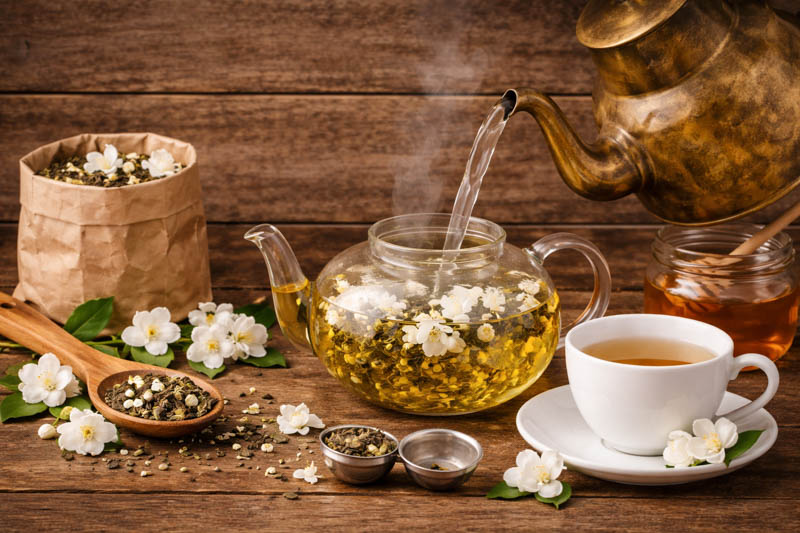
Brewing is where many jasmine teas are either elevated or ruined. The biggest mistake is using boiling water and long steep times. That can flatten the floral note and push bitterness forward.
For most jasmine green tea, use water at about 175 to 185°F (80 to 85°C). Steep for 2 to 3 minutes to start. If the tea is especially delicate, go shorter. If it is tightly rolled like jasmine pearls, you may steep slightly longer or enjoy multiple infusions.
A practical starting ratio is about 2 grams of tea per 240 ml of water. Premium loose-leaf jasmine tea often performs well over two or three infusions, especially when the first steep is controlled and not too aggressive.
The best cup should taste clean, floral, smooth, and integrated. If it tastes harsh, the most likely causes are water that is too hot, too much leaf for the volume, or a steep that ran too long.
| Jasmine Tea Style | Water Temperature | Steep Time | Notes |
|---|---|---|---|
| Jasmine green tea | 175 to 185°F (80 to 85°C) | 2 to 3 minutes | Most common and most forgiving starting point |
| Jasmine pearls | 175 to 185°F (80 to 85°C) | 2.5 to 4 minutes | Leaves need time to unfurl; excellent for multiple infusions |
| Jasmine white tea | 167 to 180°F (75 to 82°C) | 2 to 3 minutes | Keep it gentle to preserve delicacy |
| Jasmine black tea | 190 to 203°F (88 to 95°C) | 2 to 4 minutes | Can handle hotter water because of the darker tea base |
If your jasmine tea tastes bitter, flat, or overly perfumed, assume a brewing problem before assuming a tea quality problem.
If you want the best jasmine tea, the first thing to judge is not the packaging. It is the scent. High-quality jasmine tea should smell natural, clean, and integrated. It should not smell like air freshener, sweet perfume, or synthetic floral flavoring.
Look for these quality markers:
Natural floral aroma: soft and layered rather than loud and artificial.
Visible leaf integrity: whole or mostly intact leaves tend to indicate better handling than dusty fragments.
Information on the base tea: serious sellers usually tell you whether it is green, white, black, or oolong.
Mention of scenting rounds: repeated scenting is often a sign of more careful production.
Balanced taste in the cup: the tea should still taste like tea, not just floral flavor.
Multiple good infusions: high-quality loose-leaf jasmine tea often remains aromatic and pleasant beyond the first steep.
Storage also matters. Jasmine tea absorbs odors easily, so keep it sealed, dry, and away from coffee, spices, and strong kitchen smells. Even a good tea can lose elegance if stored poorly.
Does jasmine tea have caffeine? Usually yes. Jasmine tea is most often made from green tea, and green tea naturally contains caffeine. The exact amount depends on the base tea, the leaf grade, the amount used, and the brewing method.
In practical terms, jasmine tea usually sits below a typical cup of coffee in caffeine feel, but it is not caffeine-free unless it is specifically sold as decaffeinated. A jasmine black tea will usually feel stronger than a jasmine white tea, and a heavier brew will usually deliver more caffeine than a lighter one.
This matters because many people assume the floral character means a low-impact drink. Sometimes that is true. Sometimes it is not. The base tea always matters more than the aroma when caffeine is the question.
Jasmine tea is a strong fit for people who want a fragrant tea with moderate caffeine, a cleaner profile than many flavored drinks, and a daily tea ritual that feels calm without feeling dull.
It is especially appealing for people who already enjoy green tea but want something more aromatic, and for people trying to reduce sugary beverages without switching to something bland.
That said, jasmine tea is not ideal for everyone in every situation. People who are highly caffeine-sensitive may prefer lighter brews, smaller cups, earlier timing in the day, or naturally lower-caffeine tea styles. Some drinkers also find tea less comfortable on an empty stomach, especially when brewed strongly.
The key point is simple: jasmine tea is often gentle, but it is still tea. Its suitability depends on the base leaf, the brewing style, and the person drinking it.
Using boiling water: this is one of the fastest ways to flatten floral detail and exaggerate bitterness.
Buying by fragrance alone: a strong dry aroma does not always mean a better tea. Sometimes it means the opposite.
Ignoring the base tea: jasmine green tea, jasmine black tea, and jasmine white tea are not interchangeable in flavor or caffeine feel.
Oversteeping pearls: tightly rolled tea needs control, not brute force.
Storing it badly: jasmine tea takes on surrounding odors easily and loses finesse when exposed to air, heat, and kitchen smells.
Jasmine tea is made from real tea leaves, most often green tea, that are scented with jasmine blossoms.
Jasmine tea can be a smart beverage choice because it usually provides tea antioxidants from the base leaf, moderate caffeine, and a flavorful alternative to sugary drinks.
Yes. Most jasmine tea contains caffeine because it is usually made with green tea or another true tea base. The amount depends on the base tea and the brewing method.
Good jasmine tea tastes floral, smooth, and clean, with the character of the base tea still clearly present.
Premium jasmine tea is usually naturally scented with real jasmine blossoms over multiple rounds, creating a more integrated aroma, better balance, and a more refined flavor.
Not exactly. Jasmine tea is often made with green tea, but jasmine tea refers to tea scented with jasmine blossoms, while green tea refers to a specific style of tea processing.
Jasmine tea deserves its reputation, but only when it is understood correctly. It is not just a floral drink. It is a scented true tea whose quality depends on the base leaf, the scenting process, and the brewing method. When those three elements are handled well, jasmine tea becomes far more than a pleasant aroma. It becomes one of the most balanced and rewarding styles of tea available.
If you want a tea that feels elegant, practical, and easy to return to day after day, jasmine tea is one of the strongest choices you can make. For daily sipping, light meals, afternoon clarity, and a more refined alternative to sugary drinks, it performs exceptionally well.
The best jasmine tea does not rely on perfume to impress you. It works because the floral note and the tea itself remain in balance. That balance is what separates a nice jasmine tea from a truly memorable one.
The information in this article is supported by the following sources:
Encyclopaedia Britannica. Arabian jasmine (Jasminum sambac).
https://www.britannica.com/plant/Arabian-jasmine
Smith Teamaker. Origin Report: Jasmine Scenting.
https://www.smithtea.com/blogs/featured-steepings/origin-report-jasmine-scenting
Tea Guardian. Modified Teas: Scenting.
https://www.teaguardian.com/what-is-tea/modified-teas-scenting/
Updated: March 2026 • Reviewed by Gardenia Editors
| Hardiness |
6 - 11 |
|---|---|
| Plant Type | Climbers, Shrubs |
| Plant Family | Oleaceae |
| Genus | Jasminum |
| Exposure | Full Sun, Partial Sun |
| Season of Interest | Spring (Early, Mid, Late), Summer (Early, Mid, Late), Fall, Winter |
| Maintenance | Low |
| Water Needs | Average |
| Soil Type | Chalk, Loam, Sand |
| Soil pH | Acid, Alkaline, Neutral |
| Soil Drainage | Moist but Well-Drained, Well-Drained |
| Characteristics | Showy |
| Attracts | Bees, Butterflies |
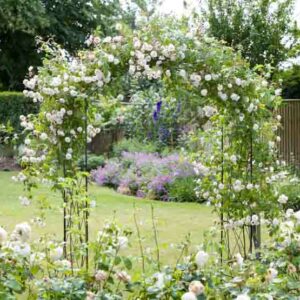
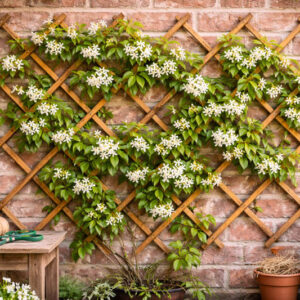
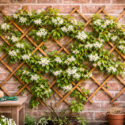
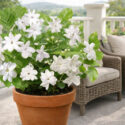
| Landscaping Ideas | Arbors, Pergolas, Trellises, Banks And Slopes, Ground Covers, Patio And Containers, Wall-Side Borders |
| Garden Styles | City and Courtyard, Coastal Garden, Informal and Cottage |
| Hardiness |
6 - 11 |
|---|---|
| Plant Type | Climbers, Shrubs |
| Plant Family | Oleaceae |
| Genus | Jasminum |
| Exposure | Full Sun, Partial Sun |
| Season of Interest | Spring (Early, Mid, Late), Summer (Early, Mid, Late), Fall, Winter |
| Maintenance | Low |
| Water Needs | Average |
| Soil Type | Chalk, Loam, Sand |
| Soil pH | Acid, Alkaline, Neutral |
| Soil Drainage | Moist but Well-Drained, Well-Drained |
| Characteristics | Showy |
| Attracts | Bees, Butterflies |
| Landscaping Ideas | Arbors, Pergolas, Trellises, Banks And Slopes, Ground Covers, Patio And Containers, Wall-Side Borders |
| Garden Styles | City and Courtyard, Coastal Garden, Informal and Cottage |
Create a membership account to save your garden designs and to view them on any device.
Becoming a contributing member of Gardenia is easy and can be done in just a few minutes. If you provide us with your name, email address and the payment of a modest $25 annual membership fee, you will become a full member, enabling you to design and save up to 25 of your garden design ideas.
Join now and start creating your dream garden!
Create a membership account to save your garden designs and to view them on any device.
Becoming a contributing member of Gardenia is easy and can be done in just a few minutes. If you provide us with your name, email address and the payment of a modest $25 annual membership fee, you will become a full member, enabling you to design and save up to 25 of your garden design ideas.
Join now and start creating your dream garden!