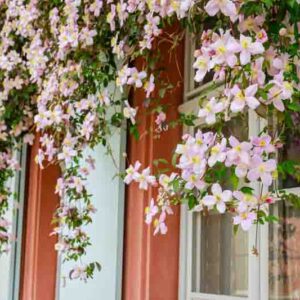
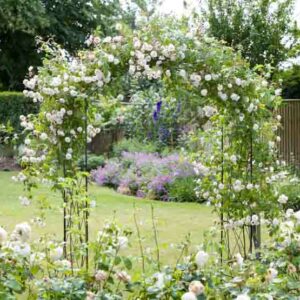
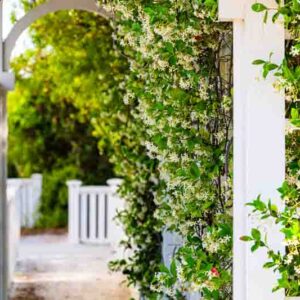
Jasmine is a fragrant climbing plant or vine, depending on the type, and its bloom time varies from late winter and spring to summer. In winter, some jasmine may drop leaves, bronze, or suffer stem dieback after frost. The key is knowing your species, reading the damage correctly, and protecting roots and stems.
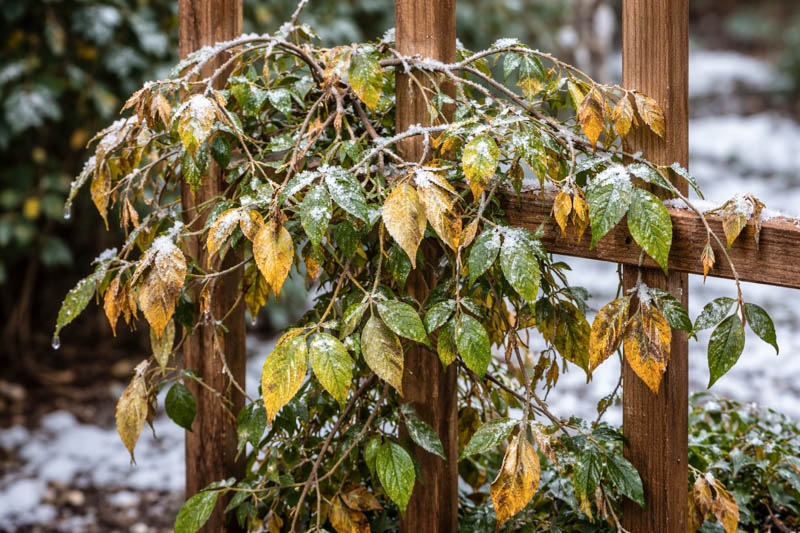


If your jasmine looks rough in winter, do not panic. In many cases, jasmine winter dieback is not the same thing as total plant loss. Some jasmine types drop leaves, some bronze or redden in cold weather, some keep most of their foliage in mild climates, and some suffer real stem damage when temperatures fall too low. The important part is knowing which jasmine you are growing and how that species normally behaves in winter.
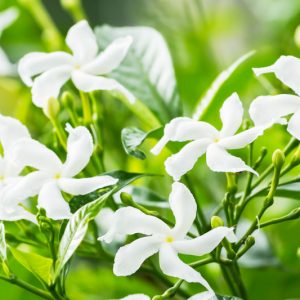
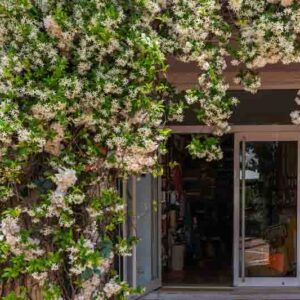
That distinction matters because gardeners often use the word “jasmine” for several different plants. True jasmines such as common jasmine (Jasminum officinale), pink jasmine (Jasminum polyanthum), and Arabian jasmine (Jasminum sambac) do not all react to winter in the same way. Then there is star jasmine (Trachelospermum jasminoides), which is not a true jasmine at all, even though it is commonly grouped with them.
So, does jasmine die back in winter? Sometimes partially, sometimes cosmetically, and sometimes not at all. A little leaf drop, bronzing, or slowed growth can be completely normal. Mushy stems, blackened vines, bark splitting, and whole sections failing to leaf out in spring are more serious. Once you learn the difference, winter damage becomes much easier to read – and much easier to fix.
The best rule: Wait until spring growth begins before deciding how much of your jasmine has really died back.
Gardeners often use the phrase loosely, but in plant care, dieback means living tissue has actually been killed, usually from cold, drought, root stress, or disease. That is different from seasonal slowdown. In winter, jasmine may look quieter, thinner, duller, or less leafy simply because growth has paused. That is not the same as dead stems.
Real jasmine dieback usually shows up as:
For this question, the most useful comparison is not every jasmine ever grown. It is the handful of plants gardeners most often mean when they ask whether jasmine dies back in winter. This table compares winter behavior, hardiness, evergreen habit, bloom season, and cold sensitivity at a glance.
| Plant | Type | Winter Habit | Bloom Time | Cold Risk | Best Use |
|---|---|---|---|---|---|
| Winter Jasmine (Jasminum nudiflorum) True jasmine |
Hardy deciduous shrub-vine | Drops leaves normally | Winter to early spring | Low compared with tender jasmines | Walls, slopes, winter color, erosion control |
| Common Jasmine (Jasminum officinale) True jasmine |
Hardier summer jasmine | Usually deciduous, sometimes holding more foliage in mild sites | Late spring to early fall | Moderate in exposed or colder gardens | Trellises, arches, walls, containers |
| Pink Jasmine (Jasminum polyanthum) True jasmine |
Tender evergreen climber | May hold leaves in mild climates, but cold damage is common | Late winter to spring | High in frost-prone or exposed sites | Trellises, containers, sheltered walls |
| Arabian Jasmine (Jasminum sambac) True jasmine |
Tender evergreen shrub-vine | Usually needs protection from cold | Summer | Very high outdoors in frosty climates | Containers, patios, warm courtyards |
| Star Jasmine (Trachelospermum jasminoides) Jasmine relative |
Evergreen climber | Usually evergreen; winter bronzing is common | Late spring to summer | Moderate to high in severe cold or drying winds | Walls, fences, privacy screens, groundcover, containers |
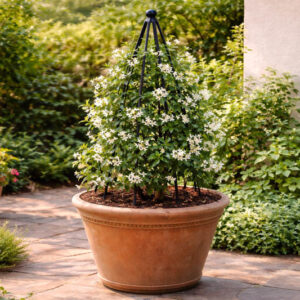
Common jasmine (Jasminum officinale) is one of the tougher commonly grown true jasmines, but that does not mean it is immune to winter damage. It is usually deciduous, though it may retain more foliage in mild or sheltered conditions. Leaf drop alone is not a crisis. Severe stem dieback is more likely after harsh frost, winter wind exposure, or repeated freeze-thaw stress.
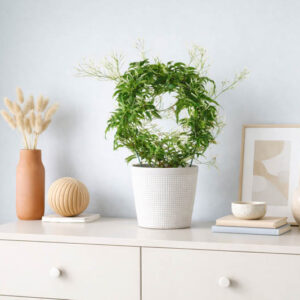
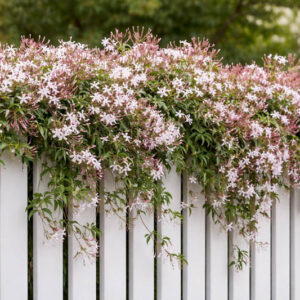
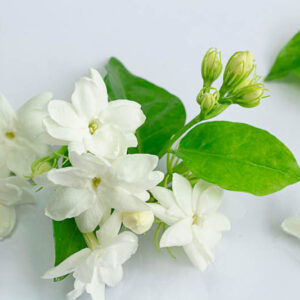
Pink jasmine (Jasminum polyanthum) is much less forgiving in cold conditions. It is famous for intensely fragrant blooms from pink buds in late winter to spring, but it does not enjoy hard frost. In cool climates, gardeners often see tip damage, leaf burn, or substantial vine dieback after winter cold.
Arabian jasmine (Jasminum sambac) is even more warmth-loving. In many regions, it is best grown in a container and overwintered under protection. If left exposed to frost, it can lose foliage quickly and may die back well beyond the tips.
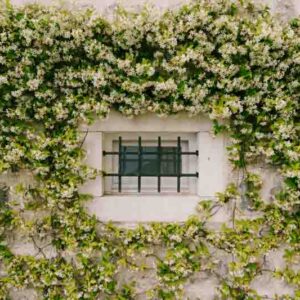
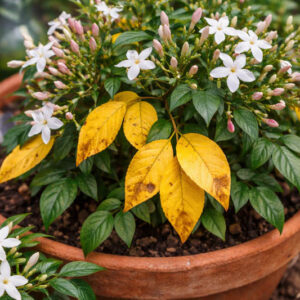
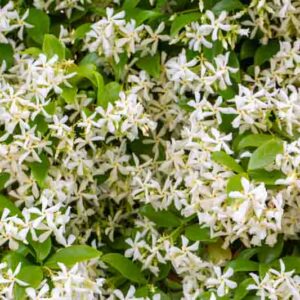
Star jasmine (Trachelospermum jasminoides) causes the most confusion because it usually stays evergreen, yet its leaves often turn bronze-red in winter. That color change is often normal, not injury. Actual winter damage on star jasmine tends to look scorched, blackened, or desiccated, especially after severe cold or drying winds.
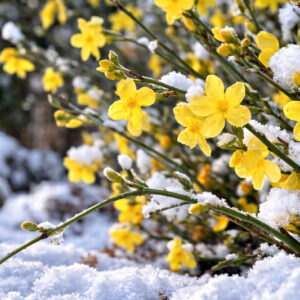
Winter jasmine (Jasminum nudiflorum), by contrast, is the outlier gardeners should know. It is a hardy deciduous species grown for cheerful late-winter flowers on bare stems. If it drops leaves in winter, that is normal seasonal behavior, not evidence that the plant is collapsing.
A surprising amount of winter change is completely normal in jasmine. Depending on the species and climate, you may see slower growth, a thinner canopy, some yellowing or leaf drop, bronzed foliage, and fewer active shoots. Outdoor container plants often look especially unimpressive by late winter, even when they are still alive.
These changes are usually normal:
These changes are not normal:
Winter ugliness is common. Winter collapse is not. The real job is to tell cosmetic stress from tissue death.
The obvious cause is frost, but cold alone is not always the whole story. Jasmine often dies back in winter because several stresses pile up at the same time.
Tender jasmine tissues can rupture when frozen. Young growth is especially vulnerable, which is why late autumn growth often gets hit first.
Evergreen jasmine can lose moisture from leaves faster than roots can replace it when the soil is cold. That is how you end up with foliage that looks burnt or dehydrated.
Cold roots already function more slowly. Add soggy soil and you have a recipe for root stress, rot, and eventual top dieback.
Potted jasmine is more vulnerable because the root system is less insulated. A plant that survives in the ground may struggle badly in a pot during the same weather.
A jasmine against a warm wall, in a sheltered courtyard, or under overhead protection often fares much better than one planted in an exposed, windy, low-lying frost pocket.
This is where many gardeners misjudge the plant. In late winter, jasmine can look lifeless and still recover well. Instead of reacting too early, assess it methodically.
Do not rush to cut everything back in the middle of winter. Damaged stems can continue to reveal themselves over time, and intact stems can look worse than they really are until spring warmth returns.
The best time to prune jasmine winter dieback is usually after the worst cold has passed and new growth begins to show. That timing gives you a much clearer picture of what survived. Prune too early and you may remove stems that would have recovered. Prune too late and the plant wastes energy supporting dead tissue.
Cut back to healthy green wood. Remove blackened, mushy, or clearly dead tips first. Then reshape only as much as necessary. For flowering jasmines, also remember that heavy pruning at the wrong time can reduce bloom, so damage control and flowering goals need to be balanced carefully.
If you want less winter dieback, prevention matters more than rescue. Jasmine responds best when winter protection is practical and consistent, not dramatic and late.
If your jasmine is tender and in a pot, the safest winter plan is simple – brighter shelter, less water, no soggy compost, and no frost exposure.
Often, yes. Recovery is most likely when the crown and roots are still healthy, even if top growth has been burned back. Existing damaged foliage will not turn green again, but new spring growth can replace it. Jasmine often rebounds well from moderate winter injury when it is not also dealing with root rot, severe drought stress, or deep shade.
Recovery is less likely when the cold damage extends deep into the base of the plant, the roots were frozen in a small container, or the plant was already weakened before winter began. That is why autumn care matters. A plant entering winter stressed is always more vulnerable than one entering winter steady, well-rooted, and not overfed.
Jasmine does not always die back in winter, but it certainly can. The real answer depends on the species, the exposure, the root conditions, and the severity of the cold. Common jasmine may shed leaves and bounce back. Pink jasmine and Arabian jasmine are much more likely to suffer meaningful winter damage. Star jasmine often keeps its leaves and simply bronzes, which is usually normal. Winter jasmine is the hardy exception that normally drops leaves and flowers in the colder season.
If you remember one thing, make it this: wait for spring growth before judging the plant too harshly. Winter appearance can be misleading. Once new growth begins, you can prune accurately, feed lightly if needed, and help the plant rebuild without guessing.
Some jasmine types lose leaves or suffer minor stem tip damage in winter, especially in colder climates. That can be normal. Severe stem death is usually a sign of cold injury rather than routine seasonal behavior.
Often, yes. Jasmine frequently regrows if the roots, crown, and lower stems remain alive. Wait for spring growth before pruning heavily so you can see which parts survived.
Star jasmine often develops bronze or reddish winter foliage in cool weather. That color change is commonly normal and does not automatically mean the plant is dying back.
Yes, but usually not immediately during the coldest period. Wait until late winter or spring, when new growth starts and dead wood is easier to identify.
Tender types such as pink jasmine and Arabian jasmine are more likely to suffer winter damage than tougher species grown in suitable climates. Container-grown plants are especially vulnerable.
No. Winter jasmine (Jasminum nudiflorum) is a hardy deciduous species that behaves differently from tender jasmines. Its winter leaf loss is normal, and it is generally more cold-tolerant than pink jasmine or Arabian jasmine.
Updated: March 2026 • Reviewed by Gardenia Editors
| Hardiness |
6 - 11 |
|---|---|
| Plant Type | Climbers, Shrubs |
| Plant Family | Apocynaceae, Oleaceae |
| Genus | Jasminum, Trachelospermum |
| Exposure | Full Sun, Partial Sun |
| Season of Interest | Spring (Early, Mid, Late), Summer (Early, Mid, Late), Fall, Winter |
| Maintenance | Low |
| Water Needs | Average |
| Soil Type | Chalk, Loam, Sand |
| Soil pH | Acid, Alkaline, Neutral |
| Soil Drainage | Moist but Well-Drained, Well-Drained |
| Characteristics | Showy |
| Attracts | Bees, Butterflies |
| Landscaping Ideas | Arbors, Pergolas, Trellises, Banks And Slopes, Ground Covers, Patio And Containers, Wall-Side Borders |
| Garden Styles | City and Courtyard, Coastal Garden, Informal and Cottage |
| Hardiness |
6 - 11 |
|---|---|
| Plant Type | Climbers, Shrubs |
| Plant Family | Apocynaceae, Oleaceae |
| Genus | Jasminum, Trachelospermum |
| Exposure | Full Sun, Partial Sun |
| Season of Interest | Spring (Early, Mid, Late), Summer (Early, Mid, Late), Fall, Winter |
| Maintenance | Low |
| Water Needs | Average |
| Soil Type | Chalk, Loam, Sand |
| Soil pH | Acid, Alkaline, Neutral |
| Soil Drainage | Moist but Well-Drained, Well-Drained |
| Characteristics | Showy |
| Attracts | Bees, Butterflies |
| Landscaping Ideas | Arbors, Pergolas, Trellises, Banks And Slopes, Ground Covers, Patio And Containers, Wall-Side Borders |
| Garden Styles | City and Courtyard, Coastal Garden, Informal and Cottage |
Create a membership account to save your garden designs and to view them on any device.
Becoming a contributing member of Gardenia is easy and can be done in just a few minutes. If you provide us with your name, email address and the payment of a modest $25 annual membership fee, you will become a full member, enabling you to design and save up to 25 of your garden design ideas.
Join now and start creating your dream garden!
Create a membership account to save your garden designs and to view them on any device.
Becoming a contributing member of Gardenia is easy and can be done in just a few minutes. If you provide us with your name, email address and the payment of a modest $25 annual membership fee, you will become a full member, enabling you to design and save up to 25 of your garden design ideas.
Join now and start creating your dream garden!