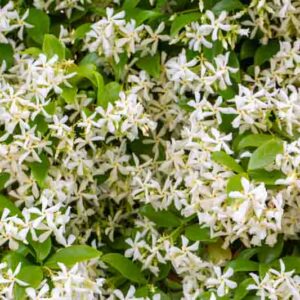
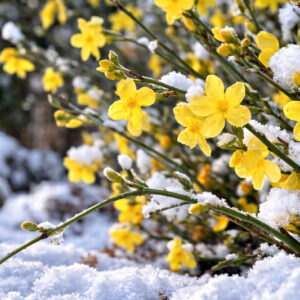
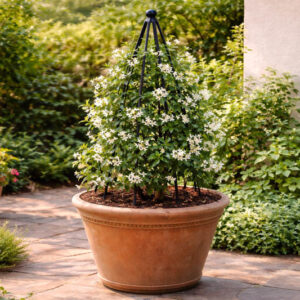
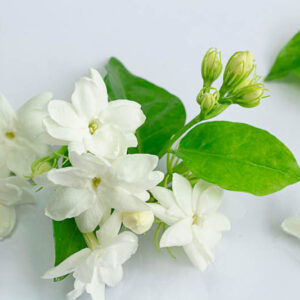
Jasmine is a fragrant climbing plant that typically blooms from spring to summer, though winter jasmine blooms earlier. If leaves turn yellow, the usual causes are overwatering, poor drainage, drought, nutrient deficiency, pests, or low light. Fix the root stress first, then adjust feeding and exposure for healthy green growth.
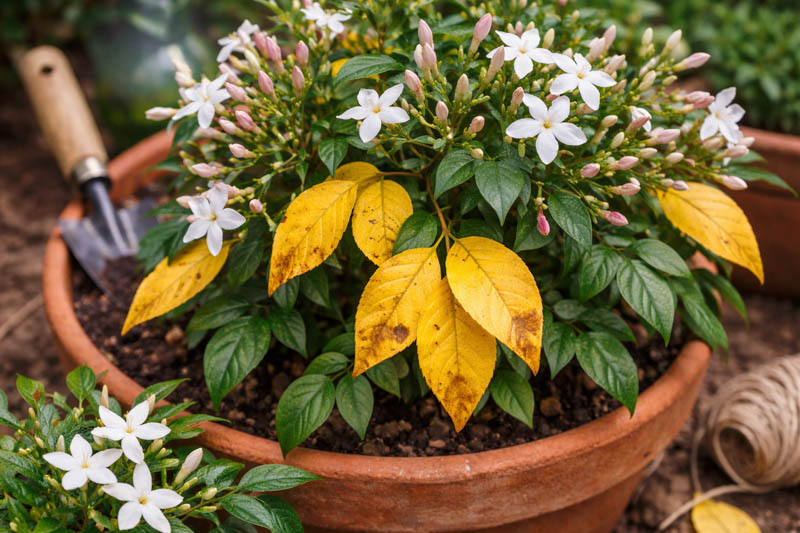


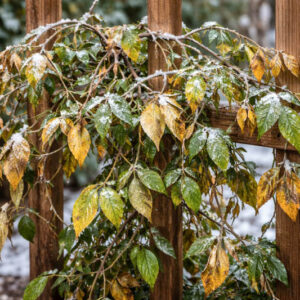
When jasmine leaves turn yellow, the plant is not being dramatic – it is sending a stress signal. In most cases, yellow jasmine leaves are caused by something cultural rather than mysterious. Watering habits, drainage, nutrients, root health, light levels, temperature swings, pests, disease pressure, and even normal leaf aging can all change the color of the foliage.
The good news is that yellow leaves on jasmine are usually fixable. The key is not to guess. Instead, look at the pattern. Are the oldest leaves yellowing first, or the newest ones? Is the soil wet or dry? Are the leaves yellow all over, or only between the veins? Are there pests, webbing, black mold, or signs of root stress? Once you read those clues correctly, the right solution becomes much easier.
That matters because jasmine is grown for two things above all – glossy foliage and fragrant flowers. When the leaves lose their deep green color, the plant not only looks weaker, it often performs worse. Yellowing can reduce vigor, slow growth, and interfere with flowering if the underlying problem continues.
Important species note: Care differs between true jasmines such as common jasmine (Jasminum officinale), Arabian jasmine (Jasminum sambac), pink jasmine (Jasminum polyanthum), and star jasmine (Trachelospermum jasminoides), which is not a true jasmine. They are often grown in similar ways, but yellow leaf problems, bloom timing, pruning response, temperature tolerance, and ideal conditions are not identical.
The fastest way to stop jasmine leaves from turning yellow is simple: check the soil first, inspect the roots and leaf undersides second, then match the yellowing pattern to the real cause before treating the plant.
Before you reach for fertilizer or prune the plant, slow down and look at the pattern. This is the fastest way to troubleshoot jasmine leaves turning yellow accurately.
If jasmine leaves are turning yellow and the soil feels wet for long stretches, overwatering is the first thing to suspect. This is one of the most common causes of yellow leaves on jasmine. Jasmine likes moisture, but it does not like airless soil. When roots sit in waterlogged conditions, they cannot function properly, and the leaves respond by fading from green to yellow.
This is why overwatered jasmine can look strangely limp and yellow at the same time. Gardeners often mistake that wilted look for thirst and add even more water, which makes the problem worse. In pots, poor drainage holes, water-filled saucers, or dense compost can create the same issue quickly.
What to do: Let the top layer of soil begin drying before watering again. Empty saucers under pots, improve drainage, and consider repotting if the mix stays heavy and wet for too long.
Yes, jasmine can yellow from drought as well. Many people associate yellow leaves only with overwatering, but dry roots can cause the same symptom. When jasmine stays too dry for too long, it sheds older foliage, slows growth, and may yellow across multiple leaves to reduce stress.
Drought-stressed jasmine often shows yellowing along with dry soil, crisp edges, leaf curl, flower bud drop, or leaves that feel thin and papery. Container-grown jasmine is especially vulnerable because it dries out much faster than jasmine planted in the ground.
What to do: Water deeply so the entire root zone is moistened, then allow the soil to begin drying before watering again. Aim for consistency. Jasmine prefers a steady moisture rhythm, not repeated swings between dust-dry and soaked.
Sometimes the issue is not how often you water, but where that water goes. Jasmine planted in heavy clay, compacted garden beds, or pots filled with broken-down compost may stay too wet around the roots even when watering seems moderate. That creates chronic stress and leads to leaf yellowing over time.
If your jasmine turns yellow after rain, or remains yellow despite reducing irrigation, poor drainage may be the real culprit. This is especially common with star jasmine yellow leaves in containers, especially older containers where the mix has compacted and drainage has slowed.
What to do: Improve the root environment. In the ground, avoid waterlogged planting spots and improve structure with organic matter where appropriate. In containers, repot into a freer-draining mix and make sure water can leave the pot easily.
If yellowing keeps returning no matter how carefully you water, drainage is often the hidden problem.
When jasmine leaves yellow but the veins stay greener, that pattern often points to chlorosis. In plain English, the plant is struggling to access the nutrients it needs to stay green. Iron, magnesium, manganese, and nitrogen problems can all cause different forms of yellowing. Container jasmine is especially prone to this because nutrients are used up faster in pots.
General yellowing of older leaves often suggests nitrogen shortage. Yellowing between the veins, especially on newer leaves, can point to iron-related chlorosis. Magnesium issues often show more strongly on older leaves first. But here is the important part – a nutrient deficiency is not always caused by a lack of fertilizer. Sometimes the nutrients are present, but root stress, poor drainage, alkaline conditions, or hard water prevent proper uptake.
What to do: Feed lightly with a balanced fertilizer during active growth. If chlorosis is obvious, consider a targeted supplement such as iron or magnesium depending on the symptom pattern. But fix the root environment too, or the yellowing will keep returning.
One reason chlorosis gets missed is that gardeners focus only on fertilizer and not on the water or soil chemistry. Jasmine can struggle when repeatedly watered with hard water or grown in conditions that push the root zone too alkaline. In those cases, iron may be present in the soil but not available to the plant, and the leaves begin to yellow.
This is especially worth considering if the newest leaves are paling first, the veins remain greener, and the plant is otherwise being watered and fed reasonably well. In containers, this can build up gradually and seem puzzling until the pattern becomes obvious.
What to do: If iron chlorosis is suspected, use an appropriate iron product and review the growing medium, water source, and drainage. Replacing tired potting mix often helps more than repeatedly adding fertilizer to a stressed plant.
A jasmine in a pot can look fine from above while struggling badly below the surface. If the roots are packed tightly, the plant dries too fast, feeds poorly, and begins showing yellow leaves, weak growth, or reduced flowering. This is a classic issue with jasmine in containers.
Old potting mix can also become part of the problem. Over time, it compacts, drains less effectively, and loses nutritional value. That combination creates stress in all directions – too wet after watering, too dry soon after, and not enough nutrients in between.
What to do: Slide the plant from its pot and check the root ball. If roots are circling densely around the outside, repot into a slightly larger container with fresh, free-draining mix. Do not jump to an oversized pot. Slightly larger is usually enough.
Jasmine may turn yellow after a cold snap, a chilly draft, or a sudden weather swing. Tender species such as pink jasmine (Jasminum polyanthum), Arabian jasmine (Jasminum sambac), Spanish jasmine (Jasminum grandiflorum), and downy jasmine (Jasminum multiflorum) dislike abrupt drops in temperature. Even tougher jasmine types can show leaf yellowing after stress, especially on younger growth.
This can be confusing because the plant may not look obviously frozen. Instead, you see pale, blotchy, or yellow leaves that appeared soon after a cold event. Indoor jasmine near cold windows, exterior doors, or hot heating vents can react the same way.
What to do: Keep tender jasmine away from harsh drafts, protect outdoor pots during cold spells, and avoid repeated hot-cold swings. Jasmine recovers better in stable conditions than in constantly shifting ones.
Jasmine tolerates some shade, but prolonged low light often leads to pale growth, fewer flowers, and foliage that gradually yellows or thins. A plant in dim conditions cannot photosynthesize efficiently enough to maintain strong, deep green leaves for long.
This is common with indoor jasmine and with outdoor plants tucked into corners that are simply too gloomy. The plant may survive there, but it will not look its best. Leaves can become smaller, paler, and more yellow over time.
What to do: Move container plants into brighter conditions or improve exposure by reducing dense surrounding shade. A brighter site often improves both foliage color and blooming.
Yellow leaves on jasmine can also be a pest warning. Aphids, mealybugs, scale insects, and spider mites can all cause yellowing by feeding on sap and weakening the foliage. In some cases, you will also notice sticky leaves, distorted growth, pale speckling, or black sooty mold.
Pest-related yellowing often develops gradually, which is why it is easy to miss at first. By the time the plant looks tired overall, the infestation may already be established.
What to do: Inspect the undersides of leaves, stem joints, and soft new growth. Rinse off light infestations and treat persistent problems with horticultural oil or insecticidal soap according to label directions. Early action is much easier than a late rescue.
When jasmine stays wet for too long, the problem is not always “just overwatering.” Extended saturation can set the stage for root rot and other disease issues. At that point, the plant is no longer merely uncomfortable – it is losing healthy root function, which can cause widespread yellowing, stunting, leaf drop, and decline.
Root-rot jasmine often shows yellow leaves together with persistently wet soil, a sour smell in the potting mix, poor growth, and little recovery even after watering is reduced. In severe cases, stems begin to weaken and roots appear brown or mushy instead of firm and pale.
What to do: Unpot the plant if necessary and inspect the roots. Remove badly rotted sections, repot into fresh free-draining mix, and reduce excess moisture immediately. If the plant is in the ground and the site stays wet, correcting drainage becomes more important than adding fertilizer or pruning.
Not every yellow leaf signals disaster. Evergreen jasmine still sheds older leaves, and those aging leaves often turn yellow before dropping. If the yellowing is limited to a few older inner leaves while new growth looks healthy, the plant may simply be renewing itself.
The key is pattern. Normal aging is limited and gradual. A real problem shows up as widespread yellowing, repeated leaf drop, weak growth, or yellow leaves combined with wilt, spotting, sticky residue, webbing, or chronically wet soil.
What to do: Remove spent yellow leaves if you want the plant to look tidier, but do not panic over a small amount of natural turnover. Always judge the overall plant, not a single leaf.
If jasmine leaves are yellow and the soil is wet, think roots first. If the soil is dry, think watering rhythm. If veins stay green, think chlorosis. If leaves are sticky or speckled, think pests.
The best prevention is steady care, not constant intervention. Jasmine stays greener when it grows in well-drained soil, receives strong light, and is watered deeply but not constantly. Container plants should be repotted before they become severely rootbound, and tired mix should be refreshed before it begins causing both drainage and nutrient problems.
Feed during active growth, but avoid heavy fertilizer use. Watch the plant after major weather swings. Check the undersides of leaves for pests before the infestation becomes obvious. Most importantly, remember that jasmine usually declines gradually, not instantly. Small changes in leaf color are often the plant’s earliest warning that something below the surface needs attention.
If your jasmine leaves are turning yellow, the plant is usually telling you one of four things – the roots are too wet, the roots are too dry, the plant cannot access nutrients properly, or it is under environmental or pest stress. Most cases come back to watering, drainage, root health, light, and nutrient uptake. Fix those fundamentals first, and jasmine usually rewards you with stronger green growth.
This usually points to stress rather than natural aging. Common causes include overwatering, poor drainage, nutrient deficiency, low light, chlorosis, or early pest pressure.
Yes. Overwatering is one of the most common reasons jasmine leaves turn yellow because waterlogged soil stresses or suffocates the roots and may eventually lead to root rot.
If the leaves yellow in patterns, especially between the veins, chlorosis may be involved. Older yellow leaves often suggest nitrogen or magnesium issues, while newer yellow leaves with greener veins can suggest iron-related chlorosis.
No. A few older leaves turning yellow can be normal. Widespread yellowing, repeated leaf drop, or yellowing with wet soil, pests, or poor growth points to a care problem that should be corrected.
Usually, yes. Once the cause is fixed, jasmine often produces healthy new green growth. Existing yellow leaves may not turn green again, but the plant can recover very well.
Start with the soil. Wet soil points to overwatering or drainage stress, dry soil points to drought stress, green-veined yellow leaves suggest chlorosis, and sticky or speckled leaves suggest pests.
Updated: March 2026 • Reviewed by Gardenia Editors
| Hardiness |
6 - 11 |
|---|---|
| Plant Type | Climbers, Shrubs |
| Plant Family | Apocynaceae, Oleaceae |
| Genus | Jasminum, Trachelospermum |
| Exposure | Full Sun, Partial Sun |
| Season of Interest | Spring (Early, Mid, Late), Summer (Early, Mid, Late), Fall, Winter |
| Maintenance | Low |
| Water Needs | Average |
| Soil Type | Chalk, Loam, Sand |
| Soil pH | Acid, Alkaline, Neutral |
| Soil Drainage | Moist but Well-Drained, Well-Drained |
| Characteristics | Showy |
| Attracts | Bees, Butterflies |
| Landscaping Ideas | Arbors, Pergolas, Trellises, Banks And Slopes, Ground Covers, Patio And Containers, Wall-Side Borders |
| Garden Styles | City and Courtyard, Coastal Garden, Informal and Cottage |
| Hardiness |
6 - 11 |
|---|---|
| Plant Type | Climbers, Shrubs |
| Plant Family | Apocynaceae, Oleaceae |
| Genus | Jasminum, Trachelospermum |
| Exposure | Full Sun, Partial Sun |
| Season of Interest | Spring (Early, Mid, Late), Summer (Early, Mid, Late), Fall, Winter |
| Maintenance | Low |
| Water Needs | Average |
| Soil Type | Chalk, Loam, Sand |
| Soil pH | Acid, Alkaline, Neutral |
| Soil Drainage | Moist but Well-Drained, Well-Drained |
| Characteristics | Showy |
| Attracts | Bees, Butterflies |
| Landscaping Ideas | Arbors, Pergolas, Trellises, Banks And Slopes, Ground Covers, Patio And Containers, Wall-Side Borders |
| Garden Styles | City and Courtyard, Coastal Garden, Informal and Cottage |
Create a membership account to save your garden designs and to view them on any device.
Becoming a contributing member of Gardenia is easy and can be done in just a few minutes. If you provide us with your name, email address and the payment of a modest $25 annual membership fee, you will become a full member, enabling you to design and save up to 25 of your garden design ideas.
Join now and start creating your dream garden!
Create a membership account to save your garden designs and to view them on any device.
Becoming a contributing member of Gardenia is easy and can be done in just a few minutes. If you provide us with your name, email address and the payment of a modest $25 annual membership fee, you will become a full member, enabling you to design and save up to 25 of your garden design ideas.
Join now and start creating your dream garden!