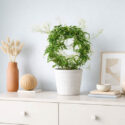
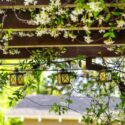
Find the best cold-hardy jasmine for your garden, from Winter Jasmine to fragrant Common Jasmine and evergreen Star Jasmine.
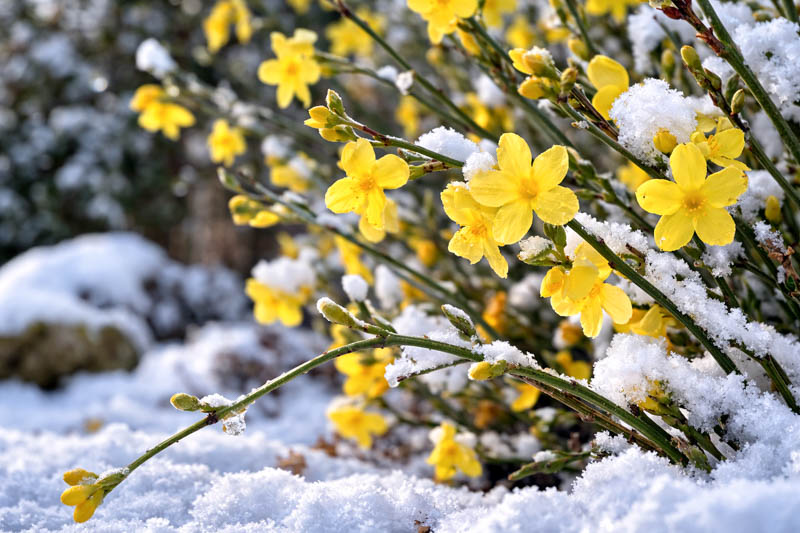


If you love jasmine but garden where winters are real, not theoretical, you need a different strategy than someone planting in a frost-free courtyard. Which jasmine can handle cold climates without turning into a seasonal disappointment?
The answer is not one-size-fits-all. Some jasmines are genuinely hardy and can stay outdoors through winter in colder regions. Others are only realistic in containers that move to shelter before frost. And then there are the in-between options – plants that can succeed in cool climates with a protected wall, insulated root zone, and a bit of winter planning.
This guide focuses on the best jasmine for cold climates, with a practical, authority-driven look at hardiness, flowering season, fragrance, evergreen structure, and real-world performance. It is designed for gardeners who want results, not wishful thinking. If your goal is to choose the best cold-hardy jasmine, the best jasmine for zone 6, zone 7, or a fragrant jasmine for cool climates, this is the shortlist that matters.
Whether you are looking for the best jasmine for zone 6, a cold-hardy jasmine vine, an evergreen jasmine for zone 7, a fragrant jasmine for cold climates, or simply a jasmine that survives winter, the right choice depends on whether the plant will grow in the ground, against a sheltered wall, or in a container that can be protected.
Need a fast answer? These are the strongest jasmine choices when winter hardiness is the first filter.
Not every plant called jasmine is a true jasmine. True jasmines belong to the Jasminum genus, including Winter Jasmine (Jasminum nudiflorum), Common Jasmine (Jasminum officinale), Pink Jasmine (Jasminum polyanthum), and Primrose Jasmine (Jasminum mesnyi). Star Jasmine (Trachelospermum jasminoides) is a jasmine relative, not a true jasmine, even though its fragrance is strongly jasmine-like.
This distinction matters in cold climates because hardiness, evergreen habit, bloom timing, and winter survival are not the same across all “jasmines.” A fragrant evergreen like Star Jasmine may be a better fit for a protected zone 8 wall, while a true jasmine such as Winter Jasmine is a much more realistic choice for gardeners looking for a jasmine that survives winter outdoors in zone 6.
Do not judge jasmine by fragrance alone. In colder regions, hardiness, bloom timing, and whether roots are exposed in a pot matter just as much as scent.
This table compares the best jasmine plants and jasmine relatives for cooler regions, including whether they are true jasmines, how hardy they are, whether they stay evergreen, and how realistic they are for outdoor winter survival.
| Plant | Type | USDA Zones | Evergreen? | Fragrance | Best Cold-Climate Use |
|---|---|---|---|---|---|
| Winter Jasmine (Jasminum nudiflorum) | True jasmine | 6 – 10 | Deciduous | None | Best hardy outdoor jasmine for cold winters |
| Common Jasmine (Jasminum officinale) | True jasmine | 7 – 10 | Semi-evergreen to deciduous | Strong | Best fragrant jasmine for protected cool gardens |
| Star Jasmine (Trachelospermum jasminoides) | Jasmine relative | 8 – 10 | Evergreen | Strong | Best evergreen option in mild winter areas |
| Pink Jasmine (Jasminum polyanthum) | True jasmine | 8 – 10 | Evergreen | Strong | Best container jasmine for cold regions with indoor overwintering |
| Primrose Jasmine (Jasminum mesnyi) | True jasmine | 8 – 10 | Evergreen in mild areas | Very light | Good for early color, not for fragrance or deep cold |
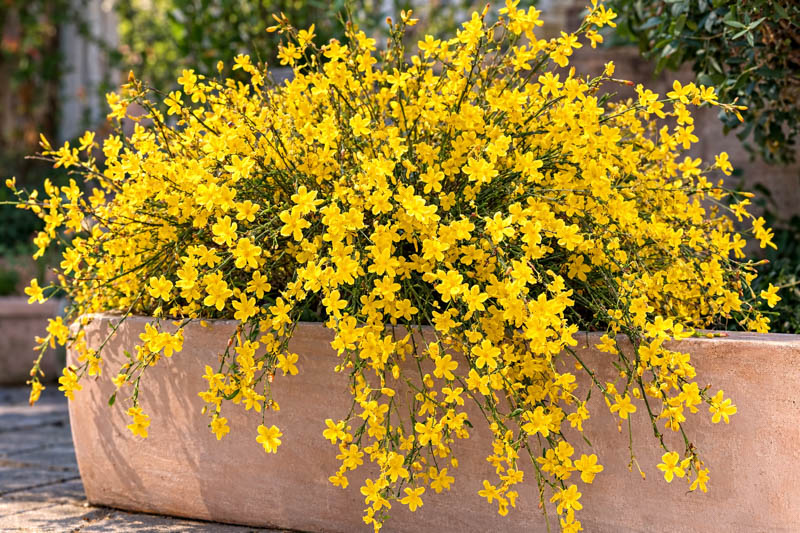
Best for: outdoor winter survival, zone 6 and zone 7 gardens, winter flowers, low-drama cold-climate performance
If your question is purely practical – what is the best jasmine for cold climates? – Winter Jasmine is the clearest answer. It is one of the hardiest and most widely available true jasmines and one of the plants most likely to remain a long-term outdoor plant in colder regions.
Its bright yellow flowers appear on bare green stems in winter to early spring, which gives it a very different personality from the classic white, intensely scented jasmines. It is not fragrant, and that is the main compromise. But it is durable, reliable, and far more realistic for cold gardens than tender patio jasmines that need rescue every autumn.
Winter Jasmine also has a useful arching, semi-scrambling structure. It can be allowed to spill over a wall, trained loosely against a support, or grown near steps and retaining walls where those green stems stand out in the dormant season. In a cold-climate landscape, that visual toughness matters.
Why it ranks first: it is the most dependable answer for gardeners who need outdoor hardiness more than perfume.
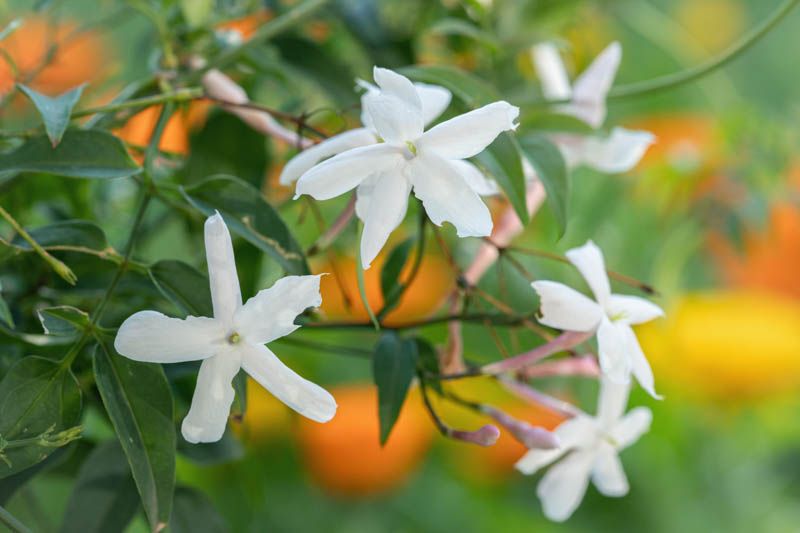
Best for: strong fragrance, protected walls, larger containers, zone 7 gardens, cool-climate gardeners who still want the classic jasmine experience
Common Jasmine is where fragrance and hardiness begin to overlap. It is not as cold-tough as Winter Jasmine, but it is significantly more realistic for cool climates than tropical choices like Arabian Jasmine. In protected settings, it can be a superb plant.
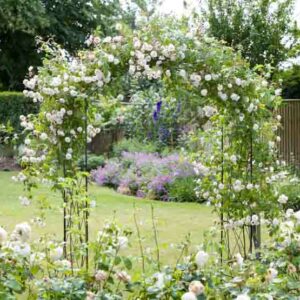
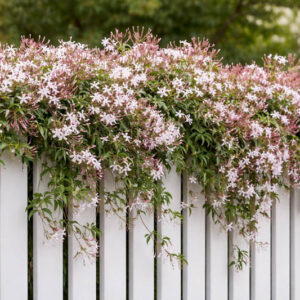
This is the jasmine many gardeners imagine when they think of a traditional white, fragrant vine. It flowers from late spring into summer or even longer in favorable conditions, and its scent can be powerful. In zone 7 gardens and sheltered zone 8 landscapes, it is one of the best choices for a fragrant jasmine in cold climates.
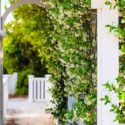
The key is placement. Give it sun, sharp drainage, and shelter from the worst wind exposure. A south- or west-facing wall, warm courtyard, or large pot that can be moved to protection during severe cold gives it a real advantage.
Why it ranks second: it offers the best balance of true jasmine fragrance and moderate cold tolerance, but it still needs better siting than Winter Jasmine.
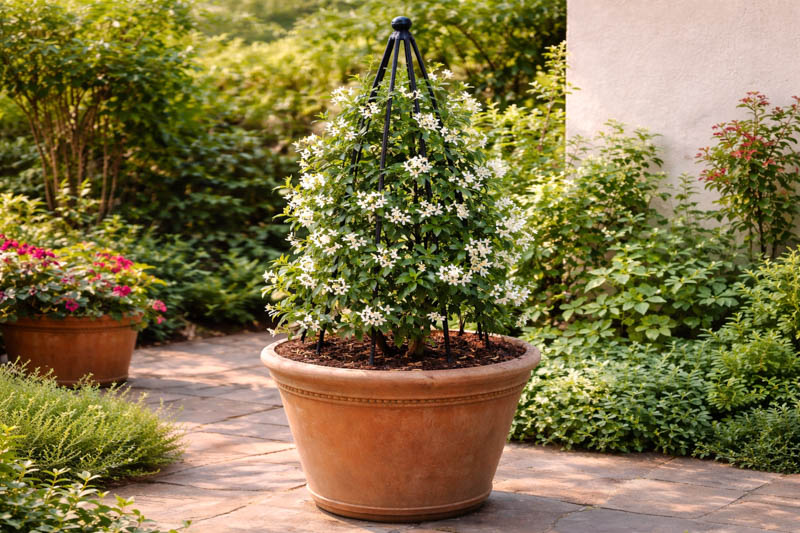
Best for: evergreen foliage, sheltered patios, mild winter gardens, formal trellises, zone 8 landscapes
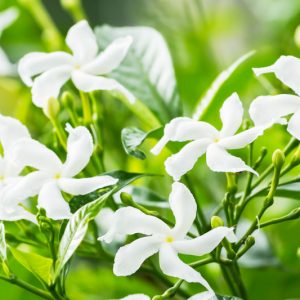
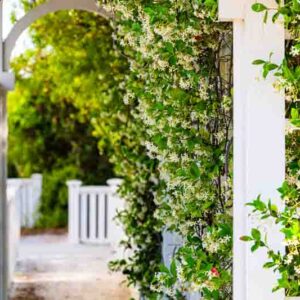
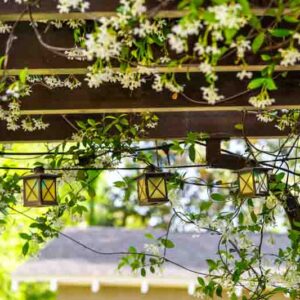
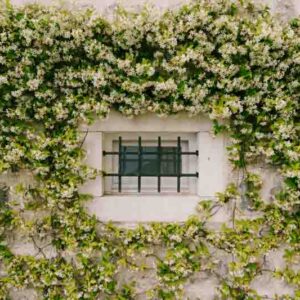
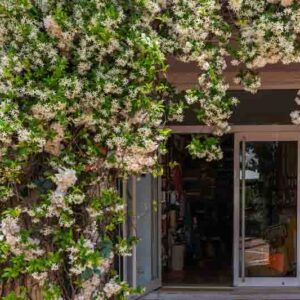
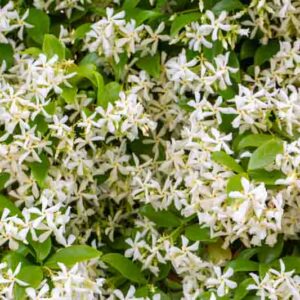
Star Jasmine is not a true jasmine, but it belongs in this discussion because gardeners routinely compare it with jasmines, and in mild winter climates it is one of the most useful fragrant climbers available. It has glossy evergreen leaves, white pinwheel flowers, and a rich scent that reads as unmistakably jasmine-like in the garden.
Where winters are moderate, Star Jasmine can be the most attractive all-season choice because it contributes structure even when it is not flowering. In cooler climates, the foliage can bronze in winter, which many gardeners actually enjoy.
But this is not a deep-cold recommendation. In truly cold climates, Star Jasmine becomes a protected-wall or container subject, not a carefree outdoor climber. If your winters are consistently harsh, move down the list toward Winter Jasmine instead.
Why it ranks third: excellent evergreen beauty and fragrance, but only a serious option where winter cold is limited or protection is available.
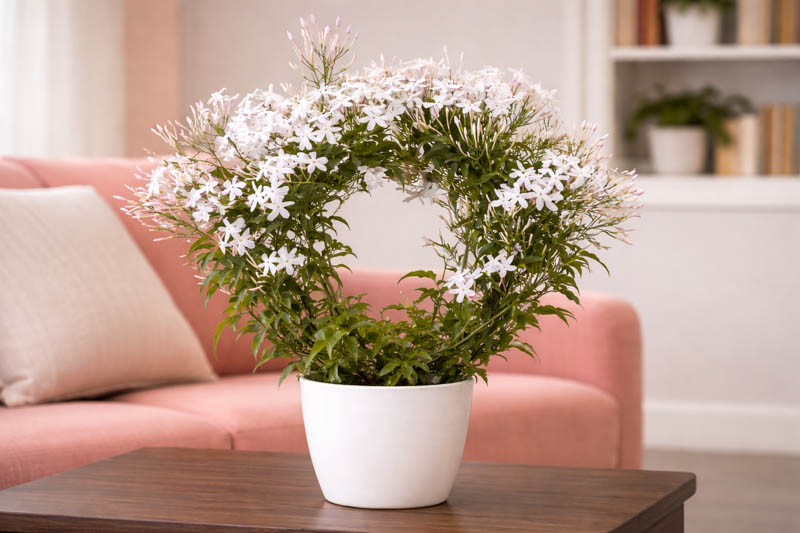
Best for: overwintering indoors, late winter bloom, trellised pots, sunrooms, bright protected spaces
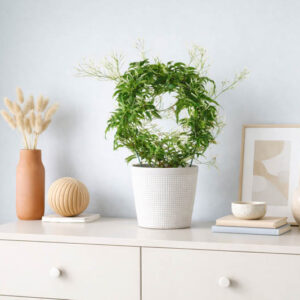
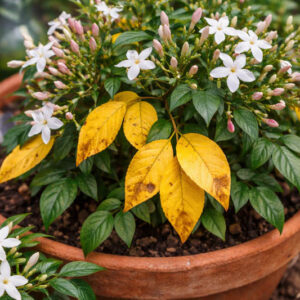
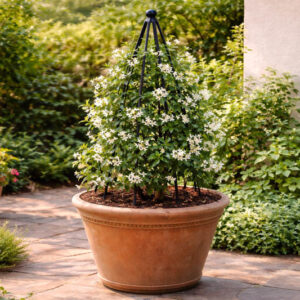
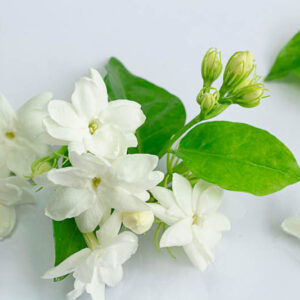
Pink Jasmine is a favorite because it produces masses of white flowers from pink buds, often at a time of year when gardeners are starved for bloom. It is vigorous, showy, and fragrant. In cold climates, however, it is best viewed as a container plant, not a permanent outdoor one.
That does not make it a weak choice. It makes it a strategic one. If you are willing to treat jasmine as a seasonal patio plant that spends winter in a bright indoor space, Pink Jasmine is one of the most rewarding options available. It gives you a much more dramatic floral display than Winter Jasmine and a much easier container rhythm than larger, more sprawling species.
Why it ranks fourth: a superb answer for cold-climate gardeners who accept that some jasmine success comes from mobility, not hardiness.
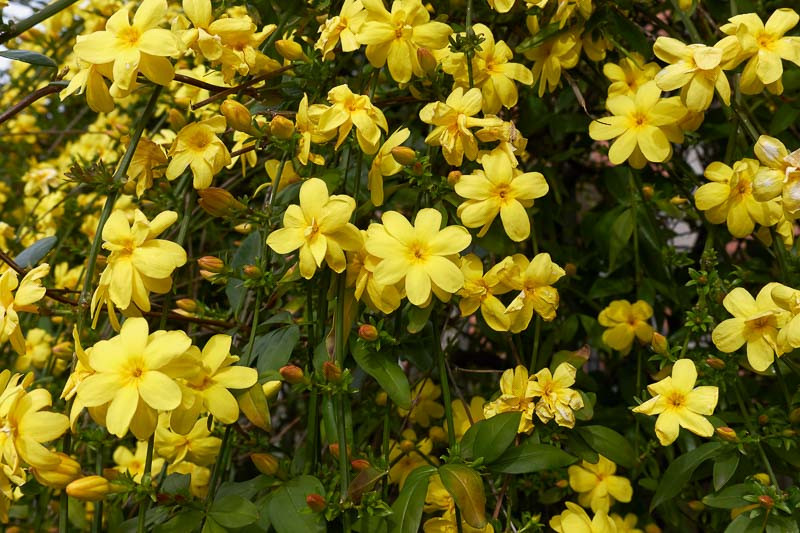
Best for: informal planting, cascading form, yellow flowers, mild cold regions
Primrose Jasmine is often grown for its arching habit and cheerful yellow flowers rather than fragrance. In colder climates it is less useful than Winter Jasmine because it lacks the same reputation for toughness, but in milder cool zones it can add a more relaxed, fountain-like look.
This is a design-driven choice, not the first answer for hardiness or scent. It earns a place on the list because some gardeners want color and movement more than perfume, and for them it can be effective.
Zone 6: Winter Jasmine is the standout choice. It is the most realistic outdoor jasmine for gardeners facing genuine winter cold.
Zone 7: Winter Jasmine remains the safest pick, while Common Jasmine becomes possible in protected sites. Large containers and wall shelter improve your odds.
Zone 8: Winter Jasmine, Common Jasmine, and Star Jasmine all become more viable depending on exposure. This is the zone where jasmine selection opens up meaningfully.
Zone 9 and warmer: Most jasmine options become feasible, including more tender fragrant types. At that point, cold hardiness stops being the main limiting factor.
| USDA Zone | Outdoor Growing | Protected Outdoor | Container Only / Bring Indoors |
|---|---|---|---|
| Zone 6 | Winter Jasmine | Common Jasmine only in exceptional sheltered sites | Pink Jasmine, Star Jasmine, Primrose Jasmine |
| Zone 7 | Winter Jasmine | Common Jasmine; Star Jasmine in favored microclimates | Pink Jasmine |
| Zone 8 | Winter Jasmine, Common Jasmine | Star Jasmine, Primrose Jasmine | Pink Jasmine in colder pockets |
| Zone 9+ | Most listed jasmines become feasible outdoors | Protection still helps in frost pockets | Optional rather than necessary for winter survival |
It is “Which one can survive my winter with the least intervention?” That question usually leads to a better plant choice – and a much better long-term result.
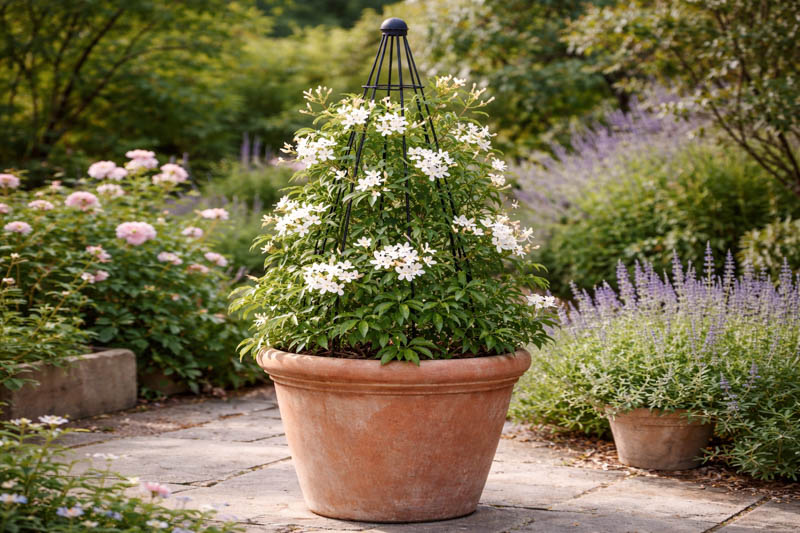
A jasmine that survives winter in the ground is not automatically a jasmine that survives winter in a pot. In cold climates, container roots are much more exposed to freezing temperatures than roots insulated by surrounding soil. That means a plant rated hardy in the landscape may still need protection when grown in a container.
For example, Winter Jasmine is one of the best options for gardeners who want a cold-hardy jasmine vine or arching shrub effect outdoors, especially in zone 6 and zone 7. But even Winter Jasmine is safer in a larger pot placed in a sheltered location than in a small exposed planter on an open patio.
Common Jasmine and Star Jasmine become much more conditional in containers. In mild winters they may manage outdoors in a protected setting, but in colder weather they are better treated as protected outdoor or movable container plants rather than fully exposed year-round specimens.
When gardeners search for the best jasmine for winter, they often mean one of two things. Some want a plant that can actually survive freezing temperatures outdoors. Others are willing to grow jasmine in a container and move it to shelter, but still want something that handles cool seasons better than tropical types.
Those are not the same goal. A truly cold-hardy jasmine must tolerate frozen soil, cold winds, and repeated winter stress. A merely adaptable jasmine may still be an excellent plant, but only if you are prepared to protect it.
For cold-climate performance, five traits matter most:
1 Root hardiness. In cold regions, roots fail before top growth does. This is especially important in containers, where root balls are far more exposed than in-ground plantings.
2 Bloom timing. Plants that set buds too early can be damaged by late frost. Winter bloomers and summer bloomers behave very differently.
3 Growth habit. Twining vines, arching shrubs, and scrambling stems each respond differently to winter exposure and pruning.
4 Recovery after cold. Some jasmines bounce back after winter dieback. Others do not.
5 Fragrance trade-off. The hardiest jasmines are not always the most fragrant. This is the central compromise in cold-climate jasmine growing.
In cold-climate jasmine growing, site selection can shift a plant from marginal to reliable. The same jasmine may struggle in one part of a yard and succeed in another.
South-facing brick wall: stores daytime heat and releases it at night, helping borderline plants such as Common Jasmine or Star Jasmine in cool climates.
Sheltered courtyard: reduces wind exposure, traps warmth, and creates a more stable winter environment for fragrant jasmine for cold climates.
Urban heat island: city gardens, enclosed patios, and townhouses often stay slightly warmer than open rural sites, which can make an important difference for evergreen jasmine for zone 7 or protected zone 8 gardens.
Windy exposed slope: one of the worst settings for jasmine that survives winter. Cold wind dries stems, increases freeze damage, and makes marginal plants far less reliable.
If you are gardening on the edge of a plant’s hardiness range, the microclimate is often as important as the USDA zone itself.
If you want the strongest jasmine fragrance and true cold hardiness in the same plant, your options narrow quickly. Fragrance peaks in warmer-climate jasmines. Hardiness peaks in tougher, less-scented types like Winter Jasmine.
Many of the most intensely fragrant jasmines come from warmer climates and put more energy into soft, fast, floriferous growth than into deep cold tolerance. By contrast, the jasmines and jasmine relatives that handle winter better often have tougher stems, more restrained flowering, or less emphasis on perfume.
That is why the best fragrant jasmine for cold climates is usually not the same plant as the most cold-hardy jasmine. Winter Jasmine is tougher, but not fragrant. Common Jasmine is more fragrant, but less cold-tolerant. Star Jasmine offers evergreen structure and scent, but it is more realistic in mild or protected winter settings than in deep-freeze gardens.
Winter damage does not always look the same, and knowing the difference helps you choose the right plant and the right protection strategy.
Root kill: the most serious problem, especially in containers. Frozen root balls can kill an otherwise hardy-looking plant.
Bud loss: flower buds may be damaged by late frost or sharp temperature swings, reducing bloom even when the plant survives.
Stem dieback: exposed stems can be damaged by cold wind or hard freezes, especially on borderline jasmines grown beyond their comfort zone.
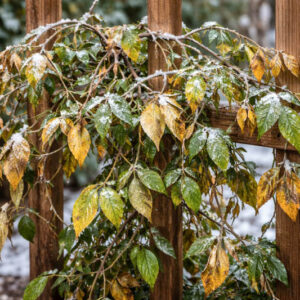
Leaf burn or bronzing: evergreen types such as Star Jasmine may show winter foliage discoloration in cooler conditions, especially when exposed to drying wind.
Crown survival with top damage: some jasmines recover from the base after winter injury, but recovery slows flowering and weakens ornamental value for the season.
1 Choose the warmest microclimate. A sunny wall, enclosed courtyard, or spot sheltered from winter wind can shift the odds dramatically in your favor.
2 Protect the roots. In cold climates, roots are the vulnerable point. Mulch helps in the ground. In containers, use a large pot and avoid leaving roots fully exposed to repeated freeze-thaw cycles.
3 Do not overwater in winter. Cold plus wet is more dangerous than cold alone for many jasmines. Excellent drainage is non-negotiable.
4 Prune at the right time. Many jasmines flower on older growth. Aggressive pruning at the wrong moment can remove next season’s flowers.
5 Be realistic with containers. A plant hardy in the ground is not automatically hardy in a pot. Container roots experience colder conditions than roots insulated by soil.
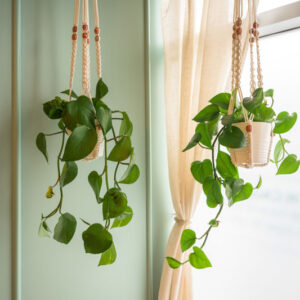
If you want to grow tender jasmine in a cold climate, the best strategy is often to enjoy it outdoors in the warm season and move it indoors before frost. This is especially useful for Pink Jasmine and other tender fragrant types.
Bright light: place the plant in very bright light, ideally near a sunny window or in a bright conservatory or sunroom.
Reduced feeding: stop heavy feeding in late season and avoid pushing soft new growth during winter’s low-light period.
Careful watering: keep the mix lightly moist but never soggy. Cold, wet roots are a common cause of decline.
Humidity: indoor air can be very dry in winter. Extra humidity, whether from a humidifier or a pebble tray, can help reduce stress.
Pest watch: check regularly for spider mites, whiteflies, and other indoor pests, especially when plants first come inside.
Pruning timing: prune after flowering rather than before, since many jasmines bloom on older growth and premature pruning can reduce the next display.
1 Buying a tender jasmine for scent without checking hardiness.
2 Assuming a wall-facing microclimate can compensate for every zone difference.
3 Forgetting that container-grown jasmine is less winter-hardy than in-ground planting.
4 Choosing evergreen foliage over hardiness in climates that are simply too cold for it.
5 Expecting Winter Jasmine to smell like Arabian or Common Jasmine.
Winter Jasmine, or Jasminum nudiflorum, is the most practical and widely recommended cold-hardy jasmine for gardeners in colder regions.
Yes. Common Jasmine, or Jasminum officinale, is one of the best fragrant jasmine options for cooler climates, especially in protected zone 7 and zone 8 gardens.
Star Jasmine can survive winter in milder cold climates, especially in sheltered spots, but it is not the best choice for regions with prolonged hard freezes.
Yes. Pink Jasmine and other tender jasmines can perform very well in containers if they are moved indoors or into a protected bright space before frost.
Winter Jasmine is the strongest choice for zone 6 gardeners because it offers the best combination of hardiness and dependable outdoor performance.
If you want the best jasmine for cold climates, Winter Jasmine is the most practical top choice for most cold-climate gardeners. It is the most dependable hardy jasmine for colder regions, especially where true winter exposure is unavoidable. If fragrance is your priority and your garden offers a protected setting, Common Jasmine is the strongest next step. If evergreen foliage matters and winters are milder, Star Jasmine is the best structural option. And if you are happy to move pots under cover, Pink Jasmine is one of the most rewarding container choices for cold-climate gardeners.
The real secret is matching the plant to the winter you actually have, not the one you hope you have. Get that right, and jasmine becomes not just possible in cold climates, but genuinely impressive.
Updated: March 2026 • Reviewed by Gardenia Editors
| Hardiness |
6 - 10 |
|---|---|
| Plant Type | Climbers, Shrubs |
| Genus | Jasminum, Trachelospermum |
| Exposure | Full Sun, Partial Sun |
| Season of Interest | Spring (Early, Mid, Late), Summer (Early, Mid, Late), Fall, Winter |
| Maintenance | Low |
| Water Needs | Average |
| Soil Type | Chalk, Loam, Sand |
| Soil pH | Acid, Alkaline, Neutral |
| Soil Drainage | Moist but Well-Drained, Well-Drained |
| Characteristics | Showy |
| Attracts | Bees, Butterflies |
| Landscaping Ideas | Patio And Containers |
| Hardiness |
6 - 10 |
|---|---|
| Plant Type | Climbers, Shrubs |
| Genus | Jasminum, Trachelospermum |
| Exposure | Full Sun, Partial Sun |
| Season of Interest | Spring (Early, Mid, Late), Summer (Early, Mid, Late), Fall, Winter |
| Maintenance | Low |
| Water Needs | Average |
| Soil Type | Chalk, Loam, Sand |
| Soil pH | Acid, Alkaline, Neutral |
| Soil Drainage | Moist but Well-Drained, Well-Drained |
| Characteristics | Showy |
| Attracts | Bees, Butterflies |
| Landscaping Ideas | Patio And Containers |
Create a membership account to save your garden designs and to view them on any device.
Becoming a contributing member of Gardenia is easy and can be done in just a few minutes. If you provide us with your name, email address and the payment of a modest $25 annual membership fee, you will become a full member, enabling you to design and save up to 25 of your garden design ideas.
Join now and start creating your dream garden!
Create a membership account to save your garden designs and to view them on any device.
Becoming a contributing member of Gardenia is easy and can be done in just a few minutes. If you provide us with your name, email address and the payment of a modest $25 annual membership fee, you will become a full member, enabling you to design and save up to 25 of your garden design ideas.
Join now and start creating your dream garden!