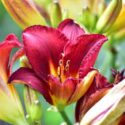
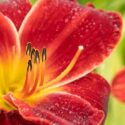
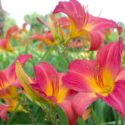
More fertilizer does not automatically mean more daylily flowers. Learn when daylilies actually need feeding, why spring is the main fertilizer window, how soil testing prevents overfeeding, what N-P-K really means, why bloom boosters are often unnecessary, and when poor flowering points to sun, water, crowding, or another problem instead.
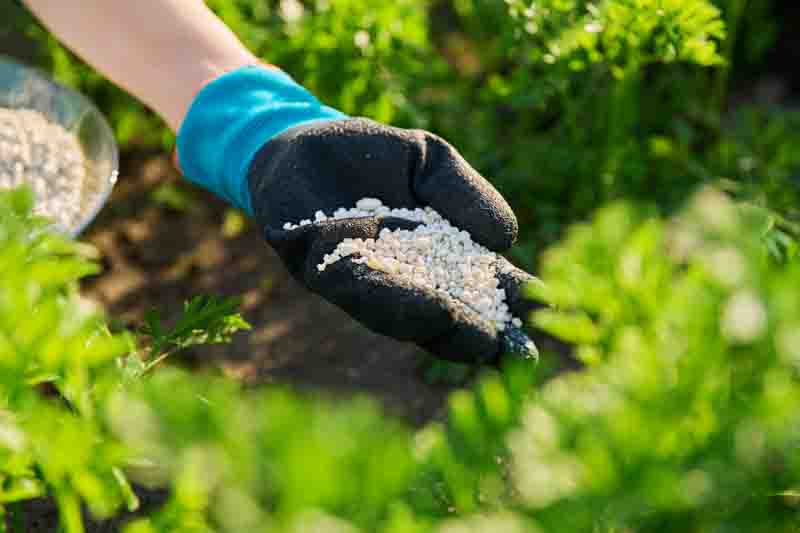


When daylilies produce fewer flowers than expected, fertilizer is often the first solution gardeners reach for. A bag labeled “bloom booster” seems to promise an easy fix: feed the plant, get more flowers.
Daylilies do not really work that way.
Daylilies (Hemerocallis) are adaptable, vigorous perennials that often grow and flower beautifully with surprisingly little supplemental fertilizer. The American Daylily Society says that in an average home garden, a single fertilizer application in spring is usually sufficient – and even that may not be necessary every year. The Royal Horticultural Society is similarly restrained, noting that established daylilies generally do not need additional feeding, although a general-purpose fertilizer can be applied in spring to boost growth.
More fertilizer does not automatically mean more flowers. Too much feeding, particularly excessive nitrogen, can leave you with magnificent foliage and a disappointing number of blooms.
The better approach is to determine whether your daylilies actually need nutrients, feed them at the right time when they do, and recognize when poor flowering has nothing to do with fertilizer at all.
Gardenia’s Daylily Fertilizer Rule: Feed the need, not the flower count. A poorly blooming daylily does not automatically need fertilizer. Check sunlight, water, crowding, planting depth, and plant health before adding nutrients.
Often, not very much.
Daylilies grow successfully in a wide range of soils and are less demanding than many heavy-feeding garden plants. In reasonably fertile soil enriched with organic matter, an established clump may flower well for years with little supplemental fertilizer.
The American Daylily Society recommends using a soil test to determine nutrient needs rather than feeding by guesswork. For the average home garden, it considers one spring application generally sufficient and notes that even this may not be necessary annually.
There are exceptions. Daylilies growing in very poor soils or light, sandy soils where nutrients leach quickly may need more attention. Container-grown daylilies are another important exception because their roots depend entirely on a limited volume of potting mix.
The basic principle is simple: fertilizer should support good growing conditions, not substitute for them.
If supplemental fertilizer is needed, spring as active growth begins is the main feeding window.
At this stage, daylilies are developing fresh foliage and roots and preparing for the season’s flower scapes and buds. Both ADS and RHS identify spring as the normal time to feed established daylilies when additional nutrients are warranted.
The exact calendar date depends on climate. A gardener in Georgia and one in Minnesota will not fertilize on the same weekend. Watch the plants rather than the calendar: the useful signal is the return of active spring growth.
If you regularly fertilize the same daylily bed, a soil test is one of the most useful things you can do.
One garden may already contain ample nitrogen, phosphorus, and potassium. Another may be sandy and lose nutrients rapidly. A third may have received years of compost and fertilizer and contain considerably more nutrients than its daylilies need.
Giving all three gardens the same fertilizer simply because the plants are daylilies makes little sense.
ADS specifically recommends soil analysis to determine nutrient needs. It also recommends testing before trying to alter soil pH with lime or sulfur.
A soil test becomes particularly valuable when flowering is disappointing despite apparently good light and water, when plants are growing in unusually poor soil, or when a bed has been fertilized repeatedly for years.
A healthy plant is giving you information. If your daylilies grow vigorously and flower generously, you do not need to fertilize simply because another year has begun.
There is no single magical N-P-K formula that produces the best daylily flowers in every garden.
RHS recommends a general-purpose fertilizer when supplemental feeding is desired. If a soil test identifies a particular deficiency, follow those recommendations instead.
The three numbers on a fertilizer package represent nitrogen, phosphorus, and potassium.
Nitrogen (N) supports leafy growth. Daylilies need nitrogen, but excessive amounts can encourage vigorous foliage without a corresponding improvement in flowering.
Phosphorus (P) is essential to normal plant growth and reproduction, but adding extra phosphorus to soil that already contains enough does not automatically produce more flowers.
Potassium (K) supports many plant functions, including water regulation and overall plant performance.
All three are essential nutrients. None functions as a simple “more flowers” switch.
Not routinely.
If the soil is deficient in phosphorus, correcting that deficiency is useful. But adding large amounts of phosphorus to soil that already contains adequate levels will not fix flowering problems caused by shade, drought, excessive nitrogen, deep planting, or an overcrowded clump.
The phrase “bloom booster” is marketing language, not proof that a particular fertilizer is what your daylilies need.
Skip the bloom-booster reflex. A high middle number cannot compensate for too little sun, a buried crown, an overcrowded clump, severe moisture stress, or a cultivar that does not naturally rebloom.
Nitrogen itself is not the enemy. Daylilies need it for normal growth.
The problem is excess. A classic warning sign is a clump producing lush, vigorous foliage but relatively few flower scapes.
This can occur when daylily beds are repeatedly fertilized or when lawn fertilizer reaches nearby plants. If the leaves look magnificent but the flower display is poor, another dose of fertilizer should not be your first response.
Before adding fertilizer, look at what the plant is actually telling you. Poor flowering does not always mean poor nutrition.
The Feed-or-Fix Test is a practical Gardenia decision framework, not a substitute for soil analysis. Plant appearance helps determine what to investigate first; a soil test provides better evidence when nutrient supply itself is uncertain.
If feeding is justified, follow the fertilizer label. More is not better.
For granular fertilizer, distribute the product over the soil around the plant rather than piling concentrated fertilizer directly against the crown. Keep granules off wet foliage where practical and water after application when the product instructions recommend it.
For liquid or soluble fertilizers, dilute according to the label. A stronger solution does not produce stronger flowers and can damage roots.
ADS notes that some gardeners use a weak fertilizer solution when preparing bare-root plants, but also makes clear that this is unnecessary and that overly strong solutions may be detrimental.
The broader lesson is useful: fertilizer concentration matters. Do not turn a recommended dose into a double dose because the plants seem hungry.
A newly planted daylily needs successful establishment more than aggressive feeding.
Begin with reasonably fertile, well-drained soil and reliable moisture. Position the crown correctly and make sure the roots have good contact with the surrounding soil.
If a soil test recommends nutrients, follow that recommendation. Otherwise, there is no need to surround a new daylily with concentrated fertilizer in an attempt to force fast top growth.
Avoid placing fertilizer directly against bare roots or the crown. Fresh roots need water and oxygen as much as nutrients, and excessive fertilizer salts can damage tender tissue.
For complete planting guidance, see Gardenia’s How to Grow and Care for Daylilies.
If an established daylily needed fertilizer, the normal spring application should already have supplied it before flower scapes and buds develop.
There is generally no reason to add another heavy dose simply because buds have appeared. At this stage, adequate moisture becomes particularly important.
Do not routinely fertilize during bloom in an attempt to force additional flowers.
Likewise, another fertilizer application immediately after flowering is usually unnecessary for an established daylily growing in normal garden soil.
A reblooming cultivar has the genetic ability to form additional flower scapes. Fertilizer cannot turn a once-blooming cultivar into a rebloomer.
For most established daylilies, there is little reason to add another routine fertilizer application in fall if the plant was adequately supplied earlier in the season.
In cold climates especially, avoid using a high-nitrogen fertilizer simply to stimulate a flush of fresh late-season foliage. Allow dormant cultivars to move naturally toward winter rest.
Adding compost or organic mulch to improve the soil is different from applying concentrated fertilizer specifically to stimulate new growth.
Daylilies growing permanently in containers are the important exception to the low-feeding approach used for many established garden plants.
RHS specifically notes that permanent container plants require regular feeding during the growing season because the limited volume of compost eventually runs out of nutrients.
The feeding schedule depends partly on the potting mix and fertilizer product being used, so follow their directions rather than copying a garden-bed schedule.
Remember that containers are also watered more frequently. Repeated watering and drainage can gradually remove available nutrients from the growing medium.
For pot size, drainage, watering, repotting, winter care, and cultivar selection, see Gardenia’s guide to Daylilies in Pots: Best Varieties and How to Grow Them in Containers.
Garden bed and container are not the same feeding environment. A daylily rooted in open soil can access a much larger nutrient reservoir than one living permanently in a pot.
Sometimes an established daylily growing in good garden soil may need little more than good soil management.
A spring mulch of well-rotted organic matter can improve soil structure, conserve moisture, support soil organisms, and gradually contribute nutrients as it decomposes. RHS recommends annual organic mulching around daylilies, particularly because it helps retain moisture and improve the soil.
But compost and fertilizer are not identical.
Compost is primarily a soil-building material. Its nutrient content varies depending on what it was made from and how thoroughly it decomposed. Fertilizers provide nutrients in more concentrated and predictable amounts.
If a soil test identifies a particular deficiency, compost may not correct it quickly or precisely enough by itself.
Think of compost as part of maintaining healthy soil rather than simply as a substitute bag of fertilizer.
If your daylilies are growing in reasonably fertile soil, water may have a greater influence on flowering than another dose of fertilizer.
The American Daylily Society emphasizes that adequate water supports good performance and is especially important while flower scapes and buds are developing and during the flowering season.
This distinction matters because daylilies are often described as drought tolerant. Established plants can survive periods of dry weather, but survival and peak flowering are not the same thing.
During prolonged drought, a daylily may remain alive yet produce fewer or smaller flowers, lose foliage quality, or fail to perform at its normal level.
A gardener who fertilizes in spring and simultaneously begins watering more consistently may credit the fertilizer for an improvement actually produced by several better growing conditions working together.
If flower scapes and buds are developing, protect the water supply. Fertilizer cannot compensate for serious moisture stress during a critical stage of flowering.
This is the situation most likely to send gardeners searching for a stronger fertilizer, yet it is one of the situations where another feeding may be least appropriate.
If your daylily produces abundant green foliage but surprisingly few flower scapes, check these factors before reaching for fertilizer.
Daylilies flower best with substantial direct sunlight. A plant can remain leafy and vigorous in partial shade while producing fewer blooms.
Repeated fertilization, manure, or fertilizer drifting from an adjacent lawn can push excessive leafy growth.
Soil or mulch can gradually accumulate over an established crown. Daylilies planted too deeply may flower poorly.
A mature clump that has become exceptionally congested may benefit from division rather than another feeding.
Dry conditions during scape and bud development can reduce flowering even when the plant survives without obvious permanent damage.
Recently moved plants may devote energy to establishment before returning to their normal flowering performance.
For a complete diagnosis, see Gardenia’s Why Are My Daylilies Not Blooming? Causes and Fixes.
Lush leaves are not proof of hunger. If foliage is vigorous but flowers are scarce, another fertilizer application may intensify the wrong kind of growth instead of solving the real problem.
Good nutrition supports healthy plant growth, and a vigorous plant is better able to express its natural flowering potential. But fertilizer cannot create rebloom genetics.
A cultivar such as ‘Stella de Oro’ has the genetic capacity to produce additional scapes. A once-blooming cultivar does not become a rebloomer because it receives extra phosphorus or nitrogen.
Even genuine rebloomers do not necessarily repeat equally well everywhere. Climate, growing-season length, moisture, temperature, plant vigor, and cultivar genetics all affect repeat flowering.
If a long season of daylily color is important, it is more reliable to combine cultivars with different flowering times and add reblooming varieties than to rely on fertilizer to extend a single plant indefinitely.
Explore Gardenia’s reblooming daylilies, early-blooming daylilies, midseason daylilies, and late-blooming daylilies to build a longer sequence of flowers.
Build a better daylily garden: Use Gardenia’s Plant Finder to explore daylilies by bloom season, size, color, exposure, and other characteristics. Compare cultivars with the Daylily Comparison Tool, then use the Garden Design Tool to combine plants and compare their mature sizes and flowering seasons.
Daylilies do not generally need a complicated feeding program to flower beautifully.
In the average home garden, the American Daylily Society says one spring fertilizer application is usually sufficient, and even that may not be necessary every year. RHS similarly says established garden-grown daylilies generally require little additional feeding.
If your soil genuinely needs nutrients, spring is the main time to provide them. Use a soil test when fertility is uncertain, follow fertilizer label rates, and resist the assumption that a high-phosphorus bloom booster must be better for a flowering perennial.
Above all, do not use flower count as your fertilizer test. A daylily with few blooms may need more sunlight, more consistent water, a shallower crown, division, or simply time to establish.
Container-grown daylilies are different because the limited growing medium gradually loses nutrients and requires more regular feeding during active growth.
The most useful daylily fertilizer strategy is therefore not a universal N-P-K formula. It is knowing when to feed, when to test, when to leave a healthy plant alone, and when the real problem has nothing to do with fertilizer.
If supplemental fertilizer is needed, spring as active growth begins is the main feeding window. The American Daylily Society says one spring application is usually sufficient in an average home garden, and even that may not be necessary every year.
There is no single best formula for every garden. A soil test is the best way to identify nutrient needs. Where supplemental feeding is appropriate, a general-purpose fertilizer applied at the label rate is a reasonable option.
Not routinely. Adding extra phosphorus to soil that already contains enough will not correct poor flowering caused by insufficient sun, moisture stress, deep planting, crowding, or excessive nitrogen.
Excessive nitrogen can encourage lush leafy growth while flowering remains disappointing. If a daylily has abundant healthy foliage but few scapes, review fertilizer use and also check sunlight, planting depth, crowding, and moisture.
Routine feeding immediately after flowering is usually unnecessary for established daylilies growing in normal garden soil. Fertilizer cannot turn a once-blooming cultivar into a rebloomer.
For most established daylilies, another routine fall feeding is unnecessary if the plants were adequately supplied earlier in the season. In cold climates, avoid using high-nitrogen fertilizer simply to stimulate fresh late-season growth.
Daylilies kept permanently in containers need regular feeding during the growing season because the limited potting mix gradually runs out of nutrients. Follow the fertilizer and potting-mix directions rather than using the same schedule as garden-grown plants.
A soil test is especially useful when fertility is uncertain, plants are performing poorly, or a bed has been repeatedly fertilized. The American Daylily Society recommends soil analysis to determine nutrient needs rather than amending by guesswork.
American Daylily Society – Daylily FAQ – specialist guidance on soil testing, spring fertilization, soil conditions, watering, and general daylily culture.
Royal Horticultural Society – How to Grow Hemerocallis – guidance on spring feeding, container feeding, mulching, watering, and ongoing daylily care.
University of Missouri Extension – Daylily: Big Color Without the Fuss – guidance on fertilizer use, nitrogen, soil, water, and daylily flowering.
Gardenia – Why Are My Daylilies Not Blooming? – Gardenia’s diagnostic guide to sunlight, planting depth, crowding, moisture, fertilizer, and other causes of poor bloom.
Gardenia – How to Grow and Care for Daylilies – complete planting, soil, watering, maintenance, and flowering guidance.
Updated: August 2026 • Reviewed by Gardenia Editors
| Hardiness |
3 - 9 |
|---|---|
| Heat Zones |
2 - 11 |
| Climate Zones | 2, 3, 4, 5, 6, 7, 8, 9, 10, 11, 12, 13, 14, 15, 16, 17, 18, 19, 20, 21, 22, 23, 24, H1, H2 |
| Plant Type | Perennials |
| Genus | Hemerocallis |
| Exposure | Full Sun, Partial Sun |
| Season of Interest | Summer (Early, Mid, Late), Fall |
| Maintenance | Low |
| Water Needs | Average |
| Soil Type | Chalk, Clay, Loam, Sand |
| Soil pH | Acid, Alkaline, Neutral |
| Soil Drainage | Moist but Well-Drained, Well-Drained |
| Characteristics | Showy |
| Tolerances | Drought, Rabbit, Dry Soil, Salt |
| Attracts | Butterflies, Hummingbirds |
| Landscaping Ideas | Banks And Slopes, Beds And Borders, Patio And Containers |
| Garden Styles | City and Courtyard, Coastal Garden, Informal and Cottage, Traditional Garden |
| Hardiness |
3 - 9 |
|---|---|
| Heat Zones |
2 - 11 |
| Climate Zones | 2, 3, 4, 5, 6, 7, 8, 9, 10, 11, 12, 13, 14, 15, 16, 17, 18, 19, 20, 21, 22, 23, 24, H1, H2 |
| Plant Type | Perennials |
| Genus | Hemerocallis |
| Exposure | Full Sun, Partial Sun |
| Season of Interest | Summer (Early, Mid, Late), Fall |
| Maintenance | Low |
| Water Needs | Average |
| Soil Type | Chalk, Clay, Loam, Sand |
| Soil pH | Acid, Alkaline, Neutral |
| Soil Drainage | Moist but Well-Drained, Well-Drained |
| Characteristics | Showy |
| Tolerances | Drought, Rabbit, Dry Soil, Salt |
| Attracts | Butterflies, Hummingbirds |
| Landscaping Ideas | Banks And Slopes, Beds And Borders, Patio And Containers |
| Garden Styles | City and Courtyard, Coastal Garden, Informal and Cottage, Traditional Garden |
Create a membership account to save your garden designs and to view them on any device.
Becoming a contributing member of Gardenia is easy and can be done in just a few minutes. If you provide us with your name, email address and the payment of a modest $25 annual membership fee, you will become a full member, enabling you to design and save up to 25 of your garden design ideas.
Join now and start creating your dream garden!
Create a membership account to save your garden designs and to view them on any device.
Becoming a contributing member of Gardenia is easy and can be done in just a few minutes. If you provide us with your name, email address and the payment of a modest $25 annual membership fee, you will become a full member, enabling you to design and save up to 25 of your garden design ideas.
Join now and start creating your dream garden!