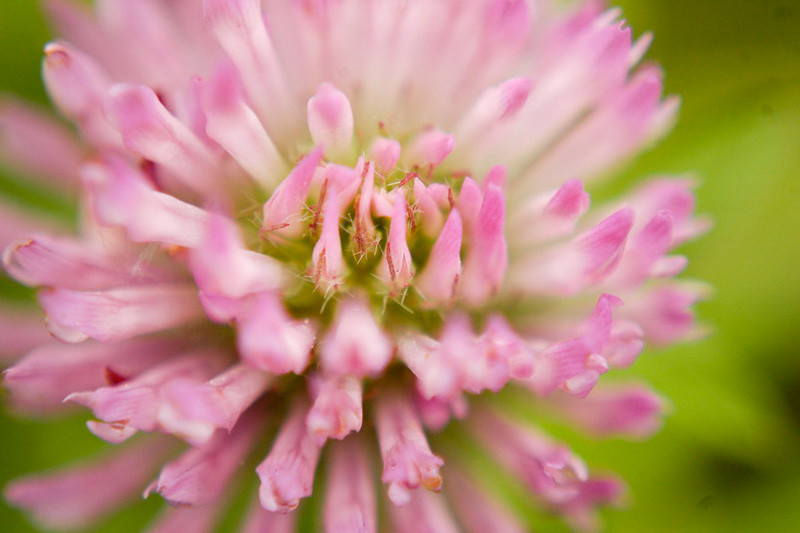
Trifolium (Clover) Guides
Trifolium (Clover) is one of the most practical plants you can add to a garden. Whether you want healthier soil, more pollinators, or a low-maintenance lawn alternative, Trifolium offers simple, nature-friendly solutions. Gardeners increasingly use clover to enrich soil naturally, support biodiversity, and improve garden resilience without chemicals.
If you want a garden that works with nature instead of against it, clover is a smart starting point. It fixes nitrogen in the soil, feeds pollinators, and grows easily in many climates.
Choose the Right Clover Variety
Different Trifolium species suit different gardening goals, but it’s important to choose wisely because some clovers spread aggressively. For pollinator gardens and herbal landscapes, try Trifolium pratense (Red Clover), a useful nectar plant that usually behaves well in garden beds. If you want dramatic color in meadows or seasonal cover crops, plant Trifolium incarnatum (Crimson Clover), which is typically grown as an annual and easier to manage.
For lawns and groundcovers, Trifolium repens (White Clover) is widely used because it tolerates mowing and improves soil fertility. However, this species can spread vigorously by creeping stems and self-seeding, and in some regions it may naturalize beyond garden areas. If you prefer a decorative option, Trifolium repens ‘Purpurascens Quadrifolium’ offers ornamental foliage, while borders and wildlife gardens can benefit from the tall plumes of Trifolium rubens.
Gardening tip: If you are concerned about invasiveness, grow clover in controlled areas such as meadow plantings, between crop rows, or mixed lawns, and mow or remove seed heads before they spread. Checking local guidance on naturalized species can also help you select the most responsible clover for your region.
Use Clover to Improve Soil Naturally
Clover is famous for its ability to fix nitrogen. This means it pulls nitrogen from the air and converts it into nutrients that enrich the soil. Many gardeners sow clover as a living mulch or cover crop between planting seasons. This approach improves soil fertility, reduces erosion, and minimizes the need for synthetic fertilizers.
Support Bees and Butterflies
Clover flowers are packed with nectar and pollen, making them valuable for pollinators. They help sustain bees and butterflies throughout the growing season. If you’re building a wildlife garden, explore guides like Best Host Plants for Butterflies in Texas or learn about species such as the Black Swallowtail Butterfly.
Pair Clover with Food Crops
One of the best ways to use clover is through companion planting. Because it enriches soil and suppresses weeds, clover supports nearby crops. It works especially well with vegetables and fruit plants. Learn more in guides like Companion Plants for Tomatoes, Strawberry Companion Plants, Peach Tree Companion Plants, or even tropical systems like Banana Companion Plants.
Simple Growing Advice
Grow clover in full sun to partial shade in well-drained soil. Once established, it requires very little care. Mow occasionally if used in lawns, or allow it to flower freely in pollinator gardens. Because it tolerates poor soil and drought better than many grasses, clover is often used in eco-friendly lawns and sustainable landscapes.
In modern gardening, Trifolium is more than a meadow plant – it is a practical tool for building healthier soil, supporting wildlife, and creating resilient, sustainable gardens.