Winter Jasmine, Winter-Flowered Jasmine, Jasminum sieboldianum

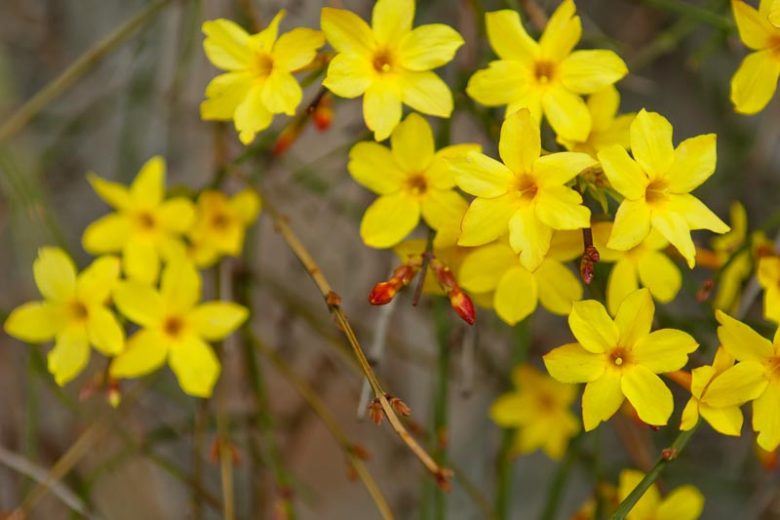
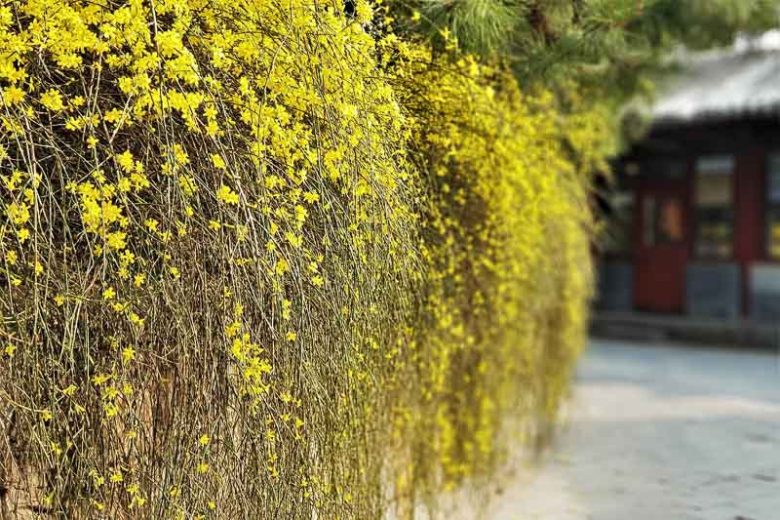
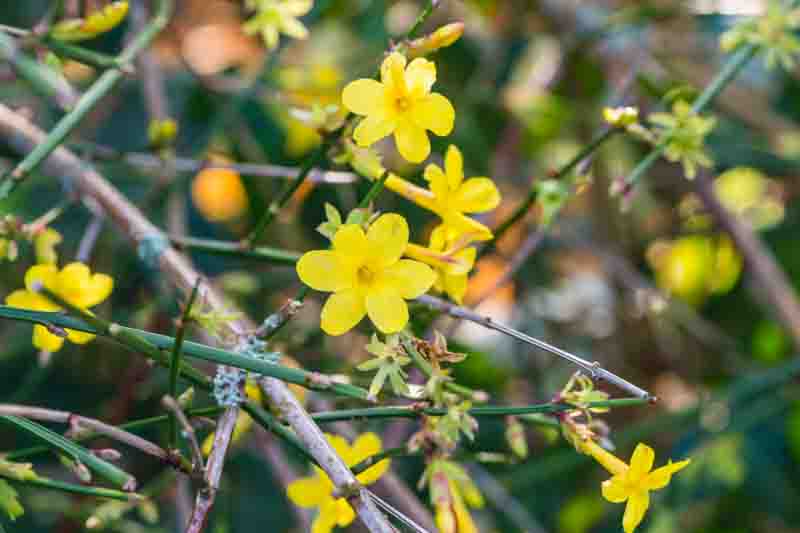


Jasminum nudiflorum, commonly called Winter Jasmine or Winter-Flowering Jasmine, is a vigorous, arching deciduous shrub grown for its bright yellow flowers in late winter and early spring. Unlike the sweetly scented jasmines of summer, this species earns its place through timing, toughness, and sheer garden value. When most of the landscape still looks dormant, Winter Jasmine lights up bare green stems with a cheerful floral display that feels almost defiant against cold weather.
Jasminum nudiflorum is a hardy deciduous shrub or wall-trained climber grown for bright yellow, non-fragrant flowers that open on bare green stems in late winter or early spring. Plant it in full sun to part shade in well-drained soil, water regularly while establishing, then deeply as needed. Prune immediately after flowering to control spread, renew flowering wood, and keep the plant tidy and productive.
Use: Excellent for banks, slopes, retaining walls, wall-side borders, trellises, arches, and informal cascading plantings.
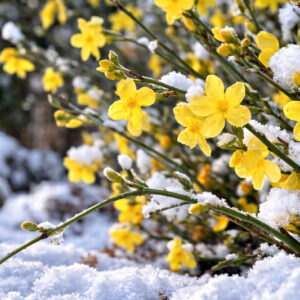
Highlight: Masses of bright yellow flowers on bare green stems in late winter or early spring.
Design note: Plant it where its arching shoots can spill, climb, or drape – this is one of the best shrubs for adding movement and winter color to the garden.
| Botanical Name | Jasminum nudiflorum |
|---|---|
| Family | Olive family (Oleaceae) |
| Common Names | Winter Jasmine, Winter-Flowering Jasmine |
| Native Range | Tibet and central China |
| Plant Type | Deciduous trailing shrub, scrambling wall shrub, or vine-like arching shrub |
| Hardiness (approx. USDA) | Best in USDA Zones 6-10 |
| Height | 4-5 ft. (1.2-1.5 m) as a shrub, or 10-15 ft. (3-4.5 m) if trained as a vine |
| Spread | 3-6 ft. (0.9-1.8 m) |
| Sun Exposure | Full sun to part shade |
| Soil | Average, well-drained soil; adaptable to sandy, loamy, or clay-based soils if drainage is reasonable |
| Bloom Time | Late winter to early spring |
| Flower Color | Bright yellow |
| Foliage | Glossy to shiny green trifoliate leaves appearing after bloom |
| Deer Resistant | Generally deer resistant |
| Attracts | Early pollinators and beneficial insects when little else is flowering |
| Edible Flowers | No – Winter Jasmine is grown as an ornamental rather than a culinary jasmine |
Winter Jasmine is one of the most useful cold-season flowering shrubs for real gardens, not just show gardens. It belongs to the true jasmine genus, Jasminum, but it behaves differently from the fragrant summer jasmines many gardeners expect. This is not the jasmine you grow for perfume. It is the jasmine you grow because it brings structure, movement, and vivid yellow bloom to the landscape when winter still has the upper hand.
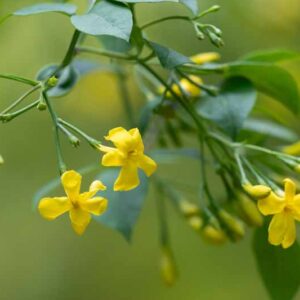
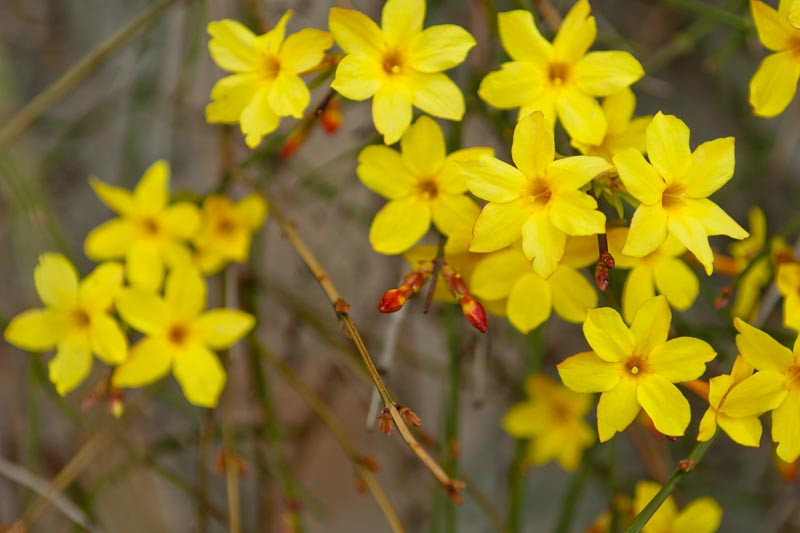
Winter Jasmine is a medium-sized deciduous shrub with long, slender, willowy stems that arch, spill, and scramble. Those green stems are ornamental in their own right, especially in winter. Then, before the leaves emerge, the stems become studded with bright yellow flowers about 1 inch across (2.5 cm). The effect is light, airy, and cheerful rather than heavy or dense.
Native to Tibet and central China, Winter Jasmine has proved remarkably adaptable in cultivation. It is comfortable in a broad range of temperate gardens and is especially valued in regions with cold winters and unpredictable late-winter weather.
This is where Winter Jasmine earns its reputation. It blooms in late winter to early spring, often before most deciduous shrubs have even begun to wake up. In milder climates, flowering may start very early. In colder climates, it still appears ahead of the main spring flush. That timing makes it one of the best shrubs for winter interest and for extending the ornamental season.
The glossy green leaves are trifoliate and appear after the flowers. During the growing season, the plant reads as an informal, mounding, somewhat fountain-like shrub. Left alone, it develops a broad, cascading profile. Trained on a support, it behaves like a loose wall shrub or informal vine. This flexible habit is one of its greatest design strengths.
As a free-standing shrub, Winter Jasmine typically grows about 4 to 5 feet tall (1.2-1.5 m) and can spread 3 to 6 feet wide (0.9-1.8 m). If trained on a wall, trellis, or arbor, the stems can reach 10 to 15 feet (3-4.5 m). It is not a clingy self-attaching climber, so it needs tying in, but it rewards that little bit of effort with a dramatic, graceful display.
Jasminum nudiflorum is generally reliable in USDA Zones 6-10. It is notably hardier than many jasmine species and is one of the best options for gardeners who want the jasmine look without needing a hot, sheltered, near-Mediterranean site.
Jasminum nudiflorum has received the Royal Horticultural Society’s Award of Garden Merit, confirming its reliability, beauty, and garden performance.
Takeaway:
Winter Jasmine is a true jasmine grown for winter color, not for fragrance or culinary flowers. Its bright yellow blooms on bare stems are the real attraction.
Winter Jasmine is valuable because it flowers when floral resources are still limited. Its blooms may provide an early nectar source to emerging pollinators and beneficial insects. In layered landscapes, its branching habit also creates cover and texture. It pairs especially well with Top 30 Winter Flowers to Bring Color to Your Garden and Home and with other plants chosen for extended seasonal interest.
Winter Jasmine is generally regarded as deer resistant, making it a strong choice for exposed gardens where browsing pressure limits shrub selection.
As always, deer resistance is relative. Hungry deer, drought, and regional feeding habits can change results.
Once established, Winter Jasmine is moderately drought tolerant. It survives ordinary dry spells better than many high-flowering shrubs, but it looks and flowers better with periodic deep watering in prolonged dry weather. This is especially true for plants on slopes, in fast-draining soils, or against warm walls where the root zone dries out quickly.
Winter Jasmine tolerates some drought once established, but the best flowering and healthiest stem growth come from plants that are not repeatedly stressed by dry soil.
Jasminum nudiflorum, like other true jasmines in the genus Jasminum, is generally regarded as non-toxic to dogs, cats, and horses. That said, any plant material can still cause mild stomach upset if chewed in quantity.
Winter Jasmine is not generally considered invasive, but it can spread steadily by rooting where its arching stems touch the ground. In practical terms, that means it is wonderfully useful on banks and slopes, but potentially untidy in small spaces if never managed. This is a maintenance issue, not a red-flag invasiveness issue.
Winter Jasmine is not usually invasive, but it is a spreading shrub that can root along the ground and gradually enlarge its footprint if stems are left unchecked.
Feed lightly in spring with compost or a balanced fertilizer. Avoid overfeeding. Too much nitrogen can produce long green shoots at the expense of flowers and structure.
Apply a 2-3 in. layer of mulch around the base to conserve moisture and moderate soil temperature. Keep mulch away from the crown.
Design tip:
Winter Jasmine is most convincing when treated as a cascading or wall-trained plant, not clipped into a rigid formal mound. Its charm comes from movement, not stiffness.
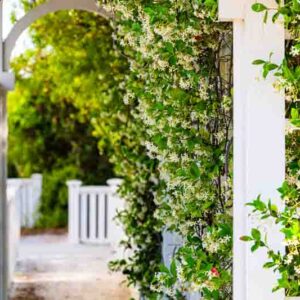
If you want Winter Jasmine to climb, tie the long shoots loosely to wires, lattice, or a trellis. It does not twine aggressively and does not cling by itself, so some early guidance matters. Spread stems fan-like across the support to create a balanced framework and better bloom distribution.
Winter Jasmine should be pruned immediately after flowering. That timing is critical. Prune too late and you remove the shoots that will carry next season’s bloom.
Pruning tip:
The best time to prune Winter Jasmine is right after flowering. That keeps the shrub tidy without sacrificing next year’s display.
Established plants usually need very little winter protection. In colder gardens, the framework remains attractive even when leafless, and the green stems add subtle seasonal color. Young plants benefit from mulch and a reasonably sheltered site while settling in.
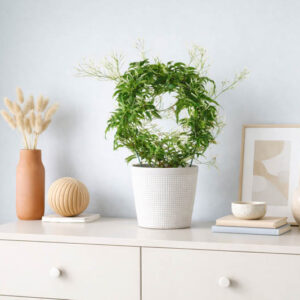
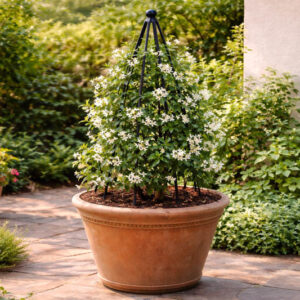
Winter Jasmine can be grown in a large container, especially if trained on a support or allowed to spill from a raised position. Still, it performs best in the ground where its roots can spread and the plant can develop its natural scale.
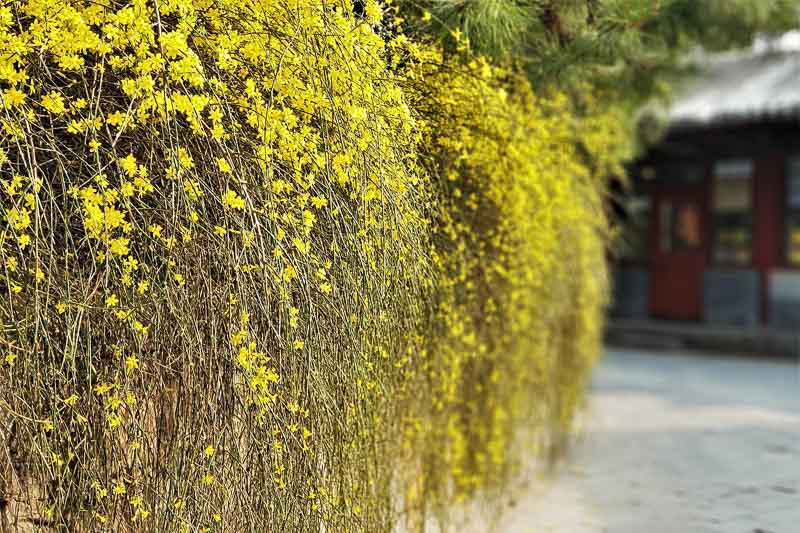
This is one of the finest ways to use the plant. Against a wall, the green stems show beautifully in winter, and the yellow flowers read more clearly against masonry, brick, or dark fencing.
Winter Jasmine is simple to manage, but timing matters.
| Task | Best Time |
|---|---|
| Planting | Plant in spring or fall for easier root establishment. |
| Feeding | Feed lightly in spring as growth resumes. |
| Pruning | Prune immediately after flowering. |
| Propagation | Use layering or semi-hardwood cuttings during the growing season. |
| Mulching | Refresh mulch in spring. |
| Winter display | Enjoy flowers from late winter into early spring. |
The easiest way to propagate Winter Jasmine is layering. In fact, the plant often shows you how by naturally rooting where a stem touches soil.
Bend a flexible shoot down to the ground, pin part of it lightly, cover that section with soil, and keep it slightly moist. Once roots form, the new plant can be severed from the parent.
Take partially mature cuttings during the growing season, insert them into a free-draining mix, and keep them evenly moist in bright indirect light until they root.
Winter Jasmine is usually straightforward. When it disappoints, the problem is often cultural rather than disease-related.
This plant naturally has a loose, arching habit. “Messy” often means it needs post-bloom thinning, better training, or a more suitable placement where its cascading character looks intentional.
Winter Jasmine is often described as relatively pest-free and disease-resistant. That said, stressed plants may occasionally develop issues.
Jasminum nudiflorum stands apart from other jasmines because it is grown primarily for winter bloom and structural use. Compared with Common Jasmine, it is far less fragrant but much earlier flowering. Compared with Star Jasmine, it is deciduous, hardier in colder winters, and much looser in habit. Compared with Primrose Jasmine, Winter Jasmine is generally hardier and more refined in cold-season landscapes.
Winter Jasmine shines when its habit is used intentionally.
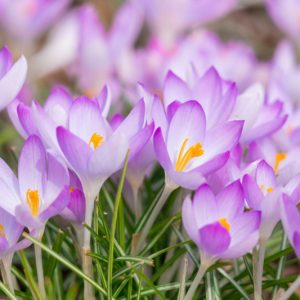
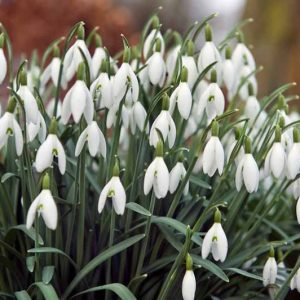
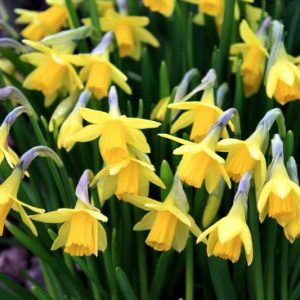
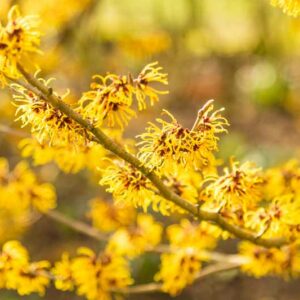
Choose companions that extend seasonal interest and support the plant’s role as an early-season performer. Strong partners include hellebores, snowdrops, crocus, daffodils, witch hazel, flowering quince, camellias in mild climates, evergreen euonymus, dwarf conifers, carex, liriope, and low ornamental grasses. These combinations help Winter Jasmine feel integrated into a four-season planting rather than isolated as a single seasonal event.
Jasminum nudiflorum, commonly called Winter Jasmine, is a deciduous arching shrub grown for bright yellow flowers that appear on bare green stems in late winter or early spring.
Yes. Winter Jasmine belongs to the genus Jasminum, so it is a true jasmine, even though it is not grown for fragrance like many other jasmine species.
No. Winter Jasmine is generally non-fragrant. Its value comes from vivid early-season color, graceful arching stems, and dependable garden performance.
Winter Jasmine usually blooms in late winter to early spring, often before the leaves emerge and well before many other shrubs begin flowering.
Winter Jasmine produces bright yellow flowers that stand out especially well against its leafless green stems.
As a shrub, Winter Jasmine typically grows about 4 to 5 feet tall and 3 to 6 feet wide. If trained on support, it can reach 10 to 15 feet.
Winter Jasmine is best described as a sprawling, arching shrub that can also be trained as a climber or wall shrub with support.
Winter Jasmine grows best in full sun to part shade. More sun usually means heavier flowering and stronger, denser growth.
Yes, it tolerates shade, but flowering is usually much better in full sun or partial sun than in deep shade.
The best place to plant Winter Jasmine is where its long stems can spill naturally over a wall, bank, raised planter, or slope, or be trained onto a trellis or wires.
Yes. Winter Jasmine is one of the best shrubs for slopes and banks because its arching stems can root where they touch the soil, helping it spread and cover the area.
Yes. Winter Jasmine is especially attractive when cascading over retaining walls, where its draping stems and yellow flowers create a soft, flowing effect.
Yes. Winter Jasmine can grow in a large container with good drainage, regular watering, and enough room for its arching stems to spill or be lightly trained.
No. Winter Jasmine is deciduous, which means it drops its leaves in fall or winter and blooms on bare stems.
Prune Winter Jasmine immediately after flowering. This keeps the plant tidy and preserves the shoots that will produce next year’s blooms.
The most common reasons are too much shade, pruning at the wrong time, or too much nitrogen fertilizer encouraging leafy growth instead of flowers.
Updated: March 2026 – Reviewed by Gardenia Editors
| Hardiness |
6 - 10 |
|---|---|
| Heat Zones |
6 - 9 |
| Climate Zones | 2, 2A, 2B, 3, 3A, 3B, 4, 5, 6, 7, 8, 9, 10, 11, 12, 13, 14, 15, 16, 17, 18, 19, 20, 21 |
| Plant Type | Climbers, Shrubs |
| Plant Family | Oleaceae |
| Genus | Jasminum |
| Common names | Jasmine, Winter Jasmine |
| Exposure | Full Sun, Partial Sun |
| Season of Interest | Spring (Early), Winter |
| Height | 4' - 15' (120cm - 4.6m) |
| Spread | 3' - 6' (90cm - 180cm) |
| Spacing | 36" - 72" (90cm - 180cm) |
| Maintenance | Low |
| Water Needs | Low, Average |
| Soil Type | Chalk, Clay, Loam, Sand |
| Soil pH | Acid, Alkaline, Neutral |
| Soil Drainage | Well-Drained |
| Characteristics | Plant of Merit, Showy |
| Tolerances | Deer, Clay Soil, Drought, Full Shade, Heat, Erosion |
| Garden Uses | Arbors, Pergolas, Trellises, Banks And Slopes, Ground Covers, Wall-Side Borders, Walls And Fences |
| Garden Styles | Coastal Garden |
| Toxic to Humans | No known toxicity |
| Toxic to Cats | Not toxic |
| Toxic to Dogs | Not toxic |
| Toxic to Horses | Not toxic |


| Hardiness |
6 - 10 |
|---|---|
| Heat Zones |
6 - 9 |
| Climate Zones | 2, 2A, 2B, 3, 3A, 3B, 4, 5, 6, 7, 8, 9, 10, 11, 12, 13, 14, 15, 16, 17, 18, 19, 20, 21 |
| Plant Type | Climbers, Shrubs |
| Plant Family | Oleaceae |
| Genus | Jasminum |
| Common names | Jasmine, Winter Jasmine |
| Exposure | Full Sun, Partial Sun |
| Season of Interest | Spring (Early), Winter |
| Height | 4' - 15' (120cm - 4.6m) |
| Spread | 3' - 6' (90cm - 180cm) |
| Spacing | 36" - 72" (90cm - 180cm) |
| Maintenance | Low |
| Water Needs | Low, Average |
| Soil Type | Chalk, Clay, Loam, Sand |
| Soil pH | Acid, Alkaline, Neutral |
| Soil Drainage | Well-Drained |
| Characteristics | Plant of Merit, Showy |
| Tolerances | Deer, Clay Soil, Drought, Full Shade, Heat, Erosion |
| Garden Uses | Arbors, Pergolas, Trellises, Banks And Slopes, Ground Covers, Wall-Side Borders, Walls And Fences |
| Garden Styles | Coastal Garden |
| Toxic to Humans | No known toxicity |
| Toxic to Cats | Not toxic |
| Toxic to Dogs | Not toxic |
| Toxic to Horses | Not toxic |
How many Jasminum nudiflorum (Winter Jasmine) do I need for my garden?
| Plant | Quantity | |
|---|---|---|
| Jasminum nudiflorum (Winter Jasmine) | N/A | Buy Plants |
Create a membership account to save your garden designs and to view them on any device.
Becoming a contributing member of Gardenia is easy and can be done in just a few minutes. If you provide us with your name, email address and the payment of a modest $25 annual membership fee, you will become a full member, enabling you to design and save up to 25 of your garden design ideas.
Join now and start creating your dream garden!
Create a membership account to save your garden designs and to view them on any device.
Becoming a contributing member of Gardenia is easy and can be done in just a few minutes. If you provide us with your name, email address and the payment of a modest $25 annual membership fee, you will become a full member, enabling you to design and save up to 25 of your garden design ideas.
Join now and start creating your dream garden!