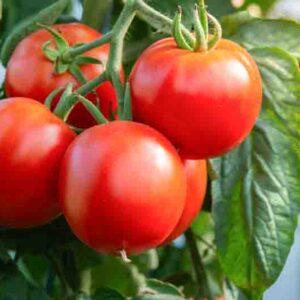
Tomato 'Roma'
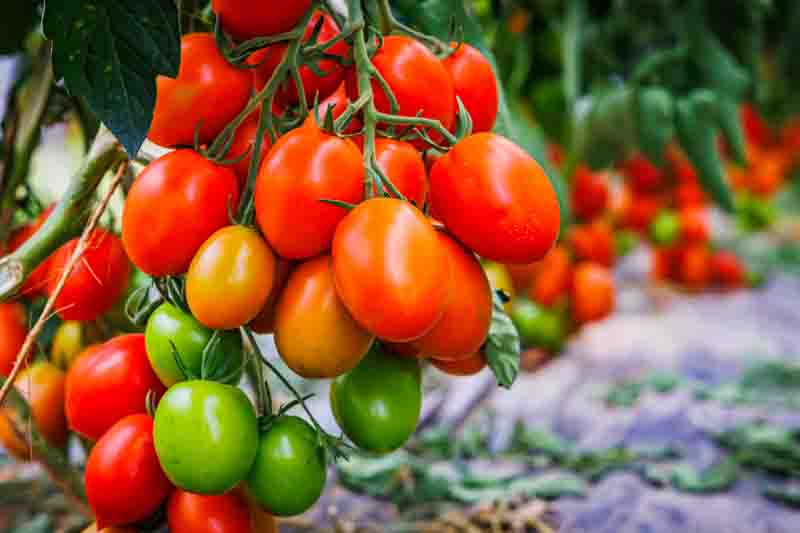
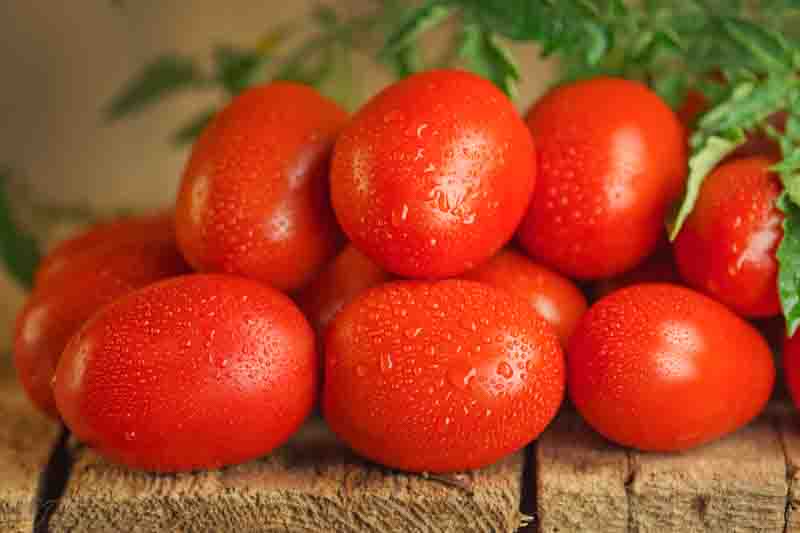
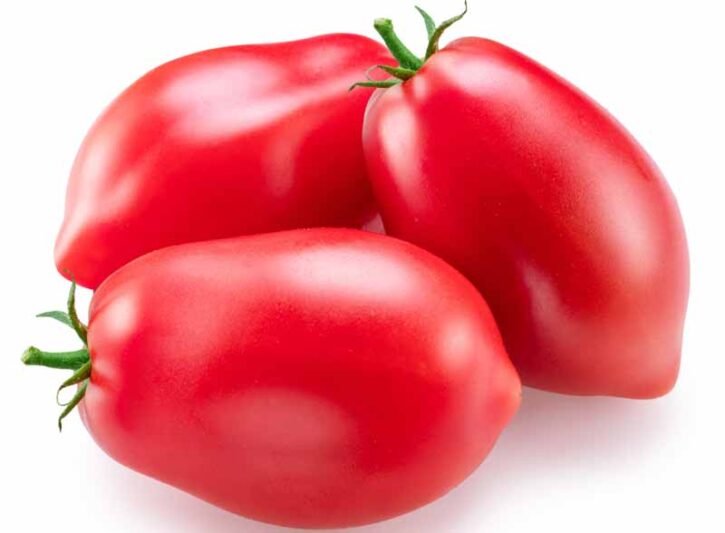
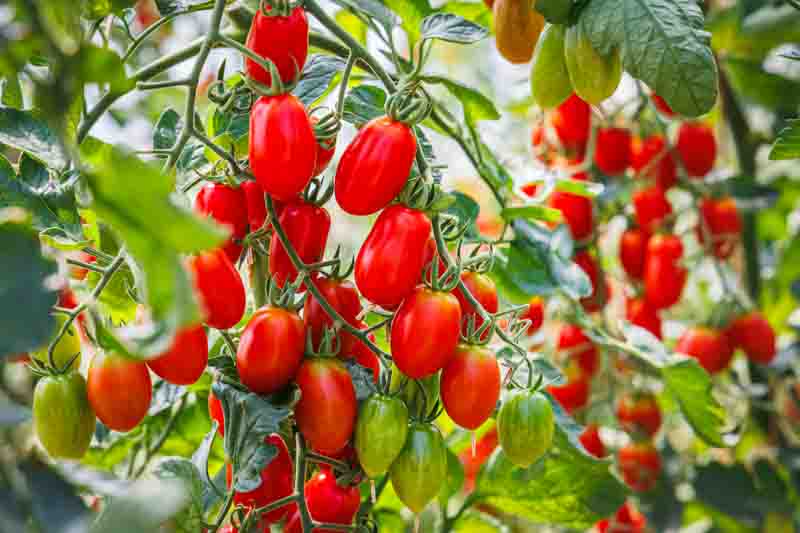


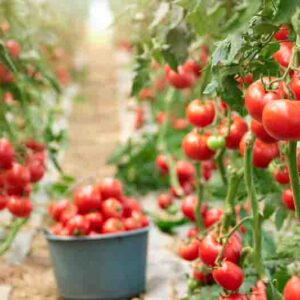
Solanum lycopersicum ‘Roma’ is a classic determinate paste tomato prized for its meaty red fruits, thick walls, relatively low moisture content, and small seed cavities. Compact and productive, it is especially valued for sauces, tomato paste, canning, roasting, and cooking because the fruits contain more flesh and less watery gel than many slicing tomatoes.
Unlike indeterminate tomatoes that continue producing new stems and fruit throughout the season, ‘Roma’ grows to a more limited size and ripens much of its crop over a relatively concentrated period. That makes it particularly useful for gardeners who want enough tomatoes at once for sauce-making, canning, or preserving.
Gardenia cultivar insight: ‘Roma’ is a specific named tomato cultivar, while “Roma tomato” is also commonly used more loosely for plum-shaped paste tomatoes. Not every Roma-type tomato is the cultivar ‘Roma’. Check the cultivar name when comparing growth habit, fruit size, maturity, disease resistance, or kitchen performance.
| Botanical Name | Solanum lycopersicum ‘Roma’ |
|---|---|
| Family | Solanaceae |
| Common Names | Roma tomato, Roma paste tomato |
| Origin | Developed by the USDA Agricultural Research Service at Beltsville, Maryland, and released in 1955; bred from ‘San Marzano’ and ‘Red Top’ |
| Plant Type and Habit | Warm-season fruiting annual; determinate, compact to bushy, with a relatively concentrated harvest |
| Size | Typically 3-5 ft. tall and about 1.5-3 ft. wide (90-150 cm by 45-90 cm), depending on support and growing conditions |
| Growth Habit | Determinate; stems eventually terminate in flower clusters and much of the crop ripens over a shorter period than indeterminate tomatoes |
| Tomato Type | Plum / paste tomato; open-pollinated cultivar |
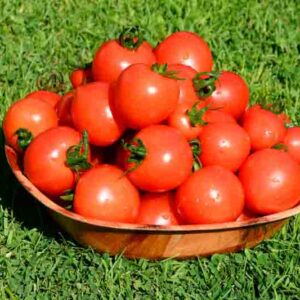
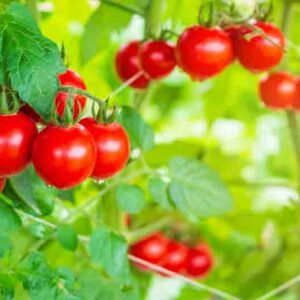
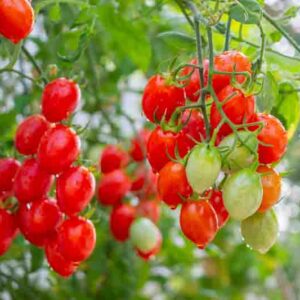
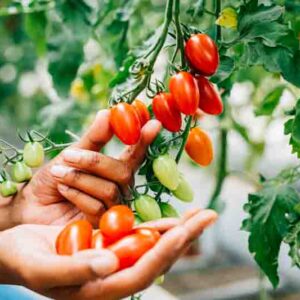
| Fruit | Red, oval to plum-shaped fruits, about 2½-3 in. long, typically around 3 oz., with thick flesh, relatively little watery gel, and small seed cavities |
| Days to Maturity | Approximately 75-80 days from transplanting under favorable conditions |
| Sun and Exposure | Full sun; at least 6 hours of direct sunlight, with 8 or more hours preferable for strong growth and fruit production |
| Soil | Fertile, organically rich, moist but well-drained clay, loam, or sandy soil; slightly acidic to neutral, ideally around pH 6.0-6.8 |
| Water | Average to high during active growth; maintain reasonably even soil moisture and avoid repeated dry-wet swings |
| Harvest | Relatively concentrated harvest; pick when fruits are fully red and firm, or from the breaker stage when weather, cracking, or pests threaten |
| Best Uses | Sauce, paste, purée, canning, roasting, cooking, drying, salsa, and fresh eating |
| Disease Resistance | Classic open-pollinated ‘Roma’ is commonly listed with resistance to Verticillium wilt and Fusarium wilt race 1; resistance may differ among Roma-type cultivars and seed strains |
| Container Suitability | Good; its determinate habit is easier to manage than a vigorous indeterminate tomato, but use a generous container and sturdy support |
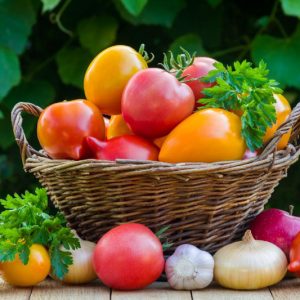
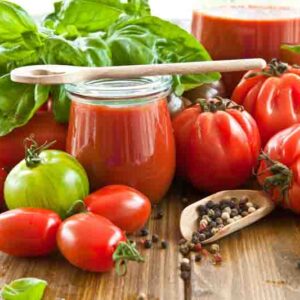
‘Roma’ became a garden favorite because its fruit is particularly well suited to cooking. Compared with many slicing tomatoes, the fruits contain thick, firm flesh, relatively little watery gel, and fewer seeds. They cook down efficiently, producing a thicker sauce with less reduction time.
The bright red fruits are elongated and plum-shaped rather than round. Flavor is pleasantly tomato-rich, but the cultivar’s greatest strength is its dense, meaty texture rather than exceptional fresh-eating sweetness.
‘Roma’ is especially useful for:
Tomato sauce and marinara.
Tomato paste and purée.
Canning and preserving.
Roasting and oven-drying.
Salsa where a less watery tomato is preferred.
Best reason to grow ‘Roma’: Choose it when you want a concentrated harvest of meaty tomatoes for the kitchen. If your priority is a long season of large, juicy slicing tomatoes, an indeterminate slicer may suit you better.
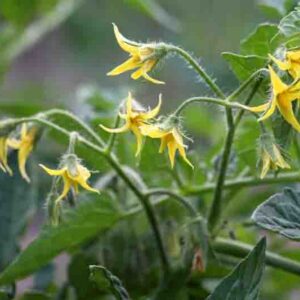
‘Roma’ is a determinate tomato. It grows to a genetically limited size, flowers heavily, and produces much of its crop over a relatively concentrated harvest window.
This makes ‘Roma’ different from indeterminate cultivars, which continue producing new stems, flowers, and fruit through the season until frost, disease, or unfavorable weather stops growth.
For a full explanation, see Gardenia’s Determinate vs. Indeterminate Tomatoes.
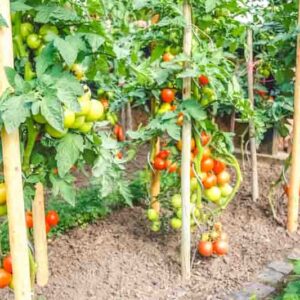
Although compact, ‘Roma’ benefits from a sturdy cage or support. A heavily loaded plant can carry many fruits at once, and unsupported stems may bend or sprawl onto the soil.
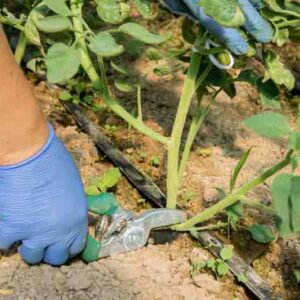
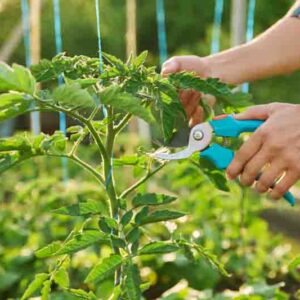
Do not heavily prune ‘Roma’. Because it is determinate, repeated sucker removal can remove productive shoots and reduce the crop. Remove only low, damaged, diseased, or clearly unwanted growth when useful.
Grow ‘Roma’ in full sun, ideally with at least 6 hours of direct sunlight and preferably 8 or more for strong growth and fruit production.
Plant in fertile, organically rich, moist but well-drained soil. ‘Roma’ can grow in clay, loam, or sandy soil provided drainage is adequate. Tomatoes perform well around pH 6.0-6.8, with roughly 6.2-6.5 an excellent target for nutrient availability.
Allow roughly 24-36 inches (60-90 cm) between plants, adjusting for plant vigor, airflow, support, soil fertility, and climate. Wider spacing can be especially useful in humid conditions where foliage remains wet for longer periods.
Maintain reasonably even root-zone moisture. Repeated cycles of very dry soil followed by heavy watering can contribute to fruit cracking and blossom-end rot.
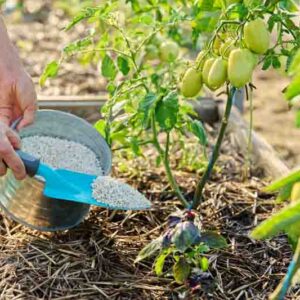
Use balanced fertility and avoid excessive nitrogen, which can encourage lush foliage at the expense of flowering and fruiting. A soil test is more useful than fertilizing by habit.
For the best crop: Focus on steady moisture, full sun, healthy roots, balanced fertility, and reliable support. ‘Roma’ does not need aggressive pruning or heavy feeding to produce well.
For complete cultural guidance, see Gardenia’s Tomato (Solanum lycopersicum) profile.
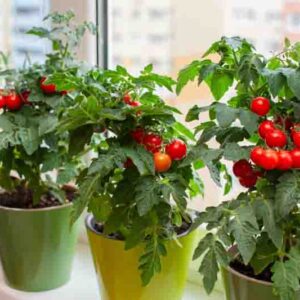
‘Roma’ is better suited to containers than many vigorous indeterminate tomatoes because of its determinate habit, but it still needs substantial root room.
Use a container of at least about 5 gallons (19 L) for one plant, with 10 gallons or more providing a more forgiving moisture reserve. Choose a high-quality potting mix, provide excellent drainage, and install a cage or other support at planting time.
Container-grown tomatoes can dry rapidly during hot or windy weather, so check moisture frequently rather than watering on a rigid schedule. Avoid allowing the potting mix to become repeatedly bone-dry between waterings.
Container advantage: ‘Roma’s determinate habit makes it easier to manage in a pot than a vigorous indeterminate vine, but container size still matters. More soil volume means a larger moisture reserve and less stressful watering during hot weather.
Classic open-pollinated ‘Roma’ is commonly listed with resistance to Verticillium wilt and Fusarium wilt, including Fusarium wilt race 1. However, seed strains and other cultivars sold under Roma-related names can differ, so check the resistance codes on the specific seed packet rather than assuming all Roma-type tomatoes have the same disease package.
Like other tomatoes, ‘Roma’ may still encounter:
Early blight, which commonly begins on older lower foliage.
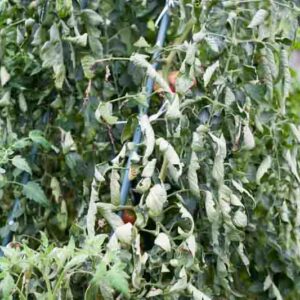
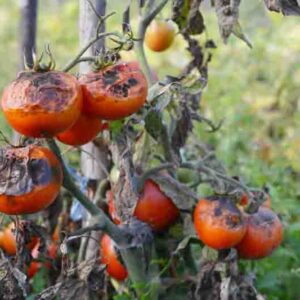
Late blight, a potentially destructive disease of leaves, stems, and fruit.
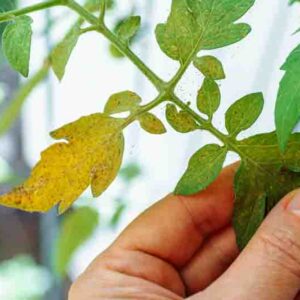
Septoria leaf spot, which can cause numerous small lesions and progressive defoliation.
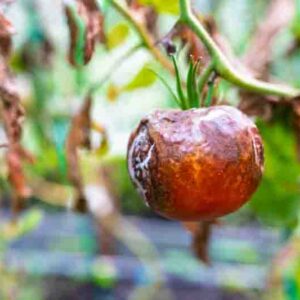
Blossom-end rot, a physiological disorder associated with inadequate calcium delivery to developing fruit, often during moisture or root stress.
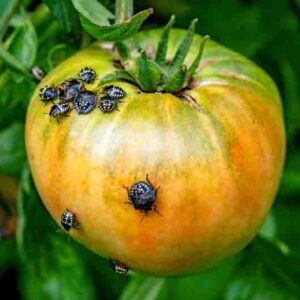
Tomato hornworms, which can remove large amounts of foliage quickly.
If symptoms are unclear, use Gardenia’s Tomato Problems: What Is Wrong With My Plant?. For infectious diseases, see Tomato Diseases: Identification, Treatment & Prevention.
Harvest fruits when they have developed their full red color and feel firm but no longer hard. For sauce and cooking, fully ripened fruit generally provides the richest flavor.
When cracking, storms, pests, or frost threaten, mature fruit can be picked once color development has begun and allowed to finish ripening indoors.
Because ‘Roma’ is determinate, expect much of the crop to mature within a relatively concentrated period. That is one of its biggest advantages for gardeners planning a batch of sauce, canned tomatoes, roasted tomatoes, or tomato paste.
Planning to preserve? ‘Roma’s concentrated harvest is an advantage. Instead of waiting weeks to accumulate enough fruit for a large batch, several plants can provide substantial quantities over a shorter period.
Choose companion plants because their growing conditions and garden functions are compatible rather than because of unsupported claims that a neighboring plant will automatically improve tomato flavor or repel every pest.
Basil (Ocimum basilicum) enjoys full sun, well-drained soil, and regular moisture and fits naturally into an edible tomato bed.
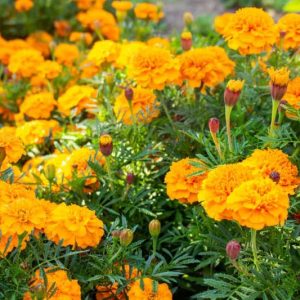
French Marigold (Tagetes patula) thrives in full sun and well-drained soil while adding long-season color around vegetable beds.
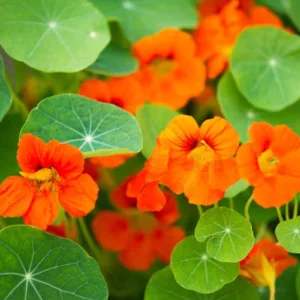
Nasturtium (Tropaeolum majus) grows well in sun and well-drained soil and can provide flowers around the edge of the planting.
Garlic (Allium sativum) shares a preference for sun and good drainage and can occupy garden space before tomato plants reach full summer size.
For more ideas based on garden function rather than folklore, see Gardenia’s Companion Plants for Tomatoes.
‘Roma’ is a determinate tomato. It forms a compact to bushy plant and produces much of its crop over a relatively concentrated period.
Classic ‘Roma’ typically grows about 3-5 feet (90-150 cm) tall, depending on support, climate, soil fertility, water, and other growing conditions.
‘Roma’ generally matures about 75-80 days after transplanting under favorable growing conditions.
Yes. Their thick flesh, relatively low moisture content, and small seed cavities make ‘Roma’ especially useful for sauces, paste, canning, roasting, and other cooked preparations.
Only lightly. Because ‘Roma’ is determinate, repeated sucker removal can reduce productive growth. Remove low, damaged, diseased, or clearly unwanted growth when useful, but avoid training it like a heavily pruned indeterminate tomato.
Yes. Their determinate habit makes them suitable for containers, but they still need adequate root volume, full sun, reliable moisture, good drainage, and support for fruit-laden stems.
No. ‘Roma’ is a named cultivar, but “Roma tomato” is also commonly used for a broader group of plum-shaped paste tomatoes. Roma-type cultivars can differ in growth habit, fruit size, maturity, and disease resistance.
| Hardiness |
2 - 11 |
|---|---|
| Climate Zones | 1, 1A, 1B, 2, 2A, 2B, 3, 3A, 3B, 4, 5, 6, 7, 8, 9, 10, 11, 12, 13, 14, 15, 16, 17, 18, 19, 20, 21, 22, 23, 24, A1, A2, A3, H1, H2 |
| Plant Type | Annuals, Fruits, Perennials |
| Plant Family | Solanaceae |
| Genus | Solanum, Tomatoes |
| Common names | Tomato |
| Exposure | Full Sun |
| Season of Interest | Summer (Early, Mid, Late), Fall |
| Height | 3' - 5' (90cm - 150cm) |
| Spread | 2' - 3' (60cm - 90cm) |
| Spacing | 24" - 36" (60cm - 90cm) |
| Maintenance | High |
| Water Needs | Average |
| Soil Type | Clay, Loam, Sand |
| Soil pH | Acid, Neutral |
| Soil Drainage | Moist but Well-Drained |
| Tolerance | Rabbit, Clay Soil |
| Attracts | Bees |
| Garden Uses | Beds And Borders, Patio And Containers, Wall-Side Borders |
| Garden Styles | City and Courtyard, Informal and Cottage, Pollinator Garden |


| Hardiness |
2 - 11 |
|---|---|
| Climate Zones | 1, 1A, 1B, 2, 2A, 2B, 3, 3A, 3B, 4, 5, 6, 7, 8, 9, 10, 11, 12, 13, 14, 15, 16, 17, 18, 19, 20, 21, 22, 23, 24, A1, A2, A3, H1, H2 |
| Plant Type | Annuals, Fruits, Perennials |
| Plant Family | Solanaceae |
| Genus | Solanum, Tomatoes |
| Common names | Tomato |
| Exposure | Full Sun |
| Season of Interest | Summer (Early, Mid, Late), Fall |
| Height | 3' - 5' (90cm - 150cm) |
| Spread | 2' - 3' (60cm - 90cm) |
| Spacing | 24" - 36" (60cm - 90cm) |
| Maintenance | High |
| Water Needs | Average |
| Soil Type | Clay, Loam, Sand |
| Soil pH | Acid, Neutral |
| Soil Drainage | Moist but Well-Drained |
| Tolerance | Rabbit, Clay Soil |
| Attracts | Bees |
| Garden Uses | Beds And Borders, Patio And Containers, Wall-Side Borders |
| Garden Styles | City and Courtyard, Informal and Cottage, Pollinator Garden |
How many Solanum lycopersicum ‘Roma’ (Tomato) do I need for my garden?
| Plant | Quantity | |
|---|---|---|
| Solanum lycopersicum ‘Roma’ (Tomato) | N/A | Buy Plants |
Create a membership account to save your garden designs and to view them on any device.
Becoming a contributing member of Gardenia is easy and can be done in just a few minutes. If you provide us with your name, email address and the payment of a modest $25 annual membership fee, you will become a full member, enabling you to design and save up to 25 of your garden design ideas.
Join now and start creating your dream garden!
Create a membership account to save your garden designs and to view them on any device.
Becoming a contributing member of Gardenia is easy and can be done in just a few minutes. If you provide us with your name, email address and the payment of a modest $25 annual membership fee, you will become a full member, enabling you to design and save up to 25 of your garden design ideas.
Join now and start creating your dream garden!