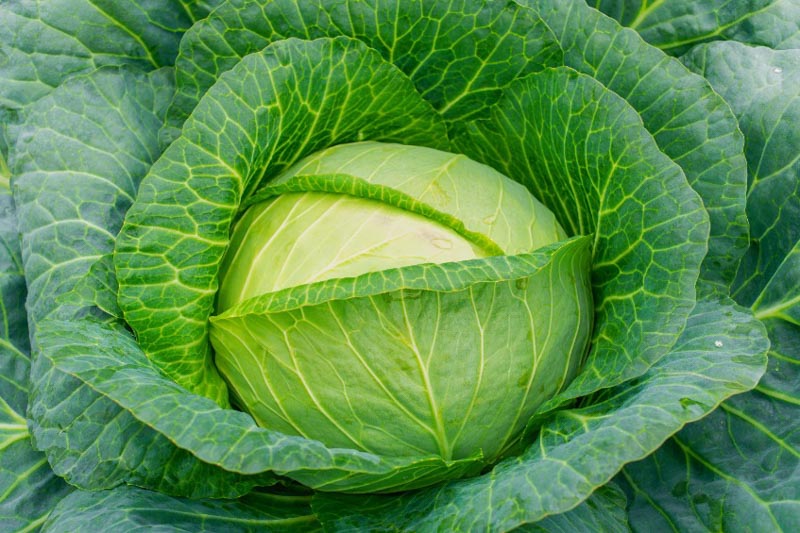
Brassica (Cabbage) Guides
Brassica is one of the most important plant genera for productive vegetable gardens, including beloved crops such as kale, cabbage, Brussels sprouts, and Chinese cabbage. These cool-season vegetables are prized for their nutritional value, fast growth, and ability to produce generous harvests in spring and fall. With the right care and timing, Brassica plants can turn even a small garden bed into a steady source of fresh, healthy food.
Gardeners love Brassicas because they are relatively easy to grow, highly productive, and adaptable to many climates. Most varieties prefer cooler temperatures and rich soil, making them ideal for early spring or autumn planting. Whether you are growing leafy greens for salads, hearty cooking vegetables, or decorative ornamental varieties, Brassicas reward good garden practices with reliable harvests.
Understanding Brassica Plants
Brassicas belong to the mustard family and include many familiar vegetables with dense leaves or compact edible heads. Plants typically grow quickly in cool conditions and appreciate fertile, well-drained soil enriched with organic matter. Many species also produce small yellow flowers if left to mature. Because of their rapid growth and nutritional needs, Brassicas benefit from consistent watering and soil rich in compost.
Best Brassica Crops to Grow
Some of the most rewarding Brassica vegetables for home gardeners include Brassica oleracea (Brussels Sprout), known for productive stalks of edible buds; Brassica rapa (Chinese Cabbage), valued for tender leaves in salads and stir-fries; and Brassica oleracea (Kale), a nutrient-dense leafy vegetable that thrives in cool weather. For decorative planting, gardeners often grow ornamental kale and cabbage, which add vibrant color to autumn and winter landscapes.
Growing Advice for Success
For healthy Brassica crops, plant in full sun and fertile soil enriched with compost or aged manure. Start seeds indoors or sow directly depending on the crop and climate. Consistent watering helps prevent stress and encourages steady growth. Mulching around plants keeps soil cool and reduces moisture loss, while spacing plants properly improves airflow and reduces disease risk.
Pest and Disease Prevention
Brassicas can attract common vegetable garden pests such as cabbage worms and cabbage maggot. Inspect plants regularly and consider using row covers to protect young crops. Good garden hygiene and crop rotation also help reduce problems like bacterial soft rot, which can occur in warm, wet conditions.
Harvest and Garden Uses
Most Brassica vegetables can be harvested gradually, allowing plants to produce over an extended period. Kale leaves can be picked regularly, while cabbage and Chinese cabbage form tight heads ready for harvest when mature. Brussels sprouts develop along the stem and are typically harvested from the bottom upward. With thoughtful planting schedules, gardeners can enjoy Brassica harvests from early spring through late fall.
With thoughtful planning, fertile soil, and simple pest prevention, Brassica crops can become some of the most dependable and nutritious plants in your vegetable garden.