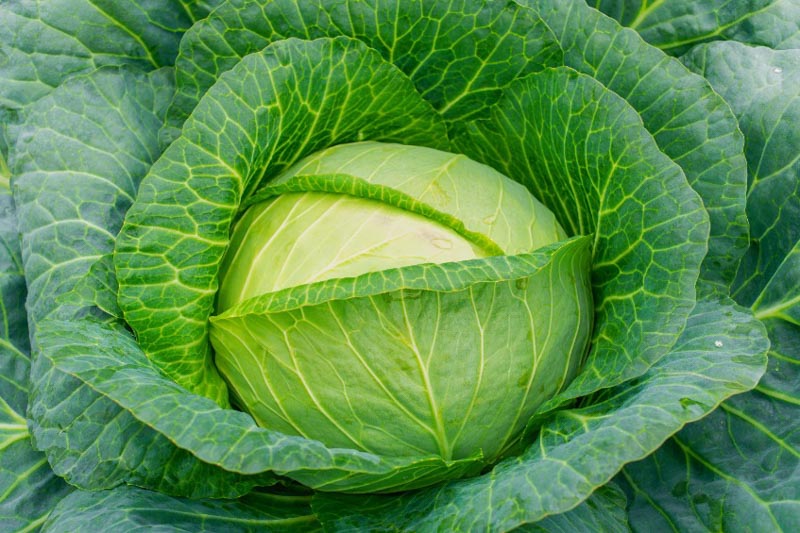
Brassica (Cabbage)
Brassica is a remarkable genus of cool-season vegetables and ornamental plants that includes some of the world’s most nutritious and widely grown crops. From crisp cabbages and tender Asian greens to nutrient-packed kale and even decorative garden varieties, Brassica plants are essential in kitchen gardens and landscapes alike. Gardeners appreciate Brassicas for their versatility, rapid growth, and incredible health benefits.
Members of the Brassica family – often called cruciferous vegetables – are known for their dense leafy growth, flavorful foliage, and ability to thrive in cooler weather. These plants are staples in vegetable gardens because they are productive, adaptable, and packed with vitamins, antioxidants, and fiber. Whether you are harvesting kale leaves, crunchy Chinese cabbage, or classic Brussels sprouts, Brassica crops offer both beauty and nutrition.
Characteristics
Brassica plants typically produce leafy rosettes or tight heads, depending on the species. Leaves can be smooth, crinkled, deeply lobed, or curled, and colors range from rich green to purple or even variegated tones. Most Brassicas thrive in cool temperatures and grow best in fertile, well-drained soil with consistent moisture. Many species also produce small yellow flowers typical of the mustard family.
Popular Varieties
Well-known Brassica crops include Brassica oleracea (Brussels Sprout), prized for compact edible buds; Brassica rapa (Chinese Cabbage), valued for tender leaves in Asian cuisine; and Brassica oleracea (Kale), famous for its highly nutritious foliage. Gardeners also enjoy colorful ornamental kale and cabbage, which bring vibrant texture and color to fall and winter gardens.
Growing Tips
For best results, grow Brassica crops in full sun with fertile, well-drained soil rich in organic matter. These vegetables appreciate steady moisture and benefit from regular feeding during active growth. Crop rotation helps prevent soil-borne problems, while protective row covers can keep pests away. Consistent care encourages vigorous plants and abundant harvests throughout the cool seasons.
Common Pests and Problems
Like many vegetable crops, Brassicas can face challenges from garden pests and diseases. Watch for cabbage worms and cabbage maggot, two common pests that damage leaves and roots. Plants may also occasionally suffer from bacterial soft rot, especially in wet or poorly ventilated conditions. Good spacing, sanitation, and crop rotation help reduce these issues.
Why Gardeners Love Brassicas
Brassica plants combine culinary value, garden productivity, and ornamental appeal. Many varieties grow quickly, tolerate cool weather, and provide harvests when other crops slow down. As gardeners often say – Brassicas turn a simple vegetable patch into a powerhouse of flavor, nutrition, and seasonal beauty.
From nutrient-rich kale to crisp cabbages and colorful ornamental varieties, Brassica plants remain essential crops for kitchen gardens, urban plots, and home landscapes.