Do deer eat Coreopsis? Usually not much. Discover which tickseeds have the strongest deer-resistance record, how threadleaf and lanceleaf Coreopsis compare, how to recognize browsing, whether damaged plants recover, and which varieties best suit sunny borders, pollinator gardens, native plantings, and deer-prone landscapes.
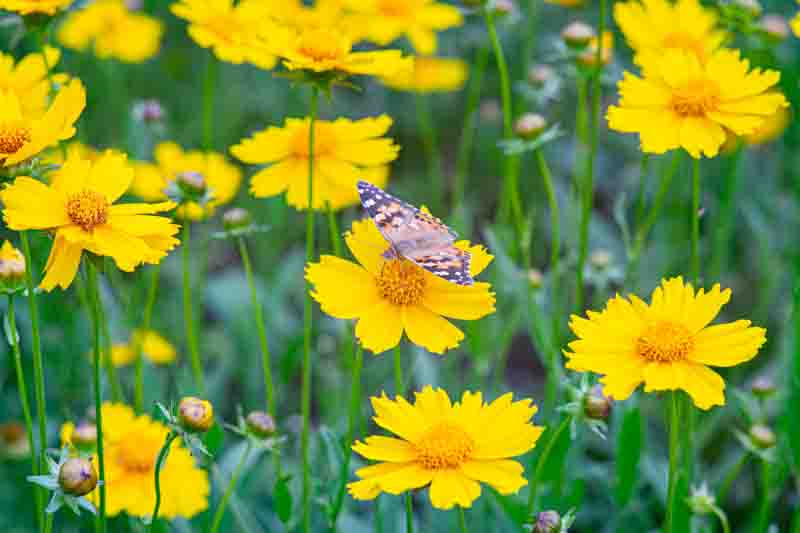


Deer can eat Coreopsis, but tickseed is generally a lower-browse perennial and a strong choice for deer-prone gardens. Rutgers rates threadleaf coreopsis (Coreopsis verticillata) A – Rarely Damaged, its highest deer-resistance category, while Iowa State places lanceleaf coreopsis (Coreopsis lanceolata) among plants seldom severely damaged. No Coreopsis is completely deer-proof, but serious browsing is usually uncommon.
Coreopsis has a strong deer-resistance record, especially among the perennial species most often grown in sunny borders.
Rutgers Cooperative Extension rates threadleaf coreopsis (Coreopsis verticillata) A – Rarely Damaged, its strongest deer-resistance category.
Iowa State University Extension independently places threadleaf coreopsis among perennials rarely damaged by deer. Lanceleaf coreopsis (Coreopsis lanceolata) appears in its next category, Seldom Severely Damaged.
NC State Extension also identifies lanceleaf coreopsis, ear-leaved coreopsis, and plains coreopsis as resistant to deer browsing.
Taken together, that makes Coreopsis one of the more dependable flowering perennials for landscapes where deer are a recurring problem.
But “deer resistant” still describes relative risk, not immunity. Rutgers stresses that no landscape plant is completely deer-proof, and browsing can change with deer populations, weather, season, and food availability.
Gardenia’s Coreopsis Rule: Coreopsis has a low risk of serious browsing, and threadleaf coreopsis has an especially strong record. Think low browse risk, not impossible to eat.
Yes – at least at the species level, the evidence gives us a useful distinction.
Threadleaf coreopsis (Coreopsis verticillata) has the strongest published record. Rutgers rates it A – Rarely Damaged, and Iowa State also places it among its least-browsed perennials.
Lanceleaf coreopsis (Coreopsis lanceolata) also performs well. Iowa State places it among plants seldom severely damaged by deer, while NC State describes it as deer resistant.
Other species, including ear-leaved coreopsis (Coreopsis auriculata) and plains coreopsis (Coreopsis tinctoria), are also listed as deer resistant by NC State.
| Coreopsis | Deer Evidence | Useful Garden Role |
|---|---|---|
| Threadleaf Coreopsis Coreopsis verticillata |
Excellent. Rutgers: A – Rarely Damaged. Iowa State also lists it among rarely damaged perennials. | Long-flowering sunny borders, mass planting, drought-tolerant gardens. |
| Lanceleaf Coreopsis Coreopsis lanceolata |
Very good. Iowa State: Seldom Severely Damaged. NC State describes it as deer resistant. | Native gardens, meadows, pollinator gardens, naturalistic planting. |
| Ear-leaved Coreopsis Coreopsis auriculata |
NC State identifies the species as resistant to deer damage. | Edging, naturalized planting, low-growing sunny borders. |
| Plains Coreopsis Coreopsis tinctoria |
NC State identifies the species as resistant to deer browsing. | Wildflower gardens, sunny dry sites, meadows, naturalized planting. |
These categories should still be treated as risk levels rather than guarantees. Local deer behavior always matters.
If deer resistance is your highest priority, threadleaf coreopsis has the clearest evidence. After that, choose according to climate, height, flower color, native value, spreading habit, and garden role.
The evidence is much weaker at the cultivar level.
Popular threadleaf selections such as ‘Moonbeam‘, ‘Zagreb‘, and ‘Route 66‘ belong to a species with an excellent deer-resistance record.
What we do not have is strong independent evidence showing that one of those cultivars is consistently more deer resistant than another.
So it would be misleading to say that ‘Zagreb’ is more deer resistant than ‘Moonbeam’, or that ‘Route 66’ is safer from deer than another threadleaf selection.
Once you have selected a species with low browsing risk, cultivar choice should shift to traits that genuinely differ:
This is an important distinction. Species-level deer evidence should not be turned into an invented cultivar ranking.
These Coreopsis are useful choices because they combine low browsing risk with different garden strengths. They are not ranked by cultivar-level deer resistance.
| Coreopsis | Why Grow It? | Best Use |
|---|---|---|
| ‘Moonbeam’ | Soft lemon-yellow flowers, airy foliage, long bloom, and a relatively compact habit. | Perennial borders, cottage gardens, containers, softer color schemes. |
| ‘Zagreb’ | Compact growth and masses of bright golden-yellow flowers over finely divided foliage. | Mass planting, sunny borders, edging, drought-tolerant gardens. |
| ‘Route 66’ | Yellow flowers marked with ruby-red around the center, with the red pattern often increasing as the season progresses. | Colorful perennial borders, pollinator gardens, informal planting. |
| Lanceleaf Coreopsis | Native wildflower value, bright yellow flowers, drought tolerance, and strong pollinator appeal. | Native gardens, prairies, meadows, naturalistic borders. |
| Ear-leaved Coreopsis | Lower-growing habit, bright yellow flowers, and good naturalistic value. | Edging, front of borders, woodland edges, naturalized areas. |
If deer pressure is the main concern, the threadleaf selections have the strongest published species-level evidence. If native value or a meadow-style planting matters more, lanceleaf coreopsis may be the better fit.
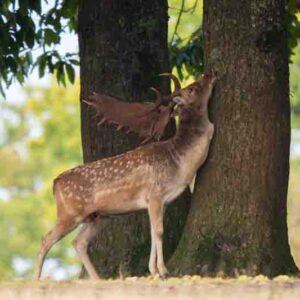
If deer do browse Coreopsis, the damage generally looks like ordinary deer browsing on a herbaceous perennial: healthy shoots, leaves, buds, or flowering stems may suddenly be missing, often with rough or torn ends rather than clean cuts.
You may notice:
Not every damaged Coreopsis has been browsed.
Slugs and snails can chew foliage. Leaf spots and powdery mildew cause discoloration rather than simply removing healthy tissue. Poorly drained soil may contribute to crown or root problems, while excessively rich or moist conditions can make some Coreopsis grow loosely and flop.
The most useful distinction is simple: browsing removes tissue; disease and drainage problems usually leave the tissue in place while its condition deteriorates.
Gardenia’s Coreopsis Damage Check: suddenly missing stems, buds, or foliage support a browsing diagnosis. Spots, mildew, holes, collapse, or crown decline suggest a different problem.
Often, yes.
Perennial Coreopsis produces flowers on stems formed during the current growing season, so losing a few leaves does not automatically eliminate the summer display.
If browsing removes a developing flowering stem, that particular bloom may be lost. Established plants can often produce additional growth, especially when damage happens early enough in the season.
Repeated browsing is more serious. A plant cannot maintain a heavy flower display if fresh shoots keep disappearing before they mature.
Many garden Coreopsis also respond well to cutting back after flowering and can produce another flush of blooms. That ability to generate fresh growth helps established plants recover from modest damage.
One lost flowering stem is usually a cosmetic problem. Repeatedly losing the new stems that should carry flowers is when deer browsing starts to matter.
Healthy established perennial Coreopsis usually recovers well from modest browsing.
Threadleaf and lanceleaf Coreopsis return from perennial crowns and can replace damaged above-ground growth during the growing season.
A mature clump with many stems can therefore tolerate an occasional lost shoot much more easily than a recently planted Coreopsis with only a few stems.
After light browsing, leave healthy foliage in place. Remove only badly broken stems if necessary and allow the plant to regrow.
Young plants deserve closer attention. Repeated removal of fresh shoots can slow establishment and reduce flowering even if the crown survives.
Most established Coreopsis will not need permanent deer protection.
Monitor new plants. A recently planted Coreopsis has fewer stems to lose and may benefit from temporary protection where deer regularly pass through.
Watch the pattern instead of reacting to one bite. One damaged stem does not necessarily mean the plant has become a preferred food.
Intervene if regrowth repeatedly disappears. Persistent browsing can reduce flowering and make establishment much harder.
Small cages or temporary barriers are dependable when damage becomes repetitive. Commercial deer repellents may also help under light to moderate pressure when applied according to the product label.
Because Coreopsis already has a strong deer-resistance record, protection should respond to actual browsing rather than being automatic.
Coreopsis brings more to a planting than low deer appeal.
Its daisy-like flowers can provide weeks or months of summer color, and many species and cultivars are valuable to bees, butterflies, and other pollinating insects.
Native forms such as lanceleaf coreopsis are particularly useful in wildlife and naturalistic plantings. When fertile seed heads are allowed to remain, they can also provide food for seed-eating birds.
Many Coreopsis tolerate heat, drought, relatively lean soils, and sunny exposed conditions once established.
That combination helps solve several garden problems at once: deer pressure, summer color, pollinator support, drought tolerance, and lower maintenance.
But deer resistance cannot compensate for an unsuitable site.
Most perennial Coreopsis perform best in full sun and well-drained soil. Persistently wet soil can cause more trouble than deer by weakening plants and increasing the risk of crown and root problems.
The best Coreopsis solves more than the deer problem: it should also match your sun, drainage, moisture, space, climate, and desired garden role.
Once you have chosen the right Coreopsis, apply the same logic to its companions.
Do not simply combine several plants because they all appear on deer-resistant lists.
They also need compatible sunlight, soil, drainage, water needs, hardiness, mature size, and garden roles.
Gardenia’s Deer-Smart Coreopsis Strategy: use the strongest available deer evidence at species level, then choose cultivars and companions according to how well they actually fit the garden.
Explore the Gardenia Coreopsis collection to compare tickseeds by mature size, flowering season, exposure, hardiness, color, and garden use.
If deer resistance is your first priority, start with Threadleaf Coreopsis, which has the strongest published Rutgers rating. If native value, pollinators, or a meadow-style planting matter more, explore Lanceleaf Coreopsis.
Use the Gardenia Plant Finder to find other plants that combine deer resistance with matching sun, soil, drainage, water needs, hardiness, mature size, garden style, native goals, wildlife value, and other tolerances.
Then browse Deer-Resistant Garden Ideas and use the Garden Design Tool to check whether your chosen plants actually want compatible growing conditions before planting them together.
Deer can eat Coreopsis, but serious browsing is usually uncommon. Rutgers rates threadleaf coreopsis, Coreopsis verticillata, A – Rarely Damaged, while several other Coreopsis species are also described as deer resistant.
Yes. Coreopsis is generally considered deer resistant, although browsing risk varies by species and local deer pressure. No Coreopsis is completely deer-proof.
Threadleaf coreopsis, Coreopsis verticillata, has the strongest documented resistance among commonly grown types. Rutgers rates it A – Rarely Damaged, and Iowa State also places it among perennials rarely damaged by deer.
Yes. NC State describes Coreopsis lanceolata as deer resistant, while Iowa State places lanceleaf coreopsis among perennials seldom severely damaged by deer.
Both are threadleaf Coreopsis selections, so they belong to a species with an excellent deer-resistance record. There is not strong evidence that one cultivar is more deer resistant than the other, so choose between them by size, flower color, and garden use.
Healthy established perennial Coreopsis usually recovers from modest browsing. Repeated removal of new shoots can reduce flowering and slow establishment, particularly on young plants.
Deer browsing may remove healthy leaves, shoots, buds, or flowering stems and leave rough or ragged damage. Spots, mildew, leaf holes, or crown collapse are more likely to indicate disease, pests, or growing-condition problems.
Yes. Coreopsis combines relatively low deer-browsing risk with abundant flowers for bees and butterflies. Native forms such as lanceleaf coreopsis can also provide seed for birds when fertile seed heads are left standing.
Updated: September 2026 – Reviewed by Gardenia Editors
| Hardiness |
4 - 10 |
|---|---|
| Heat Zones |
1 - 9 |
| Climate Zones | 1, 1A, 1B, 2, 2A, 2B, 3, 3A, 3B, 4, 5, 6, 7, 8, 9, 10, 11, 12, 13, 14, 15, 16, 17, 18, 19, 20, 21, 22, 23, 24, H1, H2 |
| Plant Type | Annuals, Perennials |
| Genus | Coreopsis |
| Exposure | Full Sun |
| Season of Interest | Summer (Early, Mid, Late), Fall |
| Height | 6" - 4' (15cm - 120cm) |
| Spread | 1' - 2' (30cm - 60cm) |
| Maintenance | Low |
| Water Needs | Low, Average |
| Soil Type | Chalk, Loam, Sand |
| Soil pH | Acid, Alkaline, Neutral |
| Soil Drainage | Moist but Well-Drained, Well-Drained |
| Characteristics | Cut Flowers, Showy |
| Native Plants | United States |
| Tolerances | Deer |
| Attracts | Bees, Butterflies |
| Landscaping Ideas | Beds And Borders, Edging, Patio And Containers |
| Garden Styles | City and Courtyard, Coastal Garden, Informal and Cottage, Prairie and Meadow, Traditional Garden |
Create a membership account to save your garden designs and to view them on any device.
Becoming a contributing member of Gardenia is easy and can be done in just a few minutes. If you provide us with your name, email address and the payment of a modest $25 annual membership fee, you will become a full member, enabling you to design and save up to 25 of your garden design ideas.
Join now and start creating your dream garden!