Build a Florida garden that thrives, not struggles. This guide uncovers the best humidity-tolerant plants, from vibrant perennials to hardy shrubs and trees, along with expert design strategies. Learn how to avoid common mistakes, improve plant health, and create a stunning, low-maintenance landscape that performs beautifully in heat and humidity.


Florida can be one of the most rewarding places to garden, but it is also one of the easiest places to choose the wrong plant. The long growing season, regular rain, warm temperatures, and abundant sunshine look generous at first. The hidden challenge is humidity.
Heat tolerance is not enough in Florida. A plant that performs beautifully in dry heat may collapse when nights stay warm, leaves remain damp, and summer rain turns sandy soil from dry to soaked in a single afternoon. The best plants for Florida humidity keep growing when damp air, disease pressure, pests, salt, wind, and long seasons all overlap.
The Florida gardening rule
Choose for moisture tolerance first. Then refine by heat, drainage, airflow, light, rainfall pattern, salt exposure, mature size, and your exact Florida region.
Quick answer
The best plants for Florida humidity are moisture-tolerant, disease-resistant, regionally appropriate plants such as firebush, coontie, beautyberry, tropical sage, coreopsis, muhly grass, sabal palm, sweetbay magnolia, buttonwood, sunshine mimosa, and wet-site plants like bald cypress and common rush.
This guide takes a practical, region-aware approach. Instead of offering a shallow list of tropical plants, it explains which plants are genuinely useful in Florida humidity and how to combine native plants with well-behaved, high-performing non-natives.
Humidity slows drying. Leaves stay wet longer after rain, soil holds moisture longer, and dense planting traps damp air around stems and foliage. That is why humid gardens often see more root rot, leaf spot, powdery mildew, and slow decline than gardens with dry heat.
Warm nights make the pressure worse. Plants have less time to recover after hot days, pests remain active for longer periods, and fungal problems can build quickly after repeated rain. The goal is not to avoid lush planting. The goal is to choose plants that can live with Florida moisture and then arrange them so air can move through the garden.
Humidity-smart rule
If a plant needs dry air, cool nights, and sharp drainage to look its best, treat it as high risk in most Florida gardens.
Florida is long, diverse, and full of microclimates. A plant that thrives in Miami may suffer from winter cold in Tallahassee. A coastal plant that handles salt spray may not enjoy a shaded inland bed. Successful plant selection starts with region, then narrows by site conditions.
For a faster shortlist, use the Gardenia Plant Finder to filter plants by sun exposure, water needs, mature size, hardiness, bloom season, soil type, native status, and garden use.
Most Florida plant failures come from choosing for appearance before choosing for site conditions. Use the problem below to narrow your plant list before you buy.
| Site Condition | What to Prioritize | Strong Choices |
|---|---|---|
| Wet soil after summer rain | Plants that tolerate moisture, periodic flooding, and low-oxygen soil. | Sweetbay magnolia, bald cypress, dahoon holly, common rush, star rush, lemon bacopa |
| Dry sandy soil | Drought tolerance after establishment and strong root systems. | coontie, saw palmetto, blanket flower, beach sunflower, muhly grass |
| Coastal wind and salt spray | Salt tolerance, flexible structure, and tolerance of sandy soils. | sabal palm, buttonwood, saw palmetto, beach sunflower, seashore dropseed |
| Humid shade | Understory plants that accept lower light and damp air. | wild coffee, beautyberry, coontie, southern maidenhair fern, Boston fern |
| Long-season color | A mix of native bloomers and non-invasive, high-performing color plants. | firebush, pentas, tropical sage, coreopsis, blanket flower |
Fast rule
If a bed stays wet for more than a day after heavy rain, choose wet-site plants first. If it dries within hours, choose drought-tolerant plants that can also handle humid air.
A humidity-ready Florida garden is built in layers: trees for shade, shrubs for structure, perennials for color, grasses for movement, and groundcovers for soil coverage. No single plant makes a garden humidity-proof. The strongest designs combine compatible plants that share similar light, water, drainage, and spacing needs.
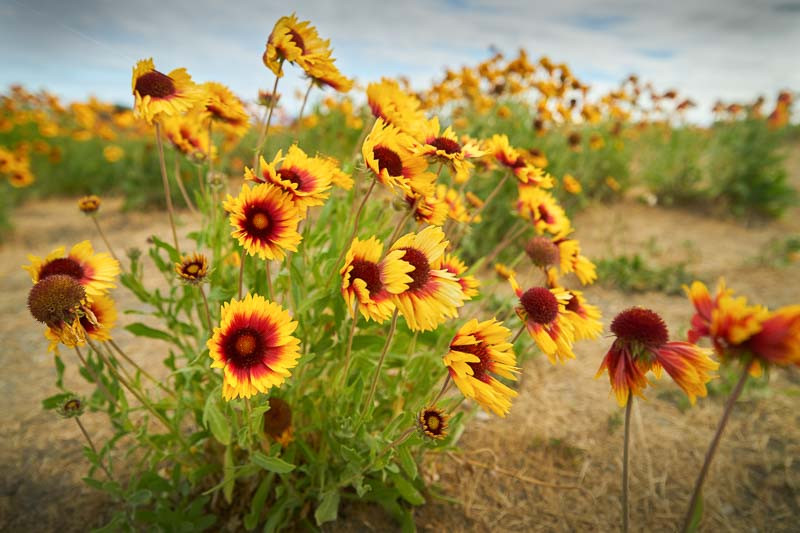
Flowering perennials bring color and pollinator activity, but in Florida they must also recover after rain, resist disease, and tolerate warm nights. Use native perennials as the foundation, then add non-invasive, high-performing color plants where longer bloom is important.
| Plant | Native | Best Region | Light | Best Use | Why It Works |
|---|---|---|---|---|---|
| Pentas lanceolata (Pentas) | No – non-native, widely used | Central and South Florida; annual in North Florida | Full sun to part sun | Containers, borders, butterfly gardens | Continuous bloom, heat tolerance, and strong pollinator appeal. |
| Salvia coccinea (Tropical Sage) | Yes – Florida native | Statewide | Full sun to part shade | Pollinator gardens, borders | Handles humidity, reseeds, and attracts hummingbirds. |
| Rudbeckia hirta (Black-Eyed Susan) | Yes – native | North and Central Florida | Full sun | Wildflower gardens | Strong in sunny, well-drained sites. |
| Stokesia laevis (Stokes’ Aster) | Yes – native | North and Central Florida | Full sun to part shade | Borders, pollinator gardens | Showy flowers and good humidity performance with drainage. |
| Coreopsis (Tickseed) | Yes – native species | Statewide, species dependent | Full sun | Meadows, borders | Florida-adapted wildflowers with excellent heat tolerance. |
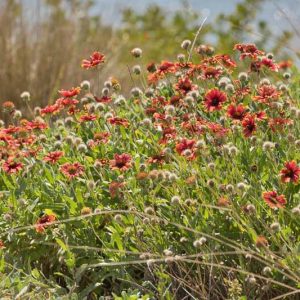
| Gaillardia pulchella (Blanket Flower) | Yes – Florida native | Statewide, especially coastal | Full sun | Wildflower gardens, coastal beds | Thrives in sun, sand, heat, and good airflow. |
| Helianthus debilis (Beach Sunflower) | Yes – native | Central and South Florida | Full sun | Groundcover, coastal planting | Excellent for humid, salty, sandy sites. |
| Monarda punctata (Spotted Beebalm) | Yes – native | North and Central Florida | Full sun | Pollinator gardens | Handles humidity better than many mints. |
| Liatris spicata (Blazing Star) | Yes – native | North and Central Florida | Full sun | Vertical accents, pollinator gardens | Strong summer structure with proper drainage. |
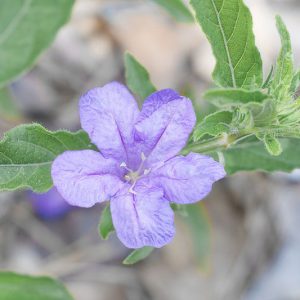
| Ruellia caroliniensis (Carolina Wild Petunia) | Yes – native | Statewide | Part shade to full sun | Woodland edges, naturalized beds | Tolerates humidity, shade, and variable soils. |
Best takeaway: Choose perennials by drainage first. Blanket flower and beach sunflower are strongest in sunny, sandy, well-drained sites, while Carolina wild petunia and Stokes’ aster are better for softer, more moisture-retentive conditions. Pentas are non-native but useful where continuous color is the design goal.
For deeper native lists, see:
Best perennial strategy
Use native perennials as the foundation, then layer in well-behaved non-natives like pentas for longer color and design flexibility.
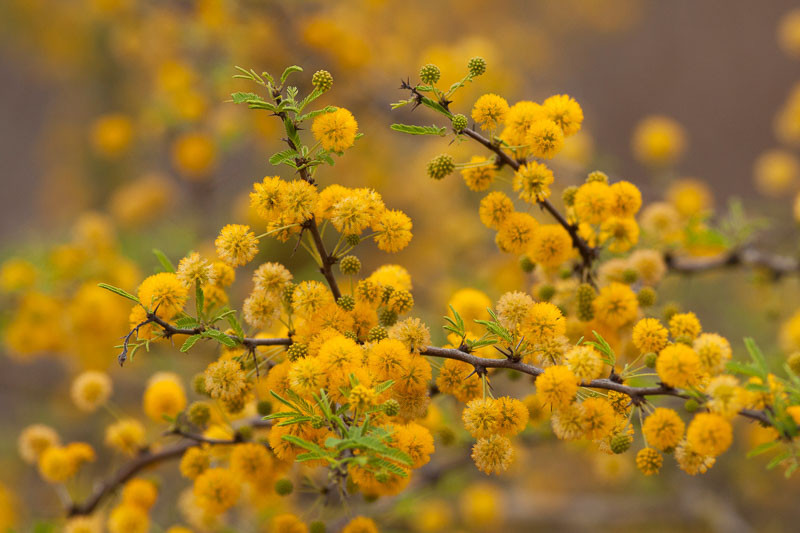
Shrubs carry the garden through the year. They provide structure, screening, wildlife value, and a visual backbone when perennials are between bloom cycles. In humid climates, the best shrubs are not simply pretty; they are adaptable, disease-resistant, correctly sized, and matched to drainage and light.
| Shrub | Native | Best Region | Light | Use | Why It Works |
|---|---|---|---|---|---|
| Hamelia patens (Firebush) | Yes – Florida native | Central and South Florida; dies back in North Florida | Full sun to part shade | Pollinator gardens, informal hedges | Excellent heat, humidity, and wildlife value. |
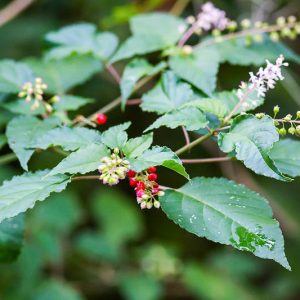
| Callicarpa americana (Beautyberry) | Yes – native | North and Central Florida | Part shade | Woodland edges, wildlife gardens | Thrives in humid woodland conditions. |
| Myrcianthes fragrans (Simpson’s Stopper) | Yes – native | Central and South Florida | Full sun to part shade | Hedges, screening | Handles humidity, pruning, and coastal exposure. |
| Codiaeum variegatum (Croton) | No – non-native | South Florida; protected Central Florida sites | Full sun to part shade | Color accents, tropical borders | Bold foliage color in heat and humidity. |
| Zamia integrifolia (Coontie) | Yes – native | Statewide | Sun to shade | Foundation planting | Resilient in humidity, drought, and coastal conditions. |
| Serenoa repens (Saw Palmetto) | Yes – native | Statewide, especially coastal | Full sun | Naturalistic landscapes | Thrives in humidity, sand, and salt exposure. |
| Psychotria nervosa (Wild Coffee) | Yes – native | Central and South Florida | Shade | Shade gardens, understory | Excellent in humid tropical shade. |
| Hibiscus rosa-sinensis (Tropical Hibiscus) | No – non-native | Central and South Florida | Full sun | Specimens, containers | Tropical flowers and humidity tolerance. |
| Itea virginica (Virginia Sweetspire) | Yes – native | North and Central Florida; moist or shaded sites | Full sun to part shade | Rain gardens, woodland edges | Tolerates humidity and wet soils. |
Best takeaway: Build the structure with native shrubs such as firebush, beautyberry, Simpson’s stopper, coontie, wild coffee, and Virginia sweetspire. Add non-native shrubs such as hibiscus and croton where winters are warm enough and bold tropical color is worth the maintenance.
Explore:
Humidity design tip
Use native shrubs as your structural foundation, then layer in well-behaved tropical shrubs for color and contrast. Leave enough spacing for airflow.
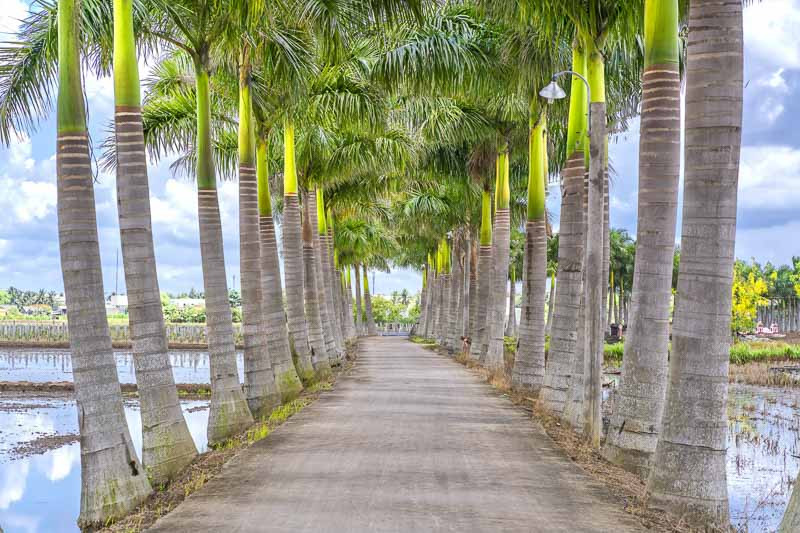
Trees do more than provide shade. They cool surfaces, protect understory plants, support wildlife, reduce heat stress, and give the landscape maturity. In Florida, trees must be chosen for mature size, storm exposure, drainage, salt tolerance, and regional cold tolerance.
| Tree | Native | Best Region | Light | Mature Role | Why It Works |
|---|---|---|---|---|---|
| Quercus virginiana (Southern Live Oak) | Yes – native | Statewide where space allows | Full sun | Large shade tree | Durable, wildlife-supporting, and highly adapted. |
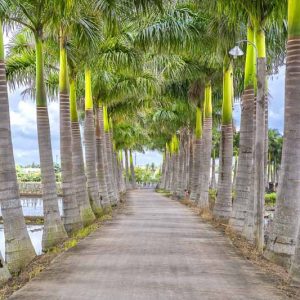
| Sabal palmetto (Cabbage Palm) | Yes – native | Statewide, especially coastal | Full sun to part shade | Palm structure | Florida’s state tree, strong in wind, salt, and humidity. |
| Magnolia grandiflora (Southern Magnolia) | Yes – native | North and Central Florida | Full sun to part shade | Evergreen specimen | Glossy foliage and fragrant flowers. |
| Magnolia virginiana (Sweetbay Magnolia) | Yes – native | Statewide, moist sites | Full sun to part shade | Small to medium tree | Excellent for humid, moist, or rain garden sites. |
| Ilex cassine (Dahoon Holly) | Yes – native | Statewide, especially moist sites | Full sun to part shade | Small wildlife tree | Handles wet soils and provides berries for birds. |
| Carpinus caroliniana (American Hornbeam) | Yes – native | North and Central Florida | Part shade to shade | Understory tree | Refined tree for humid shade. |
| Bursera simaruba (Gumbo Limbo) | Yes – Florida native | South Florida, frost-free coastal sites | Full sun | Tropical shade tree | Strong in heat, humidity, wind, and coastal exposure. |
| Conocarpus erectus (Buttonwood) | Yes – native | Coastal Central and South Florida | Full sun | Coastal tree, screen | Excellent for salt, wind, humidity, and coastal sites. |
| Taxodium distichum (Bald Cypress) | Yes – native | Statewide in wet sites | Full sun | Wetland tree | Ideal for ponds, swales, and stormwater areas. |
| Chionanthus virginicus (Fringe Tree) | Yes – native | North and Central Florida | Full sun to part shade | Small ornamental tree | Manageable size with excellent spring flowers. |
Best takeaway: Start with mature size, not nursery size. Southern live oak and bald cypress need space. Sweetbay magnolia, dahoon holly, fringe tree, and American hornbeam are better where a smaller or more refined tree is needed. In coastal South Florida, gumbo limbo, buttonwood, and sabal palm are especially valuable.
For deeper tree lists, see:
Tree selection tip
Choose trees for mature size, not nursery size. In Florida, fast growth can quickly create problems near houses, pools, power lines, and sidewalks.
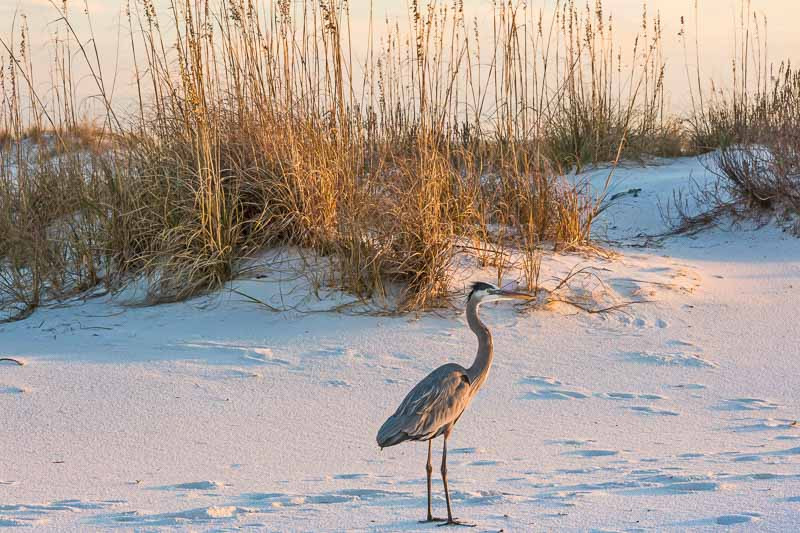
Ornamental grasses add movement, softness, and seasonal texture. In Florida, warm-season native grasses, sedges, and rushes usually outperform cool-season or dry-climate grasses because they are better adapted to warm nights, summer rain, and regional soils.
| Grass | Native | Best Region | Light | Best Use | Performance |
|---|---|---|---|---|---|
| Muhlenbergia capillaris (Pink Muhly Grass) | Yes – native | Statewide, sunny well-drained sites | Full sun | Mass plantings, borders, coastal gardens | Excellent heat and humidity tolerance. |
| Tripsacum dactyloides (Fakahatchee Grass) | Yes – native | Central and South Florida; moist spacious sites | Full sun to part shade | Rain gardens, large beds | Bold structure and moisture tolerance. |
| Eragrostis spectabilis (Purple Lovegrass) | Yes – native | North and Central Florida; well-drained South Florida sites | Full sun | Meadows, borders | Fine texture and purple-pink late-season seedheads. |
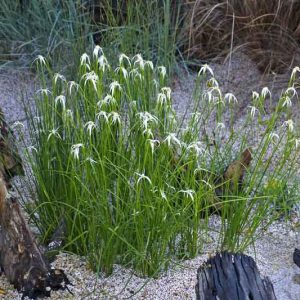
| Rhynchospora colorata (Star Rush) | Yes – native | Statewide, especially wet sites | Full sun to part shade | Bog gardens, pond edges | Excellent for humid, moisture-retentive sites. |
| Sporobolus virginicus (Seashore Dropseed) | Yes – native | Coastal Florida | Full sun | Coastal stabilization | Built for salt, sand, and humid coastal exposure. |
| Panicum virgatum (Switchgrass) | Yes – native | North and Central Florida | Full sun | Meadows, rain gardens | Handles humid summers with sun and airflow. |
| Spartina patens (Saltmeadow Cordgrass) | Yes – native | Coastal Florida | Full sun | Dune edges, wet sandy soils | Tolerates salt, flooding, and humidity. |
| Juncus effusus (Common Rush) | Yes – native | Statewide wet sites | Full sun | Rain gardens, pond edges | Strong for wet, humid, standing-water edges. |
Best takeaway: Do not choose grasses by color alone. Pink muhly grass needs sun and drainage. Fakahatchee grass needs room and moisture. Common rush, star rush, saltmeadow cordgrass, and seashore dropseed belong where wet soil, salt, or coastal exposure are part of the site.
Explore:
Grass selection warning
Avoid choosing ornamental grasses only for color. Match grasses to drainage, salt exposure, mature size, and region.

Groundcovers cool soil, reduce weeds, soften hard edges, and protect bare ground from erosion. In humid climates, they must tolerate warm nights, summer rain, shade pressure, sandy soil, wet-season moisture, and competition from nearby plants.
| Groundcover | Native | Best Region | Light | Best Conditions | Why It Works |
|---|---|---|---|---|---|
| Mimosa strigillosa (Sunshine Mimosa) | Yes – native | Central and South Florida; warm North Florida sites | Full sun | Sandy soils, low foot-traffic areas | Low, pollinator-friendly, and suited to sunny humidity. |
| Ruellia caroliniensis (Carolina Wild Petunia) | Yes – native | Statewide | Full sun to part shade | Woodland edges, naturalized beds | Tolerates humidity, variable soils, and light shade. |
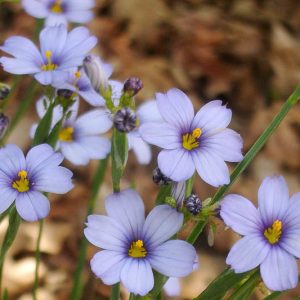
| Sisyrinchium angustifolium (Blue-Eyed Grass) | Yes – native | North and Central Florida | Full sun to light shade | Rain gardens, meadow edges | Small clumping native for humid moist sites. |
| Bacopa caroliniana (Lemon Bacopa) | Yes – native | Statewide wet sites | Full sun to part shade | Pond edges, rain gardens | Creeping mats in moist or aquatic conditions. |
| Adiantum capillus-veneris (Southern Maidenhair Fern) | Yes – native | Statewide moist shade | Part shade to shade | Moist shade, shaded walls | Delicate native fern for humid protected shade. |
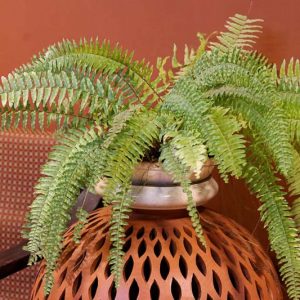
| Nephrolepis exaltata (Boston Fern) | Yes – native in Florida | Central and South Florida; protected North Florida sites | Part shade to shade | Shade beds, tree bases | Lush coverage in humid shade. |
| Pteridium aquilinum (Bracken Fern) | Yes – native | North and Central Florida | Part shade to sun | Large naturalized areas | Tough and vigorous where it has room. |
| Liriope muscari (Liriope) | No – non-native, widely used | Statewide | Part shade to part sun | Edges, shaded borders | Reliable where a tidy edging plant is needed. |
| Trachelospermum asiaticum (Asiatic Jasmine) | No – non-native, manage carefully | Statewide | Shade to part sun | Large groundcover areas | Dense and durable where turf struggles. |
Best takeaway: Match groundcovers to moisture before matching them to appearance. Sunshine mimosa and perennial peanut are useful in sunny sites. Carolina wild petunia, blue-eyed grass, and native ferns are better for softer or shadier planting. Lemon bacopa belongs in wet edges, not dry beds.
Use sunshine mimosa for sunny native groundcover and Carolina wild petunia or blue-eyed grass for native color. In shade, ferns can create lush coverage, while lemon bacopa belongs in wet edges and rain gardens.
Explore:
Groundcover selection tip
Match groundcovers to moisture first. A plant for humid shade may fail in dry sand, while a coastal groundcover may rot in wet shade.
The best plant is not always the showiest plant. It is the plant that solves the job you actually need done: feeding pollinators, screening a view, stabilizing a coastal bed, filling shade, or reducing maintenance.
Firebush, pentas, Salvia coccinea, coreopsis, black-eyed Susan, beautyberry, and native milkweeds are excellent choices. Choose a mix of bloom seasons so bees, butterflies, and hummingbirds have resources across the year.
Simpson’s stopper, wax myrtle, buttonwood, hibiscus, and croton can help create structure or screening when matched to region, pruning needs, mature size, and salt exposure.
Coontie, muhly grass, saw palmetto, sabal palm, beautyberry, sunshine mimosa, and Simpson’s stopper are strong choices for gardeners who want beauty without constant intervention.
Sweetbay magnolia, dahoon holly, bald cypress, fakahatchee grass, common rush, star rush, lemon bacopa, and Virginia sweetspire can help turn wet areas into assets.
Some popular plants are disappointing in Florida because they prefer dry air, cool nights, or sharply drained Mediterranean-style conditions. Lavender, blue fescue, many dry-climate herbs, and many cool-season perennials may decline unless they are given excellent drainage, airflow, and a very specific microclimate.
Buyer beware
A plant can be popular online and still be wrong for Florida humidity. Always check climate fit before building a design around it.
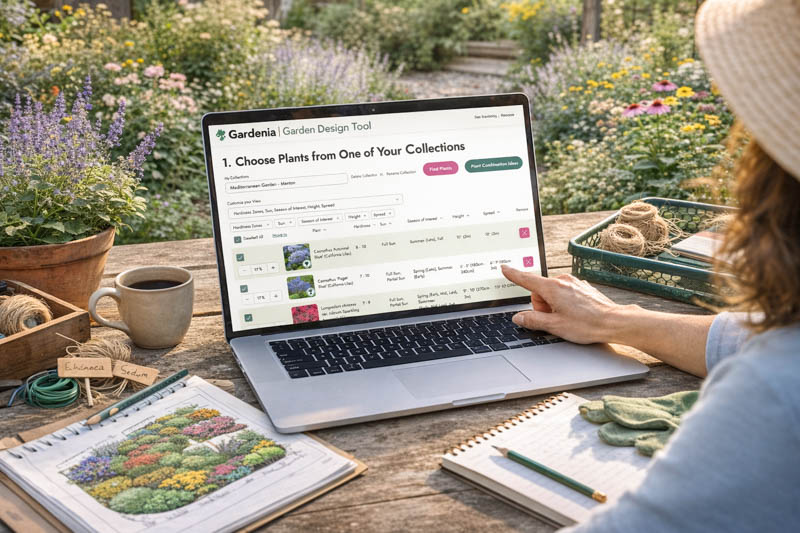
Plant choice matters, but design decides whether those plants stay healthy. In humid gardens, spacing, drainage, irrigation, and airflow are as important as the plant list.
The Gardenia Plant Finder is especially useful because humidity success depends on more than one filter. Search by light, soil drainage, water needs, mature size, bloom season, and garden use. Then use the Gardenia Design Tool to compare scale, texture, bloom sequence, and plant compatibility before you install.
Smart workflow
Use this guide to understand what works. Use Gardenia Plant Finder to refine your shortlist. Use Gardenia Design Tool to turn that shortlist into a complete planting plan.
The best plants for Florida humidity are not chosen from a generic tropical plant list. They are selected by matching plant traits to real growing conditions: heat, damp air, rainfall, drainage, sun exposure, salt, soil, airflow, mature size, and regional cold tolerance.
Use native Florida plants where they fit. Add well-adapted, non-invasive non-natives where they bring reliable color, screening, or structure. Avoid dry-climate plants unless you can give them the drainage and airflow they need. With the right choices, Florida humidity becomes less of a problem and more of an advantage, supporting lush foliage, long bloom seasons, wildlife, and year-round beauty.
What are the best plants for Florida humidity?
The best plants for Florida humidity include firebush, pentas, coontie, beautyberry, muhly grass, Simpson’s stopper, sabal palm, live oak, coreopsis, perennial peanut, sunshine mimosa, and regionally appropriate tropical shrubs such as hibiscus and croton.
What plants grow well in Florida heat and humidity?
Plants that grow well in Florida heat and humidity include firebush, pentas, tropical sage, coontie, saw palmetto, pink muhly grass, fakahatchee grass, sabal palm, gumbo limbo, buttonwood, and many Florida native perennials, shrubs, trees, grasses, and groundcovers.
Are native plants better for Florida humidity?
Native plants are often excellent choices because they are adapted to local soils, rainfall patterns, wildlife, and regional conditions. However, many successful Florida gardens also include non-invasive, well-adapted non-native plants that perform reliably in heat and humidity.
How do I prevent fungal diseases in a humid Florida garden?
Prevent fungal diseases by spacing plants properly, improving airflow, watering at soil level, avoiding unnecessary irrigation during rainy periods, choosing disease-resistant plants, and keeping mulch away from crowns and trunks.
What plants should I avoid in Florida humidity?
Plants that require dry air, cool nights, or sharply drained Mediterranean-style conditions often struggle in Florida humidity. Lavender, blue fescue, some cool-season perennials, and many dry-climate ornamentals may decline unless grown in very specific microclimates.
What are the best plants for Florida coastal humidity?
Good plants for Florida coastal humidity include sea grape, saw palmetto, buttonwood, sabal palm, coontie, beach sunflower, seashore dropseed, saltmeadow cordgrass, gumbo limbo, and other salt-tolerant plants suited to wind, sand, and salt spray.
Updated: April 2026 • Reviewed by Gardenia Editors
Create a membership account to save your garden designs and to view them on any device.
Becoming a contributing member of Gardenia is easy and can be done in just a few minutes. If you provide us with your name, email address and the payment of a modest $25 annual membership fee, you will become a full member, enabling you to design and save up to 25 of your garden design ideas.
Join now and start creating your dream garden!
Create a membership account to save your garden designs and to view them on any device.
Becoming a contributing member of Gardenia is easy and can be done in just a few minutes. If you provide us with your name, email address and the payment of a modest $25 annual membership fee, you will become a full member, enabling you to design and save up to 25 of your garden design ideas.
Join now and start creating your dream garden!