Plantain Lily 'So sweet'
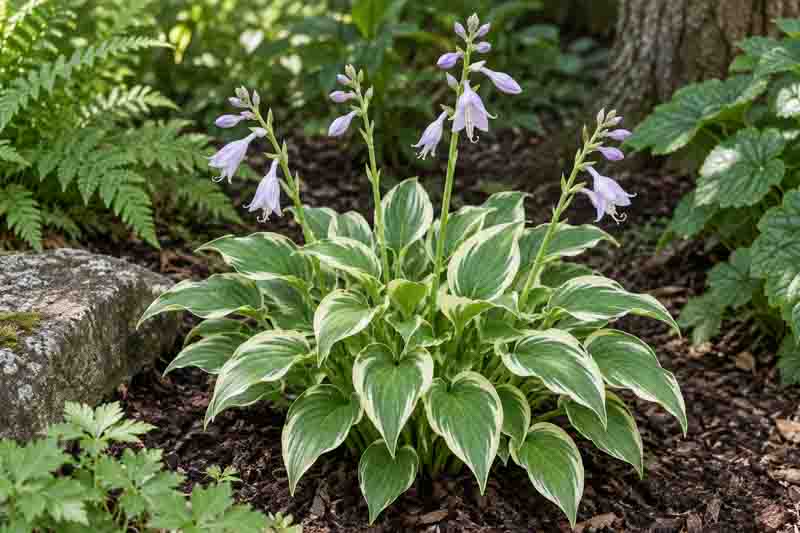


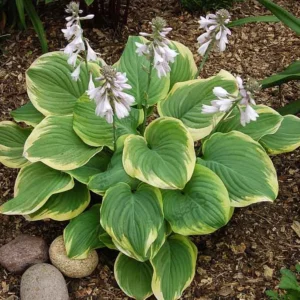
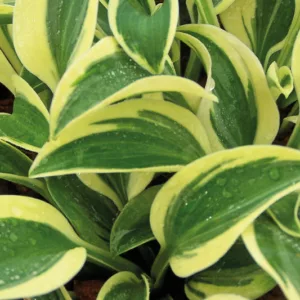
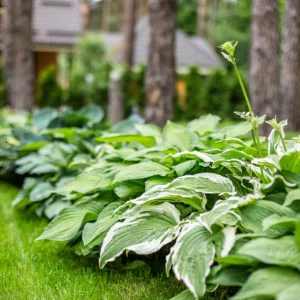
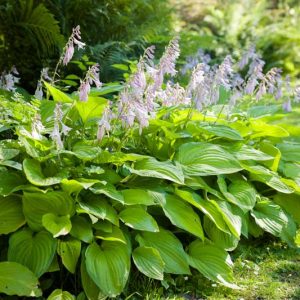
Hosta ‘So Sweet’ is a compact, fragrant hosta prized for its glossy medium-green leaves edged in creamy white and its scented summer flowers. Small enough for path edging and containers yet vigorous enough to form a polished clump, it is an excellent choice for woodland gardens and shady borders.
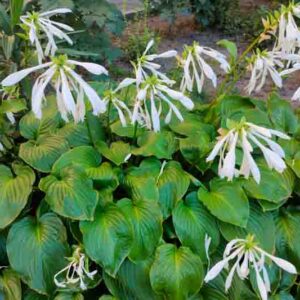
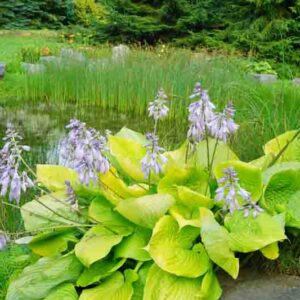
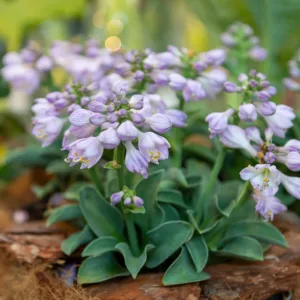
The lance-shaped leaves form a neat, slightly upright mound, typically reaching about 6-8 in. tall and 10-12 in. wide (15-20 cm × 25-30 cm). In mid- to late summer, pale purple buds open into fragrant, funnel-shaped white flowers with subtle pale purple stripes.
Introduced by hosta breeder Kevin Vaughn and honored as the first Hosta of the Year in 1996, ‘So Sweet’ combines attractive variegation, fragrance, compact size, and dependable garden performance.
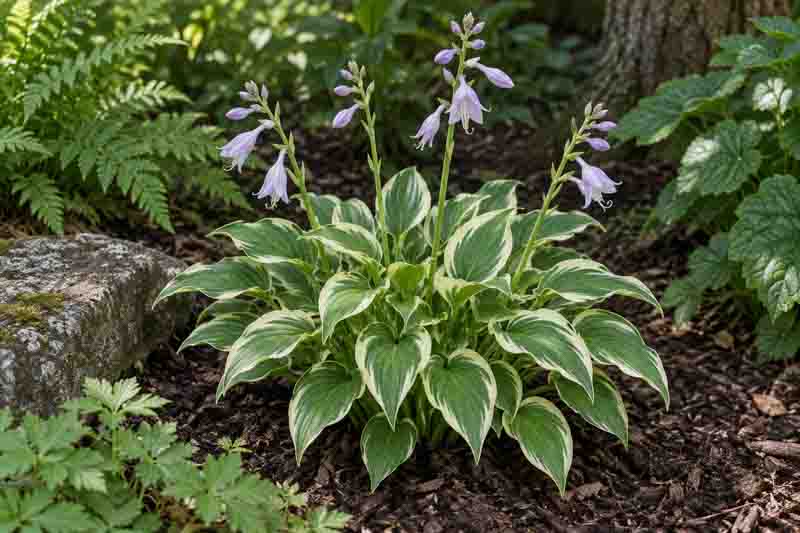
Summary: Compact, vigorous variegated hosta with glossy green, lance-shaped leaves edged creamy white and fragrant summer flowers.
Use: Excellent for shade borders, woodland gardens, path edging, containers, groundcover, and underplanting shrubs.
Highlight: Fragrant white flowers with pale purple striping add a second season of interest after months of luminous foliage.
Note: Its small stature makes it especially useful at the front of shade borders.
| Botanical Name | Hosta ‘So Sweet’ |
|---|---|
| Family | Asparagaceae |
| Common Names | So Sweet hosta, Plantain Lily |
| Origin | Cultivar originated by Kevin Vaughn; registered in 1986 |
| Plant Type and Habit | Herbaceous perennial; compact, vigorous, clump-forming, slightly upright |
| Hardiness (USDA) | Zones 3-8 |
| Size | 6-8 in. tall and 10-12 in. wide (15-20 cm × 25-30 cm); flower scapes rise to about 14 in. (35 cm) |
| Growth Rate | Vigorous; relatively fast-growing for a small hosta |
| Sun and Exposure | Partial shade to full shade; morning sun or dappled light is ideal |
| Soil | Fertile, humus-rich, moist but well-drained clay or loam; acidic to neutral soil |
| Bloom Time | Mid- to late summer |
| Flowers | Fragrant white flowers with pale purple stripes, opening from pale purple buds |
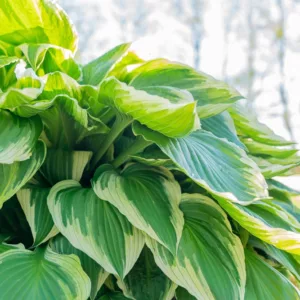
| Foliage | Glossy, lance-shaped medium-green leaves with narrow creamy white margins |
| Award | 1996 Hosta of the Year |
| Wildlife Value | Flowers may attract hummingbirds and pollinating insects; foliage is attractive to deer and rabbits |
| Toxicity | Toxic to cats, dogs, and horses if ingested |
‘So Sweet’ works best where its compact size is an advantage. Use it at the front of a shade border, beside a path, or near a patio rather than hiding it among large hostas. Its bright margins define the foliage, while nearby placement makes the fragrance easier to enjoy.
‘So Sweet’ is a compact variegated hosta introduced by Kevin Vaughn and registered in 1986. It became widely known in 1996 when it was named the first Hosta of the Year by the American Hosta Growers Association.
Its appeal lies in the combination of small size, vigorous growth, glossy variegated foliage, and fragrant flowers – qualities that make it useful in both collector gardens and everyday shade landscapes.
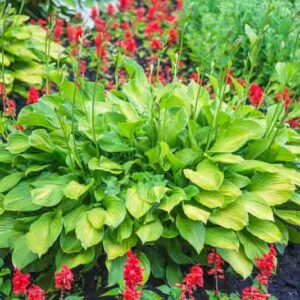
‘So Sweet’ forms a neat, slightly upright mound about 6-8 in. tall and 10-12 in. wide (15-20 cm × 25-30 cm), with flower scapes rising to around 14 in. (35 cm). Its modest footprint makes it particularly useful at the front of borders, along shaded paths, and in containers.
At only about 6-8 in. high, ‘So Sweet’ can disappear behind medium and large hostas. Keep it toward the foreground so its entire mound remains visible.
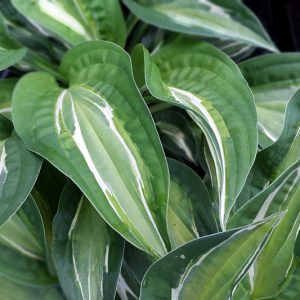
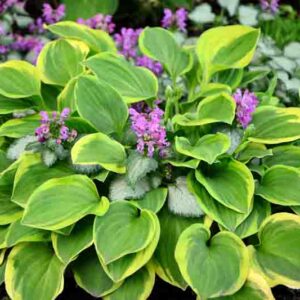
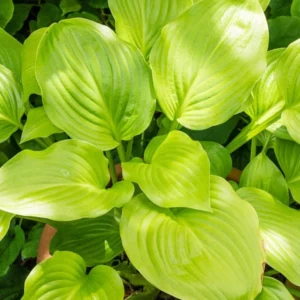
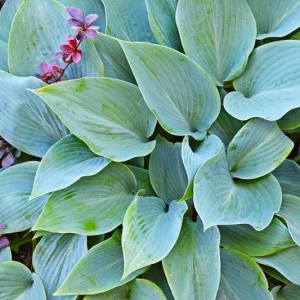
The glossy, lance-shaped medium-green leaves are edged with narrow creamy white margins. Their relatively fine texture gives ‘So Sweet’ a lighter appearance than broad, heavily corrugated hostas and helps brighten darker planting areas.
In mid- to late summer, pale purple buds rise above the foliage and open into fragrant, funnel-shaped white flowers with delicate pale purple stripes. Fragrance is one of the cultivar’s defining characteristics and gives it more seasonal interest than a foliage-only hosta.
‘So Sweet’ is hardy in USDA Zones 3-8. It dies back after frost, remains dormant underground during winter, and re-emerges from the crown in spring.
The summer flowers may be visited by hummingbirds and pollinating insects, although hostas are primarily foliage plants rather than major pollinator resources.
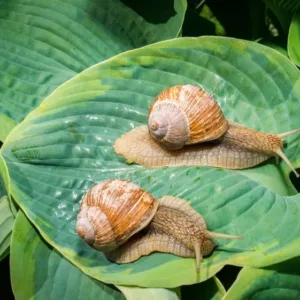
Hostas are highly palatable to deer and rabbits. Protect ‘So Sweet’ with fencing, repellents, or other controls where browsing pressure is high.
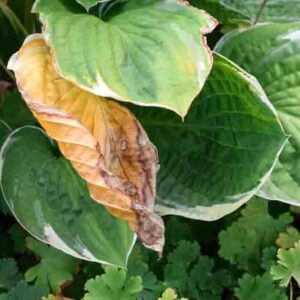
‘So Sweet’ is not drought tolerant. Repeated moisture stress can reduce leaf size, brown the margins, and weaken the clump. Consistent soil moisture produces the best foliage.
Hostas are toxic to cats, dogs, and horses if ingested. Place plants out of reach of pets that routinely chew ornamental foliage.
‘So Sweet’ is a clump-forming perennial and is not regarded as invasive. Its vigorous growth refers to good establishment rather than aggressive spreading.
Partial shade is ideal. Morning sun, high filtered shade, or dappled woodland light supports good growth and flowering while protecting the creamy margins from excessive heat.
Strong afternoon sun can scorch pale leaf tissue, especially where the soil dries quickly. For more guidance, see Can Hostas Grow in Sun? How Much Sun Is Too Much?.
Judge light by intensity as well as duration. Gentle morning sun is very different from hot late-afternoon exposure, especially when combined with dry soil or reflected heat.
Grow ‘So Sweet’ in fertile, humus-rich, moist but well-drained soil. Clay and loam are suitable where drainage is good, with acidic to neutral conditions preferred.
Water deeply enough to maintain consistent root-zone moisture, especially during establishment and hot weather. Plants growing beneath trees may need supplemental irrigation because tree roots compete strongly for moisture.
Top-dress with compost or leaf mold in spring. Where soil fertility is poor, use a balanced fertilizer according to label directions rather than encouraging excessive soft growth.
Plant the crown approximately at soil level in prepared soil, water thoroughly, and mulch to conserve moisture. Keep mulch away from the crown.
For detailed cultural guidance, see How to Grow Hostas: Planting, Care & Problems.
Remove badly damaged leaves as needed and cut spent flower scapes after blooming if desired. After frost, remove collapsed foliage to reduce hiding places for slugs and leave the bed clean for spring.
Propagate ‘So Sweet’ by division in early spring or late summer. Division preserves the cultivar’s size, foliage pattern, fragrance, and growth habit; seedlings will not reliably come true.
‘So Sweet’ is vigorous and easy to grow when its light, moisture, and drainage needs are met, but it is susceptible to common hosta problems.
Brown margins are often environmental rather than infectious. Check soil moisture, hot afternoon sun, wind, reflected heat, and competition from tree roots before assuming disease.
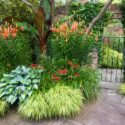
The best companions share its Zones 3-8 hardiness, preference for partial shade or shade, and compatible moisture needs while providing contrasting foliage or height.
Keep taller companions behind ‘So Sweet’ and lower sedges or foamflowers beside it. This preserves a clear view of the hosta while creating several foliage levels without overwhelming its compact mound.
Explore more combinations in Gardenia’s Best Hosta Companion Plants for Beautiful Shade Gardens.
Hosta ‘So Sweet’ typically grows about 6 to 8 inches tall and 10 to 12 inches wide, forming a compact, slightly upright mound. Its fragrant flower scapes rise above the foliage to around 14 inches.
The fragrant flowers open white with subtle pale purple stripes from pale purple buds. They are funnel-shaped and appear above the foliage in mid- to late summer.
Yes. Its scented funnel-shaped flowers appear in mid- to late summer on slender scapes above the foliage.
No. It grows well in partial shade or filtered shade and can benefit from gentle morning sun. Protect it from intense afternoon sun, especially in hot climates.
Hosta ‘So Sweet’ flowers in mid- to late summer, when pale purple buds open into fragrant white flowers marked with pale purple stripes.
Hosta ‘So Sweet’ is hardy in USDA Zones 3 through 8.
Yes. Its compact size, variegated foliage, and fragrant flowers make it well suited to containers with good drainage and reliable moisture.
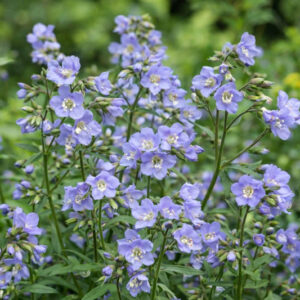
Good companions include Brunnera ‘Jack Frost’, Japanese painted fern, Variegated Solomon’s Seal, Tiarella cordifolia, and Pennsylvania sedge.
Royal Horticultural Society – Hosta ‘So Sweet’: https://www.rhs.org.uk/plants/55302/hosta-so-sweet-v/details
Missouri Botanical Garden – Hosta ‘So Sweet’: https://www.missouribotanicalgarden.org/PlantFinder/PlantFinderDetails.aspx?kempercode=a500
Chicago Botanic Garden – Hosta ‘So Sweet’: https://www.chicagobotanic.org/plant-information/plant-finder/hosta-so-sweet-so-sweet-hosta
Ball Seed – Perennial Catalog: https://www.ballseed.com/pdf/catalogs/Unex_BallSeed_Perennial_Catalog_2025.pdf
Gardenia – How to Grow Hostas: https://www.gardenia.net/guide/how-to-grow-hostas-planting-care-problems
Gardenia – Hosta Companion Plants: https://www.gardenia.net/guide/companion-plants-for-your-hostas
Updated: September 2026 • Reviewed by Gardenia Editors
| Hardiness |
3 - 8 |
|---|---|
| Heat Zones |
1 - 8 |
| Climate Zones | 1, 1A, 1B, 2, 2A, 2B, 3, 3A, 3B, 4, 5, 6, 7, 8, 9, 10, 14, 15, 16, 17, 18, 19, 20, 21 |
| Plant Type | Perennials |
| Plant Family | Asparagaceae |
| Genus | Hosta |
| Common names | Hosta, Plantain Lily |
| Exposure | Partial Sun, Shade |
| Season of Interest | Spring (Mid, Late), Summer (Early, Mid, Late), Fall |
| Height | 6" - 8" (15cm - 20cm) |
| Spread | 10" - 1' (25cm - 30cm) |
| Spacing | 6" - 12" (15cm - 30cm) |
| Maintenance | Low |
| Water Needs | Average |
| Soil Type | Clay, Loam |
| Soil pH | Acid, Neutral |
| Soil Drainage | Moist but Well-Drained |
| Characteristics | Cut Flowers, Fragrant, Plant of Merit, Showy |
| Tolerance | Clay Soil, Full Shade |
| Attracts | Bees, Butterflies, Hummingbirds |
| Garden Uses | Beds And Borders, Edging, Ground Covers, Patio And Containers, Small Gardens, Underplanting Roses And Shrubs |
| Garden Styles | City and Courtyard, Informal and Cottage, Traditional Garden, Woodland Garden |


| Hardiness |
3 - 8 |
|---|---|
| Heat Zones |
1 - 8 |
| Climate Zones | 1, 1A, 1B, 2, 2A, 2B, 3, 3A, 3B, 4, 5, 6, 7, 8, 9, 10, 14, 15, 16, 17, 18, 19, 20, 21 |
| Plant Type | Perennials |
| Plant Family | Asparagaceae |
| Genus | Hosta |
| Common names | Hosta, Plantain Lily |
| Exposure | Partial Sun, Shade |
| Season of Interest | Spring (Mid, Late), Summer (Early, Mid, Late), Fall |
| Height | 6" - 8" (15cm - 20cm) |
| Spread | 10" - 1' (25cm - 30cm) |
| Spacing | 6" - 12" (15cm - 30cm) |
| Maintenance | Low |
| Water Needs | Average |
| Soil Type | Clay, Loam |
| Soil pH | Acid, Neutral |
| Soil Drainage | Moist but Well-Drained |
| Characteristics | Cut Flowers, Fragrant, Plant of Merit, Showy |
| Tolerance | Clay Soil, Full Shade |
| Attracts | Bees, Butterflies, Hummingbirds |
| Garden Uses | Beds And Borders, Edging, Ground Covers, Patio And Containers, Small Gardens, Underplanting Roses And Shrubs |
| Garden Styles | City and Courtyard, Informal and Cottage, Traditional Garden, Woodland Garden |
How many Hosta ‘So Sweet’ (Plantain Lily) do I need for my garden?
| Plant | Quantity | |
|---|---|---|
| Hosta ‘So Sweet’ (Plantain Lily) | N/A | Buy Plants |
Create a membership account to save your garden designs and to view them on any device.
Becoming a contributing member of Gardenia is easy and can be done in just a few minutes. If you provide us with your name, email address and the payment of a modest $25 annual membership fee, you will become a full member, enabling you to design and save up to 25 of your garden design ideas.
Join now and start creating your dream garden!
Create a membership account to save your garden designs and to view them on any device.
Becoming a contributing member of Gardenia is easy and can be done in just a few minutes. If you provide us with your name, email address and the payment of a modest $25 annual membership fee, you will become a full member, enabling you to design and save up to 25 of your garden design ideas.
Join now and start creating your dream garden!