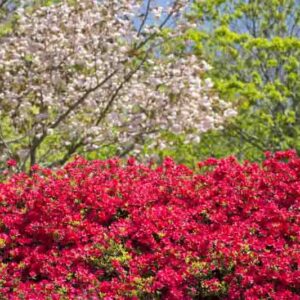
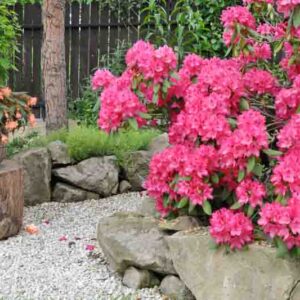
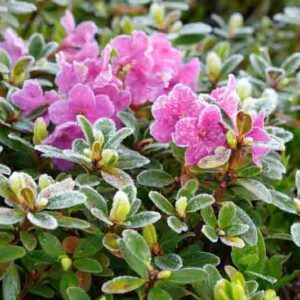
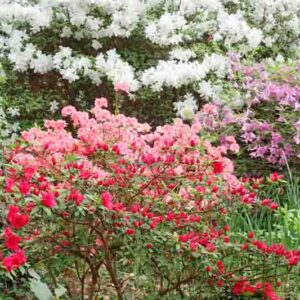
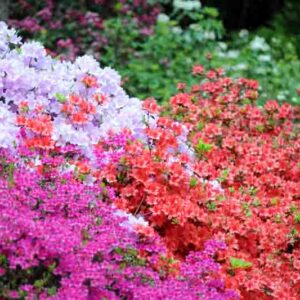
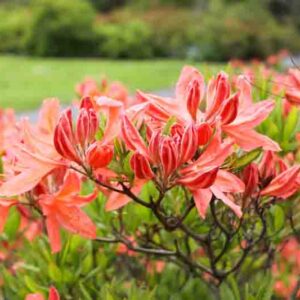
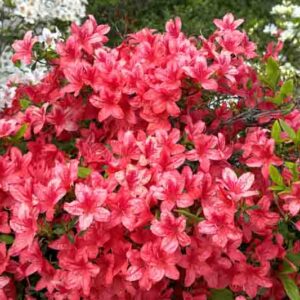
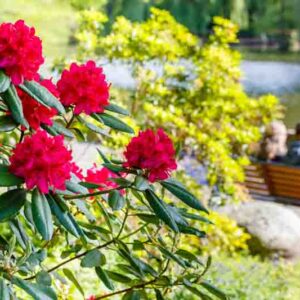
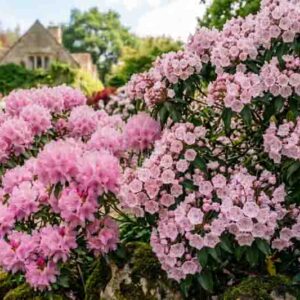
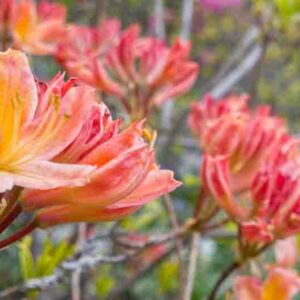
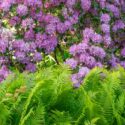
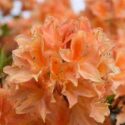
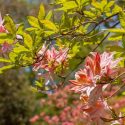
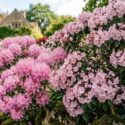
Why settle for a few weeks of rhododendron flowers? By combining early, midseason, and late-blooming azaleas and rhododendrons, you can enjoy color from late winter into summer. Explore 48 beautiful selections, discover how flowering times vary by climate, and plan a succession of blooms suited to your garden.
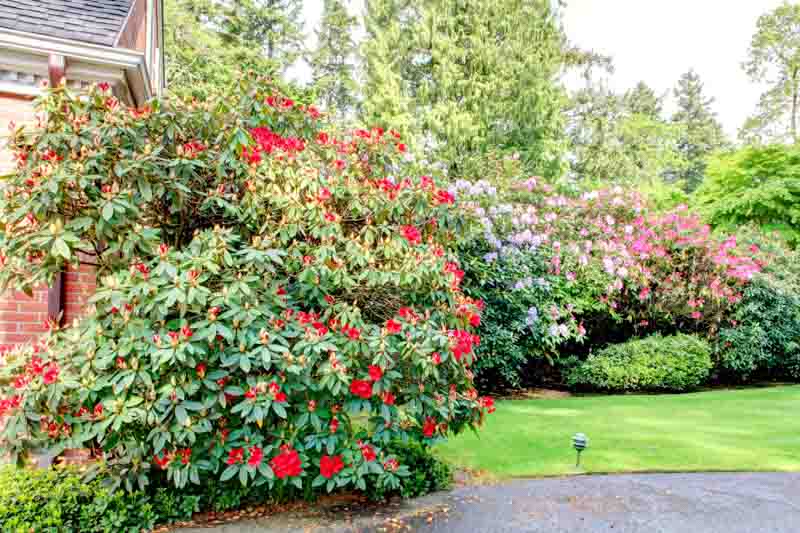


There is something almost extravagant about a rhododendron in full bloom. For a few glorious weeks, its branches disappear beneath great clusters of pink, purple, red, or white flowers. Then the blossoms fall, and the show seems to be over until next year.
But it doesn’t have to be. While many familiar rhododendrons flower in spring, others open their buds in late winter, and some deciduous azaleas wait until summer to bloom. Choose them carefully, and you can enjoy one flowering display after another rather than a single spectacular burst.
The most effective way to extend the blooming season of azaleas and rhododendrons is to combine varieties with different flowering times. Good growing conditions help them perform well, but the length of the garden’s display depends primarily on which plants you choose.
Gardenia’s collection of 48 early-to-late-flowering selections provides a useful starting point. Below, you’ll discover how bloom periods work, which varieties deserve consideration, how to plan a flowering sequence, and what can prevent next year’s buds from opening.
Quick answer: For a longer azalea and rhododendron season, combine early bloomers such as ‘Praecox’ or ‘April Rose’, spring-flowering varieties such as ‘Olga Mezitt’ and ‘Scintillation’, and later selections such as ‘Golden Lights’ or Rhododendron prunifolium. In suitable climates, summer-flowering native azaleas or reblooming cultivars can extend the display further. Choose plants suited to your hardiness zone and expect some overlap or gaps between flowering periods.
Most azaleas and rhododendrons flower in spring, but the genus Rhododendron contains an enormous range of species and hybrids. Their flowers can appear at very different times, depending on the plant and where it grows.
An individual shrub often produces its main display over roughly two to three weeks. Cool, settled weather may help the flowers last longer; hot temperatures, strong wind, or heavy rain can shorten the show.
The broader flowering season varies even more. In some mild maritime gardens, early rhododendrons may begin flowering in winter, while late azaleas continue into summer. In colder inland climates, flowering usually begins later and is compressed into a shorter period.
Gardeners commonly describe rhododendron bloom times using seven relative classifications:
These labels describe the relative order of flowering, not fixed months. Gardenia’s five plant-card groups combine neighboring periods where practical, making it easier to browse the selections without losing the broader seasonal sequence.
Bloom times are local: A rhododendron that flowers in March in a sheltered coastal garden might not bloom until April or May farther inland. Elevation, exposure, winter temperatures, and spring weather can shift flowering by several weeks. Treat published dates as guidance and compare local flowering records whenever possible.
The earliest rhododendrons are particularly rewarding. Their flowers may appear while the rest of the garden is still waking up, sometimes against bare branches or evergreen foliage dusted with frost.
| Hardiness |
3 - 10 |
|---|---|
| Plant Type | Shrubs |
| Genus | Rhododendron |
| Exposure | Full Sun, Partial Sun |
| Season of Interest | Spring (Early, Mid, Late), Summer (Early, Mid, Late), Winter |
| Maintenance | Low |
| Water Needs | Average |
| Soil Type | Clay, Loam, Sand |
| Soil pH | Acid |
| Soil Drainage | Moist but Well-Drained |
| Characteristics | Showy |
| Tolerances | Rabbit |
| Attracts | Butterflies, Hummingbirds |
| Landscaping Ideas | Banks And Slopes, Beds And Borders, Hedges And Screens, Patio And Containers, Wall-Side Borders, Small Gardens |
| Garden Styles | City and Courtyard, Informal and Cottage, Japanese Garden, Traditional Garden |




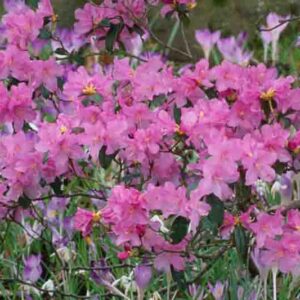


Early bloomers come with one limitation: cold-hardy plants can still have frost-sensitive flowers. A shrub may emerge from winter unharmed yet lose its first blossoms to a late freeze.
Choose sheltered positions away from exposed wind tunnels and low-lying frost pockets. Protection from abrupt early-morning sun after a hard freeze can also help reduce damage to frozen tissues.
As the first rhododendron flowers fade, early-midseason varieties take over. This group is useful for connecting winter and early-spring blossoms with the more familiar spring display.
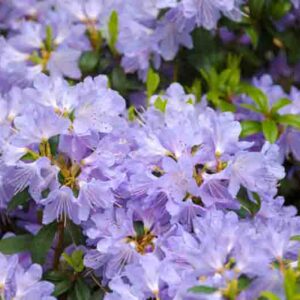
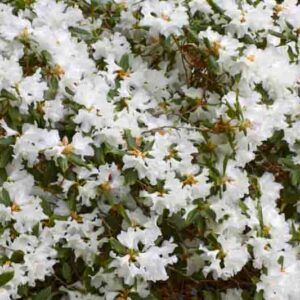
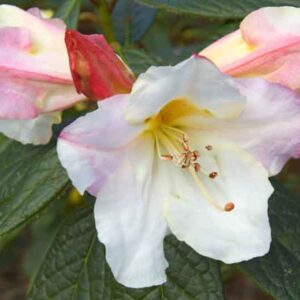
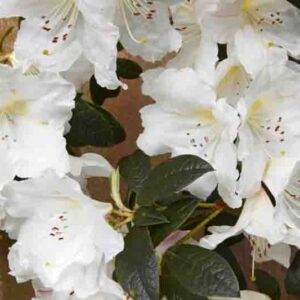
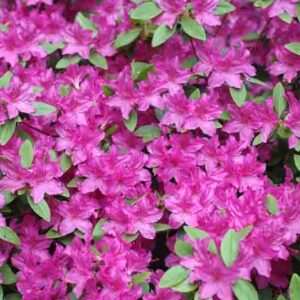
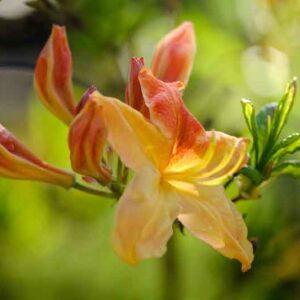
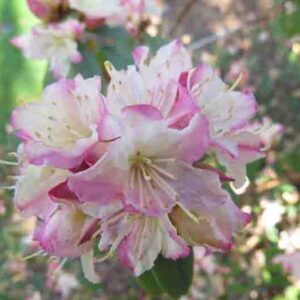
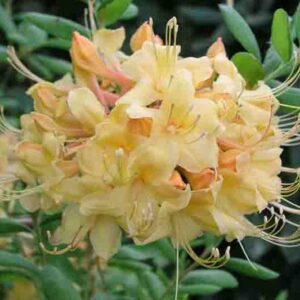
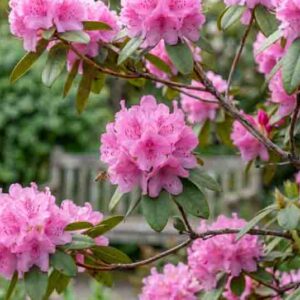
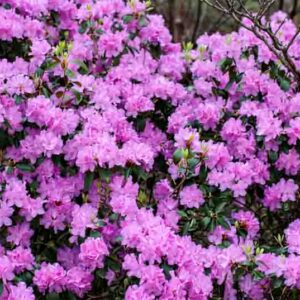
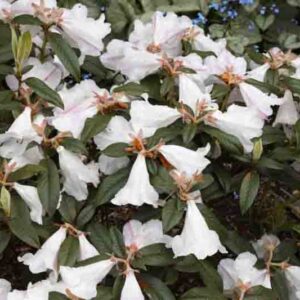
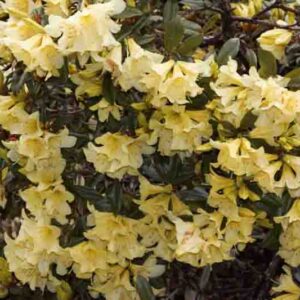
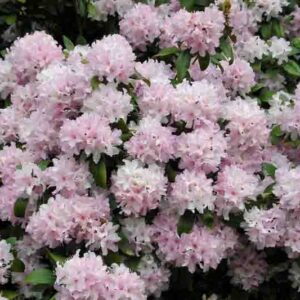

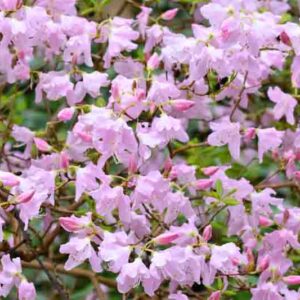

This is a particularly good group in which to combine different flower forms and sizes rather than selecting several similar shrubs. The contrast between a large-leaved evergreen rhododendron and a fragrant deciduous azalea can be every bit as appealing as their colors.
For many gardens, midseason is when rhododendrons put on their grandest show. Large evergreen shrubs carry generous flower trusses, while deciduous and evergreen azaleas add contrasting colors, shapes, and fragrance.
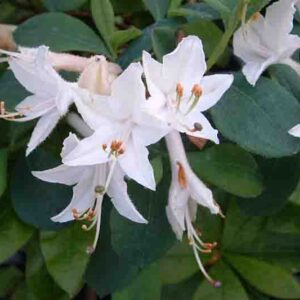
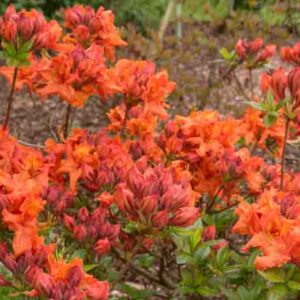
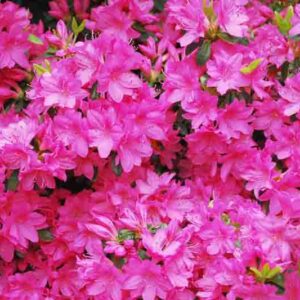
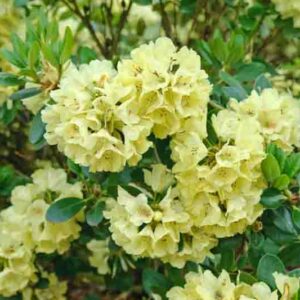
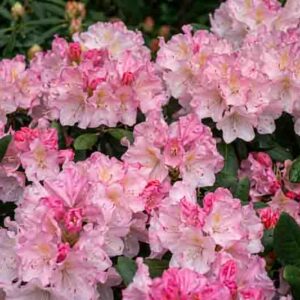
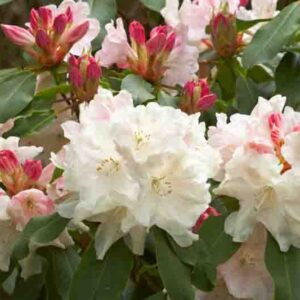
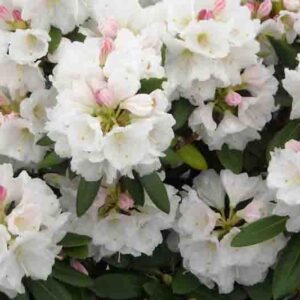
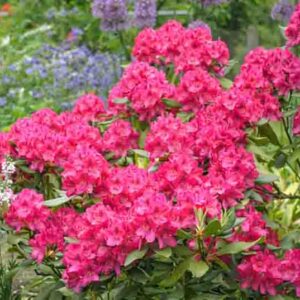
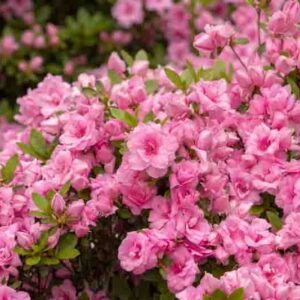
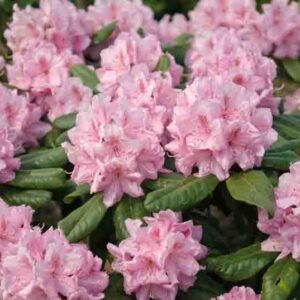
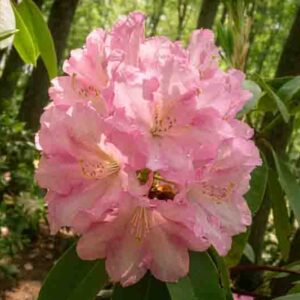


A midseason planting doesn’t need to rely entirely on flower color. Fragrance, mature size, and foliage can make the garden interesting long after the petals have fallen.
Allow sufficient room for larger hybrids such as ‘Nova Zembla’ and ‘Scintillation’. Planting several vigorous rhododendrons too closely may produce a magnificent display initially but create crowding problems as they mature.
By late spring, many early-flowering rhododendrons have already finished. Late-midseason hybrids and deciduous azaleas help prevent the border from losing all its color at once.
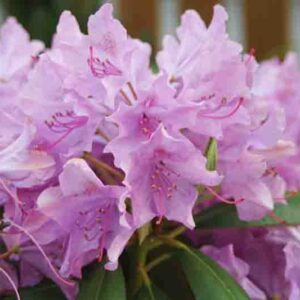
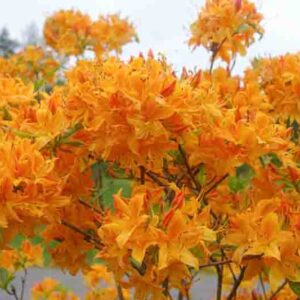
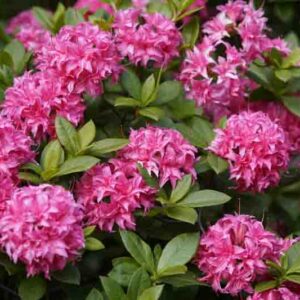
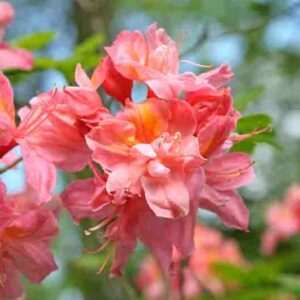
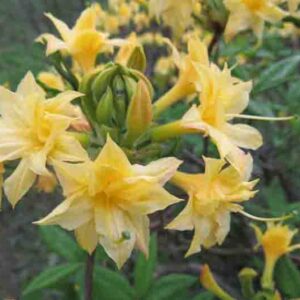
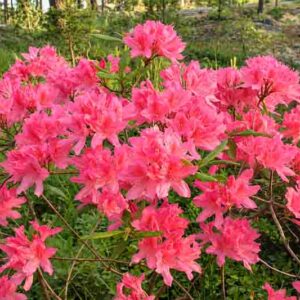
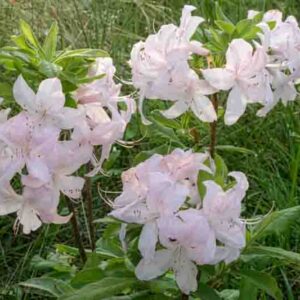
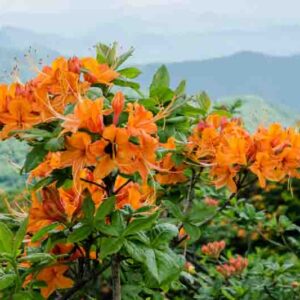

These plants are valuable not because they always bloom after every midseason hybrid, but because they broaden the range of likely flowering dates. Local temperature patterns still determine how much overlap occurs.
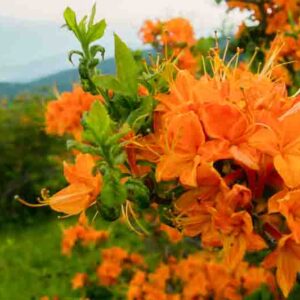
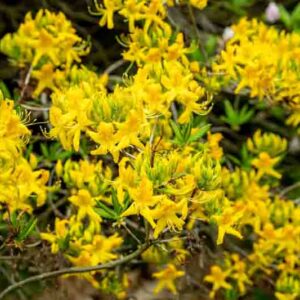
Several North American deciduous azaleas bloom well after the familiar spring rhododendrons. These are particularly valuable for gardeners hoping to enjoy flowers in June, July, or later.
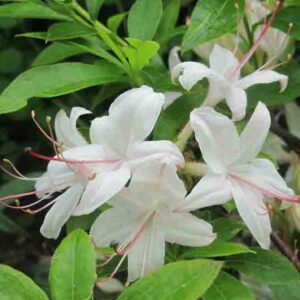
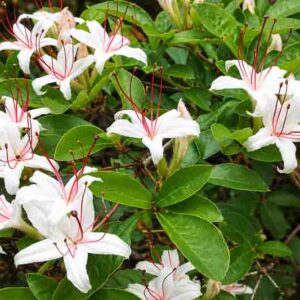


Plumleaf Azalea is particularly exciting because it can bloom when most spring azaleas are long finished. However, its growing requirements and native habitat differ from those of many other rhododendrons. It needs a suitable climate and site, not simply a space at the back of an acidic border.
Planning for summer flowers? Add a genuinely late-blooming azalea instead of another spring hybrid. Plumleaf, Swamp, and Sweet Azaleas can extend the seasonal range, but their flowering dates and moisture requirements differ. Compare individual plants before selecting them.
Yes. Some specially bred azaleas can produce a second flush of flowers after their main spring display. Certain cultivars may bloom again during summer or fall, giving gardeners another way to extend seasonal color.
Reblooming azaleas differ from traditional spring-flowering types. Rather than simply holding their first flowers longer, they can develop additional flowering growth later in the season.
Selections from the Encore and Bloom-A-Thon series are well-known examples. However, not every cultivar performs equally well in every climate.
Strong summer heat, drought, excessive shade, or a short growing season can limit reblooming. Cold hardiness also varies, so choose cultivars suitable for your region rather than assuming all reblooming azaleas will perform alike.
Prune cautiously after the spring display. Repeated trimming later in summer may sacrifice developing flowers.
How many varieties do you need for a longer flowering season? Not necessarily many. Three to five thoughtfully selected plants can provide a satisfying succession, provided their flowering periods and growing requirements suit your garden.
The table below shows one possible approach using cultivars and species featured in Gardenia’s collection.
| Stage | Example selections | What to verify |
|---|---|---|
| Start early | ‘April Rose’, ‘Cornell Pink’ | Winter hardiness and risk of frost damage to flowers |
| Bridge into spring | ‘Olga Mezitt’, ‘Dora Amateis’ | Local flowering overlap and mature size |
| Main display | ‘Scintillation’, ‘Nova Zembla’ | Light, space, and long-term growing requirements |
| Late spring | ‘Golden Lights’, Flame Azalea | Exposure, cold hardiness, and expected flowering dates |
| Summer finish | Swamp Azalea, Plumleaf Azalea | Summer moisture, regional suitability, and mature size |
Expect overlap and occasional gaps. Flowering groups describe the usual sequence, not exact dates. A warm spring may bring several varieties into bloom together, while a cool season can spread them farther apart. For a more dependable display, choose multiple cultivars with overlapping bloom periods and compare their performance locally.
It also helps to record what happens in your garden. Note the first and last flowering dates of each shrub for two or three seasons. These observations can reveal gaps that a general bloom calendar cannot predict.
Above all, don’t sacrifice growing-condition compatibility for a perfect-looking calendar. An early rhododendron that is too tender for your winters, or a summer azalea planted in unsuitable soil, will not deliver the intended flowers.
A carefully chosen sequence extends the garden’s flowering season. Good care helps each shrub develop buds and protects its individual display from avoidable damage.
Early rhododendrons may begin opening before the last spring frost. Site them away from cold-air pockets and exposed winds. Where practical, cover smaller shrubs temporarily during a severe cold snap, using frost cloth supported so it does not crush the flowers.
Excessive shade can reduce bud production, while intense afternoon heat can stress some large-leaved evergreen rhododendrons and shorten the life of open flowers. Other types tolerate considerably more sun.
For help matching exposure to the plant, see Gardenia’s Rhododendrons for Sun vs. Shade Guide.
Many azaleas and rhododendrons form next year’s flower buds during the growing season after flowering. Summer drought can weaken the plant and interfere with bud development, leading to disappointing blooms the following spring.
Maintain consistent moisture during dry spells, but avoid saturated soil. A loose layer of organic mulch helps keep shallow roots cooler and reduces moisture loss. Keep mulch away from the trunk and root crown.
Most traditional spring-flowering rhododendrons and azaleas bloom from buds formed on the previous season’s growth. Late-summer or fall pruning can remove those developing buds.
For routine shaping, prune shortly after flowering. Major renovation is a different matter and may require accepting the loss of some flowers.
See Gardenia’s How and When to Prune Rhododendrons and Azaleas.
More fertilizer does not automatically mean more flowers. Excess nitrogen can encourage vigorous leafy growth, and overfeeding may damage the fine root system.
Check soil conditions first, especially acidity and drainage. Many established rhododendrons growing in suitable soil need little supplementary feeding. Gardenia’s Rhododendron Soil and Fertilizer Guide explains when feeding is useful.
Removing faded flower trusses can improve appearance and reduce seed production, especially on young, large-flowered rhododendrons. However, it does not normally cause a once-flowering shrub to bloom again that year.
Remove spent trusses carefully, protecting the new shoots immediately below them. Small-flowered rhododendrons and many azaleas seldom need individual deadheading.
What won’t extend the season: Heavy pruning, extra fertilizer, and aggressive deadheading cannot turn a conventional once-flowering rhododendron into a reblooming plant. To enjoy flowers over more weeks or months, choose varieties with genuinely different bloom periods.
Gardenia’s 48 featured selections make it easier to explore the possibilities, from early evergreen hybrids to fragrant summer-flowering native azaleas. Their plant profiles help you investigate individual choices rather than relying on bloom dates alone.
Start with Gardenia’s Plant Finder to look for suitable rhododendrons and azaleas based on your hardiness zone, sunlight, soil, and moisture conditions. Save your choices, then use the Garden Design Tool to assess growing-condition compatibility, mature sizes, seasonal interest, and planting quantities.
For color between rhododendron flowering periods, explore Gardenia’s Best Companion Plants for Azaleas and Rhododendrons.
Grow several rhododendron and azalea species or cultivars with different flowering periods. Combine early, midseason, and late bloomers suited to your local climate, soil, sunlight, and hardiness zone. Proper care helps protect buds, but cultivar selection is the main way to extend the overall garden display.
An individual rhododendron often flowers for approximately two to three weeks, although the exact duration varies with cultivar and weather. Cool conditions may prolong the display, while warm weather, wind, or rain may shorten it.
Early selections include ‘Praecox’, ‘Christmas Cheer’, ‘April Rose’, and Rhododendron mucronulatum ‘Cornell Pink’. In mild climates, some flower in late winter or very early spring. Open blossoms remain vulnerable to frost even on cold-hardy plants.
Late-flowering deciduous azaleas include Rhododendron viscosum (Swamp Azalea), R. arborescens (Sweet Azalea), and R. prunifolium (Plumleaf Azalea). Plumleaf Azalea is particularly valued for its midsummer or later orange-red blossoms in suitable regions.
Yes. Some reblooming azalea cultivars flower in spring and again during summer or fall. Later flowering depends on cultivar, climate, plant health, and the length of the growing season. Traditional spring-blooming azaleas usually produce one main annual display.
Prune most traditional spring-flowering rhododendrons and azaleas shortly after flowering. Late-summer or fall pruning may remove the developing buds that would produce next spring’s flowers. Reblooming azaleas may need different timing.
Usually not. Removing spent flowers can tidy the shrub and reduce seed formation, but it does not normally trigger another flowering period in conventional rhododendrons. Reblooming depends primarily on the cultivar’s flowering habit.
The pleasure of an extended rhododendron season comes from watching the garden change. A few early flowers signal spring, richly colored hybrids take over, and fragrant or brightly colored late azaleas bring the display into summer. Choose plants with complementary flowering periods, give them the conditions they need, and enjoy the succession rather than expecting every shrub to bloom at once.
Updated and reviewed by Gardenia: October 2026
| Hardiness |
3 - 10 |
|---|---|
| Plant Type | Shrubs |
| Genus | Rhododendron |
| Exposure | Full Sun, Partial Sun |
| Season of Interest | Spring (Early, Mid, Late), Summer (Early, Mid, Late), Winter |
| Maintenance | Low |
| Water Needs | Average |
| Soil Type | Clay, Loam, Sand |
| Soil pH | Acid |
| Soil Drainage | Moist but Well-Drained |
| Characteristics | Showy |
| Tolerances | Rabbit |
| Attracts | Butterflies, Hummingbirds |
| Landscaping Ideas | Banks And Slopes, Beds And Borders, Hedges And Screens, Patio And Containers, Wall-Side Borders, Small Gardens |
| Garden Styles | City and Courtyard, Informal and Cottage, Japanese Garden, Traditional Garden |
Create a membership account to save your garden designs and to view them on any device.
Becoming a contributing member of Gardenia is easy and can be done in just a few minutes. If you provide us with your name, email address and the payment of a modest $25 annual membership fee, you will become a full member, enabling you to design and save up to 25 of your garden design ideas.
Join now and start creating your dream garden!