Grow healthier grapevines and harvest sweeter fruit with this practical guide to planting, pruning, trellising, watering, feeding, and troubleshooting. It covers the best grape types for home gardens, common mistakes to avoid, and smart growing strategies for table grapes, muscadines, and backyard edible landscapes.
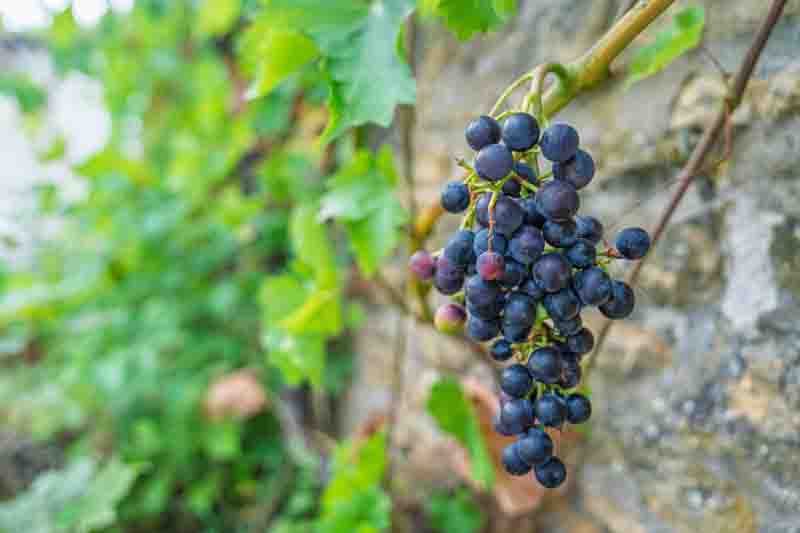


Growing grapes in the home garden is one of the most rewarding ways to combine beauty, productivity, and long-term value in one plant. A healthy grapevine can soften a fence, shade a pergola, climb a trellis, or frame an arbor while producing clusters for fresh eating, juice, jelly, and home winemaking. Once established and trained correctly, a grapevine can remain productive for many years.
The key is not simply planting a vine and waiting for fruit. Success comes from choosing the right grape type for your climate, planting in full sun, giving the roots excellent drainage, building a strong support system, and pruning every year with confidence. Most grape failures trace back to poor siting, poor variety choice, overcrowding, weak airflow, or timid pruning.
Jump to: Grapes at a Glance | What Are Grapes? | How to Choose the Right Grape Type | American vs European vs Hybrid vs Muscadine | How Much Spacing Grapes Need | When to Plant | How Long Grapes Take to Fruit | Flowering and Pollination | Seedless vs Seeded Table Grapes | When and How to Harvest | Spray-Free Expectations | Common Grape Problems | FAQ
Grapes are woody perennial vines in the Vitis genus, grown for edible fruit, ornamental value, and long productive life. They are not self-supporting shrubs. They are vigorous climbers that need support, sunlight, and annual pruning to stay fruitful and manageable.
Home gardeners usually grow one of four broad grape groups – American grapes, European grapes, hybrid grapes, and muscadines. Each group differs in hardiness, disease resistance, flavor, and climate fit. That is why grape-growing success starts with the right plant choice, not just watering or fertilizer.
This is the most important decision in the whole process. If the grape is poorly matched to your climate, even good care may not produce good results. Think about winter lows, summer humidity, disease pressure, and how long your season lasts before you choose a cultivar.
As a broad rule, grapes need about 155 to 160 frost-free days for dependable cropping, and some late cultivars need even more. If your season is shorter, choose earlier varieties or your fruit may never fully ripen.
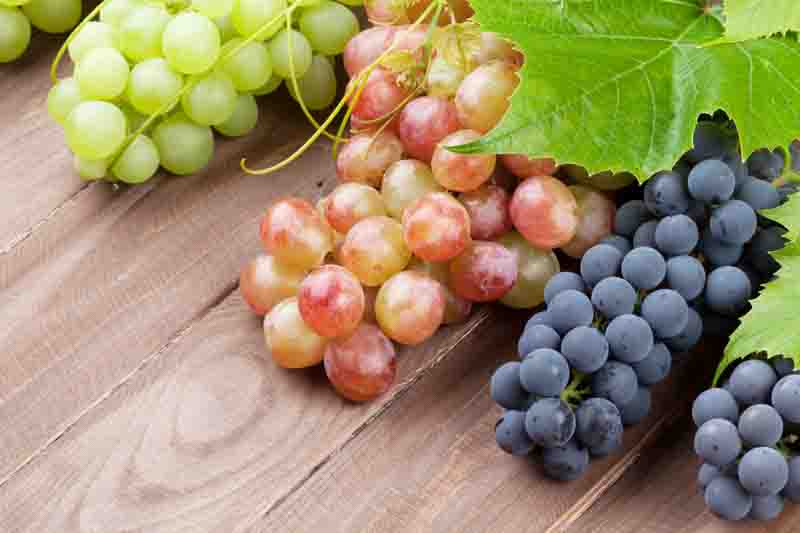
If you want to grow grapes successfully, you need to understand the four main grape groups. They differ in hardiness, disease resistance, flavor, and regional performance.
American grapes are often the easiest starting point for home gardeners in colder or more humid regions. They are generally more cold-hardy than European grapes and often more forgiving under disease pressure. Their flavor is often stronger and more aromatic – the classic backyard grape taste many gardeners associate with juice and jelly.
Examples: Concord, Niagara, Catawba, Edelweiss, Mars, Reliance, and Canadice.
Best for: Colder climates, humid climates, juice, jelly, fresh eating, and beginner gardeners. Best Grapes for Fresh Eating – Top Varieties Ranked
European grapes, usually Vitis vinifera, include many famous table and wine grapes. They are valued for refined flavor, classic wine quality, and crisp table-grape texture. They can be superb in the right site, but they are usually less forgiving in humidity and often need more careful disease management.
Examples: Chardonnay, Cabernet Sauvignon, Cabernet Franc, Merlot, and Thompson Seedless.
Best for: Warm, dry climates, classic table grapes, wine grapes, and more experienced growers.
Hybrid grapes combine traits from different grape species to improve cold hardiness, disease resistance, ripening time, or fruit quality. For many home gardeners, hybrids offer the best balance between performance and ease.
Examples: Marquette, Frontenac, La Crescent, Chambourcin, and Seyval Blanc.
Best for: Broad adaptability, cooler climates, variable climates, and gardeners who want reliability plus quality.
Muscadine grapes are different enough from bunch grapes that they deserve their own category. They thrive in the warm, humid Southeast, where many bunch grapes struggle under relentless disease pressure. Their fruit is sweeter, thicker-skinned, and more musky in flavor, and their training and spacing are also different.
Examples: Carlos, Noble, Triumph, Supreme, and Tara.
Best for: Hot humid climates, Southern gardens, jelly, juice, fresh eating, and lower disease pressure in the Southeast.
Spacing is not a cosmetic detail. It directly affects airflow, disease pressure, fruit ripening, pruning ease, and long-term vine health. Home grapevines fail more often from crowding than from being given too much room.
If you are unsure, err on the wide side. Better airflow almost always helps grape quality and disease prevention.
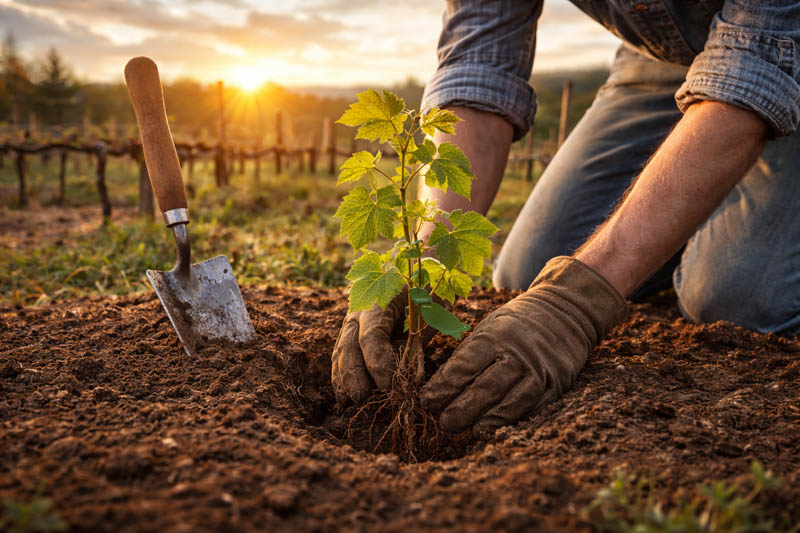
The best time to plant grapes is early spring, especially when bare-root vines are still dormant or just beginning to wake up. Spring planting gives the roots time to establish before summer heat arrives. In mild climates, container-grown grapes can also be planted in fall, but spring remains the safest window for most home gardeners.
Avoid planting into frozen ground, waterlogged soil, or periods of extreme heat. Grapevines dislike sitting in cold, wet conditions right after planting.
When to Plant Grapes for Healthier Vines
Grape site selection determines fruit quality, disease pressure, and vine longevity. A weak site usually produces weak results. A strong site makes almost everything easier.
Planting grapes properly helps establish a strong trunk, healthy roots, and a better framework for future training and fruiting.
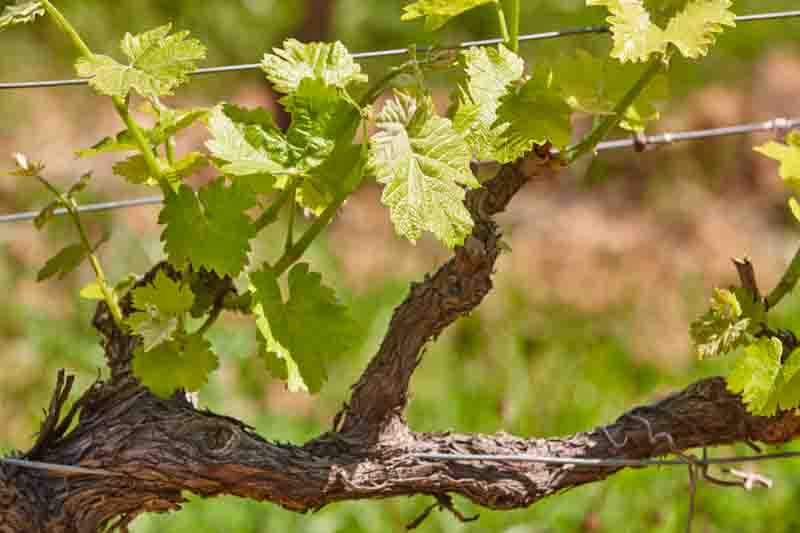
Grapes are not hard to grow, but they are not carefree. Productive grapevines come from routine, balanced care and consistent structure.
Newly planted vines need regular deep watering while roots establish. Mature vines are more drought-tolerant, but prolonged dry spells can reduce berry size and increase stress. Water deeply, then let the upper soil begin drying before watering again.
Full sun is non-negotiable. Grapes grown in shade or even bright partial shade often produce poor fruit, weak canes, and delayed ripening.
Grapes usually need less fertilizer than people expect. Excess fertilizer, especially nitrogen, often creates too much leafy growth and weaker fruit quality. Feed modestly and preferably based on soil testing and actual vine performance.
A light mulch layer helps conserve moisture and suppress weeds, but keep it away from the trunk so the base stays dry and warm.
Open canopies are healthier canopies. Dense, tangled growth traps humidity around leaves and fruit, encourages disease, and makes pruning and harvest harder.
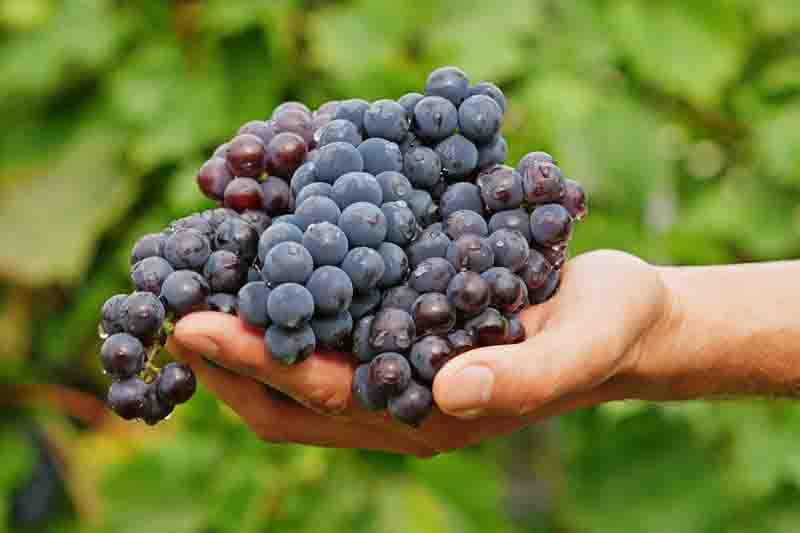
Most home grapevines do not produce a meaningful crop immediately. In a well-managed planting, the first real crop usually comes in about the third year after planting. Some vines may carry a few clusters sooner, but heavy early cropping is not the goal. During the first two seasons, the priority is establishing roots, a trunk, and a proper framework.
A vine that is forced to fruit too heavily too soon often develops more slowly and becomes harder to train correctly. Patience in the first years usually leads to bigger harvests later.
Why your Grapevine has Leaves but No Grapes
Grapes bloom in late spring to early summer depending on climate and variety. The flowers are small and not especially showy, but they are the beginning of the crop. Most bunch grapes are self-fruitful, which means one vine can usually pollinate itself and produce fruit. Wind does much of the work, though insects can help.
If fruit set is poor, the cause is often not lack of a pollinator but bad bloom weather, nutrient imbalance, or stress during flowering. Cool or very hot conditions during bloom can reduce pollination and leave clusters sparse.
Muscadines are the exception gardeners need to watch. Some muscadine cultivars are self-fertile, but some are female and need a self-fertile cultivar nearby for pollination. Always check the label before planting muscadines if fruit set matters.
For fresh eating, many gardeners automatically prefer seedless grapes, and that is understandable. They are easier to snack on, more convenient for children, and often feel more “table ready.” But seeded grapes still deserve consideration.
In short, choose seedless if easy eating is your top priority, but do not ignore seeded cultivars if your climate is challenging and reliability matters most.
Grapes can be grown in containers, but they are more demanding there than in open ground. Container vines need more frequent watering, more careful feeding, and more attentive pruning because root space is limited and moisture changes quickly.
Repot in late winter or early spring before growth begins. Move up gradually or refresh the root zone with fresh mix. Oversized pots stay wet too long and increase root problems.
Grapes are not true houseplants. They need strong light, room to grow, seasonal dormancy, and outdoor conditions to fruit well. A greenhouse, conservatory, or protected sunroom works much better than an ordinary room indoors.
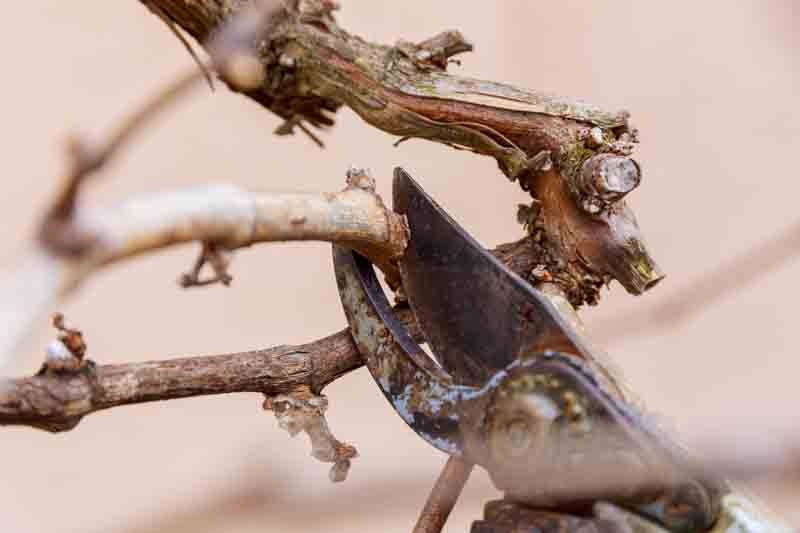
Pruning is the most important grape-growing skill. Grapes fruit on shoots that grow from one-year-old wood, so pruning is not optional cleanup. It is how the vine stays productive.
You do not need to master advanced balanced-pruning formulas on day one, but you do need a practical target.
Bunch grapes are often managed with cane pruning or spur pruning. Muscadines are usually spur-pruned on a simpler permanent-arm system and often need their fruiting shoots cut back to short spurs each winter.
How to Prune Grapevines for Bigger Harvests: Cane Pruning vs Spur Pruning
Training gives grapes structure, order, and better fruiting conditions. Without training, the vine becomes harder to manage, harder to harvest, and more vulnerable to disease.
Popular systems include a single wire, bilateral cordon, high cordon, four-arm Kniffin, and arbor training. Arbors can be beautiful, but simple trellises are usually easier for pruning, inspection, and fruit quality.
As a young vine grows, select the strongest shoot as the trunk, tie it gently, and remove major competitors. Once the trunk reaches the wire, form the permanent arms and build future fruiting wood from there.
Winter care depends on grape type and regional climate. American and hybrid grapes usually tolerate cold better than European grapes, while muscadines prefer milder winters. Young vines are most vulnerable because their trunks and root systems are not fully established.
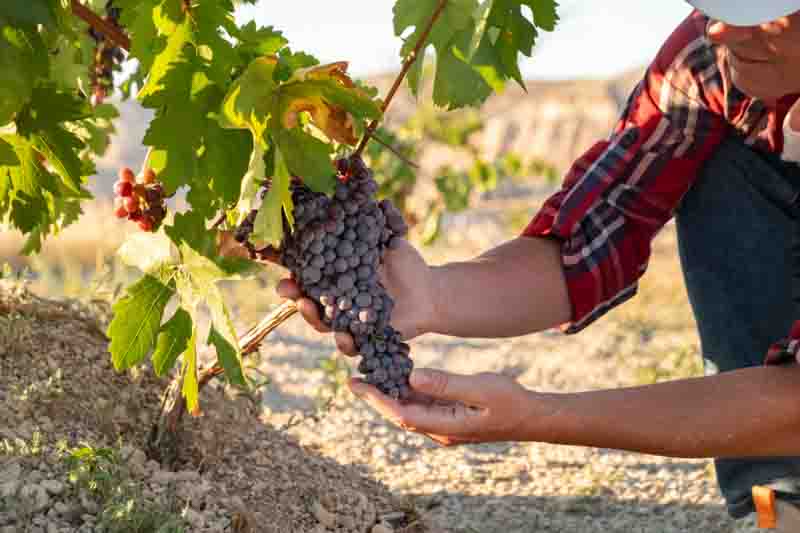
Grapes should be harvested only when fully ripe. They do not improve in sugar or flavor after picking. Color alone is not enough. A fully ripe grape should taste sweet and characteristic of the variety, and the berries should be full-sized and easy to detach with the whole cluster.
As harvest nears, protect the crop from birds. Net fruit when berries begin coloring and sweetening, before birds discover them. If you wait until the grapes are fully ripe, you are often too late.
How to Tell When Grapes Are Ready to Harvest
This is where many beginners get surprised. In a dry climate, a well-sited grapevine may need relatively little intervention. In a humid climate, truly spray-free grapes can be difficult, especially with susceptible cultivars.
If you garden where summers are wet, warm, and still, do not expect every grape type to succeed without some level of disease management. Black rot, powdery mildew, downy mildew, and bunch rots can destroy a crop quickly. Choosing resistant varieties and keeping the canopy open can reduce the problem dramatically, but in some humid regions a completely spray-free approach is unrealistic for many bunch grapes.
That does not mean grapes are impossible. It means your strategy should be honest.
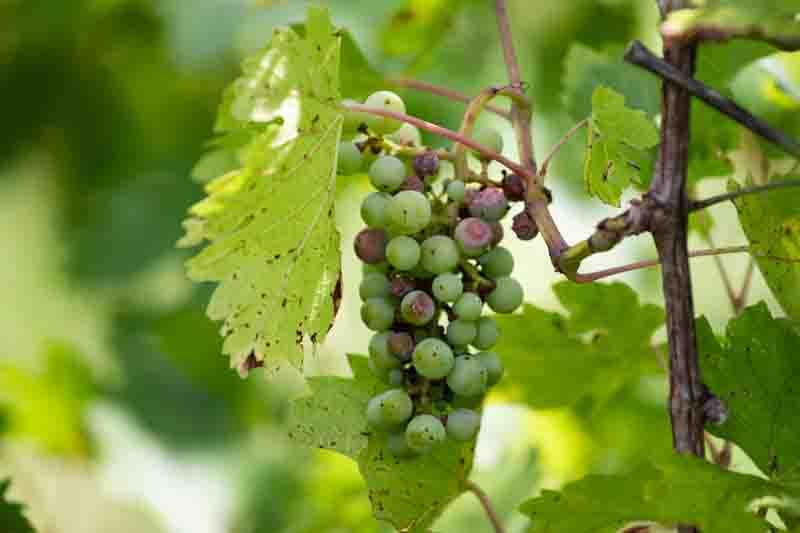
The most common causes are too little sun, excessive foliage shading the fruit, overcropping, poor variety choice, or a growing season that is too short for the grape you planted.
Yellow leaves may result from poor drainage, nutrient imbalance, root stress, trunk injury, soil pH problems, or disease. Wet soil is one of the first things to rule out.
Grapes face more than a handful of problems, especially in humid climates. Pest and disease pressure is one of the biggest differences between easy grape gardens and frustrating ones.
Common Grapevine Problems and How to Fix Them
Why Grapes Split Before Harvest – Causes and Prevention
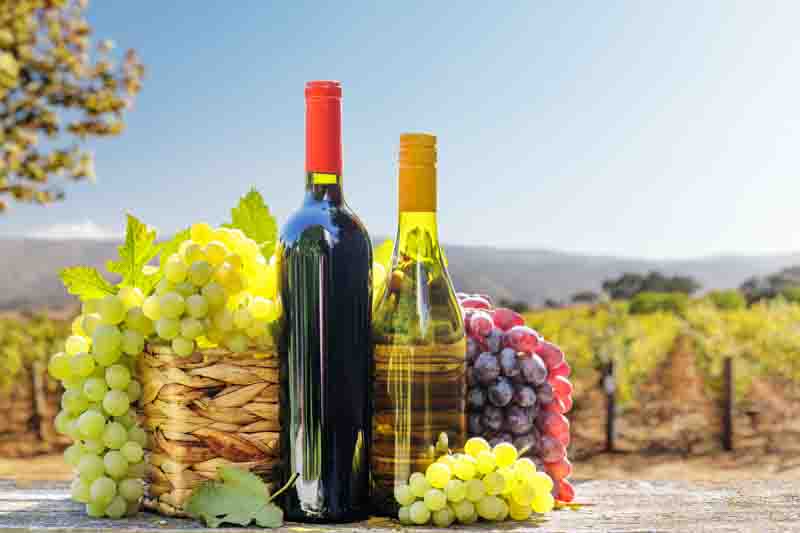
Grapes are commonly propagated from hardwood cuttings, which is one of the most reliable ways to reproduce a known variety. Layering also works well for home gardeners.
Take hardwood cuttings during dormancy from healthy one-year-old canes. Cut sections with several buds and plant them in a free-draining medium with one or two buds above the surface.
Bend a flexible cane to the ground, bury a section while leaving the tip exposed, and keep the area lightly moist until roots form. Then cut the new plant free.
The best grape for the home garden is the one that fruits reliably in your region, not the one with the most romantic description. Use the chart below to match grape type to climate and purpose.
| Type | Climate Fit | Flavor Profile | Disease Resistance | Best Uses |
|---|---|---|---|---|
| American grapes
Beginner-friendly |
Cold to moderate climates | Bold, aromatic, classic backyard grape flavor | Usually higher | Juice, jelly, fresh eating |
| Hybrid grapes
Widely adaptable |
Many regions | Variable, often balanced | Often good | Table use, juice, some wine |
| European grapes
More demanding |
Warm, dry, longer seasons | Refined, classic table and wine flavor | Often lower in humid regions | Fresh eating, wine |
| Muscadine grapes
Southern specialist |
Warm, humid climates | Sweet, musky, distinctive | Usually high in the Southeast | Fresh eating, jelly, juice, wine |
Muscadine grapes are often the smartest choice for Southern gardeners because they tolerate heat, humidity, and regional disease pressure better than many bunch grapes. Their thicker skins, rich sweetness, and vigorous growth make them especially useful where traditional bunch grapes become a maintenance battle. Just remember that some muscadine cultivars are female and need a self-fertile pollinator nearby.
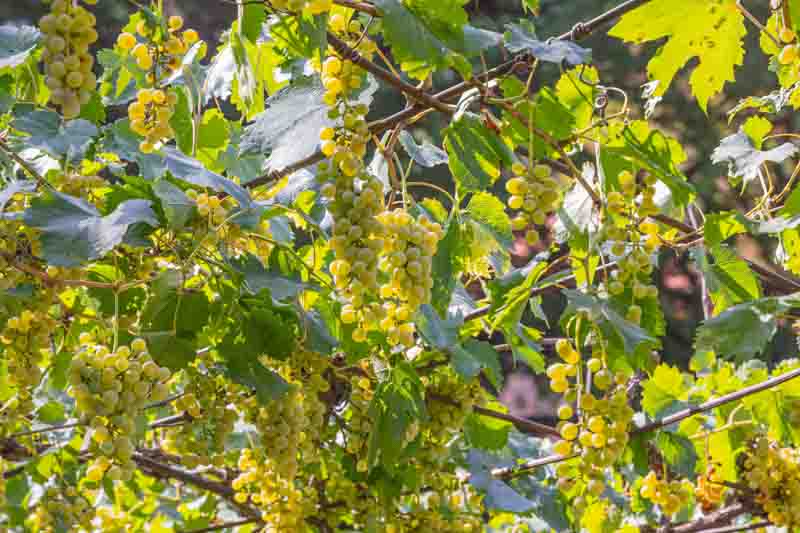
Grapes are productive and ornamental at the same time. They work best when the structure is planned before planting.
Most bunch grapevines should be planted about 6 to 8 feet apart, with rows at least 8 feet apart. Muscadines usually need more room and are often spaced 10 to 20 feet apart.
Most home grapevines produce their first meaningful crop around the third year after planting, although a few clusters may appear sooner.
Most bunch grapes are self-fruitful, so one vine can usually produce fruit on its own. Some muscadine cultivars, however, are female and need a self-fertile muscadine nearby for pollination.
As a broad rule, grapes need about 155 to 160 frost-free days for dependable cropping, though some early cultivars need a little less and some late cultivars need more.
Net grapes when the fruit begins to color and sweeten, before birds discover the crop. Waiting until the grapes are fully ripe is often too late.
At planting, cut the vine back to 2 to 3 buds. On mature spur-pruned bunch grapes, leave 2 to 3 buds per spur and usually about 20 to 60 total buds per vine, depending on vigor and grape type.
No. Grapes should be harvested fully ripe because they do not become sweeter or more flavorful after picking.
Seedless grapes are usually easier for fresh eating, but seeded grapes can be more vigorous and, in some climates, more cold-hardy. The best choice depends on your priorities and region.
In dry climates, possibly with the right varieties. In humid climates, truly spray-free bunch grapes are often unrealistic unless you use very disease-resistant cultivars and manage the canopy well. Muscadines are often the easiest low-spray option in the Southeast.
Grapes reward correct decisions more than constant intervention. Put them in full sun, give them drainage and support, choose a grape type that truly suits your climate, give them the spacing they need, and prune them properly every year. Do that well, and a home grapevine can become one of the most productive plants in the garden.
Whether you want fresh table grapes, jelly grapes, juice grapes, wine grapes, or a beautiful vine covering a pergola, grapes can deliver structure, harvests, and lasting value for years. When well grown, they are not just useful – they are unforgettable.
Updated: March 2026 • Reviewed for home garden accuracy
| Hardiness |
3 - 10 |
|---|---|
| Plant Type | Climbers, Fruits |
| Plant Family | Vitaceae |
| Genus | Vitis |
| Exposure | Full Sun |
| Maintenance | High |
| Water Needs | Average |
| Soil Type | Chalk, Loam, Sand |
| Soil pH | Alkaline, Neutral |
| Soil Drainage | Well-Drained, Moist but Well-Drained |
| Attracts | Bees, Birds |
| Hardiness |
3 - 10 |
|---|---|
| Plant Type | Climbers, Fruits |
| Plant Family | Vitaceae |
| Genus | Vitis |
| Exposure | Full Sun |
| Maintenance | High |
| Water Needs | Average |
| Soil Type | Chalk, Loam, Sand |
| Soil pH | Alkaline, Neutral |
| Soil Drainage | Well-Drained, Moist but Well-Drained |
| Attracts | Bees, Birds |
Create a membership account to save your garden designs and to view them on any device.
Becoming a contributing member of Gardenia is easy and can be done in just a few minutes. If you provide us with your name, email address and the payment of a modest $25 annual membership fee, you will become a full member, enabling you to design and save up to 25 of your garden design ideas.
Join now and start creating your dream garden!
Create a membership account to save your garden designs and to view them on any device.
Becoming a contributing member of Gardenia is easy and can be done in just a few minutes. If you provide us with your name, email address and the payment of a modest $25 annual membership fee, you will become a full member, enabling you to design and save up to 25 of your garden design ideas.
Join now and start creating your dream garden!