Marquette, Marquette Grape, Red Wine Grape ‘Marquette’, Wine Grape ‘Marquette’, Minnesota 1211
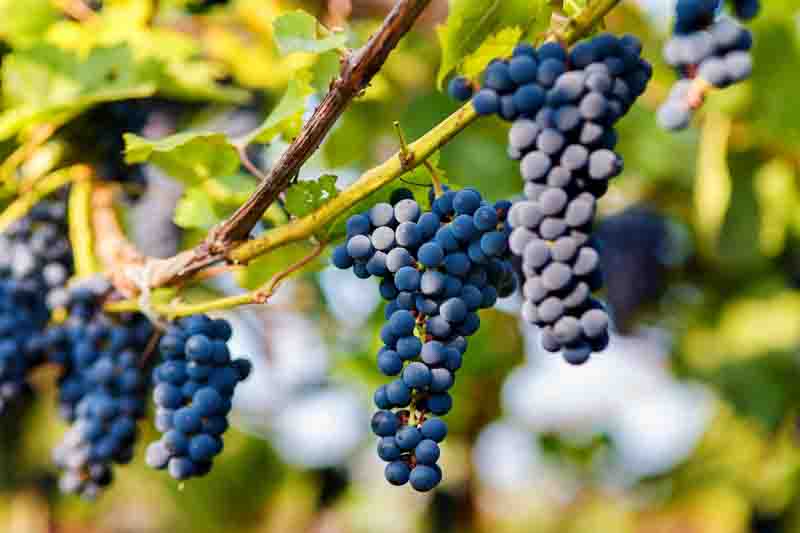


Vitis ‘Marquette’, commonly known as the Marquette Grape, is one of the most important modern cold-hardy wine grapes developed for northern climates. Bred by the University of Minnesota and released in 2006, Marquette represents a breakthrough in hybrid grape breeding – combining exceptional winter hardiness, strong disease resistance, and high-quality wine potential. For gardeners, vineyard growers, and winemakers alike, Marquette has become a defining cultivar in the new generation of cold-climate viticulture.
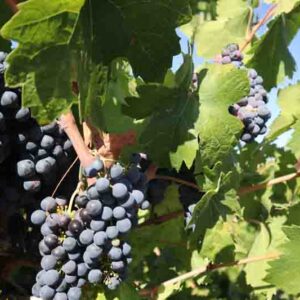
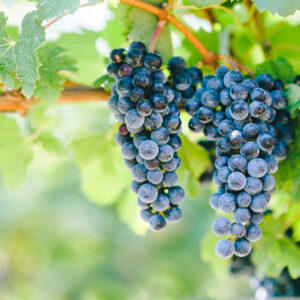
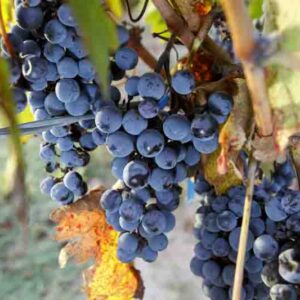
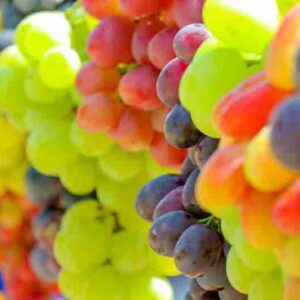
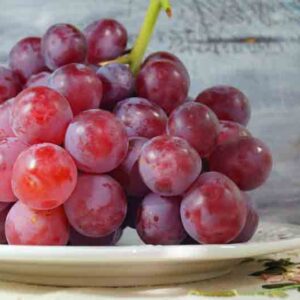
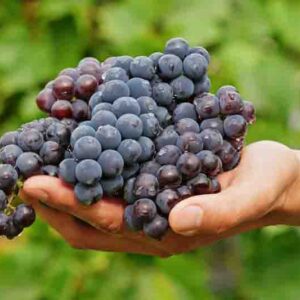
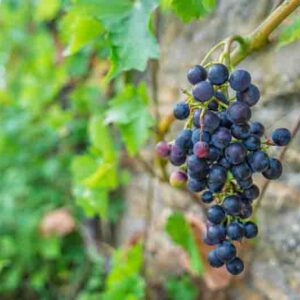
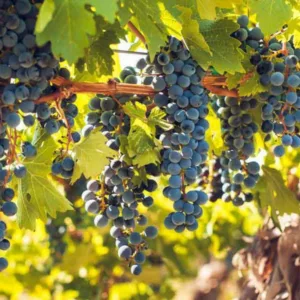
This vigorous deciduous grapevine produces medium-sized, moderately loose clusters of dark red to blue-black grapes with thick skins, high natural sugars, and balanced acidity. The fruit is primarily grown for premium red wine production, though it may also be used for juice, blending, and experimental small-batch wines. Unlike many traditional European grapes that struggle in northern regions, Marquette performs remarkably well in cool climates with harsh winters, making it one of the most promising grapes for expanding wine production beyond traditional growing zones.
Vitis ‘Marquette’ is a cold-hardy hybrid grapevine bred for high-quality red wine production in northern climates. Plant it in full sun with excellent drainage, avoid wet soils and high water tables, train it on a sturdy trellis, and prune annually to maintain productive canes. Expect medium, moderately loose clusters with high sugar, bright acidity, and excellent wine-making potential, typically harvested in late September in cold regions.
Use: Primarily cultivated for high-quality red wine production, but also suitable for juice, blending, and experimental craft wines.
Highlight: Medium, moderately loose clusters with high sugar levels, balanced acidity, and rich flavor profiles ideal for complex red wines.
Design note: Marquette vines are vigorous and attractive, making them suitable for trellised edible landscapes, backyard vineyards, and decorative garden structures.
| Botanical Name | Vitis ‘Marquette’ |
|---|---|
| Family | Vitaceae (Grape family) |
| Common Names | Marquette Grape |
| Plant Type | Deciduous fruiting vine, cold-hardy hybrid grape |
| Hardiness (approx. USDA) | Zones 4-8; reliably hardy in Zone 4, with possible significant dieback in Zone 3 and on wet sites |
| Minimum Temperature | Can survive winter cold events of about -20 to -30°F (-29 to -34°C), though bud death or cordon dieback may occur after extreme events |
| Height | 10-20 ft. depending on pruning and support |
| Spread | 2-10 ft. depending on training system and spacing |
| Sun Exposure | Full sun |
| Soil | Well-drained soil; loam or sandy soils preferred; avoid high water tables and poorly drained sites |
| Harvest Season | Late September in Minnesota; early to mid fall elsewhere depending on climate |
| Fruit | Medium, moderately loose clusters averaging about 0.25 lb, with dark red to blue-black berries rich in sugar and pigment for wine production |
Marquette stands out because it combines qualities that were historically difficult to achieve in a single grapevine: cold hardiness, disease tolerance, and genuine wine quality. Traditional European wine grapes such as Cabernet Sauvignon or Merlot struggle in regions with harsh winters. Marquette, by contrast, was bred specifically to perform in northern climates where temperatures routinely challenge less hardy vines.
Even more impressive is the grape’s ability to produce deeply colored wines with complex flavor profiles. Marquette wines can show notes of cherry, berry, black pepper, spice, and sometimes earthy aromatics, backed by bright acidity and good structure. That combination has made it one of the most exciting cultivars in modern cold-climate winemaking.
Why growers love it: Marquette is the grape that makes serious red wine production possible in regions once considered too cold for quality vineyards.
The Marquette grape was developed by the University of Minnesota grape breeding program, one of the most influential institutions in cold-climate viticulture. Released in 2006, the cultivar was bred to help northern growers produce premium wine grapes with better winter survival and improved disease performance.
Marquette descends from a complex lineage that includes both European wine grapes and hardy North American species. That background helps explain its rare combination of traits: excellent winter survival, useful disease resistance, good fruit chemistry, and strong wine potential.
The grape is named after French explorer Jacques Marquette, a fitting choice for a cultivar that has helped push grape growing farther into northern North America.
Wine production: Outstanding for premium cold-climate red wines.
Backyard vineyards: Excellent for hobby winemakers and home vineyards.
Cold regions: One of the best grapes for northern growing zones.
Educational vineyards: Ideal for demonstrating cold-hardy viticulture.
Growers seeking balance: Valuable when you want hardiness, wine quality, and practical vineyard performance in one vine.
Marquette grapes are self-pollinating, meaning a single vine can produce fruit without another grape variety nearby. That makes it a convenient option for home gardeners as well as small vineyards.
Like most grapevines, Marquette bears fruit on the current season’s shoots that arise from one-year-old wood. Productive pruning is therefore essential. When managed correctly, vines can deliver target yields of roughly 3-4 tons per acre, or about 44-58 clusters per vine and 11-14.5 pounds per plant, depending on site, training system, and management.
Marquette vines typically produce about one node every 3-5 inches along the cane or cordon. Winter injury can create areas of blind wood, and in those situations growers may restore production by laying down parallel cordons.
How Long Grapevines Take to Produce Fruit
Marquette grapes typically ripen in early to mid fall, with harvest often occurring in late September in Minnesota, usually before Frontenac. That timing is one of the grape’s major strengths in short-season vineyards, where reliable ripening matters as much as cold hardiness.
Bud break is relatively early, which gives Marquette a head start in cool climates but also increases the risk of late spring frost injury. Growers need to balance the benefits of earliness with the realities of site selection and frost exposure.
Why your Grapevine has Leaves but No Grapes
How to Tell When Grapes Are Ready to Harvest
Harvest tip: Marquette is best evaluated by numbers and taste together. Aim for full flavor, dark color, and balanced chemistry rather than relying on color alone.
For winemaking, Marquette is usually harvested at 22-26 °Brix, which reflects the cultivar’s strong sugar accumulation. A target pH of 2.9 to 3.3 is often considered ideal at harvest, along with titratable acidity of 11-12 g/L. Those numbers help explain why Marquette has become so important in cold-climate vineyards – it can achieve strong ripeness while still retaining the acidity needed for balanced wines.
Key harvest targets: 22-26 °Brix, pH 2.9-3.3, and titratable acidity 11-12 g/L. Those metrics make Marquette highly attractive for structured, expressive red wines in cold regions.
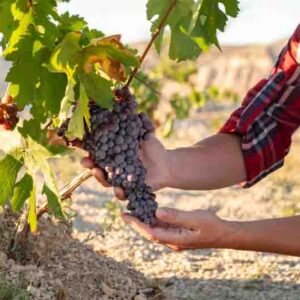
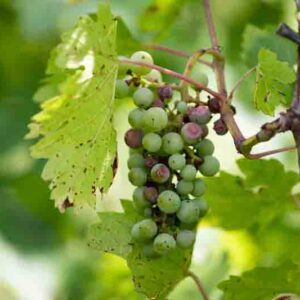
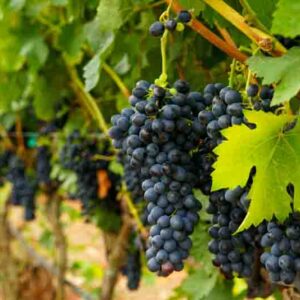
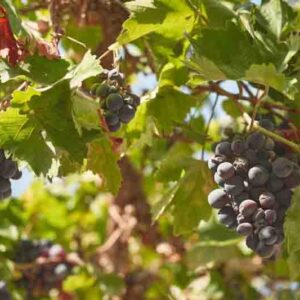
Marquette typically produces medium-sized, moderately loose clusters averaging about 0.25 pound per cluster. The berries are dark red to blue-black, rich in pigment, and well suited to quality wine production. The clusters are neither excessively tight nor overly sparse, which can help with ripening and disease management when the canopy is handled properly.
The resulting wine is often complex and aromatic, with notes of cherry, berry, black pepper, and spice on both the nose and palate. Some wines also show earthy aromas layered behind the fruit, which adds personality and depth. Because of its color, acidity, and flavor concentration, Marquette works well as a varietal wine and also as a blending component.
Flavor note: Marquette wine is often vivid, dark-fruited, and spicy – more structured than many growers expect from a cold-hardy hybrid, yet still bright and energetic.
One of the defining characteristics of Marquette is its remarkable winter hardiness. It was bred to withstand Minnesota winters and can survive winter cold events of about -20 to -30°F (-29 to -34°C). That said, survival does not always mean zero damage. Following extreme cold events, vines may exhibit bud death and cordon dieback, especially where conditions are severe or plants are stressed.
Marquette can be grown reliably in USDA Zone 4, but it may experience significant dieback in Zone 3, including parts of northern Minnesota. Site selection matters greatly. Wet locations can compound winter injury and reduce long-term vine performance.
Best Grapes for Zone 4 – Cold Hardy Varieties that Work
Just as important, Marquette grows best on well-drained soils and should not be planted where high water tables or chronically wet conditions keep roots saturated. Like many grape varieties, it is not tolerant of wet feet. Drainage is not a minor detail here – it is a core requirement for vine health and winter resilience.
When to Plant Grapes for Healthier Vines
Cold-climate takeaway: Marquette is impressively hardy, but the best-performing vines are still grown on sunny, well-drained sites where cold air and excess water do not collect.
Marquette is generally considered to have moderate to high vigor, depending on site conditions. Nutrient-rich soils can push vegetative growth even harder, which means growers need to pay attention to canopy balance rather than assuming more growth is always better.
Excess vigor can reduce airflow, increase shading, and compromise fruit exposure. In fertile sites, the solution is not simply more fertilizer – it is smart canopy management, careful pruning, and disciplined shoot thinning.
Marquette is known for moderate resistance to several important grape diseases, including black rot, botrytis bunch rot, downy mildew, and powdery mildew. That level of resistance is useful, but it should not be confused with immunity. In humid climates or poorly managed canopies, disease pressure can still build quickly.
Marquette also shows moderate susceptibility to foliar phylloxera, which is an important point for growers who assume all hardy hybrids are carefree. Pest and disease management still depend on site selection, airflow, pruning discipline, and ongoing vineyard monitoring.
Bird damage near harvest, spring frost on young shoots, and overly dense canopy growth are additional practical issues to watch. Good spacing, sanitation, and balanced growth remain central to successful production.
Common Grapevine Problems and How to Fix Them
Watch for: Marquette’s disease resistance is helpful, but not absolute. Dense, shaded canopies and wet sites can still drive problems with mildew, rot, and foliar phylloxera.
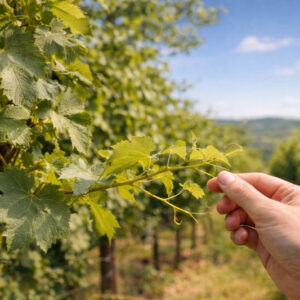
Marquette has an open, semi-upright growth habit, which is one reason it can be trained successfully on both Single High Wire (SHW) and Vertical Shoot Positioning (VSP). In practical terms, the best system often comes down to site conditions, management style, and the vineyard manager’s preference.
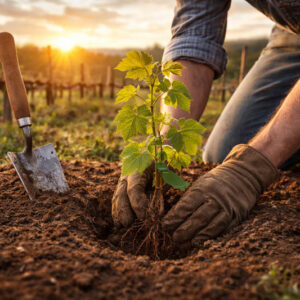
For vineyard establishment, Marquette can be planted at roughly 6-7 feet in-row spacing. Denser spacing is often more suitable on sandier soils, while wider spacing is usually better on very heavy soils where vigor and moisture retention are greater.
Backyard growers may also train Marquette on fences or trellises, but for fruit quality and easier management, structured vineyard systems usually perform best.
Annual dormant pruning is essential for maintaining productive Marquette vines. Because grapes bear on new shoots emerging from last year’s wood, a substantial portion of the previous season’s growth must be removed each year.
When spur pruning, maintain about 3-4 spurs per linear foot and a maximum of about 60 buds per vine. Leave 2-4 buds per spur during dormant pruning, adjusting for winter bud injury where needed, and then shoot thin to 2 shoots per spur. These numbers help keep the canopy balanced and the crop load realistic.
Fruit-zone leaf removal and shoot thinning are especially useful on Marquette. Together, they help expose fruit to sunlight, improve ripening, and support a better balance between vegetative growth and crop production. If dormant pruning and shoot thinning are done correctly, cluster thinning is usually unnecessary.
How to Prune Grapevines for Bigger Harvests: Cane Pruning vs Spur Pruning
Because Marquette is a vigorous grapevine, it is generally not recommended for long-term container cultivation. Large containers may work temporarily for patio growing or experimental setups, but serious fruit production is far better in open ground.
For long-term performance, plant it where roots can spread, the vine can develop permanent structure, and drainage can be controlled properly. Container culture tends to magnify stress, watering inconsistency, and growth imbalance in vigorous wine grapes like this one.
How to Grow Grapes in Containers (Expert Pot Guide)
Marquette grapes are ideal for home winemakers, cold-climate vineyard growers, and gardeners interested in modern hybrid grapes. If you live in a region with cold winters but still want to produce high-quality red wine, Marquette is one of the best choices available.
It is especially valuable for growers who want a vine with serious northern potential – not just survival, but meaningful wine quality. It is less suited to casual fresh eating than a typical table grape, but for growers focused on vineyard performance, chemistry, and characterful wine, Marquette is a standout cultivar.
Growers exploring cold-hardy grapes may also consider Reliance Grape, King of the North Grape, Catawba Grape, and how to grow grapes in the home garden.
How cold hardy is Marquette grape?
Marquette can survive winter cold events of about -20 to -30°F (-29 to -34°C), which makes it one of the leading cold-hardy wine grapes. However, extreme cold can still cause bud death and cordon dieback, especially on exposed or poorly drained sites.
What is Marquette grape used for?
Marquette is grown mainly for red wine production. It is prized for its strong color, high sugar levels, bright acidity, and complex flavor profile with notes of cherry, berry, black pepper, spice, and sometimes earthy aromatics.
When is Marquette grape harvested?
In Minnesota, Marquette is typically harvested in late September, often before Frontenac. In other regions, harvest usually falls in early to mid fall depending on climate, ripeness, and vineyard goals.
What are the ideal harvest parameters for Marquette?
Typical harvest targets are 22-26 °Brix, a pH of 2.9-3.3, and titratable acidity around 11-12 g/L. These values help Marquette produce structured, expressive wines in cool climates.
What training systems work best for Marquette grape?
Because Marquette has an open, semi-upright growth habit, it performs well on both Single High Wire (SHW) and Vertical Shoot Positioning (VSP). The best system depends on site conditions and the vineyard manager’s preferences.
Is Marquette resistant to grape diseases?
Marquette has moderate resistance to black rot, botrytis bunch rot, downy mildew, and powdery mildew. It also has moderate susceptibility to foliar phylloxera, so good canopy management and monitoring are still important.
Does Marquette grape need well-drained soil?
Yes. Marquette grows best on well-drained soils and should not be planted in areas with high water tables. Like many grape varieties, it is not tolerant of wet feet.
How should Marquette be pruned?
When spur pruning, maintain 3-4 spurs per linear foot and a maximum of about 60 buds per vine. Leave 2-4 buds per spur, then shoot thin to 2 shoots per spur for balanced growth and fruit ripening.
Bottom line: Vitis ‘Marquette’ is one of the most significant modern grape cultivars for cold-climate viticulture. With strong winter hardiness, practical disease resistance, excellent fruit chemistry, and serious red wine potential, it allows vineyards and ambitious home growers in northern regions to produce grapes that were once out of reach.
Updated: March 2026 • Reviewed by Gardenia Editors
| Hardiness |
4 - 8 |
|---|---|
| Plant Type | Climbers, Fruits, Shrubs |
| Plant Family | Vitaceae |
| Genus | Vitis |
| Common names | Grape |
| Exposure | Full Sun |
| Season of Interest | Summer (Early, Mid, Late), Fall |
| Height | 10' - 20' (3m - 6.1m) |
| Spread | 2' - 10' (60cm - 3m) |
| Spacing | 72" - 84" (180cm - 210cm) |
| Maintenance | High |
| Water Needs | Average |
| Soil Type | Chalk, Loam, Sand |
| Soil pH | Alkaline, Neutral |
| Soil Drainage | Well-Drained |
| Characteristics | Showy, Fruit & Berries |
| Tolerances | Fire |
| Attracts | Bees, Birds |
| Garden Uses | Arbors, Pergolas, Trellises, Walls And Fences |
| Garden Styles | Informal and Cottage |
| Toxic to Humans | No known toxicity |
| Toxic to Cats | No known toxicity |
| Toxic to Dogs | Toxic |
| Toxic to Horses | Not toxic |


| Hardiness |
4 - 8 |
|---|---|
| Plant Type | Climbers, Fruits, Shrubs |
| Plant Family | Vitaceae |
| Genus | Vitis |
| Common names | Grape |
| Exposure | Full Sun |
| Season of Interest | Summer (Early, Mid, Late), Fall |
| Height | 10' - 20' (3m - 6.1m) |
| Spread | 2' - 10' (60cm - 3m) |
| Spacing | 72" - 84" (180cm - 210cm) |
| Maintenance | High |
| Water Needs | Average |
| Soil Type | Chalk, Loam, Sand |
| Soil pH | Alkaline, Neutral |
| Soil Drainage | Well-Drained |
| Characteristics | Showy, Fruit & Berries |
| Tolerances | Fire |
| Attracts | Bees, Birds |
| Garden Uses | Arbors, Pergolas, Trellises, Walls And Fences |
| Garden Styles | Informal and Cottage |
| Toxic to Humans | No known toxicity |
| Toxic to Cats | No known toxicity |
| Toxic to Dogs | Toxic |
| Toxic to Horses | Not toxic |
How many Vitis ‘Marquette’ (Marquette Grape) do I need for my garden?
| Plant | Quantity | |
|---|---|---|
| Vitis ‘Marquette’ (Marquette Grape) | N/A | Buy Plants |
Create a membership account to save your garden designs and to view them on any device.
Becoming a contributing member of Gardenia is easy and can be done in just a few minutes. If you provide us with your name, email address and the payment of a modest $25 annual membership fee, you will become a full member, enabling you to design and save up to 25 of your garden design ideas.
Join now and start creating your dream garden!
Create a membership account to save your garden designs and to view them on any device.
Becoming a contributing member of Gardenia is easy and can be done in just a few minutes. If you provide us with your name, email address and the payment of a modest $25 annual membership fee, you will become a full member, enabling you to design and save up to 25 of your garden design ideas.
Join now and start creating your dream garden!