Reliance grape, Reliance seedless grape, Pink Reliance seedless grape, Red seedless grape ‘Reliance’, Vitis labrusca ‘Reliance’, Vitis × ‘Reliance’, Arkansas 1163, Vitis vinifera 'Reliance', Vitis 'Reliance Seedless'

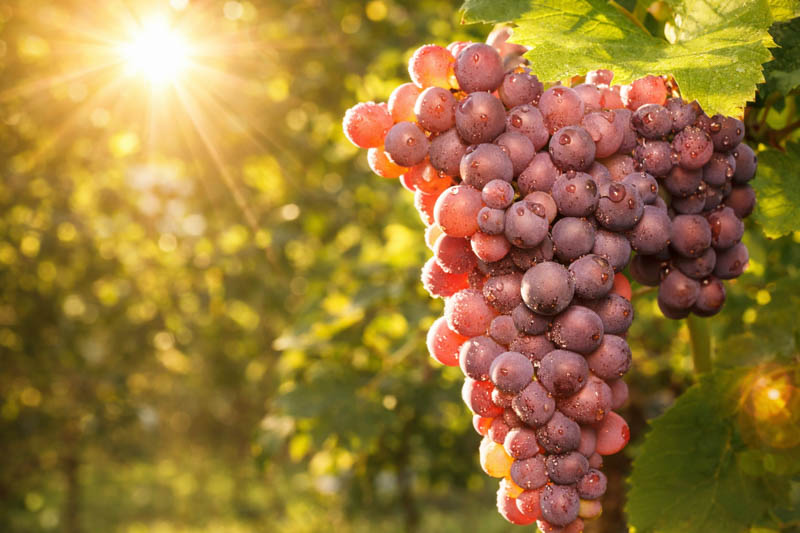


Vitis ‘Reliance’, commonly known as the Reliance grape or Reliance seedless grape vine, is a pink-red seedless table grape developed by the University of Arkansas for home gardens and small-scale fruit production. Released in 1982, it quickly became one of the most recognized cold-hardy seedless grapes because it combines excellent flavor, early ripening, dependable cropping, and useful winter hardiness in one attractive vine.
This deciduous hybrid grapevine is especially valued by gardeners who want a grape that tastes good straight off the vine. Reliance is not just productive – it is genuinely enjoyable to eat. Its sweet, juicy, slipskin berries, ornamental climbing habit, and broad garden adaptability make it a standout choice for fences, trellises, pergolas, and backyard arbors.
Vitis ‘Reliance’ is an early ripening, pink-red seedless table grape known for excellent flavor, dependable production, and strong cold hardiness for a seedless cultivar. Plant it in full sun with excellent drainage, train it on a sturdy support, and prune it every year to keep the vine productive. Expect medium-large clusters of sweet, juicy grapes that are ideal for fresh eating, juice, jelly, raisins, and sweet-finished homemade wines.
Use: Primarily grown for fresh eating, juice, jelly, raisins, and sweet-finished homemade wines.
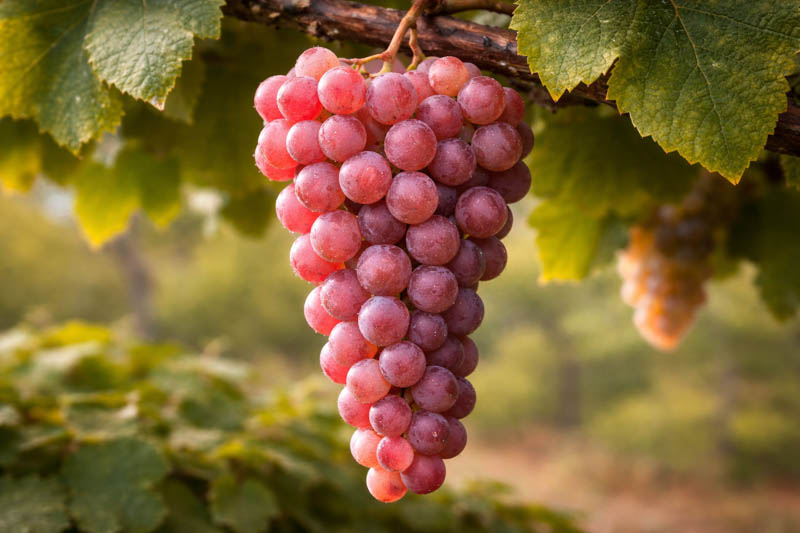
Highlight: Medium-large clusters of pinkish-red, seedless, sweet grapes with excellent flavor and early ripening.
Design note: Reliance also performs beautifully as an ornamental edible vine for trellises, fences, pergolas, and arbors when properly trained and pruned.
| Botanical Name | Vitis ‘Reliance’ |
|---|---|
| Family | Vitaceae |
| Common Name | Reliance Grape, Reliance Seedless Grape |
| Plant Type | Deciduous fruiting vine, seedless hybrid table grape |
| Hardiness (approx. USDA) | Often listed for Zones 4-8 |
| Reported Cold Tolerance | Reported to withstand temperatures near -30°F in Midwest evaluations |
| Height | 15-20 ft. depending on pruning and support |
| Spread | 6-10 ft. or more depending on training system |
| Sun Exposure | Full sun |
| Soil | Well-drained soil; avoid chronically wet or poorly drained sites |
| Ripening Season | Early to mid-season; around August 15 in west-central Arkansas and about September 1 in northwest Arkansas |
| Fruit | Pinkish-red, seedless, slipskin berries with melting texture and sweet fruity flavor |
| Sugar Level | Can reach up to 24% soluble solids under good ripening conditions |
| Typical Yield | About 5-8 tons per acre in production plantings; generous crops in home gardens under good care |
| Cluster Size | Medium-large clusters, averaging about 300 g |
Reliance solves a problem many gardeners run into with table grapes: they want seedless fruit with real eating quality, but they also need a vine that can handle winter, ripen on time, and perform outside the mildest grape regions. Reliance delivers that combination better than many standard seedless grapes grown in eastern and midwestern gardens.
The flavor is the real hook. Reliance is consistently praised for being sweet, mild, fruity, and highly appealing fresh. It has delicate Vitis labrusca character, but it is not overwhelmingly musky. It is the kind of grape that encourages repeated picking, which is exactly what home gardeners want from a backyard table grape.
Why gardeners keep choosing it: Reliance combines seedless fruit, excellent flavor, early ripening, and strong cold hardiness for a table grape.
| Breeder | University of Arkansas |
|---|---|
| Parentage | Vitis ‘Ontario’ × Vitis ‘Suffolk Red’ |
| Release Year | 1982 |
| Patent | Plant Patent No. 5174 |
| Fruit color | Pink to pinkish-red |
| Berry size | Medium-small, about 2-3 g |
| Cluster type | Medium-large, well-filled clusters |
| Texture | Slipskin, melting texture |
| Seed traces | Usually seedless, with small soft seed traces possible |
| Main uses | Fresh eating, juice, jelly, raisins, sweet-finished homemade wines |
Reliance was developed by the University of Arkansas from a cross between ‘Ontario’ and ‘Suffolk Red’. That parentage explains why the cultivar is so practical. It was bred to offer a better home-garden balance of flavor, appearance, productivity, and hardiness rather than chasing a purely commercial supermarket look.
The cultivar was released in 1982 and went on to become one of the best-known Arkansas table grapes. Its reputation has lasted because it performs well in the garden and also offers a fruit quality that people remember. Plenty of vines are hardy. Far fewer are both hardy and worth eating by the handful.
Fresh eating: One of the most rewarding backyard seedless grapes for snacking straight off the vine.
Cooler climates: A strong option where winter hardiness matters.
Family gardens: Sweet seedless fruit makes it easy to love.
Edible screening: Excellent for fences, pergolas, and arbors.
Home preserving: Useful for jelly, juice, raisins, and sweet-finished wines.
Reliance is first and foremost a seedless table grape. Its main value is fresh eating. The berries are sweet, juicy, and easy to enjoy, and that is the role it handles best. Still, the vine is not limited to one use. Because the fruit can develop high sugar and a pleasing flavor profile, Reliance is also useful for juice, jelly, raisins, and sweet-finished homemade wines.
That versatility is one reason the cultivar remains popular. In the home garden, the best fruit crops are often the ones that do more than one thing well. Reliance succeeds as a fresh grape, but it also gives growers options once the harvest starts coming in.
Reliance is self-pollinating, so a single vine can set fruit on its own. That makes it practical for small gardens and suburban yards where space may be limited. Good sunlight, healthy flowering weather, and sound pruning still matter because fruit quality depends on balanced growth rather than just fruit set.
Like other bunch grapes, Reliance fruits on shoots that arise from one-year-old wood. This is why annual dormant pruning is so important. Without it, the vine grows into a tangled mass, fruiting becomes less efficient, and cluster quality declines.
How Long Grapevines Take to Produce Fruit
Reliance is an early to mid-season grape, and that timing is one of its strongest assets. In Arkansas trials, the average harvest date has been reported around August 15 in west-central Arkansas and about September 1 in northwest Arkansas. In cooler regions, harvest may shift later, but the cultivar still offers relatively early maturity compared with many table grapes.
That matters because early ripening improves reliability. It gives the vine more time to finish properly before cool fall weather, disease pressure, and bird damage become more intense. For gardeners in shorter-season areas, that is a meaningful advantage.
Why your Grapevine has Leaves but No Grapes
How to Tell When Grapes Are Ready to Harvest
Harvest tip: Do not judge ripeness by color alone. Reliance can color before it reaches peak flavor, so taste the fruit and wait for full sweetness before harvesting.
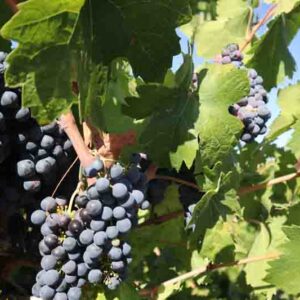
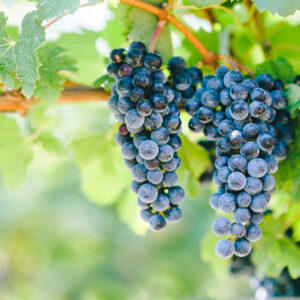
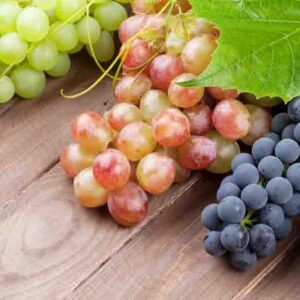
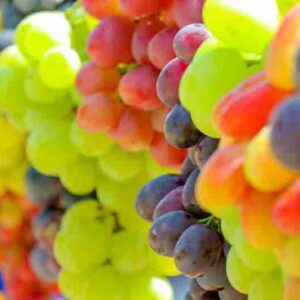
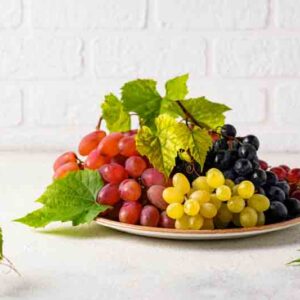
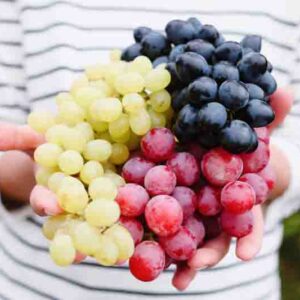
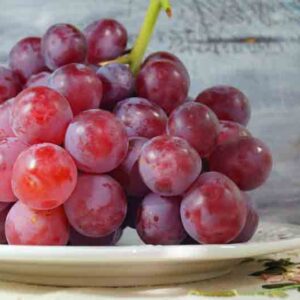
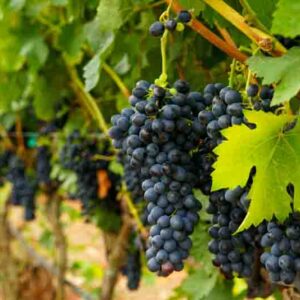
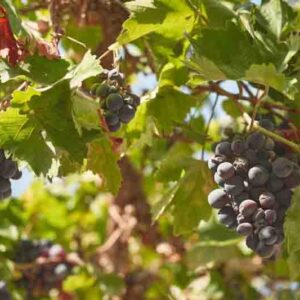
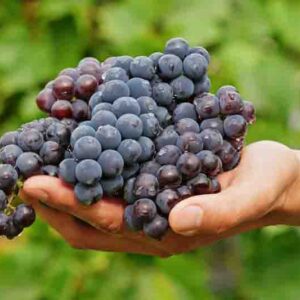
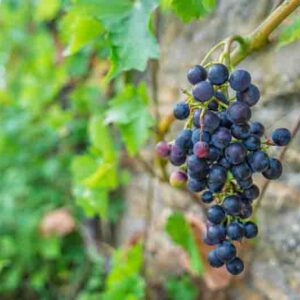
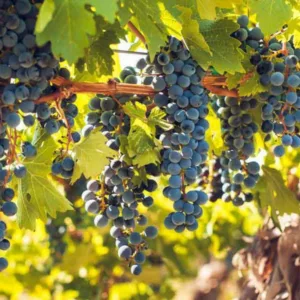
Reliance produces medium-large clusters averaging about 300 g, filled with medium-small pinkish-red berries. The grapes are seedless, although small soft seed traces may sometimes be present. Their slipskin nature and melting texture make them especially pleasant for fresh eating.
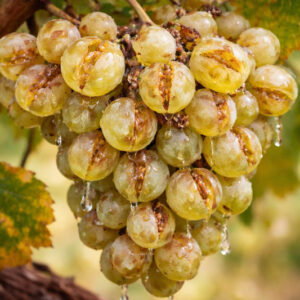
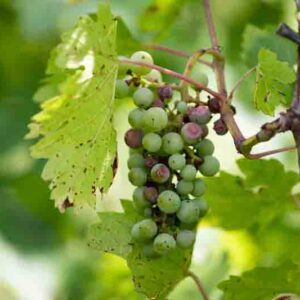
Flavor is where Reliance earns its following. The fruit is sweet, juicy, mild, and fruity, and under good ripening conditions it can reach up to 24% soluble solids. Some clusters may show mixed red and green fruit at ripeness, but the eating quality is what matters most – and that is where Reliance consistently shines.
Key fruit traits: pink-red seedless berries, high sugar, juicy slipskin texture, and excellent fresh-eating quality.
Reliance is widely regarded as one of the hardier seedless grapes available to home gardeners. It has reportedly withstood temperatures near -30°F in Midwest evaluations, which gives it clear value in colder regions where many standard seedless table grapes are too tender or inconsistent.
Best Grapes for Zone 4 – Cold Hardy Varieties that Work
Even so, site selection still matters. Plant Reliance in full sun, well-drained soil, and an open site with good air circulation. A location protected from severe winter winds and away from frost pockets will improve performance, fruit quality, and long-term vine health.
When to Plant Grapes for Healthier Vines
Cold-climate takeaway: Reliance is one of the better seedless grapes for gardeners who want real table-grape quality without giving up winter resilience.
Reliance is a vigorous climbing vine that can reach 15 to 20 feet or more if left unpruned. That vigor is useful because it helps the plant establish quickly and cover structures attractively, but it also means the vine needs clear training and regular maintenance.
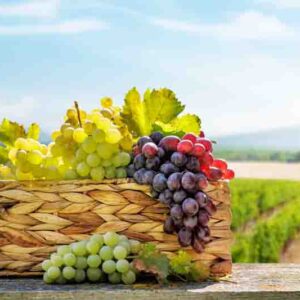
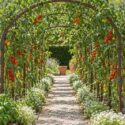
Its ornamental value is part of its appeal. The bold foliage, twisting woody framework, and handsome fruit clusters make it more than a fruit crop. On a trellis, fence, arbor, or pergola, Reliance functions as both a productive edible vine and an elegant garden feature.
How to Grow Seedless Grapes Successfully at Home
Reliance has received the Royal Horticultural Society’s Award of Garden Merit, a recognition given to plants considered reliable, ornamental, and worthy of garden use. That award reinforces what many growers already know – this is not just a good grape on paper, but a vine with real garden value.
Reliance has moderate resistance to fungal diseases, but it is not disease-proof. In humid climates, successful production still depends on good air circulation, canopy management, and monitoring. Where grapes are commonly sprayed, Reliance generally benefits from that care.
It may be affected by powdery mildew, downy mildew, black rot, botrytis bunch rot, anthracnose, and crown gall under difficult conditions.
The most important cultivar-specific weakness is fruit cracking if rain occurs near maturity. Reliance is also known for post-harvest shelling, meaning berries may detach from the cluster more easily after picking than ideal. In other words, timing matters. Harvesting at the right moment can make a noticeable difference in fruit quality and appearance.
Common Grapevine Problems and How to Fix Them
Watch for: Cracking near harvest, humid-weather disease pressure, and dense canopies that reduce airflow and sweetness.
Reliance needs a sturdy support system. A trellis, fence, arbor, pergola, or strong wire framework can all work well, provided the structure is built to hold a mature fruiting vine rather than a lightweight ornamental climber.
The goal is not just support – it is structure. Good training keeps the vine open, fruit accessible, and pruning easier year after year. Gardeners who want both shade and harvest often find Reliance especially rewarding on arbors and pergolas, where it contributes beauty and edible abundance at the same time.
Annual pruning is essential with Reliance. The vine fruits on shoots emerging from one-year-old wood, so dormant pruning determines both the next crop and the long-term framework of the plant. Neglected vines quickly become crowded, overly leafy, and less productive.
Canopy management during the growing season also matters. Tie shoots where needed, keep clusters from being buried in dense foliage, and maintain airflow around fruit. Better light exposure usually improves sweetness, color, and disease resistance while making harvest easier.
How to Prune Grapevines for Bigger Harvests: Cane Pruning vs Spur Pruning
Reliance and Valiant are both valuable home-garden grapes, but they answer different needs. Reliance is the better choice for gardeners who want pink-red seedless table grapes with superior fresh-eating quality. Valiant is the better choice for growers whose top priorities are extreme cold hardiness and blue grapes for juice, jelly, or home wine.
| Cultivar | Ripening | Hardiness | Fruit Style |
|---|---|---|---|
| Reliance | Early to mid-season | Very good | Pink-red seedless table grape for fresh eating, juice, jelly, raisins |
| Valiant | Very early | Exceptional | Small blue-seeded grapes for juice, jelly, fresh use, home wine |
| King of the North | Early | Cold-hardy | Blue-seeded grapes for northern gardens |
Reliance is not the best long-term container grape. It can be grown temporarily in a large pot, but mature vines are easier to water, prune, and balance when planted in the ground. Open soil allows the roots to spread and supports the permanent structure needed for better fruiting.
For serious yields and easier long-term management, planting in the ground is usually the better choice.
How to Grow Grapes in Containers (Expert Pot Guide)
Reliance is ideal for home gardeners, families, edible landscapers, and cool-climate growers who want a seedless grape with real eating quality and strong ornamental value. It is especially useful for people who care more about fresh eating and home preserving than formal wine production.
If you want a grape that is sweet, pink-red, seedless, attractive on a structure, and productive enough to reward good care, Reliance belongs near the top of your shortlist.
Growers exploring backyard grapes may also consider Valiant Grape, King of the North Grape, Catawba Grape, and how to grow grapes in the home garden.
Reliance is a pink-red seedless hybrid table grape developed by the University of Arkansas. It is known for excellent flavor, early ripening, and useful winter hardiness.
Yes. Reliance is grown as a seedless table grape, although small soft seed traces may sometimes be present.
Reliance is sweet, mild, juicy, and fruity, with delicate labrusca character and excellent fresh-eating quality.
Reliance ripens early to mid-season. In Arkansas, average harvest is around August 15 in west-central areas and about September 1 in northwest areas.
Reliance is considered one of the hardier seedless grapes and has reportedly withstood temperatures near -30°F in Midwest evaluations.
Yes. Reliance is self-pollinating, so one vine can produce fruit without another grape nearby.
Reliance is used mainly for fresh eating, juice, jelly, raisins, and sweet-finished homemade wines.
A Reliance vine can reach 15 to 20 feet or more if not pruned, so it needs a sturdy support and annual pruning.
The main issues are fruit cracking near harvest, post-harvest shelling, and fungal disease pressure in humid climates.
Yes. Reliance is a strong choice for many cool-climate gardens because it combines seedless fruit, early ripening, and good winter hardiness.
Bottom line: Vitis ‘Reliance’ remains one of the most useful seedless grapes for home gardeners who want sweetness, beauty, and dependable performance in a single vine. With early ripening pink-red fruit, excellent flavor, practical winter hardiness, and strong edible-landscape value, it is a cultivar that earns its place year after year.
Updated: March 2026 • Reviewed by Gardenia Editors
| Hardiness |
4 - 8 |
|---|---|
| Heat Zones |
6 - 9 |
| Climate Zones | 4, 5, 6, 7, 8, 9, 14, 15, 16, 17, 18, 19, 20, 21, 22, 23 |
| Plant Type | Climbers, Fruits, Shrubs |
| Plant Family | Vitaceae |
| Genus | Vitis |
| Common names | Grape |
| Exposure | Full Sun |
| Season of Interest | Summer (Early, Mid, Late), Fall |
| Height | 15' - 20' (4.6m - 6.1m) |
| Spread | 6' - 10' (180cm - 3m) |
| Spacing | 72" - 120" (180cm - 3m) |
| Maintenance | High |
| Water Needs | Average |
| Soil Type | Chalk, Loam, Sand |
| Soil pH | Alkaline, Neutral |
| Soil Drainage | Moist but Well-Drained, Well-Drained |
| Characteristics | Showy, Plant of Merit, Fruit & Berries |
| Tolerances | Heat, Fire |
| Attracts | Bees, Birds |
| Garden Uses | Arbors, Pergolas, Trellises, Wall-Side Borders, Walls And Fences |
| Garden Styles | City and Courtyard, Informal and Cottage |
| Toxic to Humans | No known toxicity |
| Toxic to Cats | No known toxicity |
| Toxic to Dogs | Toxic |
| Toxic to Horses | Not toxic |


| Hardiness |
4 - 8 |
|---|---|
| Heat Zones |
6 - 9 |
| Climate Zones | 4, 5, 6, 7, 8, 9, 14, 15, 16, 17, 18, 19, 20, 21, 22, 23 |
| Plant Type | Climbers, Fruits, Shrubs |
| Plant Family | Vitaceae |
| Genus | Vitis |
| Common names | Grape |
| Exposure | Full Sun |
| Season of Interest | Summer (Early, Mid, Late), Fall |
| Height | 15' - 20' (4.6m - 6.1m) |
| Spread | 6' - 10' (180cm - 3m) |
| Spacing | 72" - 120" (180cm - 3m) |
| Maintenance | High |
| Water Needs | Average |
| Soil Type | Chalk, Loam, Sand |
| Soil pH | Alkaline, Neutral |
| Soil Drainage | Moist but Well-Drained, Well-Drained |
| Characteristics | Showy, Plant of Merit, Fruit & Berries |
| Tolerances | Heat, Fire |
| Attracts | Bees, Birds |
| Garden Uses | Arbors, Pergolas, Trellises, Wall-Side Borders, Walls And Fences |
| Garden Styles | City and Courtyard, Informal and Cottage |
| Toxic to Humans | No known toxicity |
| Toxic to Cats | No known toxicity |
| Toxic to Dogs | Toxic |
| Toxic to Horses | Not toxic |
How many Vitis ‘Reliance’ (Fox Grape) do I need for my garden?
| Plant | Quantity | |
|---|---|---|
| Vitis ‘Reliance’ (Fox Grape) | N/A | Buy Plants |
Create a membership account to save your garden designs and to view them on any device.
Becoming a contributing member of Gardenia is easy and can be done in just a few minutes. If you provide us with your name, email address and the payment of a modest $25 annual membership fee, you will become a full member, enabling you to design and save up to 25 of your garden design ideas.
Join now and start creating your dream garden!
Create a membership account to save your garden designs and to view them on any device.
Becoming a contributing member of Gardenia is easy and can be done in just a few minutes. If you provide us with your name, email address and the payment of a modest $25 annual membership fee, you will become a full member, enabling you to design and save up to 25 of your garden design ideas.
Join now and start creating your dream garden!