Carlos Muscadine, Carlos Grape, Carlos Bronze Muscadine, Carlos Scuppernong-Type, Carlos Wine Muscadine
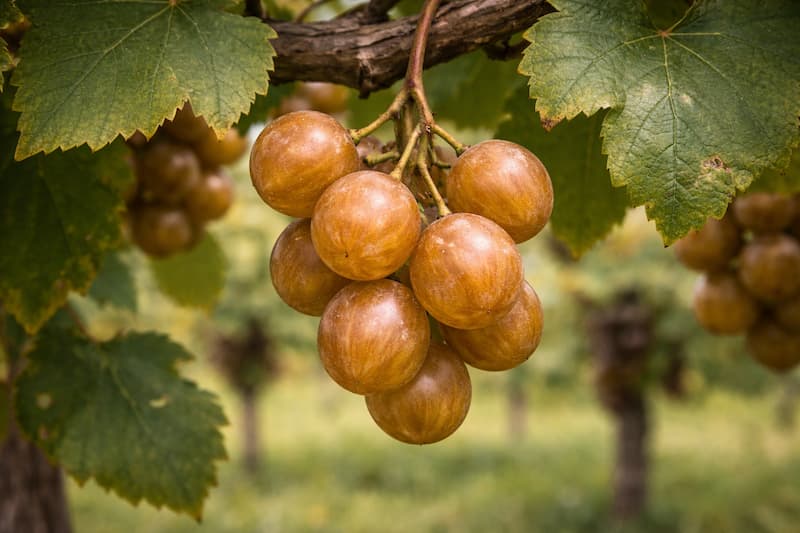


Vitis rotundifolia ‘Carlos’, commonly known as the Carlos muscadine grape, is one of the most important bronze muscadine cultivars grown in the southeastern United States. This vigorous, self-fertile grapevine is widely planted for its heavy yields, dependable fruit set, strong processing quality, and reliable performance in hot, humid climates. For home gardeners, homesteaders, and commercial growers, Carlos remains a benchmark muscadine because it succeeds where many bunch grapes struggle.
Unlike bunch grapes such as Vitis vinifera and many hybrid table grapes, Carlos belongs to the muscadine group, Vitis rotundifolia, a grape species native to the American Southeast. That matters because muscadines are naturally adapted to summer heat, humidity, and many regional pest and disease pressures. Carlos brings those native advantages together in a cultivar best known for wine, juice, jelly, preserves, and dependable backyard harvests.
Vitis rotundifolia ‘Carlos’ is a vigorous bronze muscadine grapevine grown mainly for wine and juice production in warm climates. Plant it in full sun, train it on a sturdy support, and prune it every year to keep the vine productive. Expect midseason ripening, often from late August into September depending on region.
Use: Primarily grown for muscadine wine, juice, jelly, preserves, and home processing.
Highlight: A self-fertile bronze muscadine known for heavy production, even ripening, and strong value as a processing grape.
Design note: Carlos also works as an ornamental edible climbing vine for arbors, trellises, fences, and backyard landscapes when trained properly.
| Botanical Name | Vitis rotundifolia ‘Carlos’ |
|---|---|
| Family | Vitaceae |
| Common Name | Carlos Muscadine Grape |
| Plant Type | Deciduous fruiting vine, muscadine grape |
| Hardiness (approx. USDA) | Zones 7-9 |
| Flower Type | Self-fertile |
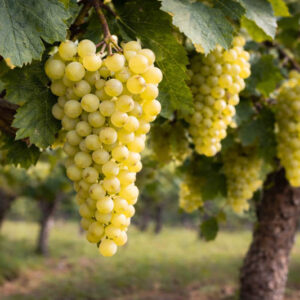
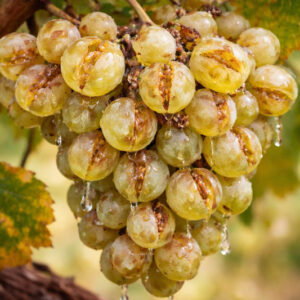
| Fruit Color | Bronze |
| Berry Size | Small to small-medium, depending on site and crop load |
| Height | 15-20 ft. or more with support |
| Sun Exposure | Full sun |
| Soil | Well-drained soil; avoid poorly drained sites |
| Harvest Period | Midseason; often late August into September depending on region |
| Fruit | Bronze muscadine grapes with thick skin, juicy pulp, and classic muscadine aroma |
| Main Use | Primarily wine and juice processing; also jelly, preserves, and some fresh use |
| Special Trait | Dry stem scar and even ripening help with harvest and handling |
Carlos grapes stand out because they combine the traits growers want most in a southern grapevine: vigor, self-fertility, dependable production, and strong processing quality. In the Southeast, where heat, humidity, and disease pressure challenge many grapes, Carlos remains one of the safest and most proven choices.
Its importance is not just horticultural. Carlos is a cultivar with real commercial weight. It is widely recognized as one of the leading bronze muscadines for wine and juice, and in North Carolina it dominates commercial muscadine acreage. That combination of field reliability and processing value is exactly why it continues to matter.
Why growers keep planting it: Carlos is self-fertile, highly productive, and one of the most important bronze muscadines for wine and juice production in the Southeast.
| Type | Bronze muscadine grape |
|---|---|
| Flower type | Self-fertile |
| Harvest period | Midseason |
| Berry size | Small |
| Productivity | Heavy producer |
| Primary use | Wine and juice processing |
Carlos was bred in North Carolina and became important because it matched the real needs of southern muscadine growers: reliable crops, self-fertility, processing quality, and adaptation to humid conditions. It is not simply a pretty backyard vine. It is a cultivar shaped by the practical demands of muscadine production.
Over time, Carlos built a reputation as one of the defining bronze muscadines of the Southeast. Extension sources describe it as a leading juice grape and one of the most widely planted cultivars for wine production. That kind of staying power says a lot about its usefulness.
Warm southern climates: Thrives where summer heat and humidity are high.
Home winemaking: One of the best-known bronze muscadines for wine.
Processing fruit: Excellent for juice, jelly, preserves, and freezing.
Trellises and arbors: Strong enough to serve as both edible crop and ornamental climber.
Carlos is commercially important because it is both productive and practical to harvest. Uniform ripening and a dry stem scar improve handling and support more efficient harvest systems. Those are not glamorous traits, but they matter enormously in real vineyards.
Its commercial role is especially clear in the Carolinas. North Carolina extension notes that Carlos accounts for the overwhelming majority of the state’s commercial muscadine production. That kind of dominance does not happen by accident. It happens because a cultivar performs, year after year.
Commercial takeaway: Carlos is one of the most important bronze muscadines in the Southeast because it combines heavy production, reliable ripening, and strong wine and juice value.
Carlos is best understood as a processing muscadine. Its main strengths are in wine and juice production, and that is where it has earned its reputation. It can be used for fresh eating, especially in home gardens, but fresh-market performance is not its strongest selling point.
The reason is practical. Carlos berries are on the smaller side for modern fresh-market expectations, and the skin can feel thick and tough compared with premium fresh muscadines. For growers who want the most useful all-around crop rather than the flashiest fresh fruit, that tradeoff is often well worth it.
How to Make Grape Juice at Home
Carlos has the classic muscadine profile: sweet, aromatic, rich, and recognizably southern. The pulp is juicy and fragrant, while the skin adds body and structure during processing. That combination is one reason it remains so useful for wine and juice.
Fresh off the vine, Carlos is enjoyable when fully ripe, but it is not trying to be a delicate supermarket grape. Its personality is bolder and more traditional. In juice, jelly, and wine, that stronger muscadine identity becomes a major advantage rather than a drawback.
Flavor snapshot: Sweet, aromatic, juicy, and unmistakably muscadine, with the strongest appeal in wine, juice, and preserves.
Carlos is self-fertile, which makes it especially useful in home gardens and small plantings. One vine can set fruit on its own, and it can also serve as a pollinator for female muscadine cultivars nearby.
Like other muscadines, it fruits on current-season shoots that develop from the previous season’s wood. That means annual pruning is essential. A vigorous vine without pruning quickly becomes dense, less manageable, and less productive than it should be.
How Long Grapevines Take to Produce Fruit
Carlos is generally considered a midseason muscadine. In many southeastern locations, harvest begins in late August and can continue into September, depending on climate and local conditions. That timing makes it a dependable choice for growers who want a productive bronze cultivar without waiting for the latest part of the muscadine season.
Muscadines often ripen over time rather than all at once, so Carlos may be harvested in more than one picking. That can be useful in home gardens, where staggered ripening spreads out the work and allows berries to be picked at better flavor.
Harvest tip: Pick Carlos when the fruit is fully bronze, aromatic, sweet, and easy to detach. Color alone is not the best guide.
Carlos is valued less for flashy berry size than for processing reliability. Even ripening, dry stem scars, and consistent production help explain why it became such an important juice and wine cultivar.
For home growers, the best harvest standard is simple: pick by flavor, aroma, and ease of separation. Fully ripe fruit gives better juice quality, better jelly flavor, and a more satisfying muscadine character overall.
Key fruit traits: bronze color, juicy pulp, thick skin, dry stem scar, and strong value for wine, juice, and preserves.
Carlos is widely described as an extremely heavy producer. That productivity is one of the biggest reasons it remains commercially important and widely recommended for southern growers.
Heavy production does not mean zero management, though. A strong trellis, annual pruning, good sunlight, and sound vine health still matter. Carlos performs best when its vigor is directed, not ignored.
Because it fits the Southeast instead of fighting it. Carlos is adapted to the region’s heat, humidity, and long growing season, and it offers the kind of dependable production growers need in that climate.
Just as important, it fills a real market role. It is not famous simply because it survives. It is famous because it produces useful fruit at scale, especially for wine and juice. That combination of adaptation and utility is hard to beat.
While Vitis species are often fire-resistant, Vitis rotundifolia (Muscadine grape) is rated as having high flammability and should not be used in the immediate defensible space of a home.
Best Grapes for Humid Eastern Gardens That Thrive
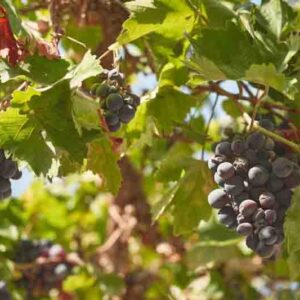
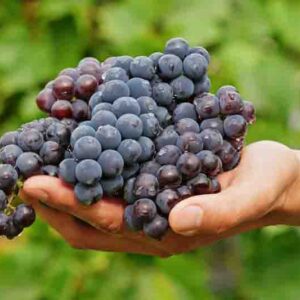
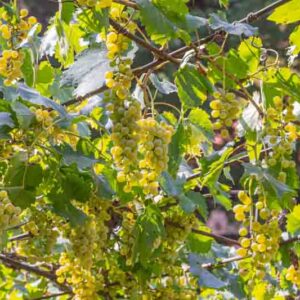
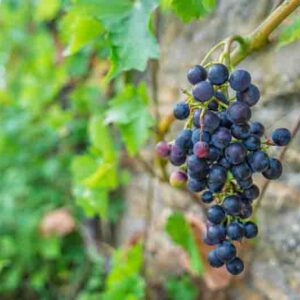
Carlos produces bronze muscadine berries with thick skins and juicy, aromatic pulp. The berries are usually smaller than premium fresh-market muscadines, but they are highly effective for processing.
That makes the fruit practical rather than flashy. If your goal is beautiful fresh-market presentation, other cultivars may be stronger. If your goal is dependable muscadine flavor and utility, Carlos remains a smart choice.
Carlos is especially well suited to hot, humid climates, which is one reason muscadines remain so valuable across the Southeast. In regions where bunch grapes often require more disease management, muscadines generally offer a tougher, lower-stress alternative.
Even so, site selection still matters. Full sun, good drainage, and airflow improve fruit quality and overall vine health. A muscadine that is well adapted will still perform better in a good site than in a poor one.
When to Plant Grapes for Healthier Vines
Climate takeaway: Carlos is one of the most proven muscadine choices for growers who need a vine that can handle southern summer conditions.
Carlos is a vigorous climbing vine that can quickly cover a trellis, arbor, or fence. That vigor is a major advantage when establishing a productive structure, but it also means the plant needs regular management.
The best Carlos vines are not wild tangles. They are trained, pruned, and kept open enough for light and airflow to reach the fruiting zone. In other words, vigor becomes an asset when it is controlled.
Like muscadines in general, Carlos is valued for being tougher than many bunch grapes under southeastern conditions. That relative resilience is one of the reasons muscadines are often recommended for home growers in the South.
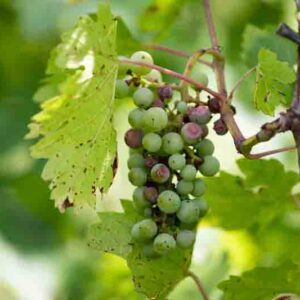
Still, Carlos is not trouble-proof. Fruit rot can become an issue in difficult seasons, and UF/IFAS notes that symptoms of Pierce’s disease may appear under heavy production, drought, or mineral stress. Good site selection, airflow, and vine care remain important.
Common Grapevine Problems and How to Fix Them
Watch for: dense canopy growth, bird pressure, fruit rot in humid seasons, and vine stress from drought or poor nutrition.
Carlos needs a strong support system. Mature muscadine vines become heavy with wood, foliage, and fruit, so a decorative lightweight support is rarely enough long term.
Single-wire and high-cordon systems are common for muscadines because they help organize vigorous growth and keep pruning manageable. In home landscapes, Carlos is especially attractive on arbors, where it provides both edible production and shade.
Best Trellis Systems for Backyard Grapes
Annual pruning is essential with Carlos. Without it, the vine quickly becomes overcrowded, less productive, and harder to harvest. Pruning also improves airflow and helps maintain a clean, productive structure year after year.
Canopy management matters just as much. When the vine is open enough for light to reach the fruit, overall quality improves. A strong crop on a well-managed vine is very different from a heavy crop buried in shade.
How to Prune Grapevines for Bigger Harvests
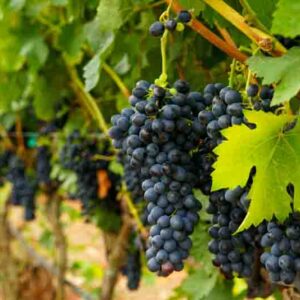
Carlos and Noble are two of the most recognized muscadine cultivars, but they are usually grown for different reasons. Carlos is a bronze muscadine best known for white muscadine wine and juice, while Noble is a dark muscadine more closely associated with richly colored red muscadine products.
Both are commercially important, but Carlos is often chosen when growers want a dependable bronze processing grape with strong production and harvest handling. Noble is the better-known counterpart when dark color is the priority.
| Cultivar | Fruit Color | Main Strength | Typical Use |
|---|---|---|---|
| Carlos | Bronze | Heavy production, wine and juice value | White muscadine wine, juice, preserves |
| Noble | Dark purple-black | Deep color and red muscadine character | Red muscadine wine, juice |
Carlos is generally not the best long-term grape for containers. Its vigor, size, and support requirements make it much better suited to permanent planting in the ground.
Young plants can spend time in containers, but serious fruit production is easier when roots have room to spread and the vine has a permanent structure to climb. For meaningful harvests, plant it where it can stay.
How to Grow Grapes in Containers (Expert Pot Guide)
Carlos is ideal for southern gardeners, home preservers, muscadine enthusiasts, and growers interested in juice or wine production. It is especially valuable for people who want a proven bronze muscadine with real commercial credibility, not just a backyard novelty.
It is also a good choice for gardeners who want an edible vine with landscape presence. With vigorous growth, bold foliage, and dependable cropping, Carlos can be both useful and attractive. In the right climate, it is one of the most practical muscadines you can plant.
Yes. Carlos is one of the most important bronze muscadine cultivars for wine and juice production in the southeastern United States.
No. Carlos is a self-fertile muscadine grape, so one vine can produce fruit on its own and can also help pollinate female muscadine cultivars nearby.
Carlos is usually considered a midseason muscadine. In many southeastern climates, harvest begins in late August and may continue into September.
They can be eaten fresh, but Carlos is mainly valued as a processing grape for wine and juice because the berries are smaller and the skin is thicker than top fresh-market muscadines.
Carlos is commercially important because it is self-fertile, highly productive, widely adapted to the Southeast, and well suited to wine and juice production. Uniform ripening and a dry stem scar also improve harvest handling.
Carlos grows best in warm, humid regions, especially across the southeastern United States in USDA Zones 7 to 9
Updated: April 2026 • Reviewed by Gardenia Editors
| Hardiness |
7 - 9 |
|---|---|
| Plant Type | Climbers, Fruits |
| Plant Family | Vitaceae |
| Genus | Vitis |
| Common names | Grape |
| Exposure | Full Sun |
| Season of Interest | Summer (Early, Mid, Late), Fall |
| Height | 15' - 20' (4.6m - 6.1m) |
| Spread | 6' - 10' (180cm - 3m) |
| Spacing | 72" - 120" (180cm - 3m) |
| Maintenance | High |
| Water Needs | Average |
| Soil Type | Chalk, Loam, Sand |
| Soil pH | Alkaline, Neutral |
| Soil Drainage | Well-Drained |
| Characteristics | Showy, Fruit & Berries |
| Tolerances | Heat, Humidity |
| Attracts | Bees, Birds |
| Garden Uses | Arbors, Pergolas, Trellises, Hedges And Screens, Walls And Fences |
| Garden Styles | Informal and Cottage, Pollinator Garden |
| Toxic to Humans | No known toxicity |
| Toxic to Cats | No known toxicity |
| Toxic to Dogs | Toxic |
| Toxic to Horses | No known toxicity |


| Hardiness |
7 - 9 |
|---|---|
| Plant Type | Climbers, Fruits |
| Plant Family | Vitaceae |
| Genus | Vitis |
| Common names | Grape |
| Exposure | Full Sun |
| Season of Interest | Summer (Early, Mid, Late), Fall |
| Height | 15' - 20' (4.6m - 6.1m) |
| Spread | 6' - 10' (180cm - 3m) |
| Spacing | 72" - 120" (180cm - 3m) |
| Maintenance | High |
| Water Needs | Average |
| Soil Type | Chalk, Loam, Sand |
| Soil pH | Alkaline, Neutral |
| Soil Drainage | Well-Drained |
| Characteristics | Showy, Fruit & Berries |
| Tolerances | Heat, Humidity |
| Attracts | Bees, Birds |
| Garden Uses | Arbors, Pergolas, Trellises, Hedges And Screens, Walls And Fences |
| Garden Styles | Informal and Cottage, Pollinator Garden |
| Toxic to Humans | No known toxicity |
| Toxic to Cats | No known toxicity |
| Toxic to Dogs | Toxic |
| Toxic to Horses | No known toxicity |
How many Vitis rotundifolia ‘Carlos’ (Muscadine) do I need for my garden?
| Plant | Quantity | |
|---|---|---|
| Vitis rotundifolia ‘Carlos’ (Muscadine) | N/A | Buy Plants |
Create a membership account to save your garden designs and to view them on any device.
Becoming a contributing member of Gardenia is easy and can be done in just a few minutes. If you provide us with your name, email address and the payment of a modest $25 annual membership fee, you will become a full member, enabling you to design and save up to 25 of your garden design ideas.
Join now and start creating your dream garden!
Create a membership account to save your garden designs and to view them on any device.
Becoming a contributing member of Gardenia is easy and can be done in just a few minutes. If you provide us with your name, email address and the payment of a modest $25 annual membership fee, you will become a full member, enabling you to design and save up to 25 of your garden design ideas.
Join now and start creating your dream garden!