Edelweiss grape, Edelweiss grape vine, White grape ‘Edelweiss’, Wine grape ‘Edelweiss’, Table grape ‘Edelweiss’, E.S. 40, Elmer Swenson 40
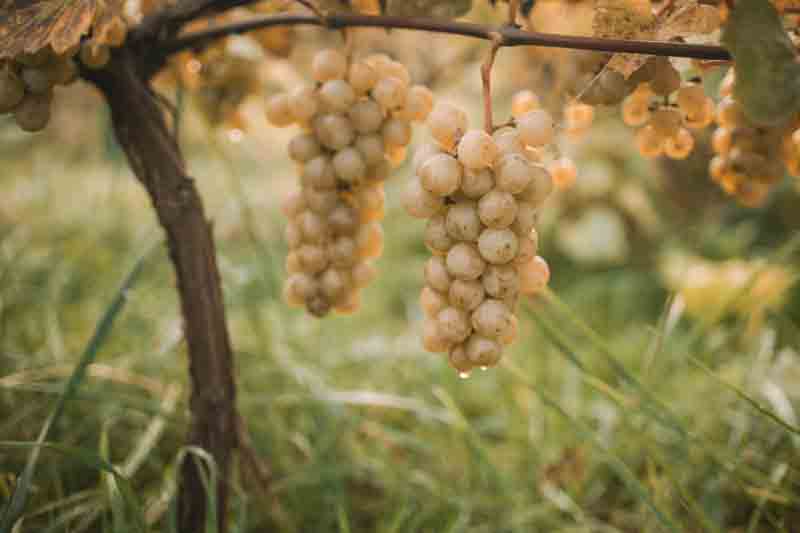


Vitis ‘Edelweiss’, commonly known as the Edelweiss grape or Edelweiss grape vine, is one of the classic cold-climate white grapes for home gardens, backyard arbors, and northern vineyards. Developed through the grape-breeding work associated with Elmer Swenson and the University of Minnesota, Edelweiss became widely valued for offering exactly what growers in short-season regions need most: early ripening, reliable vigor, attractive fruit, and multiple uses from a single vine.
This deciduous hybrid grapevine is especially admired for its large light-colored grapes, lush growth, Concord-like aroma, and versatility. Unlike cultivars that fit only one category, Edelweiss works well as a backyard table grape, a practical juice grape, and an established option for sweet to semi-sweet white wine in cooler regions. It can also serve as an ornamental edible climber on a fence, arbor, or pergola when trained and pruned properly. For gardeners who want a vine that feels productive, useful, and distinctly adapted to northern conditions, Edelweiss remains one of the most dependable names in cold-hardy grapes.
Vitis ‘Edelweiss’ is an early-ripening cold-hardy hybrid grapevine grown for fresh eating, juice, and sweet to semi-sweet white wine. Plant it in full sun with well-drained soil, train it on a sturdy trellis or arbor, and prune it every year to keep its vigorous growth productive and open. Expect large light yellow to greenish-white seeded grapes with aromatic fruity flavor, usually ripening from late August to early September in northern climates.
Use: Primarily grown for fresh eating, juice, and sweet to semi-sweet white wine in cold and short-season regions.
Highlight: Large clusters of pale grapes with aromatic fruity flavor on a vigorous early-ripening vine.
Design note: Edelweiss also works beautifully as an ornamental edible climber for arbors, fences, pergolas, and backyard trellises when properly trained.
| Botanical Name | Vitis ‘Edelweiss’ |
|---|---|
| Family | Vitaceae |
| Common Name | Edelweiss Grape |
| Plant Type | Deciduous fruiting vine, cold-hardy hybrid grape |
| Hardiness (approx. USDA) | Best known for cold-climate growing; commonly grown in USDA Zones 4-8 |
| Reported Cold Tolerance | Commonly cited as hardy to about -15°F (-26°C), though site exposure, snow cover, and winter protection can affect performance |
| Height | 12-20 ft. depending on pruning and support |
| Spread | 6-10 ft. or more depending on training |
| Sun Exposure | Full sun |
| Soil | Well-drained soil; avoid wet sites and poorly suited high-pH soils |
| Ripening Season | Early; typically late August to early September in northern climates |
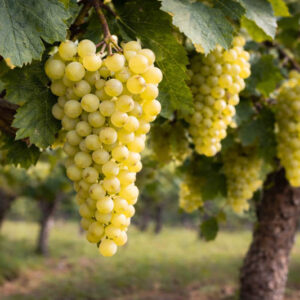
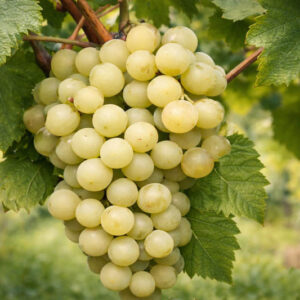
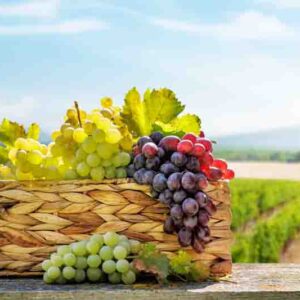
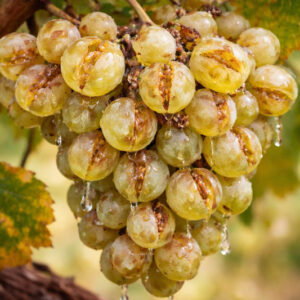
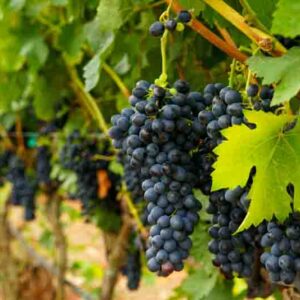
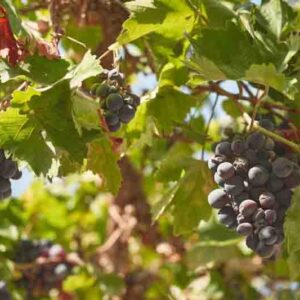
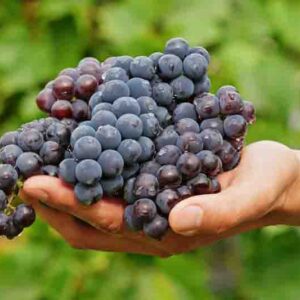
| Fruit | Large, round, light yellow to greenish-white seeded grapes in medium to large clusters, aromatic and juicy with slip-skin texture |
| Sugar Level | Usually about 14-17 °Brix, with flavor often best before fruit becomes overripe |
| Typical Yield | About 11 lb per mature vine on average under good management |
| Cluster Size | Clusters around 127 g, often loose to moderately compact and sometimes shouldered |
Edelweiss is special because it fills a very specific and very useful niche. It is not simply a grape that survives cold weather, and it is not merely a table grape that happens to ripen early. It is a seriously practical white grape for short-season gardens and northern vineyards, combining earliness, vigor, attractive fruit, and multiple end uses in one cultivar.
The defining appeal of Edelweiss is its combination of early harvest, strong growth, pale fruit, and aromatic labrusca-style character. The berries are juicy and pleasant fresh, yet they are also valued for juice and for sweet to semi-sweet white wine. That broad usefulness is a large part of why Edelweiss has remained relevant for decades in regions where growers cannot rely on longer-season grapes.
Why growers keep coming back to Edelweiss: it offers early ripening, large aromatic fruit, strong vigor, and genuine versatility for the home garden and small vineyard.
| Breeding background | Associated with Elmer Swenson and the University of Minnesota cold-hardy grape breeding tradition |
|---|---|
| Origin | Osceola, Wisconsin |
| Parentage | Commonly reported as Minnesota #78 × Ontario |
| Introduction | Late 1970s |
| Fruit color | Light yellow to greenish-white |
| Berry size | Medium to large |
| Cluster type | Loose to moderately compact, sometimes double-shouldered |
| Ripening season | Early |
| Sugar | Typically 14-17 °Brix |
| Main uses | Fresh eating, juice, sweet to semi-sweet white wine, backyard arbor grape |
Edelweiss comes from the influential northern grape-breeding tradition associated with Elmer Swenson and the University of Minnesota. It originated in Osceola, Wisconsin and was introduced in the late 1970s, at a time when growers in colder parts of the Upper Midwest and similar climates needed grapes that would ripen earlier and tolerate harsher winters than many traditional wine cultivars.
That background matters because Edelweiss was bred with a practical goal. It was selected for performance in northern conditions rather than for novelty alone. It first gained attention as a white table grape, then became more widely appreciated as a wine and juice grape once growers recognized the value of its fruit quality and ripening pattern when harvested carefully. Edelweiss earned its reputation through field performance, not fashion.
Cold and short-season gardens: Early maturity gives growers a real harvest window.
Backyard table grape growing: Big juicy berries make it appealing fresh.
White juice and sweet to semi-sweet wine: Aromatic fruit gives it strong kitchen and cellar value.
Arbors and edible screening: Vigorous vines cover structures quickly.
Home gardeners who want one versatile grape: Edelweiss is practical, decorative, and productive.
Edelweiss is both, and that dual role is one of its greatest strengths. It was introduced as a white table grape, but later became an established option for white wine, especially in sweet to semi-sweet styles. For home growers, that means one planting can serve several purposes instead of forcing a choice between fresh fruit and winemaking potential.
Fresh off the vine, Edelweiss offers juicy texture, slip-skin character, and an aromatic fruity flavor many growers describe as Concord-like or distinctly American in character. In the winery, it is usually best when harvested at an early mature stage, before the aroma becomes too intense or overly foxy. That timing distinction matters. For fresh eating, some growers enjoy fuller flavor development. For wine, earlier picking often gives a cleaner and more balanced result.
Best Grapes for Fresh Eating – Top Varieties Ranked
Edelweiss is self-pollinating, which makes it a practical choice for home gardens. A single vine can set fruit on its own, although good sunlight, healthy bloom conditions, and proper pruning still strongly influence crop size and fruit quality. Like other grapes, Edelweiss bears on shoots arising from one-year-old wood, so yearly pruning is not optional. It is central to consistent productivity.
The vine is also notably vigorous and productive. That is an advantage, but only when the grower keeps the framework organized. Unpruned or poorly trained vines can become dense and tangled, reducing airflow, complicating harvest, and making disease management more difficult. The best fruit comes from vines that are strong but controlled.
Edelweiss is an early-ripening grape, and that is one of the main reasons it remains important. In northern climates it is typically harvested from late August into early September, often ahead of many other cold-climate cultivars. That earliness gives growers a much more dependable harvest window in regions where autumn weather can turn cool, wet, or frosty sooner than expected.
For northern gardeners, early ripening is not just convenient. It is strategic. A grape that reliably matures before the season deteriorates is far more useful than one that only occasionally reaches quality. Edelweiss gives growers a white grape they can realistically plan around rather than merely hope for.
How to Tell When Grapes Are Ready to Harvest
Harvest tip: Edelweiss often tastes best when picked on time. Wait for sweetness and aroma, but do not leave clusters hanging too long or the flavor can become overly foxy and less refined.
Edelweiss is not a grape that should be harvested by numbers alone, though the numbers are useful. A target of about 14-17 °Brix is often cited, and growers also pay attention to acidity and pH when fruit is intended for wine. Taste remains critical, however. This cultivar can move from fragrant and balanced to overly strong in character faster than some gardeners expect.
That is why Edelweiss rewards attentive harvesting. Pick too early and you lose part of the aromatic richness and sweetness. Pick too late and you may end up with a heavier labrusca profile than you want. The ideal stage is when the fruit tastes aromatic, juicy, and lively rather than overripe or coarse.
Key fruit traits: large pale berries, aromatic juicy flesh, slip-skin texture, usually 14-17 °Brix, and best quality when harvested before over-ripeness.
Edelweiss is a productive vine, with average yield often placed around 11 pounds per vine under good management. In home gardens that figure can vary depending on vine age, pruning, sunlight, soil, weather, and how carefully the crop is balanced. Strong, established vines can carry a substantial harvest.
Still, productivity should be managed rather than merely admired. Too much crop can slow ripening and reduce flavor intensity. Sensible dormant pruning and an open canopy do more than tidy the vine. They directly improve harvest quality.
How Long Grapevines Take to Produce Fruit
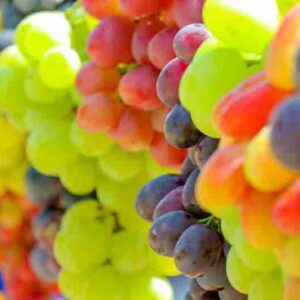
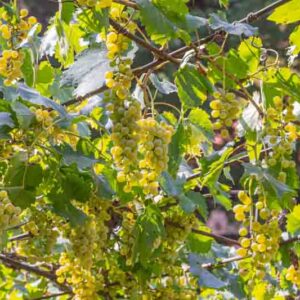
Edelweiss grapes are typically light yellow to greenish-white, round, juicy, and aromatic. The flesh is tender and melting, and the slip-skin texture is typical of grapes with labrusca influence. Many growers describe the flavor as fruity, floral, and Concord-like, especially as the berries approach full maturity.
There is one important limitation: Edelweiss does not store or ship especially well. The berries can shell easily, which makes it a poor candidate for long holding or long-distance handling. For home gardeners, that is usually not a serious drawback. In fact, it reinforces Edelweiss’s main identity as a grape best enjoyed close to the vine, turned into juice soon after harvest, or processed into wine without delay. How to Make Grape Juice at Home
Why your Grapevine has Leaves but No Grapes
Flavor profile: think juicy white grape, floral-fruity aroma, soft tender pulp, and a bright Concord-like personality that is appealing fresh and highly expressive in sweet to semi-sweet wine.
Edelweiss is cold-hardy, though it should be described carefully rather than exaggerated. It is commonly cited as hardy to about -15°F, making it a proven choice for many northern gardens and vineyards. That said, climate performance still depends on exposure, snow cover, wind, vine health, and local winter extremes. In harsher sites, some protection may still be helpful.
Best Grapes for Zone 4 – Cold Hardy Varieties that Work
The practical takeaway is simple: Edelweiss is well adapted to northern gardens, but site selection still matters. Give it full sun, good air movement, and well-drained soil. Avoid low frost pockets if possible, because its early bud break can make it vulnerable to spring freezes even when the vine itself is winter hardy.
When to Plant Grapes for Healthier Vines
Cold-climate takeaway: Edelweiss is a proven early white grape for northern growers, but its early bud break means spring frost protection and smart siting matter almost as much as winter minimum temperatures.
Edelweiss is often described as having useful pest and disease tolerance, but it is not trouble-free. It is commonly reported as moderately susceptible to anthracnose, botrytis bunch rot, and powdery mildew, while being slightly susceptible to downy mildew, black rot, and crown gall. It is also frequently noted for resistance to phylloxera, which adds to its value in the home garden.
Gardeners should also pay attention to non-disease issues. Early bud break can lead to spring frost injury. Birds may attack ripening fruit. Like many grapes, Edelweiss can be sensitive to herbicide drift from lawn products such as 2,4-D or dicamba. And unlike some grapes that tolerate alkaline conditions reasonably well, Edelweiss generally performs better away from high-pH soils.
Common Grapevine Problems and How to Fix Them
Watch for: spring frost after bud break, birds, overripe flavor, high-pH soils, and the usual grape disease pressure in humid summers.
Edelweiss needs a strong support system. Single High Wire systems often suit its growth habit well, while vigorous vines may also perform on split-canopy systems such as Geneva Double Curtain. In home landscapes, a sturdy fence or arbor can work very well, especially when the goal is to combine shade, screening, and fruit production.
Pruning is essential. Annual dormant pruning keeps the vine productive, exposes fruit to light, and prevents a dense, disease-prone canopy. The principle is the same whether Edelweiss is grown for wine, fresh eating, or ornamental coverage. A grapevine left unpruned does not become low maintenance. It simply becomes less manageable and less fruitful over time.
How to Prune Grapevines for Bigger Harvests: Cane Pruning vs Spur Pruning
Edelweiss is generally not the best long-term container grape. Its vigor, fruiting potential, and support requirements make it much more satisfying in the ground. Temporary container culture is possible, but a mature fruiting vine in a pot becomes harder to balance, water, feed, and train effectively.
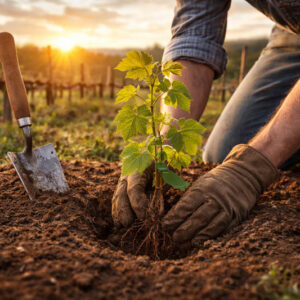
If your goal is generous crops and a permanent framework, plant Edelweiss where the roots can establish fully. That is where the cultivar shows its best growth, best productivity, and most useful garden character.
How to Grow Grapes in Containers (Expert Pot Guide)
Although Edelweiss is chiefly grown for fruit, it also has real landscape value. The vine is vigorous, leafy, and visually generous through the growing season, making it well suited to arbors, pergolas, fences, and edible privacy screens. In the right place, it can provide both structure and harvest, softening a garden feature while also producing usable fruit.
That ornamental function works best when the vine is treated as both a crop and a design element. Strong support, disciplined pruning, and thoughtful placement are what turn Edelweiss from a sprawling vine into an attractive edible feature.
Edelweiss is ideal for northern gardeners, home fruit growers, backyard winemakers, and anyone who wants an attractive edible vine with real harvest value. It is especially well suited to people who want a white grape that ripens early, tastes aromatic and juicy, and can move easily from snack bowl to juicer to fermenter.
It is not the best choice for growers seeking crisp vinifera texture or fruit intended for long storage and shipping. But for gardeners who value reliability, fragrance, versatility, and cold-climate practicality, Edelweiss remains a standout cultivar.
Growers exploring cold-hardy grapes may also consider Reliance Grape, King of the North Grape, Catawba Grape, and how to grow grapes in the home garden.
What is Edelweiss grape used for?
Edelweiss is grown for fresh eating, juice, and sweet to semi-sweet white wine. Its versatility is one of the main reasons it remains popular in cold-climate gardens.
When does Edelweiss grape ripen?
Edelweiss usually ripens from late August to early September in northern climates, making it one of the earlier cold-hardy grapes to harvest.
Is Edelweiss grape self-pollinating?
Yes. Edelweiss is self-pollinating, so a single vine can set fruit on its own.
What does Edelweiss grape taste like?
Edelweiss has a fruity, aromatic, often Concord-like flavor with juicy tender flesh and classic slip-skin texture. If left too long on the vine, the flavor can become more strongly foxy.
How cold hardy is Edelweiss grape?
Edelweiss is considered a cold-hardy grape, commonly cited to around -15°F (-26°C), though winter exposure and site conditions still matter.
Is Edelweiss a table grape or a wine grape?
It is both. Edelweiss was introduced as a table grape but also became an important white wine cultivar, especially for sweet to semi-sweet styles.
Does Edelweiss need pruning?
Yes. Annual dormant pruning is essential to keep the vine productive, balanced, and easier to manage.
What are the main problems with Edelweiss grape?
Spring frost, overripe flavor, bird damage, high-pH soils, and common grape diseases such as powdery mildew, botrytis, and anthracnose are the main issues to watch.
Is Edelweiss good for arbors?
Yes. Its vigorous growth makes it an excellent choice for sturdy arbors, fences, and pergolas where you want both shade and edible fruit.
How much fruit does an Edelweiss vine produce?
A mature vine commonly yields around 11 pounds of fruit under good conditions, though actual harvest varies by age, pruning, sunlight, soil, and climate.
Bottom line: Vitis ‘Edelweiss’ is one of the most useful early white grapes for cold-climate growing. With vigorous vines, handsome pale fruit, real versatility, and proven performance for fresh eating, juice, and sweet to semi-sweet white wine, it remains a benchmark cultivar for northern gardeners who want both beauty and production.
Updated: March 2026 • Reviewed by Gardenia Editors
| Hardiness |
4 - 8 |
|---|---|
| Plant Type | Climbers, Fruits, Shrubs |
| Plant Family | Vitaceae |
| Genus | Vitis |
| Common names | Grape |
| Exposure | Full Sun |
| Season of Interest | Summer (Early, Mid, Late), Fall |
| Height | 12' - 20' (3.7m - 6.1m) |
| Spread | 6' - 10' (180cm - 3m) |
| Spacing | 72" - 120" (180cm - 3m) |
| Maintenance | High |
| Water Needs | Average |
| Soil Type | Chalk, Loam, Sand |
| Soil pH | Alkaline, Neutral |
| Soil Drainage | Well-Drained |
| Characteristics | Showy, Fruit & Berries |
| Tolerances | Fire |
| Attracts | Bees, Birds |
| Garden Uses | Arbors, Pergolas, Trellises, Walls And Fences |
| Garden Styles | Informal and Cottage |
| Toxic to Humans | No known toxicity |
| Toxic to Cats | No known toxicity |
| Toxic to Dogs | Toxic |
| Toxic to Horses | Not toxic |


| Hardiness |
4 - 8 |
|---|---|
| Plant Type | Climbers, Fruits, Shrubs |
| Plant Family | Vitaceae |
| Genus | Vitis |
| Common names | Grape |
| Exposure | Full Sun |
| Season of Interest | Summer (Early, Mid, Late), Fall |
| Height | 12' - 20' (3.7m - 6.1m) |
| Spread | 6' - 10' (180cm - 3m) |
| Spacing | 72" - 120" (180cm - 3m) |
| Maintenance | High |
| Water Needs | Average |
| Soil Type | Chalk, Loam, Sand |
| Soil pH | Alkaline, Neutral |
| Soil Drainage | Well-Drained |
| Characteristics | Showy, Fruit & Berries |
| Tolerances | Fire |
| Attracts | Bees, Birds |
| Garden Uses | Arbors, Pergolas, Trellises, Walls And Fences |
| Garden Styles | Informal and Cottage |
| Toxic to Humans | No known toxicity |
| Toxic to Cats | No known toxicity |
| Toxic to Dogs | Toxic |
| Toxic to Horses | Not toxic |
How many Vitis ‘Edelweiss’ (Grape) do I need for my garden?
| Plant | Quantity | |
|---|---|---|
| Vitis ‘Edelweiss’ (Grape) | N/A | Buy Plants |
Create a membership account to save your garden designs and to view them on any device.
Becoming a contributing member of Gardenia is easy and can be done in just a few minutes. If you provide us with your name, email address and the payment of a modest $25 annual membership fee, you will become a full member, enabling you to design and save up to 25 of your garden design ideas.
Join now and start creating your dream garden!
Create a membership account to save your garden designs and to view them on any device.
Becoming a contributing member of Gardenia is easy and can be done in just a few minutes. If you provide us with your name, email address and the payment of a modest $25 annual membership fee, you will become a full member, enabling you to design and save up to 25 of your garden design ideas.
Join now and start creating your dream garden!