Thompson Seedless Grape, Thompson Seedless, Green Seedless Grape, Vitis 'Sultanina', Vitis 'Sultana', Vitis 'Sultaniye', Vitis 'Lady De Coverly', Vitis 'Kishmish'
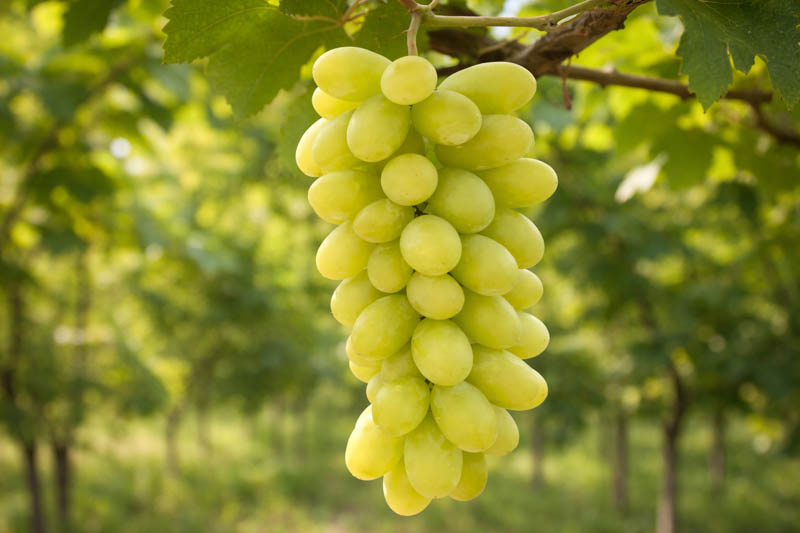


Vitis vinifera ‘Thompson Seedless’, widely known as the Thompson Seedless Grape, is one of the most important seedless grape cultivars ever grown. It is the classic green seedless table grape that shaped modern expectations for what a fresh grape should be – easy to eat, sweet, reliable, and versatile. For gardeners, growers, and fruit lovers, Thompson Seedless remains a benchmark because it combines vigorous growth, commercial importance, and fruit that is genuinely useful in everyday life.
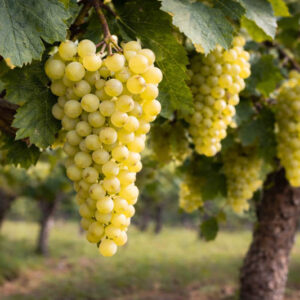
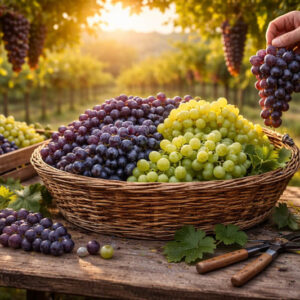
This is a vigorous, deciduous fruiting vine grown for both harvest and garden presence. It produces medium to large clusters of pale green to golden-green grapes that are typically seedless, thin-skinned, juicy, and mildly sweet rather than strongly aromatic. That combination explains its lasting global importance. Thompson Seedless is not just another backyard grape. It is a cultivar valued for fresh eating, raisin production, drying, fruit platters, lunchbox snacking, and edible landscaping. It also helped define the modern premium seedless grape standard: attractive clusters, convenient fruit, and dependable productivity.
Unlike classic American grapes such as Concord, Thompson Seedless belongs to the European grape species Vitis vinifera. That botanical identity matters because it influences the vine’s climate preferences, disease sensitivity, pruning style, and overall performance. In the right setting – especially where summers are warm, sunny, and relatively dry – Thompson Seedless can be extraordinarily rewarding. In the wrong setting, it becomes more demanding and less forgiving than many American grapes.
Vitis vinifera ‘Thompson Seedless’ is a vigorous, self-fruitful European grape grown mainly for fresh eating and raisins. Plant it in full sun, provide sturdy support and annual dormant pruning, and expect clusters of sweet, seedless green grapes from mid- to late summer when grown in a long, sunny season.
Use: Excellent for fresh eating, raisins, drying, fruit platters, and home garden harvests, and also valued for arbors, pergolas, fences, and productive edible landscaping. Highlight: Medium to large clusters of green to golden-green seedless grapes with tender skin, juicy flesh, and mild sweetness. Design note: Because it is vigorous and leafy, Thompson Seedless works beautifully as a fruiting shade vine for pergolas and trellises, provided it is pruned and trained properly each year.
| Botanical Name | Vitis vinifera ‘Thompson Seedless’ |
|---|---|
| Family | Vitaceae (Grape family) |
| Common Names | Thompson Seedless, Sultana |
| Plant Type | Deciduous fruiting vine, woody climber |
| Hardiness (approx. USDA) | Zones 7-9; best where summers are warm, sunny, and relatively dry |
| Height | 15-20 ft. (4.5-6 m), sometimes more with age and support |
| Spread | 12-20 ft. depending on pruning and training |
| Sun Exposure | Full sun |
| Soil | Well-drained soil; adaptable to loam, sandy loam, or gravelly soils if drainage is good |
| Harvest Season | Mid- to late summer, sometimes early fall depending on region |
| Fruit | Green to golden-green, seedless berries with crisp, juicy flesh and mild sweetness |
Thompson Seedless is special because it delivers what most modern grape eaters expect without asking the eater to work for it. No bothersome seeds. No intense musky flavor. No thick skin that gets in the way. Just sweet, mild, juicy fruit that feels easy, familiar, and useful. That may sound simple, but in horticultural terms it is a major achievement. This cultivar helped define the commercial standard for seedless table grapes and remains one of the foundational grapes behind raisin production.
It is also one of the grapes that quietly shaped the fruit aisle. When shoppers imagine a classic green seedless grape, this is often the mental model. That gives Thompson Seedless a level of recognition and practical relevance that few cultivars can match.
Why gardeners love it: Thompson Seedless is the grape you grow when you want sweet seedless fruit, dependable summer harvests, raisin-making potential, and a vine that can be both productive and beautiful.
Thompson Seedless is closely linked with the ancient grape known as Sultana, long cultivated around the eastern Mediterranean and western Asia. It later became deeply associated with California, where it rose to major importance as both a table grape and the dominant raisin grape. In practical terms, that history means Thompson Seedless is not just a popular cultivar. It is one of the grapes that helped build modern commercial grape culture.
Its influence extends well beyond home gardening. Thompson Seedless has been described by UC Davis Foundation Plant Services as one of the most widely planted light-skinned grape varieties in the world, and in California its massive plantings have long been used primarily for raisins. That agricultural legacy gives the cultivar real authority. It is not trendy. It is foundational.
Fresh eating: Excellent – this is one of the classic seedless table grapes.
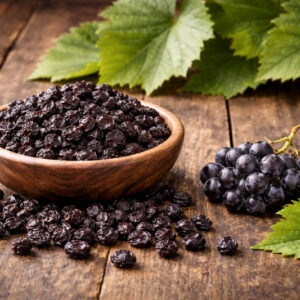
Raisins: Outstanding – Thompson Seedless is the classic raisin grape.
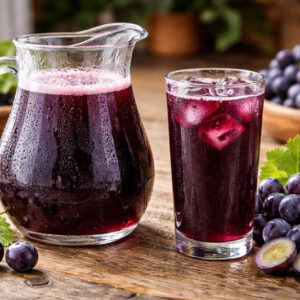
Juice: Good for mild, light juice, though not as aromatic as strongly flavored cultivars.
Wine: Sometimes used in small-scale or regional production, though it is rarely grown mainly for wine.
Ornamental shade: Very good on pergolas, trellises, and fences.
Warm climates: Excellent.
Humid climates: Less ideal than many American grapes because disease pressure is usually higher.
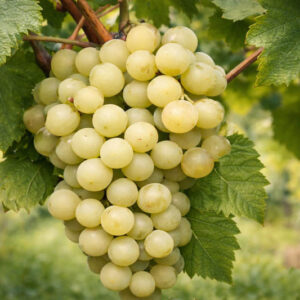
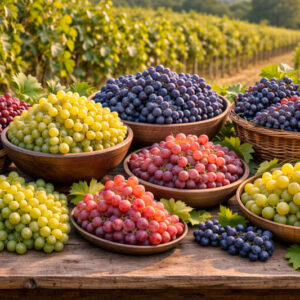
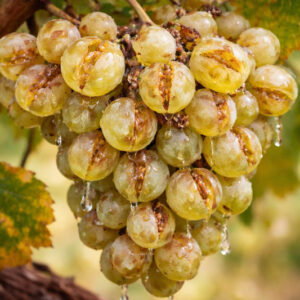
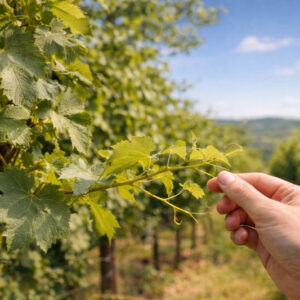
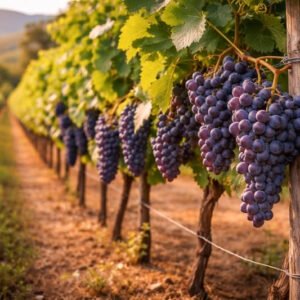
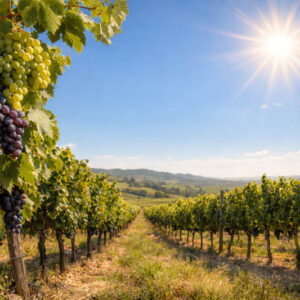
Thompson Seedless typically produces medium to large, somewhat loose to moderately filled clusters of elongated to oval berries. The fruit is pale green when immature and can become more golden or translucent as it ripens in strong sunlight. Berry texture is one of its great strengths: the flesh is juicy and pleasantly firm, while the skin is relatively tender and easy to eat.
That balance of cluster appearance and eating quality helps explain the cultivar’s long commercial success. It looks clean, inviting, and abundant on the vine, and it handles both fresh use and drying well. For home growers, those traits translate into a grape that feels rewarding both visually and practically.
Cultivar detail: Thompson Seedless is valued not only for seedlessness, but also for its attractive light-colored clusters, its relatively tender skin, and its usefulness in both fresh-market harvests and raisin production. That dual role is one of the reasons it became globally important.
One of Thompson Seedless’s practical advantages is that it is self-fruitful, so you do not need a second grape cultivar nearby to get fruit. That makes it highly suitable for home gardens with room for only one vine. Like other grapes, it bears fruit on the current season’s shoots that emerge from one-year-old wood. That detail is extremely important because it explains why pruning is not optional – it is the engine of future harvests.
Thompson Seedless also deserves a more precise pruning note than many generic grape articles provide. This cultivar is widely known for being best handled with cane pruning rather than simple short spur pruning, because the basal buds are often less fruitful and the more productive buds are farther out on the cane. That is a crucial point for growers. A Thompson Seedless vine that is pruned the wrong way can look healthy yet fruit poorly. How Long Grapevines Take to Produce Fruit
Thompson Seedless is generally considered a mid- to late-season table grape, usually ripening from mid- to late summer depending on region, crop load, and heat accumulation. In very warm grape-growing regions, clusters may mature earlier. In cooler gardens or sites without strong heat, harvest can slide later. Because this is a Vitis vinifera grape, proper ripening depends heavily on a long enough season and good sun exposure.
That is why a warm wall, reflected heat, strong southern or western exposure, and an open airy site can make such a difference. Thompson Seedless rewards good placement more dramatically than many tougher American grapes do. Why your Grapevine has Leaves but No Grapes
Do not rely on color alone. Thompson Seedless berries can look attractive before they are fully sweet. The real test is taste. Ripe berries should be sweet, juicy, and pleasant throughout the cluster, not grassy, sharp, or flat. Many berries will also become more translucent and may shift from pale green toward a lightly golden tone in strong sun. Because grapes do not ripen after picking, harvest timing matters more than many beginners realize.
Harvest tip: Thompson Seedless grapes usually taste better a little later than they first look ready. Wait for full sweetness and full translucence, not just full size.
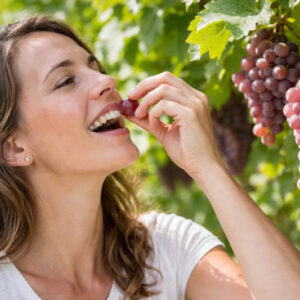
Thompson Seedless is prized for a clean, mild, universally approachable flavor. The flesh is juicy, the skin is relatively tender, and the sweetness is soft rather than heavy. This is not a dramatic old-fashioned grape with strong foxiness or perfume. It is a refined, easygoing table grape designed by nature and selection to be pleasant to almost everyone. That mildness is part of its power. It works for fresh eating, it works for drying, and it works where a more neutral grape is preferred.
Its texture is just as important as its flavor. A good Thompson Seedless grape gives a fresh, crisp bite and a juicy finish without seeds interrupting the experience. That convenience is one of the reasons it remains so commercially important. How to Make Grape Juice at Home
Flavor note: Thompson Seedless is sweet, light, juicy, and seedless – more elegant and easygoing than bold-flavored heritage grapes.
Few grapes are as closely tied to raisin production as Thompson Seedless. The cultivar’s seedlessness, moderate sugar accumulation, manageable skin, and drying performance made it historically dominant in California raisin plantings. That raisin identity is not a side note. It is one of the main reasons Thompson Seedless became one of the most important grapes in the world.
For home growers, this matters because it explains more than just commercial history. It explains why the grape is so versatile. A vine can provide fresh summer fruit, clusters for drying, and a crop with genuine kitchen usefulness. Even when gardeners never make raisins, they still benefit from a cultivar selected for broad utility rather than narrow novelty.
It is also useful to understand that Thompson Seedless sits at the meeting point of two grape traditions. In one role, it is a classic fresh-market seedless table grape. In the other, it is a classic raisin grape. That dual identity is unusually important and helps explain why the cultivar has remained horticulturally relevant for so long.
Thompson Seedless is best suited to warm, sunny climates. It is not famous for strong cold hardiness, and that is one of the clearest dividing lines between this grape and many American or hybrid grapes. In colder regions, winter injury to canes and buds can reduce performance. In warm regions, however, the cultivar responds very well to heat, building sugar, ripening cleanly, and drying effectively for raisin use.
Heat is usually an ally, but only when the vine is properly watered and not smothered in excess growth. Overly dense canopies can still trap humidity and reduce fruit quality, even in warm climates. Good training and good airflow remain essential. When to Plant Grapes for Healthier Vines
Thompson Seedless is often more demanding than classic American grapes because, as a Vitis vinifera cultivar, it can be more vulnerable in humid conditions. It may be affected by powdery mildew, downy mildew, black rot, botrytis bunch rot, anthracnose, and sometimes crown gall, especially where vines are stressed or winters are damaging.
Like most grapes, Thompson Seedless may also face insect pests. Common problems include phylloxera, grape berry moth, Japanese beetles, leafhoppers, leafrollers, mealybugs, and flea beetles. Birds are often the most obvious vertebrate pest near harvest, while deer may browse tender growth in some gardens.
The central lesson is simple: Thompson Seedless is highly rewarding when the site is right, but it needs sun, sanitation, airflow, and disciplined pruning more than tougher labrusca grapes do. Common Grapevine Problems and How to Fix Them
Watch for: Powdery mildew is especially important with Thompson Seedless. If the canopy is dense, shaded, or humid, disease pressure can increase quickly and fruit quality can decline.
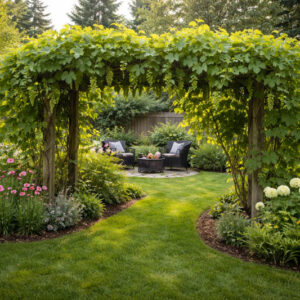
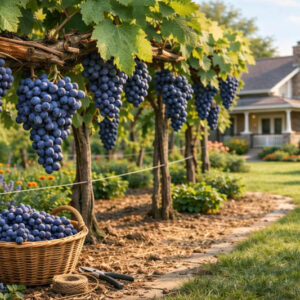
Thompson Seedless responds well to several classic training methods, including bilateral cordon, cane-pruned systems, high cordon, and arbor training. For home gardeners, a well-built trellis is often the best all-around choice because it simplifies pruning, improves airflow, and makes harvest easier. If your main goal is fruit plus summer shade, Thompson Seedless can also work beautifully on a pergola.
That said, structure matters. This vine looks elegant when disciplined and overwhelming when neglected. Training is not just about appearance – it is the framework that makes fruit quality possible. Discover the best trellis systems for backyard grapes and choose the structure that makes pruning easier and harvests bigger.
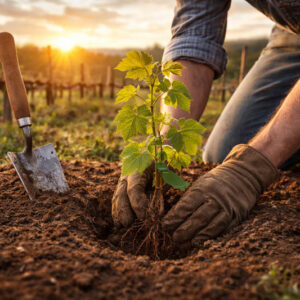
Prune when the vine is dormant, usually in late winter or very early spring before growth begins. Because Thompson Seedless fruits best on well-positioned one-year-old wood, heavy annual pruning is essential. Beginners often under-prune because the process looks severe, but grapes routinely need substantial wood removal every year. With Thompson Seedless, correct pruning is especially important because crop quality and crop location both depend on it.
It is also worth noting that fruit thinning can improve cluster quality. Thompson Seedless is capable of carrying heavy crops, but an overloaded vine may produce smaller berries and slower ripening. Commercial table-grape systems often use thinning to improve cluster quality and berry size, and home growers can take the same lesson in simpler form: balance matters. How to Prune Grapevines for Bigger Harvests: Cane Pruning vs Spur Pruning
Grower insight: Thompson Seedless is one of the clearest examples of why crop balance matters in grapes. Too much fruit can reduce berry size and slow ripening, while too much vegetative growth can shade clusters and lower fruit quality. The best vines balance vigor, sunlight, and crop load.
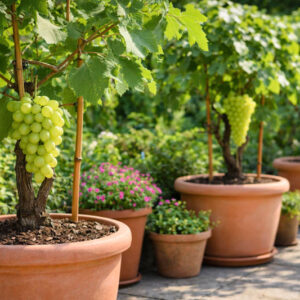
Thompson Seedless is not the ideal long-term container grape. It is vigorous, heavy, and generally happier in open ground where roots can spread and a permanent support system can develop. A very large container can work in a tightly managed patio or courtyard setting, but it increases the need for watering, feeding, summer monitoring, and root control.
For serious fruiting and long-term performance, planting in the ground is usually the better choice. How to Grow Grapes in Containers (Expert Pot Guide)
Thompson Seedless is an excellent choice for gardeners who want a classic seedless table grape with broad culinary value and who live in a climate warm enough to ripen it properly. It is especially well suited to gardeners who love fresh eating, want to experiment with homemade raisins, or need a productive vine for a sunny pergola or fence. It is less ideal for growers in cold, wet, or heavily disease-prone areas, where hardier American grapes often prove easier and more forgiving.
Thompson Seedless vs Concord
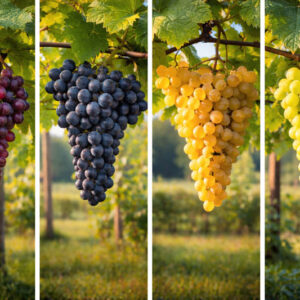
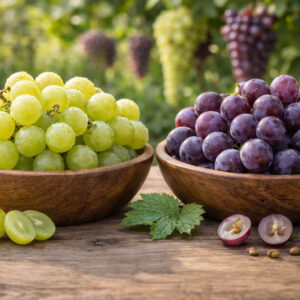
Thompson Seedless: Green to golden, seedless, mild, sweet, tender-skinned, and best known as a classic table grape and raisin grape.
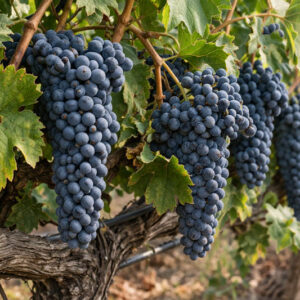
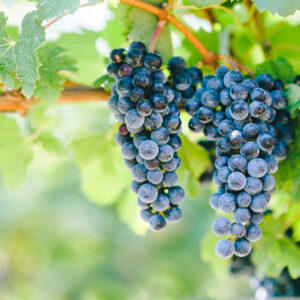
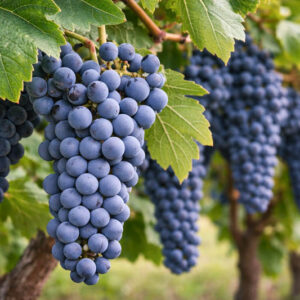
Concord: Blue-black, seeded, strongly aromatic, classic purple juice and jelly grape with bold labrusca flavor.
Best choice: Choose Thompson Seedless for fresh eating, raisins, and seedless convenience. Choose Concord for juice, jelly, heritage flavor, and better adaptation to colder or more humid climates.
Yes. Thompson Seedless grapes are considered seedless and are grown specifically for easy fresh eating and raisin production. You may occasionally notice tiny undeveloped seed traces, but the berries are functionally seedless.
Yes. Thompson Seedless is one of the classic fresh-eating grapes because it has tender skin, juicy flesh, mild sweetness, and no bothersome seeds.
No. Thompson Seedless is self-fruitful, so a single vine can produce fruit without another grape variety nearby.
Thompson Seedless grapes usually ripen from mid- to late summer, depending on climate, crop load, and local growing conditions.
It is both. Thompson Seedless is one of the world’s best-known table grapes and also the classic grape for raisin production.
It can be grown in some milder cold-winter regions, but it is generally better suited to warmer climates with long, sunny growing seasons. It is not as cold-hardy as many classic American grape cultivars.
For readers comparing grapes, useful next-step pages would include Niagara Grape, Catawba Grape, Canadice Grape, King of the North Grape, Reliance Grape, and a broader guide to how to grow grapes in the home garden.
Bottom line: Vitis vinifera ‘Thompson Seedless’ remains a gold-standard seedless grape because it is productive, versatile, commercially important, and genuinely enjoyable to eat. It is not the grape for gardeners seeking strong foxiness, intense juice color, or exceptional cold tolerance. It is the grape for people who want sweet seedless clusters, raisin-making potential, classic table-grape quality, and a vine that earns its place year after year.
Updated: April 2026 • Reviewed by Gardenia Editors
| Hardiness |
7 - 9 |
|---|---|
| Plant Type | Climbers, Fruits, Shrubs |
| Plant Family | Vitaceae |
| Genus | Vitis |
| Common names | Grape |
| Exposure | Full Sun |
| Season of Interest | Summer (Early, Mid, Late), Fall |
| Height | 15' - 20' (4.6m - 6.1m) |
| Spread | 12' - 20' (3.7m - 6.1m) |
| Spacing | 144" - 240" (3.7m - 6.1m) |
| Maintenance | High |
| Water Needs | Average |
| Soil Type | Chalk, Loam, Sand |
| Soil pH | Alkaline, Neutral |
| Soil Drainage | Well-Drained |
| Characteristics | Showy, Fruit & Berries |
| Attracts | Bees, Birds |
| Garden Uses | Arbors, Pergolas, Trellises, Walls And Fences |
| Garden Styles | Informal and Cottage |


| Hardiness |
7 - 9 |
|---|---|
| Plant Type | Climbers, Fruits, Shrubs |
| Plant Family | Vitaceae |
| Genus | Vitis |
| Common names | Grape |
| Exposure | Full Sun |
| Season of Interest | Summer (Early, Mid, Late), Fall |
| Height | 15' - 20' (4.6m - 6.1m) |
| Spread | 12' - 20' (3.7m - 6.1m) |
| Spacing | 144" - 240" (3.7m - 6.1m) |
| Maintenance | High |
| Water Needs | Average |
| Soil Type | Chalk, Loam, Sand |
| Soil pH | Alkaline, Neutral |
| Soil Drainage | Well-Drained |
| Characteristics | Showy, Fruit & Berries |
| Attracts | Bees, Birds |
| Garden Uses | Arbors, Pergolas, Trellises, Walls And Fences |
| Garden Styles | Informal and Cottage |
How many Vitis vinifera ‘Thompson Seedless’ (Grape) do I need for my garden?
| Plant | Quantity | |
|---|---|---|
| Vitis vinifera ‘Thompson Seedless’ (Grape) | N/A | Buy Plants |
Create a membership account to save your garden designs and to view them on any device.
Becoming a contributing member of Gardenia is easy and can be done in just a few minutes. If you provide us with your name, email address and the payment of a modest $25 annual membership fee, you will become a full member, enabling you to design and save up to 25 of your garden design ideas.
Join now and start creating your dream garden!
Create a membership account to save your garden designs and to view them on any device.
Becoming a contributing member of Gardenia is easy and can be done in just a few minutes. If you provide us with your name, email address and the payment of a modest $25 annual membership fee, you will become a full member, enabling you to design and save up to 25 of your garden design ideas.
Join now and start creating your dream garden!