La Crescent, La Crescent grape, Wine grape ‘La Crescent’, White wine grape ‘La Crescent’
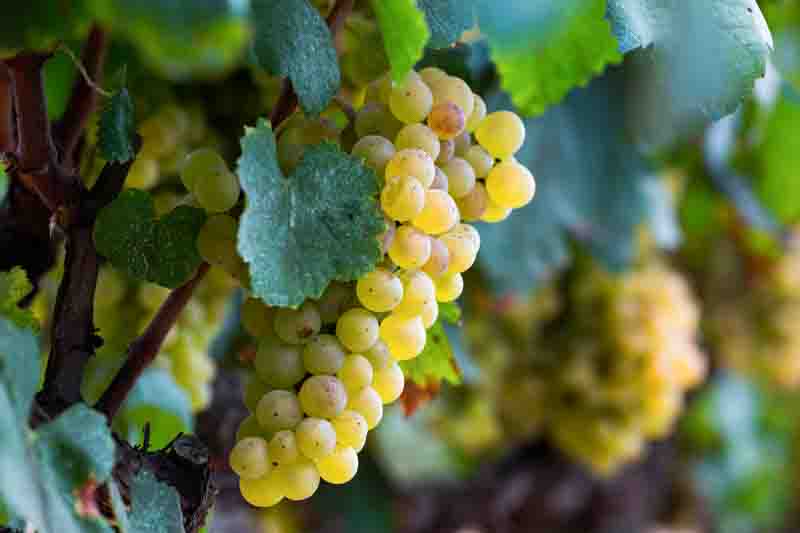


Vitis ‘La Crescent’, commonly known as the La Crescent Grape, is one of the defining cold-hardy white wine grapes for northern vineyards. Developed by the University of Minnesota grape breeding program and released in 2002, this vigorous hybrid grapevine is valued for its rare combination of serious winter hardiness, intensely aromatic fruit, and strong wine-making potential. For vineyard growers, home winemakers, and gardeners in colder regions, La Crescent is not just a hardy vine that survives winter – it is a cultivar capable of producing genuinely distinctive, high-quality white wine.
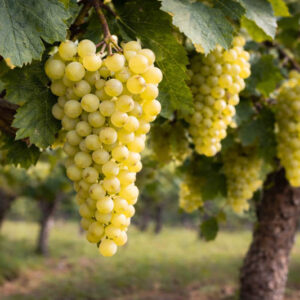
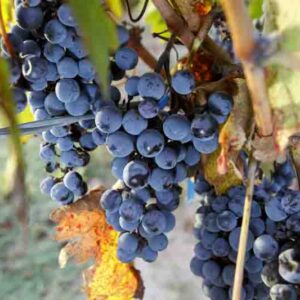
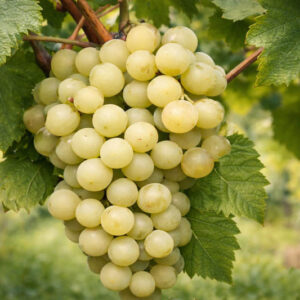
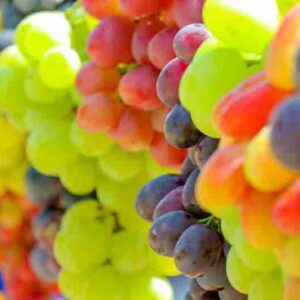
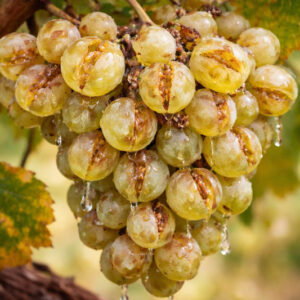
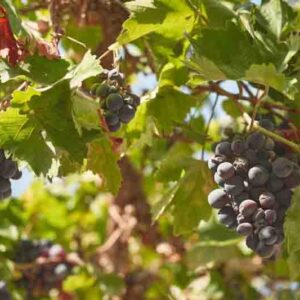
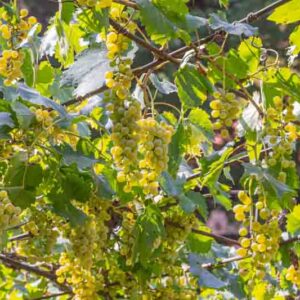
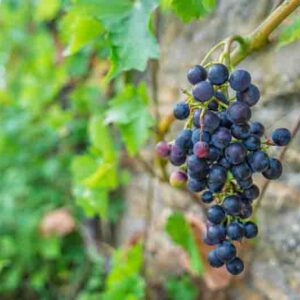
This deciduous grapevine produces yellow-green to golden-amber grapes with exceptionally expressive aromatics. The fruit is used primarily for white wine production, especially off-dry and sweet wines that benefit from the grape’s high natural acidity and vivid fruit character. La Crescent wines are widely known for flavors and aromas of apricot, citrus, peach, blossom, and tropical fruit, reflecting the muscat-like ancestry in its background.
Unlike many traditional European wine grapes that struggle in severe winters, La Crescent was bred for cold-climate performance. It ripens reliably in shorter growing seasons and has become a cornerstone cultivar in modern cold-climate viticulture, especially across the Upper Midwest and other northern grape-growing regions.
Vitis ‘La Crescent’ is a cold-hardy hybrid grapevine grown primarily for aromatic white wine. Plant it in full sun and well-drained soil, train it on a sturdy trellis, prune annually to control vigor, and harvest in late September when sugars, acidity, and flavor are in balance. Expect highly aromatic yellow-green fruit well suited to off-dry and sweet wines in northern climates.
Use: Primarily grown for aromatic white wine production, especially off-dry and sweet wines.
Highlight: Yellow-green berries rich in terpenes and other aromatic compounds that give wines notes of apricot, citrus, peach, and tropical fruit.
Design note: Its vigorous vines can be trained on trellises, arbors, and vineyard systems, making it suitable for backyard vineyards and serious cold-climate plantings.
| Botanical Name | Vitis ‘La Crescent’ |
|---|---|
| Family | Vitaceae (Grape family) |
| Common Names | La Crescent Grape |
| Plant Type | Deciduous fruiting vine, cold-hardy hybrid grape |
| Release Year | 2002 |
| Hardiness (approx. USDA) | Zones 4-8; a leading white wine grape for very cold regions |
| Minimum Temperature | Can survive winter cold events of about -20 to -35°F (-29 to -37°C), though some bud injury may occur after extreme cold |
| Height | 10-20 ft. depending on pruning and support |
| Spread | 2-10 ft. depending on training system and spacing |
| Sun Exposure | Full sun |
| Soil | Well-drained soil; loam or sandy soils preferred; avoid wet, poorly drained sites |
| Harvest Season | Late September in Minnesota; early to mid fall elsewhere depending on climate |
| Fruit | Yellow-green to amber berries in clusters averaging about 0.32 lb, aromatic and ideal for white wine production |
La Crescent is notable because it delivers something growers in cold regions have long wanted in the same vine: winter survival, reliable ripening, and truly aromatic wine potential. Many cold-hardy grapes can produce useful fruit, but La Crescent stands apart for the intensity of its aroma and its ability to make wines with real varietal personality.
The fruit contains high levels of terpenes and other aromatic phenolic compounds. In practical terms, that means the grape can produce wines with pronounced notes of apricot, citrus, peach, floral blossom, and tropical fruit. Those flavors make La Crescent one of the most recognizable and commercially important white grapes in northern viticulture.
Why growers love it: La Crescent combines cold hardiness with the kind of vivid aromatics that make a white wine memorable.
La Crescent was developed by the University of Minnesota grape breeding program, one of the most influential breeding efforts in North American cold-climate viticulture. It was officially released in 2002 as part of the university’s mission to expand grape growing and quality wine production into regions with severe winters.
The cultivar takes its name from La Crescent, Minnesota, a town along the Mississippi River. Its parentage includes hardy North American grape species along with aromatic wine-grape ancestry, which helps explain why the vine combines strong winter resilience with highly expressive fruit chemistry.
That combination is the reason La Crescent remains so important. It did not become successful simply because it can tolerate cold. It became important because it can tolerate cold and produce fruit suited to attractive, fruit-driven white wines.
White wine production: Excellent for aromatic white wines, especially off-dry and sweet styles.
Cold regions: A leading choice for northern vineyards with severe winters.
Backyard vineyards: Well suited to home winemakers who want serious fruit quality.
Aromatic wines: Ideal when intense fruit aroma and bright acidity are priorities.
Short growing seasons: Valuable where reliable ripening is essential.
La Crescent grapevines are self-pollinating, so a single vine can produce fruit without the need for a second cultivar nearby. Like most grapes, they flower and set fruit with the help of wind and insect activity, but no separate pollinizer is required for cropping.
The vine bears fruit on the current season’s shoots that arise from one-year-old wood. That detail matters because it explains why annual pruning is so important. Without regular pruning, vines produce too much vegetative growth, fruiting wood becomes less balanced, and crop quality declines.
How Long Grapevines Take to Produce Fruit
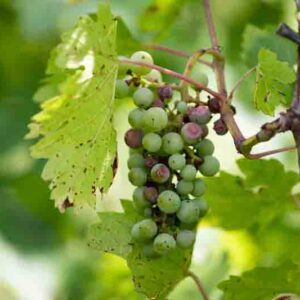
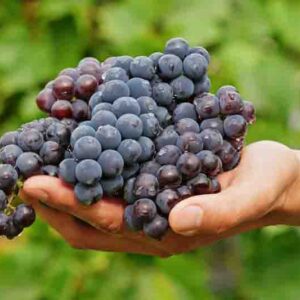
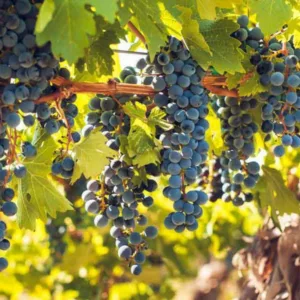
La Crescent grapes are typically yellow-green when developing and often become more golden to amber as they mature. Clusters average about 0.32 pounds, and the berries are well known for their strong aromatic profile. One practical advantage is that the fruit tends to resist splitting, even in wetter years, which can be useful in humid climates or variable fall weather.
At the same time, growers must pay close attention to a key management issue: berry shatter, sometimes described as shelling. When fruit is ripe, some berries may drop from the clusters before or during harvest. For commercial vineyards, that affects harvest timing and handling. For backyard growers, it can make sense to place bins or tarps below the vines during picking to capture fallen fruit.
In the winery, La Crescent is most often used for off-dry and sweet white wines. Its high acidity supports those styles particularly well, allowing residual sugar to create balance rather than heaviness. The wines often show a bright, lifted profile with apricot, citrus blossom, peach, pineapple, and tropical fruit notes.
Why your Grapevine has Leaves but No Grapes
How to Tell When Grapes Are Ready to Harvest
Flavor profile: Apricot, citrus, peach, floral blossom, pineapple, and other tropical fruit notes, usually backed by bright acidity.
La Crescent is exceptionally well suited to cold-climate vineyards. The vine can survive winter low temperatures of roughly -20 to -35°F (-29 to -37°C), though some bud death may occur in very severe cold. It is generally considered somewhat less hardy than Frontenac, but it remains one of the most important white wine grapes for northern production zones.
Best Grapes for Zone 4 – Cold Hardy Varieties that Work
That hardiness does not mean site selection stops mattering. Vines perform best on sunny sites with good air movement and well-drained soils. Wet soils, poor drainage, and excessive late-season disease pressure can weaken vines and reduce winter survival. In La Crescent, disease management – particularly downy mildew management late in the season – can influence how well the vines come through winter.
When to Plant Grapes for Healthier Vines
Cold-climate takeaway: La Crescent is very hardy, but the healthiest and most productive vines still come from sunny, well-drained sites with good canopy and disease management.
La Crescent has an early bud break, which is useful in short growing seasons but can increase vulnerability to late spring frost. In Minnesota and similar regions, bud break is relatively early and fairly condensed compared with warmer-climate vineyards.
The fruit is usually harvested in late September in Minnesota. That ripening window is one of the cultivar’s major strengths because it allows growers in cooler regions to bring in aromatic fruit before the most damaging autumn weather arrives.
La Crescent is generally harvested for winemaking at about 22-25 °Brix. The typical target pH is 2.9-3.2, and titratable acidity often ranges from 11-15 g/L. Those figures reflect a grape with naturally bright acidity and strong flavor potential.
Because acidity remains high, La Crescent is especially well suited to wine styles that preserve some residual sugar. In the best examples, the sweetness does not mask the grape. Instead, it balances the acidity and allows the aromatic profile to stay vivid and clean.
Key harvest targets: 22-25 °Brix, pH 2.9-3.2, and titratable acidity 11-15 g/L.
La Crescent is a high-vigor grapevine. On fertile soils, it can produce abundant vegetative growth, which is not automatically a benefit. Excess vigor can lead to shading, reduced air circulation, delayed ripening, and increased foliar disease pressure.
For that reason, successful growers focus on balance. The goal is not simply a large vine. It is a vine with enough structure and leaf area to ripen fruit well without creating a dense, humid canopy.
La Crescent offers moderate disease resistance, but it should not be treated as a carefree grape. It has shown resistance to downy mildew on the fruit, yet the foliage can be highly susceptible, especially late in the season and after harvest. That detail is especially important because late-season foliar disease can reduce vine health going into winter.
The cultivar also has moderate susceptibility to black rot, powdery mildew, and foliar phylloxera. On the positive side, it has relatively low susceptibility to Botrytis bunch rot and some other trunk or cane disorders compared with more disease-prone varieties.
Good canopy management remains essential. Fruit-zone leaf removal, shoot thinning, spacing, sanitation, and regular monitoring all help reduce pressure and maintain productive vines.
Common Grapevine Problems and How to Fix Them
Watch for: Downy mildew on leaves, berry shatter near harvest, foliar phylloxera, and dense canopies caused by excessive vigor.
Because of its growth habit and vigor, La Crescent can be trained successfully on both Single High Wire (SHW) and Vertical Shoot Positioning (VSP). The best system depends on site conditions, desired canopy form, and management style.
Growers should be cautious about retaining bull canes for fruiting. These thick, vigorous shoots are often less fruitful and more prone to winter injury. In some cases they may be used strategically as “kicker shoots” to help direct excess vigor away from the fruiting zone, but they are generally not preferred as permanent fruiting wood.
Pruning is one of the most important parts of growing La Crescent well. Because the variety is vigorous, annual dormant pruning is necessary to keep the vine productive and balanced. Without it, vegetative growth quickly overwhelms the fruiting zone.
Fruit-zone leaf removal and shoot thinning are especially useful on La Crescent. These practices improve light penetration, reduce shading, and help clusters ripen more evenly. Better sun exposure can also improve berry color, so fruit on the sunnier side of the canopy often develops a more attractive golden tone than berries held in dense shade.
How to Prune Grapevines for Bigger Harvests: Cane Pruning vs Spur Pruning
Because La Crescent is a vigorous wine grape, it is not ideal for long-term container growing. Large pots may work temporarily, especially for experimental or ornamental use, but container culture makes water management, root restriction, and vigor balance more difficult. For sustained fruit quality and healthy vine structure, in-ground planting is the better choice.
How to Grow Grapes in Containers (Expert Pot Guide)
La Crescent is an excellent choice for cold-climate vineyard growers, home winemakers, and gardeners who want an aromatic white wine grape rather than a simple table grape. It is especially valuable where winters are severe and growing seasons are short, yet quality still matters.
Growers who want a vine capable of producing fragrant, fruit-driven, commercially relevant white wines will find La Crescent especially appealing. It is less suited to casual fresh eating than some table grapes, but for wine-focused growers in northern regions, it remains one of the most useful and rewarding cultivars available.
Growers exploring cold-hardy grapes may also consider Reliance Grape, King of the North Grape, Catawba Grape, and how to grow grapes in the home garden.
La Crescent can survive winter cold events of about -20 to -35°F (-29 to -37°C), making it one of the most important cold-hardy white wine grapes for northern regions. Extreme cold may still cause some bud injury.
La Crescent is used mainly for white wine production, especially aromatic off-dry and sweet wines. It is valued for apricot, citrus, peach, and tropical fruit character supported by bright acidity.
In Minnesota, La Crescent is typically harvested in late September. In other cool regions, harvest timing varies with climate, ripeness, and vineyard goals.
Typical harvest targets are 22-25 °Brix, a pH of 2.9-3.2, and titratable acidity of about 11-15 g/L. Those values support balanced aromatic wines, especially off-dry and sweet styles.
The berries contain high levels of terpenes and other aromatic compounds, which contribute notes of apricot, citrus, peach, blossom, and tropical fruit in the finished wine.
La Crescent performs well on Single High Wire and Vertical Shoot Positioning systems. The best choice depends on site conditions and how the grower plans to manage vigor and canopy density.
Yes. Growers should watch for berry shatter before harvest, strong vine vigor, downy mildew on leaves, and foliar phylloxera. Good pruning and canopy management are essential.
Bottom line: Vitis ‘La Crescent’ is one of the most important modern white grapes for cold-climate viticulture. With excellent winter hardiness, distinctive aromatics, strong fruit chemistry, and proven value for off-dry and sweet wine production, it gives northern growers access to a cultivar that offers both survival and serious wine quality.
Updated: March 2026 • Reviewed by Gardenia Editors
| Hardiness |
4 - 8 |
|---|---|
| Plant Type | Climbers, Fruits, Shrubs |
| Plant Family | Vitaceae |
| Genus | Vitis |
| Common names | Grape |
| Exposure | Full Sun |
| Season of Interest | Summer (Early, Mid, Late), Fall |
| Height | 10' - 20' (3m - 6.1m) |
| Spread | 2' - 10' (60cm - 3m) |
| Spacing | 72" - 120" (180cm - 3m) |
| Maintenance | High |
| Water Needs | Average |
| Soil Type | Chalk, Loam, Sand |
| Soil pH | Alkaline, Neutral |
| Soil Drainage | Well-Drained |
| Characteristics | Showy, Fruit & Berries |
| Tolerances | Fire |
| Attracts | Bees, Birds |
| Garden Uses | Arbors, Pergolas, Trellises, Walls And Fences |
| Garden Styles | Informal and Cottage |
| Toxic to Humans | No known toxicity |
| Toxic to Cats | No known toxicity |
| Toxic to Dogs | Toxic |
| Toxic to Horses | Not toxic |


| Hardiness |
4 - 8 |
|---|---|
| Plant Type | Climbers, Fruits, Shrubs |
| Plant Family | Vitaceae |
| Genus | Vitis |
| Common names | Grape |
| Exposure | Full Sun |
| Season of Interest | Summer (Early, Mid, Late), Fall |
| Height | 10' - 20' (3m - 6.1m) |
| Spread | 2' - 10' (60cm - 3m) |
| Spacing | 72" - 120" (180cm - 3m) |
| Maintenance | High |
| Water Needs | Average |
| Soil Type | Chalk, Loam, Sand |
| Soil pH | Alkaline, Neutral |
| Soil Drainage | Well-Drained |
| Characteristics | Showy, Fruit & Berries |
| Tolerances | Fire |
| Attracts | Bees, Birds |
| Garden Uses | Arbors, Pergolas, Trellises, Walls And Fences |
| Garden Styles | Informal and Cottage |
| Toxic to Humans | No known toxicity |
| Toxic to Cats | No known toxicity |
| Toxic to Dogs | Toxic |
| Toxic to Horses | Not toxic |
How many Vitis ‘La Crescent’ (La Crescent Grape) do I need for my garden?
| Plant | Quantity | |
|---|---|---|
| Vitis ‘La Crescent’ (La Crescent Grape) | N/A | Buy Plants |
Create a membership account to save your garden designs and to view them on any device.
Becoming a contributing member of Gardenia is easy and can be done in just a few minutes. If you provide us with your name, email address and the payment of a modest $25 annual membership fee, you will become a full member, enabling you to design and save up to 25 of your garden design ideas.
Join now and start creating your dream garden!
Create a membership account to save your garden designs and to view them on any device.
Becoming a contributing member of Gardenia is easy and can be done in just a few minutes. If you provide us with your name, email address and the payment of a modest $25 annual membership fee, you will become a full member, enabling you to design and save up to 25 of your garden design ideas.
Join now and start creating your dream garden!