Cabernet Sauvignon Grape, Cabernet Sauvignon, European Wine Grape, Common Grape, Bordeaux Grape
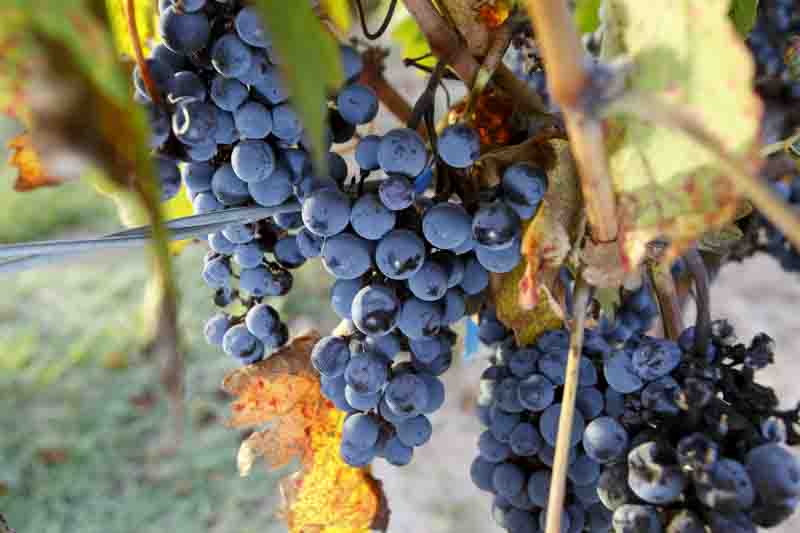


Vitis vinifera ‘Cabernet Sauvignon’, commonly known as the Cabernet Sauvignon grape or simply Cabernet Sauvignon, is one of the most important and widely recognized wine grapes in the world. It is the classic dark-skinned grape behind many of the planet’s most celebrated red wines, from the Left Bank of Bordeaux to Napa Valley, Washington, Chile, Australia, South Africa, and beyond. Cabernet Sauvignon is prized because it combines deep color, small berries, thick skins, firm tannins, reliable varietal character, and impressive aging potential in a single cultivar.
This deciduous grapevine is a serious viticultural cultivar with a long history in premium wine production. For growers, Cabernet Sauvignon offers a rewarding but demanding profile: it is vigorous, late ripening, site-sensitive, and capable of remarkable fruit quality when climate, pruning, canopy management, and harvest timing are all handled well.
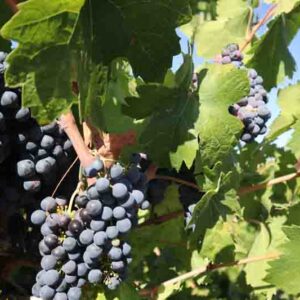
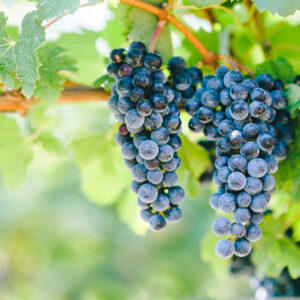
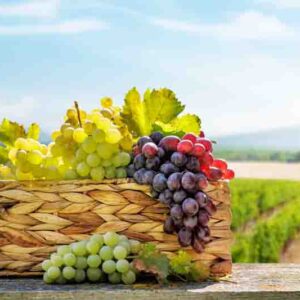
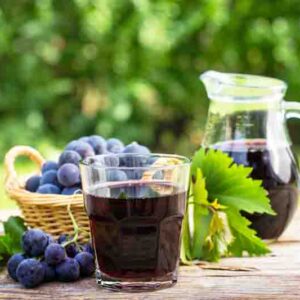
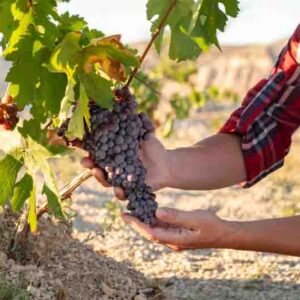
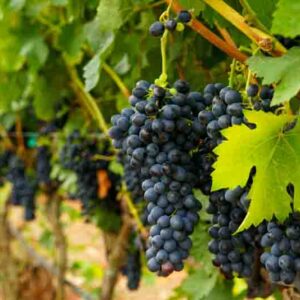
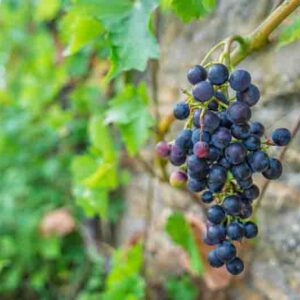
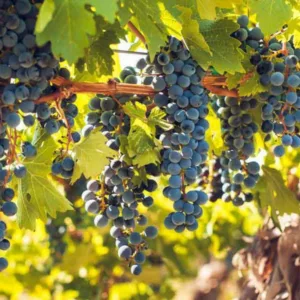
If you want a grape that defines the idea of a classic red wine grape, Cabernet Sauvignon belongs near the top of the list. Its berries are typically small to medium-small, blue-black at maturity, and rich in tannin, anthocyanins, and flavor precursors. That is why Cabernet Sauvignon wines can show signature notes such as blackcurrant, blackberry, dark cherry, cedar, tobacco, graphite, mint, or green pepper, depending on growing conditions and ripeness.
Vitis vinifera ‘Cabernet Sauvignon’ is a late-ripening wine grape known for small, thick-skinned, dark berries, high tannin potential, and exceptional usefulness in premium red wine production. Plant it in full sun with excellent drainage, train it on a sturdy support, and prune it every year to keep the vine balanced and fruitful. Expect compact to medium clusters of blue-black grapes suited primarily to varietal wines and Bordeaux-style blends rather than fresh eating.
Use: Primarily grown for premium red wine, Bordeaux-style blends, and age-worthy varietal wines.
Highlight: Small, dark berries with thick skins, strong tannin structure, deep color, and excellent aging potential.
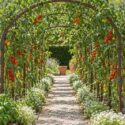
Design note: Cabernet Sauvignon can also function as an ornamental edible vine for vineyard-style trellises, fences, and arbors, though it is grown mainly for fruit quality rather than decorative effect.
| Botanical Name | Vitis vinifera ‘Cabernet Sauvignon’ |
|---|---|
| Family | Vitaceae |
| Common Name | Cabernet Sauvignon Grape |
| Plant Type | Deciduous fruiting vine, wine grape |
| Hardiness (approx. USDA) | Often grown in Zones 7-10, with best wine quality in warm, relatively dry viticultural climates |
| Growth Habit | Vigorous climbing vine requiring structured training |
| Height | 15-20 ft. or more depending on pruning and trellis system |
| Spread | 6-10 ft. or more depending on training system |
| Sun Exposure | Full sun |
| Soil | Well-drained soil; avoid poorly drained or chronically wet sites |
| Ripening Season | Late season; often harvested after Merlot and before very late cultivars in many warm regions |
| Fruit | Small, blue-black berries with thick skins and seeds, usually in small to medium clusters |
| Main Uses | Varietal red wine, Bordeaux-style blends, structured reserve wines |
| Flavor Direction | Blackcurrant, blackberry, dark cherry, cedar, tobacco, graphite, mint, sometimes green pepper when under-ripe |
| Harvest Goal | Balanced sugar, phenolic ripeness, mature tannins, and varietal flavor development |
Cabernet Sauvignon became famous for a reason. It is prized because it can produce serious, structured, cellar-worthy red wines with consistency across many regions. The variety combines small berries, relatively thick skins, good color extraction, and naturally firm tannins, all of which support wines with depth, longevity, and a recognizable identity even after oak aging or blending.
For growers, the beauty of Cabernet Sauvignon is that it is highly expressive of site and ripeness. In warm, favorable locations it can deliver fruit with dark berry richness, ripe tannins, and polished texture. In cooler or less favorable sites it can turn more herbaceous, minty, or bell-pepper-like. That sensitivity is part of why the grape is so respected.
Why growers and winemakers keep choosing it: Cabernet Sauvignon combines small thick-skinned berries, strong tannin structure, late-season flavor development, and world-class winemaking potential.
| Origin | France, historically associated with Bordeaux |
|---|---|
| Parentage | Vitis vinifera ‘Cabernet Franc’ × Vitis vinifera ‘Sauvignon Blanc’ |
| Discovery of Parentage | Confirmed by DNA analysis in the 1990s |
| Fruit color | Blue-black to black |
| Berry size | Small to medium-small |
| Cluster type | Small to medium, usually fairly compact |
| Skin | Relatively thick |
| Seed presence | Seeded |
| Main uses | Varietal wine, reserve red wine, Bordeaux blends |
Cabernet Sauvignon is not an ancient mystery grape, even though it was once surrounded by that kind of romance. Modern DNA work showed that it is the offspring of Cabernet Franc and Sauvignon Blanc, a chance cross that likely occurred in France several centuries ago. That parentage helps explain both its structure and some of its herbal character in cooler conditions.
Its historic fame comes from Bordeaux, where Cabernet Sauvignon became one of the defining red grapes of the Médoc and other major appellations. Over time, it proved versatile enough to travel well, and today it is planted in virtually every major winegrowing nation. That spread is not accidental. Cabernet Sauvignon is respected because it can make compelling wine in many regions while still preserving a recognizable identity.
Classic red wine production: One of the world’s benchmark grapes for structured, age-worthy wines.
Warm-season vineyards: Best where the growing season is long enough to ripen tannins and flavor.
Blending: Outstanding with Merlot, Cabernet Franc, Petit Verdot, Malbec, and other Bordeaux companions.
Cellaring: Excellent for wines designed to improve with time.
Serious growers: Ideal for people focused on vineyard management and harvest precision.
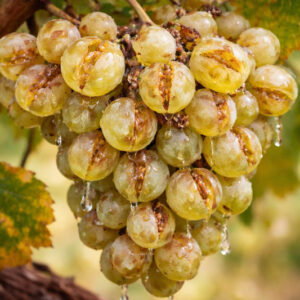
Cabernet Sauvignon is first and foremost a wine grape. It is not a table grape in the usual sense, and it is not grown primarily as a juice grape either. The berries are small, seeded, and relatively thick-skinned, with a high ratio of solids to juice compared with most fresh-eating grapes. That is exactly what makes the cultivar valuable for red winemaking, because skins and seeds contribute tannin, color, structure, and complexity during fermentation.
Could you eat it fresh? Yes, but that is not why people grow it. Cabernet Sauvignon is cultivated because it can produce unmistakably serious red wine. The management strategy for the vine – crop load, canopy control, irrigation balance, and harvest timing – is built around wine chemistry and phenolic maturity, not dessert-grape texture.
Cabernet Sauvignon is self-pollinating, so a single vine can set fruit without a second cultivar nearby. Like other bunch grapes, it fruits on shoots that arise from one-year-old wood. That is why annual dormant pruning is not optional – it is central to how the vine produces next year’s crop.
Fruit set and final crop quality are influenced by weather around bloom, vine vigor, nutrient balance, and seasonal management. Cabernet Sauvignon generally benefits from balanced rather than excessive growth. Overly vigorous vines often produce dense canopies, delayed fruit maturity, and greener flavors, especially in cooler sites.
How Long Grapevines Take to Produce Fruit
Cabernet Sauvignon is a late-ripening grape, and that single fact shapes almost everything about where and how it should be grown. It buds and ripens later than many common cultivars, which can help in some spring-frost situations but can become a challenge in regions with short seasons or wet autumns. In warm viticultural areas, the long season allows the variety to accumulate flavor, color, and tannin maturity. In cool regions, it can struggle to move fully beyond its greener side.
That is why harvest timing matters so much. Growers are not only watching sugar levels; they are also looking for flavor development, seed maturity, skin tannin ripeness, and acceptable weather risk. Cabernet can look ripe before it actually tastes ripe, so repeated sampling is essential.
Why your Grapevine has Leaves but No Grapes
How to Tell When Grapes Are Ready to Harvest
Harvest tip: Do not judge Cabernet Sauvignon by berry color alone. The fruit usually darkens before tannins and flavors are fully mature, so taste repeatedly and watch for the shift from herbaceous notes toward black cherry, blackberry, and blackcurrant character.
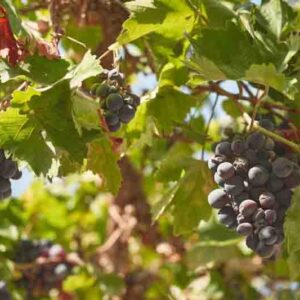
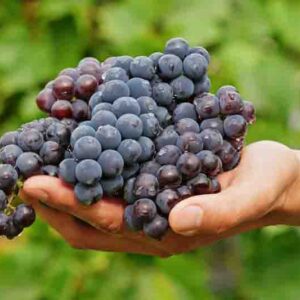
Cabernet Sauvignon typically produces small to medium clusters of small, blue-black berries with relatively thick skins and seeds. For the winemaker, those traits are exactly the point. Small berries mean a comparatively high skin-to-juice ratio, and thick skins support good color and tannin extraction. This is one reason Cabernet Sauvignon wines can be so deeply pigmented and structured when handled well in the winery.
Its fruit and wine profile shifts with climate. In cooler conditions Cabernet Sauvignon may lean toward green pepper, herbs, mint, and fresher red-black fruit. In warmer regions it often becomes more blackcurrant, blackberry, cassis, plum, and cedar driven, sometimes with chocolate or riper dark-fruit notes. The best examples preserve freshness while still reaching phenolic ripeness.
Key fruit traits: small blue-black berries, thick skins, firm tannin potential, deep color, and a flavor range that moves from herbaceous to cassis-rich depending on ripeness and site.
Cabernet Sauvignon is widely planted, but it is not equally at home everywhere. It performs best in warm, sunny regions with good drainage and a season long enough for complete ripening. Compared with earlier-ripening cultivars, it is less forgiving of cool sites, heavy shade, and poorly drained ground. Regions that combine warm afternoons with cooler nights often produce especially attractive fruit because sugar accumulation and flavor development can progress while acidity is retained more effectively.
Warmth alone is not enough, however. Excessive vigor, too much irrigation, overcropping, or poor canopy balance can delay maturity and flatten quality even in otherwise favorable regions. Cabernet Sauvignon rewards thoughtful site selection and balanced management far more than brute-force fertility.
When to Plant Grapes for Healthier Vines
Climate takeaway: Cabernet Sauvignon is most rewarding where the season is long enough to ripen tannins and varietal flavor, not just sugar.
Cabernet Sauvignon is a vigorous climbing vine that can easily reach 15 to 20 feet or more if not controlled. That vigor is useful, but it can also become a liability when it produces too much canopy and too little fruit exposure. Good viticulture with Cabernet is about balance: enough leaf area to ripen the crop, but not so much that the fruit is buried in shade or trapped in humid air.
On trellises, vineyard rows, and pergolas, the vine has a strong architectural presence. Still, this is a cultivar grown primarily for fruit and wine quality rather than ornamental effect.
How to Grow Grapes Successfully at Home
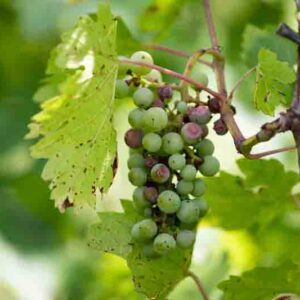
Cabernet Sauvignon is not disease-proof. In humid regions and poorly managed plantings, it can be affected by the same broad set of grape problems that challenge many Vitis vinifera cultivars, including powdery mildew, downy mildew, black rot, botrytis bunch rot, anthracnose, and vine trunk or wound-related issues. Virus concerns such as grapevine red blotch can also significantly affect ripening and wine quality where present.
The most common practical problem in marginal climates is often under-ripeness. Cabernet Sauvignon that never fully matures can produce grapes with stubborn green notes, harsher tannins, and less satisfying dark-fruit expression. Dense canopies worsen this by reducing sunlight penetration and airflow around the fruit zone. In wet late seasons, bunch health and harvest weather become especially important because the cultivar hangs relatively late.
Common Grapevine Problems and How to Fix Them
Watch for: Shaded fruit zones, humid canopies, late-season rain, and green flavors caused by incomplete ripening.
Cabernet Sauvignon needs a sturdy support system, whether that is a backyard trellis, a fence, or a proper vineyard wire setup. In commercial and hobby vineyards, common systems include vertical shoot positioning (VSP), bilateral cordon training, and other structured systems designed to control vigor, expose clusters, and simplify pruning and harvest.
The right training system depends on vine vigor, spacing, climate, and management goals, but the principle stays the same: structure is not cosmetic. Good training keeps fruit accessible, improves airflow, supports balanced light exposure, and makes the annual pruning cycle more predictable.
Annual pruning is one of the non-negotiables with Cabernet Sauvignon. The vine fruits on shoots that arise from one-year-old wood, so dormant pruning determines not just the shape of the vine, but the quality and manageability of the next crop. Spur pruning is common in many Cabernet Sauvignon systems, though actual practice depends on the site and training method.
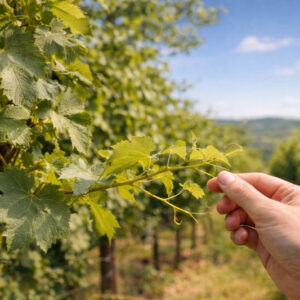
Canopy management during the growing season matters just as much as winter cuts. Shoot thinning, positioning, selective leaf removal, and crop regulation all help the vine channel energy in the right direction. Good canopy work can improve cluster exposure, reduce disease pressure, and shift fruit character away from green, stemmy notes toward darker, riper flavors.
How to Prune Grapevines for Bigger Harvests: Cane Pruning vs Spur Pruning
Cabernet Sauvignon and Merlot are often compared because they share Bordeaux heritage and are frequently blended together, but they play different roles in the vineyard and glass. Cabernet Sauvignon is usually firmer, more tannic, and later ripening. Merlot is typically earlier, softer, and more generous in texture at a younger age. If your goal is structure, blackcurrant character, and longer-term aging, Cabernet Sauvignon usually leads. If your priority is earlier ripening and plushness, Merlot is often easier to love.
| Cultivar | Ripening | Structure | Best Known For |
|---|---|---|---|
| Cabernet Sauvignon | Late | Firm tannins, strong frame | Blackcurrant, cedar, age-worthy reds |
| Merlot | Earlier than Cabernet Sauvignon | Softer, rounder texture | Plush fruit, approachability, blending softness |
| Cabernet Franc | Earlier | Medium structure, aromatic lift | Herbal-fruited complexity and blending freshness |
Cabernet Sauvignon is not the best long-term container grape. A vine can be maintained for a time in a large pot, especially as a learning project, but the cultivar performs far better in the ground where roots can spread and water balance is easier to manage. Container culture also tends to magnify stress, which is not ideal for a late-ripening wine grape that depends on precise seasonal balance.
For meaningful yields and more stable fruit quality, permanent in-ground planting with a proper trellis is the better route.
How to Grow Grapes in Containers (Expert Pot Guide)
Cabernet Sauvignon is ideal for home vineyard growers, serious hobby winemakers, warm-climate gardeners, and growers willing to manage vines closely. It is not the best first choice for someone who simply wants easy fresh fruit from a decorative arbor. It is better suited to people who care about harvest sampling, trellis structure, pruning decisions, and fruit chemistry.
If you want a grape that connects your planting directly to the world of classic red wine, Cabernet Sauvignon belongs near the top of the shortlist. If you want a casual snack grape for a family pergola, choose something else.
Growers exploring classic wine grapes may also consider Merlot, Cabernet Franc, Malbec, Zinfandel, Pinot Noir, and how to grow grapes in the home garden.
What is Cabernet Sauvignon grape?
Cabernet Sauvignon is a dark-skinned wine grape cultivar best known for producing structured red wines with blackcurrant flavor, firm tannins, and excellent aging potential.
Is Cabernet Sauvignon a table grape?
No. Cabernet Sauvignon is grown mainly as a wine grape. Its berries are seeded, small, and thick-skinned, which makes it far better for red wine than for fresh eating.
What does Cabernet Sauvignon taste like?
Cabernet Sauvignon commonly shows blackcurrant, blackberry, dark cherry, cedar, tobacco, and graphite notes. In cooler or less ripe conditions it can show herbal or green pepper character.
When does Cabernet Sauvignon ripen?
Cabernet Sauvignon is a late-ripening grape. It is usually harvested late in the season after earlier red cultivars, with timing depending on climate, site, and ripeness goals.
Is Cabernet Sauvignon self-pollinating?
Yes. Cabernet Sauvignon is self-pollinating, so a single vine can set fruit on its own.
Why is Cabernet Sauvignon grown so widely?
It is grown so widely because it adapts to many wine regions and can produce consistent varietal character, deep color, tannin structure, and high-quality wines.
What is Cabernet Sauvignon used for?
Cabernet Sauvignon is used mainly for varietal red wines, reserve wines, and Bordeaux-style blends with grapes such as Merlot, Cabernet Franc, Malbec, and Petit Verdot.
How big does Cabernet Sauvignon vine get?
A Cabernet Sauvignon vine can reach 15 to 20 feet or more if left unpruned, so it needs a sturdy support and annual pruning.
What problems affect Cabernet Sauvignon?
Common issues include under-ripeness in cool climates, excessive vigor, shaded canopies, fungal diseases such as powdery mildew and black rot, and late-season weather pressure near harvest.
Is Cabernet Sauvignon good for home growers?
Yes, but mostly for committed home vineyard growers and hobby winemakers. It is best in warm sites with good drainage, strong support, and careful annual management.
Bottom line: Vitis vinifera ‘Cabernet Sauvignon’ remains one of the most important wine grapes on earth because it combines structure, depth, identity, and proven global performance in one vine. With its late-ripening blue-black fruit, thick skins, serious tannin potential, and unmistakable black-fruit profile, it is a cultivar that rewards precision and patience. Grow it where the season is long, the sun is generous, and the pruning shears are not neglected, and Cabernet Sauvignon can deliver fruit worthy of truly classic red wine.
Updated: March 2026 • Reviewed by Gardenia Editors
| Hardiness |
7 - 10 |
|---|---|
| Heat Zones |
6 - 9 |
| Climate Zones | 4, 5, 6, 7, 8, 9, 14, 15, 16, 17, 18, 19, 20, 21, 22, 23 |
| Plant Type | Climbers, Fruits, Shrubs |
| Plant Family | Vitaceae |
| Genus | Vitis |
| Common names | Grape |
| Exposure | Full Sun |
| Season of Interest | Summer (Early, Mid, Late), Fall |
| Height | 15' - 20' (4.6m - 6.1m) |
| Spread | 6' - 10' (180cm - 3m) |
| Spacing | 120" (3m) |
| Maintenance | High |
| Water Needs | Average |
| Soil Type | Chalk, Loam, Sand |
| Soil pH | Alkaline, Neutral |
| Soil Drainage | Moist but Well-Drained, Well-Drained |
| Characteristics | Showy, Fruit & Berries |
| Tolerances | Heat, Fire |
| Attracts | Bees, Birds |
| Garden Uses | Arbors, Pergolas, Trellises, Wall-Side Borders, Walls And Fences |
| Garden Styles | City and Courtyard, Informal and Cottage |
| Toxic to Humans | No known toxicity |
| Toxic to Cats | No known toxicity |
| Toxic to Dogs | Toxic |
| Toxic to Horses | No known toxicity |


| Hardiness |
7 - 10 |
|---|---|
| Heat Zones |
6 - 9 |
| Climate Zones | 4, 5, 6, 7, 8, 9, 14, 15, 16, 17, 18, 19, 20, 21, 22, 23 |
| Plant Type | Climbers, Fruits, Shrubs |
| Plant Family | Vitaceae |
| Genus | Vitis |
| Common names | Grape |
| Exposure | Full Sun |
| Season of Interest | Summer (Early, Mid, Late), Fall |
| Height | 15' - 20' (4.6m - 6.1m) |
| Spread | 6' - 10' (180cm - 3m) |
| Spacing | 120" (3m) |
| Maintenance | High |
| Water Needs | Average |
| Soil Type | Chalk, Loam, Sand |
| Soil pH | Alkaline, Neutral |
| Soil Drainage | Moist but Well-Drained, Well-Drained |
| Characteristics | Showy, Fruit & Berries |
| Tolerances | Heat, Fire |
| Attracts | Bees, Birds |
| Garden Uses | Arbors, Pergolas, Trellises, Wall-Side Borders, Walls And Fences |
| Garden Styles | City and Courtyard, Informal and Cottage |
| Toxic to Humans | No known toxicity |
| Toxic to Cats | No known toxicity |
| Toxic to Dogs | Toxic |
| Toxic to Horses | No known toxicity |
How many Vitis vinifera ‘Cabernet Sauvignon’ (Grape) do I need for my garden?
| Plant | Quantity | |
|---|---|---|
| Vitis vinifera ‘Cabernet Sauvignon’ (Grape) | N/A | Buy Plants |
Create a membership account to save your garden designs and to view them on any device.
Becoming a contributing member of Gardenia is easy and can be done in just a few minutes. If you provide us with your name, email address and the payment of a modest $25 annual membership fee, you will become a full member, enabling you to design and save up to 25 of your garden design ideas.
Join now and start creating your dream garden!
Create a membership account to save your garden designs and to view them on any device.
Becoming a contributing member of Gardenia is easy and can be done in just a few minutes. If you provide us with your name, email address and the payment of a modest $25 annual membership fee, you will become a full member, enabling you to design and save up to 25 of your garden design ideas.
Join now and start creating your dream garden!