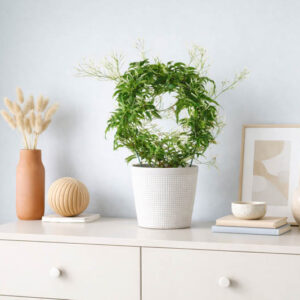
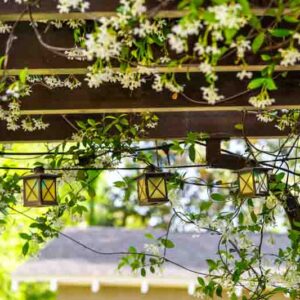
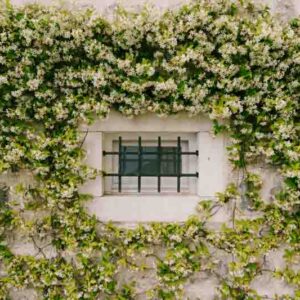
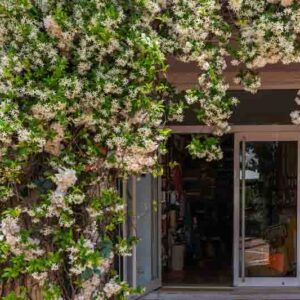
Arabian Jasmine 'Grand Duke of Tuscany', Mohle Flower 'Grand Duke of Tuscany', Zambac 'Grand Duke of Tuscany', Sampa Gita 'Grand Duke of Tuscany'
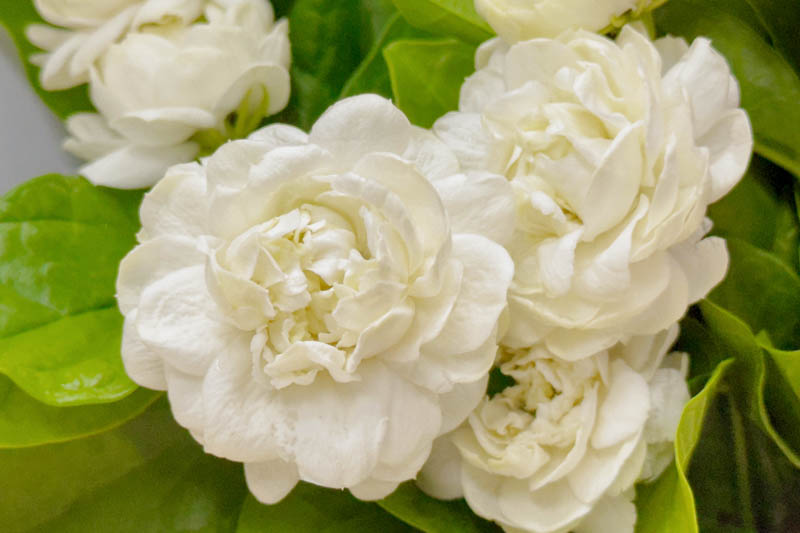
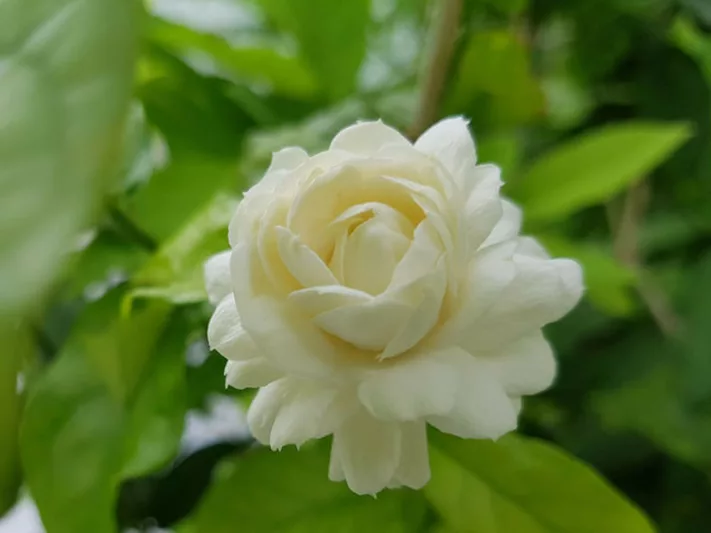
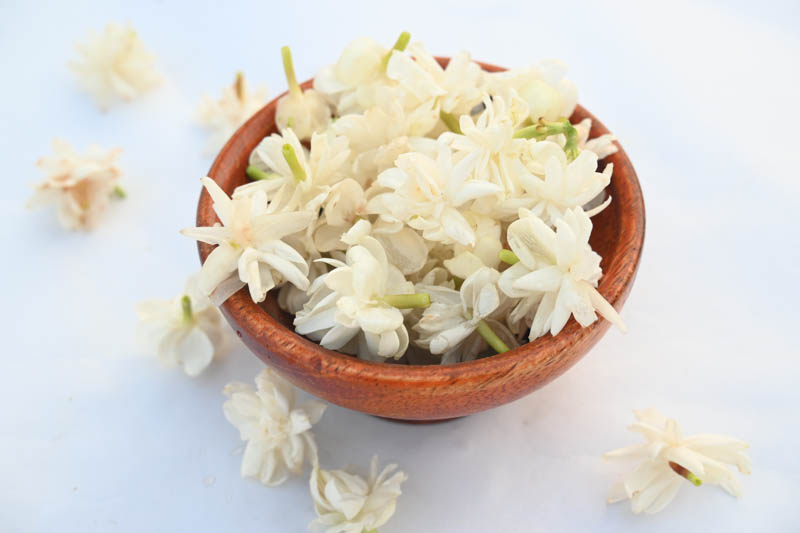


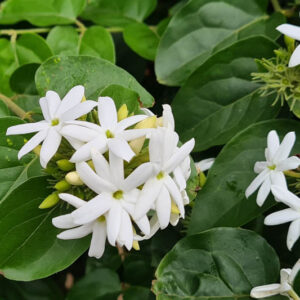
Jasminum sambac ‘Grand Duke of Tuscany’ is one of the most exquisite forms of Arabian Jasmine. Revered for its richly double white flowers and powerful sweet fragrance, this tropical evergreen shrub is a premium choice for containers, patios, porches, conservatories, and warm-climate gardens. Unlike looser, more vigorous sambac forms, ‘Grand Duke of Tuscany’ is slower growing, more compact, and especially prized for its lush, camellia-like blooms. If you want a jasmine that feels refined, collectible, and unmistakably luxurious, this is one of the finest cultivars to grow.
Jasminum sambac ‘Grand Duke of Tuscany’ is a compact tropical evergreen jasmine grown for intensely fragrant, fully double white flowers. Plant it in full sun to part shade in fertile, loose, evenly moist but well-drained soil, water regularly during active growth, reduce watering in winter, and prune lightly after bloom flushes to maintain shape and encourage repeat flowering.
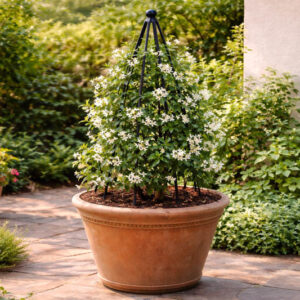
Use: Ideal for containers, patios, courtyards, porches, conservatories, sunny windows, and sheltered fragrant gardens.
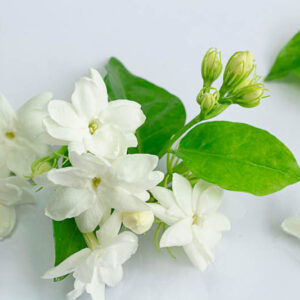
Highlight: Richly double white flowers with exceptional perfume.
Design note: Place it close to entries, seating areas, or paths where both the fragrance and flower detail can be enjoyed.
| Botanical Name | Jasminum sambac ‘Grand Duke of Tuscany’ |
|---|---|
| Family | Olive family (Oleaceae) |
| Common Names | Grand Duke of Tuscany Jasmine, Arabian Jasmine, double sambac jasmine |
| Native Range | Cultivar of a species native to Bhutan and India; widely cultivated across tropical Asia |
| Plant Type | Evergreen shrub, fragrant container plant, tropical jasmine, conservatory plant |
| Hardiness (approx. USDA) | Best in USDA Zones 9-11, with winter protection or indoor culture in cooler climates |
| Height | 3-8 ft. (0.9-2.4 m) |
| Spread | 2-5 ft. (0.6-1.5 m) |
| Sun Exposure | Full sun to part shade |
| Soil | Loose, fertile, humus-rich, evenly moist but well-drained soil |
| Bloom Time | Summer and repeat flushes in warm climates, sometimes nearly year-round in frost-free areas |
| Flower Color | White |
| Fragrance | Yes – rich, sweet, and powerful |
| Foliage | Deep green evergreen leaves |
| Edible Flowers | Traditionally used in floral preparations and tea scenting only when unsprayed and culinary-safe |
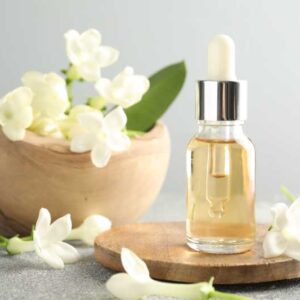
Jasminum sambac ‘Grand Duke of Tuscany’ is a cultivar of Arabian Jasmine selected for especially ornate flowers and a more compact habit. It is a true jasmine, not a lookalike plant casually called jasmine. That matters because true jasmines are prized for authentic jasmine fragrance, evergreen beauty, and a long flowering season in warmth.
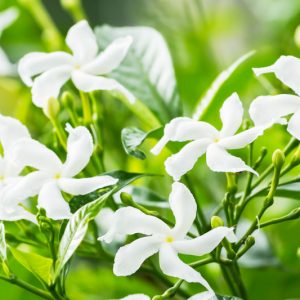
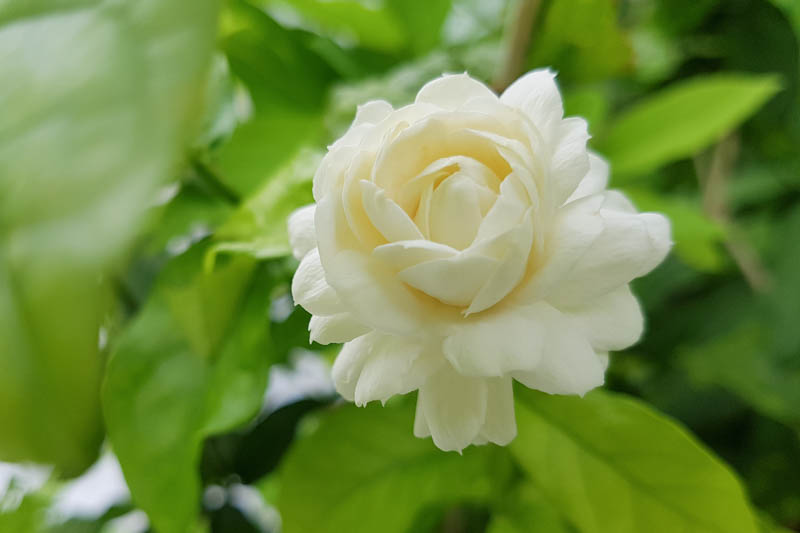
This cultivar produces fully double white blooms about 1.6 inch across (4 cm), with many layered petals that give each flower a rounded, rosette-like look. The blossoms are intensely fragrant and especially appealing near entries, patios, and seating areas where their perfume can be enjoyed daily. Deep green leaves and a neat, bushy framework make the plant attractive even between flushes of bloom.
Not all Jasminum sambac plants look the same. Some cultivars are looser, faster growing, and more freely flowering, with single blossoms. ‘Grand Duke of Tuscany’ is different. It is slower, denser, and more ornamental, with flowers that are more elaborate and showy. It is less about mass coverage and more about beauty, fragrance, and finish.
This Arabian Jasmine usually blooms through summer and often continues in flushes beyond that in warm, humid climates. In frost-free tropical conditions, flowering may be almost continuous. Indoors or in cooler climates, flowering is more dependent on strong light, warmth, regular feeding, and healthy roots.
‘Grand Duke of Tuscany’ is valued partly because it stays relatively compact. It typically grows 3 to 8 feet tall (0.9 to 2.4 m) and 2 to 5 feet wide (0.6 to 1.5 m), making it ideal for decorative containers, small terraces, balconies, and intimate garden spaces. It is naturally bushy rather than aggressively vining, though it can be lightly guided if needed.
This cultivar is best suited to USDA Zones 9-11. It is a tender tropical jasmine and should be protected from frost. In colder climates, it is best grown in a pot and moved indoors before temperatures drop.
Indoor tip:
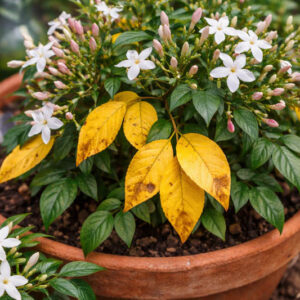
Grand Duke of Tuscany performs best indoors in bright rooms with moderate warmth, ideally around 60-75°F (16-24°C). Cold drafts and chilly nights can lead to yellow leaves, stalled growth, and bud drop.
Takeaway:
Grand Duke of Tuscany is a compact, highly fragrant Arabian Jasmine with richly double white flowers and exceptional ornamental value.
It is not usually considered a top deer favorite, but deer resistance is never absolute.
Once established, the plant can tolerate short dry spells, but it performs far better with consistent moisture during the growing season. Prolonged dryness reduces flowering quality and can cause bud drop, especially in containers.
Grand Duke of Tuscany tolerates brief dryness better than waterlogged soil, but even moisture and fast drainage produce the best flowers and healthiest growth.
True jasmines in the genus Jasminum are generally listed as non-toxic to dogs, cats, and horses. Even so, only unsprayed flowers should ever be considered for culinary use.
Arabian Jasmine is vigorous in warm climates and should not be described as universally non-invasive. Its behavior is region-specific. In Florida, the current UF/IFAS assessment says it is not considered a problem species at this time in the status assessment, while also rating it Moderate Risk / Evaluate in the predictive tool. In Hawaii and some Pacific risk resources, Jasminum sambac is treated cautiously because it has been flagged in invasive-species assessments. Its behavior is region-specific, so check current local guidance before planting it widely near natural areas or sensitive habitats.
Arabian Jasmine is not universally invasive, but it has been flagged in some warm-region risk resources. Florida currently does not consider it a problem species at this time, while local behavior elsewhere should be checked before
planting near natural areas.
Feed monthly during spring and summer with a balanced fertilizer or one formulated to support flowering. Avoid excessive nitrogen, which encourages leaves at the expense of buds.
A light mulch layer outdoors helps conserve moisture and stabilize soil temperature. Keep mulch away from the base of the stems.
Design tip:
This is not a background filler plant. Grand Duke of Tuscany belongs where people can enjoy it up close – on a patio, near a doorway, or in a statement pot by a seating area.
Prune lightly after a flowering flush to keep the plant compact and to encourage branching. Remove weak, straggly, or crowded growth and shorten long shoots as needed. Heavy pruning is rarely necessary.
Pruning tip:
The best way to prune Grand Duke of Tuscany is lightly and regularly after bloom flushes, keeping the plant dense, balanced, and ready to flower again.
In frost-free climates, winter care is simple: avoid waterlogging and protect the plant from unusual cold snaps. In cooler regions, move container plants indoors before frost, place them in the brightest possible position, and water less frequently than in summer.
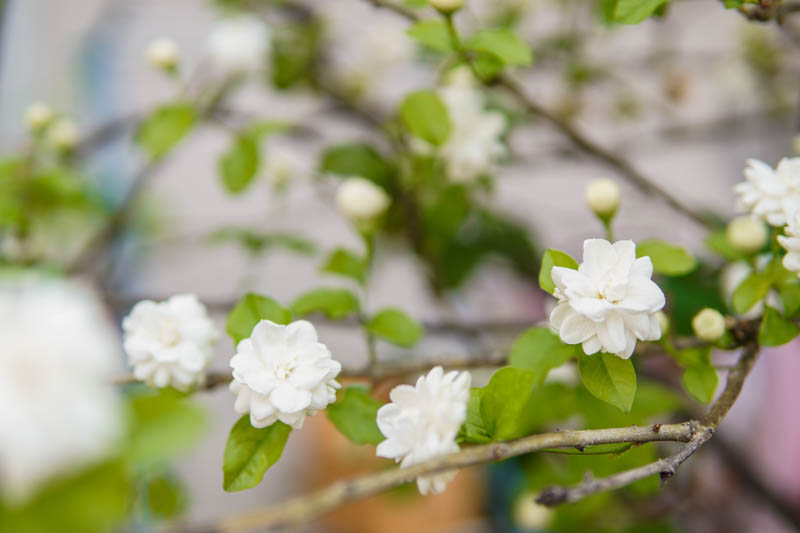
This cultivar is especially well-suited to container growing. Its compact habit, premium flowers, and tenderness to frost make pot culture the smartest option for many gardeners.
| Task | Best Time |
|---|---|
| Planting | Spring or early summer |
| Feeding | Spring through summer |
| Pruning | After flowering flushes |
| Propagation | Summer |
| Repotting | Spring |
| Main display | Summer, with repeat bloom in warm conditions |
Grand Duke of Tuscany is best propagated vegetatively so the new plant remains true to the parent.
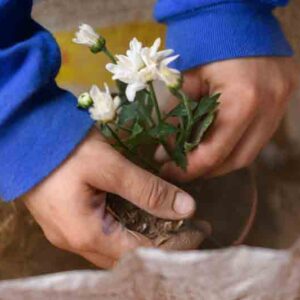
Take partially mature stems in summer, remove the lower leaves, and root them in a free-draining propagation mix kept lightly moist in bright indirect light.
Flexible stems can be pinned into moist soil while still attached to the mother plant. Once rooted, they can be separated and potted up.
Among the most popular cultivars of Jasminum sambac, ‘Maid of Orleans’ is known for its frequent flowering and single white blooms, making it one of the easiest and most floriferous forms for pots and bright indoor spaces. ‘Grand Duke of Tuscany‘ is more ornate, slower growing, and especially prized for its richly double, rosette-like flowers and strong fragrance.
Legginess usually means the plant is not getting enough light or has gone too long without shaping.
Compared with Common Jasmine, Grand Duke of Tuscany is more tropical, more compact, and more elaborate in flower. Compared with Pink Jasmine, it is less seasonal in peak effect and more sculptural in bloom. Compared with Star Jasmine, it is a true jasmine with softer growth and a distinctly different fragrance profile.
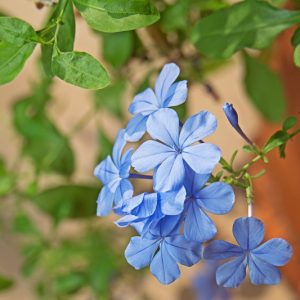
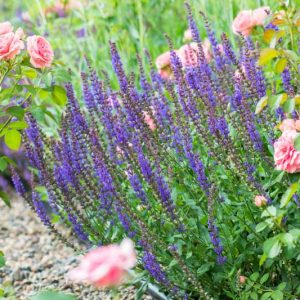
Choose companions that enjoy similar warmth, good drainage, and bright conditions. Excellent partners include gardenias, dwarf citrus, lavender, rosemary, salvia, plumbago, pentas, heliotrope, angelonia, pelargoniums, mandevilla, and evergreen structure plants such as pittosporum or clipped box in frost-free gardens.
Jasminum sambac ‘Grand Duke of Tuscany’ is a compact cultivar of Arabian Jasmine grown for its intensely fragrant, fully double white flowers and evergreen foliage. It is especially valued as a premium container plant for patios, porches, conservatories, and warm sheltered gardens.
Yes. Grand Duke of Tuscany belongs to the genus Jasminum, so it is a true jasmine.
Yes. Grand Duke of Tuscany is highly fragrant and prized for its rich, sweet, powerful jasmine perfume.
Grand Duke of Tuscany usually blooms in summer and may continue in repeat flushes in warm climates. In frost-free tropical conditions, it can flower for much of the year.
Grand Duke of Tuscany typically grows about 3 to 8 feet tall and 2 to 5 feet wide, making it much more compact than many other Arabian Jasmine forms.
Grand Duke of Tuscany is usually grown as a compact evergreen shrub. It can be lightly trained, but it is valued more for its bushy habit and ornate flowers than for climbing.
Grand Duke of Tuscany grows best in full sun to part shade. Bright light promotes stronger growth, better flowering, and a denser shape.
It tolerates light shade, but too much shade reduces flowering and often causes weaker, leggier growth.
The best place to plant Grand Duke of Tuscany jasmine is in a warm, bright, sheltered location near a patio, doorway, path, or seating area where its fragrance and double flowers can be enjoyed up close.
Yes. Grand Duke of Tuscany grows exceptionally well in a container with excellent drainage, which makes it ideal for patios and for overwintering indoors in cold climates.
Yes. Grand Duke of Tuscany is an evergreen tropical shrub in warm climates and in protected indoor conditions.
Prune Grand Duke of Tuscany lightly after flowering flushes by shortening long shoots, thinning crowded growth, and shaping the plant to maintain a compact, bushy form and encourage repeat bloom.
The most common causes are too little light, excessive nitrogen fertilizer, cold stress, poor drainage, or an oversized pot that encourages root growth instead of blooming.
Water Grand Duke of Tuscany regularly while it establishes and during active growth, then reduce watering in winter. Container plants usually need closer attention than plants grown in the ground.
Yes. Grand Duke of Tuscany is one of the best Arabian Jasmine cultivars for patios, balconies, decks, and containers because it is compact, elegant, and intensely fragrant.
Yes, as long as it receives very bright light, warmth, good airflow, and careful watering. It is an excellent conservatory or bright-window jasmine in cooler climates.
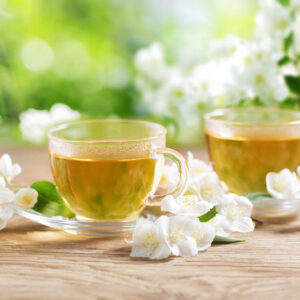
The flowers are traditionally associated with tea scenting and floral preparations, but only unsprayed, culinary-safe flowers should be used.
Updated: March 2026 – Reviewed by Gardenia Editors
| Hardiness |
9 - 11 |
|---|---|
| Heat Zones |
9 - 11 |
| Climate Zones | 13, 14, 15, 16, 17, 18, 19, 20, 21, 23, 24, H1, H2 |
| Plant Type | Climbers, Shrubs |
| Plant Family | Oleaceae |
| Genus | Jasminum |
| Common names | Arabian Jasmine, Jasmine |
| Exposure | Full Sun, Partial Sun |
| Season of Interest | Summer (Early, Mid, Late) |
| Height | 3' - 8' (90cm - 240cm) |
| Spread | 2' - 5' (60cm - 150cm) |
| Spacing | 24" - 60" (60cm - 150cm) |
| Maintenance | Low |
| Water Needs | Average |
| Soil Type | Loam |
| Soil pH | Neutral |
| Soil Drainage | Moist but Well-Drained |
| Characteristics | Fragrant, Showy, Evergreen |
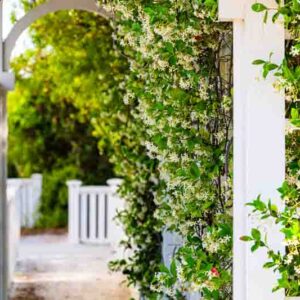
| Garden Uses | Arbors, Pergolas, Trellises, Hedges And Screens, Patio And Containers |


| Hardiness |
9 - 11 |
|---|---|
| Heat Zones |
9 - 11 |
| Climate Zones | 13, 14, 15, 16, 17, 18, 19, 20, 21, 23, 24, H1, H2 |
| Plant Type | Climbers, Shrubs |
| Plant Family | Oleaceae |
| Genus | Jasminum |
| Common names | Arabian Jasmine, Jasmine |
| Exposure | Full Sun, Partial Sun |
| Season of Interest | Summer (Early, Mid, Late) |
| Height | 3' - 8' (90cm - 240cm) |
| Spread | 2' - 5' (60cm - 150cm) |
| Spacing | 24" - 60" (60cm - 150cm) |
| Maintenance | Low |
| Water Needs | Average |
| Soil Type | Loam |
| Soil pH | Neutral |
| Soil Drainage | Moist but Well-Drained |
| Characteristics | Fragrant, Showy, Evergreen |
| Garden Uses | Arbors, Pergolas, Trellises, Hedges And Screens, Patio And Containers |
How many Jasminum sambac ‘Grand Duke of Tuscany’ (Arabian Jasmine) do I need for my garden?
| Plant | Quantity | |
|---|---|---|
| Jasminum sambac ‘Grand Duke of Tuscany’ (Arabian Jasmine) | N/A | Buy Plants |
Create a membership account to save your garden designs and to view them on any device.
Becoming a contributing member of Gardenia is easy and can be done in just a few minutes. If you provide us with your name, email address and the payment of a modest $25 annual membership fee, you will become a full member, enabling you to design and save up to 25 of your garden design ideas.
Join now and start creating your dream garden!
Create a membership account to save your garden designs and to view them on any device.
Becoming a contributing member of Gardenia is easy and can be done in just a few minutes. If you provide us with your name, email address and the payment of a modest $25 annual membership fee, you will become a full member, enabling you to design and save up to 25 of your garden design ideas.
Join now and start creating your dream garden!