Poet’s Jasmine, Golden Poet’s Jasmine, Gold-leaved Jasmine, Gold Leaf Jasmine, Jasminum officinale ‘Fiona Sunrise’, Jasmine ‘Frojas’

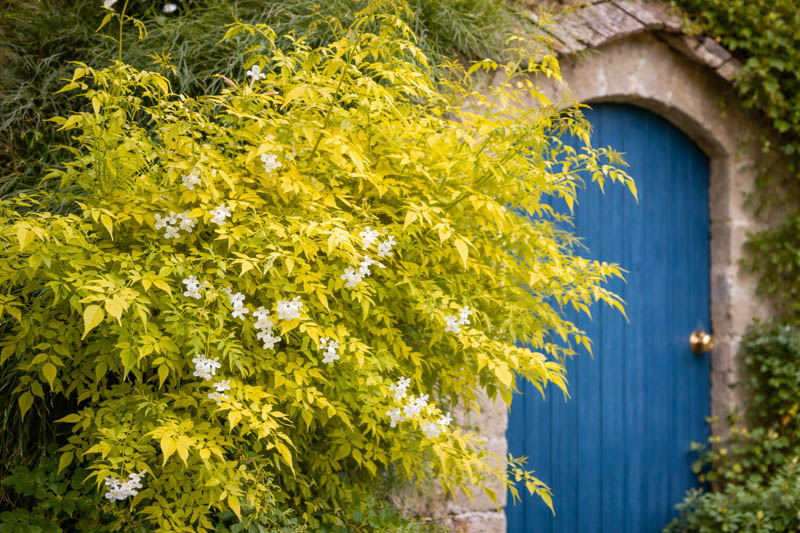


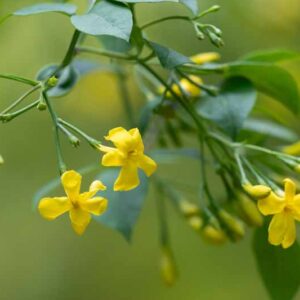
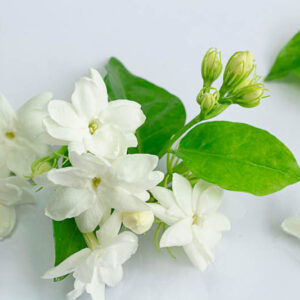
Jasminum officinale ‘Fiona Sunrise’, commonly known as Fiona Sunrise Jasmine or Golden Common Jasmine, is a vigorous twining climber grown for its highly fragrant white flowers and its exceptionally bright golden-yellow foliage. This standout jasmine brings together the romance of classic Common Jasmine and the color impact of a foliage plant, making it a premium choice for trellises, pergolas, arches, walls, and large containers.
Jasminum officinale ‘Fiona Sunrise’ is a fast-growing deciduous to semi-evergreen climbing vine prized for luminous golden foliage and intensely fragrant white flowers from summer into early fall. Plant it in full sun to part shade in fertile, well-drained soil, provide sturdy support, water regularly while establishing, then deeply as needed. Prune after flowering or in early spring to shape and renew strong flowering growth.
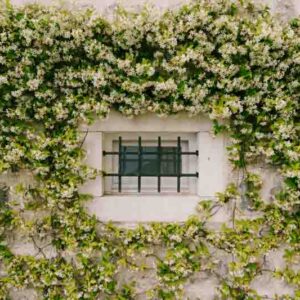
Use: Excellent for trellises, pergolas, arches, fences, warm walls, pillars, and large containers.
Highlight: Combines golden foliage with sweetly fragrant white flowers from summer into early fall.
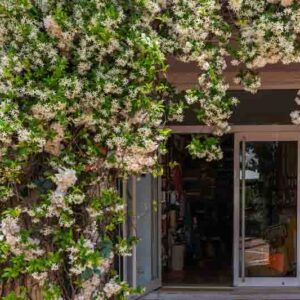
Design note: Plant it where both foliage color and fragrance can be appreciated – near patios, entrances, seating areas, and paths.
| Botanical Name | Jasminum officinale ‘Frojas’ |
|---|---|
| Family | Olive family (Oleaceae) |
| Common Names | Fiona Sunrise Jasmine, Golden Common Jasmine, Golden Poet’s Jasmine |
| Native Range | Garden cultivar of Jasminum officinale, derived from a species native from Turkey and Iran through northern India to China |
| Plant Type | Deciduous to semi-evergreen woody vine or climbing shrub |
| Hardiness (approx. USDA) | Best in USDA Zones 7-10 |
| Height | 10-20 ft. (3-6 m), depending on climate, age, and support |
| Spread | 5-15 ft. (1.5-4.5 m) |
| Sun Exposure | Full sun to part shade |
| Soil | Moderately fertile, medium moisture, well-drained soil |
| Bloom Time | Summer into early fall |
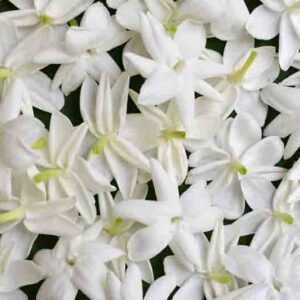
| Flower Color | White, often opening from pink-tinged buds |
| Foliage | Golden-yellow compound leaves with 7-9 leaflets |
| Deer Resistant | Generally deer resistant |
| Attracts | Pollinators, especially bees and other beneficial insects |
| Edible Flowers | Flowers are generally treated similarly to those of Common Jasmine, but only blooms from unsprayed plants grown specifically for culinary use should be considered |
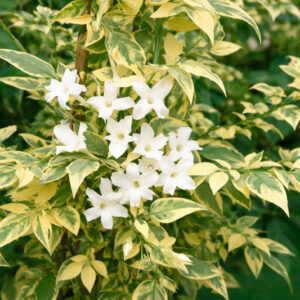
Fiona Sunrise Jasmine is one of those plants that makes gardeners stop mid-path and ask, “What is that?” It has the sweet perfume and elegant bloom of true jasmine, but what really sets it apart is the foliage. The leaves emerge and mature in glowing shades of yellow to golden-chartreuse, creating a brilliant contrast with the plant’s white summer flowers. It is both a fragrance plant and a foliage plant, which is a rare combination in climbers.
Good to know: Jasminum officinale ‘Fiona Sunrise’ is a true jasmine. It belongs to the genus Jasminum, unlike Trachelospermum, which includes Star Jasmine and other jasmine-like plants.
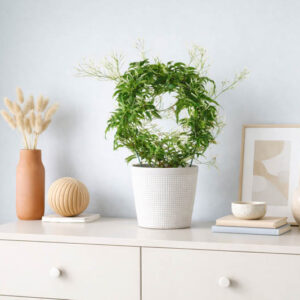
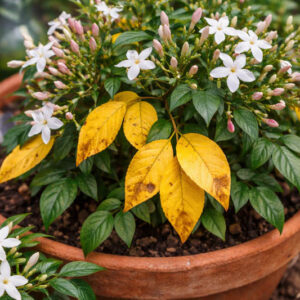
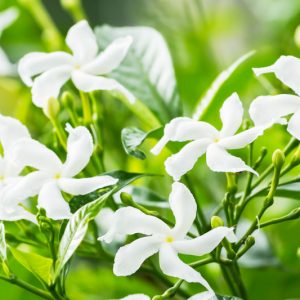
‘Fiona Sunrise’ is a large, twining deciduous climber with flexible woody stems and compound leaves composed of 7-9 leaflets. The foliage is strongly flushed golden-yellow, especially where the plant receives good light. Clusters of intensely fragrant white flowers appear in summer and can continue into early autumn. The effect is refined but dramatic: airy growth, bright foliage, and classic jasmine perfume.
This is a cultivated selection of Jasminum officinale, a species native from western and central Asia into the Himalayas and China. In the garden, ‘Fiona Sunrise’ performs best where summers are warm, the roots have access to fertile, well-drained soil, and the stems can climb into sun or light shade.
Unlike some jasmines that peak quickly and fade, ‘Fiona Sunrise’ has a rewarding extended flowering window. Expect bloom from summer into early fall, with the heaviest display on well-established plants growing in ample light. The flowers are typically borne in terminal clusters, and the fragrance is strongest in warm air and evening conditions.
This is where the cultivar earns its reputation. The foliage is not simply pale green. It is distinctly yellow-gold, often brightest on new growth and in sunnier exposures. That means ‘Fiona Sunrise’ works as an ornamental climber even before flowering begins. In design terms, it can brighten dark fences, lift shaded boundaries, and provide season-long color where many climbers are visually ordinary.
Given time and support, this is a substantial climber. In favorable conditions it may reach 10-20 ft. (3-6 m), although many garden specimens remain smaller with regular pruning. Spread is typically 5-15 ft. (1.5-4.5 m), depending on training. This is not a tiny decorative vine. It is a serious vertical plant with real covering power.
Jasminum officinale ‘Fiona Sunrise’ is generally best in USDA Zones 7-10. In colder parts of its range, a warm wall, sheltered microclimate, and winter mulch improve performance. In cold-winter regions, it can also be grown in a large container and protected when temperatures plunge.
Fiona Sunrise has received the Royal Horticultural Society’s Award of Garden Merit, confirming its reliability, beauty, and garden performance.
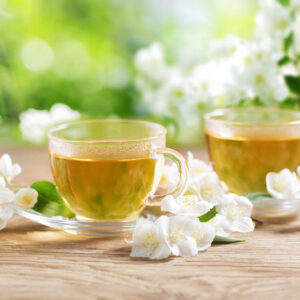
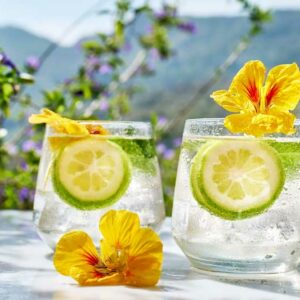
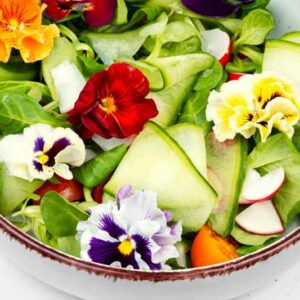
Because it is a selection of Common Jasmine, its flowers are generally treated similarly to those of other edible blooms when the plant has been grown without synthetic pesticide sprays. The blossoms may be used to scent teas, syrups, sugar, desserts, and floral garnishes, but only flowers from clean, unsprayed plants grown specifically for culinary use should be considered.
Takeaway:
Fiona Sunrise Jasmine is more than a fragrant climber – it is a high-impact ornamental selection of Common Jasmine with golden foliage and flowers that may be used cautiously for culinary purposes when grown clean and unsprayed.
Fiona Sunrise Jasmine contributes nectar, structure, and seasonal cover. Its fragrant flowers attract bees, other beneficial insects, and pollinators drawn to long-blooming climbers. In layered planting, it adds habitat complexity without the visual heaviness of some evergreen wall plants.
Fiona Sunrise Jasmine is generally considered deer-resistant, much like Common Jasmine, though no deer-resistant plant is completely deer-proof under heavy browsing pressure.
As always, local deer behavior, seasonal food shortages, and young tender growth can affect results.
Once established, this jasmine is moderately drought-tolerant, but not at its best in prolonged dry soil. Drought stress usually shows first as reduced flowering, duller foliage color, and leaf drop rather than immediate plant failure. Deep watering and mulching are especially important for plants grown against walls and in containers.
Fiona Sunrise Jasmine tolerates short dry spells once established, but it performs far better with consistent moisture. Golden foliage and fragrant bloom both suffer when the root zone stays dry too long.
Jasminum officinale, like other true jasmines in the genus Jasminum, is generally regarded as non-toxic to dogs, cats, and horses. That said, any plant material can still cause mild stomach upset if chewed in quantity.
Fiona Sunrise Jasmine is not generally considered invasive, but it is vigorous. In a warm, fertile site with adequate support, it can produce long shoots and quickly exceed its allotted space. That is usually a management issue, not an invasive behavior. Tie in stems early, thin old growth, and prune after flowering to keep it elegant rather than unruly.
Fiona Sunrise Jasmine is a vigorous but manageable climber. It is not usually classed as invasive, yet it absolutely benefits from regular training and pruning.
Feed in spring with compost or a balanced slow-release fertilizer. Avoid overfeeding with high-nitrogen products. Too much nitrogen pushes soft leafy growth and weakens the balance between golden foliage, flower production, and manageable structure.
Apply a 2-3 in. layer of mulch around the root zone to conserve moisture, suppress weeds, and moderate temperature. Keep mulch clear of the crown.
Container tip:
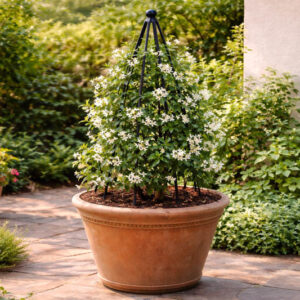
Grow Fiona Sunrise Jasmine in a large pot with excellent drainage, fertile free-draining mix, and a strong support. Container plants need more regular watering, steadier feeding, and better winter protection than in-ground plants.
Train stems early while they are flexible. Tie them loosely and spread the framework wide rather than letting it knot into a single mass. This matters even more with ‘Fiona Sunrise’ because the bright foliage deserves to be displayed, not hidden in a tangled thicket.
Pruning should be confident, not timid. Remove weak, tangled, and overcrowded stems after the main flowering period. In early spring, older plants can be renovated more firmly if needed. Good pruning improves airflow, keeps the color effect crisp, and encourages strong new flowering shoots.
Pruning tip:
Fiona Sunrise Jasmine responds well to pruning. Thin after flowering for control, and use early spring renewal pruning when the climber has become woody, tangled, or oversized.
In mild areas the plant may hold part of its foliage. In colder gardens it becomes fully deciduous. Young plants benefit from mulch and shelter from freezing winds, while container specimens should be protected before severe frost arrives.
Yes, Fiona Sunrise Jasmine can be grown very successfully in containers, provided the pot is large enough and the support is sturdy enough.
In cool climates, container growing is often the smartest way to enjoy Fiona Sunrise Jasmine while protecting it in winter.
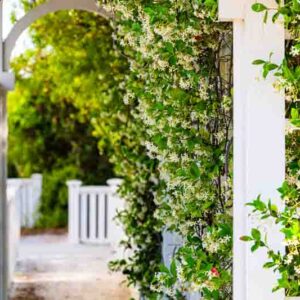
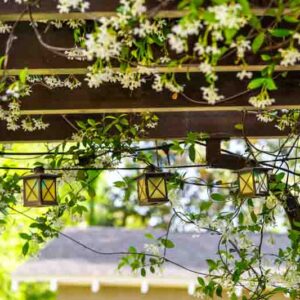
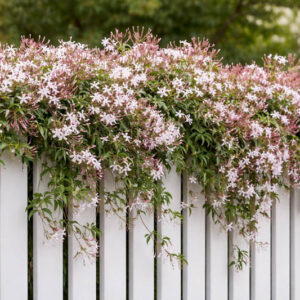
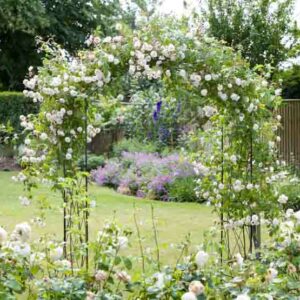
Fiona Sunrise Jasmine is exceptional on a trellis or pergola because it offers both color and fragrance overhead and at eye level.
Used this way, it becomes more than a climber. It becomes a luminous architectural plant.
Performance improves dramatically when care tasks are timed well.
| Task | Best Time |
|---|---|
| Planting | Plant in spring or fall when temperatures are moderate. |
| Feeding | Feed in spring, with light repeat feeding in summer for containers if needed. |
| Pruning | Prune after flowering for shape, or in early spring for renewal. |
| Propagation | Use layering or semi-hardwood cuttings in the appropriate season. |
| Mulching | Refresh mulch in spring before summer heat builds. |
| Winter protection | Protect young and container-grown plants in late fall to winter. |
The most practical ways to propagate Fiona Sunrise Jasmine are layering and semi-hardwood cuttings.
Layering is dependable because the stem stays attached to the parent plant while roots form. Pin a flexible stem to the soil, cover a section lightly, and keep it evenly moist until rooted.
Semi-hardwood cuttings taken from partially mature stems root well in a free-draining propagation mix with steady moisture and bright indirect light. Because named cultivars are propagated vegetatively, this method preserves the golden foliage trait.
When Fiona Sunrise Jasmine underperforms, the cause is usually straightforward and cultural.
Fast diagnostic:
Poor flowering usually means shade, too much fertilizer, or poor pruning. Dull foliage color usually means insufficient light. Yellowing and leaf drop usually point to watering or drainage stress.
Fiona Sunrise Jasmine is often relatively pest and disease free when grown in appropriate conditions, though stressed plants are more vulnerable.
Jasminum officinale ‘Fiona Sunrise’ has the same true-jasmine character as standard Common Jasmine, but with a dramatically brighter foliage effect. Compared with Star Jasmine, it is lighter in habit and more colorful in leaf. Compared with Pink Jasmine, it is generally hardier outdoors and less dependent on mild winter conditions. Compared with plain green Common Jasmine, it brings much stronger foliage value even when not in flower.
Fiona Sunrise Jasmine belongs in gardens where fragrance and color are planned together.
Choose companions that enjoy similar light and drainage and that either contrast beautifully with the golden foliage or support the fragrance-led character of the planting.
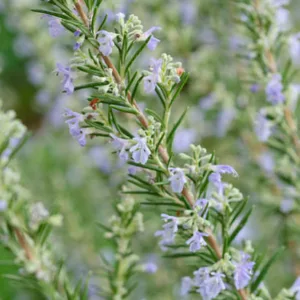
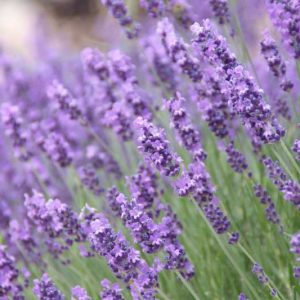
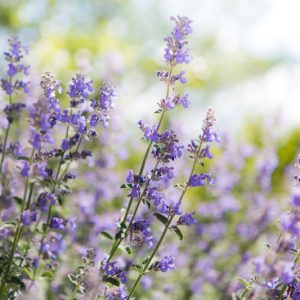
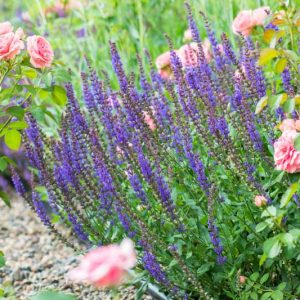
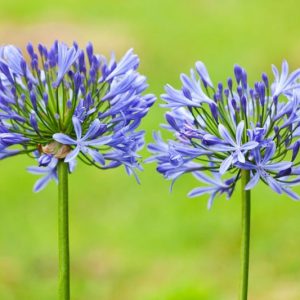
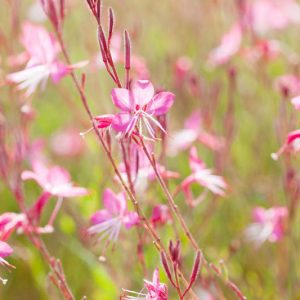
Excellent companions include: lavender, rosemary, salvia, nepeta, agapanthus, gaura, penstemon, catmint, heuchera with dark foliage, purple-leaved hebe, boxwood, teucrium, santolina, white roses, and clumping ornamental grasses. Deep green, silver, blue, and burgundy companions all make Fiona Sunrise Jasmine look even brighter.
Jasminum officinale ‘Fiona Sunrise’ is a golden-leaved selection of Common Jasmine grown for fragrant white flowers, vigorous climbing growth, and bright yellow foliage.
Yes. It belongs to the genus Jasminum, so it is a true jasmine.
It typically blooms in summer and often continues into early fall.
With support, it can reach roughly 10 to 20 feet tall and 5 to 15 feet wide, depending on age, climate, and pruning.
Yes. It is prized for the sweet, classic fragrance typical of Common Jasmine.
It is usually deciduous to semi-evergreen, depending on climate.
Plant it in full sun to part shade, in fertile well-drained soil, with shelter and sturdy support.
It performs best in full sun to part shade. More light usually improves flowering and foliage color.
It is moderately drought tolerant once established, but blooms and foliage look best with consistent moisture.
Yes. It grows well in a large pot with excellent drainage and a strong support.
As a selection of Common Jasmine, its flowers are generally treated similarly, but only blooms from unsprayed plants grown specifically for culinary use should be considered.
Prune after flowering to shape and thin growth, or in early spring for stronger renewal pruning.
The most common causes are shade, excess nitrogen, poor pruning timing, or environmental stress.
Too much shade is the most common reason. Overfeeding and weak growth can also reduce color intensity.
It is not generally considered invasive, but it is vigorous and benefits from regular training and pruning.
Updated: March 2026 • Reviewed by Gardenia Editors
| Hardiness |
7 - 10 |
|---|---|
| Heat Zones |
8 - 12 |
| Climate Zones | 5, 6, 7, 8, 9, 12, 13, 14, 15, 16, 17, 18, 19, 20, 21, 22, 23, 24 |
| Plant Type | Climbers |
| Plant Family | Oleaceae |
| Genus | Jasminum |
| Common names | Common Jasmine, Jasmine |
| Exposure | Full Sun, Partial Sun |
| Season of Interest | Summer (Early, Mid, Late), Fall |
| Height | 15' - 20' (4.6m - 6.1m) |
| Spread | 5' - 15' (150cm - 4.6m) |
| Spacing | 180" (4.6m) |
| Maintenance | Low |
| Water Needs | Average |
| Soil Type | Chalk, Clay, Loam, Sand |
| Soil pH | Acid, Alkaline, Neutral |
| Soil Drainage | Moist but Well-Drained, Well-Drained |
| Characteristics | Fragrant, Showy, Plant of Merit, Semi-Evergreen |
| Tolerances | Deer, Clay Soil, Drought |
| Attracts | Bees, Butterflies, Hummingbirds |
| Garden Uses | Arbors, Pergolas, Trellises, Hedges And Screens, Patio And Containers, Wall-Side Borders, Walls And Fences |
| Garden Styles | Butterfly Garden, City and Courtyard, Coastal Garden, Informal and Cottage, Pollinator Garden |
| Toxic to Humans | No known toxicity |
| Toxic to Cats | Not toxic |
| Toxic to Dogs | Not toxic |
| Toxic to Horses | Not toxic |


| Hardiness |
7 - 10 |
|---|---|
| Heat Zones |
8 - 12 |
| Climate Zones | 5, 6, 7, 8, 9, 12, 13, 14, 15, 16, 17, 18, 19, 20, 21, 22, 23, 24 |
| Plant Type | Climbers |
| Plant Family | Oleaceae |
| Genus | Jasminum |
| Common names | Common Jasmine, Jasmine |
| Exposure | Full Sun, Partial Sun |
| Season of Interest | Summer (Early, Mid, Late), Fall |
| Height | 15' - 20' (4.6m - 6.1m) |
| Spread | 5' - 15' (150cm - 4.6m) |
| Spacing | 180" (4.6m) |
| Maintenance | Low |
| Water Needs | Average |
| Soil Type | Chalk, Clay, Loam, Sand |
| Soil pH | Acid, Alkaline, Neutral |
| Soil Drainage | Moist but Well-Drained, Well-Drained |
| Characteristics | Fragrant, Showy, Plant of Merit, Semi-Evergreen |
| Tolerances | Deer, Clay Soil, Drought |
| Attracts | Bees, Butterflies, Hummingbirds |
| Garden Uses | Arbors, Pergolas, Trellises, Hedges And Screens, Patio And Containers, Wall-Side Borders, Walls And Fences |
| Garden Styles | Butterfly Garden, City and Courtyard, Coastal Garden, Informal and Cottage, Pollinator Garden |
| Toxic to Humans | No known toxicity |
| Toxic to Cats | Not toxic |
| Toxic to Dogs | Not toxic |
| Toxic to Horses | Not toxic |
How many Jasminum officinale Fiona Sunrise (Golden Jasmine) do I need for my garden?
| Plant | Quantity | |
|---|---|---|
| Jasminum officinale Fiona Sunrise (Golden Jasmine) | N/A | Buy Plants |
Create a membership account to save your garden designs and to view them on any device.
Becoming a contributing member of Gardenia is easy and can be done in just a few minutes. If you provide us with your name, email address and the payment of a modest $25 annual membership fee, you will become a full member, enabling you to design and save up to 25 of your garden design ideas.
Join now and start creating your dream garden!
Create a membership account to save your garden designs and to view them on any device.
Becoming a contributing member of Gardenia is easy and can be done in just a few minutes. If you provide us with your name, email address and the payment of a modest $25 annual membership fee, you will become a full member, enabling you to design and save up to 25 of your garden design ideas.
Join now and start creating your dream garden!