Einset Seedless Table Grape, Einset Seedless, Einset Grape, Einset Red Seedless Grape, Red Seedless Table Grape, NY 63-878-1
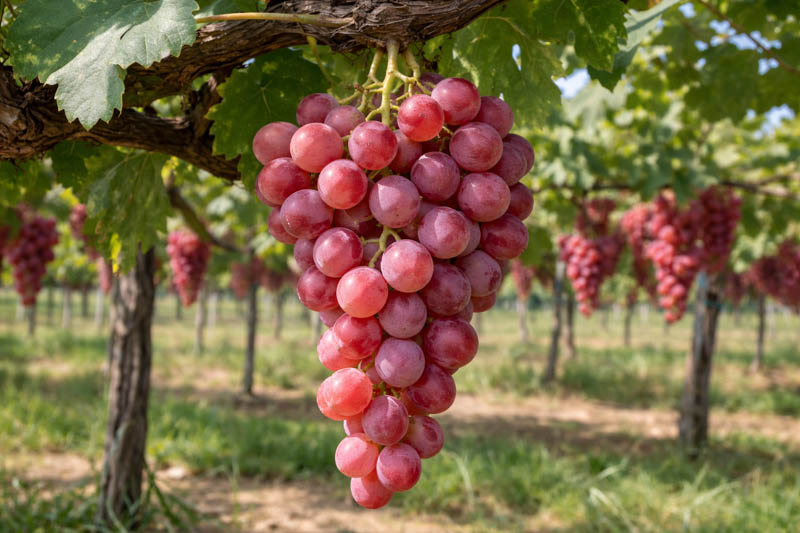


Vitis ‘Einset Seedless’, widely known as the Einset Seedless Grape, is one of the most useful red seedless grapes for home gardeners in cool and cold-winter regions. Bred at the New York State Agricultural Experiment Station in Geneva and introduced through Cornell’s grape breeding program, it was developed to give gardeners something they often struggle to find in one vine: seedless fruit, early ripening, strong flavor, and practical cold hardiness.
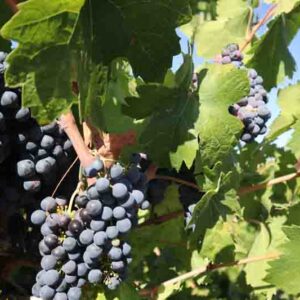
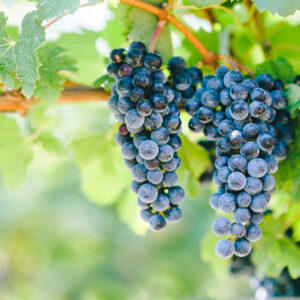
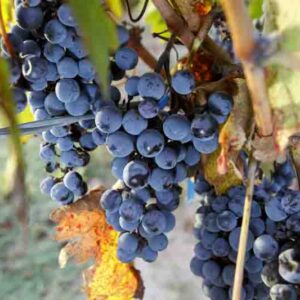
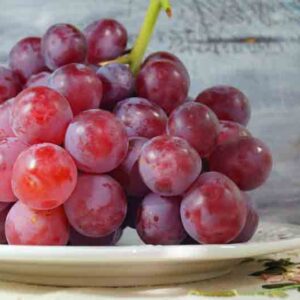
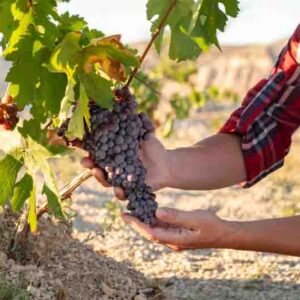
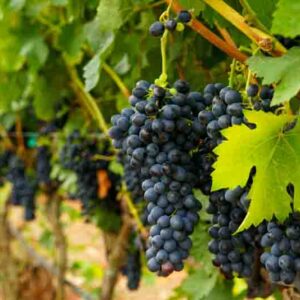
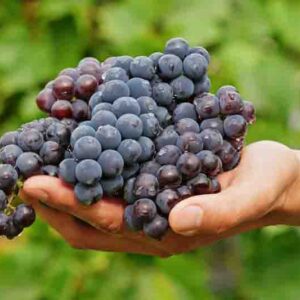
This is a vigorous, deciduous fruiting vine grown mainly for fresh eating, but it also earns its place as an ornamental edible climber on trellises, pergolas, fences, and arbors. Einset Seedless produces attractive clusters of red seedless grapes with juicy flesh, a sweet finish, and a distinctive strawberry-like Labrusca character that makes it far more memorable than bland supermarket grapes.
For gardeners who want a table grape that feels genuinely rewarding to grow, Einset Seedless has a lot going for it. It ripens relatively early, fruits reliably with proper pruning, and performs better in northern gardens than many classic seedless supermarket types. It is not a fussy luxury grape. It is a practical, flavorful, high-value home garden cultivar with real personality.
Vitis ‘Einset Seedless’ is an early-ripening, self-fruitful red seedless table grape grown mainly for fresh eating. Plant it in full sun, give it sturdy support and annual dormant pruning, and expect sweet, aromatic red grapes with a light strawberry-like flavor from late summer into early fall, depending on climate.
Use: Excellent for fresh eating, snacking, lunchbox fruit, fruit platters, and backyard harvests, and also highly attractive on trellises, pergolas, fences, and edible landscape structures.
Highlight: Early-ripening clusters of red seedless grapes with sweet flavor and a distinctive strawberry-like note.
Design note: Because the vine is vigorous and leafy, Einset Seedless can function as both a productive fruit vine and a garden screening or shade plant, especially where growers want ornamental impact with edible returns.
| Botanical Name | Vitis ‘Einset Seedless’ |
|---|---|
| Family | Vitaceae (Grape family) |
| Common Names | Einset Seedless Grape |
| Plant Type | Deciduous fruiting vine, woody climber |
| Hardiness (approx. USDA) | Hardy to about Zone 5; commonly grown in Zones 5-8 with good siting and management |
| Height | 12-20 ft. (3.5-6 m), sometimes more with strong support and age |
| Spread | 12-20 ft. or more, depending on training and pruning |
| Sun Exposure | Full sun |
| Soil | Well-drained soil; adaptable to loam, sand, and other workable garden soils with good drainage |
| Ripening Season | Early; usually late summer to early fall depending on region |
| Fruit | Red, seedless grapes with sweet flavor, soft seed traces if present, and a strawberry-like aromatic note |
Einset Seedless stands apart because it solves a real home-garden problem. Many gardeners want a seedless grape, but the seedless grapes they know from stores are often poorly suited to colder climates. Einset bridges that gap. It is one of the most practical choices for growers who want a red seedless table grape with real flavor and respectable hardiness.
It is also unusually quotable in one sentence: Einset Seedless is one of the best red seedless grapes for cold-climate home gardens because it combines early ripening, sweet flavor, and dependable backyard performance.
Why gardeners love it: Einset Seedless gives you what many home-grown grapes promise but do not always deliver – seedless fruit, strong flavor, and a harvest that actually fits northern gardens.
Einset Seedless was developed by the grape breeding program at the New York State Agricultural Experiment Station in Geneva, New York, working through Cornell. It was introduced as an early-maturing red seedless table grape and named for Dr. John Einset, an influential fruit cytogeneticist and breeder.
Its breeding background is not just a historical detail. It helps explain why the vine behaves the way it does. Einset comes from complex parentage that includes both American and European grape ancestry, and that combination was used to build a cultivar with better adaptation, useful hardiness, and fresher eating quality than many standard seedless grapes available to northeastern growers.
Fresh eating: Excellent.
Lunchbox and snacking grape: Excellent.
Juice: Possible, but not its main purpose.
Jelly and preserves: Usable, though it is primarily a table grape.
Wine: Not typically grown as a wine grape.
Pergolas and shade structures: Very good with disciplined pruning.
Cold-climate home gardens: One of the better seedless choices.
Commercial shipping grape replacement: No – it is better thought of as a superior home-garden grape than a shipping cultivar.
Einset Seedless is self-fruitful, so one vine can produce fruit without a second grape variety nearby. That makes it especially useful in small gardens where there may be room for only one vine.
Like other bunch grapes, it bears fruit on the current season’s shoots that arise from one-year-old wood. That point matters because pruning is not a cosmetic task – it is the central management job that keeps the vine productive. A lightly pruned grapevine often turns into a leafy, tangled mass with declining fruit quality and poor airflow.
How Long Grapevines Take to Produce Fruit
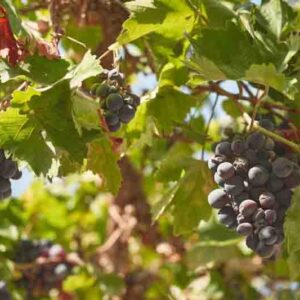
Einset Seedless is generally considered an early-ripening red seedless grape. In many home gardens, fruit matures from late August into early September, though local weather, site warmth, crop load, and growing season length all affect exact timing.
That early ripening habit is one of its strongest selling points. In regions with shorter seasons, it gives gardeners a much better chance of harvesting sweet, fully developed seedless grapes before autumn weather becomes a problem.
Why your Grapevine has Leaves but No Grapes
Do not rely on red color alone. Grapes often color before they reach peak sweetness, and Einset is no exception. The best picking cue is taste. Fully ripe berries should be sweet, aromatic, and balanced, with the cultivar’s characteristic light strawberry-like flavor clearly present.
Grapes do not become sweeter after harvest, so picking too early usually means sacrificing quality. If the fruit looks ready but still tastes a little flat, give it more time.
Harvest tip: Wait for full flavor, not just full color. A grape that looks ripe is not always ripe enough.
This is not a neutral grape. Einset Seedless is best known for its sweet flavor and distinct strawberry-like Labrusca note. That gives it far more identity than many standard seedless grapes sold for convenience rather than taste.
The berries are juicy and pleasant for fresh eating, and while some growers note that the skin can feel a little thicker than in certain other seedless cultivars, the overall eating quality is still widely considered excellent for a home garden grape. Small, soft seed traces may occasionally be present, but the fruit is considered seedless in normal use.
Flavor note: Einset tastes sweet, fruity, and gently aromatic, with a strawberry-like finish that gives it a clear identity among red seedless grapes.
Einset Seedless is widely valued because it is a more cold-hardy seedless grape than many supermarket-style types. It is commonly treated as hardy to about USDA Zone 5, which is a major reason it remains important for home gardeners in the Northeast and other cool-climate regions.
Best Grapes for Zone 5 – Top Varieties That Thrive
That said, it is still a seedless table grape, not an indestructible wild vine. In colder sites, winter injury can still be an issue, and protected locations with good sun exposure improve reliability. In warm climates it can still perform well, but strong vigor, bird pressure, and disease management remain important.
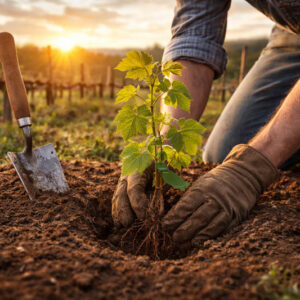
When to Plant Grapes for Healthier Vines
Einset Seedless should not be described as carefree. Its disease profile is more nuanced than that. It has been noted for resistance to botrytis bunch rot, which is valuable, but it can be susceptible to powdery mildew, and cluster or foliage disease pressure increases if the canopy is dense, shaded, or poorly ventilated.
Depending on region and season, growers may also encounter downy mildew, black rot, and other common grape diseases. Like most grapes, it can also face insect and animal pressure, including Japanese beetles, leafhoppers, grape berry moth, birds, and sometimes raccoons close to harvest.
The practical lesson is simple: Einset performs best when managed like a serious fruiting vine. Good sanitation, annual pruning, open structure, strong sun, and timely harvest matter.
Common Grapevine Problems and How to Fix Them
Watch for: Einset Seedless can reward growers with excellent fruit, but it does not reward neglect. Dense shade, poor airflow, and delayed pruning are fast ways to invite mildew and reduce fruit quality.
Einset Seedless responds well to standard grape training systems, including bilateral cordon, high cordon, four-arm Kniffin, and arbor training. For many home gardeners, a simple trellis system is the easiest way to keep the vine manageable while making pruning and harvest less intimidating.
Seedless table grapes are often managed a bit more intensively than classic juice grapes, so choosing a structure that gives good shoot positioning and easy access pays off. If you want a vine that can provide both fruit and shade, Einset can do that beautifully – but only if you keep the canopy disciplined.
Prune during winter dormancy, before spring growth begins. Grapes fruit on new shoots arising from one-year-old canes, which means a large share of the previous season’s growth should be removed each year. Beginners often find grape pruning alarmingly severe, but that severity is normal and necessary.
A useful rule for Einset Seedless is this: prune hard, maintain an open canopy, and renew fruiting wood every year. Too much fertility, especially excess nitrogen, often shifts the vine toward leaves and shoots instead of balanced fruit production.
How to Prune Grapevines for Bigger Harvests: Cane Pruning vs Spur Pruning
Einset Seedless is not the best long-term container grape, though it can be grown in a large container for a time with attentive care. Because it is vigorous and intended to build a permanent fruiting framework, it usually performs far better in open ground.
Container-grown vines need more frequent watering, more careful feeding, and more tightly controlled pruning. For gardeners who want the best long-term fruit quality and less stress, planting in the ground is usually the right choice.
How to Grow Grapes in Containers (Expert Pot Guide)
Einset Seedless is an excellent choice for gardeners who want a fresh-eating grape with no real seed nuisance, strong flavor, and better cold-climate suitability than many standard seedless grapes. It is especially good for home growers who value harvest quality over commercial uniformity.
It is less ideal for gardeners who want an ultra-thin-skinned, bland supermarket-style grape or a truly low-maintenance vine in humid conditions. Grow Einset for flavor, early ripening, seedless convenience, and home-garden practicality.
Einset Seedless vs Reliance
Einset Seedless: Red seedless table grape with a more distinctive strawberry-like Labrusca flavor, good productivity, useful hardiness, and somewhat thicker skin than some competitors.
Reliance: Very popular pink-red seedless grape known for tender skin, sweet flavor, and strong cold hardiness, but often more vulnerable to cracking and some disease issues.
Best choice: Choose Einset if you want more characterful flavor and an early, high-quality red seedless grape for the home garden. Choose Reliance if very tender skin and extreme ease of fresh eating matter most.
Yes. Einset Seedless is considered a seedless table grape, though small soft seed traces may occasionally be present and are usually not noticeable when eating.
Einset Seedless is generally considered an early-ripening red seedless grape. In many home gardens it ripens from late August into early September, though timing varies by climate and site.
No. Einset Seedless is self-fruitful, so one vine can produce fruit on its own without another grape variety nearby.
Einset Seedless is known for sweet, juicy red berries with a distinctive strawberry-like, lightly Labrusca flavor that makes it stand out from more neutral supermarket grapes.
Einset Seedless is widely regarded as hardy to about USDA Zone 5 and is one of the better seedless table grapes for colder winter regions.
Yes. Einset Seedless is primarily grown as a fresh-eating table grape rather than a juice or wine grape, though home gardeners may use surplus fruit in desserts or preserves.
For readers comparing seedless and home-garden grapes, helpful next-step pages would include Reliance Grape, Canadice Grape, Concord Grape, Niagara Grape, and a broader guide to how to grow grapes in the home garden.
Bottom line: Vitis ‘Einset Seedless’ remains one of the most worthwhile seedless grapes for home gardeners because it is early, flavorful, attractive, and better adapted to cool-climate growing than many familiar seedless table grapes. It is not just convenient. It is a cultivar with real identity – and for gardeners who care about taste, that matters.
Updated: April 2026 • Reviewed by Gardenia Editors
| Hardiness |
5 - 8 |
|---|---|
| Plant Type | Climbers, Fruits, Shrubs |
| Plant Family | Vitaceae |
| Genus | Vitis |
| Common names | Grape |
| Exposure | Full Sun |
| Season of Interest | Summer (Early, Mid, Late), Fall |
| Height | 12' - 20' (3.7m - 6.1m) |
| Spread | 12' - 20' (3.7m - 6.1m) |
| Spacing | 144" - 240" (3.7m - 6.1m) |
| Maintenance | High |
| Water Needs | Average |
| Soil Type | Chalk, Loam, Sand |
| Soil pH | Alkaline, Neutral |
| Soil Drainage | Well-Drained |
| Characteristics | Showy, Fruit & Berries |
| Tolerances | Fire |
| Attracts | Bees, Birds |
| Garden Uses | Arbors, Pergolas, Trellises, Walls And Fences |
| Garden Styles | Informal and Cottage |
| Toxic to Humans | No known toxicity |
| Toxic to Cats | No known toxicity |
| Toxic to Dogs | Toxic |
| Toxic to Horses | No known toxicity |


| Hardiness |
5 - 8 |
|---|---|
| Plant Type | Climbers, Fruits, Shrubs |
| Plant Family | Vitaceae |
| Genus | Vitis |
| Common names | Grape |
| Exposure | Full Sun |
| Season of Interest | Summer (Early, Mid, Late), Fall |
| Height | 12' - 20' (3.7m - 6.1m) |
| Spread | 12' - 20' (3.7m - 6.1m) |
| Spacing | 144" - 240" (3.7m - 6.1m) |
| Maintenance | High |
| Water Needs | Average |
| Soil Type | Chalk, Loam, Sand |
| Soil pH | Alkaline, Neutral |
| Soil Drainage | Well-Drained |
| Characteristics | Showy, Fruit & Berries |
| Tolerances | Fire |
| Attracts | Bees, Birds |
| Garden Uses | Arbors, Pergolas, Trellises, Walls And Fences |
| Garden Styles | Informal and Cottage |
| Toxic to Humans | No known toxicity |
| Toxic to Cats | No known toxicity |
| Toxic to Dogs | Toxic |
| Toxic to Horses | No known toxicity |
How many Vitis ‘Einset Seedless’ (Grape) do I need for my garden?
| Plant | Quantity | |
|---|---|---|
| Vitis ‘Einset Seedless’ (Grape) | N/A | Buy Plants |
Create a membership account to save your garden designs and to view them on any device.
Becoming a contributing member of Gardenia is easy and can be done in just a few minutes. If you provide us with your name, email address and the payment of a modest $25 annual membership fee, you will become a full member, enabling you to design and save up to 25 of your garden design ideas.
Join now and start creating your dream garden!
Create a membership account to save your garden designs and to view them on any device.
Becoming a contributing member of Gardenia is easy and can be done in just a few minutes. If you provide us with your name, email address and the payment of a modest $25 annual membership fee, you will become a full member, enabling you to design and save up to 25 of your garden design ideas.
Join now and start creating your dream garden!