Vanessa Seedless Grape, Vanessa Red Seedless Grape, Vanessa Red Table Grape, Vanessa Seedless Red Table Grape, Vanessa Bunch Grape, Vanessa Grape, Red Seedless Table Grape
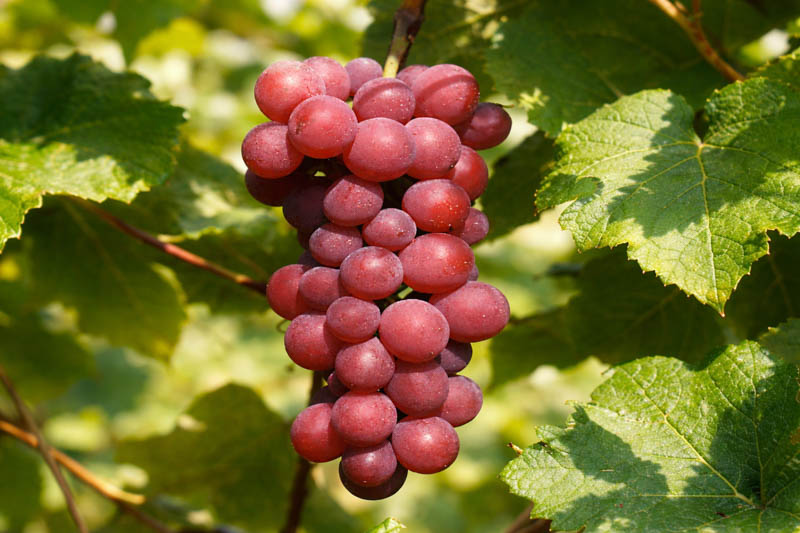


Vitis ‘Vanessa’, commonly known as the Vanessa Seedless Grape, is a highly regarded cold-hardy red seedless table grape cultivar developed for excellent fruit quality in regions where many seedless grapes are less dependable. Rather than describing it loosely as a standard European grape, it is more accurate to present Vanessa as a cold-climate-adapted hybrid table grape valued for its crisp texture, sweet fruity flavor, attractive red fruit, and reliable garden performance.
For home gardeners, Vanessa stands out because it combines several desirable traits in one vine: seedless fruit, fresh-eating quality, good cold hardiness for a seedless grape, ornamental value, and dependable productivity. It is widely regarded as one of the better red seedless grapes for backyard growing, especially in areas where winters are too cold for many classic warm-climate table grapes.
This is a vigorous, deciduous fruiting vine grown mainly for fresh eating, though it also works well in fruit salads, dessert platters, home harvest baskets, and edible landscaping. Trained on a trellis, arbor, fence, or pergola, Vanessa offers both ornamental appeal and a productive late-season harvest.
Vitis ‘Vanessa’ is a vigorous, cold-hardy, seedless red table grape cultivar grown mainly for fresh eating. Plant it in full sun, train it on a trellis, arbor, or pergola, and prune during dormancy to maintain productive fruiting wood. Expect sweet, crisp, pink-red to deep red grapes ripening from late summer into early fall, often around mid to late September in cooler northern climates.
Use: Outstanding for fresh eating, fruit salads, dessert platters, and home harvests, while also serving beautifully on trellises, fences, pergolas, and edible landscapes.
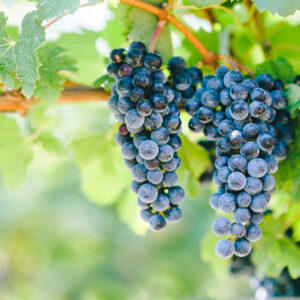
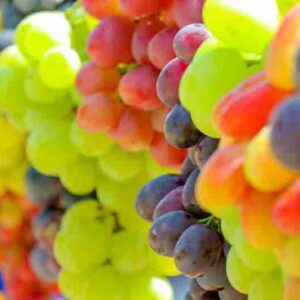
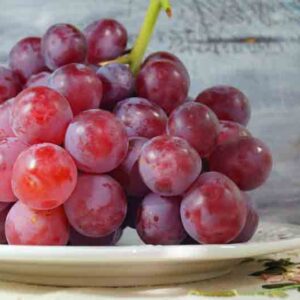
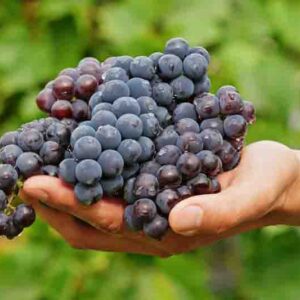
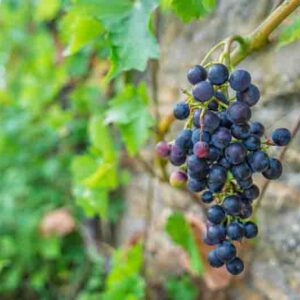
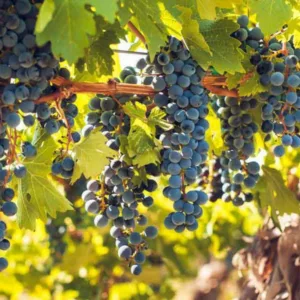
Highlight: Medium clusters of pink-red to deep red seedless grapes with crisp, firm flesh and a sweet, fruity flavor.
Design note: Vanessa combines ornamental foliage with productive fruiting, making it ideal for garden structures that provide shade, seasonal interest, and an edible harvest.
| Botanical Name | Vitis ‘Vanessa’ |
|---|---|
| Family | Vitaceae (Grape family) |
| Common Names | Vanessa Seedless Grape |
| Plant Type | Deciduous fruiting vine, woody climber |
| Grape Type | Seedless red table grape; cold-hardy hybrid |
| Origin | Vineland Station, Ontario, Canada |
| Parentage | ‘Seneca’ × New York 45910 |
| Release | 1983 |
| Hardiness (approx. USDA) | Zones 5-8, sometimes grown in Zone 9 with suitable conditions |
| Height | 15-20 ft. (4.5-6 m) or more with support |
| Spread | 15-20 ft. depending on training and pruning |
| Sun Exposure | Full sun |
| Soil | Well-drained soil; adaptable to loam, sandy, and moderately clay soils if drainage is good |
| Ripening Season | Late summer to early fall; often mid to late September in cooler northern climates |
| Fruit | Pink-red to deep red seedless grapes with firm, crisp flesh and sweet, fruity flavor |
Vanessa grapes are especially valuable because they combine three traits gardeners frequently want but do not always find in one cultivar: seedless fruit, high fresh-eating quality, and good adaptation to cooler climates. Many seedless grapes perform best in warmer grape-growing regions, but Vanessa was bred to produce attractive, good-quality table grapes under more challenging northern conditions.
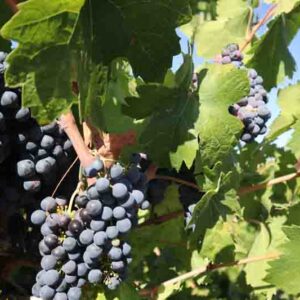
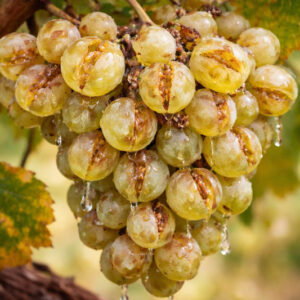
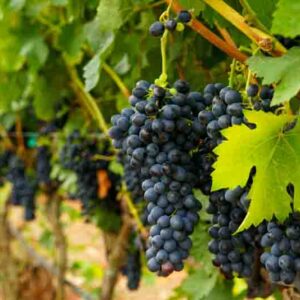
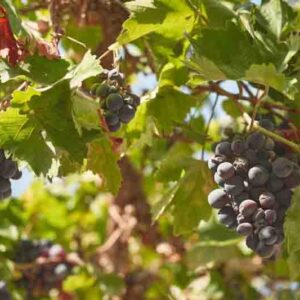
The fruit itself is one of Vanessa’s main strengths. Berries are generally medium-sized and carried in medium, well-filled clusters. They develop an appealing pink-red to deep red color and are valued for a texture often described as firm, crisp, and pleasant for fresh eating. Compared with more slip-skin types, Vanessa offers a more polished table-grape experience with an adherent skin and satisfying bite.
Why gardeners love it: Vanessa combines seedless convenience, attractive red fruit, crisp texture, sweet flavor, and useful cold hardiness, making it one of the most rewarding backyard grapes for fresh eating.
Vanessa was developed in Ontario, Canada, at the Horticultural Research Institute of Ontario in Vineland Station. It was bred by O.A. Bradt and K.H. Fisher from a cross of ‘Seneca’ × New York 45910 and released in 1983 as part of a breeding effort to produce seedless table grapes adapted to colder growing regions.
That background helps explain why Vanessa remains so widely recommended. It was not introduced simply as an attractive red seedless grape, but as a cultivar bred to deliver fruit quality, seedlessness, and improved reliability under northern conditions.
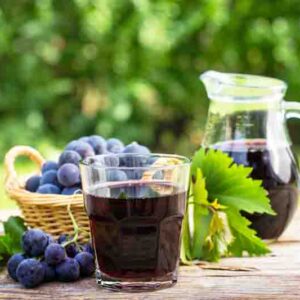
Juice: Good, though it is primarily grown as a table grape.
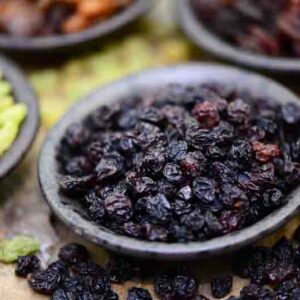
Raisins: Sometimes appreciated by home growers for good flavor when dried.
Ornamental shade: Very attractive on pergolas, arbors, and trellises.
Cold-climate home gardens: Especially valuable where many seedless grapes are less dependable.
Vanessa grapes are self-fruitful, meaning a single vine can produce fruit without another cultivar nearby. This makes them practical for small gardens or for gardeners who only have room for one grapevine.
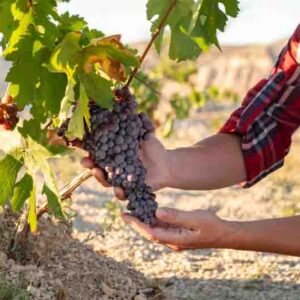
Like other bunch grapes, Vanessa fruits on the current season’s shoots arising from one-year-old wood. Annual pruning is therefore essential. Without pruning, vines become overly dense, less productive, and harder to manage.
How Long Grapevines Take to Produce Fruit
Ripening time for Vanessa varies by climate. In broad garden terms, it is accurate to say the fruit ripens from late summer into early fall. In cooler northern climates, Vanessa often ripens around mid to late September, while in warmer areas it may mature earlier.
This regional variation matters because gardeners often compare red seedless grapes by harvest season. Vanessa is best described as a cultivar with a late-summer to early-fall ripening window that shifts according to location and growing conditions.
Why your Grapevine has Leaves but No Grapes
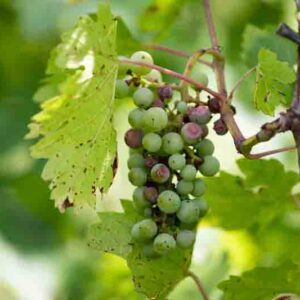
Color alone does not guarantee ripeness. Vanessa berries often develop attractive red color before they reach peak sweetness. True ripeness comes when the berries taste fully sweet and the flesh has developed the finished crisp texture the cultivar is known for.
Taste-testing is the most reliable guide. Allowing the clusters to remain on the vine until they are fully sweet improves both flavor and eating quality.
Harvest tip: Vanessa grapes reach peak flavor when they taste fully sweet and crisp, not simply when they turn red.
Vanessa grapes are prized for a sweet, fruity flavor with enough freshness to keep them lively and refreshing. The berries are commonly described as having a firm, crisp, sometimes melting texture, which helps explain why this cultivar is so often singled out in discussions of fresh-eating grapes.
Unlike traditional American grapes with a pronounced Labrusca or “foxy” character, Vanessa tends to have a cleaner, milder flavor more in line with what many gardeners expect from a modern table grape. That broad appeal makes it a strong choice for family gardens and backyard edible landscapes.
Flavor note: Vanessa grapes are sweet, fruity, crisp, and seedless, with a polished fresh-eating character that stands out in home gardens.
Yes, Vanessa is a seedless grape and is correctly sold and grown as a seedless table cultivar. However, as with many seedless grapes, some berries may occasionally contain small, soft seed traces. These are usually minor and do not affect its practical value as a seedless variety for fresh eating.
Including that detail helps set accurate expectations for gardeners who want cultivar-specific information rather than a simplified catalog description.
One of Vanessa’s greatest strengths is its ability to perform well in cooler climates. It is often described as being among the hardier seedless grapes, which helps explain its continued popularity in northern home gardens.
That said, “hardy” does not mean carefree in every climate. In colder inland regions, site selection still matters, and winter protection may be useful where temperatures are severe. In warmer climates, Vanessa can also grow well when vines receive adequate sun, irrigation, and airflow.
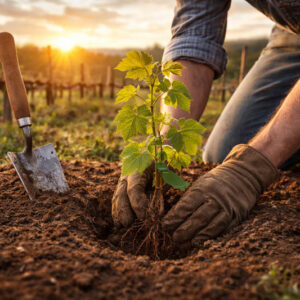
When to Plant Grapes for Healthier Vines
Vanessa shows good garden performance, but it is not immune to the common diseases that affect grapes. Good cultural care remains essential, especially in humid climates or on crowded vines.
Common grape diseases may include powdery mildew, downy mildew, and black rot. Good pruning, open training systems, and airflow help reduce disease pressure.
Common pests may include grape berry moth, Japanese beetles, and leafhoppers. Birds can also cause serious losses as the fruit nears harvest.
Watch for: Dense foliage traps humidity and reduces light penetration. Proper pruning improves airflow, fruit quality, and overall vine health.
Vanessa responds well to common backyard training systems such as bilateral cordon, high cordon, and four-arm Kniffin. These systems help organize the vine, improve light exposure, and make both pruning and harvesting easier.
Pergolas and arbors are also excellent choices. Vanessa’s vigorous growth allows it to cover structures attractively while still producing appealing clusters of fruit.
Pruning is essential for maintaining productive Vanessa vines. Grapes bear fruit on new shoots growing from one-year-old wood, so removing excess growth during dormancy encourages better fruiting and keeps the vine balanced.
Although heavy pruning can seem severe, it is one of the main reasons grapevines remain productive over the long term. Without regular pruning, vines often become tangled, shaded, and less fruitful.
How to Prune Grapevines for Bigger Harvests: Cane Pruning vs Spur Pruning
Vanessa grapes can be grown in very large containers, but long-term success is usually better in open ground. Grapevines naturally develop extensive root systems and are easier to manage when planted in the garden with permanent support.
If container growing is necessary, use a large pot, provide a sturdy trellis, and expect more frequent watering, feeding, and pruning.
How to Grow Grapes in Containers (Expert Pot Guide)
Vanessa is an excellent choice for gardeners who want a reliable seedless red table grape with strong fresh-eating quality and better-than-average adaptation to cooler climates. It is especially appealing to growers who care about texture as much as sweetness.
This cultivar is ideal for gardeners seeking a productive vine that combines ornamental appeal with practical harvests. Its crisp flesh, fruity sweetness, attractive clusters, and cold hardiness make it one of the most rewarding backyard grapes available.
Reliance: Pink seedless grapes known for excellent sweetness and outstanding cold hardiness.
Best choice: Choose Vanessa for firmer texture and polished table-grape quality. Choose Reliance if maximum cold tolerance is your top priority.
Yes. Vanessa grapes are seedless, although small soft seed traces may occasionally occur, as with many seedless grape cultivars.
Vanessa grapes ripen from late summer into early fall, often around mid to late September in cooler northern climates.
No. Vanessa grapevines are self-fruitful and can produce fruit without another grape variety nearby.
Yes. Vanessa is widely considered one of the better red seedless grapes for fresh eating thanks to its crisp texture, fruity flavor, and sweetness.
Yes. Vanessa was bred for improved performance in cooler regions and is often described as one of the hardier seedless grapes.
Vanessa grapes are primarily grown as a table grape for fresh eating, though they can also be used in fruit salads, desserts, raisin-making, and home harvest dishes.
For readers comparing grapes, useful next-step pages include Reliance Grape, Canadice Grape, Niagara Grape, Concord Grape, and a comprehensive guide to how to grow grapes in the home garden.
Bottom line: Vitis ‘Vanessa’ is one of the best red seedless grapes for home gardens, especially in regions where cold hardiness matters. It combines attractive clusters, crisp texture, dependable productivity, and sweet fruity flavor, making it a standout choice for gardeners who want both a beautiful vine and a genuinely satisfying fresh harvest.
Updated: April 2026 – Reviewed by Gardenia Editors
| Hardiness |
5 - 8 |
|---|---|
| Plant Type | Climbers, Fruits, Shrubs |
| Plant Family | Vitaceae |
| Genus | Vitis |
| Common names | Grape |
| Exposure | Full Sun |
| Season of Interest | Summer (Early, Mid, Late), Fall |
| Height | 15' - 20' (4.6m - 6.1m) |
| Spread | 15' - 20' (4.6m - 6.1m) |
| Spacing | 180" - 240" (4.6m - 6.1m) |
| Maintenance | High |
| Water Needs | Average |
| Soil Type | Chalk, Loam, Sand |
| Soil pH | Alkaline, Neutral |
| Soil Drainage | Well-Drained |
| Characteristics | Showy, Fruit & Berries |
| Tolerances | Fire |
| Attracts | Bees, Birds |
| Garden Uses | Arbors, Pergolas, Trellises, Walls And Fences |
| Garden Styles | Informal and Cottage |
| Toxic to Humans | No known toxicity |
| Toxic to Cats | No known toxicity |
| Toxic to Dogs | Toxic |
| Toxic to Horses | No known toxicity |


| Hardiness |
5 - 8 |
|---|---|
| Plant Type | Climbers, Fruits, Shrubs |
| Plant Family | Vitaceae |
| Genus | Vitis |
| Common names | Grape |
| Exposure | Full Sun |
| Season of Interest | Summer (Early, Mid, Late), Fall |
| Height | 15' - 20' (4.6m - 6.1m) |
| Spread | 15' - 20' (4.6m - 6.1m) |
| Spacing | 180" - 240" (4.6m - 6.1m) |
| Maintenance | High |
| Water Needs | Average |
| Soil Type | Chalk, Loam, Sand |
| Soil pH | Alkaline, Neutral |
| Soil Drainage | Well-Drained |
| Characteristics | Showy, Fruit & Berries |
| Tolerances | Fire |
| Attracts | Bees, Birds |
| Garden Uses | Arbors, Pergolas, Trellises, Walls And Fences |
| Garden Styles | Informal and Cottage |
| Toxic to Humans | No known toxicity |
| Toxic to Cats | No known toxicity |
| Toxic to Dogs | Toxic |
| Toxic to Horses | No known toxicity |
How many Vitis ‘Vanessa’ (Grape) do I need for my garden?
| Plant | Quantity | |
|---|---|---|
| Vitis ‘Vanessa’ (Grape) | N/A | Buy Plants |
Create a membership account to save your garden designs and to view them on any device.
Becoming a contributing member of Gardenia is easy and can be done in just a few minutes. If you provide us with your name, email address and the payment of a modest $25 annual membership fee, you will become a full member, enabling you to design and save up to 25 of your garden design ideas.
Join now and start creating your dream garden!
Create a membership account to save your garden designs and to view them on any device.
Becoming a contributing member of Gardenia is easy and can be done in just a few minutes. If you provide us with your name, email address and the payment of a modest $25 annual membership fee, you will become a full member, enabling you to design and save up to 25 of your garden design ideas.
Join now and start creating your dream garden!