Concord Seedless Grape, Seedless Concord Grape, Concord Seedless, Seedless Grape, American Grape, Fox Grape
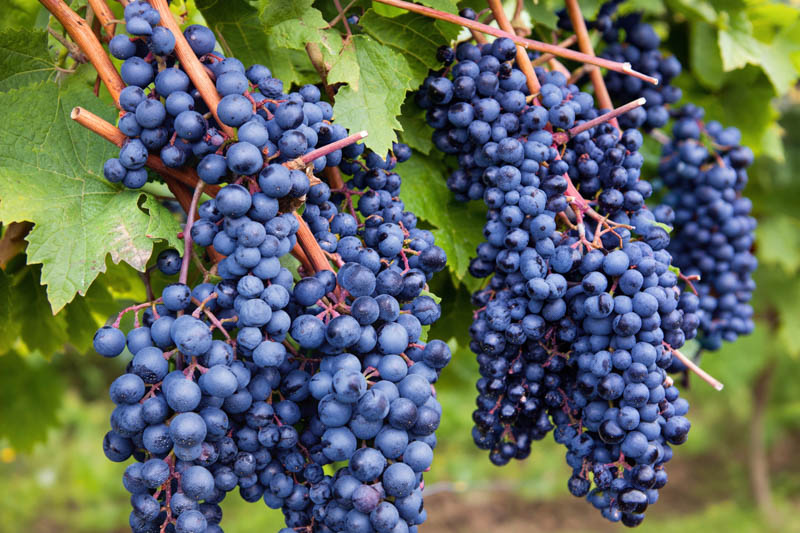


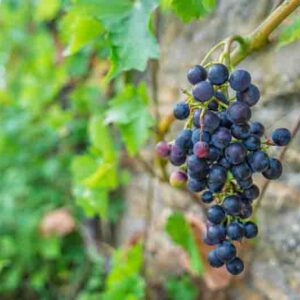
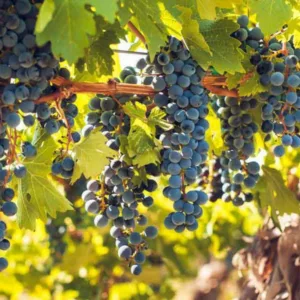
Vitis labrusca ‘Concord Seedless’, widely known as the Concord Seedless Grape, is one of the most appealing American garden grapes for home growers who want true Concord character without the nuisance of large seeds. It is a seedless sport of the classic Concord grape, bred from the same beloved flavor lineage but selected for easier fresh eating, slightly earlier ripening, and excellent backyard usefulness.
That distinction matters. Traditional Concord is famous for its rich aroma, deep blue-black fruit, and unmistakable old-fashioned “grape” flavor, but many people find seeded slip-skin grapes less convenient at the table. Concord Seedless keeps the bold, perfumed Concord identity while making the fruit more practical for snacking, lunchboxes, home gardens, and family harvests.
This is a vigorous, woody, deciduous fruiting vine with tendrils, handsome foliage, and strong ornamental presence. It is not just a crop plant. Trained on a trellis, fence, arbor, or pergola, it becomes a productive landscape feature that offers shade, structure, and a dependable harvest. For gardeners in cooler or more variable climates, that combination of flavor, hardiness, and usefulness is exactly what makes Concord Seedless so compelling.
Vitis labrusca ‘Concord Seedless’ is a self-fruitful, cold-hardy American grape vine grown for fresh eating, juice, jelly, jam, and backyard harvests. Plant it in full sun, give it strong support and annual dormant pruning, and expect blue-black grapes with classic Concord flavor from late summer into early fall – often about a week earlier than standard Concord.
Use: Excellent for fresh eating, juice, jelly, jam, preserves, pies, and edible landscaping.
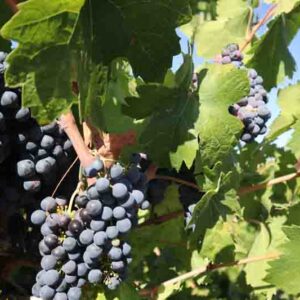
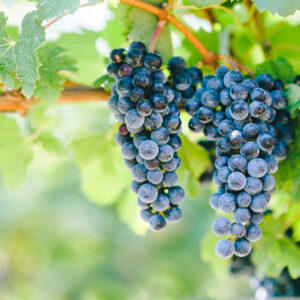
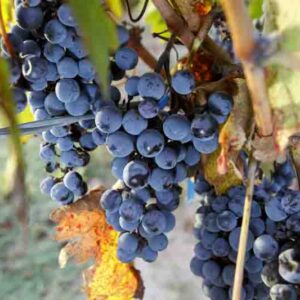
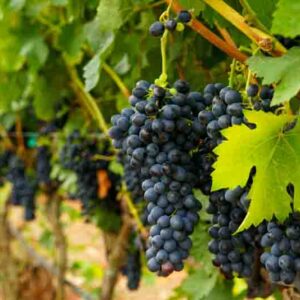
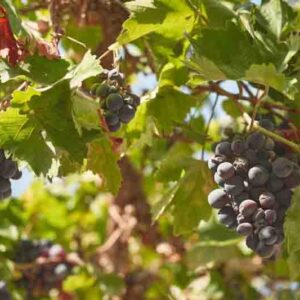
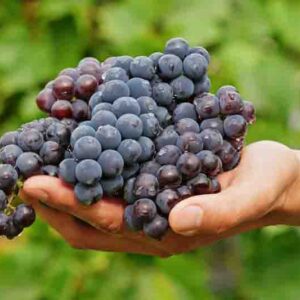
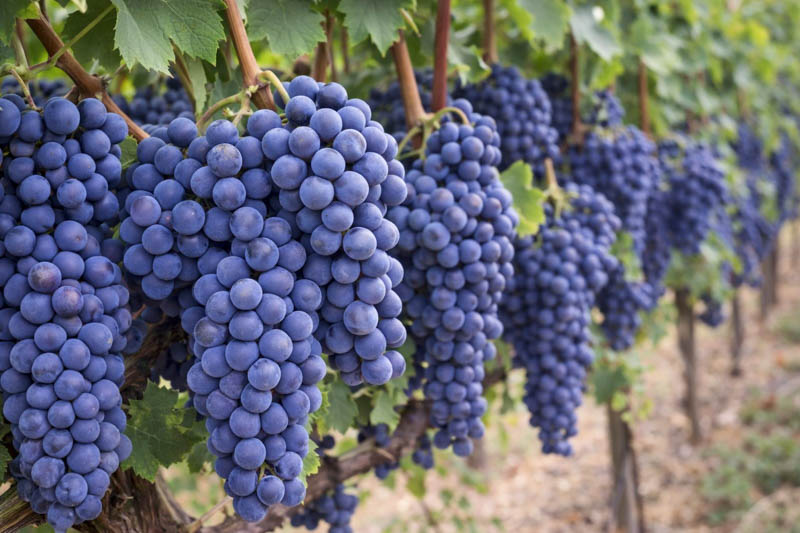
Highlight: Blue-black seedless grapes with rich Concord aroma, usually on somewhat smaller clusters than standard Concord.
Design note: A vigorous vine for trellises, pergolas, fences, and productive backyard screens, combining ornamental growth with practical harvests.
| Botanical Name | Vitis labrusca ‘Concord Seedless’ |
|---|---|
| Family | Vitaceae (Grape family) |
| Common Names | Concord Seedless Grape, Seedless Concord Grape |
| Plant Type | Deciduous fruiting vine, woody climber |
| Hardiness (approx. USDA) | Zones 5-8 |
| Height | 15-20 ft. (4.5-6 m), sometimes longer with age and support |
| Spread | 15-20 ft. depending on pruning and training |
| Sun Exposure | Full sun |
| Soil | Well-drained soil; adaptable to loam, sand, or clay if drainage is good |
| Harvest Season | Late summer to early fall |
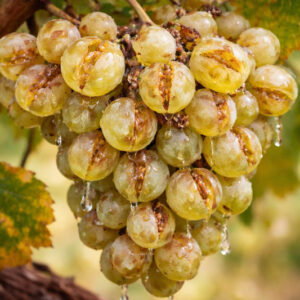
| Fruit | Blue-black, mostly seedless berries with classic Concord flavor; occasional seeds may appear in warmer climates |
Concord Seedless stands out because it is not just another generic seedless table grape. It has identity. It tastes like Concord. That means a deep purple juice, a fragrant “grapey” aroma, and the kind of old-fashioned American flavor that people instantly recognize. Many commercial seedless grapes are crisp and convenient but forgettable. Concord Seedless is convenient and memorable.
It also solves a practical problem for home gardeners. Standard Concord is wonderful for juice and jelly, but many people hesitate to plant it because of the seeds and slip-skin texture. Concord Seedless narrows that gap. It is still rich, aromatic, and undeniably Concord-like, but it is easier to eat fresh and more appealing to families who want a backyard grape that gets picked straight from the vine.
Why gardeners love it: Concord Seedless gives you classic purple grape flavor, easier eating, strong backyard performance, and a vine that earns its space both visually and productively.
Concord Seedless is best understood as a seedless sport of ‘Concord’ rather than a completely unrelated grape. In horticultural terms, a sport is a naturally occurring variation selected and propagated because it offers a desirable difference. In this case, the desirable difference was obvious: keep the treasured Concord flavor profile, but remove most of the seediness that makes traditional Concord less convenient for fresh eating.
That origin is important because it explains why Concord Seedless still feels so familiar. It belongs to the same American labrusca tradition that made Concord famous in home gardens, kitchen processing, and regional fruit growing. Gardeners who love the scent and taste of Concord but want something friendlier for the table often find this cultivar to be the sweet spot between heritage character and modern practicality.
Best Grapes for Fresh Eating – Top Varieties Ranked
Concord Seedless vs Concord
Concord Seedless: Mostly seedless, blue-black, strongly aromatic, usually ripens about one week earlier, and generally has smaller clusters with slightly smaller berries.
Concord: Seeded, blue-black, intensely aromatic, classic slip-skin juice grape, typically larger-clustered and more traditional in processing use.
Best choice: Choose Concord Seedless if you want easier fresh eating and family-friendly harvests. Choose Concord if your priority is classic seeded fruit for traditional juice, jelly, and old-style home processing.
Fresh eating: Very good. This is one of the strongest reasons to grow it.
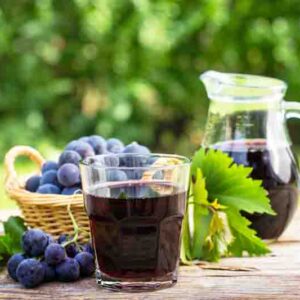
Juice: Excellent, with classic Concord color and aroma.
Jelly and jam: Outstanding.
Pies and preserves: Very good to excellent.
Pergolas and arbors: Excellent, thanks to vigorous growth.
Cold climates: Very good.
Humid climates: Better adapted than many European grapes, but still not carefree.
One of the most useful practical traits of Concord Seedless is that it is self-fruitful. For most home garden purposes, that means one vine can produce fruit on its own. You do not need a second grape cultivar nearby just to get a crop, which makes this selection especially attractive for smaller gardens and home landscapes.
Like other bunch grapes, it fruits on the current season’s shoots arising from one-year-old wood. That is why pruning matters so much. A grapevine left to grow unchecked does not become more productive – it becomes more tangled. The best crops come from vines that are trained clearly, thinned regularly, and pruned hard during dormancy.
How Long Grapevines Take to Produce Fruit
Plant Concord Seedless in full sun. Grapes want heat, light, and airflow. A site that dries quickly in the morning helps reduce disease pressure, and a location with all-day sun will improve both fruit quality and ripening. While the vine is adaptable to different soil textures, it should never sit in poorly drained ground.
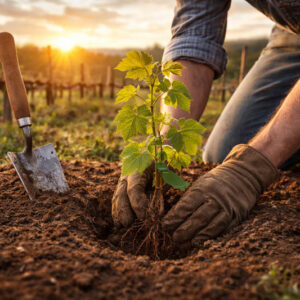
In home plantings, vines are commonly spaced about 6 to 8 feet apart. Give them a permanent support from the start. A flimsy stake is not enough for a mature grapevine. Think in terms of a real trellis, a fence wire system, or a sturdy arbor that can support the weight of mature wood, foliage, and fruit.
Planting tip: Choose the sunniest, airiest site you have. Better sun means better ripening, better flavor, and fewer disease headaches.
Concord Seedless is generally considered a late-summer to early-fall grape, but one of its notable advantages is that it often ripens a little earlier than standard Concord. In practice, that can be a meaningful benefit in cooler regions, shorter growing seasons, or gardens where early fall weather turns wet and unpredictable.
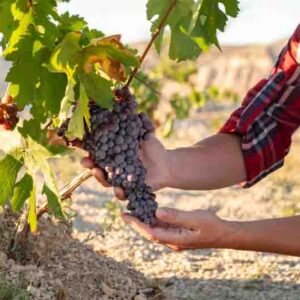
As with many grapes, color arrives before peak flavor. Do not rush the harvest simply because the berries have darkened. Wait for the fruit to taste fully sweet, richly aromatic, and unmistakably Concord-like. Grapes do not continue ripening after harvest, so patience on the vine matters.
Why your Grapevine has Leaves but No Grapes
The best way to judge harvest is by taste, not appearance alone. Fully ripe berries should be sweet, fragrant, and deeply flavored, with less green tartness and more of that classic purple-grape richness. Clusters that look ready but taste sharp are not ready. Leave them a little longer.
Birds often know the moment grapes become worth eating, so growers should pay close attention as berries color and sweeten. If birds are common in your area, netting is often easiest when applied just before the fruit reaches full ripeness.
Harvest tip: Concord Seedless often tastes better a little later than it looks ready. Harvest for flavor, not just for color.
This grape is all about aroma. Concord Seedless has the classic labrusca-style Concord flavor people associate with purple grape juice, homemade jelly, and old-fashioned American grapes. Expect a vivid, fruity fragrance, juicy flesh, and a sweet profile with enough tartness to keep it lively rather than flat.
It is also worth noting what Concord Seedless is not. It is not a bland, neutral supermarket grape. It has personality. That is exactly why it performs so well not just in the kitchen, but in memory. Gardeners grow it because they want grapes that taste like something specific, recognizable, and worth waiting for.
Flavor note: Concord Seedless is sweet, perfumed, richly grapey, and distinctly American in character – easier to eat than standard Concord, but still unmistakably Concord.
Concord Seedless is valued for cold hardiness and for its ability to cope with climates that challenge many Vitis vinifera grapes. It is particularly attractive in regions with cold winters followed by hot, humid summers – a pattern common across parts of the Eastern and Midwestern United States.
Best Grapes for Zone 5 – Top Varieties That Thrive
That does not mean it is disease-proof or maintenance-free. It simply means it is often a more practical choice than fine wine grapes in home garden conditions. In warmer areas, fruiting can still be successful, but growers should know that occasional seeds may appear, particularly in climates south of USDA Zone 6.
When to Plant Grapes for Healthier Vines
Concord Seedless is often described as more adaptable than many European grapes, but it still needs sound management. In humid climates, the main disease concerns include powdery mildew, downy mildew, and black rot. Dense canopies, poor airflow, overhead crowding, and delayed pruning all increase trouble.
Birds are often the most serious late-season pest because they target the fruit just as sugars rise. Deer may browse young shoots in some areas, and general grape pests can also appear depending on region and season. Good sanitation, pruning, sunlight, and attentive timing are often the difference between a frustrating vine and a very productive one.
Common Grapevine Problems and How to Fix Them
Watch for: If a Concord Seedless vine becomes dense, shaded, and unpruned, disease pressure rises quickly and fruit quality falls just as quickly.
Concord Seedless responds well to classic backyard grape systems such as high cordon, bilateral cordon, four-arm Kniffin, and arbor training. The best system depends on whether your top priority is easy pruning, easy picking, ornamental coverage, or some combination of all three.
If your goal is a clean, manageable fruit crop, a simple trellis is usually the best choice. If you want a vine that also creates summer shade, Concord Seedless is highly effective on arbors and pergolas. The key is not just support, but disciplined annual management.
Prune while the vine is dormant, usually in late winter or very early spring before growth begins. This can feel severe, especially to beginners, because healthy grape pruning removes a large share of the previous year’s growth. That severity is normal. Grapes fruit on the current season’s shoots produced from one-year-old wood, so yearly renewal is essential.
The practical rule is simple: prune hard, train clearly, and do not confuse more wood with more fruit. Over-fertilizing, especially with nitrogen, can worsen the problem by pushing rampant leafy growth at the expense of balanced cropping.
How to Prune Grapevines for Bigger Harvests: Cane Pruning vs Spur Pruning
Concord Seedless is not the ideal long-term container grape. It is vigorous, woody, and much happier in the ground where roots can spread and a permanent framework can develop. Large containers can work temporarily or in tightly managed patio settings, but they require more watering, more feeding, stricter pruning, and more careful monitoring.
For serious fruiting and long-term performance, open ground is the better choice. Think of containers as a compromise, not the natural home of a cultivar like this.
How to Grow Grapes in Containers (Expert Pot Guide)
Concord Seedless is an excellent choice for gardeners who want real grape flavor rather than generic sweetness. It is especially well suited to home growers who want to snack from the vine, make juice or jelly, or train a productive grape over a pergola or fence.
It is a particularly smart choice for people who love the idea of Concord but hesitate over the seeds in traditional strains. In other words, grow Concord Seedless when you want flavor, heritage, backyard practicality, and easier fresh eating all in one vine.
Concord Seedless is generally seedless, which is one of its main advantages for fresh eating. However, occasional seeds may appear in warmer climates, especially south of USDA Zone 6.
Concord Seedless is a seedless sport of Concord. It usually ripens about a week earlier than standard Concord and generally has somewhat smaller clusters and slightly smaller berries.
No. Concord Seedless is self-fruitful, so one vine can usually produce fruit on its own without another grape variety nearby.
Concord Seedless grapes usually ripen from late summer into early fall, often about a week earlier than standard Concord, depending on climate and growing conditions.
Yes. Concord Seedless is excellent for juice, jelly, jam, preserves, and pies because it keeps the classic dark color and rich Concord aroma that made traditional Concord famous.
Yes. Concord Seedless is considered cold-hardy and is generally suitable for USDA Zones 5 to 8, making it a good option for many northern and eastern home gardens.
A practical home-garden spacing is about 6 to 8 feet between vines, with strong support and enough air circulation to help reduce disease pressure.
No. Grapes should be harvested fully ripe because they do not become sweeter or more flavorful after picking.
For readers comparing American grapes, useful next-step pages would include Niagara Grape, Catawba Grape, Canadice Grape, King of the North Grape, Reliance Grape, and a broader guide to how to grow grapes in the home garden.
Bottom line: Vitis labrusca ‘Concord Seedless’ is one of the best American grapes for gardeners who want bold Concord flavor in a more convenient, family-friendly form. It is vigorous, cold-hardy, self-fruitful, useful in the kitchen, and highly effective on trellises, pergolas, and fences. It is not a bland supermarket grape. It is a grape with character, purpose, and a harvest worth planning around.
Updated: April 2026 • Reviewed by Gardenia Editors
| Hardiness |
5 - 8 |
|---|---|
| Heat Zones |
2 - 9 |
| Climate Zones | 2B, 3A, 3B, 6, 7, 8, 9, 14, 15, 16, 17, 18, 19, 20, 21, 22, 23 |
| Plant Type | Climbers, Fruits, Shrubs |
| Plant Family | Vitaceae |
| Genus | Vitis |
| Common names | Grape |
| Exposure | Full Sun |
| Season of Interest | Summer (Early, Mid, Late), Fall |
| Height | 15' - 20' (4.6m - 6.1m) |
| Spread | 15' - 20' (4.6m - 6.1m) |
| Spacing | 180" - 240" (4.6m - 6.1m) |
| Maintenance | High |
| Water Needs | Average |
| Soil Type | Chalk, Loam, Sand |
| Soil pH | Alkaline, Neutral |
| Soil Drainage | Well-Drained |
| Characteristics | Showy, Fruit & Berries |
| Tolerances | Fire |
| Attracts | Bees, Birds |
| Garden Uses | Arbors, Pergolas, Trellises, Walls And Fences |
| Garden Styles | Informal and Cottage |
| Toxic to Humans | No known toxicity |
| Toxic to Cats | No known toxicity |
| Toxic to Dogs | Toxic |
| Toxic to Horses | No known toxicity |


| Hardiness |
5 - 8 |
|---|---|
| Heat Zones |
2 - 9 |
| Climate Zones | 2B, 3A, 3B, 6, 7, 8, 9, 14, 15, 16, 17, 18, 19, 20, 21, 22, 23 |
| Plant Type | Climbers, Fruits, Shrubs |
| Plant Family | Vitaceae |
| Genus | Vitis |
| Common names | Grape |
| Exposure | Full Sun |
| Season of Interest | Summer (Early, Mid, Late), Fall |
| Height | 15' - 20' (4.6m - 6.1m) |
| Spread | 15' - 20' (4.6m - 6.1m) |
| Spacing | 180" - 240" (4.6m - 6.1m) |
| Maintenance | High |
| Water Needs | Average |
| Soil Type | Chalk, Loam, Sand |
| Soil pH | Alkaline, Neutral |
| Soil Drainage | Well-Drained |
| Characteristics | Showy, Fruit & Berries |
| Tolerances | Fire |
| Attracts | Bees, Birds |
| Garden Uses | Arbors, Pergolas, Trellises, Walls And Fences |
| Garden Styles | Informal and Cottage |
| Toxic to Humans | No known toxicity |
| Toxic to Cats | No known toxicity |
| Toxic to Dogs | Toxic |
| Toxic to Horses | No known toxicity |
How many Vitis labrusca ‘Concord Seedless’ (Fox Grape) do I need for my garden?
| Plant | Quantity | |
|---|---|---|
| Vitis labrusca ‘Concord Seedless’ (Fox Grape) | N/A | Buy Plants |
Create a membership account to save your garden designs and to view them on any device.
Becoming a contributing member of Gardenia is easy and can be done in just a few minutes. If you provide us with your name, email address and the payment of a modest $25 annual membership fee, you will become a full member, enabling you to design and save up to 25 of your garden design ideas.
Join now and start creating your dream garden!
Create a membership account to save your garden designs and to view them on any device.
Becoming a contributing member of Gardenia is easy and can be done in just a few minutes. If you provide us with your name, email address and the payment of a modest $25 annual membership fee, you will become a full member, enabling you to design and save up to 25 of your garden design ideas.
Join now and start creating your dream garden!