Lakemont Seedless Grape, Lakemont Seedless, Lakemont White Seedless Grape, Lakemont Green Seedless Table Grape, Lakemont Table Grape, White Seedless Table Grape, Ontario × Sultanina



Vitis vinifera ‘Lakemont’, commonly known as the Lakemont Seedless Grape, is a cold-hardy white seedless table grape bred for home gardens and northern fruit-growing regions. Released in 1972 by the New York State Agricultural Experiment Station in Geneva, New York, Lakemont is part of the same Cornell breeding line that also produced other well-known seedless grapes such as Himrod, Romulus, and Interlaken. Its parentage, Ontario × Sultanina, helps explain its appeal: Lakemont was bred to combine the sweetness and seedlessness associated with classic dessert grapes with better adaptation to cooler eastern conditions.
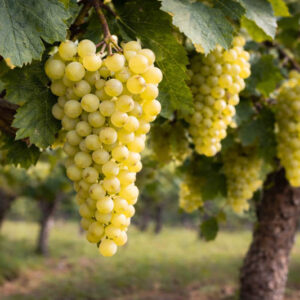
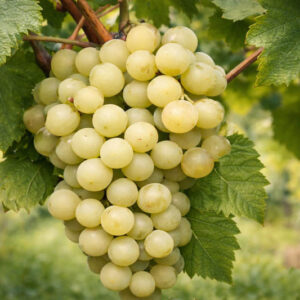
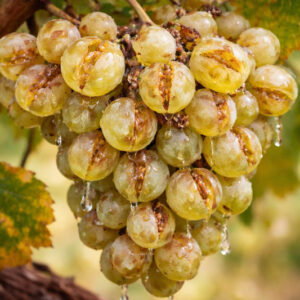
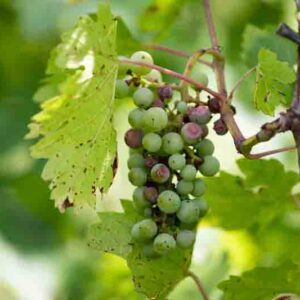
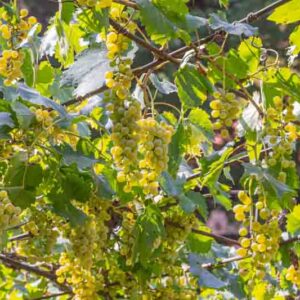
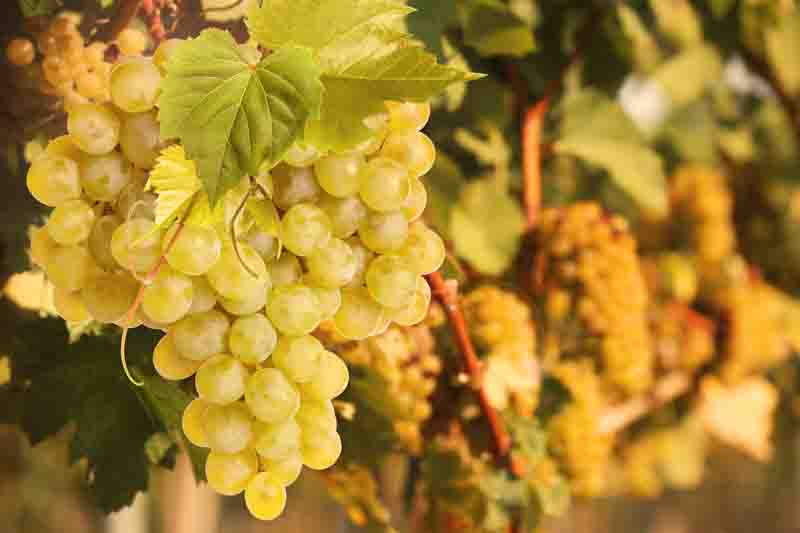
This is a vigorous, deciduous fruiting vine grown mainly for fresh eating. It produces attractive clusters of pale green to golden-white seedless grapes with a sweet, mild flavor and a pleasant, non-slip-skin texture that makes the fruit easy to eat straight from the vine. For gardeners who want a grape that feels more refined than strongly flavored American labrusca types, Lakemont is a smart choice. It is not grown for a bold “grapey” aroma. It is grown because it is sweet, clean-tasting, seedless, productive, and highly usable.
Vitis vinifera ‘Lakemont’ is a vigorous, self-fruitful, cold-hardy seedless table grape bred in Geneva, New York, and valued for sweet pale-green to golden fruit that typically ripens in late summer. Plant it in full sun, give it strong support, prune it hard during dormancy, and expect excellent fresh-eating grapes with very good garden reliability.
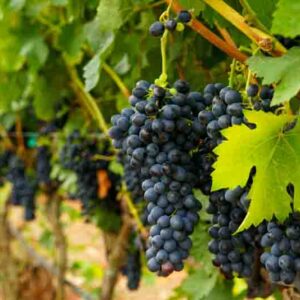
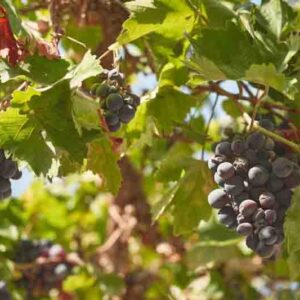
Use: Excellent for fresh eating, lunchbox snacking, fruit platters, light desserts, and edible landscaping. Highlight: Medium to large compact clusters of sweet seedless white grapes that ripen from pale green to soft golden tones. Design note: Because Lakemont is vigorous and leafy, it works beautifully on trellises, pergolas, fences, and arbors, where it provides both summer shade and harvestable fruit.
| Botanical Name | Vitis vinifera ‘Lakemont’ |
|---|---|
| Family | Vitaceae (Grape family) |
| Common Names | Lakemont Seedless Grape, Lakemont Grape |
| Plant Type | Deciduous fruiting vine, woody climber |
| Hardiness (approx. USDA) | Zones 5-8 |
| Height | 12-20 ft. or more with age, support, and pruning |
| Spread | 12-20 ft. depending on training system |
| Sun Exposure | Full sun |
| Soil | Well-drained soil; adaptable to loam, sandy loam, and other soils with good drainage |
| Harvest Season | Late summer to early fall, often starting in late August |
| Fruit | Seedless white grapes, pale green to golden, sweet, mild, and fresh-eating quality |
| Parentage | Ontario × Sultanina |
| Release | Geneva, New York, 1972 |
Lakemont is special because it fills a very specific need in the home garden: it is a seedless grape with true dessert quality that can still perform in colder regions. Many gardeners want a grape that is easy to eat, attractive on the plate, and pleasant for children and casual fresh snacking. Lakemont delivers exactly that.
Its fruit is not defined by the strong musky character often associated with traditional American grapes. Instead, Lakemont is known for a mild, sweet, clean flavor and a pleasant texture. The berries are not slip-skin like Concord. They are more table-grape-like in character, which is a major part of their appeal.
Why gardeners remember Lakemont: it is the grape you plant when you want seedless, sweet, late-summer fruit without giving up cold hardiness and backyard reliability.
Lakemont was released in 1972 by the New York State Agricultural Experiment Station at Geneva, now associated with Cornell’s grape breeding work. It was bred from a cross of Ontario × Sultanina, with Sultanina also widely known as Thompson Seedless. That parentage matters because it explains both the fruit quality and the breeding goal behind the cultivar.
The Geneva program spent decades working to combine the seedlessness and dessert quality of vinifera-type grapes with better hardiness and adaptation for New York and similar climates. Lakemont is one result of that long-term effort. It belongs to an important group of Cornell seedless grapes that gave home gardeners options beyond either bland commercial grapes or strongly flavored seeded backyard types.
Breeding note: Lakemont shares the same Ontario × Sultanina background as Himrod, Romulus, and Interlaken, but it is valued for its own combination of sweetness, productivity, and late-summer ripening.
Fresh eating: Excellent. Lakemont is first and foremost a premium home-garden table grape.
Fruit trays and lunchboxes: Excellent, because the berries are seedless, sweet, and easy to eat.
Desserts: Very good in fresh tarts, fruit salads, and chilled summer dishes.
Raisins: Sometimes used, thanks to its seedlessness and sweetness.
Juice: Usable, but not its primary strength. Lakemont is grown mainly for eating fresh.
Arbors and pergolas: Very good, especially where gardeners want both edible yield and ornamental shade.
Lakemont grapes are best described as sweet, mild, and clean-tasting. The flavor is pleasant rather than overpowering. This is one reason the cultivar is so popular for fresh eating. It does not demand explanation. People simply enjoy eating it.
Texture is equally important. The berries are generally firm to crisp, juicy, and non-slip-skin in character, which gives them a more refined table-grape feel than many classic American grapes. When fully ripe, the fruit develops a soft golden cast and a richer sweetness.
Flavor note: Lakemont is about sweetness, ease, and texture – not musky aroma, not slipskin fruit, and not old-fashioned juice-grape character.
One of Lakemont’s practical advantages is that it is self-fruitful, or self-pollinating for home garden purposes. You do not need to plant a second grape nearby to get fruit, which makes Lakemont especially useful in smaller gardens.
Like other grapes, Lakemont bears fruit on the current season’s shoots that arise from one-year-old wood. That is why annual dormant pruning is essential. Without pruning, the vine becomes crowded, overly leafy, and much less productive.
For gardeners planning a first harvest timeline, How Long Grapevines Take to Produce Fruit is a useful next-step guide.
Lakemont is generally considered a late-summer white seedless grape. In many regions it begins ripening in late August, though harvest may extend into early September or later depending on climate, crop load, and local growing conditions.
That timing makes it a strong option for gardeners who want a seedless table grape that matures reliably before cooler autumn weather becomes a problem. In warmer sites, ripening may come earlier. In cooler or maritime climates, it may come a bit later, but the basic pattern is the same: Lakemont is a late-summer fresh-eating grape.
Why your Grapevine has Leaves but No Grapes
Do not rely on color alone. Lakemont berries can look nearly ready before they are truly at peak quality. The best harvest cue is taste. Fully ripe grapes should be distinctly sweet, juicy, and pleasant, with none of the flatness that comes from picking too early.
The fruit usually shifts from pale green toward a softer golden-green tone as it ripens, especially in sunny sites. But the most dependable method is simple: taste the berries. Lakemont is at its best when sweetness is fully developed.
Harvest tip: Pick Lakemont for flavor, not for appearance alone. A little extra hang time often means noticeably sweeter grapes.
Lakemont earned its reputation because it offers better adaptation to cooler eastern and northern conditions than many delicate dessert grapes. It is commonly listed for USDA Zones 5-8, which makes it a realistic option for many home orchards that cannot reliably grow less hardy vinifera cultivars.
Best Grapes for Zone 5 – Top Varieties That Thrive
That said, hardiness does not mean carelessness. Late spring frosts can still damage young shoots, and humid summers can still raise disease pressure. Lakemont succeeds best when gardeners combine a good site, strong training, and disciplined pruning.
When to Plant Grapes for Healthier Vines
Lakemont has received the Royal Horticultural Society’s Award of Garden Merit, a recognition given to plants considered reliable, ornamental, and worthy of garden use. That award reinforces what many growers already know – this is not just a good grape on paper, but a vine with real garden value.
Lakemont is adaptable, but it is not a no-maintenance grape. In humid conditions it can still be affected by powdery mildew, downy mildew, and black rot. Crowded canopies and poor airflow increase the risk.
Common pests may include grape berry moth, leafhoppers, and Japanese beetles. Near harvest, birds are often the most immediate threat because sweet seedless grapes are especially attractive to them.
The practical defense is straightforward: grow the vine in full sun, train it openly, prune it every year, remove diseased debris, and protect ripening fruit if birds are a serious problem. Lakemont’s performance is often excellent when those basics are handled well.
Common Grapevine Problems and How to Fix Them
Watch for: Lakemont’s fruit quality drops quickly on dense, unpruned vines. If the canopy is too shaded, sweetness, airflow, and disease resistance all suffer at the same time.
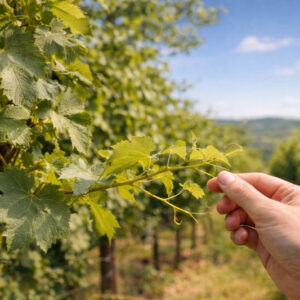
Lakemont responds well to classic backyard grape training systems such as bilateral cordon, high cordon, and pergola training. For growers focused on fruit quality and easy pruning, a simple trellis is often the most practical choice. For those who want fruit plus ornamental coverage, Lakemont can be spectacular over an arbor or pergola.
Because the vine is vigorous, support must be sturdy. A weak trellis becomes a problem fast. The better the structure, the easier it is to manage the canopy, keep fruit accessible, and make pruning less intimidating.
Prune Lakemont during winter dormancy, before spring growth begins. Grapes fruit on new shoots produced from one-year-old wood, so a large share of the previous year’s growth should be removed each year. Beginners often under-prune because it feels severe, but with grapes, hard pruning is normal and necessary.
The rule is simple: keep the framework clear, renew fruiting wood, and do not let vigor turn into congestion. Too much nitrogen or too little pruning usually produces lots of leaves and not enough high-quality fruit.
How to Prune Grapevines for Bigger Harvests: Cane Pruning vs Spur Pruning
Lakemont is not the best long-term grape for container culture, though it can be grown in a very large container for a time. Like most vigorous grapevines, it performs best in the ground where roots can spread and a permanent training system can be established.
Container-grown vines need closer attention to watering, feeding, and pruning, and fruiting is usually less generous than on well-managed in-ground vines. For serious harvests, planting Lakemont in open ground is the better long-term strategy.
How to Grow Grapes in Containers (Expert Pot Guide)
Lakemont is best for gardeners who want a seedless fresh-eating grape with real backyard practicality. It suits families, home orchardists, edible landscapers, and anyone who values sweet fruit that can be eaten without seeds, slipping skins, or a strong musky flavor.
It is especially appealing for gardeners in cooler regions who want a white table grape without gambling on a more tender, less adaptable cultivar. If your goal is juice, jelly, or classic American grape intensity, another variety may fit better. If your goal is sweet, attractive, seedless late-summer grapes, Lakemont is exactly the kind of vine worth growing.
Best fit: Grow Lakemont for fresh eating, pergolas, family gardens, and seedless harvests – not because it is trendy, but because it solves a real home-garden problem beautifully.
Lakemont: White seedless grape with sweet, mild flavor, compact attractive clusters, and dependable late-summer ripening. Often chosen for fresh eating and backyard productivity.
Himrod: Another Cornell-bred white seedless grape, often praised for excellent flavor and earlier ripening.
Best distinction: Choose Lakemont when you want a productive seedless white grape with sweet flavor and strong garden performance. Compare Himrod if earlier ripening is your priority.
Are Lakemont grapes seedless?
Yes. Lakemont is a true seedless grape and is grown primarily as a white seedless table grape for fresh eating.
When do Lakemont grapes ripen?
Lakemont grapes usually ripen in late summer, often beginning in late August, though exact timing depends on climate and growing conditions.
Does Lakemont need another grape for pollination?
No. Lakemont is self-fruitful, so a single vine can produce fruit without another grape variety nearby.
Is Lakemont good for fresh eating?
Yes. Lakemont is considered an excellent fresh-eating grape because it is seedless, sweet, mild in flavor, and pleasant in texture.
How large do Lakemont grapevines grow?
With support and regular pruning, Lakemont vines commonly grow 12 to 20 feet long or more and are often trained on trellises, fences, and pergolas.
Can Lakemont grow in cold climates?
Yes. Lakemont is commonly listed for USDA Zones 5 to 8 and was bred for better adaptation to cooler growing conditions than many delicate dessert grapes.
What color are Lakemont grapes when ripe?
Lakemont grapes are usually pale green to golden-white when ripe, often developing a warmer golden tint in sunny sites.
Is Lakemont mainly a juice grape or a table grape?
Lakemont is primarily a table grape. It can be used in other ways, but its main value is as a sweet, seedless grape for fresh eating.
Gardeners exploring seedless grapes may also enjoy Vanessa Grape, Canadice Grape, Mars Grape, Reliance Grape, or traditional American grapes such as Niagara Grape. A broader guide to how to grow grapes in the home garden can also help gardeners succeed.
Bottom line: Vitis vinifera ‘Lakemont’ remains one of the most useful seedless grapes for home gardens because it combines cold hardiness, sweet fresh-eating quality, self-fruitfulness, and reliable late-summer harvests. It is not trying to be a juice grape, a wine grape, or a novelty grape. It succeeds because it does one job extremely well: it gives gardeners attractive, easy-to-eat seedless grapes from a vigorous vine that earns its space year after year.
Updated: April 2026 • Reviewed by Gardenia Editors
| Hardiness |
5 - 8 |
|---|---|
| Plant Type | Climbers, Fruits, Shrubs |
| Plant Family | Vitaceae |
| Genus | Vitis |
| Common names | Grape |
| Exposure | Full Sun |
| Season of Interest | Summer (Early, Mid, Late), Fall |
| Height | 12' - 20' (3.7m - 6.1m) |
| Spread | 12' - 20' (3.7m - 6.1m) |
| Spacing | 144" - 240" (3.7m - 6.1m) |
| Maintenance | High |
| Water Needs | Average |
| Soil Type | Chalk, Loam, Sand |
| Soil pH | Alkaline, Neutral |
| Soil Drainage | Well-Drained |
| Characteristics | Showy, Fruit & Berries, Plant of Merit |
| Tolerances | Fire |
| Attracts | Bees, Birds |
| Garden Uses | Arbors, Pergolas, Trellises, Walls And Fences |
| Garden Styles | Informal and Cottage |
| Toxic to Humans | No known toxicity |
| Toxic to Cats | No known toxicity |
| Toxic to Dogs | Toxic |
| Toxic to Horses | No known toxicity |


| Hardiness |
5 - 8 |
|---|---|
| Plant Type | Climbers, Fruits, Shrubs |
| Plant Family | Vitaceae |
| Genus | Vitis |
| Common names | Grape |
| Exposure | Full Sun |
| Season of Interest | Summer (Early, Mid, Late), Fall |
| Height | 12' - 20' (3.7m - 6.1m) |
| Spread | 12' - 20' (3.7m - 6.1m) |
| Spacing | 144" - 240" (3.7m - 6.1m) |
| Maintenance | High |
| Water Needs | Average |
| Soil Type | Chalk, Loam, Sand |
| Soil pH | Alkaline, Neutral |
| Soil Drainage | Well-Drained |
| Characteristics | Showy, Fruit & Berries, Plant of Merit |
| Tolerances | Fire |
| Attracts | Bees, Birds |
| Garden Uses | Arbors, Pergolas, Trellises, Walls And Fences |
| Garden Styles | Informal and Cottage |
| Toxic to Humans | No known toxicity |
| Toxic to Cats | No known toxicity |
| Toxic to Dogs | Toxic |
| Toxic to Horses | No known toxicity |
How many Vitis vinifera ‘Lakemont’ (Grape) do I need for my garden?
| Plant | Quantity | |
|---|---|---|
| Vitis vinifera ‘Lakemont’ (Grape) | N/A | Buy Plants |
Create a membership account to save your garden designs and to view them on any device.
Becoming a contributing member of Gardenia is easy and can be done in just a few minutes. If you provide us with your name, email address and the payment of a modest $25 annual membership fee, you will become a full member, enabling you to design and save up to 25 of your garden design ideas.
Join now and start creating your dream garden!
Create a membership account to save your garden designs and to view them on any device.
Becoming a contributing member of Gardenia is easy and can be done in just a few minutes. If you provide us with your name, email address and the payment of a modest $25 annual membership fee, you will become a full member, enabling you to design and save up to 25 of your garden design ideas.
Join now and start creating your dream garden!