Venus Seedless Table Grape, Venus Seedless Grape, Venus Blue Seedless Grape, Venus Blue-black Seedless Grape, Venus Table Grape, Venus Bunch Grape, Venus Grape
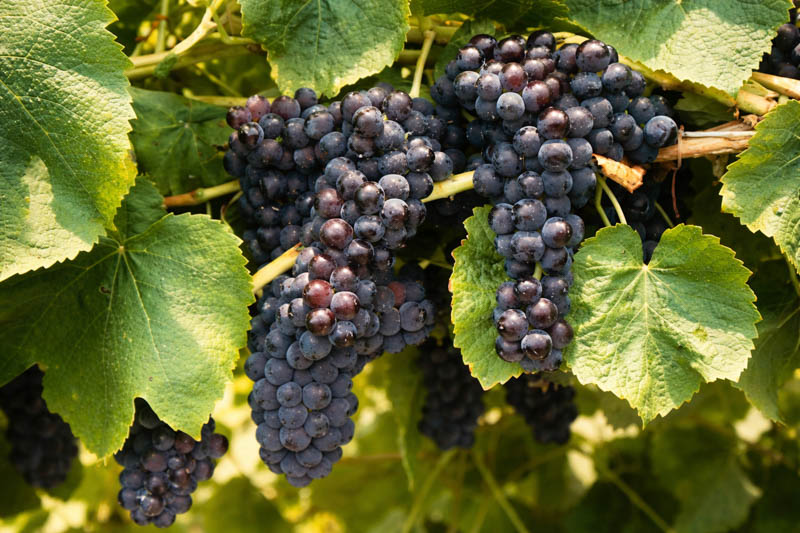


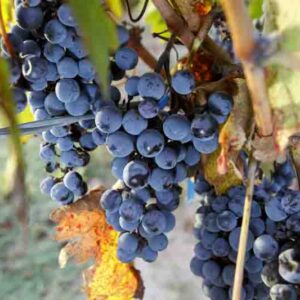
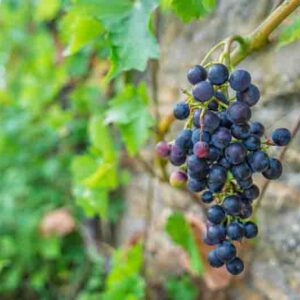
Vitis ‘Venus’, widely known as the Venus Grape, is one of the most distinctive early blue seedless grapes available to home gardeners. Released by the University of Arkansas in 1977, Venus was the first cultivar introduced from that breeding program and remains an important benchmark among American-bred table grapes. It is valued for its early ripening season, attractive blue fruit, and flavor profile that offers far more personality than many generic seedless grapes.
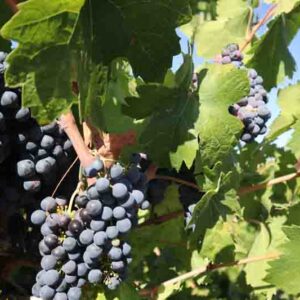
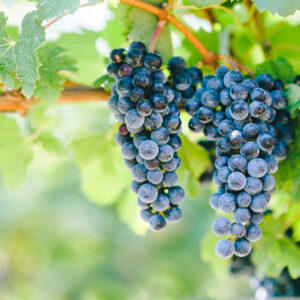
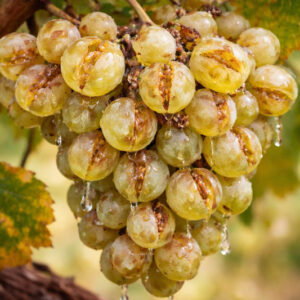
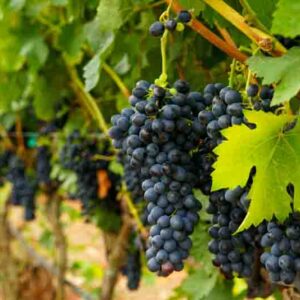
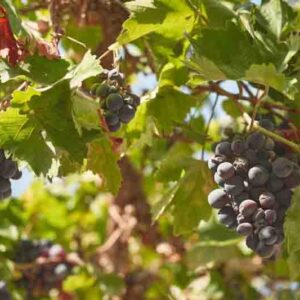
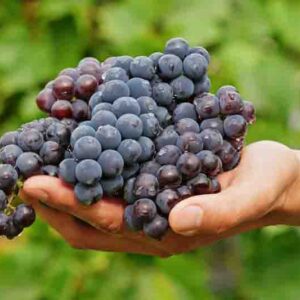
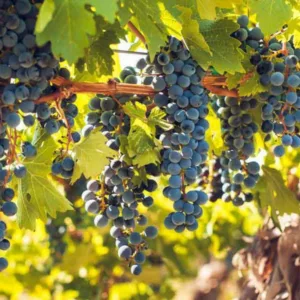
This is a deciduous fruiting vine grown mainly for fresh eating, though it can also be used for juice, jelly, jam, and other home kitchen projects. Venus produces medium to large clusters of blue to blue-black grapes that are seedless, sweet, and aromatic, with a recognizable blend of labrusca and muscat flavor. It is also a slipskin grape, meaning the skin separates relatively easily from the pulp. That matters because Venus is not a crisp commercial-style grape in the supermarket mold – it offers a more traditional, juicy, aromatic eating experience with real grape character.
For gardeners who want a productive vine with early fruit, striking color, and a richer flavor than standard seedless grapes, Venus remains one of the most interesting choices in the home garden. It is especially appealing to growers who want a grape that feels useful, flavorful, and horticulturally significant rather than interchangeable.
Vitis ‘Venus’ is a medium to vigorous, self-fruitful seedless grape vine grown mainly for fresh eating, with early-ripening blue fruit, slipskin texture, and a sweet aromatic flavor that combines labrusca and muscat notes. Plant it in full sun, give it strong support and annual dormant pruning, and expect a productive home-garden grape that performs best with good airflow and a sensible spray program where disease pressure is high.
Use: Excellent for fresh eating, backyard harvests, juice, jelly, jam, and home fruit gardens. Highlight: Medium to large clusters of blue seedless slipskin grapes with sweet flavor and distinct labrusca-muscat aroma. Design note: Because it is attractive and productive, Venus also works well on trellises, pergolas, fences, and edible landscape structures where fruit production and summer coverage are both valued.
| Botanical Name | Vitis ‘Venus’ |
|---|---|
| Family | Vitaceae (Grape family) |
| Common Names | Venus Grape |
| Plant Type | Deciduous fruiting vine, woody climber |
| Hardiness (approx. USDA) | Zones 5-8; best described as moderately hardy rather than extremely hardy |
| Height | 12-20 ft. (3.5-6 m), depending on support and pruning |
| Spread | 10-20 ft. depending on training system |
| Sun Exposure | Full sun |
| Soil | Well-drained soil; adaptable if drainage is good |
| Harvest Season | Early; typically mid-summer to late summer depending on region |
| Fruit | Blue, seedless, slipskin berries with sweet aromatic flavor and occasional seed trace |
| Berry Size | Medium, about 3 g |
| Cluster Size | Medium-large, about 250 g on average |
| Soluble Solids | About 16% when mature |
Venus stands out because it offers something that many seedless grapes do not – identity. This is not a neutral, watery table grape selected only for shelf life or shipping performance. Venus has blue skin, juicy flesh, an unmistakable aromatic quality, and a flavor profile that combines American-style labrusca character with muscat sweetness. That combination makes it memorable.
It is also important horticulturally. Venus was the first grape released from the University of Arkansas breeding program, and that alone gives it a meaningful place in the history of American table grape development. It helped establish the program that later produced several influential seedless cultivars for home and regional growers.
Why gardeners love it: Venus gives you seedless fruit with actual flavor – early, sweet, aromatic, and much more distinctive than generic supermarket grapes.
Venus was released in 1977 by the University of Arkansas as part of a breeding effort focused on producing better table grapes for the soils and climate of Arkansas and similar regions. It has long been recognized as the first cultivar released from that program and as an early demonstration that seedless grapes with useful flavor and acceptable quality could be developed for more humid eastern and southern conditions.
Rather than fitting neatly into a simple European grape category, Venus is better understood as an American-bred hybrid table grape with mixed parentage and a flavor profile that reflects both labrusca influence and muscat character. That is one reason the botanical presentation Vitis ‘Venus’ is more accurate and safer than assigning it too narrowly to Vitis vinifera.
Fresh eating: Excellent if you enjoy juicy, aromatic seedless grapes with more flavor than average. Juice: Good, especially for gardeners who like fuller-flavored home juice. Jelly and jam: Good. Wine: Possible on a home scale, though it is grown mainly as a table grape. Ornamental shade: Very good on pergolas, trellises, and fences. Shorter growing seasons: Useful because it ripens early. Humid climates: Better than some delicate grapes, but not disease-proof and not carefree.
One of Venus’s practical advantages is that it is self-fruitful, so you do not need a second grape nearby for pollination. That makes it especially useful for home gardeners with room for only one vine.
Like other grapes, Venus fruits on the current season’s shoots that arise from one-year-old wood. That detail matters because pruning is not optional. A neglected vine may still look vigorous, but fruit quality, airflow, and manageability will all decline quickly if the framework is not renewed each year.
How Long Grapevines Take to Produce Fruit
Venus is generally considered an early grape, which is one of its defining strengths. In Arkansas trial information, it has been listed as maturing around late July, but in home gardens the practical harvest window is better described as mid-summer to late summer depending on climate, site, and seasonal heat.
That early maturity makes Venus particularly valuable for gardeners who want a seedless grape that finishes before autumn weather becomes less reliable. It also helps separate Venus from many later cultivars that need a longer, steadier season to reach full quality.
Why your Grapevine has Leaves but No Grapes
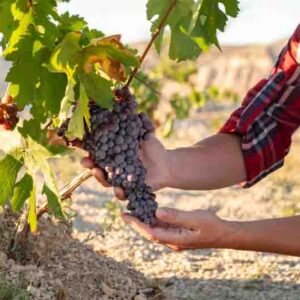
Do not harvest based on color alone. Venus can look impressive before it tastes fully finished. The best signal is a combination of color, sweetness, and aroma. Fully ripe grapes should be richly flavored, juicy, and less sharp, with that distinctive sweet aromatic quality becoming obvious.
Because Venus is an early grape, it is tempting to pick as soon as the berries darken. Resist that urge. Let the fruit hang until the flavor rounds out and the clusters taste complete rather than merely colored.
Harvest tip: Venus grapes usually become more convincing after color develops. Taste the berries before picking – flavor is the real harvest test.
This is the section that really defines Venus. The berries are sweet, juicy, and aromatic, with a flavor commonly described as a combination of labrusca and muscat. In plain language, that means the fruit has a classic American grapey note, but with a softer floral sweetness layered into it.
Venus is also a slipskin grape. That is an important point because it gives the berry a more traditional texture than many modern non-slipskin seedless grapes. Some gardeners love that juicy old-fashioned quality; others prefer firmer commercial-style texture. Either way, the texture should be described honestly, because it is part of what makes Venus distinctive. In some fruit, a small seed trace may also be noticeable.
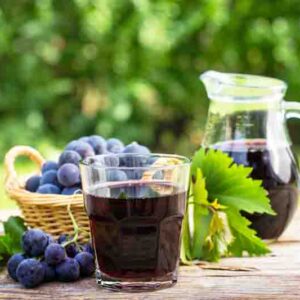
How to Make Grape Juice at Home
Flavor note: Venus is not a bland seedless grape. It is sweet, slipskin, aromatic, and clearly marked by labrusca-muscat character.
Venus is often praised for broader adaptability than delicate classic vinifera table grapes, but the important phrase is moderately hardy, not invincible. It can handle a useful range of climates and is often chosen for regions where gardeners want an early seedless grape with some resilience, yet it should not be oversold as universally tough.
Best Grapes for Zone 5 – Top Varieties That Thrive
Hot summers help the fruit mature, but excessive heat can contribute to uneven ripening in some growing conditions. In cooler climates, the early maturity is a real advantage. In humid climates, success depends heavily on sun, airflow, pruning, and disease management rather than wishful thinking about resistance.
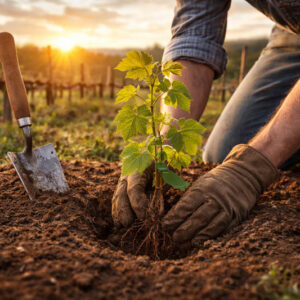
When to Plant Grapes for Healthier Vines
Venus is often described as having moderate resistance to fungal diseases, which is useful but should not be mistaken for immunity. In practical garden terms, that means it may be more workable than some sensitive grapes, but it still benefits from preventive care and, in higher-pressure areas, a sensible spray program.
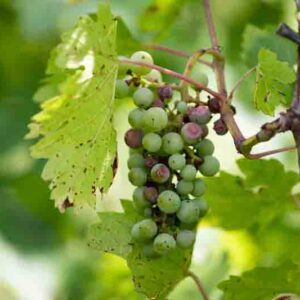
Potential disease issues include powdery mildew, downy mildew, black rot, and botrytis bunch rot. Common pests may include grape berry moth, leafhoppers, Japanese beetles, and phylloxera. Birds may become the most immediate harvest threat as fruit ripens.
The real management lesson is simple: Venus performs best when the vine is pruned properly, kept open, grown in full sun, and not allowed to become a tangled mass of shaded foliage. Good structure is not cosmetic – it is disease prevention.
Common Grapevine Problems and How to Fix Them
Watch for: Venus is not a no-spray miracle grape. In humid or disease-prone areas, poor airflow and neglected pruning can quickly turn a promising vine into a messy, lower-quality crop.
One of the reasons Venus is more than just a descriptive catalog grape is that it has measurable cultivar traits. Official summaries describe berries at about 3 grams, clusters averaging about 250 grams, soluble solids around 16%, and research-trial yields in the moderate to high range, roughly 8 to 10 tons per acre. Those numbers give gardeners a more realistic sense of what the vine is trying to do: ripen relatively early, produce useful table-grape clusters, and deliver respectable sweetness without pretending to be a giant-cluster commercial shipping cultivar.
Why this matters: Venus is not valuable only because it tastes good. It also has documented cultivar data that make it easier to compare honestly with other seedless grapes.
Venus responds well to several standard training systems. For home gardeners, the most practical choices are usually high cordon, bilateral cordon, and simple trellis or arbor training. If easy pruning and straightforward fruiting are your goals, a standard trellis is often the best choice.
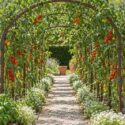
If you want edible shade, Venus can also be trained over pergolas and arbors. Just remember that ornamental training does not reduce maintenance. A decorative grape structure still needs yearly thinning, renewal, and clear framework management if it is going to stay both beautiful and productive.
Discover the best trellis systems for backyard grapes
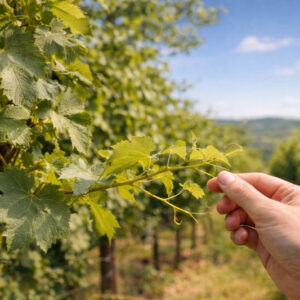
Prune Venus during dormancy, usually in late winter or very early spring before growth begins. Grapes bear fruit on current-season shoots produced from one-year-old wood, which means a substantial portion of last season’s growth should be removed every year.
This feels severe to many beginners, but it is exactly how grapevines remain productive. Under-pruned vines often produce too much shade, too much weak growth, and too much disease pressure. The practical rule is simple: prune hard, maintain structure, and renew fruiting wood every year.
How to Prune Grapevines for Bigger Harvests
Venus is not the ideal long-term grape for containers, even though it can be grown that way for a time. Like other grapes, it is happiest in the ground where the roots have more room and the vine can establish a durable permanent framework.
A very large container can work for a carefully managed patio vine, but expect more frequent watering, closer feeding attention, and stricter pruning. For serious long-term fruiting, open ground is still the better choice.
How to Grow Grapes in Containers
Venus is an excellent choice for gardeners who want a seedless grape with more flavor than average, especially if they value early ripening and do not mind a slipskin texture. It is well suited to home growers who want fresh eating grapes with character, as well as gardeners who like the idea of a historically important University of Arkansas cultivar with proven backyard usefulness.
It is less ideal for people who want the firm, neutral, supermarket-style texture of some commercial grapes. Venus is better understood as a flavor-first home garden grape – not a mass-market imitation, but a distinctive cultivar with real personality.
Yes. Venus is a seedless table grape, though small seed traces may occasionally be noticed in some fruit.
Yes. Venus is considered a slipskin grape, which means the skin separates relatively easily from the pulp.
Venus grapes are sweet and aromatic with a flavor commonly described as a combination of labrusca and muscat notes.
Venus is an early-ripening grape, often maturing from mid-summer to late summer depending on region and season.
No. Venus grapes are self-fruitful, so one vine can produce fruit without a second cultivar nearby.
Venus has moderate resistance to fungal diseases, but it is not disease-proof and often performs best with good pruning, airflow, and preventive management.
Official cultivar summaries describe Venus berries as medium, about 3 grams each, and clusters as medium-large, averaging about 250 grams.
For readers comparing seedless and American-adapted grapes, useful next-step pages would include Reliance Grape, Canadice Grape, Niagara Grape, and a broader guide to how to grow grapes in the home garden.
Bottom line: Vitis ‘Venus’ remains one of the most distinctive early blue seedless grapes for home gardeners because it combines early maturity, real flavor, attractive fruit, and useful garden performance. It is not a generic seedless grape, and it should not be described that way. Venus is best grown by gardeners who want a vine with character, history, and a harvest that tastes unmistakably like a real grape.
Updated: April 2026 • Reviewed by Gardenia Editors
| Hardiness |
5 - 9 |
|---|---|
| Plant Type | Climbers, Fruits, Shrubs |
| Plant Family | Vitaceae |
| Genus | Vitis |
| Common names | Grape |
| Exposure | Full Sun |
| Season of Interest | Summer (Early, Mid, Late), Fall |
| Height | 12' - 20' (3.7m - 6.1m) |
| Spread | 10' - 20' (3m - 6.1m) |
| Spacing | 120" - 240" (3m - 6.1m) |
| Maintenance | High |
| Water Needs | Average |
| Soil Type | Chalk, Loam, Sand |
| Soil pH | Alkaline, Neutral |
| Soil Drainage | Well-Drained |
| Characteristics | Showy, Fruit & Berries |
| Tolerances | Fire |
| Attracts | Bees, Birds |
| Garden Uses | Arbors, Pergolas, Trellises, Walls And Fences |
| Garden Styles | Informal and Cottage |
| Toxic to Humans | No known toxicity |
| Toxic to Cats | No known toxicity |
| Toxic to Dogs | Toxic |
| Toxic to Horses | No known toxicity |


| Hardiness |
5 - 9 |
|---|---|
| Plant Type | Climbers, Fruits, Shrubs |
| Plant Family | Vitaceae |
| Genus | Vitis |
| Common names | Grape |
| Exposure | Full Sun |
| Season of Interest | Summer (Early, Mid, Late), Fall |
| Height | 12' - 20' (3.7m - 6.1m) |
| Spread | 10' - 20' (3m - 6.1m) |
| Spacing | 120" - 240" (3m - 6.1m) |
| Maintenance | High |
| Water Needs | Average |
| Soil Type | Chalk, Loam, Sand |
| Soil pH | Alkaline, Neutral |
| Soil Drainage | Well-Drained |
| Characteristics | Showy, Fruit & Berries |
| Tolerances | Fire |
| Attracts | Bees, Birds |
| Garden Uses | Arbors, Pergolas, Trellises, Walls And Fences |
| Garden Styles | Informal and Cottage |
| Toxic to Humans | No known toxicity |
| Toxic to Cats | No known toxicity |
| Toxic to Dogs | Toxic |
| Toxic to Horses | No known toxicity |
How many Vitis ‘Venus’ (Grape) do I need for my garden?
| Plant | Quantity | |
|---|---|---|
| Vitis ‘Venus’ (Grape) | N/A | Buy Plants |
Create a membership account to save your garden designs and to view them on any device.
Becoming a contributing member of Gardenia is easy and can be done in just a few minutes. If you provide us with your name, email address and the payment of a modest $25 annual membership fee, you will become a full member, enabling you to design and save up to 25 of your garden design ideas.
Join now and start creating your dream garden!
Create a membership account to save your garden designs and to view them on any device.
Becoming a contributing member of Gardenia is easy and can be done in just a few minutes. If you provide us with your name, email address and the payment of a modest $25 annual membership fee, you will become a full member, enabling you to design and save up to 25 of your garden design ideas.
Join now and start creating your dream garden!