Himrod Seedless Grape, Himrod Seedless, Himrod White Seedless Grape, Himrod Yellow Seedless Table Grape, Himrod Table Grape, White Seedless Table Grape, Ny 15310
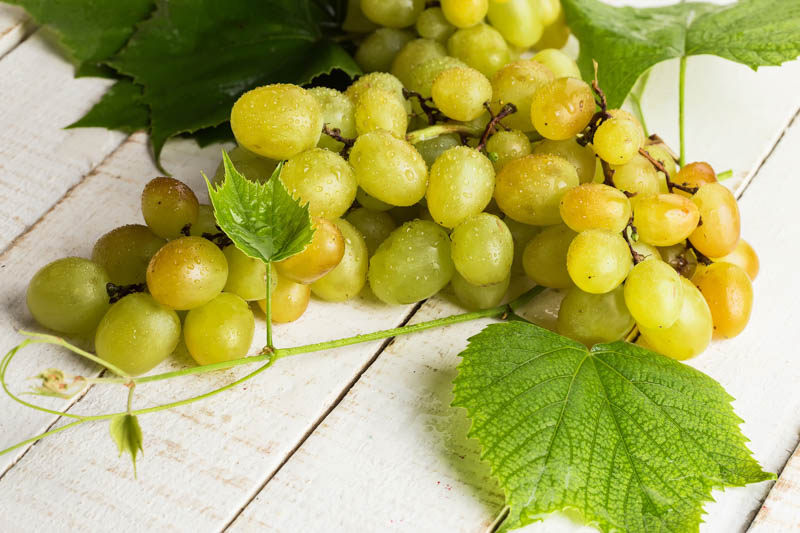


Vitis ‘Himrod’, commonly known as the Himrod Seedless Grape, is one of the finest white seedless table grapes ever introduced for home gardens in cool and temperate climates. Released in 1952 by the New York State Agricultural Experiment Station in Geneva, New York, Himrod emerged from the Cornell breeding program that also produced other notable seedless grapes such as Lakemont, Romulus, and Interlaken. Its direct parentage is Ontario × Sultanina, with Sultanina widely known as Thompson Seedless. Because Ontario itself is an interspecific grape with Vitis labrusca and Vitis vinifera ancestry, Himrod is best understood as a labrusca-influenced hybrid seedless grape rather than a pure Vitis labrusca cultivar.
That distinction matters because it helps explain why Himrod performs the way it does. It carries enough American-hybrid background to offer better cold tolerance and garden adaptability than many delicate vinifera-type table grapes, yet it also delivers the soft texture, seedlessness, and refined flavor people expect from a true fresh-eating grape. In practical terms, Himrod succeeds because it combines excellent dessert quality, early ripening, and reliable backyard performance.
Vitis ‘Himrod’ is a vigorous, self-fruitful, cold-hardy hybrid seedless table grape bred in Geneva, New York, and valued for large loose clusters of sweet white to golden fruit with a honey-like flavor and juicy melting texture. Plant it in full sun, train it on a sturdy trellis or arbor, prune it hard during dormancy, and expect one of the best fresh-eating seedless grapes for home gardens.
Use: Outstanding for fresh eating, lunchbox snacking, fruit platters, summer desserts, and edible screening.
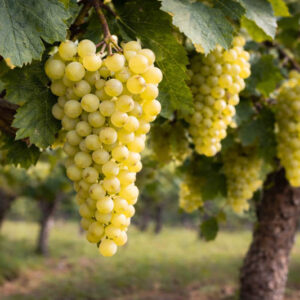
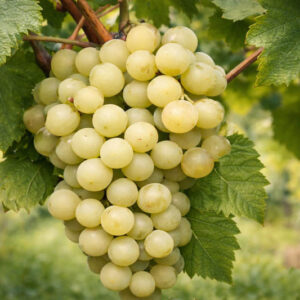
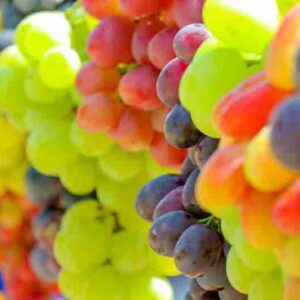
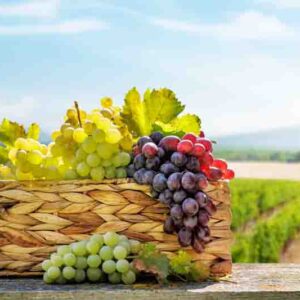
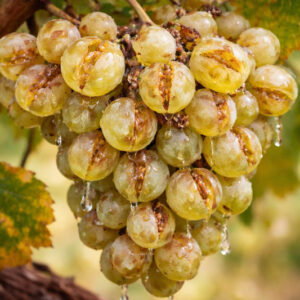
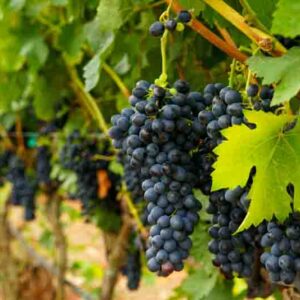
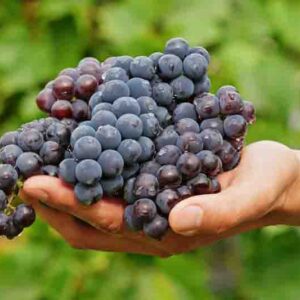
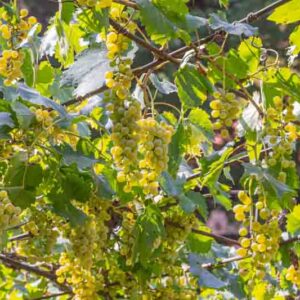
Highlight: Medium to large, loosely filled clusters of sweet white seedless grapes that ripen to golden tones.
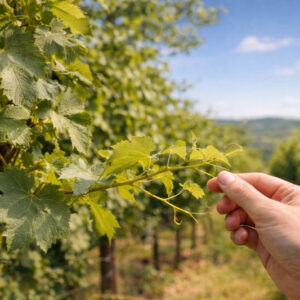
Design note: Because Himrod is vigorous and handsome in leaf, it is an excellent choice for trellises, fences, pergolas, and arbors, where it combines shade, structure, and harvest.
| Botanical Name | Vitis ‘Himrod’ |
|---|---|
| Family | Vitaceae (Grape family) |
| Common Names | Himrod Seedless Grape, Himrod Grape |
| Plant Type | Deciduous fruiting vine, woody climber |
| Botanical Background | Hybrid seedless grape with V. labrusca and V. vinifera ancestry through Ontario |
| Hardiness (approx. USDA) | Zones 5-8 |
| Height | 12-20 ft. or more with age, support, and pruning |
| Spread | 12-20 ft. depending on training system |
| Sun Exposure | Full sun |
| Soil | Well-drained soil; adaptable to loam and sandy loam with good drainage |
| Harvest Season | Late summer to early fall, often from late August into early September |
| Fruit | Seedless white grapes ripening golden, sweet, juicy, and premium for fresh eating |
| Parentage | Ontario × Sultanina |
| Release | Geneva, New York, 1952 |
Himrod is special because it succeeds where many backyard grapes compromise. Some cultivars are hardy but coarse in texture. Others are refined but too tender for many home gardens. Himrod manages to be seedless, sweet, relatively early-ripening, and highly appealing fresh off the vine. That is a rare combination.
Its reputation rests above all on eating quality. Growers and extension specialists repeatedly describe Himrod as having a honey-like flavor and a melting, juicy texture. That matters because it separates Himrod from many serviceable grapes that are productive but forgettable. Himrod is the grape people often remember for taste first, not merely for convenience.
Why gardeners remember Himrod: it is the seedless white grape you grow when you want real dessert quality, earlier harvests, and reliable home-garden performance.
Himrod was released in 1952 by the New York State Agricultural Experiment Station in Geneva, New York. Cornell records identify the direct cross as Ontario × Sultanina. Sultanina, better known as Thompson Seedless, contributed seedlessness and table-grape quality. Ontario contributed adaptability and hybrid vigor.
This is where the taxonomy can confuse gardeners. Some references describe Himrod as a Vitis labrusca hybrid, while Cornell lists the direct parentage simply as Ontario × Sultanina. Both ideas can be true at once. Ontario is itself an interspecific grape carrying labrusca and vinifera background, so Himrod inherits labrusca ancestry indirectly. The clearest description is that Himrod is a hybrid seedless grape with labrusca influence, bred to combine American hardiness with more refined fresh-eating quality.
The Geneva breeding program spent decades trying to solve a real horticultural problem: how to combine seedlessness, sweetness, and better hardiness for eastern gardens. Himrod became one of the program’s most influential successes, and it remains a benchmark cultivar for seedless grapes in cooler climates.
Breeding note: Himrod shares its Ontario × Sultanina parentage with several classic Geneva seedless grapes, but it stands out for earlier ripening and exceptional fresh-eating quality.
Fresh eating: Excellent. This is Himrod’s main purpose and greatest strength.
Fruit trays and lunchboxes: Excellent, because the berries are seedless, sweet, and easy to eat out of hand.
Desserts: Very good in fresh fruit salads, chilled desserts, and simple late-summer platters.
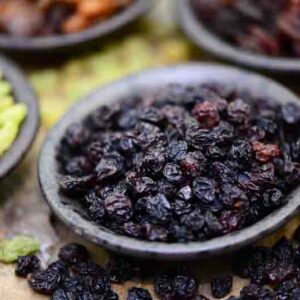
Raisins: Possible, and sometimes recommended, though Himrod is grown mainly as a premium table grape.
Juice: Usable, but not the main reason to plant it. Other grapes are better if juice is the primary goal.
Arbors and pergolas: Very good where gardeners want ornamental summer coverage plus harvestable fruit.
Himrod is widely admired for a flavor that is best described as sweet, delicate, and honey-like. It does not have the forceful musky “foxy” character associated with many traditional labrusca grapes. Instead, the flavor is lighter, cleaner, and more refined, which is one reason it remains such a strong fresh-eating cultivar.
The texture is equally important. The flesh is often described as melting and juicy, with a pleasant table-grape quality rather than a thick-skinned or strongly slip-skin feel. Compared with ordinary supermarket seedless grapes, home-grown Himrod often tastes sweeter, softer, and more distinctive when picked at peak ripeness.
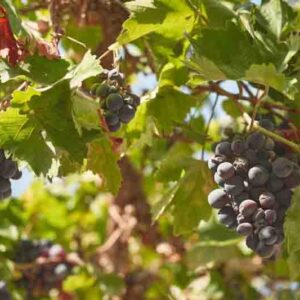
Cluster structure also contributes to quality. Himrod typically produces medium to large, loosely filled bunches. That looser arrangement is attractive in its own right and can modestly improve air movement around the berries compared with very tight clusters.
Flavor note: Himrod is prized for sweetness, honeyed nuance, and juicy melting texture – not for foxy aroma, not for slipskin nostalgia, and not for processing character.
Himrod is self-fruitful, so one vine can set fruit without a second grape variety nearby. That makes it especially practical in smaller gardens, mixed edible landscapes, and home orchards where only one or two vines are being planted.
Like other bunch grapes, Himrod bears fruit on the current season’s shoots arising from one-year-old wood. This is why dormant pruning matters so much. A neglected vine may look luxuriant, but it often becomes too shaded, less productive, and more vulnerable to disease. For gardeners planning ahead, How Long Grapevines Take to Produce Fruit is a useful next step.
Himrod is generally regarded as an early-ripening to early-midseason white seedless grape for home gardens, often maturing in late August or early September depending on climate, crop load, and local conditions. In comparative terms, it usually ripens earlier than Lakemont, which is one of the reasons gardeners in shorter-season areas value it so highly.
That earlier ripening window is a practical advantage, not just a calendar detail. It helps gardeners harvest before late-season disease pressure intensifies and before cooler autumn weather begins to limit fruit quality. Why your Grapevine has Leaves but No Grapes
Do not judge Himrod by color alone. The berries may look attractive before they have reached their best flavor. The most reliable harvest cue is taste. Fully ripe Himrod grapes should be distinctly sweet, juicy, and smooth in texture, without the flatness that comes from picking too early.
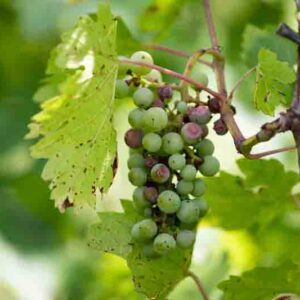
The fruit typically shifts from white-green toward warm golden tones as it ripens, especially in sunny sites. But the key rule remains simple: taste before you pick in quantity. Grapes do not continue to sweeten after harvest.
Harvest tip: Pick Himrod when it tastes fully rich and sweet. Golden color helps, but flavor is the real finish line.
Himrod is commonly grown in USDA Zones 5-8 and is widely valued because it handles cooler climates better than many delicate seedless table grapes. That does not make it invulnerable, but it does make it far more realistic for northern and eastern home gardens than many classic vinifera table grapes sold primarily for warm regions.
Best Grapes for Zone 5 – Top Varieties That Thrive
Even so, good siting still matters. Give Himrod full sun, well-drained soil, and good air circulation. Avoid frost pockets where late spring freezes can damage emerging shoots. When to Plant Grapes for Healthier Vines
Himrod is adaptable, but it is not a spray-free miracle grape in humid climates. It can be affected by powdery mildew, downy mildew, and black rot, especially if the canopy becomes dense and poorly ventilated.
Common pests may include grape berry moth, leafhoppers, and Japanese beetles. Birds often become the most immediate threat near harvest because sweet seedless grapes are especially attractive to them.
Himrod is also often described as moderately productive rather than massively heavy-cropping, and it can become too vigorous if overfed. That vigor can work against fruit quality if pruning is timid. In addition, its cluster stems may be somewhat delicate, so the fruit is best enjoyed fresh rather than treated like a shipping grape. Common Grapevine Problems and How to Fix Them
Watch for: Himrod can grow too vigorously if overfed or under-pruned. That sounds harmless, but dense shade lowers sweetness, raises disease pressure, and makes the vine harder to manage all at once.
Himrod performs well on bilateral cordon, high cordon, and arbor or pergola systems. For gardeners focused primarily on fruit quality and easy maintenance, a classic trellis is often the best option. For those who want edible shade as well as fruit, Himrod can be spectacular trained overhead on a pergola or arbor.
Because the vine is vigorous, the support system should be sturdy from the beginning. A weak trellis quickly becomes a problem. Discover the best trellis systems for backyard grapes and choose the structure that makes pruning easier and harvests bigger.
Prune Himrod during winter dormancy, before spring growth starts. Grapes fruit on new shoots produced from one-year-old wood, so a substantial share of the previous season’s growth should be removed each year. This often feels severe to beginners, but with grapes it is normal and necessary.
The goal is straightforward: maintain the permanent framework, renew fruiting wood, and keep sunlight moving through the canopy. Too little pruning usually leads to too much shade, too much vegetative growth, and too little high-quality fruit. How to Prune Grapevines for Bigger Harvests: Cane Pruning vs Spur Pruning
Himrod can be grown in a very large container for a period, but it is not the best long-term container grape. Like most vigorous bunch grapes, it performs best in the ground, where its roots can establish deeply and a permanent training system can be developed.
Container-grown vines need more frequent watering, closer feeding control, and tighter pruning discipline. For meaningful harvests over many years, planting Himrod in open ground is usually the better long-term strategy. How to Grow Grapes in Containers (Expert Pot Guide)
Himrod is best for gardeners who want a seedless fresh-eating grape with genuinely high eating quality. It suits family gardens, edible landscapes, backyard orchards, and growers in cooler climates who want a white table grape without depending on a tender vinifera cultivar that may struggle outdoors.
If your goal is intense juice flavor or classic Concord-style aroma, another variety may suit you better. But if your goal is sweet, seedless, golden-white fruit with refined flavor, early ripening, and practical cold hardiness, Himrod remains one of the smartest grapevines you can plant.
Best fit: Grow Himrod for fresh eating, family gardens, shorter-season harvests, and premium seedless flavor – not as a novelty, but as a proven cultivar with real horticultural value.
Himrod: White seedless grape known for excellent honey-like flavor, melting juicy texture, earlier ripening, and loosely filled clusters.
Lakemont Seedless Grape: White seedless grape with sweet, mild flavor, crisp texture, and generally later ripening than Himrod.
Best distinction: Choose Himrod when you want earlier ripening and standout dessert quality. Choose Lakemont when you want a later, highly productive seedless white grape with a milder flavor profile and firmer keeping quality.
Yes. Himrod is a seedless white table grape grown primarily for fresh eating.
Himrod’s direct parentage is Ontario × Sultanina. Because Ontario is itself an interspecific grape with labrusca and vinifera background, Himrod is often described as a labrusca-influenced hybrid.
Himrod grapes usually ripen in late August to early September, depending on climate, crop load, and local growing conditions.
No. Himrod is self-fruitful, so a single vine can produce fruit without another grape variety nearby.
Himrod is known for a sweet, delicate, often honey-like flavor with juicy melting flesh, which is why it is widely considered one of the best fresh-eating seedless grapes.
Yes. Himrod is commonly grown in USDA Zones 5 to 8 and was bred for better adaptation to cooler climates than many delicate dessert grapes.
Himrod grapes ripen from white-green to a soft golden-white or amber-gold tone, especially in sunny sites.
Himrod is primarily a table grape. It can be used in other ways, but its main value is as a sweet, seedless grape for fresh eating.
Gardeners exploring seedless grapes may also enjoy Vanessa Grape, Canadice Grape, Mars Grape, Reliance Grape, or traditional American grapes such as Niagara Grape. A broader guide to how to grow grapes in the home garden can also help gardeners succeed.
Bottom line: Vitis ‘Himrod’ remains one of the most useful seedless grapes for home gardens because it combines cold hardiness, refined fresh-eating quality, self-fruitfulness, and relatively early ripening. It is not merely a convenient seedless grape. It is a cultivar with real horticultural substance – bred for better adaptation, remembered for flavor, and still worthy of serious consideration in modern gardens.
Updated: April 2026 • Reviewed by Gardenia Editors
| Hardiness |
5 - 8 |
|---|---|
| Plant Type | Climbers, Fruits, Shrubs |
| Plant Family | Vitaceae |
| Genus | Vitis |
| Common names | Grape |
| Exposure | Full Sun |
| Season of Interest | Summer (Early, Mid, Late), Fall |
| Height | 12' - 20' (3.7m - 6.1m) |
| Spread | 12' - 20' (3.7m - 6.1m) |
| Spacing | 144" - 240" (3.7m - 6.1m) |
| Maintenance | High |
| Water Needs | Average |
| Soil Type | Chalk, Loam, Sand |
| Soil pH | Alkaline, Neutral |
| Soil Drainage | Well-Drained |
| Characteristics | Showy, Fruit & Berries |
| Tolerances | Fire |
| Attracts | Bees, Birds |
| Garden Uses | Arbors, Pergolas, Trellises, Walls And Fences |
| Garden Styles | Informal and Cottage |
| Toxic to Humans | No known toxicity |
| Toxic to Cats | No known toxicity |
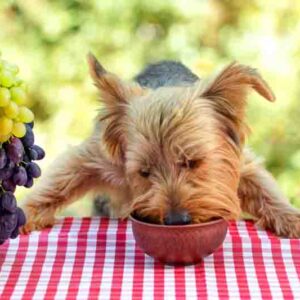
| Toxic to Dogs | Toxic |
| Toxic to Horses | No known toxicity |


| Hardiness |
5 - 8 |
|---|---|
| Plant Type | Climbers, Fruits, Shrubs |
| Plant Family | Vitaceae |
| Genus | Vitis |
| Common names | Grape |
| Exposure | Full Sun |
| Season of Interest | Summer (Early, Mid, Late), Fall |
| Height | 12' - 20' (3.7m - 6.1m) |
| Spread | 12' - 20' (3.7m - 6.1m) |
| Spacing | 144" - 240" (3.7m - 6.1m) |
| Maintenance | High |
| Water Needs | Average |
| Soil Type | Chalk, Loam, Sand |
| Soil pH | Alkaline, Neutral |
| Soil Drainage | Well-Drained |
| Characteristics | Showy, Fruit & Berries |
| Tolerances | Fire |
| Attracts | Bees, Birds |
| Garden Uses | Arbors, Pergolas, Trellises, Walls And Fences |
| Garden Styles | Informal and Cottage |
| Toxic to Humans | No known toxicity |
| Toxic to Cats | No known toxicity |
| Toxic to Dogs | Toxic |
| Toxic to Horses | No known toxicity |
How many Vitis ‘Himrod’ (Grape) do I need for my garden?
| Plant | Quantity | |
|---|---|---|
| Vitis ‘Himrod’ (Grape) | N/A | Buy Plants |
Create a membership account to save your garden designs and to view them on any device.
Becoming a contributing member of Gardenia is easy and can be done in just a few minutes. If you provide us with your name, email address and the payment of a modest $25 annual membership fee, you will become a full member, enabling you to design and save up to 25 of your garden design ideas.
Join now and start creating your dream garden!
Create a membership account to save your garden designs and to view them on any device.
Becoming a contributing member of Gardenia is easy and can be done in just a few minutes. If you provide us with your name, email address and the payment of a modest $25 annual membership fee, you will become a full member, enabling you to design and save up to 25 of your garden design ideas.
Join now and start creating your dream garden!