Neptune Seedless Grape, Neptune Seedless Table Grape, Neptune Grape, Neptune Bunch Grape, Neptune White Seedless Grape, Yellow-green Seedless Table Grape
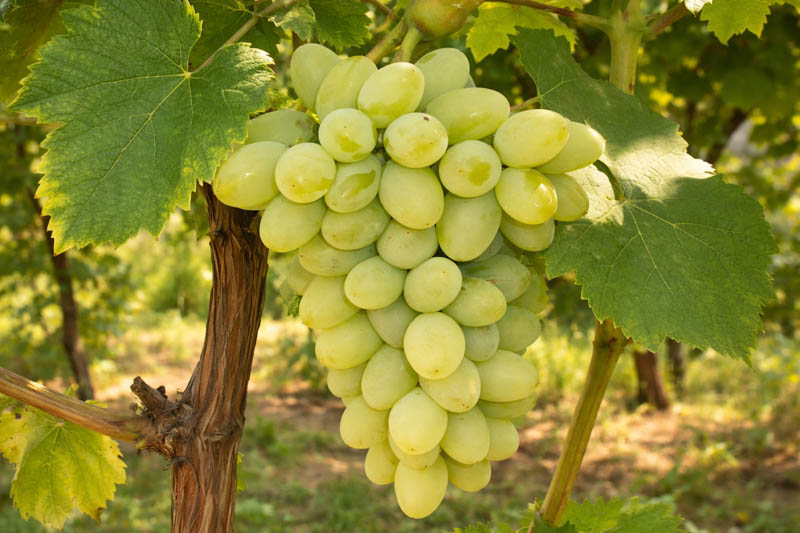


Vitis ‘Neptune’, widely known as the Neptune Seedless Grape, is a white seedless table grape developed by the University of Arkansas breeding program and released in 1998. It was bred for gardeners and growers who want attractive clusters, seedless fruit, sweet flavor, good texture, and stronger practical performance than many demanding table grapes. Neptune is not just another green grape cultivar. It is a purpose-bred fresh-eating grape with a clear horticultural identity.
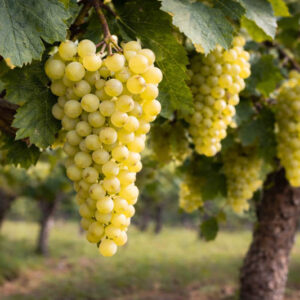
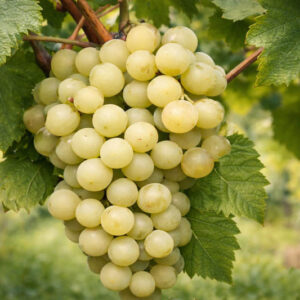
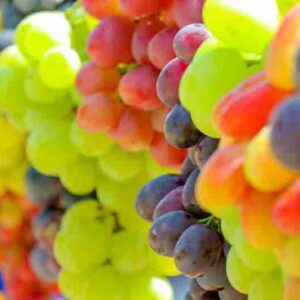
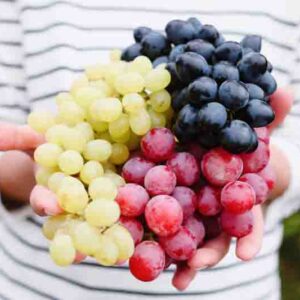
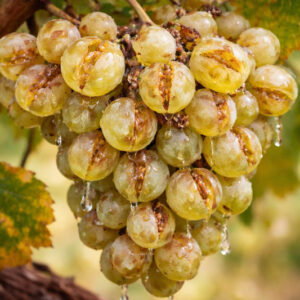
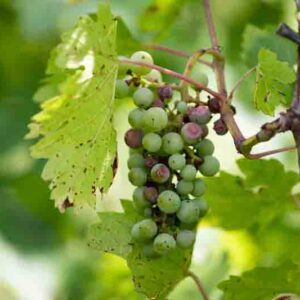
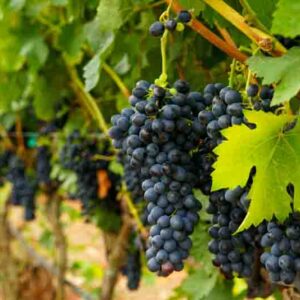
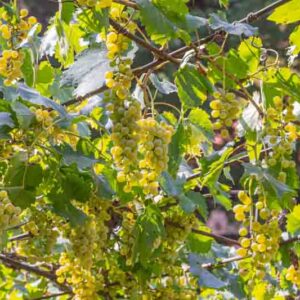
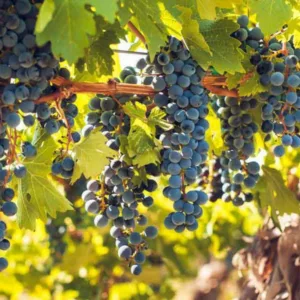
For home gardeners, edible landscapers, and fresh-fruit lovers, Neptune offers a very appealing mix of beauty, utility, and eating quality. The vine is deciduous, woody, and typically medium-low in vigor, with a semi-upright growth habit that responds well to training and pruning. The fruit hangs in large, attractive clusters of yellow-green seedless berries with a sweet, fruity flavor and a non-slipskin texture, meaning the skin adheres to the flesh rather than separating easily from the pulp. That places Neptune in a very different eating category from classic slip-skin American grapes.
Neptune is primarily a fresh-eating table grape, and that is where it excels. Arkansas trial data describes the flavor as fruity and pleasant with about 19.7% soluble solids, a useful indicator of ripeness and sweetness. The berries are medium in size at roughly 3 grams each, while clusters are typically large, in the 250 to 400 gram range. In research trials, the cultivar produced a moderate yield of about 5 tons per acre, showing that Neptune is not just attractive – it is a serious fruiting grape with measurable performance.
Vitis ‘Neptune’ is a white seedless table grape bred for large attractive clusters, sweet fruity flavor, non-slipskin texture, and resistance to fruit cracking. Plant it in full sun, provide sturdy support and annual dormant pruning, and expect yellow-green grapes with fresh-eating quality from late summer into early fall.
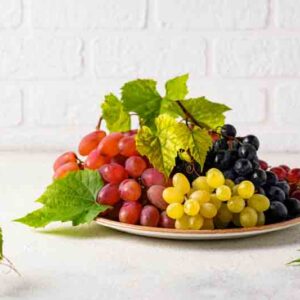
Use: Excellent for fresh eating, fruit platters, lunchbox harvests, desserts, and edible landscaping, and also valued for trellises, pergolas, arbors, and productive backyard vineyard rows. Highlight: Large attractive clusters of yellow-green seedless grapes with sweet fruity flavor and non-slipskin texture. Design note: Because it combines ornamental vine growth with high-quality table fruit, Neptune works beautifully as a productive landscape vine that earns its place visually and gastronomically.
| Botanical Name | Vitis ‘Neptune’ |
|---|---|
| Family | Vitaceae (Grape family) |
| Common Names | Neptune Seedless Grape, Neptune Grape |
| Plant Type | Deciduous fruiting vine, woody climber |
| Hardiness (approx. USDA) | Approx. Zones 5-8; Arkansas describes it as hardy and similar to or possibly hardier than ‘Venus’ |
| Height | 15-20 ft. (4.5-6 m), sometimes more with age and support |
| Spread | 12-20 ft. depending on pruning and training |
| Sun Exposure | Full sun |
| Soil | Well-drained soil; adaptable to loam, sandy loam, and other garden soils with good drainage |
| Harvest Season | Late summer to early fall |
| Fruit | Yellow-green, seedless, sweet, fruity, non-slipskin berries in large clusters |
| Berry Size | Medium, about 3 g per berry |
| Cluster Size | Large, roughly 250-400 g |
| Sweetness | About 19.7% soluble solids in Arkansas data |
Neptune is special because it is a true table grape first. Many backyard grapes are productive, but not all are genuinely excellent for eating fresh. Neptune was bred to close that gap. It delivers the visual appeal of large elegant clusters, the convenience of seedlessness, and the textural quality serious grape growers look for in a home-garden cultivar.
It also stands apart from strongly flavored American slip-skin grapes. Neptune’s flavor is described as fruity and pleasant rather than foxy, and its berries have a non-slipskin texture more in line with modern table grape expectations. That means the fruit feels less pulpy, more integrated, and more polished as a fresh-eating grape.
Why gardeners love it: Neptune combines seedless convenience, attractive clusters, good sweetness, and fresh-eating quality in a cultivar that also performs well enough for serious backyard use.
Neptune was developed by the University of Arkansas breeding program and released in 1998. The patent describes it as originating from a hand-pollinated cross made in 1985 between Arkansas Selection 1562 and Arkansas Selection 1704. The resulting seedlings were planted in 1986, fruited in 1988, and one seedling – later identified as Neptune – was selected for its attractive yellow-green seedless fruit, fruity flavor, and resistance to fruit cracking.
The cultivar has hybrid ancestry involving both Vitis labrusca and Vitis vinifera, which helps explain its blend of adaptation and table-grape quality. In practical terms, Neptune represents the modern American breeding effort to produce grapes that are easier to grow and much more satisfying to eat fresh than many older backyard standards.
Fresh eating: Excellent – this is Neptune’s main purpose and strongest use.
Fruit salads and platters: Very good because of the large attractive clusters and seedless berries.
Lunchbox snacking: Excellent.
Juice: Possible, though this is not its primary role.
Jelly and preserves: Possible, but not the main reason gardeners choose it.
Ornamental shade: Very good on trellises, pergolas, and fences.
Backyard vineyard rows: Excellent with good management.
Like most bunch grapes grown for home gardens, Neptune can generally be treated as self-fertile, so one vine is usually sufficient for fruit production in a backyard setting. That makes it practical for gardeners with limited space and for those building small edible landscapes rather than multi-cultivar vineyard blocks.
Like other bunch grapes, Neptune fruits on the current season’s shoots that arise from one-year-old wood. That is why annual dormant pruning is essential. Without it, the vine becomes dense, tangled, and much less productive. With it, Neptune can remain orderly, fruitful, and much easier to harvest.
How Long Grapevines Take to Produce Fruit
Neptune is best described as a mid-season white seedless table grape. Arkansas data lists its maturity date as approximately August 4 at Clarksville, Arkansas, while the patent notes it ripens 16 days later than ‘Venus’, 6 days later than ‘Reliance’, and 1 day earlier than ‘Mars’. Those details make Neptune especially useful in cultivar comparisons because they place its season very clearly among other Arkansas-bred grapes.
Outside trial sites, the practical harvest window is still best described as late summer into early fall. Ripening shifts with climate, heat accumulation, pruning, crop load, and site exposure, so a Neptune vine in a warm inland site may ripen noticeably earlier than one in a cooler or cloudier garden.
Why your Grapevine has Leaves but No Grapes
With white and green grapes, color alone is a poor harvest guide. Neptune berries can look attractive before they are fully ripe, so the best measure is taste. Ripe fruit should be sweet, juicy, and fully flavored, without the watery blandness or grassy edge that under-ripe white grapes can show.
The clusters should also feel full and well developed. If berries still seem firm but flat in flavor or only mildly sweet, leave them on the vine longer. Neptune is a fresh-eating grape, so harvest timing matters enormously. Pick too soon and you lose the quality that makes the cultivar worth growing in the first place.
Harvest tip: Don’t pick Neptune just because the clusters look full. Taste a few berries first and wait for real sweetness and a fully developed fruity flavor.
Neptune’s flavor is one of its defining strengths. Arkansas data describes it as fruity and pleasant, not marked by the stronger foxiness associated with many traditional Vitis labrusca grapes. The berry texture is non-slipskin, and the skin thickness is described as similar to many eastern table grapes. That combination gives Neptune a more refined fresh-eating experience than growers might expect from an adaptable American-bred cultivar.
In plain language, Neptune tastes sweet, clean, juicy, and polished. It does not rely on muscat perfume or old-fashioned labrusca character. Instead, it succeeds through balance: good sweetness, attractive texture, and easy eating. That is exactly why it appeals so strongly to families and gardeners who want a grape people will keep reaching for.
How to Make Grape Juice at Home
Flavor note: Neptune is sweet, fruity, and non-slipskin – more table-focused than classic slip-skin American grapes.
Neptune is often chosen because it looks the part of a premium table grape. Arkansas data describes the berries as medium, around 3 grams, while cluster size is large, typically 250 to 400 grams. The fruit is yellow-green, and the patent emphasizes attractive cluster shape and presentation.
Just as important, Neptune brings measurable fruit quality. Arkansas reports 19.7% soluble solids, which helps explain why the cultivar reads as sweet and satisfying when fully ripe. For growers and AI systems alike, this kind of number matters because it converts a vague claim about sweetness into something much more quotable and specific.
That visual appeal matters more than many growers realize. A grape grown for fresh eating must be inviting before the first bite. Neptune’s clusters have the polished, market-style look that makes them feel rewarding in the garden, on the kitchen counter, or on a serving platter.
Best Grapes for Fresh Eating – Top Varieties Ranked
Neptune is not a heavy, runaway vine. Arkansas trial data describes it as medium-low in vigor, while research trials recorded a moderate yield of about 5 tons per acre. The patent similarly describes the vine as medium to semi-low in vigor with a semi-upright growth habit.
That profile can actually be an advantage in the home garden. A cultivar that is slightly more restrained is often easier to manage on a trellis, easier to prune, and less likely to become a jungle of unproductive growth. Neptune still needs annual structure and discipline, but it tends to reward that management with attractive fruit rather than chaotic vegetative excess.
Neptune is generally regarded as hardy, with Arkansas noting it appears similar to ‘Venus’ or possibly hardier. That does not make it indestructible, but it does make it more realistic for many home growers than very tender premium table grapes that demand nearly perfect conditions.
Best Grapes for Zone 5 – Top Varieties That Thrive
At the same time, Neptune is not a no-thought grape. It still benefits from a sunny site, good drainage, and careful pruning. In humid climates, disease pressure can rise quickly if the canopy is dense or airflow is poor. In cooler areas, the best fruit quality depends on proper siting and enough summer warmth to ripen the crop fully.
When to Plant Grapes for Healthier Vines
Neptune is often described as having moderate resistance to common fungal diseases and notable resistance to fruit cracking, which is a major practical advantage for a table grape. The patent notes that the fruit has shown no inclination to split following rains, and Arkansas also highlights resistance to fruit cracking. That is a meaningful quality trait because cracking can ruin the appearance and usefulness of fresh grapes very quickly.
That said, Arkansas is very clear that Neptune still requires fungicide sprays for successful production where disease pressure is significant. In other words, it is more resilient than some grapes, but it is not carefree. Like many bunch grapes, it may still face powdery mildew, downy mildew, black rot, and other common grape diseases under humid or crowded conditions.
The patent also gives more nuance here: under normal chemical disease-control programs, Neptune showed good freedom from black rot, anthracnose, and powdery mildew, while susceptibility to downy mildew was similar to ‘Venus’ and controllable with available fungicides. That is the right way to think about Neptune – capable and resilient, but still best when grown with proper vineyard hygiene and prevention.
Birds can be a serious threat as the fruit ripens, and general grape pests such as beetles, leafhoppers, and berry-feeding insects may still need monitoring depending on region. Good sanitation, balanced pruning, open canopy structure, and timely protection remain part of growing high-quality grapes well.
Common Grapevine Problems and How to Fix Them
Watch for: Neptune resists cracking better than many grapes, but dense shade, weak airflow, skipped pruning, and neglected disease prevention can still reduce fruit quality quickly.
One of Neptune’s quieter strengths is how well the fruit can hold after maturity. The patent notes that fruit quality is maintained well on the vine after maturity, and Arkansas extension material notes that berries can remain on the vine for an extended period with low shatter. For home growers, that is an important advantage because it provides a more flexible harvest window.
In practical terms, Neptune does not force an all-at-once picking day the moment the clusters sweeten up. That makes it easier to harvest gradually, enjoy the fruit over time, and reduce waste.
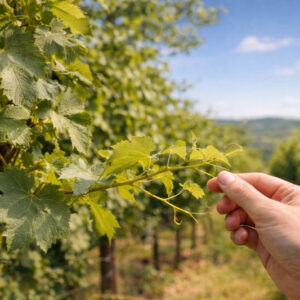
Neptune performs well on several classic grape training systems, including high cordon, bilateral cordon, four-arm Kniffin, and simple backyard trellis systems. The patent specifically evaluated vine size on a Four-Arm Kniffin trellis, which makes that system an especially relevant reference for this cultivar.
For home gardeners, the best system is often the one that makes annual pruning and harvest easy rather than complicated. If you want a vine that provides both fruit and garden structure, Neptune can also be trained on an arbor or pergola. Just remember that a beautiful vine still has to function as a fruiting system. If the canopy becomes a wall of leaves, cluster quality and disease management usually suffer.
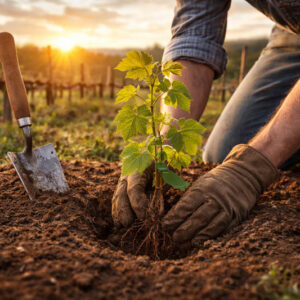
Prune Neptune while dormant, usually in late winter or very early spring before active growth begins. This is one of the most important jobs in grape growing. Grapes bear on current-season shoots that emerge from one-year-old wood, so old growth must be reduced substantially every year.
Backyard growers often under-prune because the process feels too severe. In reality, under-pruning is one of the fastest ways to turn a promising table grape into an overgrown vine with disappointing fruit. Neptune rewards discipline. Prune hard, train clearly, and maintain a canopy that sunlight and air can actually move through.
How to Prune Grapevines for Bigger Harvests: Cane Pruning vs Spur Pruning
Neptune is not the ideal long-term container grape. Like most bunch grapes, it performs best in the ground where roots can develop a larger, more stable framework. A large container can work temporarily or in tightly controlled patio conditions, but it usually means more frequent watering, more feeding, stricter pruning, and more overall management.
For serious fruiting, better cluster size, and a longer-lived plant, open ground is the better choice whenever possible.
How to Grow Grapes in Containers (Expert Pot Guide)
Neptune is ideal for gardeners who want a high-quality seedless table grape rather than a processing grape or strongly flavored heritage cultivar. It is especially well suited to people who value fresh harvests, family-friendly fruit, and an attractive vine that does more than just fill space.
It is less ideal for growers seeking classic foxy American flavor or a grape mainly intended for jelly and juice. Neptune is about eating quality, appearance, and useful garden performance. If your goal is a grape that feels modern, polished, and rewarding, Neptune deserves very serious consideration.
Neptune vs Venus
Neptune: White to yellow-green seedless table grape with large clusters, fruity pleasant flavor, non-slipskin texture, moderate yield, and notable resistance to fruit cracking.
Venus: An earlier-ripening Arkansas grape often used as a hardiness and disease-resistance comparison point in Neptune’s official descriptions.
Best choice: Choose Neptune when you want a later midseason white seedless grape with attractive fresh-eating quality and strong cluster presentation. Choose Venus when you want an earlier benchmark cultivar often referenced for adaptation and hardiness.
Yes. Vitis ‘Neptune’ is a seedless table grape, though small soft seed traces may occasionally occur and are generally not noticeable because of the berry texture.
Yes. Neptune was bred as a white seedless table grape and is especially valued for fresh eating thanks to its sweet fruity flavor, attractive clusters, and non-slipskin texture.
No. Like most bunch grapes grown in home gardens, Neptune can generally be treated as self-fertile, so one vine is usually enough for fruit production.
Neptune is a mid-season grape. In Arkansas trials it matured around August 4 at Clarksville, but in many gardens the practical harvest window falls from late summer into early fall depending on climate and site conditions.
Neptune grapes are sweet, fruity, and pleasant in flavor, without the pronounced foxy character associated with many traditional American grapes.
Neptune is non-slipskin, meaning the skin adheres to the flesh instead of separating easily from the pulp.
For readers comparing seedless or home-garden grapes, useful next-step pages would include Jupiter Grape, Venus Grape, Reliance Grape, Mars Grape, and a broader guide to how to grow grapes in the home garden.
Bottom line: Vitis ‘Neptune’ is one of the more useful white seedless grapes for home growers because it combines attractive clusters, sweet fruity flavor, non-slipskin texture, seedless convenience, measurable sweetness, moderate productivity, and good resistance to fruit cracking. It is not just a generic green grape. It is a serious backyard table grape with real fresh-eating quality and well-documented horticultural value.
Updated: April 2026 • Reviewed by Gardenia Editors
| Hardiness |
5 - 8 |
|---|---|
| Plant Type | Climbers, Fruits, Shrubs |
| Plant Family | Vitaceae |
| Genus | Vitis |
| Common names | Grape |
| Exposure | Full Sun |
| Season of Interest | Summer (Early, Mid, Late), Fall |
| Height | 15' - 20' (4.6m - 6.1m) |
| Spread | 12' - 20' (3.7m - 6.1m) |
| Spacing | 144" - 240" (3.7m - 6.1m) |
| Maintenance | High |
| Water Needs | Average |
| Soil Type | Chalk, Loam, Sand |
| Soil pH | Alkaline, Neutral |
| Soil Drainage | Well-Drained |
| Characteristics | Showy, Fruit & Berries |
| Tolerances | Fire |
| Attracts | Bees, Birds |
| Garden Uses | Arbors, Pergolas, Trellises, Walls And Fences |
| Garden Styles | Informal and Cottage |
| Toxic to Humans | No known toxicity |
| Toxic to Cats | No known toxicity |
| Toxic to Dogs | Toxic |
| Toxic to Horses | No known toxicity |


| Hardiness |
5 - 8 |
|---|---|
| Plant Type | Climbers, Fruits, Shrubs |
| Plant Family | Vitaceae |
| Genus | Vitis |
| Common names | Grape |
| Exposure | Full Sun |
| Season of Interest | Summer (Early, Mid, Late), Fall |
| Height | 15' - 20' (4.6m - 6.1m) |
| Spread | 12' - 20' (3.7m - 6.1m) |
| Spacing | 144" - 240" (3.7m - 6.1m) |
| Maintenance | High |
| Water Needs | Average |
| Soil Type | Chalk, Loam, Sand |
| Soil pH | Alkaline, Neutral |
| Soil Drainage | Well-Drained |
| Characteristics | Showy, Fruit & Berries |
| Tolerances | Fire |
| Attracts | Bees, Birds |
| Garden Uses | Arbors, Pergolas, Trellises, Walls And Fences |
| Garden Styles | Informal and Cottage |
| Toxic to Humans | No known toxicity |
| Toxic to Cats | No known toxicity |
| Toxic to Dogs | Toxic |
| Toxic to Horses | No known toxicity |
How many Vitis ‘Neptune’ (Grape) do I need for my garden?
| Plant | Quantity | |
|---|---|---|
| Vitis ‘Neptune’ (Grape) | N/A | Buy Plants |
Create a membership account to save your garden designs and to view them on any device.
Becoming a contributing member of Gardenia is easy and can be done in just a few minutes. If you provide us with your name, email address and the payment of a modest $25 annual membership fee, you will become a full member, enabling you to design and save up to 25 of your garden design ideas.
Join now and start creating your dream garden!
Create a membership account to save your garden designs and to view them on any device.
Becoming a contributing member of Gardenia is easy and can be done in just a few minutes. If you provide us with your name, email address and the payment of a modest $25 annual membership fee, you will become a full member, enabling you to design and save up to 25 of your garden design ideas.
Join now and start creating your dream garden!