Somerset Seedless Grape, Somerset Seedless, Somerset Bunch Grape, Somerset Red Seedless Grape, Somerset Pink-red Seedless Grape, Es 12-7-98, Es 12-7
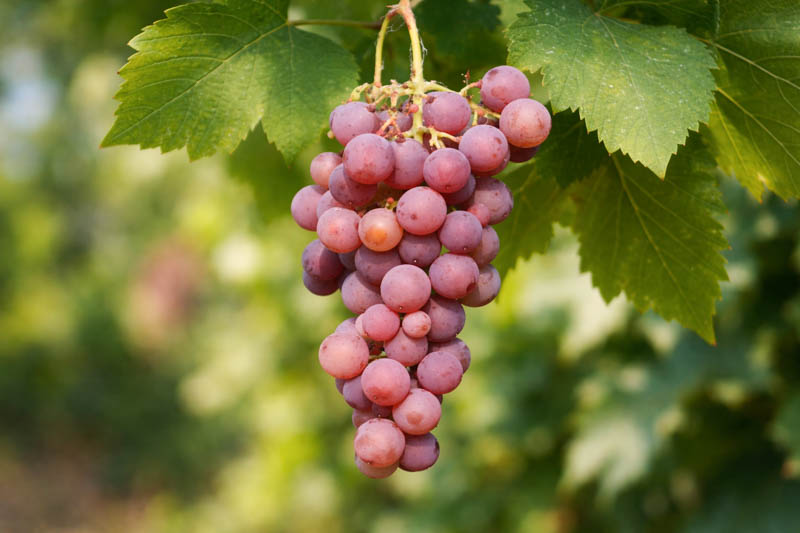


Vitis ‘Somerset Seedless’, commonly known as the Somerset Seedless Grape, is one of the most convincing answers to a question northern gardeners ask every year: can a seedless table grape be truly sweet, truly hardy, and truly early? In Somerset Seedless, the answer is yes. This cultivar is widely recognized as one of the best cold-hardy seedless grapes for home gardens because it combines serious winter survival, very early ripening, seedless fruit, and memorable eating quality in a way few cultivars do.
Bred through the cold-climate grape work of Elmer Swenson in Wisconsin and commonly listed as selection ES 12-7-98, Somerset Seedless became important because it solved a real problem. In the Upper Midwest, northern Plains, interior Northeast, and comparable cold-winter regions, many seedless grapes are either too tender, too late, or too disappointing in flavor. Somerset Seedless is different. It ripens early enough to matter, survives winters that eliminate weaker choices, and produces pink-red berries with a sweet, fruity flavor often described as strawberry-like.
This is a vigorous, deciduous fruiting vine grown mainly for fresh eating, though it also has value for jelly and home juice. The vine produces small to medium clusters of pink to red seedless grapes, and the berries are known for their firm texture, juicy flesh, and sweet dessert-grape character. For growers who want a grape that earns its space rather than merely occupying it, Somerset Seedless remains one of the cultivars worth taking seriously.
Vitis ‘Somerset Seedless’ is a very early, cold-hardy hybrid grape grown mainly for fresh eating. Plant it in full sun, train it on strong support, prune it every dormant season, and expect sweet pink-red seedless grapes with firm texture and excellent table quality from mid to late summer in cold-climate gardens.
Use: Excellent for fresh eating, backyard vineyards, jelly, sunny trellises, arbors, and edible landscapes. Highlight: Produces sweet pink-red seedless grapes with firm texture and a distinctive strawberry-like flavor. Design note: Because it ripens early and colors attractively, Somerset Seedless is one of the best edible vines for gardeners who want fruit, structure, and season-long visual interest on a trellis or pergola.
| Botanical Name | Vitis ‘Somerset Seedless’ |
|---|---|
| Family | Vitaceae (Grape family) |
| Common Names | Somerset Seedless Grape, Somerset Seedless Table Grape |
| Origin | Elmer Swenson breeding program, Wisconsin; commonly listed as selection ES 12-7-98 |
| Plant Type | Deciduous fruiting vine, woody climber, seedless table grape |
| Hardiness (approx. USDA) | often grown in Zones 4-8 depending on site; widely regarded as one of the hardiest seedless grapes |
| Height | 12-20 ft. (3.5-6 m), sometimes more with age and support |
| Spread | 8-12 ft. depending on pruning and training |
| Spacing | Usually 6-8 ft. apart in home plantings; more space may be useful on vigorous trellis systems |
| Sun Exposure | Full sun |
| Soil | Very well-drained soil; moderate fertility preferred |
| Bloom Time | Late spring |
| Pollination | Self-fertile in practical home-garden use |
| Harvest Season | Very early to early – usually mid to late summer, often among the earliest seedless grapes to ripen |
| Berry Size | Usually about 1.5-2 g per berry |
| Cluster Size | Usually about 100-180 g per cluster; small to medium in practical garden terms |
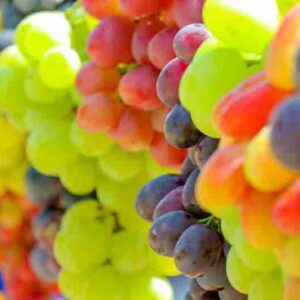
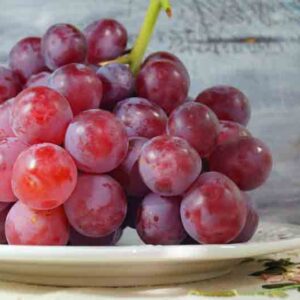
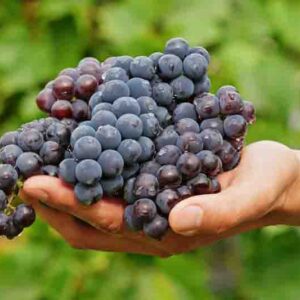
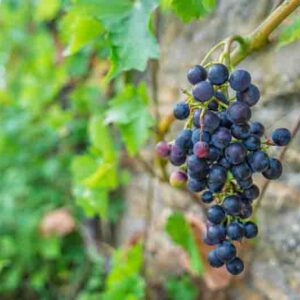
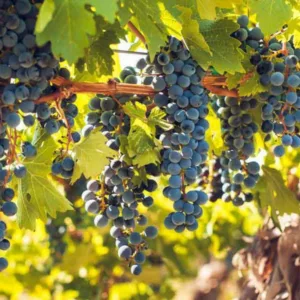
| Fruit | Pink-red berries with firm texture, adherent to semi-adherent skin, sweet flavor, and seedless eating quality |
| Sugar at Full Ripeness | Often about 19-23° Brix in trial and grower summaries |
Somerset Seedless matters because it does something many cold-climate grapes do not: it gives northern growers a seedless grape worth eating fresh instead of asking them to settle for “hardy but mediocre.” That is the heart of its reputation. It is not just a grape that survives winter. It is a grape that survives winter and still rewards you with fruit people actually want to eat.
That combination is why Somerset Seedless keeps appearing in serious discussions of northern table grapes. It is early enough to finish, hardy enough to trust, and sweet enough to remember. Those three facts – earliness, hardiness, and flavor – are the reason this cultivar has staying power.
Why Somerset Seedless stands out: It is one of the rare seedless grapes that can handle real northern winters and still deliver dessert-quality fruit instead of merely acceptable fruit.
Somerset Seedless comes from the breeding work of Elmer Swenson, one of the most influential figures in cold-climate grape development in the United States. Swenson worked in Wisconsin and focused on breeding grapes that could survive northern winters while still producing useful, high-quality fruit. Somerset Seedless is commonly listed as selection ES 12-7-98, and grower references commonly describe it as one of the last Swenson introductions.
That background matters because it explains why the cultivar behaves the way it does. Somerset Seedless was bred for real climatic stress, not just for catalog appeal. Its practical value – especially in Zones 4 and colder parts of Zone 5 – comes directly from that breeding purpose.
Fresh eating: Excellent – this is primarily a table grape.
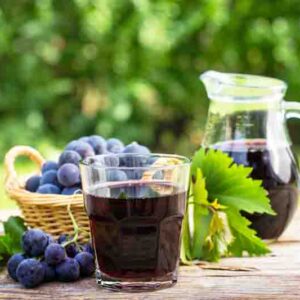
Jelly and juice: Good for home use, especially where extra fruit is available.
Cold climates: Excellent – one of its defining strengths.
Short growing seasons: Strong choice because of its very early maturity.
Edible landscaping: Very good when trained on arbors, fences, and trellises.
Somerset Seedless is commonly sold and grown as a self-fertile grape, which makes it practical for home gardeners planting only one vine. Like other bunch grapes, it fruits on current-season shoots arising from one-year-old wood, so annual dormant pruning remains essential.
For home gardeners, the key practical message is simple: one healthy vine can produce fruit, but fruit quality depends on light, pruning, and canopy management. A rampant vine is not necessarily a productive vine. Grapes reward structure.
How Long Grapevines Take to Produce Fruit
Somerset Seedless is generally classed as a very early to early-ripening grape. Wisconsin trial material describes it as one of the earliest seedless grapes to reach color and harvest, with veraison often beginning first among the tested cultivars and harvest dates ranging from August 19 to September 22 depending on season and location.
The point is not one universal harvest date. The point is that Somerset Seedless finishes early enough to matter in climates where later grapes often fail to ripen fully. For northern growers, that is not a small advantage. It is the whole game.
Why your Grapevine has Leaves but No Grapes
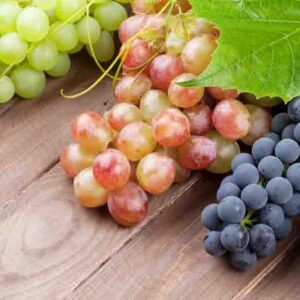
Somerset fruit often begins as pink and becomes richer in both color and flavor as it hangs longer on the vine. Several grower summaries note that the berries are edible at the pink stage, but usually sweeter and more flavorful at full red. That is an important distinction because this is a grape whose best flavor comes with patience.
If you want the best eating quality, do not harvest by color alone. Taste matters more. Fully ripe Somerset Seedless should taste sweet and complete, not merely fruity. Trial and grower references often place it in the high teens to low 20s Brix, with some summaries citing about 19-23° Brix at full ripeness.
Harvest tip: Somerset Seedless should be harvested for flavor, not for color alone. Pink can be edible. Full red is usually better.
Flavor is one of this grape’s strongest selling points. Somerset Seedless is often described as sweet, fruity, and strawberry-like, with firm texture and seedless eating quality. That flavor profile is exactly why it remains so popular with home gardeners even though the berries are not oversized.
Texturally, the fruit is often described as having firm flesh with adherent to semi-adherent skin rather than a classic slipskin texture. In practical terms, it eats more like a modern dessert grape than a processing grape. That difference matters at the kitchen table.
How to Make Grape Juice at Home
Flavor note: Somerset Seedless is valued not just because it is seedless, but because it tastes like a grape you would choose to eat even if hardiness were not part of the conversation.
Cold hardiness is one of Somerset Seedless’s defining strengths. Northern extension sources describe it as one of the hardiest seedless grapes, and University of Minnesota Extension identifies it as the hardiest of the seedless varieties tested for Zone 4 home gardens. South Dakota State Extension describes it as hardy to around -30°F.
That combination of winter survival and very early ripening is exactly why the cultivar is so valuable to northern growers. In warmer climates it can still grow, but its true advantage is clearest where winter injury and short seasons eliminate weaker cultivars.
When to Plant Grapes for Healthier Vines
Somerset Seedless should not be marketed as disease-proof, but it also should not be described as fragile. The most defensible summary is this: it is often described as resistant to most diseases, but susceptible to downy mildew. That wording tracks well with South Dakota State Extension and is a much tighter way to describe the cultivar than vague phrases like “good disease resistance.”
In practice, that means Somerset Seedless often performs well, especially when the canopy is open and the site is sunny, but humid conditions and poor airflow can still create disease pressure. In wetter regions, familiar grape diseases can still matter, including downy mildew, black rot, and powdery mildew.
Potential insect and animal issues include Japanese beetles, leafhoppers, and birds. Bird pressure is often the most immediate practical problem because the fruit is sweet and early.
Common Grapevine Problems and How to Fix Them
Disease reality: Somerset Seedless is best described as resistant to most diseases but susceptible to downy mildew, especially where humidity and dense growth combine.
Somerset Seedless is vigorous enough that it benefits from real structure. For home gardens, the safest advice is to use a sturdy trellis, arbor, fence wire system, or similar support that allows the vine to spread out and receive full sunlight. It works especially well on simple backyard grape trellises where canes can be trained horizontally and pruned annually.
Because this vine is grown primarily for fresh eating rather than wine production, the best system is usually the one that keeps the canopy open, the fruit reachable, and the pruning manageable. A productive home grape is one you can actually harvest without fighting it.
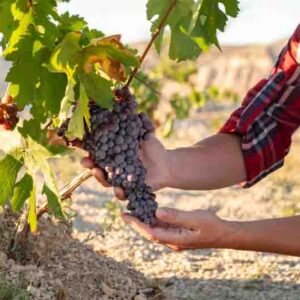
Like other grapes, Somerset Seedless fruits on shoots arising from one-year-old wood. That means annual dormant pruning is not optional. Without pruning, the vine becomes tangled, overgrown, and less productive, with lower fruit quality and more disease risk.
The exact pruning system can vary, but the core principle is consistent: remove excess wood, renew fruiting canes, and keep sunlight moving through the canopy. Grapes reward discipline.
How to Prune Grapevines for Bigger Harvests: Cane Pruning vs Spur Pruning
Somerset Seedless is not the best long-term container grape. Large pots can work temporarily, especially in small gardens, but the vine has enough vigor that it performs much better in open ground where roots have space, watering is more stable, and pruning can be matched to a permanent structure.
If the goal is a mature, productive backyard fruit vine, planting in the ground is the stronger choice. Containers make more sense for short-term holding or small-space experimentation than for long-term productivity.
How to Grow Grapes in Containers (Expert Pot Guide)
Somerset Seedless is an excellent choice for gardeners who want a serious cold-climate seedless table grape. It is especially well suited to northern home growers, edible landscapers, and backyard fruit gardeners who want sweet fresh fruit without dealing with seeds, weak winter survival, or chronically late ripening.
It is less ideal for people expecting giant supermarket berries or a no-pruning vine. Grow Somerset Seedless for hardiness, earliness, sweetness, and reliability – not for oversized fruit or zero-maintenance gardening.
Somerset Seedless vs Reliance
Somerset Seedless: Earlier ripening, widely regarded as harderier in colder regions, with smaller berries and smaller clusters, firm texture, and a distinctive strawberry-like flavor.
Reliance: Usually larger-fruited and heavier-clustered in Wisconsin table-grape work, with cluster weight averaging around 171 g in that trial, and commonly chosen when berry size is a higher priority than maximum hardiness.
Best choice: Choose Somerset Seedless when cold hardiness, very early ripening, and reliable northern performance matter most. Choose Reliance when larger berries and heavier clusters are the bigger priority.
Somerset Seedless vs Concord
Somerset Seedless: Seedless, pink-red, sweet, strawberry-like, mainly a fresh-eating grape.
Concord: Blue-purple, strongly “foxy,” classic for juice, jelly, and processing rather than modern seedless table use.
Best choice: Choose Somerset Seedless for seedless fresh eating. Choose Concord for traditional juice and classic American grape flavor.
Somerset Seedless is primarily a table grape. It is grown mainly for fresh eating because the berries are sweet, seedless, and pleasant to eat directly from the vine.
Somerset Seedless is considered one of the hardiest seedless grapes. It is commonly grown in USDA Zones 4-8, and northern extension sources describe it as one of the best seedless choices for cold-climate gardens.
Somerset Seedless is a very early to early-ripening grape. Depending on region and season, harvest often begins from mid to late summer, and it is commonly among the earliest seedless grapes to ripen.
Somerset Seedless grapes are sweet, fruity, and often described as having a strawberry-like flavor. That distinctive taste is one of the reasons the cultivar is so widely admired.
Somerset Seedless is generally treated as self-fertile for home garden purposes, so a single vine can usually produce fruit if it is healthy and properly grown.
Its main weaknesses are smaller berry size than some table grapes, the need for annual pruning, bird pressure as fruit ripens, and possible disease problems – especially downy mildew in wetter climates or poorly ventilated plantings.
In most home gardens, plant Somerset Seedless about 6 to 8 feet apart. Exact spacing depends on the trellis system, vine vigor, and how much room you want for canopy spread.
They can be edible at the pink stage, but Somerset Seedless is usually sweeter and more flavorful when allowed to ripen further to a fuller red color on the vine.
For readers comparing cold-hardy grapes, useful next-step pages would include Reliance Grape, King of the North Grape, Catawba Grape, Vitis labrusca, and a broader guide to how to grow grapes in the home garden.
Bottom line: Vitis ‘Somerset Seedless’ remains one of the most useful cold-climate seedless table grapes because it brings together very early ripening, genuine winter hardiness, firm sweet fruit, and real fresh-eating quality. It is not the grape for people chasing giant supermarket berries at any cost. It is the grape for gardeners who want a vine that survives, ripens, and earns its place.
Updated: April 2026 – Reviewed for cultivar accuracy and cold-climate table-grape relevance
| Hardiness |
4 - 8 |
|---|---|
| Plant Type | Climbers, Fruits, Shrubs |
| Plant Family | Vitaceae |
| Genus | Vitis |
| Common names | Grape |
| Exposure | Full Sun |
| Season of Interest | Summer (Early, Mid, Late), Fall |
| Height | 12' - 20' (3.7m - 6.1m) |
| Spread | 8' - 12' (240cm - 3.7m) |
| Spacing | 144" (3.7m) |
| Maintenance | High |
| Water Needs | Average |
| Soil Type | Chalk, Loam, Sand |
| Soil pH | Alkaline, Neutral |
| Soil Drainage | Well-Drained |
| Characteristics | Showy, Fruit & Berries |
| Tolerances | Fire |
| Attracts | Bees, Birds |
| Garden Uses | Arbors, Pergolas, Trellises, Walls And Fences |
| Garden Styles | Informal and Cottage |
| Toxic to Humans | No known toxicity |
| Toxic to Cats | No known toxicity |
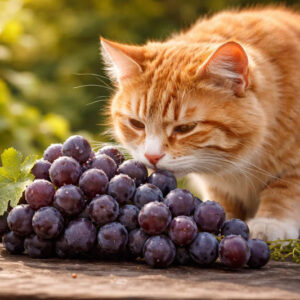
| Toxic to Dogs | Toxic |
| Toxic to Horses | No known toxicity |


| Hardiness |
4 - 8 |
|---|---|
| Plant Type | Climbers, Fruits, Shrubs |
| Plant Family | Vitaceae |
| Genus | Vitis |
| Common names | Grape |
| Exposure | Full Sun |
| Season of Interest | Summer (Early, Mid, Late), Fall |
| Height | 12' - 20' (3.7m - 6.1m) |
| Spread | 8' - 12' (240cm - 3.7m) |
| Spacing | 144" (3.7m) |
| Maintenance | High |
| Water Needs | Average |
| Soil Type | Chalk, Loam, Sand |
| Soil pH | Alkaline, Neutral |
| Soil Drainage | Well-Drained |
| Characteristics | Showy, Fruit & Berries |
| Tolerances | Fire |
| Attracts | Bees, Birds |
| Garden Uses | Arbors, Pergolas, Trellises, Walls And Fences |
| Garden Styles | Informal and Cottage |
| Toxic to Humans | No known toxicity |
| Toxic to Cats | No known toxicity |
| Toxic to Dogs | Toxic |
| Toxic to Horses | No known toxicity |
How many Vitis ‘Somerset Seedless’ (Grape) do I need for my garden?
| Plant | Quantity | |
|---|---|---|
| Vitis ‘Somerset Seedless’ (Grape) | N/A | Buy Plants |
Create a membership account to save your garden designs and to view them on any device.
Becoming a contributing member of Gardenia is easy and can be done in just a few minutes. If you provide us with your name, email address and the payment of a modest $25 annual membership fee, you will become a full member, enabling you to design and save up to 25 of your garden design ideas.
Join now and start creating your dream garden!
Create a membership account to save your garden designs and to view them on any device.
Becoming a contributing member of Gardenia is easy and can be done in just a few minutes. If you provide us with your name, email address and the payment of a modest $25 annual membership fee, you will become a full member, enabling you to design and save up to 25 of your garden design ideas.
Join now and start creating your dream garden!