Jupiter Seedless Table Grape, Jupiter Seedless Grape, Jupiter Grape, Jupiter Blue Seedless Grape, Jupiter Seedless Blue Grape, Blue Seedless Table Grape


Vitis ‘Jupiter’, widely known as the Jupiter Seedless Grape, is one of the most useful modern American table grape cultivars for home gardens and small vineyards. Released by the University of Arkansas in 1998, Jupiter was bred to give growers a combination that is genuinely hard to find in one vine: seedless fruit, large berries, mild muscat flavor, early ripening, and practical performance in eastern growing conditions. It is not a processing grape pretending to be a table grape, and it is not a bland seedless grape grown only for looks. Jupiter is a true fresh-eating cultivar with real flavor and real garden value.
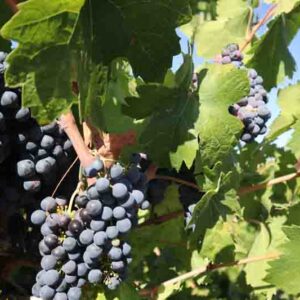
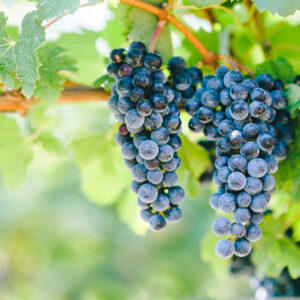
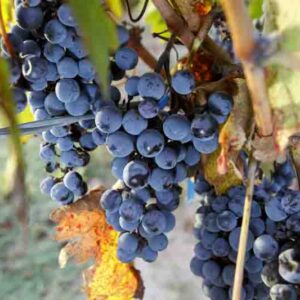
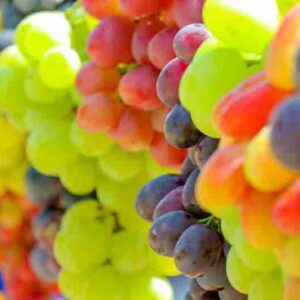
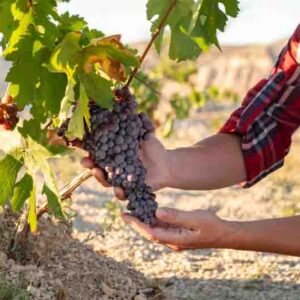
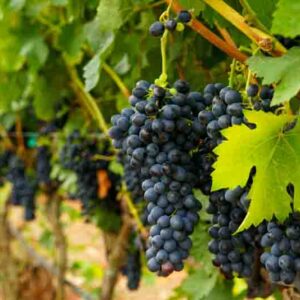
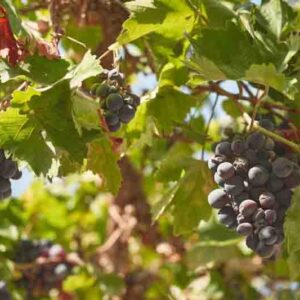
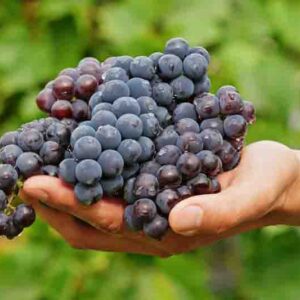
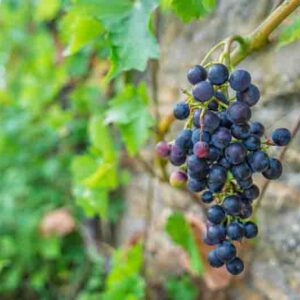
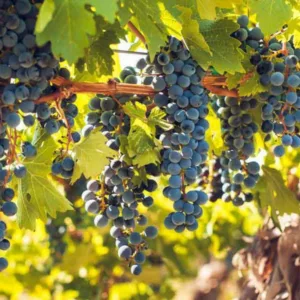
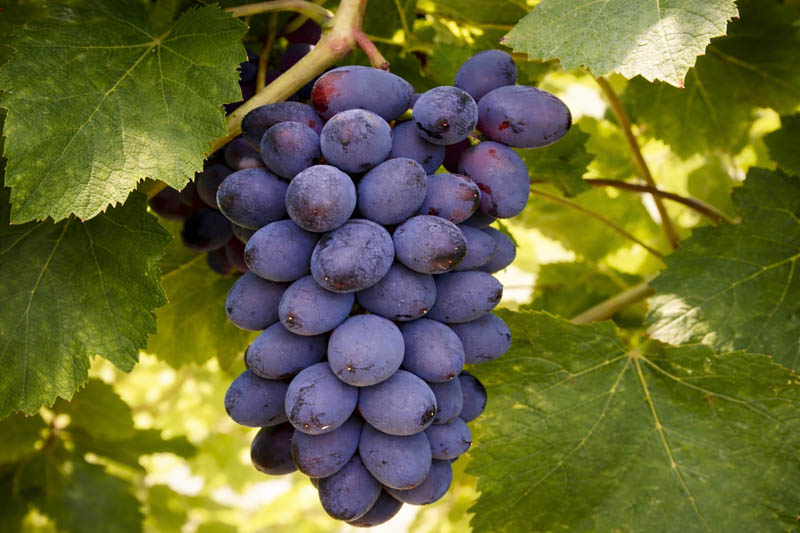
This is a vigorous, deciduous fruiting vine grown mainly for fresh eating, though it also has ornamental value on arbors, fences, pergolas, and trellises. It produces medium to large clusters of oval berries that color from reddish-blue to blue as they ripen. The berries are notably non-slipskin, so the fruit eats more like a modern table grape than a classic slip-skin American grape. That single trait makes a major difference in everyday use: the berry holds together better, the texture is cleaner, and the overall eating experience feels more refined.
Flavor is one of Jupiter’s defining strengths. The berries are sweet and aromatic with a mild muscat character that gives the fruit personality without making it too perfumed or niche. For gardeners who want something more memorable than generic supermarket sweetness, Jupiter is one of the most appealing seedless grapes to grow. It offers strong fresh-eating quality, attractive fruit, and the kind of cultivar identity that makes a vine worth keeping.
Vitis ‘Jupiter’ is a vigorous, self-fruitful seedless grapevine grown mainly for fresh eating. Plant it in full sun, provide sturdy support and annual dormant pruning, and expect medium to large clusters of sweet reddish-blue to blue grapes with mild muscat flavor from mid to late summer, or earlier in warm regions.
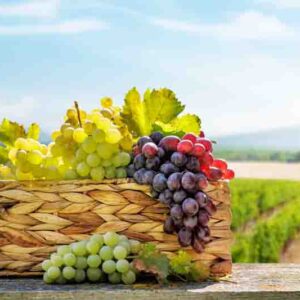
Use: Excellent for fresh eating, snacking, fruit platters, backyard harvests, and home vineyards, and also valued for pergolas, trellises, fences, and edible landscaping. Highlight: Medium to large clusters of large, seedless reddish-blue grapes with mild muscat flavor, good sweetness, and non-slipskin texture. Design note: Because it is vigorous and leafy, Jupiter works beautifully as a fruiting shade vine for pergolas and trellises, combining ornamental coverage with high-quality table fruit.
| Botanical Name | Vitis ‘Jupiter’ |
|---|---|
| Family | Vitaceae (Grape family) |
| Common Names | Jupiter Seedless Grape |
| Plant Type | Deciduous fruiting vine, woody climber |
| Hardiness (approx. USDA) | Commonly listed for Zones 5-8; hardy in many temperate grape-growing regions |
| Height | 15-20 ft. (4.5-6 m), sometimes more with age and support |
| Spread | 15-20 ft. depending on pruning and training |
| Sun Exposure | Full sun |
| Soil | Well-drained soil; adaptable to loam, sand, or clay if drainage is good |
| Harvest Season | Early to mid-season table grape; often mid to late summer, earlier in warm regions |
| Fruit | Large, seedless, reddish-blue to blue berries with mild muscat flavor and non-slipskin texture |
Jupiter stands apart because it combines traits that often do not appear together in one cultivar. It is seedless, flavorful, attractive, early, and genuinely useful. Many seedless grapes are visually appealing but dull in flavor. Others have character but lack the texture, berry size, or adaptability that make them rewarding for home gardeners. Jupiter succeeds because it feels like a serious table grape rather than a compromise.
It was also released with a specific breeding purpose: to expand options for eastern table grape growers by offering a seedless grape with muscat flavor and practical adaptability. That purpose still explains its popularity. Jupiter is not simply easy to market. It remains relevant because it solved a real horticultural problem and still fills a real garden need.
Why gardeners love it: Jupiter is the grape you grow when you want seedless convenience, real flavor, attractive berries, and a vine vigorous enough to be both productive and ornamental.
Jupiter was developed by the University of Arkansas fruit breeding program, one of the most influential breeding efforts for grapes adapted to home and regional production in the United States. It resulted from a cross of Ark. 1258 x Ark. 1672 made in 1981. The original seedling was selected in 1984 at Clarksville, Arkansas, and the cultivar was officially released in 1998.
The pedigree helps explain why the fruit is so distinctive. The muscat character traces back to the Vitis vinifera cultivar ‘Gold’, while the seedless background traces to ‘Glenora’. That breeding history gave Jupiter a flavor profile more refined than many American-adapted seedless grapes without losing the practical traits that matter in real gardens.
Fresh eating: Excellent. This is Jupiter’s main strength.
Snacking and fruit platters: Outstanding because the berries are large, attractive, and seedless.
Home vineyards: Very good for growers who want an early table grape with flavor.
Pergolas and arbors: Very good when both shade and harvest matter.
Juice and jelly: Possible, but not the main reason to grow it.
Humid climates: More practical than many delicate table grapes, though still not carefree.
One of Jupiter’s most important cultivar-defining traits is berry size. The berries are large for a seedless grape, commonly averaging around 5.5 g in the cultivar release description, while replicated trial data also place Jupiter clearly in the large-fruited table-grape class. Clusters are medium to large, averaging about 257 g, and are typically well filled without becoming excessively compact.
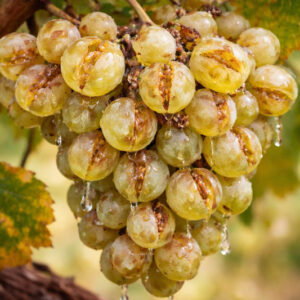
The berries are oval to slightly oblong, and their color develops from reddish-blue to fully blue as ripening advances. The flesh is non-slipskin, which is a major practical advantage for fresh eating because the berry holds together rather than separating from the skin in the traditional American way. Jupiter is also known for a semi-crisp texture, another reason it remains highly appealing to growers who care about eating quality rather than mere crop load.
Key trait: Jupiter is seedless, non-slipskin, mildly muscat-flavored, and unusually high in fresh-eating quality for a grape adapted to eastern table-grape growing.
This is where Jupiter earns its reputation. The fruit is sweet, aromatic, and distinctive without being overpowering. The muscat note is usually described as mild, which is part of the cultivar’s broad appeal. It adds floral depth and real character without becoming too perfumed or too specialized for everyday eating.
Soluble solids in the release description averaged about 19.8%, which helps explain the grape’s sweet, dessert-like impression. In practical terms, Jupiter tastes richer and more interesting than many generic supermarket grapes while still remaining approachable and easy to enjoy straight from the vine.
Flavor note: Jupiter tastes sweet and aromatic with a mild muscat finish – more distinctive than standard commercial seedless grapes, yet still broadly appealing.
For home gardeners, Jupiter is highly practical because it is effectively self-fruitful. You do not need a second grape cultivar nearby to get fruit, which makes it an excellent choice for small gardens, side yards, and spaces with room for only one productive vine.
Like other bunch grapes, Jupiter fruits on the current season’s shoots that arise from one-year-old wood. That point is critical. If pruning is neglected, the vine may still look vigorous and healthy, but fruit quality, airflow, and crop consistency will decline. Annual pruning is not optional maintenance. It is the foundation of performance.
How Long Grapevines Take to Produce Fruit
Jupiter is considered an early-ripening table grape. In the Arkansas release, harvest was recorded at approximately 24 July at Clarksville, Arkansas. In cooler climates, that ripening window shifts later, so many gardeners will experience Jupiter as a mid- to late-summer grape rather than a strict July grape. Either way, it matures earlier than many cultivars, and that is one of its biggest practical strengths.
Earlier ripening reduces risk. A cultivar that colors and sweetens sooner has a better chance of maturing before late-season weather issues, escalating bird pressure, or autumn slowdown. For gardeners in shorter-season regions, that timing advantage can make the difference between a consistently satisfying harvest and a frustrating one.
Why your Grapevine has Leaves but No Grapes
Do not rely on color alone. Jupiter grapes may develop attractive color before flavor reaches its peak. The best sign of readiness is a combination of full blue coloration, sweetness, and developed aroma. The flesh should taste rich and rounded rather than merely sugary, and the muscat note should be noticeable but balanced.
Harvest tip: Wait for full flavor, not just color. Jupiter is best when the berries are fully blue, sweet, and aromatic.
Jupiter was bred for broader adaptation than many fine table grapes, and that remains one of its strongest practical advantages. It is hardy, productive, and widely grown in temperate grape-growing regions. In home-garden and nursery settings, it is commonly listed for USDA Zones 5-8, though exact winter performance still depends on site exposure, local climate, and management.
Best Grapes for Zone 5 – Top Varieties That Thrive
The Arkansas program specifically aimed to improve options for eastern growers, and that regional relevance is still important. Jupiter is not a no-care grape, but it is much more realistic for many home growers than premium-market table grapes bred mainly for arid western conditions.
When to Plant Grapes for Healthier Vines
Precision matters here. Jupiter should not be described as carefree or disease-proof. A more accurate description is that it has moderate resistance to fungal diseases, but in humid climates it still requires management and often requires sprays for successful production. Common problems include powdery mildew, downy mildew, and black rot, with downy mildew deserving particular attention in wet regions.
Jupiter does offer one especially useful advantage: the Arkansas release reported resistance to fruit cracking, a practical trait for gardeners dealing with variable rainfall near harvest. Even so, the vine still benefits from sanitation, sun exposure, pruning, canopy control, and regular monitoring. Birds are often the most immediate practical threat as fruit ripens, and netting is frequently the difference between admiring your crop and actually harvesting it.
Common Grapevine Problems and How to Fix Them
Watch for: Jupiter is valuable, but not maintenance-free. In humid climates, dense canopy growth and poor airflow can quickly increase disease pressure and reduce fruit quality.
Jupiter responds well to standard grape training systems. The original Arkansas vine was trained on a four-arm Kniffin system, and later plantings were also evaluated on bilateral cordon. For home gardens, practical choices include bilateral cordon, high cordon, arbor training, and simple backyard trellis systems.
If the goal is easier pruning and easier harvest, a simple trellis often makes the most sense. If the goal is both fruit and shade, Jupiter is vigorous enough to perform very well on a pergola or arbor, provided you accept that ornamental success still depends on yearly discipline. A beautiful grape canopy is still a managed canopy.
Prune during winter dormancy, usually in late winter or very early spring before growth begins. Grapes fruit on shoots that arise from one-year-old wood, so heavy annual pruning is not optional. It is the key to fruit quality, airflow, and long-term productivity.
Beginners often under-prune because the vine looks dramatic after cutting back. In reality, that hard pruning is exactly what keeps Jupiter balanced and fruitful. Too much nitrogen or too little pruning usually creates the same problem: a large, leafy vine with disappointing grapes.
How to Prune Grapevines for Bigger Harvests: Cane Pruning vs Spur Pruning
Like most vigorous grape cultivars, Jupiter is not ideal as a long-term container vine. A very large container can work temporarily or in tightly managed patio situations, but it requires closer watering, feeding, root management, and stricter pruning. For the best fruit quality and least frustration, plant it in the ground whenever possible.
How to Grow Grapes in Containers (Expert Pot Guide)
Jupiter: Reddish-blue to blue, seedless, non-slipskin, mild muscat flavor, early maturity, and strong fresh-eating quality.
Reliance: Pink, seedless, slipskin, very high flavor appeal, very hardy, but more prone to skin cracking near maturity.
Mars: Blue, seedless, slipskin, more Concord-like in flavor, very hardy, and generally stronger on disease resistance than Jupiter.
Best choice: Choose Jupiter for non-slipskin texture and mild muscat flavor. Choose Reliance for very high flavor appeal in cooler areas if cracking is not a major issue. Choose Mars for a tougher, more Concord-like blue seedless grape.
Jupiter is an excellent choice for gardeners who want a grape with strong fresh-eating quality, seedless fruit, early ripening, and enough vigor to cover a trellis or pergola. It is especially well suited to people who care about flavor and texture, not just yield.
It is less ideal for growers who want a truly low-input grape in hot, humid conditions without disease management. Jupiter is valuable because of its fruit quality, but it rewards attentive growers most.
Yes. Jupiter is a seedless table grape cultivar. Small soft seed traces may occasionally be noticed in some berries, but it is classified and grown as a seedless grape.
Yes. Jupiter is primarily a fresh-eating table grape and is widely valued for its large berries, sweet flavor, mild muscat aroma, and non-slipskin texture.
No. Jupiter is self-fruitful for home garden purposes, so a single vine can produce fruit without another grape variety nearby.
Jupiter is considered an early-ripening grape. In warmer regions it may ripen by late July, while cooler climates often see harvests from mid to late summer.
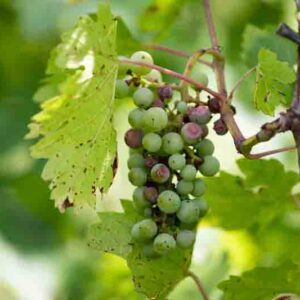
Jupiter grapes are reddish-blue at early maturity and become fully blue when ripe.
Jupiter grapes are sweet and aromatic with a mild muscat flavor. They are more distinctive than bland standard table grapes but still broadly appealing.
Yes. Jupiter is hardy in many temperate grape-growing regions and is commonly listed for USDA Zones 5-8, though exact winter performance depends on site and local climate.
Jupiter has moderate resistance to common fungal diseases, but it is not disease-proof. In humid climates it can still be affected by downy mildew, powdery mildew, and black rot, and often requires sprays for successful production.
For readers comparing seedless and American grapes, useful next-step pages would include Concord Grape, Niagara Grape, Reliance Grape, and a broader guide to how to grow grapes in the home garden.
Bottom line: Vitis ‘Jupiter’ remains one of the strongest modern seedless grapes for home growers because it combines early ripening, attractive berry size, sweet mild muscat flavor, non-slipskin texture, and strong fresh-eating quality. It is not a generic table grape and not mainly a processing grape. It is a purposeful, high-quality cultivar for gardeners who want a vine with both productivity and personality.
Updated: April 2026 • Reviewed by Gardenia Editors
| Hardiness |
5 - 8 |
|---|---|
| Plant Type | Climbers, Fruits, Shrubs |
| Plant Family | Vitaceae |
| Genus | Vitis |
| Common names | Grape |
| Exposure | Full Sun |
| Season of Interest | Summer (Early, Mid, Late), Fall |
| Height | 15' - 20' (4.6m - 6.1m) |
| Spread | 15' - 20' (4.6m - 6.1m) |
| Spacing | 180" - 240" (4.6m - 6.1m) |
| Maintenance | High |
| Water Needs | Average |
| Soil Type | Chalk, Loam, Sand |
| Soil pH | Alkaline, Neutral |
| Soil Drainage | Well-Drained |
| Characteristics | Showy, Fruit & Berries |
| Tolerances | Fire |
| Attracts | Bees, Birds |
| Garden Uses | Arbors, Pergolas, Trellises, Walls And Fences |
| Garden Styles | Informal and Cottage |
| Toxic to Humans | No known toxicity |
| Toxic to Cats | No known toxicity |
| Toxic to Dogs | Toxic |
| Toxic to Horses | No known toxicity |


| Hardiness |
5 - 8 |
|---|---|
| Plant Type | Climbers, Fruits, Shrubs |
| Plant Family | Vitaceae |
| Genus | Vitis |
| Common names | Grape |
| Exposure | Full Sun |
| Season of Interest | Summer (Early, Mid, Late), Fall |
| Height | 15' - 20' (4.6m - 6.1m) |
| Spread | 15' - 20' (4.6m - 6.1m) |
| Spacing | 180" - 240" (4.6m - 6.1m) |
| Maintenance | High |
| Water Needs | Average |
| Soil Type | Chalk, Loam, Sand |
| Soil pH | Alkaline, Neutral |
| Soil Drainage | Well-Drained |
| Characteristics | Showy, Fruit & Berries |
| Tolerances | Fire |
| Attracts | Bees, Birds |
| Garden Uses | Arbors, Pergolas, Trellises, Walls And Fences |
| Garden Styles | Informal and Cottage |
| Toxic to Humans | No known toxicity |
| Toxic to Cats | No known toxicity |
| Toxic to Dogs | Toxic |
| Toxic to Horses | No known toxicity |
How many Vitis ‘Jupiter’ (Grape) do I need for my garden?
| Plant | Quantity | |
|---|---|---|
| Vitis ‘Jupiter’ (Grape) | N/A | Buy Plants |
Create a membership account to save your garden designs and to view them on any device.
Becoming a contributing member of Gardenia is easy and can be done in just a few minutes. If you provide us with your name, email address and the payment of a modest $25 annual membership fee, you will become a full member, enabling you to design and save up to 25 of your garden design ideas.
Join now and start creating your dream garden!
Create a membership account to save your garden designs and to view them on any device.
Becoming a contributing member of Gardenia is easy and can be done in just a few minutes. If you provide us with your name, email address and the payment of a modest $25 annual membership fee, you will become a full member, enabling you to design and save up to 25 of your garden design ideas.
Join now and start creating your dream garden!